

Industry Briefing
A single destination for timely, editor-curated robotics news from around the world.
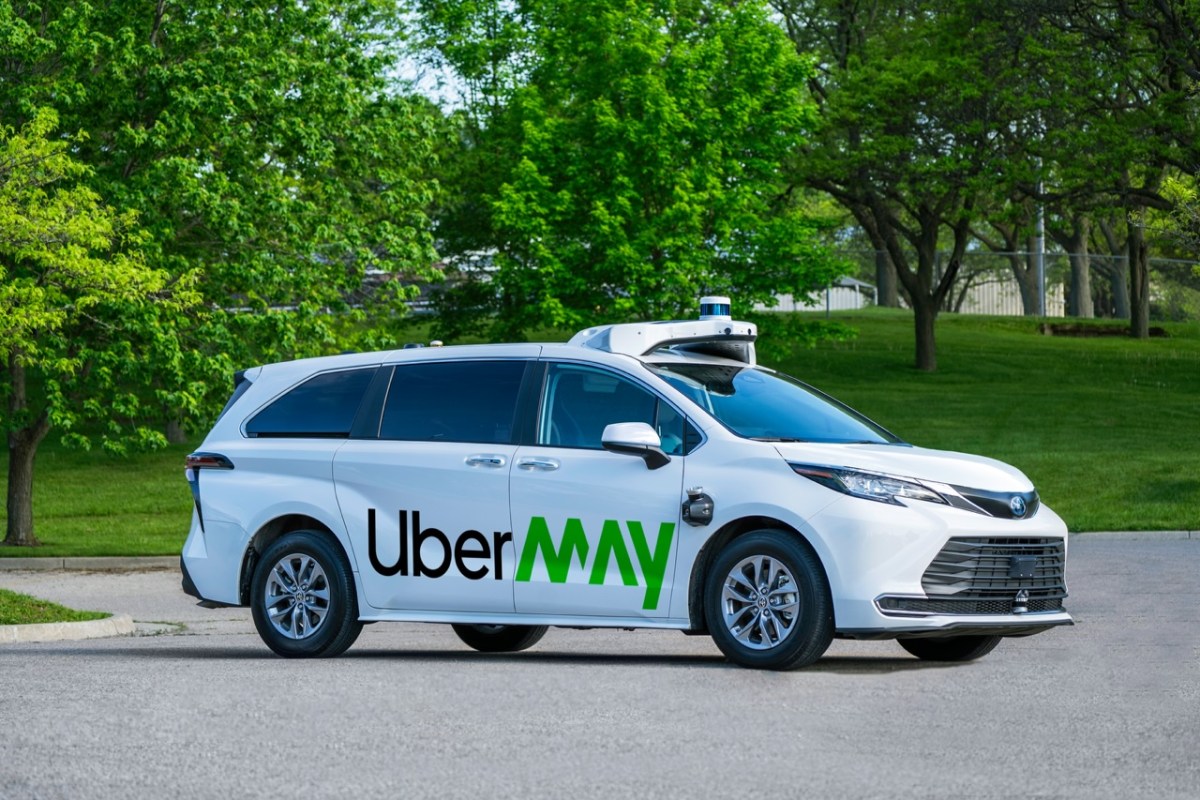
May Mobility to Go Public Through $1.4 Billion SPAC Merger with ACP Holdings
May Mobility, an autonomous vehicle company, is set to merge with ACP Holdings Acquisition Corp., a SPAC, to become publicly traded. This merger could raise over $300 million, valuing May Mobility at $1.4 billion. Upon completion, it will be the first U.S. public company focused solely on autonomous ride-hailing. This move is significant as it positions May Mobility to gauge the stock market's interest in dedicated robotaxi ventures, distinguishing itself from other companies like Tesla and Waymo. The company's unique 'asset-light' model involves selling autonomous vehicles to fleet partners while retaining control over software and supervision, generating revenue through licensing fees. Looking ahead, May Mobility plans to use the merger proceeds for R&D, particularly in eliminating safety drivers, and for supply chain investments. The company is also targeting new geographic deployments, with announcements expected later this year. No further timeline was disclosed at the time of publication.
Transportation autonomous vehicles avs May Mobility robotaxis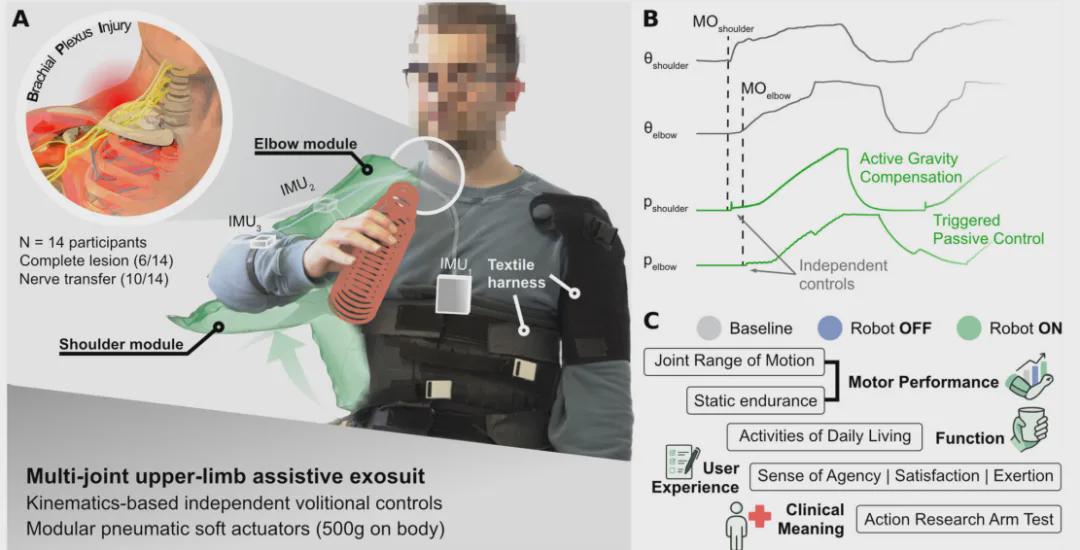
Soft Exosuit Increases Arm Mobility by 80-180% for Patients with Brachial Plexus Injuries
A team from the BioRobotics Institute of Scuola Superiore Sant'Anna, University of Turin, and CTO Hospital in Turin has developed a soft exosuit that significantly enhances arm mobility for patients with chronic brachial plexus injuries (BPI). The exosuit, weighing approximately 0.6 kg, was tested on 14 patients, resulting in an 80% to 180% increase in active range of motion and a 160% improvement in static endurance. This advancement is crucial as BPI often leads to severe loss of sensation and motor control in the upper limb, primarily affecting young males under 30, with motorcycle accidents being the leading cause. The exosuit employs soft pneumatic actuators to assist shoulder and elbow movements, providing a novel solution that addresses the critical joint often overlooked in previous wearable robotics. Future developments in this technology could further enhance rehabilitation for BPI patients. The study's findings indicate that the exosuit not only improves mobility but also reduces the effort required for movement, as evidenced by a significant decrease in muscle activity during use. No further timeline was disclosed at the time of publication.
Soft Robotics Wearable Technology Rehabilitation Devices Medical Innovation
Panasonic Connect Launches Robo Sync for Mobility to Manage AMRs and Equipment This Fall
Panasonic Connect Group announced the launch of its autonomous mobile robot (AMR) control service, Robo Sync for Mobility, set to begin this fall. This service aims to support the introduction and operation of AMRs in logistics and manufacturing environments by integrating multiple manufacturers' AMRs and surrounding equipment for streamlined workflow management. The significance of this service lies in its ability to address the growing interest in AMR utilization amid labor shortages and rising costs in logistics and manufacturing. By providing a unified management system, Robo Sync for Mobility facilitates the ongoing use of AMRs, allowing for easier adjustments to workflows and quicker troubleshooting during operational disruptions. Looking ahead, Panasonic Connect plans to enhance the service by expanding compatibility with additional manufacturers and equipment, improving dashboard and log analysis features, and developing AI-driven operational support capabilities. No further timeline was disclosed at the time of publication.

Skyports Collaborates with Oita Government to Enhance Advanced Air Mobility Services
Skyports Infrastructure has entered into a partnership with the Oita Prefectural Government to establish a framework for Advanced Air Mobility (AAM) services in the region. This collaboration aims to support Oita's goal of initiating commercial AAM operations around the year 2028. The partnership, formalized through a Memorandum of Understanding, signifies a strategic move towards integrating advanced air mobility into the local transportation ecosystem. By laying the groundwork for vertiport infrastructure, Skyports is positioning itself as a key player in the future of aerial transport in Oita. Looking ahead, stakeholders will be keen to monitor the progress of this initiative as Oita aims to become a pioneer in commercial AAM services. No further timeline was disclosed at the time of publication.
Aircraft News Transportation aam advanced air mobility air taxis
The Rise of Household Robots: Transforming Mobility and Daily Life by 2026
By 2026, the tech industry anticipates a significant shift where robotaxis will replace personal vehicles, and humanoid robots will become essential household members. This narrative suggests that cars will transition from personal ownership to mobility services, while robots will evolve similarly, becoming integral to family life. The implications of this shift are profound, as automotive companies leverage their expertise in intelligent driving technologies for robotics. Tesla's Optimus and FSD share architecture and AI chips, with mass production delayed until summer 2027. Meanwhile, BYD's humanoid robot, Xiaodi, is already in experience centers, highlighting the automotive sector's readiness to adapt. However, the transition from industrial to home environments remains challenging. Despite a surge in humanoid robot shipments, household penetration is low, with most units directed towards entertainment and education. As the industry moves towards a service-oriented model, the focus will shift from hardware ownership to the value of the underlying intelligent systems, data, and services that drive competition in this evolving landscape.
Humanoid Robots Robotaxi Service Robotics AI Mobility Solutions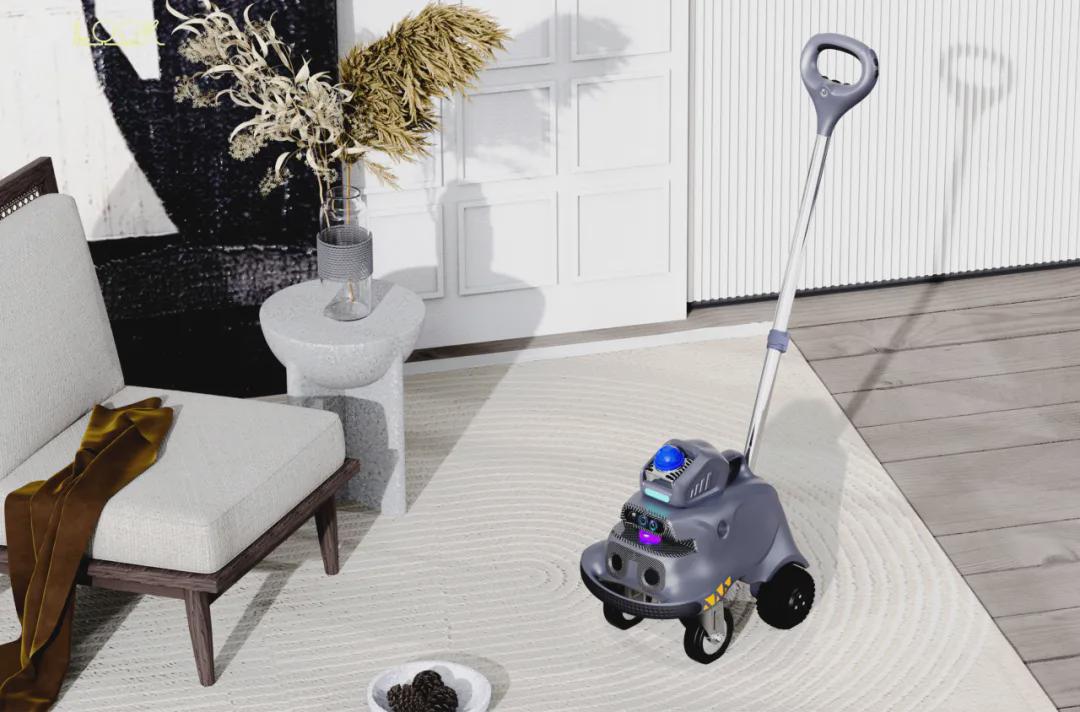
Blind Engineer Unveils AI LOOK Guide Robot for Enhanced Mobility Independence
On September 3, 2023, Zhu Qingyi, a blind software engineer and chairman of Shandong Zhuge Robot Co., unveiled the AI LOOK robot at the 2026 China International Welfare Expo. Weighing approximately 12 pounds, this innovative guide robot enabled Zhu to navigate the stage independently, showcasing its potential for assisting visually impaired individuals. The significance of AI LOOK lies in its advanced sensor fusion technology, which allows for real-time navigation without relying on pre-built maps. Unlike traditional SLAM-based robots, AI LOOK focuses on immediate obstacle detection and navigation, making it particularly suitable for dynamic environments that visually impaired individuals often encounter, such as busy streets and shopping malls. Looking ahead, the company has secured 31 software copyrights and 5 invention patents for the project. The AI LOOK robot is designed to recognize obstacles and provide navigation assistance, with a reported traffic sign recognition accuracy of 99.7%. No further timeline was disclosed at the time of publication.
Assistive Technology Robotics Blind Navigation Sensor Fusion
Elon Musk Declares Cybercab Launch Marks 'Golden Era' of Mobility with Starlink Integration
Tesla Inc. CEO Elon Musk announced the launch of the Cybercab, heralding a new era in mobility. He emphasized the vehicle's integration with Space Exploration Technologies Corp.'s Starlink internet, which will enable passengers to enjoy 4K live video during rides. Musk's comments highlight the significance of the Cybercab as a transformative product in the transportation sector, reflecting Tesla's commitment to innovation and connectivity. The introduction of Starlink connectivity is expected to enhance the user experience, making rides more enjoyable and engaging. Looking ahead, Musk mentioned a workforce expansion at Tesla, projecting over 30,000 employees at the company's headquarters and manufacturing facilities in Austin by 2028. This growth underscores Tesla's ambition to lead in the evolving mobility landscape. No further timeline was disclosed at the time of publication.

Galileo Unveils Galileo X: A Unified Ground Mobility Platform for Diverse Environments
Chinese robotics company Galileo has introduced Galileo X, a groundbreaking ground mobility platform that integrates wheeled, off-road, and legged robot capabilities. Unveiled at the 2026 World Robot Conference in Beijing, this innovative system aims to provide a versatile solution for various operational environments by bridging the gaps between different robotic architectures. The significance of Galileo X lies in its ability to combine the precise transport capabilities of wheeled automated guided vehicles (AGVs) with the long-range mobility of off-road vehicles and the adaptability of legged robots. This unified approach allows for a single platform to handle diverse tasks, reducing the complexity and need for multiple specialized machines in challenging terrains. Looking ahead, the potential applications of Galileo X are vast, ranging from heavy-duty off-road handling to warehouse logistics and mobile inspection tasks. No further timeline was disclosed at the time of publication, but the platform's development reflects Galileo's commitment to embodied intelligence and in-house technological advancements in robotics.
AI and Robotics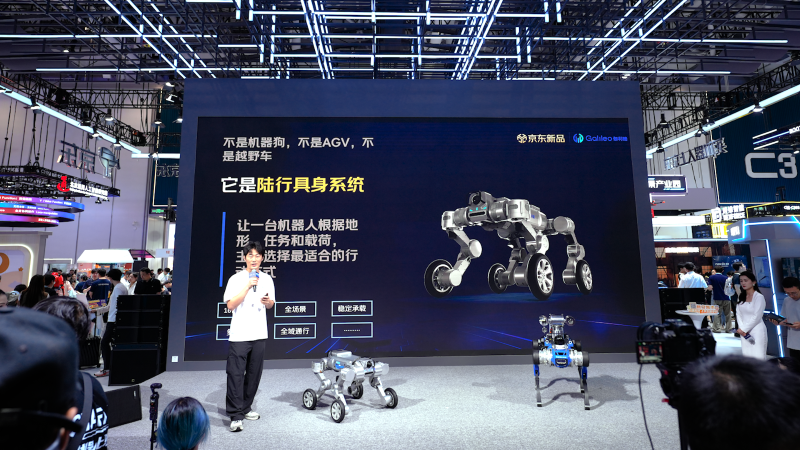
Galileo Unveils Galileo X All-Terrain Mobility Platform at World Robotics Conference 2026
During the 2026 World Robotics Conference, Galileo launched the Galileo X all-terrain mobility platform, introducing a new category called the 'Land Walking System.' The concept machine weighs approximately 50 kg and demonstrated a load capacity of around 70 kg with multi-modal switching. Galileo plans to release a mass production version in Q4, targeting a rated load of 200 kg, a maximum load of 400 kg, and a full-load endurance of 15 hours. This launch is significant as it addresses the limitations of existing robotic solutions in complex industrial environments. Traditional quadruped robots excel in obstacle navigation but struggle with endurance and load efficiency, while AGVs are limited to flat, enclosed spaces. The Galileo X aims to create a seamless task chain for industrial operations, reducing the need for multiple devices and associated costs. Looking ahead, no further timeline was disclosed at the time of publication. However, the industry will be watching how Galileo's integrated approach to mobility and control systems can redefine operational capabilities in various sectors, including rail, power, and petrochemicals, where their products have already seen success.
All-Terrain Robots Industrial Robotics Mobility Solutions Robotic Systems
Galileo Robotics Introduces Next-Generation Galileo X at WRC 2026 with Innovative Mobility System
Galileo Robotics has unveiled the Galileo X at the 2026 World Robot Conference, introducing a revolutionary 'Embodied Ground Mobility System'. This launch signifies a significant advancement in product design and technology, setting a new standard for future ground robots. The introduction of the Galileo X is crucial as it redefines the existing paradigms in robotics, particularly in ground mobility. This innovation positions Galileo Robotics as a leader in the field of embodied intelligence, potentially influencing the development of next-generation robotic solutions. Looking ahead, industry stakeholders will be keen to observe how the Galileo X performs in practical applications and its impact on the robotics market. No further timeline was disclosed at the time of publication.

Michigan Allocates $2 Million for Five Advanced Air Mobility Initiatives
Michigan has awarded $2 million to five companies for advanced air mobility projects aimed at addressing real-world challenges faced by state agencies. Announced on August 11 by the Michigan Department of Labor and Economic Opportunity’s Office of Future Mobility and Electrification, these projects will utilize the Michigan Mobility Funding Platform’s AAM Statewide Mobility Challenges. The selected projects will involve partnerships between technology firms and various Michigan state departments, focusing on areas such as environmental monitoring, wildfire response, and drone detection. Michigan Chief Mobility Officer Justine Johnson emphasized the importance of integrating new technologies into everyday operations to accelerate innovation and improve public services. Among the projects, Kohtari will collaborate with the Michigan Department of Environment, Great Lakes, and Energy for air and water quality monitoring, while Orb Aerospace will assist the Michigan Department of Natural Resources with wildfire monitoring. Westwood AI will partner with the Michigan Department of Transportation to enhance roadway assessments, and Motorola Solutions will work with Michigan State Police on drone detection technology. No further timeline was disclosed at the time of publication.
Advanced Air Mobility Drone News Drone News Feeds Drones in the News Dual Use News
Strutt Launches Personal Mobility Robot EV1 with Nearly $100 Million in Funding
Strutt, a company founded by former DJI executive Hong Xiaoping, has successfully launched its personal mobility robot, the EV1, achieving a near 50% test drive conversion rate and a 0% return rate. The company recently completed a Pre-A+ funding round, raising nearly $100 million from leading global mobility tech firms and major internet funds in China. The EV1 is designed for various environments, including homes, communities, and outdoor spaces, featuring a multi-modal sensor system and advanced driving capabilities. Unlike traditional mobility devices, the EV1 aims to integrate into daily life as a physical AI terminal, providing driving assistance while maintaining user control. The product has already generated millions in sales across dozens of countries since its launch in May. Looking ahead, Strutt plans to expand the EV1's capabilities with additional features such as robotic arms and end-effectors for personal and household tasks. The company intends to adapt its strategy for the Chinese market, leveraging local supply chains and urban living scenarios, with plans to initiate operations there in the second half of 2026. No further timeline was disclosed at the time of publication.
Personal Mobility Robots Robotics AI Technology Smart Transportation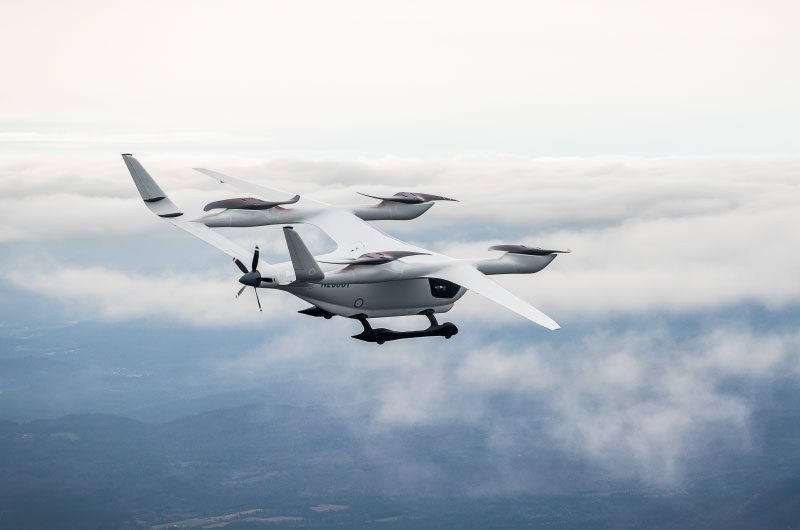
BETA Technologies Advocates for Practical Applications of Advanced Air Mobility
BETA Technologies is advocating for a broader approach to advanced air mobility, emphasizing practical transportation solutions over futuristic passenger services. At the Korea Drone and UAM Expo, Patrick Buckles, Regional Head of Aircraft Sales, highlighted the company's strategy that integrates electric aircraft, charging infrastructure, and pilot training for various missions. Founded in 2017, BETA has developed its operations around electric aircraft, multimodal charging systems, and enabling technologies such as electric propulsion and battery technology. The company has successfully flown over 300,000 kilometers and is targeting applications in cargo, defense, medical transport, and passenger services with its two aircraft platforms: the ALIA CTOL and ALIA VTOL, which share design commonality for enhanced safety and simplicity. Looking ahead, BETA's focus on operational advantages, such as lower energy and maintenance costs, positions electric aviation as a viable alternative to conventional aircraft. The potential for zero emissions and reduced noise levels could facilitate community acceptance and support critical missions like medical transport in remote areas. No further timeline was disclosed at the time of publication.
Advanced Air Mobility DL Exclusive Drone News Drone News Feeds eVTOL News
BeingBeyond Unveils Being-M0.7: A Revolutionary Humanoid Robot for Mobility and Dexterity
On July 15, BeingBeyond officially launched the Being-M0.7, the world's first full-body mobile operation implicit world action model (Latent WAM). This model enables robots not only to 'see' the world but also to 'understand' how it operates, facilitating full-body movements and dexterous actions. It connects visual perception with physical interaction, allowing robots to exhibit human-like coordination. The significance of Being-M0.7 lies in its ability to learn from over 10,000 hours of human first-person video pre-training, enabling it to predict physical changes based on implicit visual and motion information. Before executing commands, the model learns three core capabilities: visual context understanding, future state prediction, and implicit representation of humanoid kinematics. This foundational understanding precedes its ability to control movements. Looking ahead, BeingBeyond's advancements in implicit world action models are noteworthy. The Being-M0.7 expands the capabilities of previous models, transitioning from desktop dexterous tasks to full-body mobile operations. Future demonstrations will likely showcase the robot's understanding of physical interactions and its ability to perform complex tasks autonomously, marking a significant step in humanoid robotics development.
Humanoid Robots Robotic Mobility AI Machine Learning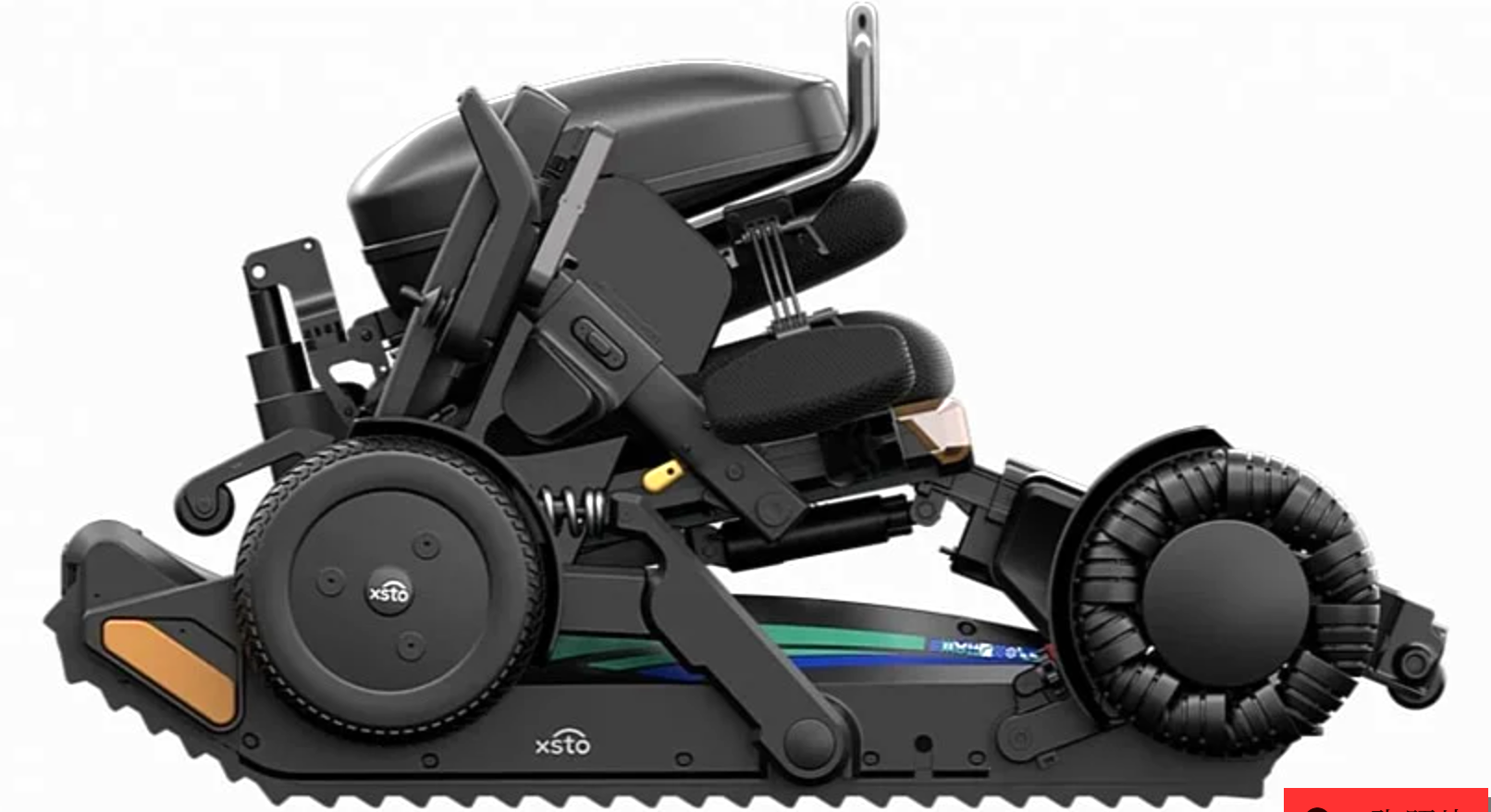
XSTO Mobility Launches $28,000 X12 Stair-Climbing Robot with AI and LiDAR Technology
XSTO Mobility has unveiled the X12 all-terrain mobility robot, priced at $27,999, designed to assist wheelchair users in overcoming stairs and other obstacles. Weighing approximately 115 kg and capable of carrying up to 136 kg, the X12 features a hybrid wheel-track chassis that allows it to navigate stairs autonomously, with a climbing speed of 25 steps per minute and descending speed of 30 steps per minute. The robot utilizes LiDAR and AI algorithms for real-time terrain perception, enabling it to adjust its driving mode and power output dynamically. The introduction of the X12 is significant as it addresses mobility challenges faced by individuals with disabilities, particularly in environments lacking accessibility features. With the ability to climb slopes of up to 40 degrees and traverse gaps of 300 mm, the X12 offers a solution that goes beyond traditional mobility aids. XSTO Mobility, based in Zhongshan, Guangdong, has been developing embodied mobile robots for over a decade, and the X12 represents a substantial advancement in this field, emphasizing user independence and safety. Looking ahead, XSTO Mobility has reported that orders for the X12 are already booked until April 2026, indicating strong market demand. The robot is currently available in over 70 countries, and its innovative design has garnered multiple awards. No further timeline was disclosed at the time of publication regarding additional product releases or enhancements.
Mobility Robots Assistive Technology AI Healthcare Innovation
Innovative Amphibious Ball Robot Showcases Versatile Mobility at Defense Electronics Expo
An amphibious ball robot, measuring approximately 80 cm in diameter and weighing around 190 kg, captivated attendees at the China International Defense Electronics Exhibition. This unique robot, which lacks legs or tracks, utilizes an internal motor and pendulum system to roll on land at speeds up to 35 km/h and navigate water with an added propeller. The significance of this design lies in its departure from traditional robotic forms, as highlighted in PwC's report on the future of intelligent robotics. By 2030, a diverse coexistence of robotic forms is expected, with this ball robot exemplifying a new approach to mobility that combines simplicity and efficiency. Looking ahead, researchers are exploring multi-modal propulsion systems that integrate pendulum and propeller mechanisms for optimized performance in transitional environments. The Duke University-developed MARBLE robot further exemplifies this trend by eliminating external moving parts, relying instead on internal mechanisms for movement in both land and water, marking a significant technological advancement in amphibious robotics.
Amphibious Robots Robotics Technology Industrial Automation Defense Technology
ETH Zurich Enhances Robot Hand Mobility and Recovery Using Reinforcement Learning
ETH Zurich's Soft Robotics Lab has introduced a novel technology that utilizes robot hand fingers as feet, enabling interaction with the environment. By employing reinforcement learning, the robot hand can support its own weight while moving and performing various tasks. A demonstration video showcasing these capabilities was released on September 16, 2026, on YouTube. This research successfully applies reinforcement learning to teach the robot hand multiple movement skills, including crawling while supporting its weight, turning, recovering from falls, pressing keyboard keys, and pushing objects. Notably, these actions are achieved by using the fingers not just for gripping but as functional feet. The video illustrates the robot's movement across various indoor and outdoor surfaces, its recovery from falls, keyboard operation, and object pushing. The research team utilized task-specific individual policies learned in a simulation environment to realize these diverse skills. Each action, such as crawling and turning, is controlled based on independently learned policies. The on-board processing allows for decision-making and execution without relying on external computational resources. This technology represents a significant step towards multifunctionality and versatility in robotics, warranting attention in the field.
Lyft Partners with Waymo to Launch Robotaxi Services in Nashville
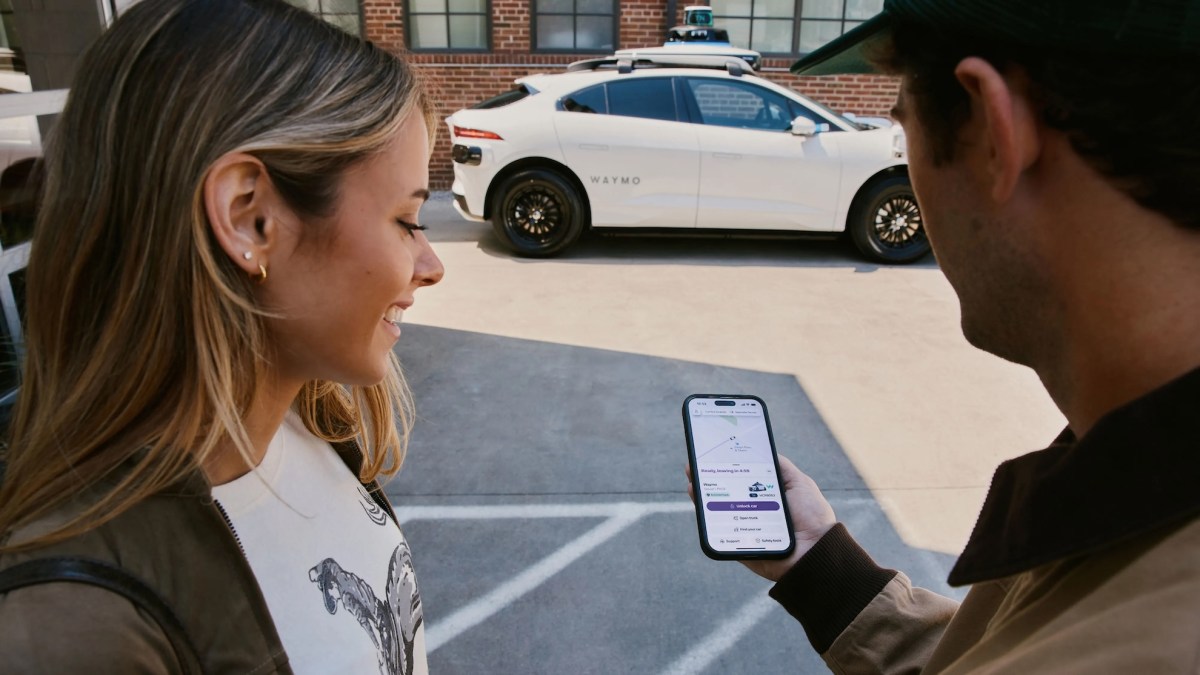
Lyft has achieved a significant milestone by integrating Waymo robotaxis into its app in Nashville. This partnership allows Lyft to manage fleet services, vehicle maintenance, and depot operations through its subsidiary Flexdrive, enabling customers to hail Waymo robotaxis via both the Waymo and Lyft apps based on availability. This development is crucial as it marks Lyft's first foray into commercial robotaxi services utilizing driverless vehicles without human operators. Previously, Lyft had invested heavily in its own autonomous vehicle technology but shifted focus after selling its AV unit to Toyota’s Woven Planet Holdings for $550 million in 2021. The company is now looking to expand its AV partnerships internationally, particularly in markets like London. Looking ahead, Lyft aims to diversify its robotaxi offerings and enhance its partnerships with Waymo and Baidu. Lyft's executive vice president of growth, Jeremy Bird, indicated that 2026 will be pivotal for the company as it explores international markets where it can implement a hybrid network of autonomous and human-driven vehicles. No further timeline was disclosed at the time of publication.
Transportation Ford Lyft Waymo robotaxis techcrunch mobility
Humanoid Robots Enhance Mobility with AI-Driven Sprinting and Spin Kicks
Recent advancements in humanoid robots have led to the development of systems capable of sprinting and executing spin kicks, utilizing AI trained on human motion data. This progress signifies a leap in the capabilities of humanoid robots, which have traditionally been limited in their movement repertoire. The ability of humanoid robots to perform complex movements like sprinting and spin kicks is crucial for their potential application in assisting humans with manual tasks across various environments. Enhanced mobility could enable these robots to engage more effectively in real-world scenarios, thereby increasing their utility and acceptance in society. Looking ahead, the focus will likely be on further refining the movement capabilities of humanoid robots and exploring their practical applications in industries such as healthcare, logistics, and personal assistance. No further timeline was disclosed at the time of publication.
Robotics
Tesla Cybercab Launch Faces Challenges Amid NHTSA Investigation and Market Skepticism
Tesla's Cybercab event in Austin has sparked mixed reactions, with some viewing it as a pivotal moment for robotaxi innovation while others criticize its lack of substance. CEO Elon Musk's absence raised eyebrows, especially given the company's focus on robotics and AI as key to its future. Currently, Tesla has registered 45 Cybercabs in Texas, but the event did not significantly enhance investor confidence. The importance of this launch lies in its potential to reshape urban transportation. However, the National Highway Traffic Safety Administration (NHTSA) has initiated an investigation into Tesla's Cybercabs, which operate without traditional manual controls. This scrutiny highlights the regulatory challenges Tesla faces as it attempts to self-certify its vehicles, a move that could impact its ability to scale the robotaxi service. Looking ahead, the outcome of the NHTSA investigation will be crucial for Tesla's plans. The company may continue operations during the inquiry, but the real test will be whether it can successfully launch a safe and scalable robotaxi service. No further timeline was disclosed at the time of publication.
Transportation Tesla robotaxi techcrunch mobility cybercab
The Human Cost of Robotaxis: Injuries Reported Among Waymo and Zoox Test Drivers
Recent investigations reveal that test drivers for Waymo and Zoox sustained over two dozen injuries in 2024 and 2025 due to sudden movements of autonomous vehicles. Injuries included whiplash, leading to extended recovery times for affected workers. This raises concerns about the safety of test drivers in the autonomous vehicle sector. The findings highlight a hidden human cost associated with the development of autonomous vehicle technology, challenging the narrative that robotaxis will solely enhance road safety. While proponents argue for the benefits of reduced crash incidents, the injuries sustained by test drivers indicate that the transition to autonomous driving may come with significant risks for those involved in the testing process. Looking ahead, it remains to be seen whether other autonomous vehicle developers face similar issues, as they may not be subject to the same reporting requirements as Waymo and Zoox. No further timeline was disclosed at the time of publication.
Transportation Waymo robotaxis techcrunch mobility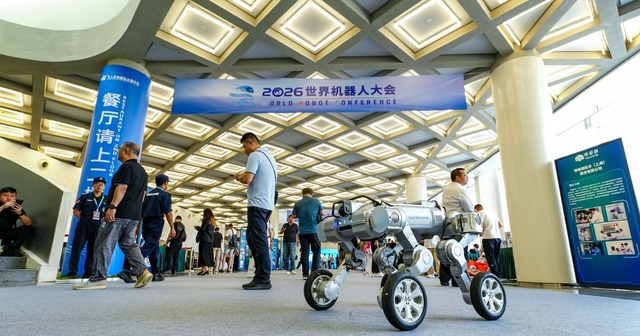
Galileo Unveils Next-Gen Ground Mobility Platform Galileo X at WRC 2026
Chinese embodied AI robotics company Galileo has introduced its next-generation ground mobility platform, Galileo X, at WRC 2026. This platform features the company's proprietary Embodied Ground Mobility System, positioning it as a new paradigm for future ground robots. Galileo X is designed as a versatile ground mobility platform to meet diverse operational needs. It bridges the hardware structures, kinematic models, and control algorithms of wheeled, vehicle-type, and legged platforms through an integrated hardware architecture and unified control framework, creating advanced technological advantages. The introduction of Galileo X aims to establish a unique technological foundation for all-terrain mobile robots, enhancing the company's leadership in multimodal ground mobility solutions. Galileo plans to open its core hardware-software interface to collaborate with algorithm developers, application service providers, and industry partners to build an open ecosystem centered around Galileo X.

Waymo Advances Robotaxi Goals with Custom 5 nm Chip for Self-Driving System
Waymo has made significant strides in its robotaxi expansion, recently launching its sixth-generation Ojai robotaxi for riders in Los Angeles, Phoenix, and San Francisco. This next-gen vehicle is designed to be more cost-effective in terms of production, operation, and maintenance, which is essential for the company's profitability aspirations. A key component of this advancement is Waymo's custom 5 nm ASIC chip, engineered to process vast amounts of data from the Ojai's 13 high-fidelity cameras. The chip boasts over 1,000 TOPS of computing performance, comparable to Nvidia’s DRIVE AGX Thor processor, enhancing the system's efficiency and performance in complex urban environments. Waymo's collaboration with partners like AMD, Micron, and Nvidia underscores its commitment to innovation in self-driving technology. As the company continues to refine its systems, attention will be on how these developments impact the competitive landscape of autonomous vehicles and the ongoing investigation into potential security risks associated with lidar sensors from China.
Transportation Tesla Uber Waymo wayve robotaxis
Unitree's GD01: A New Era in Robotics with Manned Mech Technology
In 2026, Unitree Robotics made headlines with the GD01, a manned mech featured on the cover of TIME magazine. Standing nearly 2.7 meters tall and weighing around half a ton, the GD01 is touted as the world's first mass-produced manned mech, capable of bipedal and quadrupedal movement. This innovative machine represents a shift in robotics, moving beyond single-purpose designs to versatile platforms that can navigate complex environments. The significance of the GD01 lies in its potential to redefine robotics applications. Unlike traditional robots, the GD01 is not limited to industrial or consumer uses; it is designed to explore intelligent mobility scenarios. Its advanced capabilities allow it to operate in unstructured environments, making it suitable for tasks such as emergency rescue, inspection, and transportation. This evolution in robotics highlights a transition from competition over the robots themselves to competition over their functional capabilities. Looking ahead, the GD01 signals a pivotal moment in the robotics industry, emphasizing the need for machines that can adapt to diverse scenarios. As Unitree continues to innovate, the focus will be on how these advanced robots can tackle real-world challenges and perform increasingly sophisticated tasks in various environments. No further timeline was disclosed at the time of publication.
On the Cusp Highlight Mobility News Robotics
WeRide Partners with GreenMobility to Launch Autonomous Shared-Mobility in Denmark
WeRide, a Chinese autonomous-driving company, has formed a partnership with GreenMobility, a Danish shared-mobility platform, to initiate Denmark's first commercial autonomous shared-mobility project. This collaboration signifies WeRide's inaugural entry into the Nordic market. The significance of this partnership lies in its potential to revolutionize urban mobility in Denmark, leveraging WeRide's advanced L4 Robotaxi GXR vehicles that comply with EU regulations. The service is expected to be launched to the public in the first half of 2027, pending regulatory approval. As the project progresses, stakeholders will be keen to observe the regulatory landscape and the technological advancements that will facilitate the deployment of autonomous shared-mobility services in Denmark. No further timeline was disclosed at the time of publication.
News Feed
Zoox Receives Regulatory Exemption to Launch Commercial Robotaxi Service in Las Vegas
The National Highway Traffic Safety Administration (NHTSA) has granted Zoox a temporary exemption from eight federal motor vehicle safety standards, enabling the company to charge for rides in its custom-built robotaxi. This exemption is crucial as it removes one of the last regulatory barriers Zoox faced before launching its commercial service. This development is significant as it highlights the contrasting dynamics within the autonomous vehicle sector, where federal initiatives aim to accelerate technology deployment, while state and local governments impose stricter regulations. The scrutiny faced by other operators like Waymo underscores the challenges of ensuring safety and compliance in the industry. Looking ahead, Zoox plans to initiate paid rides in Las Vegas shortly. However, the ongoing regulatory discussions, including proposed national safety standards for autonomous vehicles, indicate that the path forward for the AV industry remains complex and fraught with challenges.
Transportation Tesla Uber Waymo wayve robotaxis
Comprehensive Review of Stair-Climbing Wheelchairs: Mechanisms, Design, and Performance
A recent review published in the Journal of Field Robotics examines stair-climbing wheelchairs, focusing on their fundamental mechanisms, design concepts, and performance analysis. These innovative wheelchairs are designed to enhance mobility for users, particularly in environments with stairs and uneven terrain. The significance of this review lies in its potential to inform future developments in assistive technologies. By analyzing various design concepts and performance metrics, the study aims to provide insights that could lead to improved mobility solutions for individuals with mobility impairments. Looking ahead, stakeholders in the robotics and assistive technology sectors should monitor advancements in stair-climbing wheelchair designs and their real-world applications. No further timeline was disclosed at the time of publication.
SURVEY ARTICLE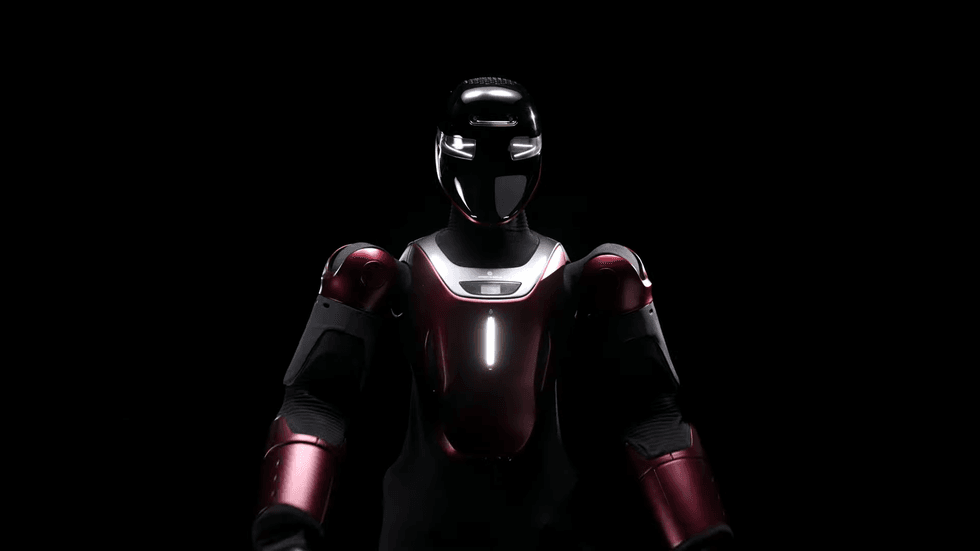
Italian Humanoid GENE.01 Achieves Functional Mobility and Interaction Capabilities
In a remarkable development, the team behind GENE.01 has transformed the humanoid robot into a fully operational platform capable of walking, sensing, and interacting within just six months. This humanoid features a full-body multimodal skin that can perceive touch, proximity, force, and temperature, marking a significant advancement in Physical AI technology. The progress of GENE.01 is crucial as it represents a step closer to safe and natural collaboration between robots and humans. The ability to interact with the environment through various sensory inputs enhances the potential for humanoid robots to be integrated into everyday tasks and settings, thus broadening their application in various industries. Looking ahead, the development of GENE.01 sets the stage for further innovations in humanoid robotics and Physical AI. As the technology evolves, stakeholders will be keen to observe how these advancements can be applied in real-world scenarios and what new capabilities may emerge in the coming years. No further timeline was disclosed at the time of publication.
Humanoid-robots Video-friday Robot-hands Robot-videos Physical-ai Drone-delivery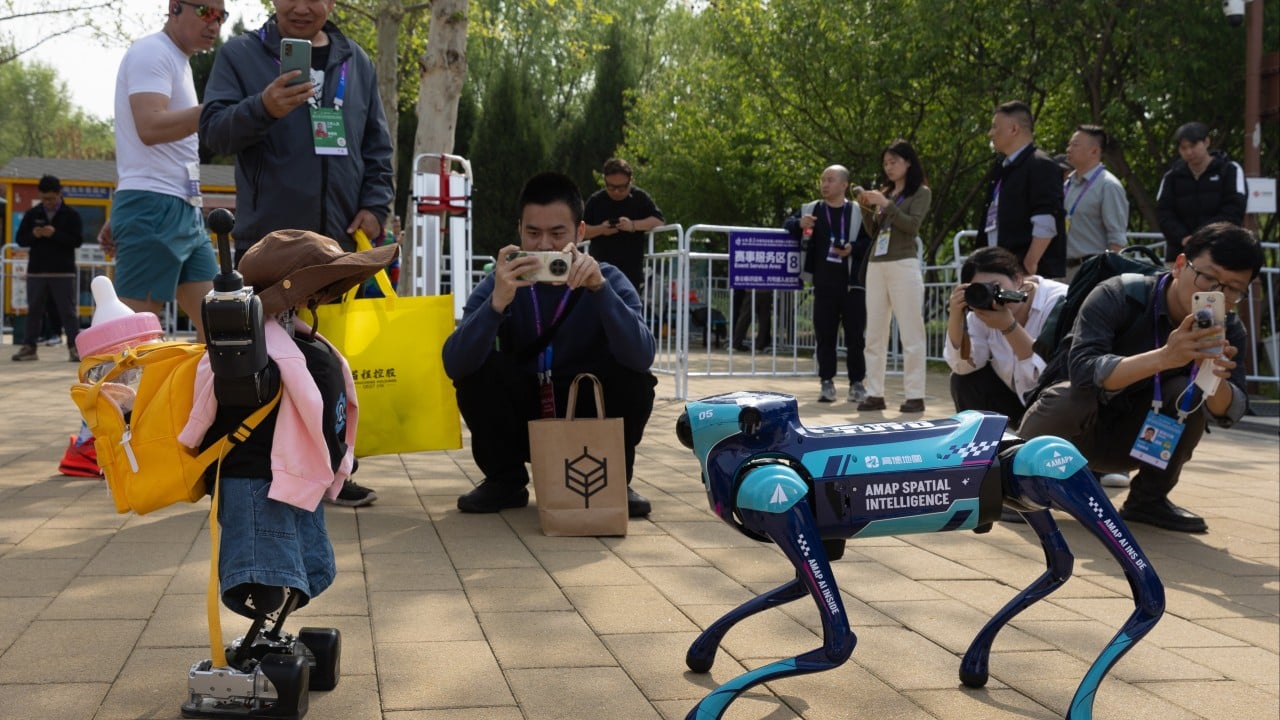
Amap Unveils ABot Framework for Unified Robot Intelligence and Mobility
Amap, a unit of Alibaba Group Holding, has introduced the ABot framework, which integrates a robot's essential functions into a cohesive system. This innovative technology combines five specialized AI models—ABot-N1, ABot-M0.5, ABot-ER, ABot-AgentOS, and ABot-C0—to address the industry's challenge of fragmented robot capabilities. The significance of the ABot framework lies in its ability to enhance robot performance by enabling self-evolving systems that share data and experiences. Amap highlighted that traditional models often operate in isolation, limiting their effectiveness. The ABot-N1 model, for instance, achieves a 92.9% success rate in outdoor navigation using standard cameras, eliminating the need for expensive high-definition maps. Looking ahead, the integration of these models could revolutionize how robots navigate and interact with their environments. Amap's approach to combining movement and manipulation functions through the ABot-M0.5 model is particularly noteworthy, as it allows robots to grasp objects while in motion. No further timeline was disclosed at the time of publication.
DKV Mobility Acquires Majority Stake in Tolltickets to Enhance European Toll Solutions
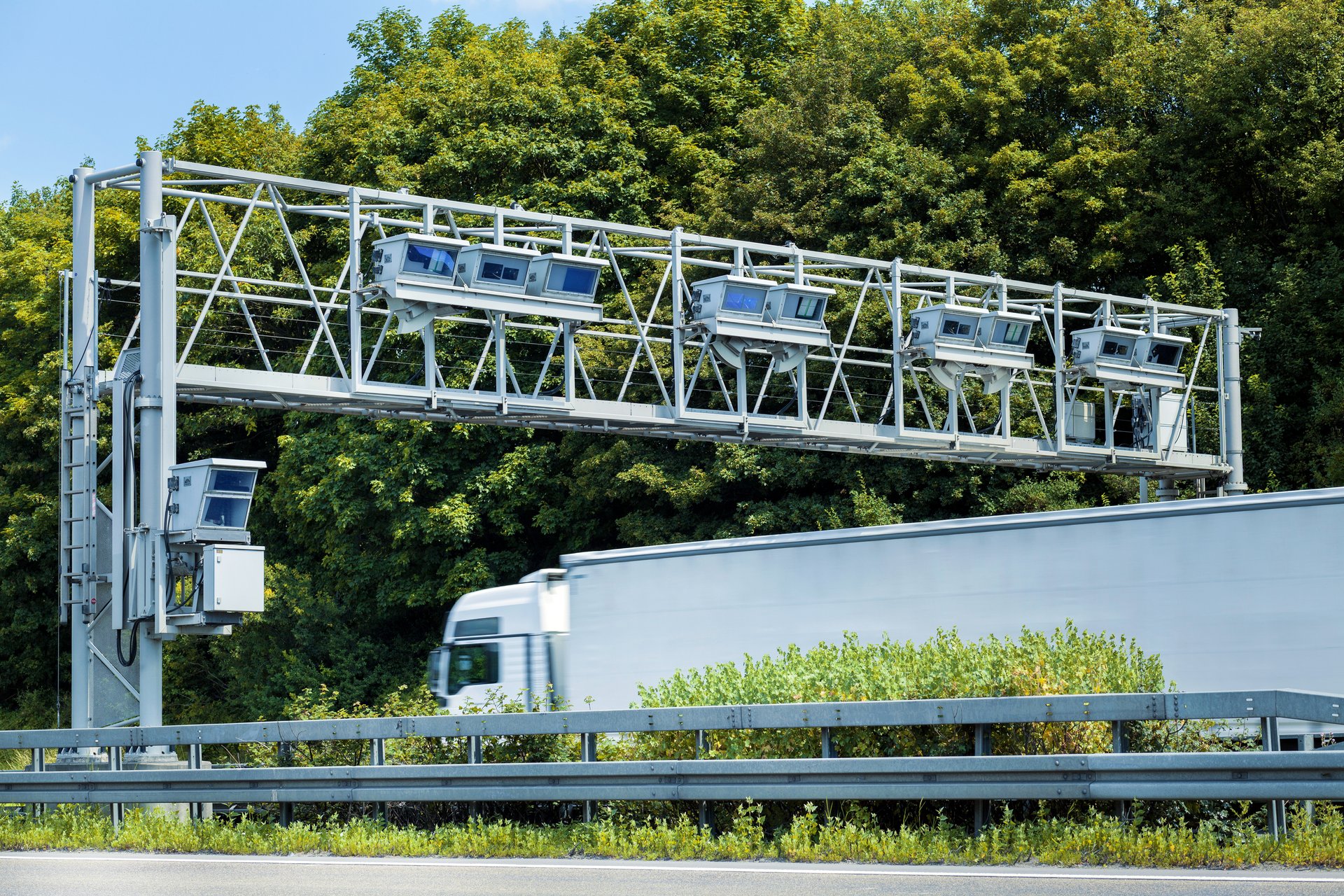
DKV Mobility has announced the acquisition of a majority stake in Tolltickets GmbH, a certified provider of European toll solutions based in Rosenheim, Germany. This strategic move aims to expand DKV's European toll business and integrate Tolltickets’ platform for the European Electronic Toll Service (EETS), which simplifies toll payments across multiple countries with a single on-board unit. The acquisition is significant as it positions DKV Mobility to strengthen its role in the European EETS market, allowing for enhanced development and growth within its integrated mobility platform. Sebastian Klauke, CEO of DKV Mobility, emphasized the importance of the toll business as a core area of their services, which will now be more accessible to customers across Europe. Looking ahead, the transaction is subject to regulatory approval and is expected to close by the end of the year. As Tolltickets continues to operate independently, the collaboration is anticipated to enhance service reliability and flexibility for customers utilizing toll solutions across Europe.
Cold Chain Logistics Couriers and Express CV, Trucks, Vans and Trailers Road Transport and Haulage DKV EETS
Uber and Waymo Clash Over Robotaxi Regulations in Washington, D.C.
Uber and Waymo are currently in opposition regarding a proposed bill in Washington, D.C. that would allow autonomous vehicles to operate. Uber argues that the bill would displace human drivers and grant Waymo a monopoly, advocating instead for a hybrid model that includes human drivers alongside robotaxis. However, insiders suggest that this hybrid approach is unlikely to be enacted. The implications of this regulatory battle are significant for the autonomous vehicle industry. While Waymo supports the bill, other industry players like Tesla have raised concerns about stringent testing requirements and high fees associated with the legislation. Waymo's existing testing in D.C. gives it a potential competitive advantage if the bill passes in its current form. As the D.C. Council prepares for further discussions, stakeholders from various sectors, including disability rights advocates and labor unions, are weighing in. The outcome of this legislative process will be crucial for the future deployment of autonomous vehicles in urban environments. No further timeline was disclosed at the time of publication.
Transportation Waymo techcrunch mobility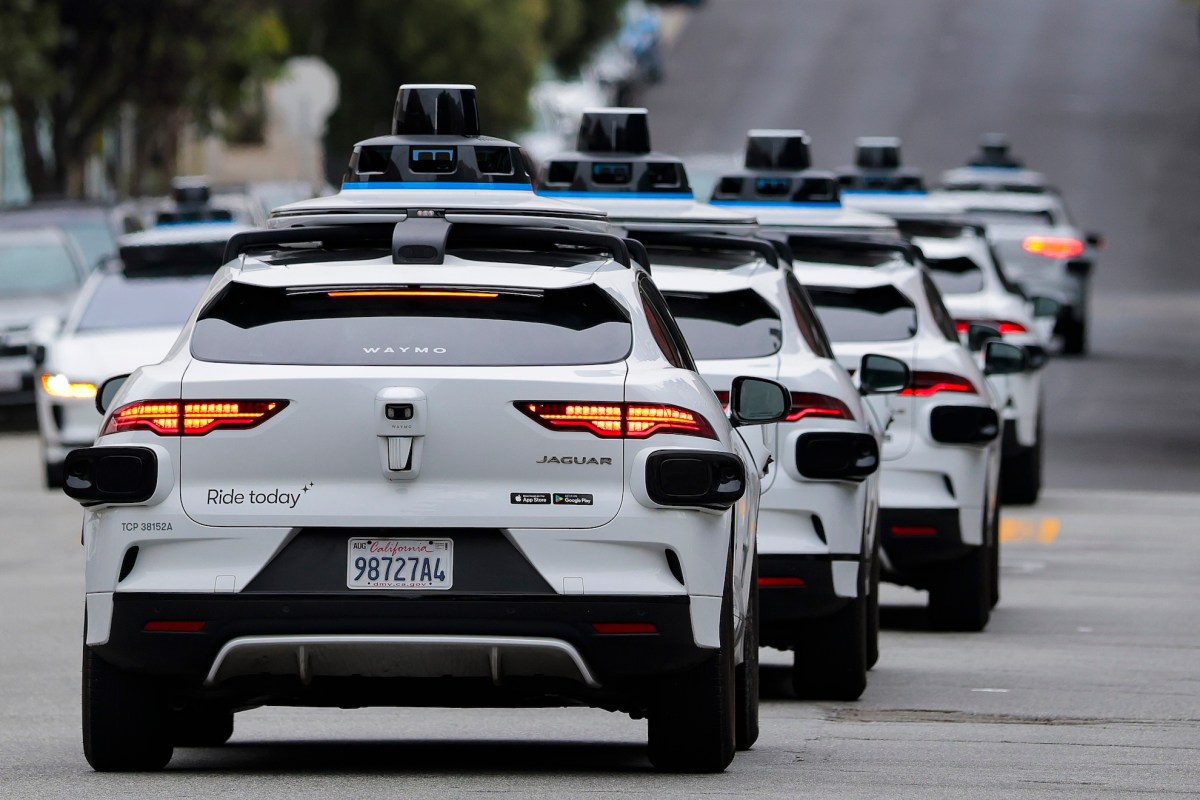
Uber and Waymo Face Tensions as Robotaxi Partnerships Shift in Major Cities
The recent end of the Uber-Waymo partnership in Phoenix marks a significant shift in the robotaxi landscape, with both companies still maintaining services in Atlanta and Austin. The future of these agreements remains uncertain, as tensions rise between Uber executives and Waymo, suggesting potential conflicts in policy and market access as partnerships dissolve. This development is crucial as the National Highway Traffic Safety Administration (NHTSA) has issued a directive emphasizing the need for autonomous vehicles to effectively respond to emergency situations. Waymo, which operates the largest robotaxi fleet in the U.S., has faced scrutiny for its interactions with first responders, raising concerns about operational safety and regulatory compliance. Looking ahead, the NHTSA has called for solutions from AV developers by the end of the month, indicating a potential shift in regulatory oversight. Additionally, Rivian's recent capital raise of $1.32 billion and the introduction of its R2 SUV could signal a competitive shift in the EV market, as the company aims to deliver between 65,000 and 70,000 vehicles by 2026.
Transportation Elon Musk Uber Waymo Rivian robotaxi
DKV Mobility Acquires Majority Stake in Tolltickets to Enhance European Toll Solutions
DKV Mobility has announced its acquisition of a majority stake in Tolltickets GmbH, a certified provider of European toll solutions based in Rosenheim, Germany. This strategic move, aimed at expanding DKV's European toll business, aligns with the growing demand for seamless cross-border mobility services as the European Electronic Toll Service (EETS) continues to roll out. The acquisition is expected to close by the end of the year, pending regulatory approval. The acquisition is significant as it strengthens DKV Mobility's position in the European EETS market, allowing the company to offer integrated mobility solutions and enhance customer experience across Europe. DKV Mobility's CEO, Sebastian Klauke, emphasized that this move secures a long-term position in the market and enables the company to shape the development of toll services more effectively. Tolltickets, which manages over 100,000 vehicles and offers access to toll systems in 15 European countries, will continue to operate independently. Looking ahead, the partnership between DKV Mobility and Tolltickets is expected to deepen, providing customers with more reliable and flexible toll solutions across Europe. The collaboration builds on years of successful partnership, with both companies poised to leverage their strengths for future growth. No further timeline was disclosed at the time of publication.
Road Transport and Haulage Transport and Distribution acquisition DKV EETS europe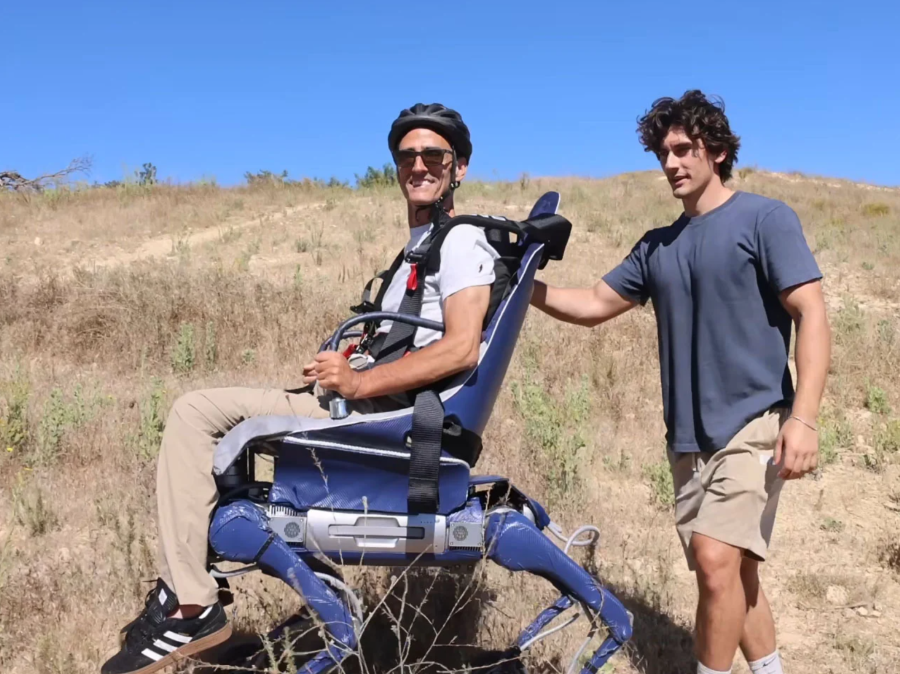
Jake Laser Transforms Unitree Robot Dog into Wheelchair for Father’s Mobility
Jake Laser has ingeniously modified a Unitree industrial robot dog into a wheelchair for his father, who has been affected by multiple sclerosis for over 20 years. This innovative device features a hybrid wheeled and walking design, allowing it to navigate various terrains, including stairs and rocky paths, providing newfound mobility for Jake's father. The significance of this transformation lies in its technical ingenuity and emotional impact. By integrating a racing-style seat and recalibrating the robot's software to accommodate his father's weight, Jake ensured that the robot could maintain balance and stability. The project not only enhances mobility but also restores a sense of independence and pride for his father, who can now control the robot using a wireless joystick. Looking ahead, Jake's creation marks a notable advancement in assistive technology, blending robotics with personal mobility solutions. No further timeline was disclosed at the time of publication, but the successful testing of the robot on challenging terrains indicates potential for broader applications in mobility aids for individuals with disabilities.
Assistive Technology Robotics Mobility Solutions Innovation
Advancements in Humanoid Robot Mobility: Walking, Running, and Jumping Challenges
Researchers are delving into the intricate field of humanoid robot locomotion, focusing on the technological advancements that facilitate walking, running, and jumping. This exploration, which has gained momentum in recent months, emphasizes innovations in joint mechanics, control systems, and materials that contribute to enhanced mobility in robots. Despite these advancements, the study also underscores the ongoing challenges in replicating human-like movement and stability, highlighting the complexity of achieving fluid and reliable locomotion in robotic designs. As the field progresses, experts aim to bridge the gap between current capabilities and the sophisticated movements characteristic of human beings, paving the way for more versatile and functional humanoid robots in the future.
Humanoid Robots Robot Mobility AI Technology Robotics Innovation
Smart mobility company becomes top electric motorcycle brand in Indonesia after raising millions from CATL fund.
OMOWAY, a smart two-wheeler mobility company, has successfully completed both Series A and A+ funding rounds, each raising tens of millions of dollars. The A+ round was led by Lochpine Capital, a fund backed by CATL, while Monolith led the A round with participation from CICC Capital and existing investor ZhenFund. Founded less than two years ago, OMOWAY has attracted a strong roster of investors, including Sequoia, ZhenFund, and various funds from the new energy sector. With significant financial backing and industry resources, OMOWAY is accelerating the commercialization of its products globally. In June, the company launched its flagship product, the OMO-X, with its first delivery in Indonesia, where it quickly became the top-selling electric motorcycle in the country during its first month. OMOWAY aims to disrupt the traditional motorcycle market, which has long been dominated by Japanese fuel brands, by addressing common industry challenges such as the high premium on advanced smart products and the lack of technological appeal in affordable options. The OMO-X features advanced technology, including a digital key, automatic side stand, remote control capabilities, and a large 10.25-inch interactive display, significantly enhancing user experience. The OMO-X Smart model focuses on intelligent mobility, while the OMO-X Balance is the world's first mass-produced self-balancing motorcycle, utilizing gyroscopic technology to improve stability. OMOWAY is also developing a reinforcement learning model for real-world driving conditions and has implemented a 360° panoramic vision system for enhanced safety. With a proprietary technology framework that integrates AI and robotics, OMOWAY is expanding its dealer network in Indonesia and plans to enter markets in Thailand, Singapore, and Europe, aiming to evolve transportation into intelligent partnerships for various applications.

Quick Take: Why Mobility Use Cases (AMRs, AGVs, etc.) Deliver Faster Payback than Stationary Applications
Private networks are increasingly being recognized for their potential in various sectors, with mobility emerging as a key entry point. This focus on mobility is seen as a strategic move, offering quick returns on investment for businesses looking to enhance their operational efficiency. As companies explore the benefits of private networks, the ability to leverage mobility solutions is becoming a critical factor in their decision-making processes. This trend highlights the growing importance of tailored network solutions in meeting the specific needs of organizations across different industries.
Factory / Mobility
Who Builds the Sky? How Regional Partnerships Are Creating the Infrastructure for Advanced Air Mobility
In a recent episode of the Drone Radio Show, Lavera Alexander, Chief Growth Officer of the Monterey Bay Economic Partnership (MBEP), emphasized the critical role of regional collaboration, airport infrastructure, and economic development in shaping the future of advanced air mobility. The discussion highlighted that while aircraft technology is essential, the success of this emerging industry relies heavily on the interconnected efforts of local stakeholders. Alexander's insights reflect a growing recognition that building a robust framework for advanced air mobility requires more than just technological advancements; it necessitates a comprehensive approach that integrates community resources and infrastructure planning. The episode serves as a call to action for regions to work together in fostering an environment conducive to the growth of this innovative sector.
Advanced Air Mobility Aerospace Applications Drone News Drone News Feeds News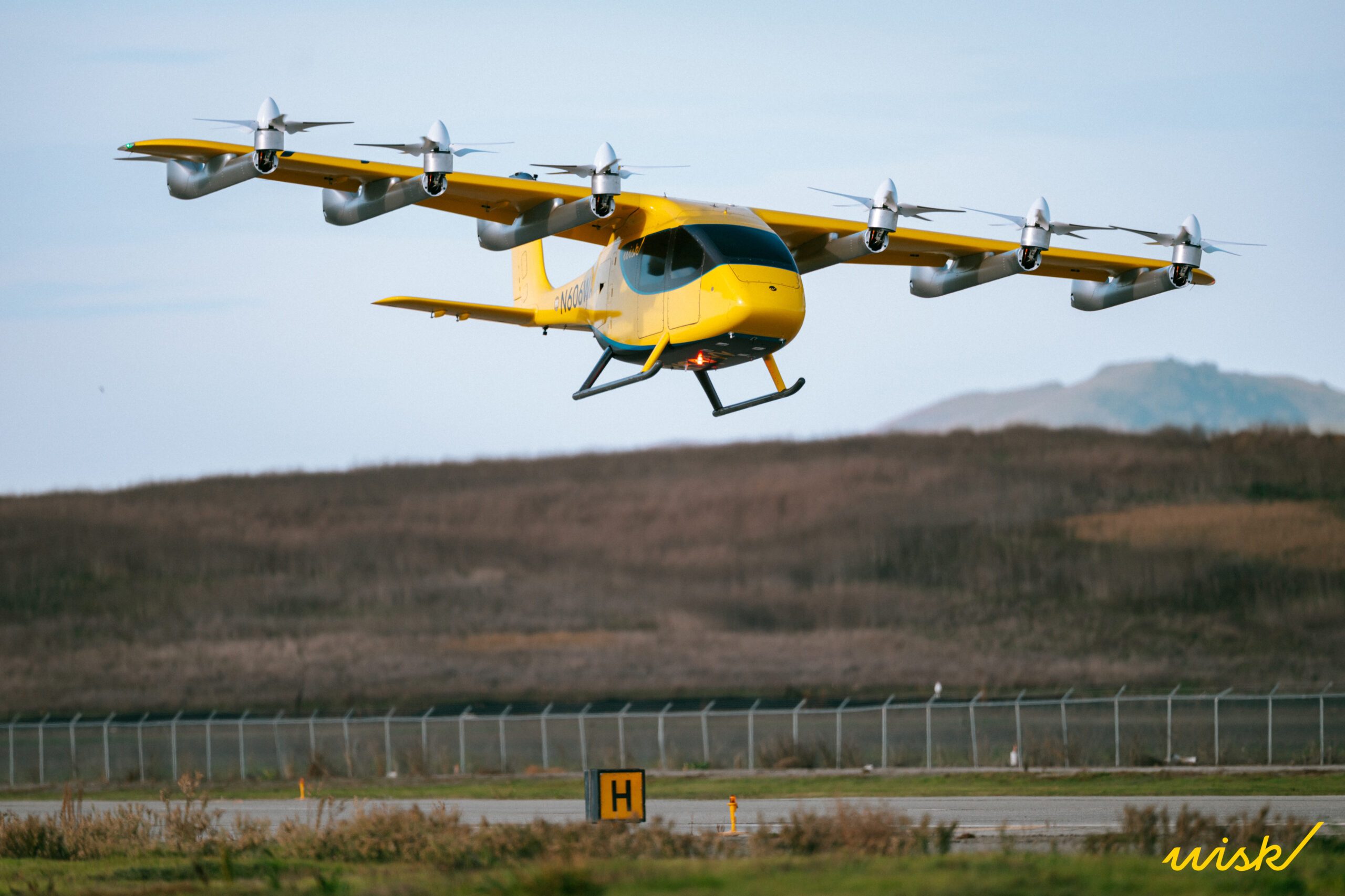
FAA Moves from Planning to Building for Advanced Air Mobility
The Federal Aviation Administration (FAA) has commenced construction on a new research facility aimed at advancing the integration of advanced air mobility (AAM) into the National Airspace System (NAS). This initiative, which began this week, marks a significant transition from policy development to operational readiness for next-generation vertical flight aircraft. The facility will focus on studying the safe operation of these aircraft alongside existing air traffic, reflecting the FAA's commitment to enhancing air transportation capabilities. This move is part of a broader strategy to ensure that emerging aviation technologies can be effectively and safely incorporated into the national airspace.
Air Taxi Applications Drone News Drone News Feeds eVTOL FAA
TechCrunch Mobility: A new robotaxi scorecard shows China’s dominance
TechCrunch Mobility has resumed its coverage, providing a comprehensive source for the latest news and insights related to the future of transportation. With a focus on emerging trends and innovations, the platform aims to keep readers informed about developments in the mobility sector. The relaunch comes as the industry faces rapid changes and advancements, making it essential for stakeholders to stay updated. By delivering timely information and expert analysis, TechCrunch Mobility seeks to empower its audience to navigate the evolving landscape of transportation effectively.
Transportation Tesla Uber zoox Waymo robotaxi
NVIDIA and LG Group build AI factory to train robots and power future mobility
Researchers and engineers are advancing the next frontier of artificial intelligence, focusing on the development of machines capable of movement, visual perception, and autonomous decision-making. This initiative, which has gained momentum in recent months, aims to enhance the functionality and adaptability of AI systems across various sectors, including healthcare, transportation, and robotics. The push for these advancements is driven by the increasing demand for intelligent systems that can operate in dynamic environments and perform complex tasks without human intervention. By integrating advanced sensors and machine learning algorithms, developers are working to create AI that not only processes information but also interacts with the physical world in real-time. This evolution in AI technology is taking place in research laboratories and tech hubs around the globe, with significant contributions from universities, private companies, and government agencies. As these entities collaborate, they are exploring innovative applications that could revolutionize industries and improve everyday life. The ongoing research is expected to culminate in prototypes and pilot programs by early 2024, showcasing the potential of these intelligent machines. As the field progresses, ethical considerations and safety measures are also being prioritized to ensure responsible deployment and integration into society. The ultimate goal is to create AI systems that enhance human capabilities and contribute positively to various aspects of life.

NVIDIA and LG Group Build an AI Factory to Advance Physical AI, Mobility and AI Infrastructure
NVIDIA and LG Group have announced plans to establish an AI factory aimed at enhancing LG's upcoming AI-driven initiatives, which include advancements in robotics, autonomous driving, data center technologies, and GPU cloud services. This collaboration is set to significantly accelerate the development of these technologies, positioning LG Group at the forefront of the AI industry. The factory's establishment reflects both companies' commitment to innovation and their strategic focus on harnessing artificial intelligence to drive future business growth. The partnership is expected to leverage NVIDIA's expertise in AI and GPU technology, facilitating the creation of cutting-edge solutions that will benefit various sectors.

TechCrunch Mobility: It doesn’t matter that people hate the Ferrari Luce
TechCrunch Mobility has re-emerged as a leading source for insights into the future of transportation, particularly focusing on the increasing role of artificial intelligence in the sector. With advancements in technology and data analysis, the platform aims to provide comprehensive coverage and analysis of how AI is transforming various aspects of mobility. This renewed emphasis comes at a time when the transportation industry is rapidly evolving, making it essential for stakeholders to stay informed about the latest trends and innovations. By leveraging data up to October 2023, TechCrunch Mobility seeks to equip its audience with the knowledge needed to navigate the changing landscape of transportation.
Transportation Ferrari jony ive Waymo Rivian robotaxis
A2Z Drone Delivery Joins Kazakhstan’s Alatau City Urban Air Mobility Project
A2Z Drone Delivery, a drone manufacturer based in Torrance, California, has announced a partnership with Alatau Advance Air Group Ltd. to develop next-generation drone infrastructure at the newly established UAM Test Center Eurasia in Kazakhstan. The collaboration, revealed on May 26, 2026, aims to enhance urban air mobility in Alatau City. This initiative reflects a growing commitment to advancing drone technology and its applications in urban environments, positioning both companies at the forefront of the emerging air mobility sector.
Advanced Air Mobility Delivery Drone News Drone News Feeds News Smart Cities
TechCrunch Mobility: Robotaxi reality check
TechCrunch Mobility has resumed its coverage, serving as a key source for the latest news and insights regarding the future of transportation. With a focus on developments in the industry, the platform aims to keep readers informed about innovations, trends, and challenges shaping the mobility landscape. The initiative, which began its latest phase in October 2023, seeks to engage audiences by providing in-depth analysis and expert commentary on emerging technologies and their implications for transportation. As the sector evolves rapidly, TechCrunch Mobility positions itself as an essential resource for anyone interested in the transformative changes ahead.
Transportation Elon Musk SpaceX Tesla xAI Waymo
Polestar Automotive Holding UK PLC (PSNY) Presents at Global Autos, Mobility & Robotics Conference 2026 - Slideshow
Polestar Automotive Holding UK PLC has released a new slide deck in conjunction with its recent event, showcasing the company's ongoing developments and strategies. This initiative is part of a broader effort by Seeking Alpha's transcripts team, which is responsible for producing and publishing thousands of quarterly earnings call transcripts each quarter. The team aims to enhance its coverage and provide valuable insights to readers interested in transcript-related content. This release highlights Polestar's commitment to transparency and communication with its stakeholders as it navigates the evolving automotive market.
PSNY PSNYW PLSAY SA Transcripts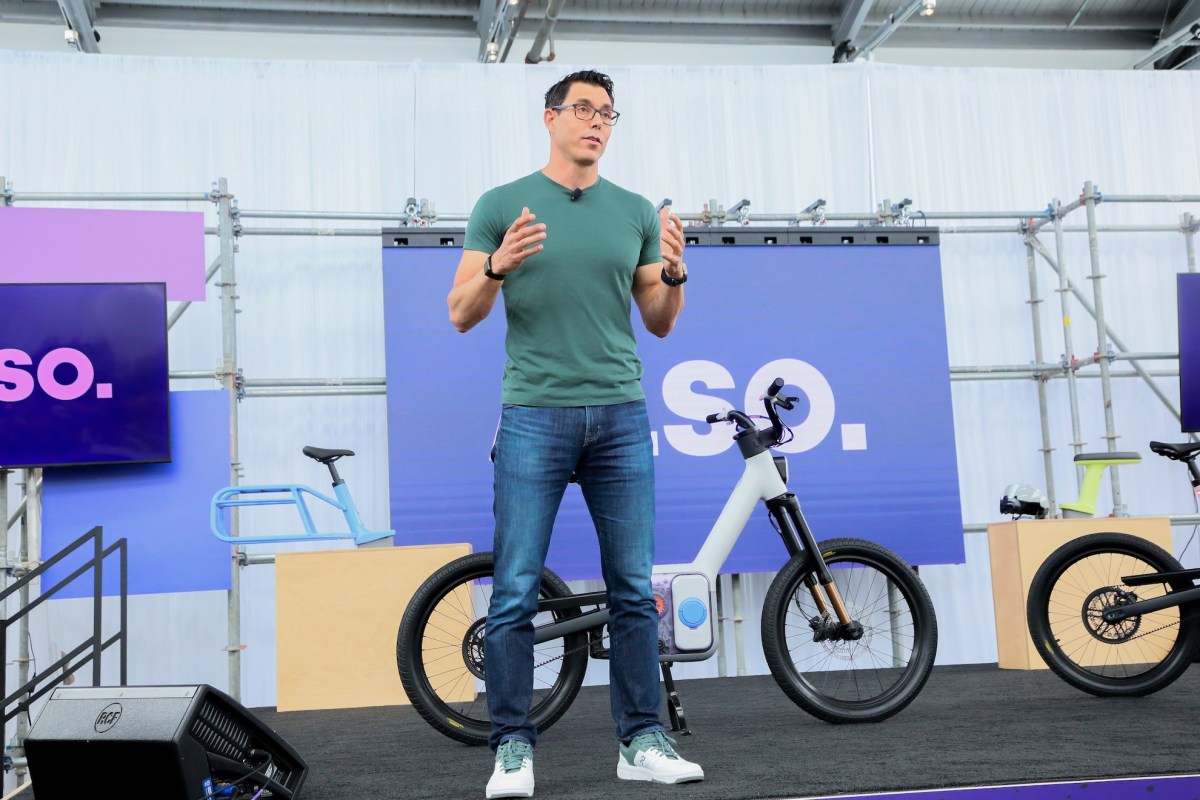
TechCrunch Mobility: The AI skills arms race is coming for automotive
TechCrunch Mobility has resumed its coverage, providing a comprehensive source for the latest news and insights related to the evolving landscape of transportation. This platform aims to keep readers informed about innovations, trends, and developments that are shaping the future of mobility. With a focus on emerging technologies and industry shifts, TechCrunch Mobility offers timely updates and expert analysis to help stakeholders navigate the rapidly changing transportation sector. The return of this resource comes as the industry faces significant transformations driven by advancements in technology and changing consumer demands.
Transportation AI General Motors Rivian RJ Scaringe Rapido
Academician Yin Zhouping: The Evolution of Humanoid Robots from 'Mobility' to 'Interactivity' is Overcoming Three Challenges
Academician Yin Zhouping has highlighted the significant advancements in humanoid robots, noting a transformative shift from basic mobility to sophisticated intelligent interaction. During a recent discussion, he emphasized the critical role of tactile sensing and emotional computing in facilitating more natural interactions between humans and robots. Yin outlined a strategic development pathway that aims to enhance these capabilities, underscoring the importance of integrating advanced technologies to create robots that can better understand and respond to human emotions. This evolution in robotics is poised to redefine human-robot relationships, making them more intuitive and effective in various applications.
Humanoid Robots Tactile Sensing AI Interaction Robotics Technology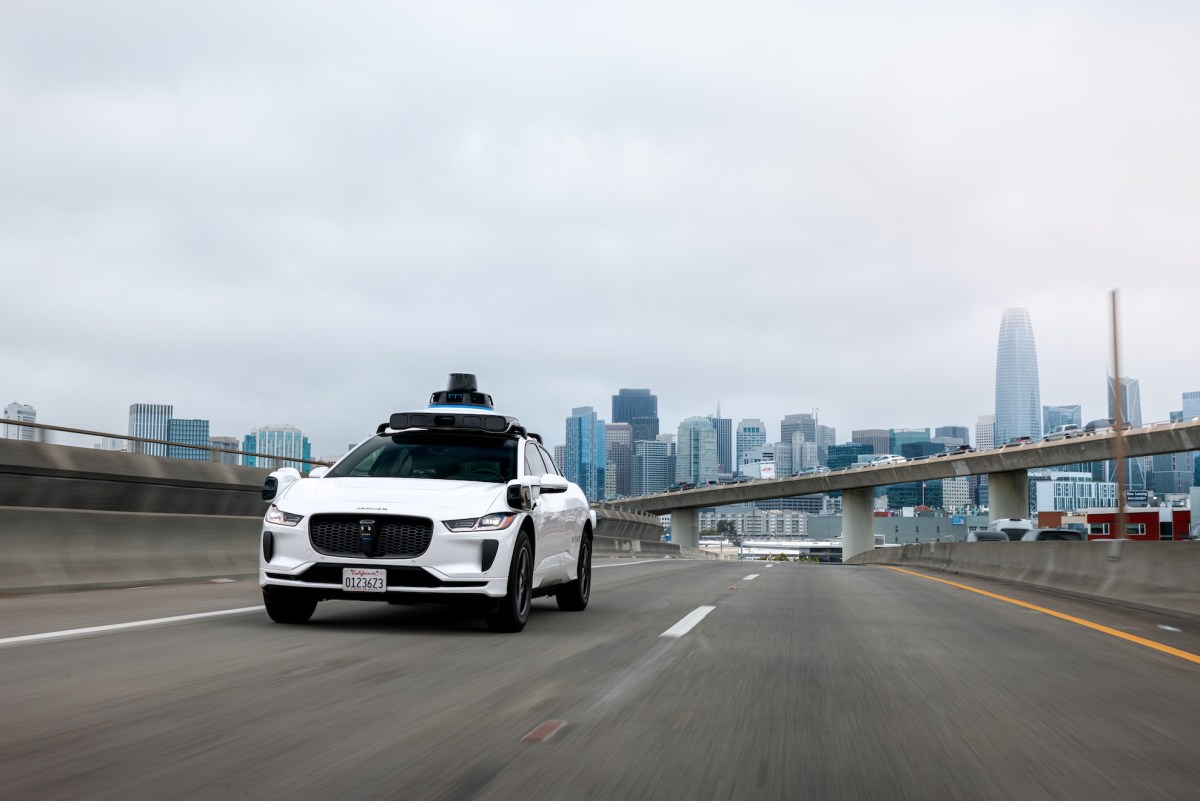
TechCrunch Mobility: How do you issue a ticket to a robotaxi?
TechCrunch Mobility has resumed its coverage, serving as a key resource for the latest news and insights regarding advancements in transportation. With a focus on the evolving landscape of mobility, the platform aims to keep its audience informed about significant developments and trends shaping the future of the industry. The initiative reflects a commitment to providing timely updates and expert analysis, ensuring that readers stay engaged with the rapid changes in transportation technology and infrastructure.
Transportation Tesla Uber Waymo Rivian robotaxi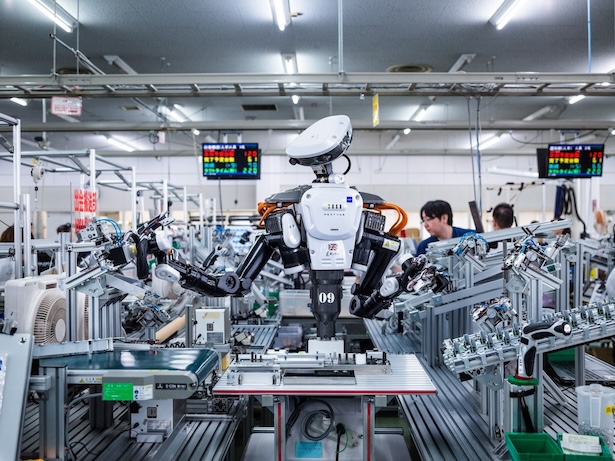
ARX Robotics, Supacat collaborate on robotic mobility for land forces
ARX Robotics and Supacat have entered into a memorandum of understanding to collaborate on the development of robotic and autonomous systems aimed at enhancing the capabilities of land forces in the United Kingdom. This partnership, announced recently, seeks to leverage the expertise of both companies to innovate and improve military operations through advanced technology. The collaboration is expected to address the growing demand for modernized defense solutions, reflecting the UK's commitment to maintaining a competitive edge in military capabilities. By combining their resources and knowledge, ARX Robotics and Supacat aim to deliver cutting-edge systems that will support the operational needs of the UK armed forces.
NewsRobotics needs a service framework.
RSF defines a common language for robot service capability, lifecycle operations, certification pathways, and service-provider networks.
Join the RobotToday community on LinkedIn
Daily robotics news, in-depth analysis, conference highlights, and discussions with professionals worldwide.







