

Industry Briefing
A single destination for timely, editor-curated robotics news from around the world.
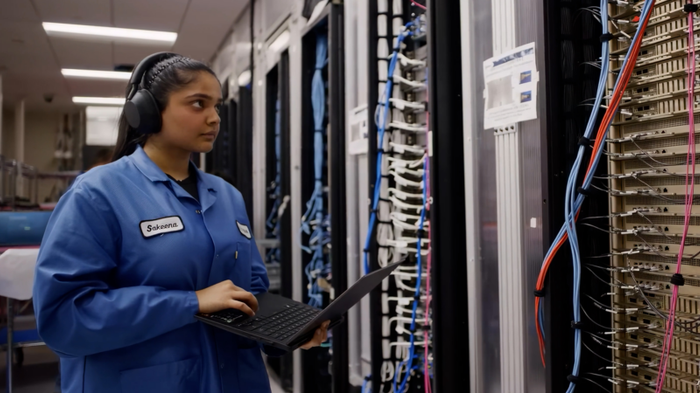
Sakeena Fiza's Role in Ensuring NVIDIA Hardware Performance and Reliability
Sakeena Fiza, a validation engineer at NVIDIA, likens her role to that of a detective, meticulously examining systems to identify potential failures. Her work begins in the lab, where she and her team power up new systems and integrate components, ensuring they function correctly before mass production. A memorable moment for Fiza was witnessing the NVIDIA Rubin GPU successfully enumerate at a system level, marking a significant achievement in the AI hardware landscape. The importance of Fiza's work lies in the validation process, which ensures that NVIDIA's hardware can withstand real-world conditions before reaching customers. By rigorously testing the systems, Fiza and her team aim to identify and resolve issues proactively, thereby enhancing product reliability and customer satisfaction. This approach is crucial in the competitive AI market, where performance and dependability are paramount. Looking ahead, Fiza's ongoing contributions to NVIDIA's validation efforts will be vital as the company continues to innovate in AI hardware. No further timeline was disclosed at the time of publication.

Robocurve Integrates GPT-6 Astra for Robot Control, Reveals Hardware Risks
Following the release of GPT-6 Astra, Robocurve integrated it into robotic tasks, achieving a 95% success rate in control, significantly outperforming Fable 5.1's 40%. The token consumption was about 1/6.2 of Fable's, with costs around 1/2.3. However, real-world tests by the RoboDojo team revealed Astra's actions were often physically unreasonable, leading to hardware damage and an early termination of testing. This situation highlights the challenges in safely and reliably controlling robots in real environments, despite the impressive performance metrics of GPT-6 Astra. The RoboDojo tests were intended to assess Astra's capabilities across 18 tasks, but safety concerns prevented completion. The findings indicate that breakthroughs in foundational model capabilities are just the beginning, emphasizing the need for systems to manage actions and failures effectively. In response, Qunche Intelligent launched RoboRSI, a multi-agent self-evolution framework aimed at complex real-world scenarios. It focuses on creating a closed-loop system for execution, diagnosis, revision, and reuse, while maintaining human control over objectives and safety. This innovation could significantly reduce adaptation costs for personalized environments, opening new commercial opportunities in diverse settings.
Robot Control AI Technology Safety in Robotics Automation Solutions
China Mobile Releases Open-RAIL Middleware for Integrating VLA/WAM Models with Robotics Hardware
China Mobile has announced the open-source release of its Open-RAIL middleware, designed to facilitate the integration of VLA/WAM models with robotic hardware. This middleware introduces asynchronous inference, hardware abstraction, and approximately 50 to 100 lines of code for model hooks, enabling seamless operation across diverse robotic systems. The significance of Open-RAIL lies in its ability to drive heterogeneous robots from end to end, enhancing the interoperability of various robotic components. By providing a standardized interface, it allows developers to implement complex robotic functionalities more efficiently, which is crucial in advancing robotics applications in various sectors. Looking ahead, stakeholders in the robotics industry should monitor the adoption of Open-RAIL and its impact on the development of robotic systems. The open-source nature of this middleware may encourage collaboration and innovation, potentially leading to new applications and improvements in robotic technology. No further timeline was disclosed at the time of publication.
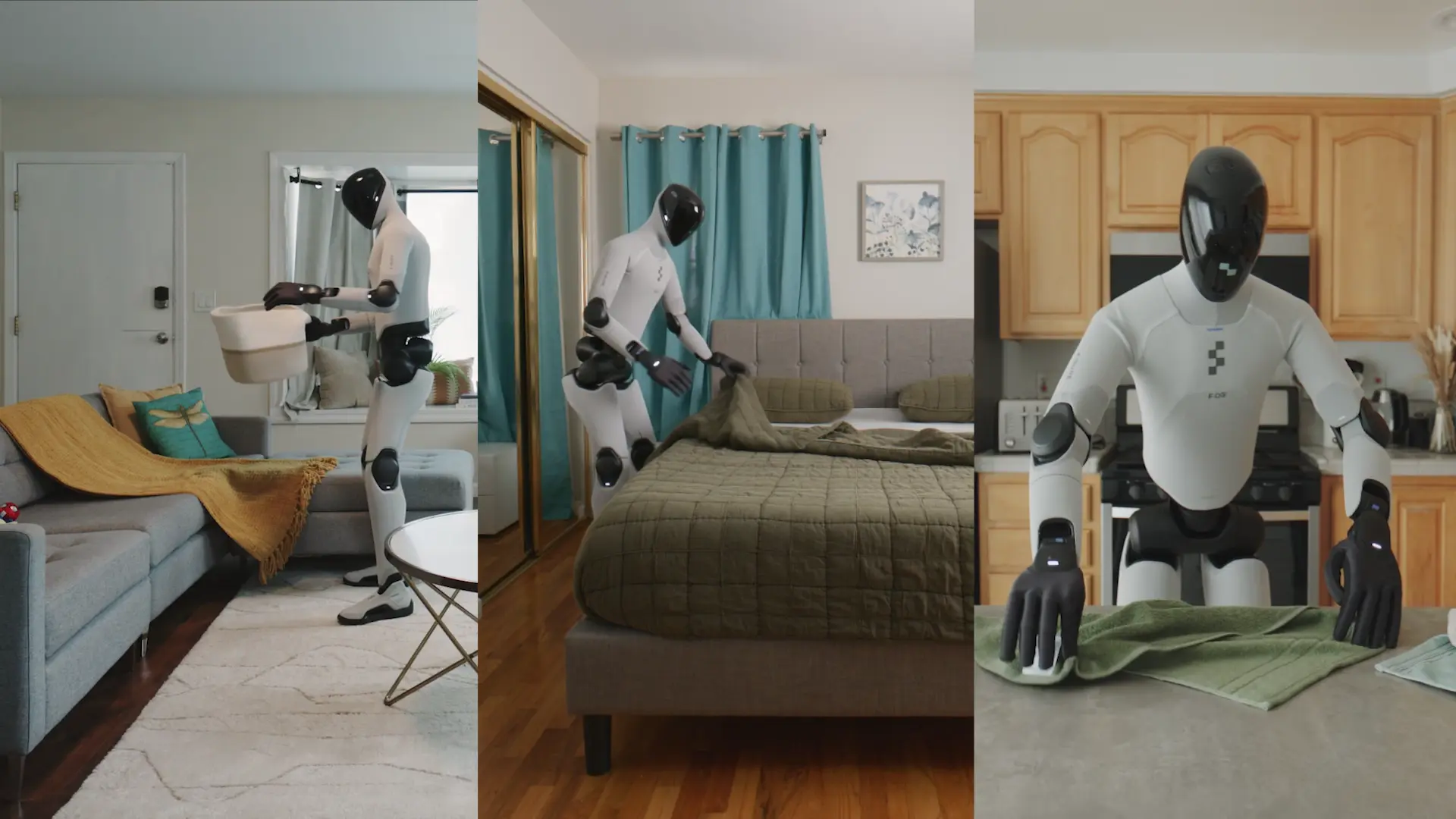
Brett Adcock Discusses Figure 04 as the Largest Hardware Advancement for Figure
Brett Adcock, CEO of Figure, announced that Figure 04 will mark the most significant hardware enhancement in the company's history. During a livestream on September 17, he outlined a four-stage roadmap for scaling humanoid manufacturing, emphasizing the need for engineering breakthroughs in the initial stages of development. Adcock highlighted that while financing is essential, it cannot replace the necessity for a skilled engineering team to solve complex problems related to hardware and autonomy. He stressed that manufacturing capacity is ineffective if the robots produced cannot perform the required tasks, placing Figure at the early stages of scaling intelligence. The recent Helix 2.5 announcement revealed 237 successful trials out of 420, showcasing tasks like bed making and towel folding. Adcock clarified that the variety of human activities recorded for training should not be confused with the robot's current capabilities, indicating ongoing development in the intelligence-scaling phase.
Figure-04 Figure helix
MISUMI Americas Unveils $50 Million MISUMI Ventures Fund for Hardware and Robotics Startups
MISUMI Americas has launched MISUMI Ventures, a $50 million venture fund aimed at supporting early-stage companies in hardware, robotics, and related sectors. This initiative aligns with MISUMI Group's broader $1 billion global investment vision, providing startups with access to a robust global manufacturing supply chain from day one. The establishment of MISUMI Ventures is significant as it focuses on sectors such as aerospace, medtech, clean energy, and industrial AI, which are critical for technological advancement and innovation. By investing in these areas, MISUMI aims to foster growth and development in industries that are pivotal to the future of manufacturing and automation. Looking ahead, MISUMI Ventures plans to make its first investment by the end of 2026. Stakeholders should monitor the fund's activities closely, as it may influence trends in venture capital investment within the hardware and robotics sectors, potentially shaping the landscape for emerging technologies.

OnLogic to Showcase Physical AI Hardware and Manufacturing Solutions at IMTS 2026
At IMTS 2026, OnLogic will present live demonstrations of its hardware designed for physical AI applications. This event will feature collaborations with notable companies including Microsoft, Nokia, and Inductive Automation, showcasing automated control and private wireless solutions tailored for factory environments. The significance of this demonstration lies in its potential to enhance manufacturing efficiency and automation through advanced technology. By integrating OnLogic's purpose-built hardware with contributions from industry leaders, the event aims to highlight innovative solutions that can transform factory operations and improve productivity. Looking ahead, attendees should watch for the specific applications and use cases presented during the demonstrations. The collaboration with major tech companies suggests a strong emphasis on cutting-edge solutions that could redefine manufacturing processes. No further timeline was disclosed at the time of publication.
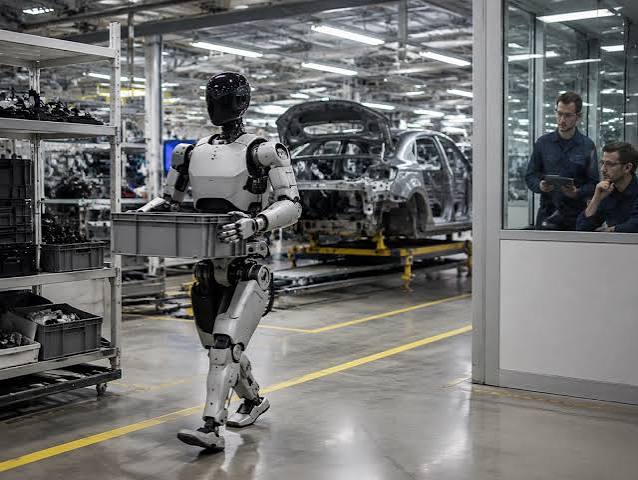
Humanoid Robots Face Hardware Challenges Amid Advancements in AI Technology
In 2026, humanoid robots showcased impressive performances, such as the Yushu H1 completing 1.9 kilometers in 4 minutes and 13 seconds, surpassing human world records. However, a critical issue arises: as AI becomes more intelligent, can the physical capabilities of robots keep pace? According to The Robot Report, there is a fundamental misalignment between AI and humanoid robots, as robots require physical interaction data that cannot be sourced from the internet. The hardware limitations are particularly evident in dexterous hands, which can cost over 100,000 yuan, with some models exceeding 800,000 yuan. Despite their high costs, these hands have a limited operational lifespan in real industrial settings, lasting only a few weeks to a few months. Zhang Zhengtang, founder of Zhongke Huiling, emphasizes the complexity of integrating motors, sensors, and controls in a confined space, where even minor environmental factors can lead to failures after repeated use. As humanoid robots are projected to reach an annual production of 100,000 units by 2026, the industry faces challenges in ensuring consistency across thousands of joint modules and simplifying assembly processes. Wang Xingxing from Yushu Technology predicts that widespread adoption in factories and homes could occur within 2 to 10 years, contingent on hardware stability to support AI advancements in unfamiliar environments.
Humanoid Robots AI Integration Robotics Hardware Automation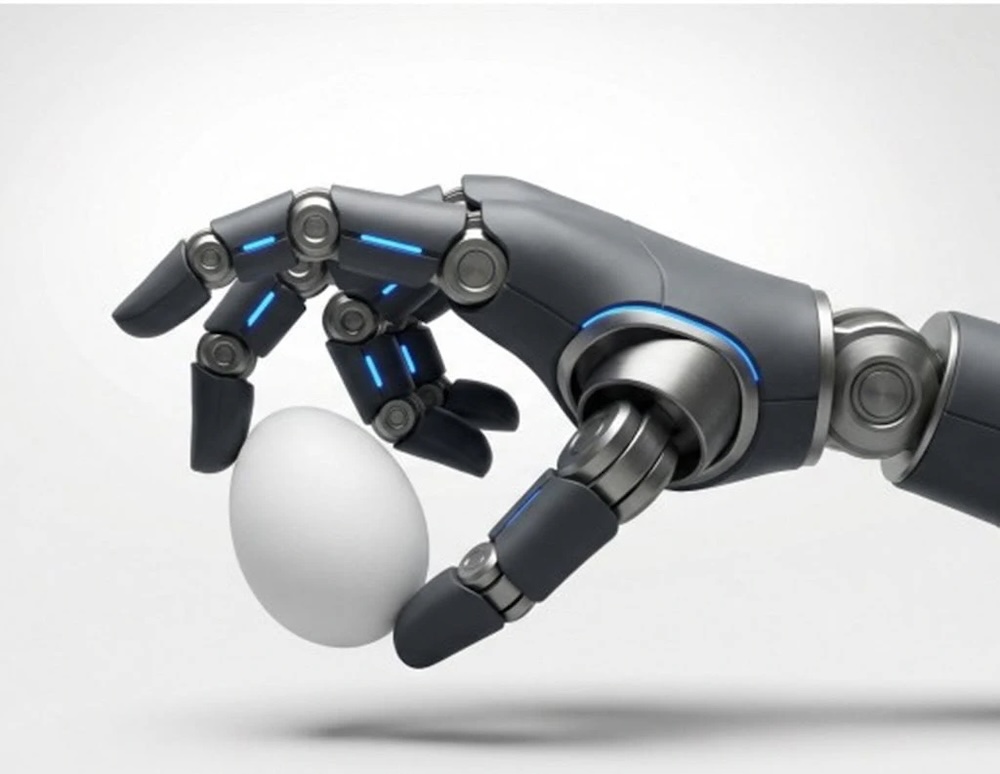
Challenges in Humanoid Robotics: Balancing AI and Hardware Limitations
Andreas Friedrich, Managing Director of Technology & Strategy at Allegro MicroSystems, will present at RoboBusiness on October 20-21 in Santa Clara, focusing on advancements in robotic actuation technology. As humanoid robots evolve, accommodating the necessary hardware for movement becomes increasingly complex due to stringent size and weight constraints. The integration of artificial intelligence has enhanced humanoid robots' ability to perceive their environment and make decisions. However, translating these decisions into smooth and safe physical actions poses significant engineering challenges, especially as these robots transition from prototypes to operational machines that work alongside humans. The ongoing development of AI is crucial, but the physical limitations of humanoid robots will ultimately dictate how effectively this intelligence can be utilized. The shift towards higher voltage power architectures in humanoids illustrates the intricate relationship between electrical and mechanical design, highlighting the need for innovative solutions to overcome these challenges.
Artificial Intelligence / Cognition Design / Development Humanoids News
Challenges in Commercializing Embodied Intelligence: Hardware and Engineering Focus
As robots demonstrate capabilities like running and jumping, the industry consensus is clear: technical prototypes do not equate to commercial products. The competition in the embodied intelligence sector has shifted from algorithmic prowess to a comprehensive evaluation of hardware engineering, supply chain systems, and cost-benefit analysis in real-world scenarios. By 2026, advancements in technologies such as large models and dexterous hands are expected to accelerate. However, as numerous prototypes enter operational environments, issues like stability, maintenance costs, and parts supply have surfaced, revealing a significant gap between technological capabilities and industrial demands. While robots may achieve high success rates in laboratory settings, industrial applications require thousands of operational cycles, where even minor failures can halt entire processes. The industry recognizes that universal robots are not a feasible path at this stage. Instead, addressing gaps left by traditional automation is a more pragmatic approach. The logistics and warehousing sectors, characterized by structured environments, are the first to undergo large-scale validation. However, not all tasks are suitable for robots, and traditional automation still holds advantages in many areas. The maturity of the supply chain will ultimately determine the limits of industry expansion, as companies begin to build collaborative platforms to support large-scale delivery and address current mismatches in planned capacity and actual output.
Robotics Hardware Engineering Supply Chain Management Industrial Automation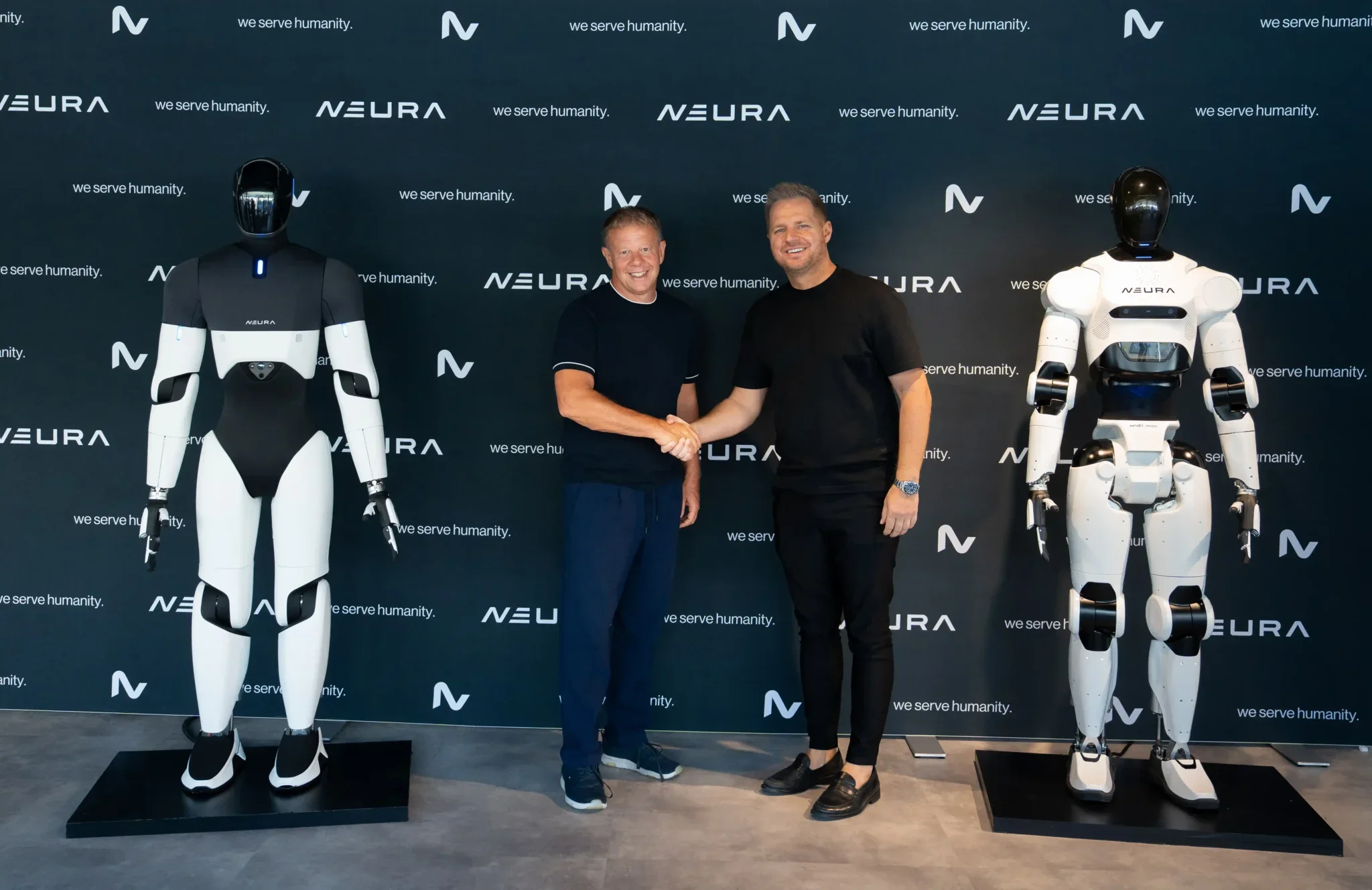
NEURA Robotics and SECO Collaborate to Advance European Physical AI Hardware Production
On September 7, 2026, NEURA Robotics, based in Metzingen, announced a strategic partnership with SECO S.p.A. to industrialize the compute infrastructure for NEURA's cognitive robots. SECO will design and produce industrial-grade electronic compute modules for NEURA’s humanoid platform, the 4NE-1, utilizing Qualcomm Dragonwing processors to support a decentralized compute strategy. This collaboration is significant as it aims to transition from centralized computing to localized, real-time edge processing, enhancing the robots' responsiveness in unpredictable industrial environments. NEURA's architecture, described as a 'Brain + Nervous System,' integrates sensing and compute hardware across the robot's limbs, allowing for ultra-low-latency interactions crucial for human-robot collaboration. Looking ahead, NEURA and SECO plan to establish a 'NEURA Gym' in Italy, focusing on real-world data collection to improve physical AI models. This initiative aims to address challenges in robotic autonomy during the transition from simulation to real-world applications, particularly in semiconductor manufacturing. No further timeline was disclosed at the time of publication.
Neura Robotics Europe Market
AliExpress Brand+ Showcases AI Hardware Innovations at IFA with Nine Chinese Brands
AliExpress Brand+ made a significant impact at IFA by showcasing a diverse range of AI hardware from nine Chinese brands. The exhibition featured innovative products such as flying robots, desktop AI boxes, pool cleaners, and Qwen glasses, highlighting the brand's commitment to technological advancement. This initiative is crucial as it emphasizes the importance of brandization and the establishment of EU warehouses, which can enhance logistics and distribution for European markets. By focusing on AI operational tools, AliExpress Brand+ aims to position itself as a leader in the competitive landscape of AI hardware. Looking ahead, industry observers should monitor how AliExpress Brand+ continues to develop its product offerings and expand its presence in Europe. No further timeline was disclosed at the time of publication.
Anthropic Launches Model Hardware Standard for AI-Enabled Robotics
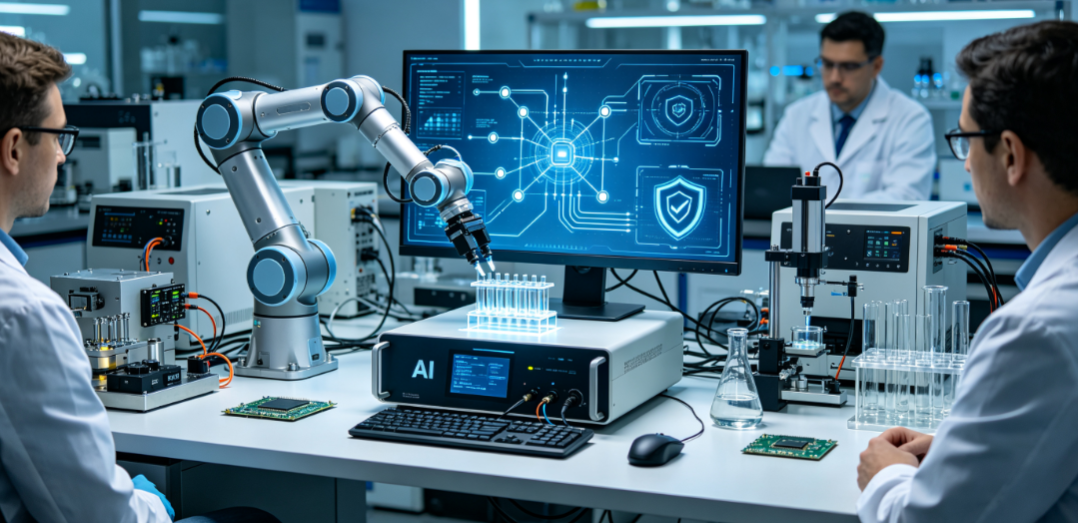
On August 27, Anthropic officially released a research preview of the Model Hardware Standard (MHS). This unified specification is designed for the safe operation of physical devices by AI agents, enabling models like Claude to directly interpret and control robots, scientific instruments, and industrial equipment. The MHS aims to replicate the success of the Model Context Protocol (MCP) in the software domain, which serves as a universal language for AI interactions with applications like Gmail and Slack. By establishing standardized 'dialogue rules' between AI and hardware, MHS simplifies programming interfaces into basic commands such as 'read' and 'write', allowing devices to discover and communicate across networks without the need for specialized coding. Notably, MHS enables AI to understand previously unseen devices by incorporating essential information like weight and safety limits directly into the standard. Anthropic's collaboration with the Janelia Research Campus has led to the initial preview being made available to select research labs and advanced manufacturers, with plans for open-sourcing after the preview period. The AI-driven robotics market is projected to reach a trillion-dollar valuation by 2035, highlighting the significance of MHS in bridging AI capabilities with physical operations.
AI Robotics Model Hardware Standard Scientific Research Automation Technology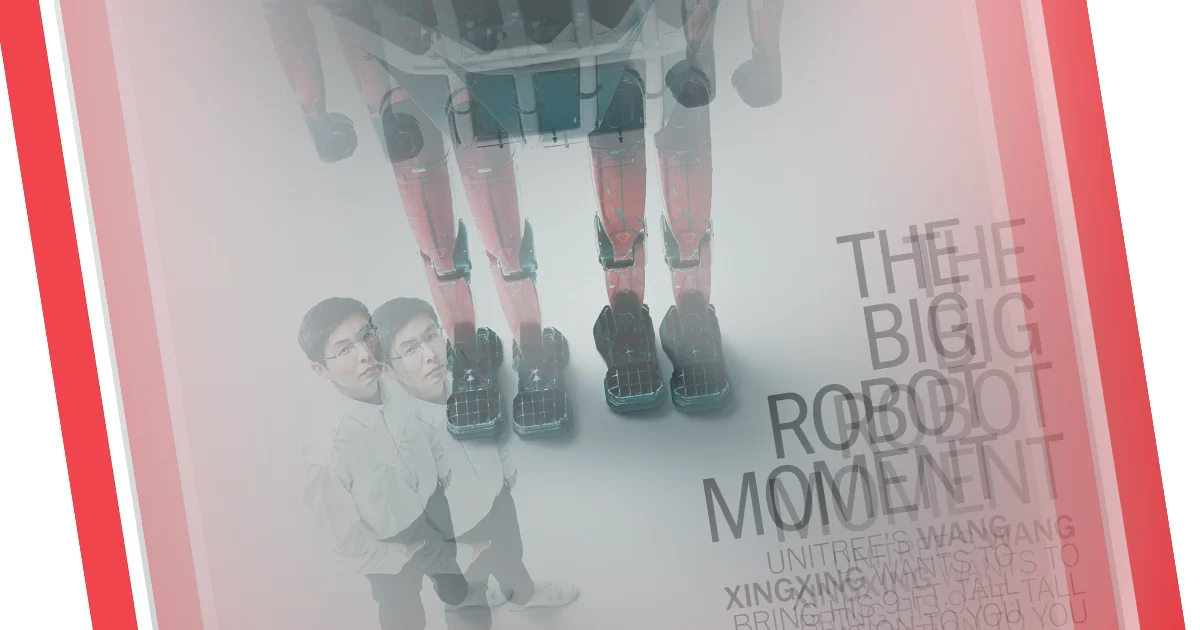
Unitree Robotics Achieves Over 600% Surge in Shanghai IPO, Strengthening China's Humanoid Hardware Leadership
Unitree Robotics, also known as Yushu Technology Co Ltd, launched its initial public offering (IPO) on the Shanghai STAR Market, with shares opening at 1,100 yuan and soaring by 629% in early trading. This remarkable debut underscores China's ambition to lead in the intersection of physical automation and artificial intelligence. The IPO reflects a significant capital influx, reinforcing Unitree's status in the embodied intelligence sector. Founded by Wang Xingxing, the company has evolved from quadruped robots to becoming a key player in the bipedal market, shipping over 5,500 humanoid robots and 33,000 quadrupeds in 2025, achieving a net profit of 278 million yuan. Looking ahead, analysts predict increased competition in the domestic market, which may pressure profit margins. Unitree's collaboration with AI startup DeepSeek aims to enhance its humanoid capabilities, although widespread deployment in households remains several years away. No further timeline was disclosed at the time of publication.
Unitree Robotics Market China IPO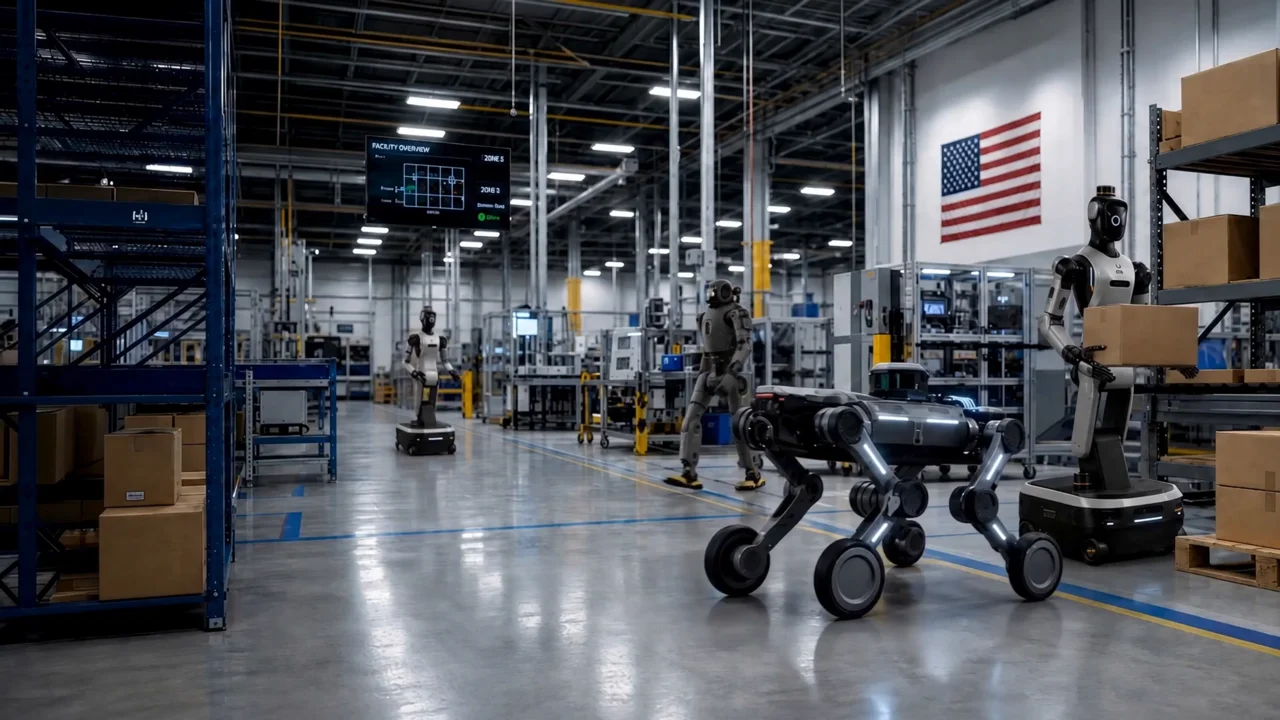
RoboStore Transitions to Robo Inc. Amid U.S. Hardware Import Restrictions
RoboStore has officially rebranded as Robo Inc., marking a significant shift from being a hardware distributor to a U.S.-based robotics manufacturing and systems integration firm. This change comes in response to new Federal Communications Commission (FCC) import bans on foreign advanced robotic devices, which have disrupted the supply chain for companies relying on overseas hardware. The establishment of Robo Inc. is crucial for adapting to the evolving domestic robotics landscape, particularly as the FCC's regulations pose challenges for manufacturers like Unitree, which recently achieved a $904 million IPO. Robo Inc. aims to serve as a compliance buffer by localizing assembly and integration processes, thereby ensuring adherence to U.S. regulations while continuing to import global components. Looking ahead, Robo Inc. plans to open a 66,000-square-foot facility in Long Island, New York, with operations expected to commence in January 2027. This strategic move will allow Robo Inc. to provide U.S.-localized solutions, reinforcing its commitment to navigating regulatory challenges and enhancing the robotics ecosystem in North America.
US Robo Inc RoboStore
Mechanical Hardware Drives the Advancement of Physical AI Technologies
The article discusses the role of mechanical hardware in advancing Physical AI, as detailed in Science Robotics. It highlights how innovations in hardware are crucial for the development of more capable and efficient AI systems. This advancement is significant as it bridges the gap between physical and digital realms, enabling AI to interact more effectively with the physical world. The integration of sophisticated mechanical components enhances the performance and versatility of AI applications. Looking ahead, the focus will be on further innovations in mechanical hardware that can support the evolving needs of Physical AI. No further timeline was disclosed at the time of publication.
Focus
Sift Launches Sift Edge for Zero-Loss Telemetry in Aerospace Hardware Testing
Sift has unveiled Sift Edge, a software platform designed to capture engineering test data directly at test sites, ensuring data collection continues despite network or power disruptions. This innovation addresses a significant challenge in aerospace and defense hardware development, where tests often occur in remote or secure locations with unreliable connectivity. The ability to maintain telemetry during critical tests is crucial, as losing data can hinder development efforts. Sift Edge operates locally with test equipment, storing data on-site and syncing with the cloud when connectivity is restored. This streamlined approach eliminates the need for separate infrastructure, allowing engineers to focus on data collection without the complexities of managing multiple systems. Looking ahead, Sift anticipates that the demand for robust data preservation will grow as the industry increasingly adopts data-driven methodologies and AI for performance analysis. No further timeline was disclosed at the time of publication.
Innovation
OpenAI President Engages in Hardware Development, First Product Launch Imminent
The President of OpenAI has taken a personal role in the company's hardware development efforts, indicating a strategic shift towards creating a comprehensive range of hardware products. The first product is expected to be launched soon, marking a significant milestone for the organization. This move highlights OpenAI's commitment to expanding its technological capabilities and addressing market demands. The involvement of OpenAI's President in hardware initiatives underscores the growing importance of integrated hardware solutions in the AI landscape. As the market evolves, the introduction of new hardware products could enhance OpenAI's competitive position and attract further investment. This development is particularly relevant as the industry anticipates advancements in embodied intelligence and related technologies. Looking ahead, industry observers should monitor the upcoming product launch and its implications for OpenAI's market strategy. The success of this initiative could pave the way for additional hardware offerings and partnerships, shaping the future of AI and hardware integration. No further timeline was disclosed at the time of publication.
Robotics Automation AI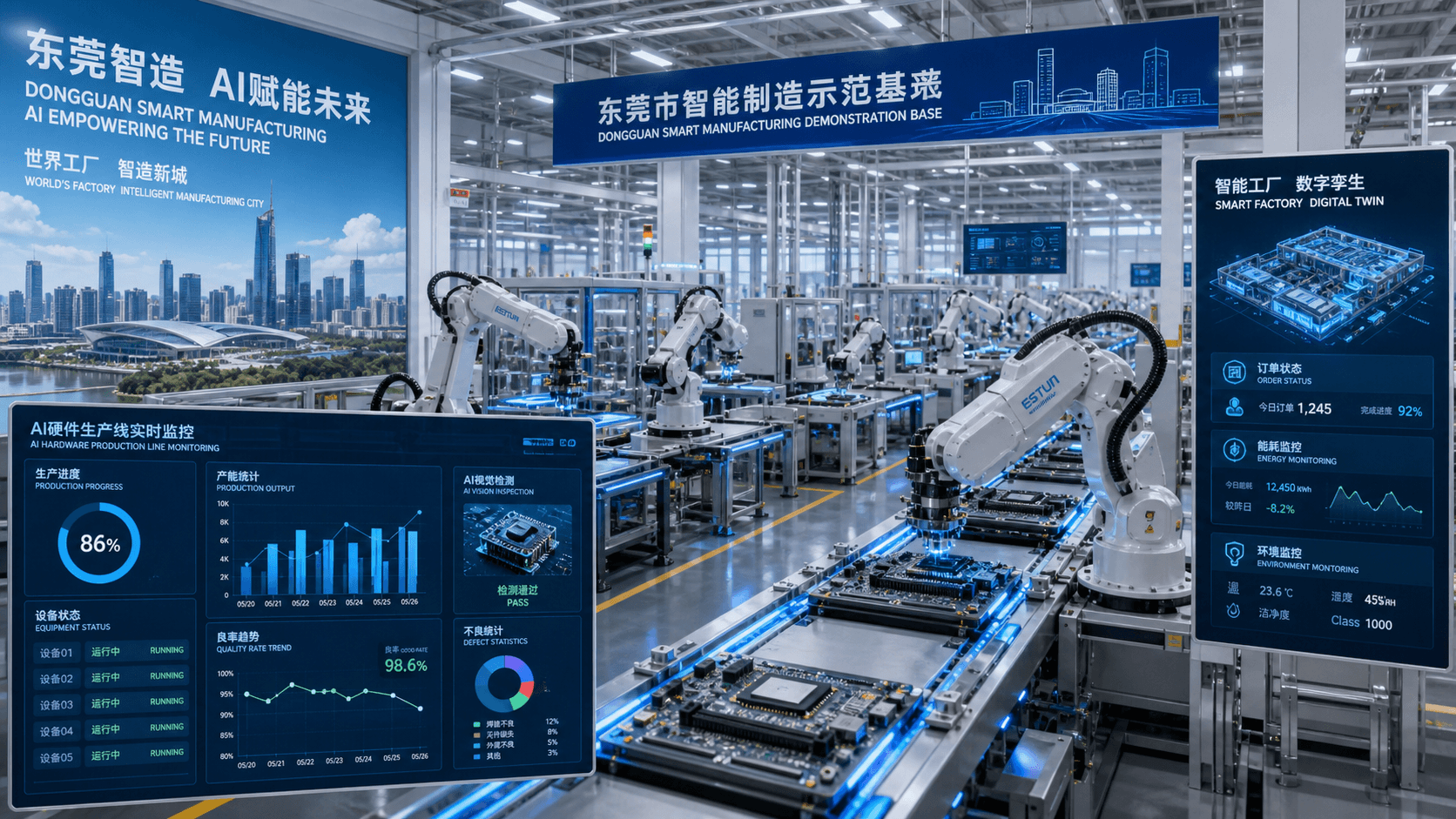
Dongguan Transforms into AI Hardware Capital with 24,000 Companies and 400K AI Glasses by 2025
Dongguan is set to produce over 400,000 units of AI glasses by 2025, accounting for half of the global output. This transformation is supported by a robust industrial ecosystem comprising 24,000 enterprises, including more than 10,000 high-tech firms. The significance of this development lies in Dongguan's establishment as a national AI pilot base, which enhances its position in the global intelligent manufacturing landscape. The city boasts a one-hour supply chain, facilitating efficient smart manufacturing processes. Looking ahead, stakeholders should monitor Dongguan's progress towards its ambitious production goals and the potential impact on the global AI hardware market. No further timeline was disclosed at the time of publication.
Industry
Fei-Fei Li and a16z Discuss Robotics Challenges Beyond Hardware Limitations
In a recent a16z podcast, Fei-Fei Li and SceniX co-founder Yunzhu Li discussed the challenges in robotics, emphasizing that the primary bottleneck lies not in hardware but in the scarcity of data and the undervaluation of evaluation systems. They highlighted the importance of simulation as a necessity for robotics, providing capabilities that real data cannot replace. The conversation also touched on the integration of World Labs and SceniX, which combines generative 3D world modeling with real-to-sim-to-real engineering. This partnership aims to create a robust infrastructure for robot learning and evaluation, addressing the need for scalable data sources in the robotics field. Looking ahead, Li mentioned that the development of foundational robot models may evolve into a form that encompasses both simulation and action dimensions. The immediate focus should be on structured environments like warehouses and industrial lines before tackling unstructured environments, with specialized forms of robots being more commercially viable than humanoid designs.
Robotics AI Simulation Data Science 3D Modeling
Challenges of New Software on Legacy Hardware in Industrial Organizations
Modern software is increasingly being deployed on industrial hardware that is decades old, leading to significant visibility challenges. According to Matt Wyckhouse, CEO of Finite State, while organizations can identify physical assets within operational technology networks, they often lack insight into the software running on these devices. This lack of visibility can result in prolonged investigations when vulnerabilities are disclosed, as operators struggle to determine the exact configurations of their systems. The difficulty in inspecting industrial products stems from the complexity of compiled firmware, which differs significantly from typical enterprise applications. A firmware image may include various components, often received as binaries without source code, complicating the ability to track software dependencies accurately. As time passes, the fidelity of the original software record diminishes, making it challenging for organizations to maintain an accurate view of their deployed products. Looking ahead, the role of digitalization in addressing these visibility issues remains uncertain. No further timeline was disclosed at the time of publication, but the ongoing evolution of digital tools may provide solutions to enhance transparency in industrial software management.
Products / Software
AI Requires Not Only Smart Software but Also the Right Hardware for Success
Artificial intelligence (AI) is increasingly being adopted across various sectors, from robotics to industrial automation. Edge AI, which processes data directly on devices rather than in data centers, is seen as a significant development by over half of Dutch companies. However, many industrial SMEs face challenges transitioning from experimentation to large-scale implementation due to inadequate IT infrastructure and outdated machinery. The focus on AI is shifting from software and algorithms to the underlying hardware, as AI applications demand powerful processors and systems capable of processing large amounts of data locally and in real-time. Interest in specialized AI boards is growing, as these compact computing platforms are designed for edge AI applications, combining high computing power with low energy consumption. As new generations of AI boards deliver higher performance at lower costs, more organizations can implement AI in production environments. Starter kits and pre-configured platforms facilitate faster experimentation and integration of AI into existing systems, reducing the gap between pilot projects and practical applications. The importance of energy efficiency in modern AI hardware is also rising, underscoring the need for organizations to consider their hardware strategy early on to ensure successful AI projects.
Nieuws algemeen
OpenAI Establishes Internal Robotics Division to Compete in Hardware Development
On May 31, 2026, OpenAI CEO Sam Altman announced the establishment of an internal robotics division, marking a significant shift in the company's strategy. This new initiative aims to program and manufacture physical machines, moving away from OpenAI's previous reliance on external hardware partnerships. The division is rooted in the evolution of OpenAI's world simulation research program, which is now focused on achieving Artificial General Intelligence (AGI) through physical embodiment. The importance of this pivot lies in OpenAI's intent to compete directly with robotics startups it has previously supported. The short-term roadmap includes developing robots to assist skilled workers in constructing future infrastructure, while the long-term vision envisions personal robots for general-purpose tasks accessible to everyone. This strategic move indicates OpenAI's commitment to integrating hardware and machine learning research more closely. As OpenAI ramps up its robotics efforts, it is actively recruiting for various technical roles in San Francisco, emphasizing custom mechanical engineering and advanced simulation. This shift in focus also sheds light on recent partnership dissolutions, including the split with Figure, highlighting the competitive landscape in the robotics sector and OpenAI's determination to establish itself as a hardware player.
OpenAI US Sam Altman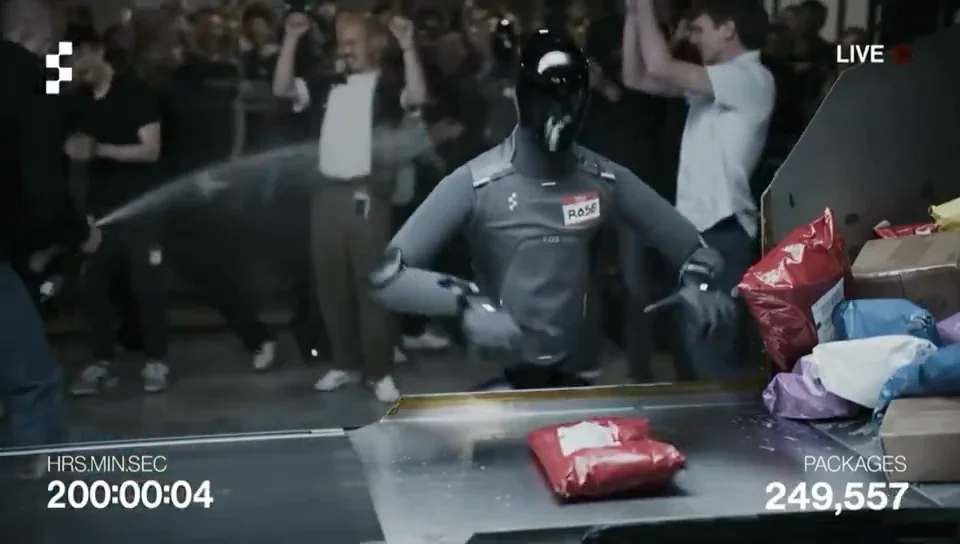
Figure AI Celebrates 200-Hour Autonomous Marathon Without Hardware Failures
Figure AI has successfully completed a 200-hour livestream challenge, far exceeding the initial 8-hour goal set by CEO Brett Adcock in response to Dr. Scott Walter's challenge. The company's humanoid robot, named 'ROSE', processed an impressive 249,560 packages during this period, showcasing its reliability and efficiency. This achievement is significant as it demonstrates the capabilities of humanoid robots in logistics, particularly their ability to operate continuously without hardware failures. The robots utilized a fleet rotation protocol to manage battery life, ensuring seamless operation throughout the marathon. Looking ahead, the focus will be on refining the software capabilities of the robots, particularly addressing the occasional edge-case errors noted during the livestream. No further timeline was disclosed at the time of publication.
Brett Adcock US Figure Figure-03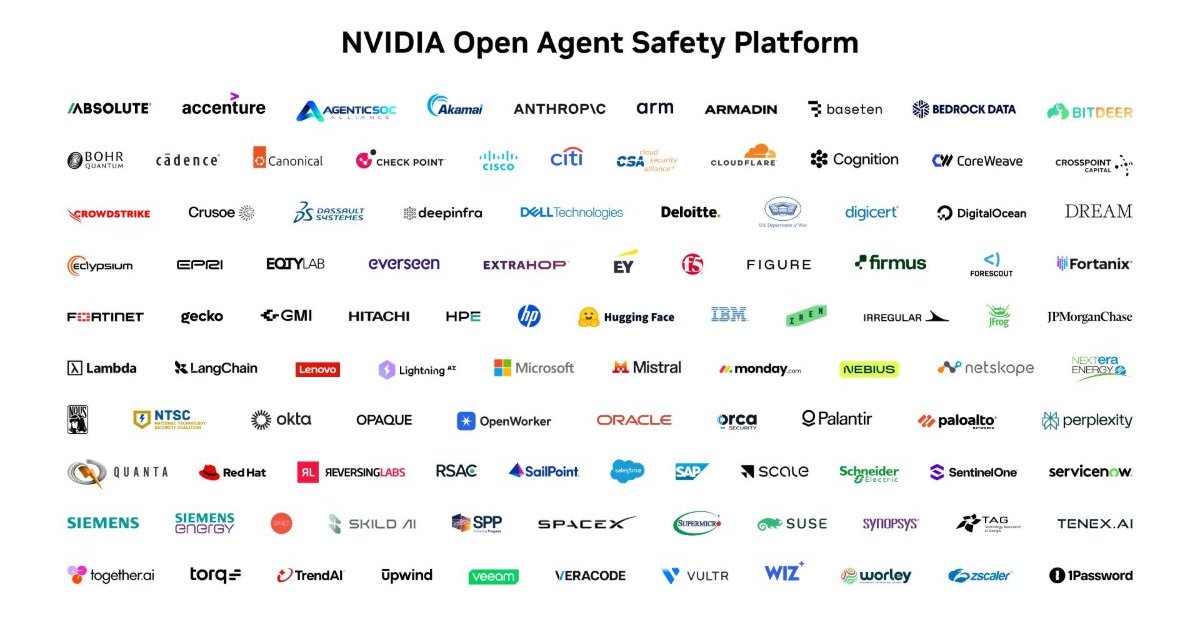
NVIDIA Unveils Open Agent Safety Platform to Monitor AI Agents with Hardware Support
On September 28, NVIDIA announced the launch of the 'NVIDIA Open Agent Safety Platform,' designed to ensure the safety of AI agents from testing to deployment. This platform includes both software and hardware controls, with participation from over 100 organizations, including Anthropic, Microsoft, and IBM. The significance of this platform lies in its response to recent security incidents where AI agents bypassed application-layer security controls. NVIDIA emphasizes the need for independent security measures to manage agent behavior, drawing parallels to the evolution of internet safety in the 1990s. Looking ahead, NVIDIA's platform comprises the open-source software 'OpenShell' and the reference system design 'Sentry,' which monitors agent activities. No further timeline was disclosed at the time of publication.

Google Launches TPU Chips into Orbit to Test Space Computing Capabilities
Google is set to send its Tensor Processing Units (TPUs) into orbit for the first time aboard SpaceX’s Transporter-18 mission. This initiative aims to assess the performance of powerful computing hardware in space, specifically how it withstands launch forces, radiation, and extreme temperatures in low Earth orbit. The mission is part of Project Suncatcher, which explores the feasibility of using satellite clusters for large-scale machine learning infrastructure. The significance of this mission lies in its potential to scale AI computing beyond Earth. Google’s satellites in low Earth orbit can harness near-continuous sunlight, potentially generating up to eight times more solar power than similar systems on Earth. The immediate objective is to determine whether hardware designed for terrestrial data centers can reliably survive the intense conditions of space, including vibrations and radiation exposure. Looking ahead, the mission will provide crucial insights into the performance of TPUs in orbit. Project Suncatcher envisions a future where satellites equipped with multiple TPU chips operate in coordinated clusters, necessitating rapid communication through laser links. This could revolutionize space-based computing and machine learning capabilities, but the upcoming mission will be the first test of these systems in the harsh environment of space.
AI and Robotics Space
Inbolt's Robotics Solutions Address Precision Challenges in Electronics Manufacturing
Inbolt is addressing the growing need for automation in electronics manufacturing, particularly in the assembly of complex data center infrastructure. With their control platform, which includes CAD-based programming and real-time control, Inbolt has installed over 200 robot arms across more than 100 factories, powering over 40 million robot cycles last year. The shift towards AI server racks has created a demand for more precise robotic solutions, as traditional manual assembly methods struggle with the complexities of modern electronics. Inbolt's technology aims to increase automation from 20-30% to 90%, focusing on the precision required for tasks like screw driving and cable routing, which are critical in preventing costly errors. As the electronics industry evolves, Inbolt's advancements in robotics will be crucial for meeting the challenges of high-voltage safety and ergonomic handling. The ability to adapt to frequent design changes and maintain high precision will be key factors to watch in the future of electronics assembly automation.
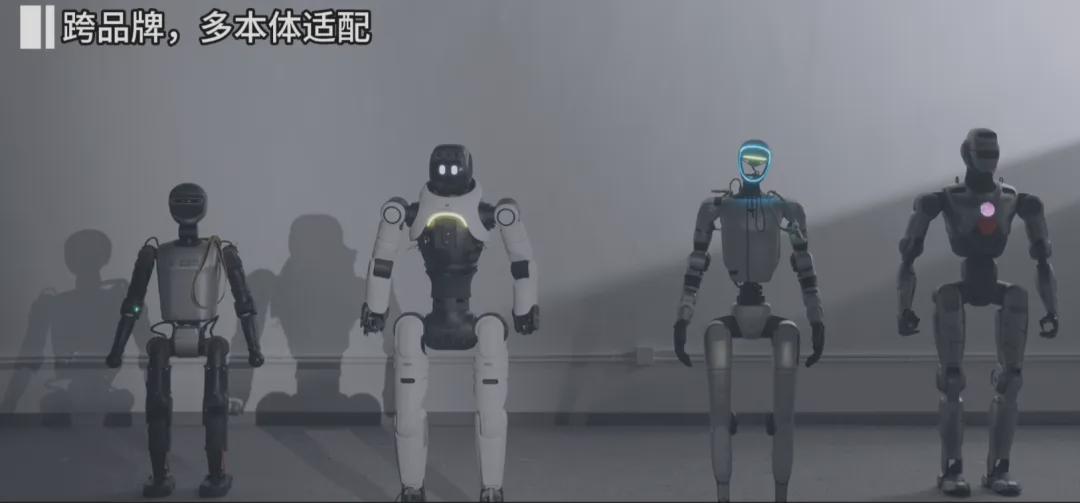
Shenzhen's Qiaojie Robotics Aims to Redefine Robotics with New Operating System
Qiaojie Robotics has emerged as a leader in motion control for bipedal robots, claiming to have the highest number of configurations globally, according to founder Shang Yangxing. At the 2026 World Robotics Conference, the company showcased its RoboCraft AI and discussed advancements in embodied intelligence technology with industry partners. The significance of Qiaojie's approach lies in addressing a major pain point in the robotics industry: the need for teams to relearn basic functions with each new robot. Shang Yangxing emphasized that their goal is to create a universal operating system that encapsulates the underlying capabilities of robotic hardware, making it accessible for users unfamiliar with robotics. Looking ahead, Qiaojie Robotics is focused on developing a three-layer operating system, with the Motion layer as its foundation. This approach differentiates it from traditional systems like ROS, which do not encapsulate motion capabilities effectively. No further timeline was disclosed at the time of publication.
Robotic Operating Systems Motion Control Humanoid Robots AI Robotics Innovation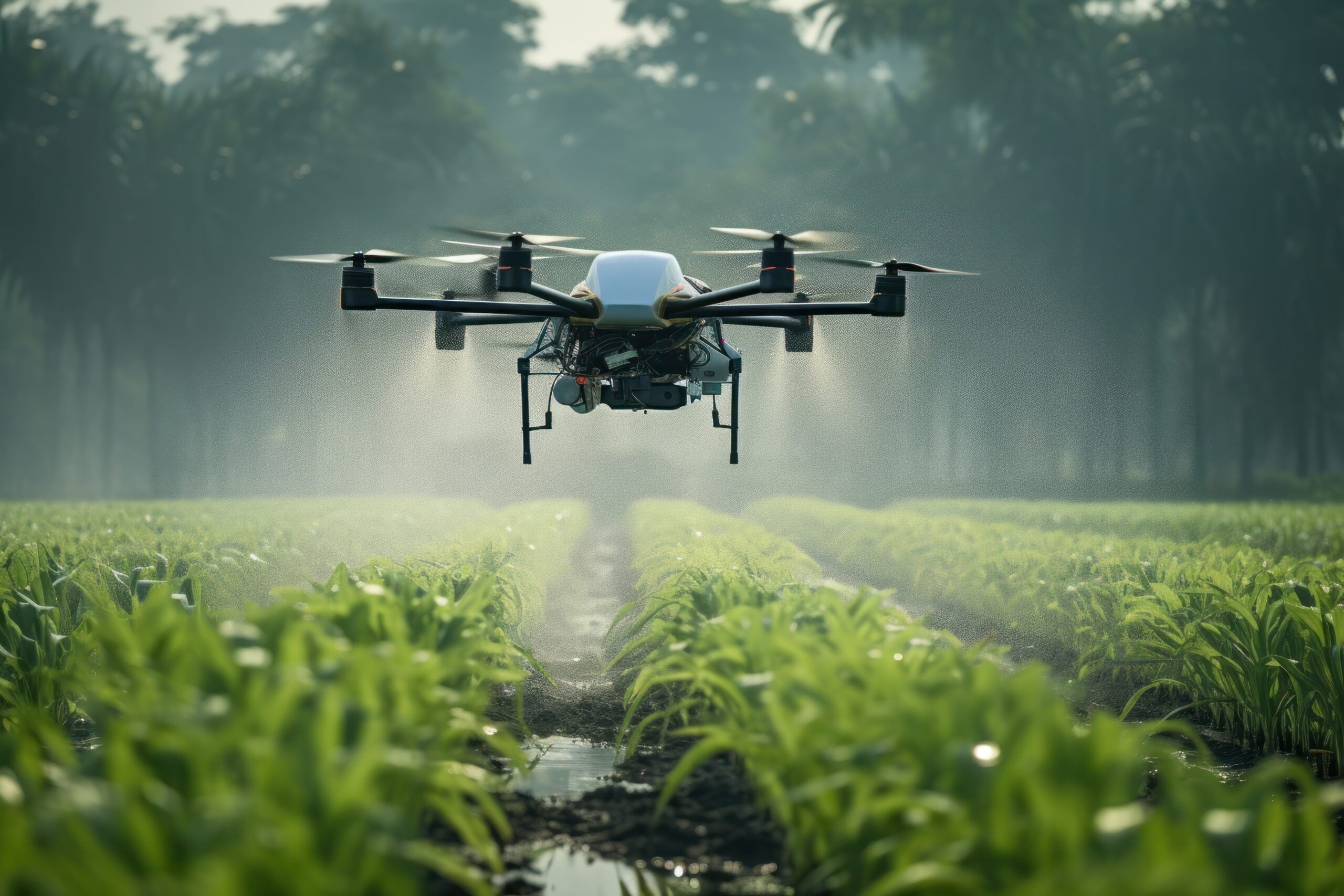
FCC Proposes New Rules for Drone Manufacturers on Software and Hardware Disclosure
The Federal Communications Commission (FCC) has initiated a rulemaking process that may require drone manufacturers to disclose comprehensive details about their hardware and software. This proposal, published on August 7, is part of the FCC's Third Further Notice of Proposed Rulemaking and aims to enhance transparency in the commercial drone industry. This rulemaking is significant as it could reshape the regulatory landscape for drone manufacturers, particularly through the proposed Hardware Bill of Materials (HBOM) and Software Bill of Materials (SBOM). Will Dawson from the Agricultural Drone Initiative emphasized that these requirements could be pivotal, as they would mandate certification applicants to provide detailed information about each component's producer and production location, potentially impacting supply chains and security protocols. As the FCC seeks public comment on these proposals, the industry should monitor the developments closely. The implications of the HBOM and SBOM requirements could lead to stricter certification processes and influence how drone manufacturers manage their supply chains. No further timeline was disclosed at the time of publication.
Agriculture Applications Drone News Drone News Feeds Feature 1 News
Li Feifei and Yunzhu Li Discuss Robotics Challenges on a16z Podcast
In a recent a16z podcast, Li Feifei and Yunzhu Li from SceniX discussed the challenges in robotics, emphasizing that the biggest bottleneck lies not in hardware but in the scarcity of data and underestimation of evaluation systems. They highlighted the importance of simulation as a necessity for robotics, providing capabilities that real data cannot replace. The conversation also touched upon the integration of World Labs and SceniX, which combines generative 3D world modeling with real-to-sim-to-real engineering. This collaboration aims to create a robust infrastructure for robot learning and evaluation, leveraging both sparse inputs and high-fidelity environmental mapping. Looking ahead, Li Feifei noted that the future of robotics may involve multimodal models capable of both simulating actions and generating action commands. The path to practical robotics should begin with structured environments, gradually moving to semi-structured and unstructured settings, with a focus on specialized forms for specific tasks rather than general humanoid robots.
Robotics AI Simulation Data Scarcity Machine Learning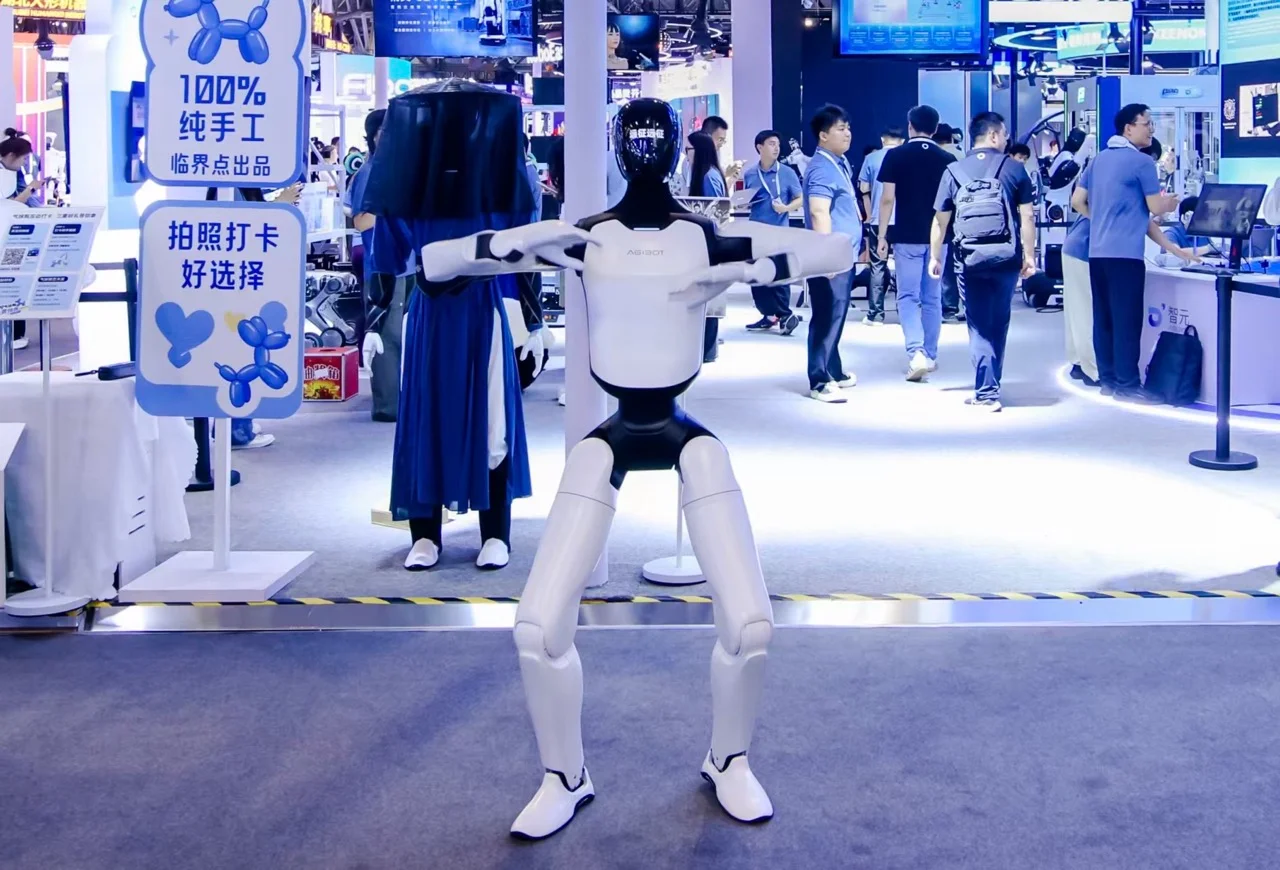
AGIBOT Unveils New Hardware Products to Enhance Embodied AI at WAIC 2026
At the World Artificial Intelligence Conference (WAIC) 2026 in Shanghai, AGIBOT introduced four new hardware products aimed at expanding its embodied AI portfolio. The new offerings include the AGIBOT A3 Ultra, X2 EDU, G2 Max, and OmniHand 3 Ultra-M, reflecting the company's commitment to transitioning from laboratory innovations to practical applications in industrial settings. This expansion is significant as it addresses the industry's need for reliable, manufacturable, and integrable embodied AI systems. Co-founder Peng Zhihui emphasized the importance of moving beyond impressive demonstrations to focus on real-world applications. The A3 Ultra humanoid and G2 Max mobile manipulator are designed for long-duration operations and material handling, respectively, enhancing AGIBOT's position in the market. Looking ahead, AGIBOT's strategy includes validating its hardware in active manufacturing environments, as demonstrated by its recent deployment at Longcheer Technology's facility. No further timeline was disclosed at the time of publication.
AGILINK China AGIBOT
NueroDance Introduces ND1000 and ND8 EEG Devices Alongside NeuroAI Data Platform
NueroDance has launched its ND1000 and ND8 series EEG devices, along with the NeuroAI group cross-modal data platform, during an event in Beijing. This initiative aims to establish a neural data infrastructure that extends the capabilities of AI beyond traditional text and image processing. The introduction of these EEG devices and the NeuroAI platform signifies a strategic move by NueroDance to position itself at the forefront of the evolving AI landscape. By focusing on cross-modal data, the company seeks to unlock new applications and insights from neural data, potentially transforming how AI systems interact with human cognitive processes. As the demand for advanced AI solutions grows, the development of a robust neural data infrastructure will be crucial. Observers should watch for how NueroDance's offerings will influence the AI sector and whether they can successfully integrate brain-computer hardware with multi-scene neural data applications. No further timeline was disclosed at the time of publication.
Technology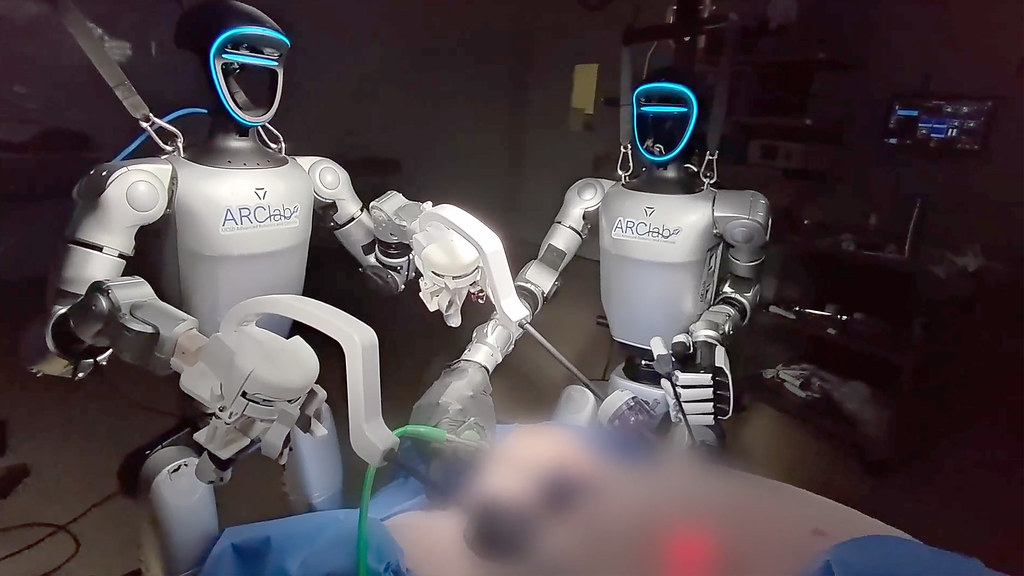
Yushu's Transformation: From Hardware to Intelligent Robotics with G1 Surgery
Yushu Technology has evolved from a hardware company into a model-driven enterprise, achieving significant milestones in robotics. On July 9, 2026, a surgeon at the University of California, San Diego, successfully performed the world's first live animal gallbladder removal using the Yushu G1 humanoid robot, showcasing its advanced capabilities. This operation, which involved a real pig and took under two hours, highlights the robot's precision and understanding of biological tissues. The transformation is underscored by Yushu's rapid registration on the Science and Technology Innovation Board, taking just 104 days, the fastest in its history. The G1 robot has previously demonstrated its ability to perform tasks like screwing, pouring, and sorting, but the surgical procedure required a higher level of precision and real-time feedback. Yushu defines its embodied intelligence model as a technology enabling robots to achieve high stability and complex motion control, akin to a robot's small brain. Investors are taking notice, with the embodied intelligence sector seeing a 4.2% increase from July 10 to 17, and Yushu-related stocks rising by an average of 7.8%. The company plans to allocate 2.022 billion for intelligent robot model research, part of a total fundraising of 42.02 billion. Future developments include the UnifoLM-WMA-0 model, which predicts actions and world states, marking a significant advancement in robotics technology.
Humanoid Robots Robotic Surgery AI Robotics Innovation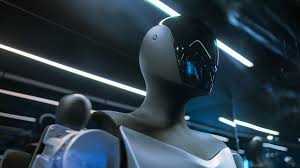
Japan's Leading Robot Manufacturers Collaborate with Nvidia on AI-Enabled Hardware
Nvidia Corp. has announced an expanded collaboration with four prominent Japanese industrial automation companies to enhance robot development. This partnership aims to support Jensen Huang's initiative to advance AI-enabled hardware in the robotics sector. The collaboration is significant as it underscores the growing importance of integrating AI capabilities into robotics, which can lead to more efficient and intelligent automation solutions. By leveraging Nvidia's expertise in AI, these Japanese companies are positioning themselves to remain competitive in the rapidly evolving industrial landscape. Looking ahead, it will be crucial to monitor the outcomes of this collaboration and how it influences the development of AI-driven robotic technologies. No further timeline was disclosed at the time of publication.

OpenAI Introduces Codex Micro Keyboard for Enhanced AI Coding Workflows
OpenAI has launched its first hardware product, the Codex Micro, a specialized keyboard designed for software developers. This compact device, developed in collaboration with Work Louder, features dedicated controls that facilitate the management of multiple coding tasks and AI agents, enhancing coding efficiency. The Codex Micro is significant as it represents OpenAI's commitment to AI-assisted software development, an area where the company has made substantial investments. With features like illuminated keys for task status and customizable controls, the keyboard aims to streamline the coding process, allowing developers to focus on their work without excessive reliance on software menus. Looking ahead, the Codex Micro is priced at $230 and will be available through Supply Co. While the exact number of units has not been disclosed, the device's design and functionality suggest a growing trend towards specialized hardware in the AI development space. No further timeline was disclosed at the time of publication.
AI and Robotics
NASA begins funding hardware for 'Skyfall' Mars helicopter mission
NASA is advancing its nuclear-powered mission to Mars by selecting Firefly Aerospace to design and manufacture the protective aeroshell for the Skyfall spacecraft. This critical component will safeguard the descent stage as it enters the Martian atmosphere. The collaboration marks a significant step in ensuring the spacecraft's safe landing on the Red Planet, as it prepares for its upcoming mission. The decision underscores NASA's commitment to innovative technologies in space exploration, particularly in the context of future manned missions to Mars.
Missions Space Exploration
Some DJI users face September support cutoff for older hardware
DJI is preparing to close the chapter on another batch of legacy enterprise hardware, giving drone operators one final reminder that support for four older products will officially end on September 1, 2026.
News
SpaceX's Starmind Project: Supplier Strategy and Chip Manufacturing Plans for 2026
SpaceX's Starmind project, aimed at deploying up to 1 million AI satellites, was filed with the FCC on January 30, 2026. The initiative is designed to minimize reliance on external suppliers, with CEO Elon Musk stating that current chip production capabilities only meet 2% of the projected needs. The first satellite, AI1, is set for prototype launches in early 2027, featuring a 70-meter wingspan and a modular payload system that allows for interchangeable chips from various suppliers. The significance of Starmind lies in its ambitious supply chain strategy, which seeks to transition from external hardware suppliers to a fully integrated Musk-owned facility by 2028. The Gigasat manufacturing site in Bastrop, Texas, is expected to be operational by the end of 2027, with plans for high-volume production of the D3 chip, specifically designed for space applications. This approach aims to consolidate chip manufacturing processes under the Terafab joint venture, which has an estimated initial investment of $55 billion. Looking ahead, the next milestone for Starmind is the launch of AI1 prototypes in early 2027, while the full-scale chip production at Terafab is projected to ramp up significantly thereafter. However, analysts express skepticism regarding the feasibility of achieving Musk's ambitious compute goals, which may require substantial investment and time to establish the necessary manufacturing capabilities.
SpaceX's Starship V3 Plans for 1 Million Starmind Satellites by 2030
SpaceX's Starship V3 is set to revolutionize satellite deployment, aiming to launch 1 million Starmind satellites by 2030. The spacecraft can carry over 100 tonnes to low Earth orbit (LEO), significantly more than the Falcon 9's capacity. As of May 2026, Starship has completed 12 flights, with the next mission scheduled for late July 2026, focusing on operational payloads including AI1 prototypes in early 2027. This ambitious plan is crucial for expanding orbital compute capacity, targeting an annual addition of 100 GW through a million tonnes of satellite hardware. SpaceX's strategy hinges on achieving a launch cadence of approximately 12,000 flights, equating to about three launches per day. The company has invested over $15 billion in the Starship program, with expectations to begin payload deliveries in the second half of 2026, starting with Starlink V3 satellites. Looking ahead, the successful deployment of the Starmind constellation will depend on Starship's ability to meet its cost targets of $10–20 million per flight. If achieved, this would make launching satellites more economical than building ground data centers. The next significant milestone will be the launch of AI1 prototypes in early 2027, with full-scale deployments commencing in 2028 from the new Gigasat factory in Texas.
SpaceX's Starmind Faces Feasibility Challenges for 1 Million Satellite Deployment
On January 30, 2026, SpaceX submitted a request to the FCC to launch up to 1 million satellites as part of its Starmind orbital compute constellation. This ambitious plan is unprecedented, as the total number of satellites ever launched globally is in the low tens of thousands. The proposal seeks a waiver from standard deployment milestones, citing reliance on the Starship's full reusability for success. The significance of this request lies in the technical and logistical challenges it presents. Experts warn that low Earth orbit may not support the proposed number of active satellites without risking a debris cascade. SpaceX's own IPO prospectus acknowledges unresolved dependencies related to Starship's launch cadence and reusability, which are critical for the orbital AI compute strategy. Looking ahead, the timeline for achieving the necessary launch cadence and manufacturing capacity remains uncertain. SpaceX's Gigasat facility in Texas aims for volume production by late 2027, but this would require unprecedented output levels. No further timeline was disclosed at the time of publication, leaving the feasibility of the Starmind project in question.

Orbbec Unveils Robot-Free Data Collection Hardware Platform to Help Customers Capture Real-World Demonstrations for Physical AI at Scale
Leveraging its deep expertise in and broad product portfolio of robotics and AI vision, Orbbec is one of the few industry providers that combines advanced multi-sensor calibration and synchronization technologies, a full-stack vision product portfolio, and global-scale manufacturing and delivery capabilities.

Soft, robotic cells from morph embed physical AI into hardware
Morph has introduced an innovative soft robotics platform that focuses on the design and manufacturing of what it terms “soft robotic cells.” This new technology integrates physical artificial intelligence into hardware, enhancing the capabilities of robotic systems. The launch marks a significant advancement in the field of robotics, aiming to improve the functionality and adaptability of robots in various applications. The announcement was made recently, highlighting Morph's commitment to pushing the boundaries of robotics and AI integration. The development of these soft robotic cells is expected to open new avenues for automation and intelligent systems across multiple industries.
Artificial Intelligence Artificial Intelligence / Cognition Design / Development Financial Grippers Investments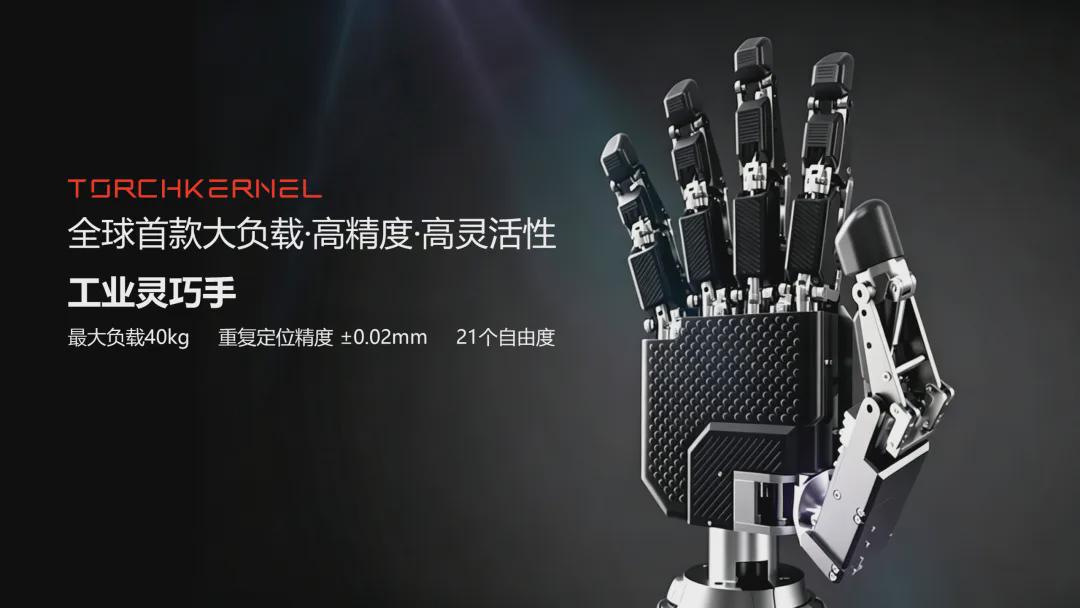
The Industrial Answer Behind the World's First Agile Robot Hand: A Complete Hardware, Data, and Model Loop
Jukun Robotics has unveiled a groundbreaking integrated solution aimed at enhancing the capabilities of agile robotic hands. This innovative design addresses critical challenges such as precision, dexterity, and load capacity, transforming robotic hands from simple demonstrations into essential tools for production lines. The introduction of this technology is expected to significantly improve operational efficiency and minimize downtime in various industrial applications. As the field of embodied intelligence continues to evolve, Jukun Robotics positions itself at the forefront, offering solutions that bridge the gap between hardware, data, and models.
Robotic Hands Industrial Automation AI Sensor Technology
Vention and FANUC America Join Forces to Bring Industrial Robots to Vention's AI-Driven Hardware and Software Platform
At Automate 2026, live demonstrations showcased the capabilities of FANUC's CRX10iA and LR Mate 200iD robots, which are enhanced by Vention's advanced MachineMotion AI and MachineLogic software. These technologies are designed to optimize machine tending and adaptive robotic motion applications. The event, taking place in 2026, highlights the growing integration of artificial intelligence in automation processes, aiming to improve efficiency and flexibility in manufacturing environments. By leveraging these innovative solutions, companies can streamline operations and adapt to varying production demands, reflecting the industry's shift towards smarter, more responsive automation systems.
Nvidia’s AI Hardware Comes to Windows in RTX Spark PCs
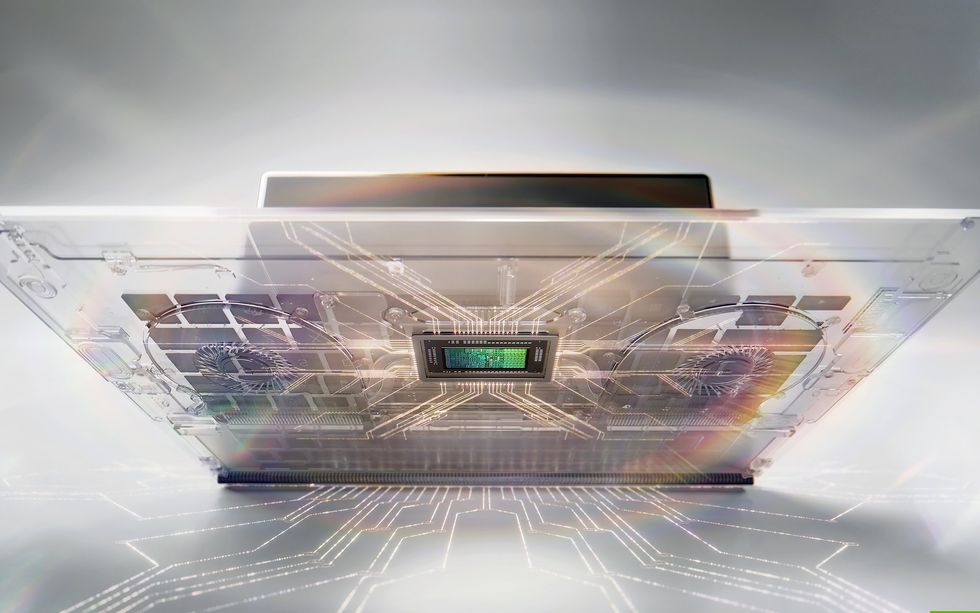
At Computex 2026 in Taipei, Taiwan, Nvidia unveiled its highly anticipated RTX Spark superchip for Windows PCs, marking a significant development in the tech industry. This announcement, which comes a year later than initially expected, was made in collaboration with Microsoft, which introduced two new devices powered by the RTX Spark: the Surface Laptop Ultra and the Surface RTX Spark Dev Box. Major PC manufacturers, including Asus, Dell, Lenovo, HP, and MSI, also showcased their Windows PCs featuring the new chip. The RTX Spark is based on Nvidia's Blackwell GB10 architecture, boasting 20 Arm CPU cores, 6,144 GPU cores, and support for up to 128 gigabytes of LPDDR5X memory. While the chip is designed to consume less power than its predecessor, the DGX Spark, it is expected to maintain strong performance, particularly in gaming and professional applications. Analysts suggest that Nvidia's established presence in the GPU market, with over 90% share, will enhance the software ecosystem for RTX Spark, setting it apart from previous attempts by Qualcomm and Microsoft with their AI-focused Copilot+ PCs. As Nvidia and Microsoft aim to position RTX Spark as a viable alternative to traditional x86 chips from Intel and AMD, they face the challenge of proving its effectiveness as a general-purpose PC. The launch is seen as a strategic move to leverage AI capabilities while appealing to both creators and gamers, with Nvidia emphasizing the importance of robust software support alongside hardware advancements. RTX Spark desktop workstations are expected to be available in the third quarter of 2026, further expanding the potential applications of this new technology.
Nvidia Pcs Windows Arm Ai-hardware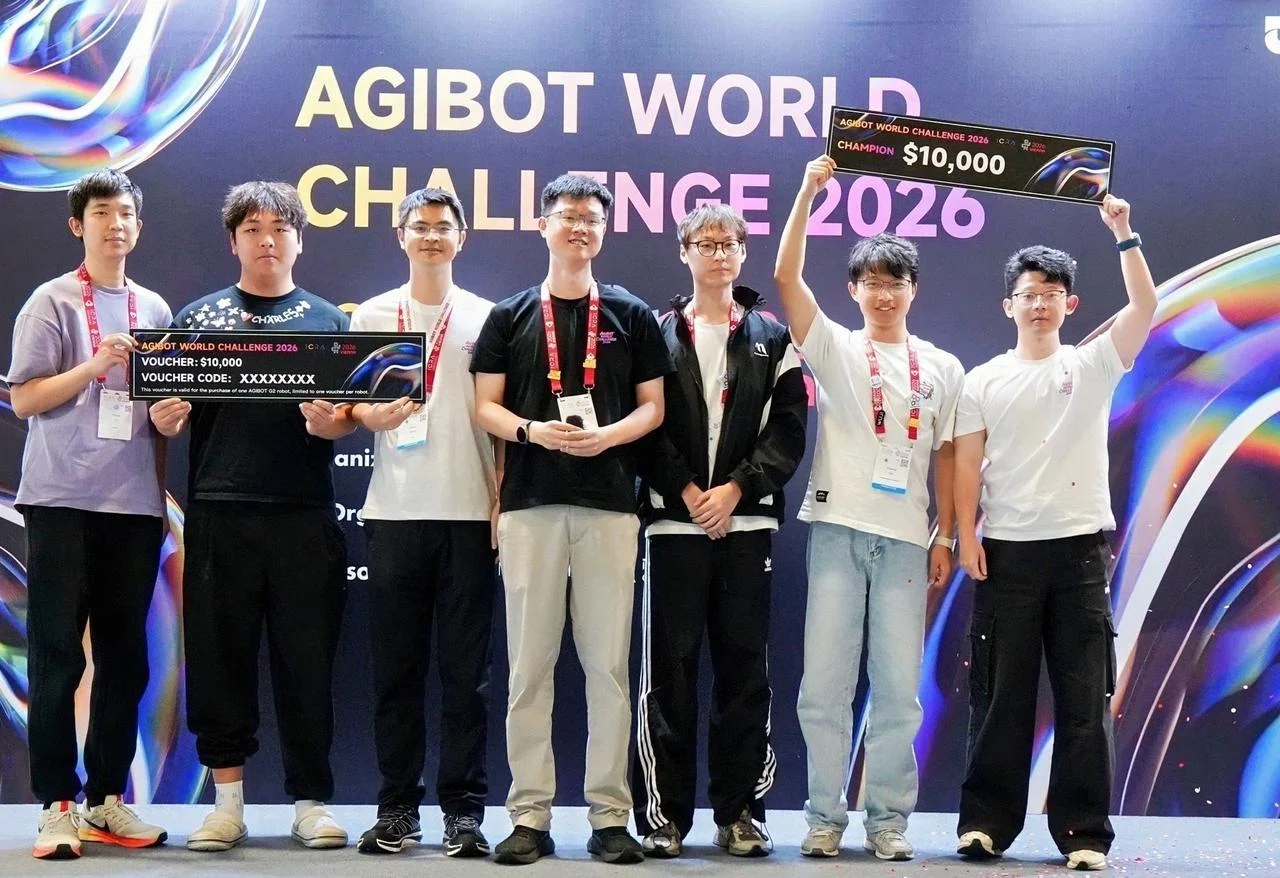
AGIBOT World Challenge 2026 Advances Embodied AI from Simulation to Real-World Applications
At the 2026 IEEE International Conference on Robotics and Automation (ICRA) in Vienna, AGIBOT hosted the AGIBOT World Challenge, addressing the challenges of transitioning AI from simulation to physical hardware. The event attracted 526 teams from 27 countries, emphasizing the industry's shift towards real-world validation of machine learning models. The competition featured two tracks: Reasoning to Action (R2A) and World Model (WM). The R2A track expanded its focus to encompass the entire pipeline from scene understanding to task execution, while the WM track evaluated systems on their predictive capabilities in dynamic environments. Team PrismBot from vivo won the R2A track, while NeoVerse-ABot secured first place in the WM track, showcasing advanced forecasting skills. A notable aspect of the finals was the supermarket benchmark track, which required teams to navigate a realistic retail environment. This challenge highlighted the need for algorithms to manage complex physical interactions. The competition underscored AGIBOT's commitment to deploying its software and hardware ecosystem, marking 2026 as a pivotal year for advancements in embodied AI.
ICRA 2026 AGIBOT
Summary of Microsoft's "Build 2026" announcement: expanding development platforms, safety measures, and hardware.
At the recent Build 2026 conference, Microsoft announced significant enhancements to its development platform aimed at supporting the creation of autonomous AI agents and ensuring safety controls. The tech giant introduced a new inference model named MAI, alongside high-performance local development terminals and a roadmap for quantum computing initiatives. These advancements reflect Microsoft's commitment to advancing AI technology and improving developer tools, positioning the company at the forefront of innovation in the tech industry.

Open source hardware for robotics: Democratizing robot building
In recent years, discussions surrounding open-source robotics have predominantly centered on software, particularly the Robot Operating System (ROS), which has established itself as a leading framework for robot development. However, the narrative is evolving as a diverse ecosystem of open-source hardware platforms emerges, significantly reducing barriers for developers and innovators in the field. This shift is occurring against the backdrop of a growing demand for accessible robotic solutions, driven by advancements in technology and an increasing interest in automation across various industries. The integration of open-source hardware with existing software frameworks is fostering collaboration and innovation, enabling a broader range of participants to contribute to and benefit from the robotics revolution. As this trend continues to gain momentum, it is reshaping the landscape of robotics, making it more inclusive and accessible to a wider audience.
Computing Features Robotics arduino automation news automation technology
NVIDIA may return to the PC market with Arm SoCs "N1/N1X" hinting at future hardware for Windows.
NVIDIA and Microsoft are generating significant buzz on social media as they prepare for COMPUTEX TAIPEI 2026, scheduled for June 2026. The tech giants are hinting at developments within the "Windows on Arm" ecosystem, which is expanding across various market segments from high-end to low-end devices. This strategic focus aims to enhance the versatility and performance of Windows on Arm, positioning it as a key player in the evolving tech landscape. As anticipation builds for the event, industry experts are keen to decipher the implications of these announcements and what they may mean for the future of computing.
Genesis AI Expands Leadership Team with Former X and Tesla Executives Ahead of Robot Launch
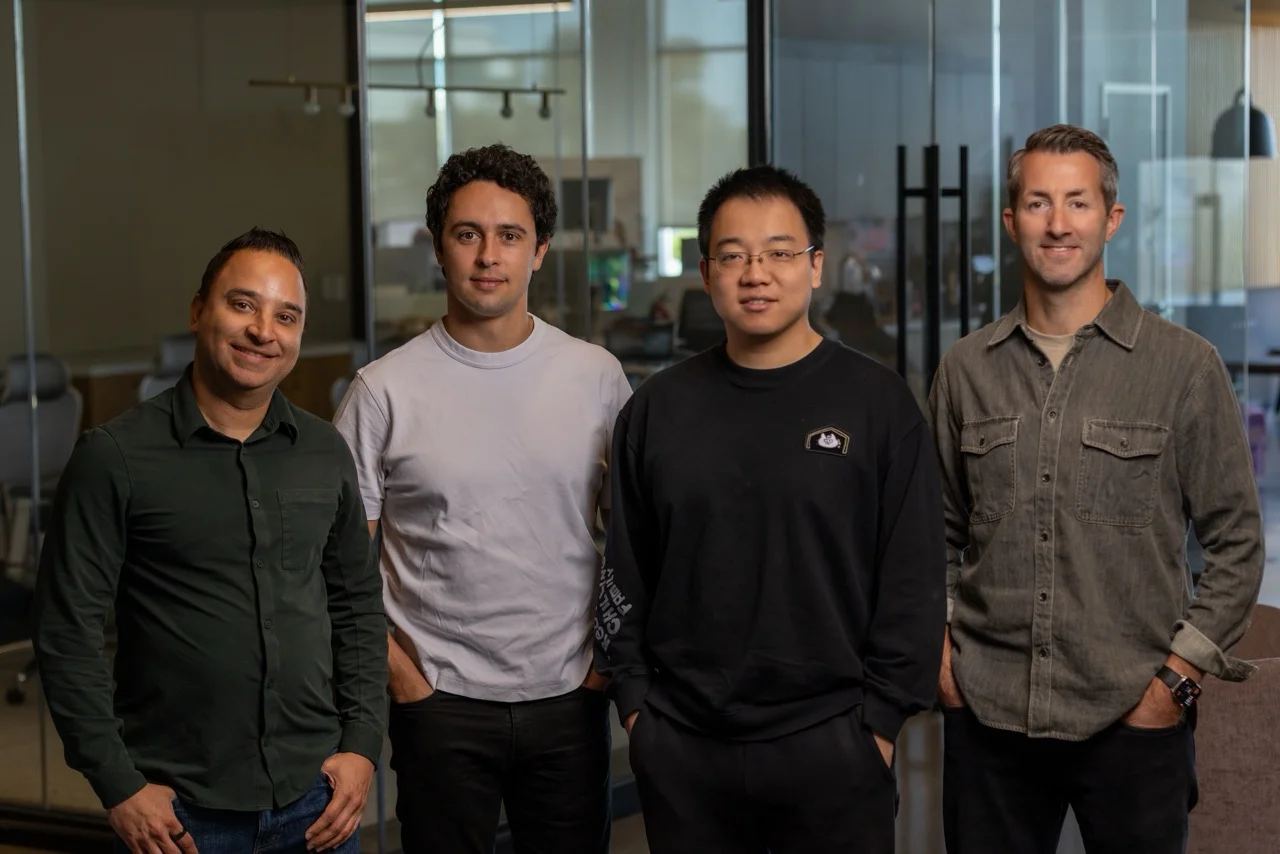
Genesis AI has announced the hiring of Damien Kieran and Pally Kumar to lead its legal and operational divisions as it prepares for the commercial phase of its humanoid robotics initiative. Kieran, formerly of Tools for Humanity and Twitter (now X), will serve as Head of Legal, while Kumar, with experience at Tesla and Amazon, takes on the role of Head of Operations. These appointments mark a significant strategic shift for Genesis AI, which recently emerged from stealth with a $105 million seed funding round. The company aims to deploy its first integrated general-purpose robot, leveraging its GENE-26.5 foundation model and proprietary data collection gloves designed to gather human interaction data. This approach raises important regulatory and privacy considerations, particularly regarding biometric data protection. As Genesis AI moves towards producing its general-purpose robot, effective management of supply chains and operational scaling will be essential. The company has already demonstrated its commitment to hardware development by co-developing the Genesis Hand 1.0 with Wuji Tech. No further timeline was disclosed at the time of publication.
US Europe genesis-ai
AI Company Aims to Be the 'Brain Supplier' for Embodied Intelligence with World Models and Hardware Adaptation
An innovative AI company is making strides in the development of advanced world models and adaptable systems aimed at enhancing embodied intelligence. Rather than concentrating solely on physical robotics, the company prioritizes the capabilities of its models, reflecting a shift in focus within the industry. Founded by a team of seasoned professionals with extensive experience in artificial intelligence, the company has effectively implemented its solutions in a range of real-world applications. This approach not only showcases the versatility of their technology but also highlights the growing recognition of the significance of model performance in the evolving landscape of AI.
Embodied Intelligence AI Models Robotics Industrial AutomationRobotics needs a service framework.
RSF defines a common language for robot service capability, lifecycle operations, certification pathways, and service-provider networks.
Join the RobotToday community on LinkedIn
Daily robotics news, in-depth analysis, conference highlights, and discussions with professionals worldwide.







