

Industry Briefing
A single destination for timely, editor-curated robotics news from around the world.

Three Key Technology Platforms Launched at Zhongguancun International Robot Industry Park
On August 28, three major technology platforms were officially launched at the Zhongguancun International Robot Industry Park. These platforms include the Robot Testing Service Center, the Robot Sharing Processing Platform, and the Application Scenario Demonstration District. The Robot Testing Service Center aims to address issues related to dispersed testing services and lack of standards, supporting robot testing and assisting companies in formulating national standards while promoting the adaptation of domestically developed robotic operating systems. The Robot Sharing Processing Platform integrates processing equipment and technical resources to provide comprehensive services for core component processing and testing, addressing challenges such as weak processing capabilities and high costs. The Application Scenario Demonstration District offers a testing environment based on real scenarios within the park, helping companies identify technical shortcomings and optimize products, thereby shortening the development-to-commercialization cycle. The park also hosted an Intelligent Robot Industry Acceleration Conference, announcing significant scenarios to drive industry implementation, with over 50 robots currently operating in roles such as delivery, cleaning, inspection, and guiding. No further timeline was disclosed at the time of publication.
Robot Testing Shared Processing Application Scenarios Robotics Industry Technology Platforms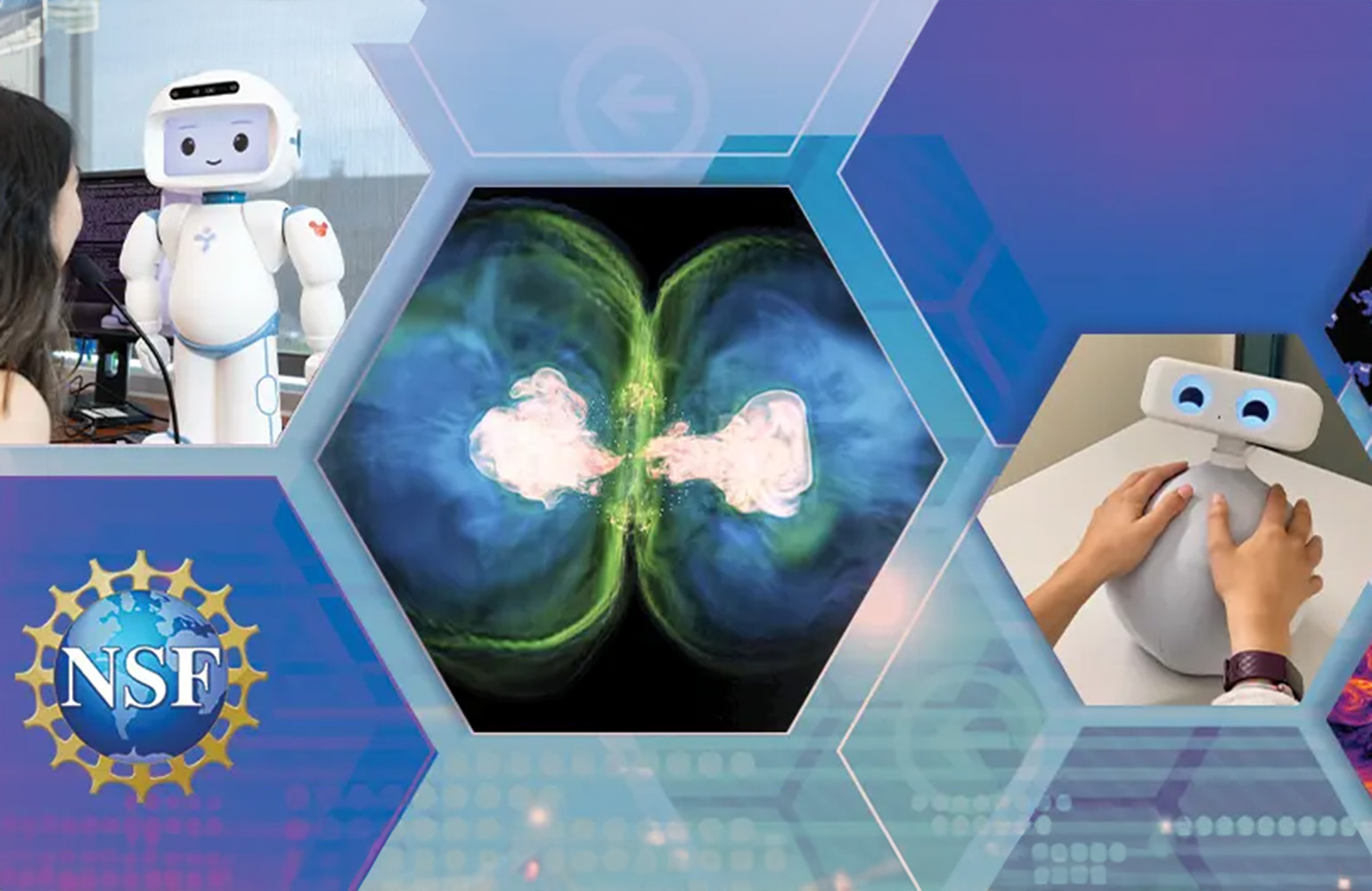
NSF Allocates $90 Million to Establish Three New Technology Centers, Including Robotics Focus
The National Science Foundation (NSF) announced a $90 million investment over five years to establish three new Science and Technology Centers (STCs), with each center receiving $6 million annually. One center, the Center for Human and Robot Co-Adaptation, will be led by The University of Texas at Austin and aims to explore the interaction between humans and robots in various environments. This investment is significant as it seeks to enhance American leadership in science and technology, bolster the STEM workforce, and promote innovation in fields such as AI and robotics. Brian Stone, acting NSF director, emphasized the importance of strong partnerships and skilled workforce in maintaining the U.S. position in global science and technology. Looking ahead, the centers will have the opportunity to compete for an additional five years of funding after the initial period. The NSF's STC program has a history of fostering new fields of discovery and technological advancements, and the upcoming centers are expected to contribute to foundational research and the development of practical solutions for societal benefits.
Academia / Research Financial Human Robot Interaction / Haptics Investments News Research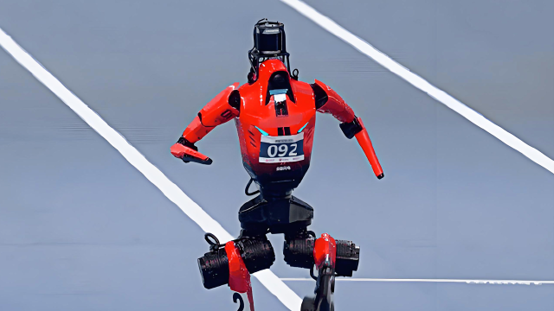
Honor Robot Sets Three Human Records Using Suoteng Lidar Technology
Recently, at the Second World Humanoid Robot Sports Competition, the Honor humanoid robot 'Lightning' broke three records using Suoteng's lidar technology. It completed the 1500 meters, 400 meters, and 100 meters events in 2 minutes 30 seconds, 39.45 seconds, and 9.32 seconds, respectively, surpassing human world records in all three categories. This achievement highlights the capabilities of the 'Lightning' robot, which demonstrates stable perception abilities across different athletic conditions. The Suoteng lidar plays a crucial role in the robot's environmental perception system, continuously gathering three-dimensional spatial information to support high-speed movement and stable operation. As the Honor robot sets these records, Suoteng's robotics business is also accelerating its scale. In the first quarter of 2026, the company sold 185,500 lidar units in the robotics sector, marking a 1458.8% year-on-year increase. The company has established itself as a leader in global 3D lidar shipments for robotics and is poised for further growth with the upcoming mass production of its self-developed SPAD-SoC chips.
Humanoid Robots Lidar Technology Robotics AI Sports Technology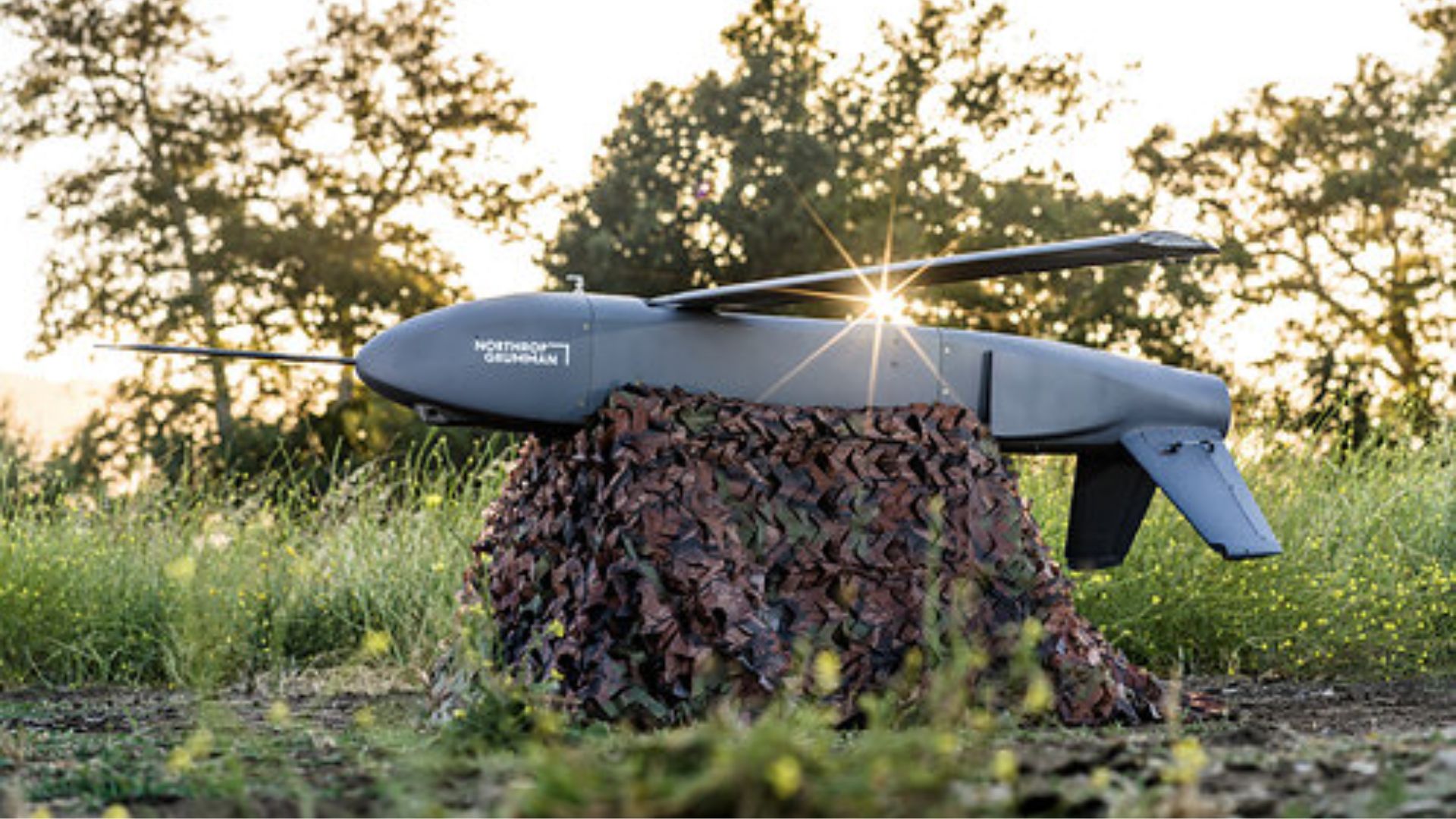
Northrop Grumman's Lumberjack Drone Successfully Tests Quantum Navigation Technology
Sandbox AQ has successfully tested its quantum sensor-based Magnetic Navigation (MagNav) on Northrop Grumman’s Lumberjack drone, marking a significant milestone in unmanned aircraft systems. This test is the first of its kind for an attritable drone, showcasing the potential of quantum navigation in GPS-denied environments, which is increasingly relevant given current military operations. The successful integration of MagNav with Lumberjack's visual navigation system is crucial as the U.S. military seeks alternatives to GPS for navigation and targeting. The ongoing conflicts in Ukraine and West Asia highlight the need for resilient navigation systems that can operate effectively even when GPS signals are jammed or spoofed. This advancement could enhance operational capabilities in contested domains. Looking ahead, the deployment of Sandbox AQ’s AQNav technology in various aircraft platforms could revolutionize military navigation. The ease of integration into existing systems, as demonstrated by the rapid installation on Lumberjack, suggests a promising future for quantum navigation solutions in defense applications. No further timeline was disclosed at the time of publication.
Military
JD Cloud to Establish 100,000-GPU Computing Cluster Utilizing Moore Threads Technology
JD Cloud has announced plans to construct a computing cluster featuring 100,000 general-purpose GPUs from Moore Threads. This initiative was unveiled during JD's 2026 Global Technology Explorers Conference and aims to enhance capabilities in large-model training, inference, and embodied AI, making computing resources accessible to various industries. The significance of this project lies in its potential to establish a robust computing infrastructure leveraging Chinese hardware, marking a pivotal step towards integrating physical AI into commercial applications. JD Cloud emphasizes that this will be the first instance of deploying Chinese GPUs in a 100,000-GPU core computing cluster by a major domestic AI cloud provider. Looking ahead, industry stakeholders should monitor the development of this ambitious project, as it could reshape the landscape of AI computing in China. No further timeline was disclosed at the time of publication.
News Feed
Yuan Voice Technology Secures Over 100 Million RMB in Three Funding Rounds for Haptic Innovations
Yuan Voice Technology (Shenzhen) Co., Ltd. has announced the successful completion of three funding rounds, led by Hengxin Huaye, Shangfu Electric Technology, and Top Group, with total financing exceeding 100 million RMB. This rapid growth highlights the company's transition from technology validation to mass production and global market expansion within just over a year of establishment. The significance of this funding lies in the backing from prominent investment firms and industry players, which validates Yuan Voice Technology's capabilities in the haptic industry. Unlike many competitors still in the early stages of technology demonstration, the company has already launched its first multi-dimensional haptic standard product, securing mass production projects with leading domestic and international clients, resulting in sensor orders totaling hundreds of thousands within the year. Looking ahead, Yuan Voice Technology's strategic partnerships and the establishment of a vehicle-grade multi-dimensional haptic sensor production line with Shangfu Electric Technology are noteworthy. This collaboration aims to integrate automotive industry standards into the robotics sector, paving the way for large-scale applications of haptic technology. No further timeline was disclosed at the time of publication.
Haptic Technology Robotics Sensor Manufacturing Data Collection
PaXini Launches GEN4 FUSE: A Comprehensive Leap in Haptic Technology Stack
On August 13, 2026, PaXini officially launched the GEN4 FUSE, marking a significant advancement in their haptic sensing technology. This fourth-generation product is built on four rounds of technological evolution and over one million units of their proprietary haptic perception chips shipped in the past year. The importance of GEN4 FUSE lies in its ability to integrate three layers of technology: the robotic body and dexterous hands, high-precision multi-dimensional haptic sensors, and the core haptic perception chip. This comprehensive approach allows PaXini to directly address real-world demands and failures in device design, setting it apart from competitors who typically rely on generic chips. Looking ahead, the industry should monitor how PaXini's unique technology architecture continues to evolve. As more clients demand higher precision and real-time capabilities from haptic sensors, PaXini's commitment to developing specialized chips tailored to these needs positions it well for future growth in the embodied intelligence sector. No further timeline was disclosed at the time of publication.
Tactile Sensors Robotics Technology AI Sensor Integration
Shield AI and GE Aerospace Adapt 1990s Thrust-Vectoring Tech for X-BAT Drone's Vertical Flight
Shield AI and GE Aerospace have successfully integrated a 1990s thrust-vectoring technology, the Axisymmetric Vectoring Exhaust Nozzle (AVEN), with the GE F110-GE-129E engine for the X-BAT unmanned combat aircraft. This innovative approach allows the X-BAT to take off and land vertically without the need for a runway. The adaptation of AVEN, originally developed for improving fighter maneuverability, represents a significant advancement in controlling aircraft during vertical flight. Unlike traditional aircraft that rely on aerodynamic surfaces, the X-BAT's propulsion system becomes crucial for maintaining control during vertical operations, utilizing thrust vectoring to redirect engine exhaust. As Shield AI continues to develop the AI-piloted X-BAT, the integration of AVEN could enable operations from diverse locations, enhancing the aircraft's versatility. The teams have conducted extensive testing, including integration and engine light-off testing at GE Aerospace’s facility in Ohio. No further timeline was disclosed at the time of publication.
Military
Yushu Technology to Launch IPO as Zhejiang's Intelligent Robotics Sector Thrives
Yushu Technology, one of the 'Six Little Dragons of Hangzhou,' is set to begin its IPO on August 10, coinciding with the completion of IPO guidance by Yunshen Technology. This marks a significant moment for Zhejiang's embodied intelligence industry, which is gaining prominence as the first humanoid robot stock in China's A-share market. Zhejiang has emerged as an undisputed hub for embodied intelligence, with over 700 companies in Hangzhou alone. The industry cluster is projected to reach a value of 106.8 billion yuan by 2025, with quadruped and humanoid robots capturing 80% and 50% of the domestic market share, respectively. In the first half of this year, Zhejiang accounted for approximately 60% of the national exports of intelligent bionic robots. Yushu Technology aims to penetrate both consumer and general markets, with revenue expected to soar from 159 million yuan in 2023 to 1.699 billion yuan by 2025. Meanwhile, Yunshen Technology focuses on specialized applications, having deployed quadruped robots in high-risk areas like Switzerland's largest nuclear power plant. As these leading companies prepare for their A-share debut, Zhejiang is transitioning from a robotics manufacturing base to a source of innovation in embodied intelligence.
Embodied Intelligence Humanoid Robots Quadruped Robots Robotics Industry AI Technology
Starmind's Satellite Technology Achieves 880 Billion Liters in Annual Water Savings
Starmind has announced that its satellite technology can save approximately 880 billion liters of cooling water annually at full scale. This figure is equivalent to the annual household water use of around 6.5 million Americans. The technology operates by utilizing a closed-loop liquid cooling system that eliminates the need for water during its operational life, contrasting sharply with traditional ground data centers that consume vast amounts of water for cooling. The significance of this achievement lies in the growing water consumption crisis faced by data centers, particularly as AI expansion drives demand. In 2025, U.S. data centers consumed nearly one trillion liters of water, highlighting the urgent need for sustainable solutions. Starmind's approach not only addresses direct water usage but also avoids indirect water consumption associated with electricity generation, marking a substantial shift in how computing can be conducted in a resource-efficient manner. Looking ahead, Starmind's deployment strategy includes a projected buildout of 100 GW of orbital compute per year, which could displace an additional 735 billion liters of ground water demand annually. The first tranche of 10,000 satellites is already operational, offsetting approximately 8.8 billion liters of water per year. No further timeline was disclosed at the time of publication.
Chinese Startup Fangqi Technology Secures Angel Round Funding for Robotic Brain Development
Fangqi Technology, a startup founded by a Tsinghua University PhD, has successfully completed an angel round of funding worth millions. The company aims to transform skills into marketable products by developing a robotic brain that utilizes semantic world models to bridge the gap between physical and semantic knowledge. This innovative approach is significant as it addresses a critical challenge in robotics and AI, potentially enhancing the capabilities of intelligent systems. The importance of Fangqi Technology's work lies in its potential to revolutionize how robots understand and interact with the world. By focusing on embodied intelligence, the startup is positioning itself to meet the growing demand for advanced robotic solutions across various industries. This funding round reflects investor confidence in the company's vision and the broader trend of integrating semantic understanding into robotic applications. Looking ahead, Fangqi Technology's progress in developing its robotic brain will be closely monitored, especially as it seeks to commercialize its technology. The success of this venture could pave the way for new advancements in robotics and AI, making it a key player in the evolving landscape of intelligent manufacturing and automation. No further timeline was disclosed at the time of publication.
Robotics Automation AI
Unitree Technology Unveils G1 Autonomous Robot's Real-Time Combat Capabilities
On September 7, Unitree released a 38-second video showcasing its G1 humanoid robot engaging in real-time combat against a human opponent. This marks a significant milestone as it is the first instance of a fully autonomous humanoid robot fighting without human remote control, demonstrating advanced decision-making capabilities. The importance of this development lies in the robot's ability to autonomously predict, evade, and counterattack in real-time, a feat that has previously required human intervention. The G1 robot adjusts its stance and actions based on the opponent's movements, showcasing a complete feedback loop from perception to execution, which is crucial for effective combat. Looking ahead, the G1 is set to compete in the CMG World Robot Competition in May 2025, where it will further demonstrate its capabilities. The video highlights the challenges of real-time decision-making in combat scenarios, emphasizing the need for rapid response and adaptation in unpredictable environments. No further timeline was disclosed at the time of publication.
Humanoid Robots Autonomous Systems Robotics Research Artificial Intelligence
Electronic Skin Technology Enables Amputees to Sense Warmth with Prosthetic Hands
Recent advancements in electronic skin technology have the potential to allow amputees to feel warmth through their prosthetic hands. This innovation could significantly enhance the quality of life for individuals with limb loss by restoring a sense of touch and temperature perception. The development of this electronic skin is crucial as it addresses a major limitation of current prosthetic devices, which often lack sensory feedback. By integrating this technology, amputees may experience improved functionality and a more natural interaction with their environment, making everyday tasks easier and more intuitive. Looking ahead, the impact of this technology on the prosthetics market could be substantial, potentially leading to wider adoption and further innovations in sensory feedback systems. No further timeline was disclosed at the time of publication.
Innovation Science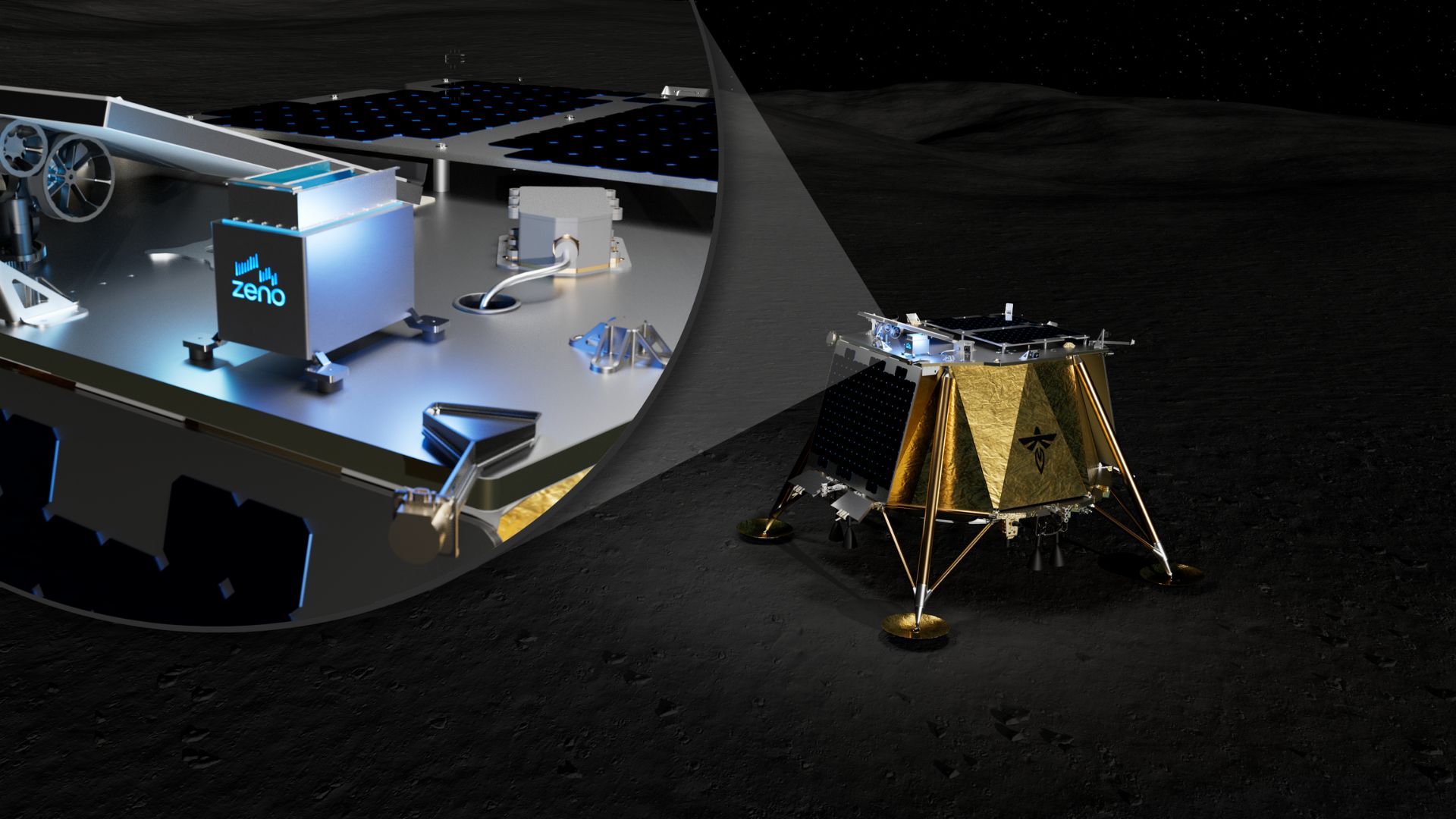
Firefly Aerospace to Test Nuclear-Powered Heating Technology on Moon by 2028
Firefly Aerospace plans to send a nuclear-powered heating technology to the Moon in 2028, aiming to test spacecraft survival during the lunar night’s extreme cold. This initiative involves Zeno Power Systems' Survive-the-Night Package, which will be launched aboard the Blue Ghost mission, addressing a significant challenge for lunar exploration. The importance of this experiment lies in its potential to ensure spacecraft can operate beyond the lunar day, where temperatures can plummet below minus 275°F. As solar-powered systems face limitations after sunset, the nuclear heating solution could be crucial for sustaining operations during the two-week lunar night, especially in permanently shadowed regions that never receive sunlight. Looking ahead, the demonstration will provide valuable data on the performance of nuclear heating technology in harsh lunar conditions. This information is vital as NASA and commercial entities aim to establish long-term lunar infrastructure and conduct missions in areas with extreme thermal environments. No further timeline was disclosed at the time of publication.
Space
Boeing Develops Ultra Low-Cost Seeker Technology for Missile Systems
Boeing has announced the development of an Ultra Low-Cost Seeker (ULCS), a new radar seeker designed to enhance missile production efficiency. The ULCS has successfully demonstrated its ability to endure the harsh conditions of rocket flight while effectively detecting and tracking targets. Although a specific timeline for service entry has not been disclosed, Boeing plans multiple flight tests next year to align with operational requirements. This advancement is significant as it addresses the Pentagon's demand for increased weapon production at lower costs, particularly in light of ongoing military engagements that deplete existing munitions. The ULCS aims to support a variety of applications, including air and missile defense, direct attacks, and cruise missiles, thereby enhancing the affordability and scalability of military operations. Looking ahead, Boeing's rapid testing of the ULCS indicates a potential shift in how seeker affordability is approached across various programs. No further timeline was disclosed at the time of publication.
Air Warfare Land Warfare air defense Air Force Army Boeing
CATL Backs RoboParty in 500 Million Yuan Funding for Open-Source Bipedal Humanoid Development
RoboParty has successfully raised nearly 500 million yuan through angel and Pre-A funding rounds, with CATL exclusively participating in the Pre-A round. The startup, founded by 22-year-old Huang Yi from Harbin Institute of Technology, focuses on developing an open-source embodied platform featuring the RPO robot. This investment is significant as it highlights the growing interest in robotics and humanoid technology, particularly in the context of open-source development. CATL's involvement underscores the potential for collaboration between battery technology and robotics, which could lead to innovative solutions in the field. Looking ahead, the emphasis will be on how RoboParty leverages this funding to advance its RPO robot and expand its open-source platform. No further timeline was disclosed at the time of publication.
Industry
Agile Robotics Partners with CRRC to Advance Dexterous Manipulation Technology in Industrial Applications
Agile Robotics has signed a technical framework agreement with a subsidiary of CRRC to explore the adaptation, verification, and iteration of dexterous manipulation technology in high-end equipment manufacturing. This collaboration marks a significant breakthrough for the relatively new company, providing access to complex industrial scenarios shortly after completing a multi-million yuan angel round funding. The partnership is crucial as it highlights the growing importance of practical applications over theoretical parameters in the dexterous manipulation industry. While many companies focus on degrees of freedom and complexity, the real challenge lies in creating reliable industrial devices that can operate continuously in factory settings. CRRC, a leader in rail transportation equipment manufacturing, exemplifies the complexities of China's manufacturing landscape, where automation solutions often face limitations. Agile Robotics has developed a product line that includes an 11-degree-of-freedom manipulator, which is now in small-batch production and being marketed. The company aims to meet real market demands while also advancing high-precision operations with a 23-degree-of-freedom product. The collaboration with CRRC may be just the beginning of a broader exploration into the practical applications of dexterous robotics in industrial environments.
Agile Robotics Industrial Automation High-End Equipment Manufacturing Robotic Technology
U.S. Air Force Enhances $500M Counter-Drone Shield with New Multi-Sensor Technology
The U.S. Air Force is enhancing its counter-drone capabilities by integrating Teledyne FLIR Defense’s Argus XL platform into AeroVironment’s Titan Multi-Sensor system. This initiative is part of a three-year, $500 million contract under the Domestic Shield Program, aimed at protecting military installations from aerial threats. This expansion is significant as it strengthens the layered counter-unmanned aircraft system (UAS) coverage across domestic sites, addressing the growing concern of small unmanned aircraft that pose risks to sensitive locations. The Argus XL platform enhances detection and tracking capabilities, allowing operators to respond more effectively to potential threats. Looking ahead, the integration of Argus XL is expected to improve operational efficiency and situational awareness for military users. The system's ability to incorporate third-party sensors and adapt to emerging threats will be crucial as drone technology continues to evolve. No further timeline was disclosed at the time of publication.
Military
Chinese Cleaning Robot Manufacturers Dominate 70% of Global Market Through Innovation
Chinese manufacturers of home cleaning robots have captured 70% of the global market, with Roborock leading at a 27% share. This dominance is attributed to technological innovations such as stair-climbing capabilities and robotic arms, which have shifted the competitive landscape away from price-based strategies. The rise of these advanced features signifies a pivotal change in consumer preferences, as buyers increasingly prioritize functionality and versatility over cost. Companies like Ecovacs and Dreame are also making significant contributions to this trend, enhancing their product offerings to meet evolving market demands. Looking ahead, it will be essential to monitor how these companies continue to innovate and adapt to consumer needs. No further timeline was disclosed at the time of publication.
Industry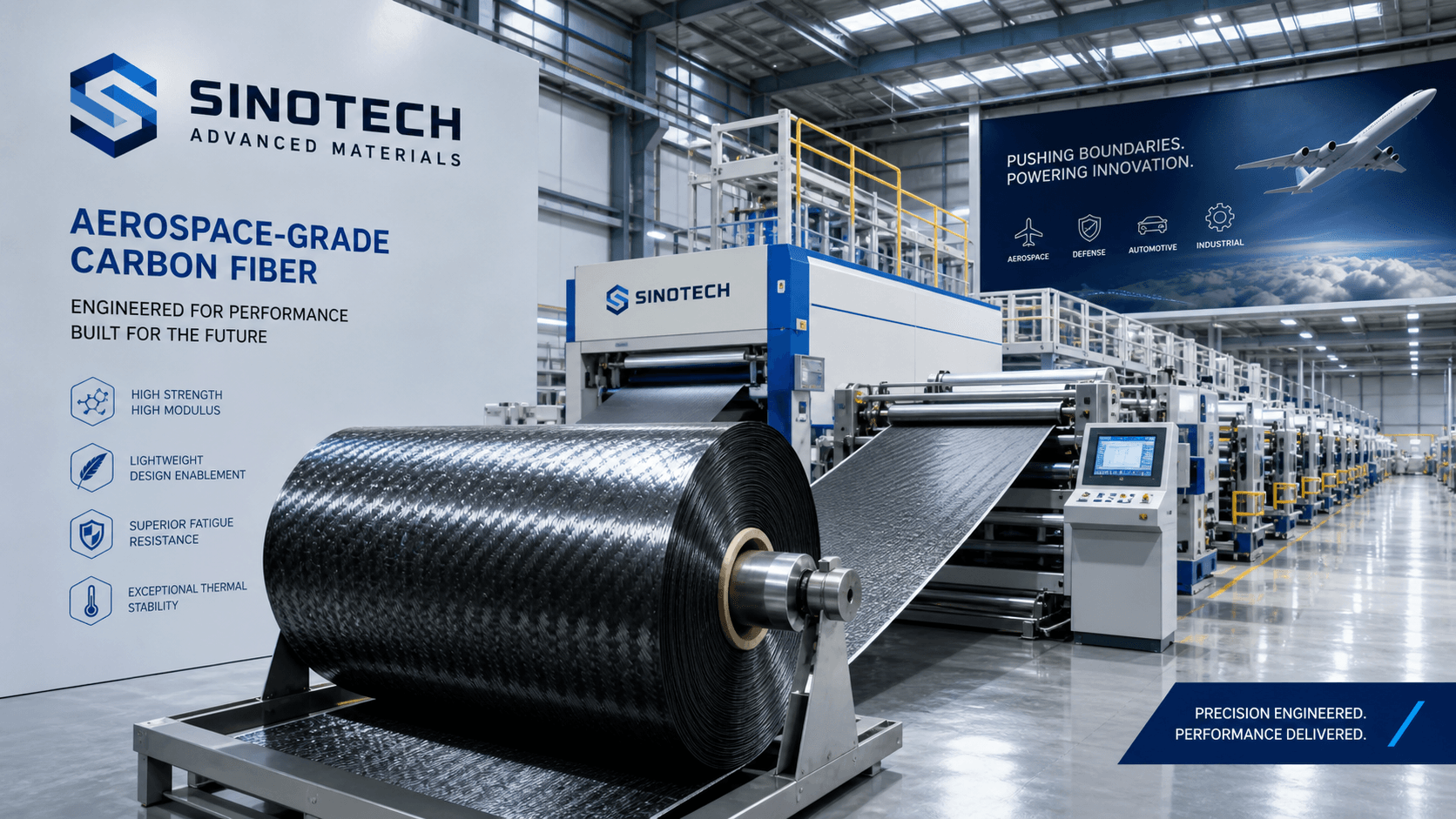
Sinotech Achieves T1100-Grade Carbon Fiber Breakthrough with 5,000-Ton Capacity
Sinotech has successfully developed T1100-grade carbon fiber through both wet and dry-jet wet spinning methods, establishing a 5,000-ton aerospace-grade production capacity. This advancement positions Sinotech to compete with Toray, a leading player in the high-end carbon fiber market. The significance of this breakthrough lies in its potential to disrupt the existing dominance of Toray in the high-end carbon fiber sector. By achieving T1100-class technology, Sinotech not only enhances its production capabilities but also opens new avenues for applications in aerospace and other industries that require high-performance materials. Looking ahead, industry observers will be keen to see how Sinotech's advancements will influence market dynamics and whether it can successfully penetrate the high-end carbon fiber market traditionally held by Toray. No further timeline was disclosed at the time of publication.
Technology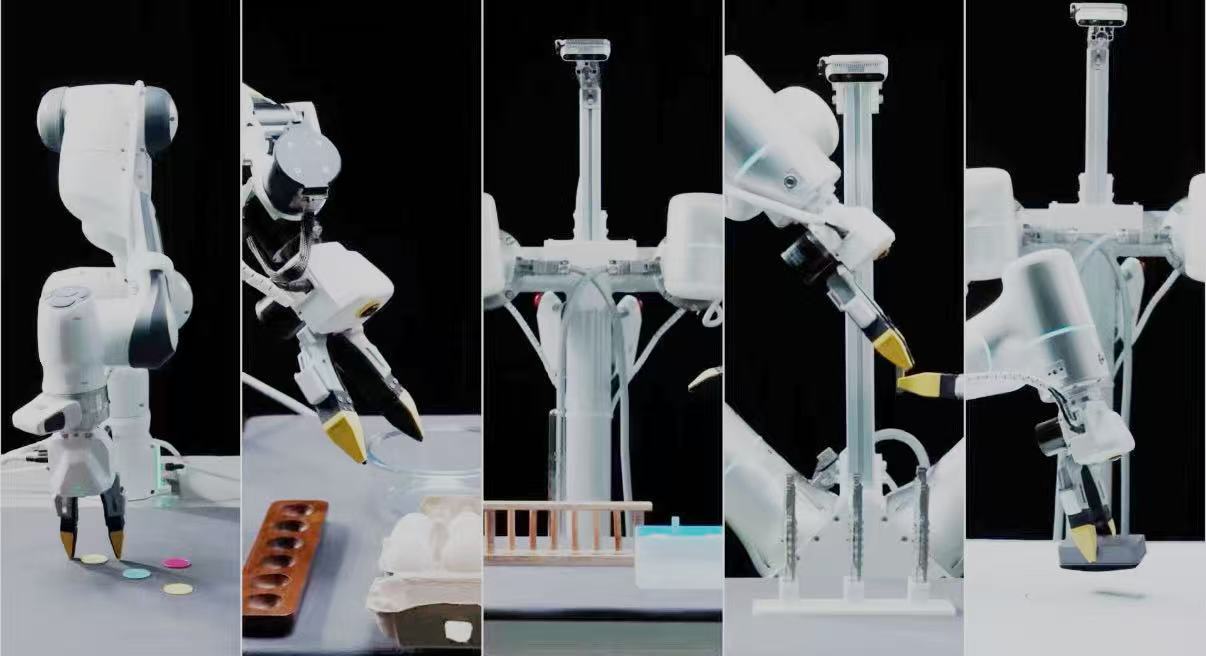
Qianjue Robotics Launches X-TouchMind V1 and TacVerse 1k for Enhanced Robot Interaction
On July 16, Qianjue Robotics unveiled its first embodied tactile model, X-TouchMind V1, alongside the TacVerse 1k multimodal dataset. This development addresses the limitations of traditional visual models in robotic operations, particularly in precision assembly and handling delicate objects, where failures often occur after contact. The new model integrates visual, linguistic, tactile, and robotic state data to enhance physical interaction capabilities. The significance of this release lies in Qianjue's comprehensive approach, which encompasses tactile perception hardware, self-developed multimodal data collection devices, and the new tactile model. Unlike previous attempts that merely supplemented tactile signals to visual data, the VTLA embodied tactile model establishes a closed-loop system that fundamentally redefines the perception boundaries of robotic models. This innovation allows robots to understand and respond to physical interactions more effectively. Looking ahead, Qianjue Robotics will demonstrate the capabilities of the VTLA model at the WAIC 2026 exhibition, showcasing real-world applications such as autonomous box stacking and precise assembly of headphones. The focus will be on how the model can dynamically adjust actions based on tactile feedback, marking a significant advancement in robotic interaction technology. No further timeline was disclosed at the time of publication.
Tactile Intelligence Robotic Interaction Precision Assembly Multimodal Data AI Robotics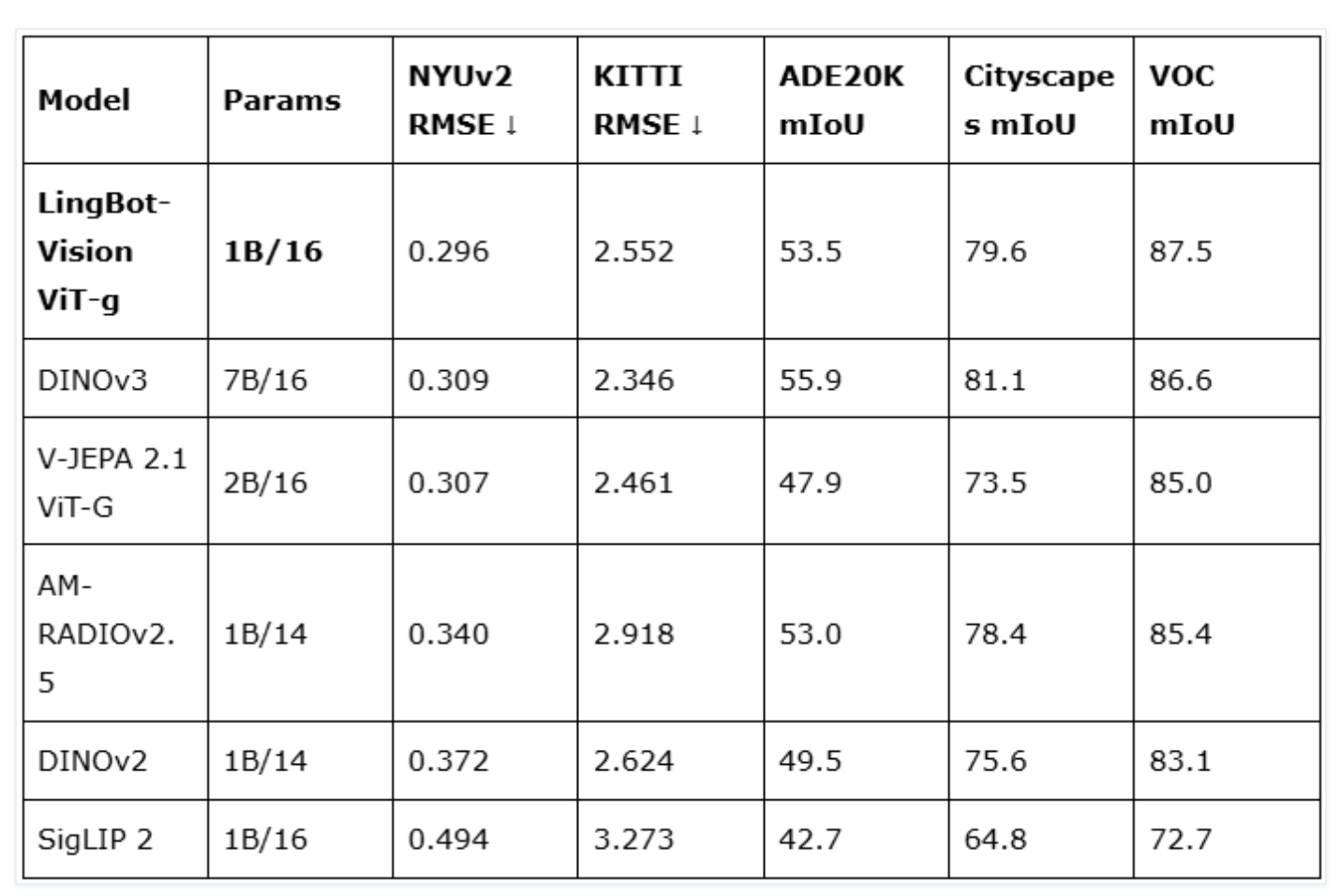
Ant Group Launches Open Source LingBot-Vision: A Breakthrough in Robotic Vision Technology
Ant Group's Robbyant has introduced the LingBot-Vision model, a groundbreaking visual perception technology designed for robots. This innovative model, which operates with just 1.1 billion parameters, significantly outperforms traditional systems in depth estimation and object boundary recognition. By enhancing robots' ability to comprehend intricate environments, LingBot-Vision represents a major leap forward in the field of embodied intelligence. The technology has been made available as open-source, fostering further advancements and collaboration within the robotics community.
Robotic Vision Depth Perception AI Technology Open Source Embodied Intelligence
Laser dazzler blinds drone sensors in breakthrough counter-UAS technology trials
NUBURU, a U.S. defense technology company, has announced promising preliminary findings from its recent tests of a laser dazzler system. Conducted in October 2023, these tests aim to evaluate the effectiveness of the laser dazzler in countering potential threats. The system is designed to temporarily blind or disorient adversaries, enhancing the safety of military personnel and operations. The encouraging results indicate that the technology could play a crucial role in modern defense strategies, addressing the increasing need for non-lethal deterrents in various combat scenarios. NUBURU's advancements in laser technology reflect a growing trend in the defense sector to develop innovative solutions for protecting forces while minimizing collateral damage.
Military
SpaceX's Starmind Project: Supplier Strategy and Chip Manufacturing Plans for 2026
SpaceX's Starmind project, aimed at deploying up to 1 million AI satellites, was filed with the FCC on January 30, 2026. The initiative is designed to minimize reliance on external suppliers, with CEO Elon Musk stating that current chip production capabilities only meet 2% of the projected needs. The first satellite, AI1, is set for prototype launches in early 2027, featuring a 70-meter wingspan and a modular payload system that allows for interchangeable chips from various suppliers. The significance of Starmind lies in its ambitious supply chain strategy, which seeks to transition from external hardware suppliers to a fully integrated Musk-owned facility by 2028. The Gigasat manufacturing site in Bastrop, Texas, is expected to be operational by the end of 2027, with plans for high-volume production of the D3 chip, specifically designed for space applications. This approach aims to consolidate chip manufacturing processes under the Terafab joint venture, which has an estimated initial investment of $55 billion. Looking ahead, the next milestone for Starmind is the launch of AI1 prototypes in early 2027, while the full-scale chip production at Terafab is projected to ramp up significantly thereafter. However, analysts express skepticism regarding the feasibility of achieving Musk's ambitious compute goals, which may require substantial investment and time to establish the necessary manufacturing capabilities.
SpaceX Launches Starmind Project for 1 Million AI Satellites by 2028
SpaceX has officially named its orbital AI infrastructure project 'Starmind,' which aims to deploy a constellation of up to 1 million satellites. This initiative, confirmed by Elon Musk on June 22, 2026, will enable AI inference directly in space, utilizing solar energy rather than terrestrial power sources. The first satellite, designated AI1, was unveiled on June 8, 2026, and is designed to operate in sun-synchronous orbits. The significance of Starmind lies in its potential to overcome the limitations faced by ground-based data centers, such as land, power, and water constraints. By running AI computations in orbit, Starmind can provide a more efficient solution to the growing demand for AI computing power. The project leverages the existing Starlink infrastructure for data transmission, distinguishing its function from Starlink's internet relay capabilities. Looking ahead, SpaceX plans to begin hardware deployment with the AI1 satellite, while full-scale production and deployment of the satellite constellation are targeted for 2028. As of now, no Starmind satellites have been launched, and further engineering challenges remain to be addressed, particularly regarding the scalability of the satellite design.

SpaceX Unveils AI1 Satellite Specs for Starmind Constellation with Key Thermal Challenges
SpaceX has introduced the AI1 satellite, the inaugural component of its Starmind constellation, which stands 20 meters tall and has a wingspan of 70 meters. This orbital compute node is designed to deliver computing power equivalent to one NVIDIA GB300 server rack, utilizing a unique cooling system with deployable liquid radiators. The satellite's specifications were revealed during a presentation on June 8, 2026, ahead of SpaceX's IPO. The significance of the AI1 satellite lies in its role as a compute platform rather than a traditional satellite, focusing on running AI inference workloads. The satellite's cooling system, which is critical for its operation in the vacuum of space, is designed to reject heat through infrared radiation. However, independent engineers have raised concerns about the feasibility of the thermal and mass claims made by SpaceX, suggesting that the cooling requirements may exceed practical limits. Looking ahead, SpaceX plans to launch two AI1 prototypes in early 2027, with full-scale production expected to commence later that year at its Gigasat facility in Bastrop, Texas. The ongoing debate regarding the satellite's thermal management capabilities will be crucial to monitor as the project progresses, with no further timeline disclosed at the time of publication.
SpaceX's Starmind Faces Feasibility Challenges for 1 Million Satellite Deployment
On January 30, 2026, SpaceX submitted a request to the FCC to launch up to 1 million satellites as part of its Starmind orbital compute constellation. This ambitious plan is unprecedented, as the total number of satellites ever launched globally is in the low tens of thousands. The proposal seeks a waiver from standard deployment milestones, citing reliance on the Starship's full reusability for success. The significance of this request lies in the technical and logistical challenges it presents. Experts warn that low Earth orbit may not support the proposed number of active satellites without risking a debris cascade. SpaceX's own IPO prospectus acknowledges unresolved dependencies related to Starship's launch cadence and reusability, which are critical for the orbital AI compute strategy. Looking ahead, the timeline for achieving the necessary launch cadence and manufacturing capacity remains uncertain. SpaceX's Gigasat facility in Texas aims for volume production by late 2027, but this would require unprecedented output levels. No further timeline was disclosed at the time of publication, leaving the feasibility of the Starmind project in question.

Starmind's Orbital Compute vs. Terrestrial Data Centers: Analyzing Resource Advantages
Starmind's orbital compute technology presents a significant advantage over traditional ground-based data centers by eliminating constraints related to land, water, and grid permitting. While terrestrial data centers are currently cheaper and faster to construct, with U.S. data center spending reaching $85.3 billion in 2026, Starmind's approach focuses on addressing the growing resource limitations faced by hyperscale facilities. The significance of Starmind's technology lies in its ability to sidestep the increasing challenges of land and water usage. For instance, a 100 MW data center can consume approximately 530,000 gallons of water daily for cooling, while Starmind's AI1 utilizes deployable liquid radiators that require no water. This structural advantage could resonate with investors as the demand for AI computing continues to escalate, potentially leading to annual water withdrawals of up to 1.7 trillion gallons by 2027. Looking ahead, Starmind's next milestones include the launch of AI1 prototypes scheduled for early 2027. However, the technology's claims regarding cooling efficiency and operational reliability remain unverified until real flight data is available. As the industry evolves, the competition between orbital and terrestrial solutions will become increasingly relevant, particularly in the context of resource management and sustainability.
SpaceX Proposes 1 Million AI Satellites to Address Ground Data Center Constraints
On January 30, 2026, SpaceX filed with the FCC to launch up to 1 million AI compute satellites, positioning orbital data centers as a solution to the increasing demand for AI computing power. Ground data centers are facing significant challenges, with energy consumption projected to reach approximately 1,050 TWh in 2026, making them the fifth-largest electricity consumer globally. The demand for new data center capacity is outpacing the growth of power generation infrastructure, leading to a critical bottleneck in the grid system. The significance of this initiative lies in the structural constraints faced by ground data centers, including power delivery limitations, high water consumption, and local opposition to new projects. The Uptime Institute's 2026 outlook identifies power as the primary constraint on data center growth, with capacity clearing prices in the PJM grid skyrocketing to $329.17/MW, driven by data center expansion. Additionally, cooling requirements are becoming increasingly unsustainable, with facilities consuming vast amounts of water, further complicating their operational viability. Looking ahead, SpaceX's orbital AI compute initiative aims to circumvent these challenges by leveraging the advantages of space, such as continuous solar power and minimal local opposition. The first AI prototypes are expected to launch in early 2027, with operational deployments planned for 2028. No further timeline was disclosed at the time of publication.
SpaceX's Starship V3 Plans for 1 Million Starmind Satellites by 2030
SpaceX's Starship V3 is set to revolutionize satellite deployment, aiming to launch 1 million Starmind satellites by 2030. The spacecraft can carry over 100 tonnes to low Earth orbit (LEO), significantly more than the Falcon 9's capacity. As of May 2026, Starship has completed 12 flights, with the next mission scheduled for late July 2026, focusing on operational payloads including AI1 prototypes in early 2027. This ambitious plan is crucial for expanding orbital compute capacity, targeting an annual addition of 100 GW through a million tonnes of satellite hardware. SpaceX's strategy hinges on achieving a launch cadence of approximately 12,000 flights, equating to about three launches per day. The company has invested over $15 billion in the Starship program, with expectations to begin payload deliveries in the second half of 2026, starting with Starlink V3 satellites. Looking ahead, the successful deployment of the Starmind constellation will depend on Starship's ability to meet its cost targets of $10–20 million per flight. If achieved, this would make launching satellites more economical than building ground data centers. The next significant milestone will be the launch of AI1 prototypes in early 2027, with full-scale deployments commencing in 2028 from the new Gigasat factory in Texas.

SpaceX's Starmind Plans 1 Million AI Satellites Amid Collision Risks
SpaceX has announced its ambitious Starmind project, which aims to deploy 1 million AI satellites in orbits between 500 and 2,000 km. This initiative, confirmed by Elon Musk on June 23, 2026, follows a merger with xAI, valuing the combined entity at $1.25 trillion. The satellites will function as orbital data centers, processing AI workloads powered by solar arrays and linked by optical lasers. The significance of Starmind lies in its potential to add 100 gigawatts of AI compute capacity annually, contingent on the successful operation of the Starship launch system. However, the project raises concerns regarding space debris, as the current orbital environment is already congested, with a 20% increase in collision risk reported since 2024. The European Space Agency has highlighted that the density of debris in low Earth orbit is now comparable to that of active satellites, complicating the operational landscape for new entrants like Starmind. Looking ahead, the first operational orbital AI deployments are targeted for 2028, with test launches expected in early 2027. However, the project faces scrutiny regarding its impact on space debris, as even a 1% failure rate could significantly increase the number of uncontrollable objects in orbit, exacerbating existing risks. No further timeline was disclosed at the time of publication.

Tesla's Optimus Robots to Support Starmind Satellite Production, Not Maintenance
Tesla's Optimus robots will not be used to repair Starmind satellites in orbit, as confirmed by recent statements from Elon Musk. Instead, these robots are intended to assist in the construction and operation of the Terafab chip manufacturing facility in Texas. The AI1 satellites, designed to disintegrate upon reentry, highlight the company's swap-and-replace strategy rather than traditional maintenance practices. This approach is significant as it reflects a broader trend in satellite management, where mass-produced satellites are replaced rather than repaired. The economics of servicing missions are prohibitive, with the cost of launching a replacement satellite being significantly lower than conducting a repair mission. This model aligns with SpaceX's operational history, where rapid replacement of satellites is more efficient than attempting to maintain them in orbit. Looking ahead, the focus will remain on the production capabilities of the Gigasat factory, which is expected to support the continuous replacement of satellites. No further timeline was disclosed at the time of publication, but the demand for rapid satellite turnover suggests a robust future for Optimus robots in terrestrial manufacturing rather than in-space servicing.

SpaceX's $1.75 Trillion Valuation Driven by Starmind's Future Potential
Starmind is a pivotal element in SpaceX's estimated $1.75 trillion IPO valuation, despite currently generating no confirmed revenue. The stock price reflects optimistic projections regarding AI infrastructure growth, which Starmind has yet to substantiate. As of early July 2026, SpaceX's stock has decreased from its 52-week high of $225.64 to around $150, indicating market skepticism about future execution. The significance of Starmind lies in its potential to transform SpaceX's revenue model beyond traditional launch services. Goldman Sachs has shifted its focus from Starlink subscriber growth to the prospects of AI revenue, including orbital computing, as a cornerstone of SpaceX's long-term valuation. This marks a substantial change in how analysts view the company's growth trajectory, necessitating rates exceeding its historical 33% growth. Looking ahead, the credibility of Starmind as a growth narrative will be crucial for maintaining investor confidence. Analysts have noted a considerable divergence in price targets, reflecting uncertainty about the value of the Starmind and xAI initiatives. No further timeline was disclosed at the time of publication regarding specific milestones for these projects.

SpaceX IPO Provides Indirect Investment Opportunity in Starmind Project
Starmind does not have a standalone stock or ticker; investors can gain exposure through SpaceX (ticker: SPCX), which began trading on Nasdaq after its IPO on June 12, 2026. Starmind is integrated within SpaceX, contributing to the company's AI and space initiatives, and its performance directly influences SPCX shares. The significance of Starmind lies in its role as a division of SpaceX, which encompasses other projects like Starlink and Starship. As of early July 2026, SPCX shares are trading between $149 and $150, significantly lower than their 52-week high of $225.64. The project’s milestones, such as AI1 prototype updates, can impact SpaceX's stock performance, making it essential for investors to monitor these developments closely. Looking ahead, the early 2027 launch of AI1 prototype satellites is a critical milestone that could provide verifiable data affecting Starmind's valuation and, consequently, SPCX stock. No further timeline was disclosed at the time of publication, but the upcoming events will be pivotal for investors tracking the relationship between Starmind and SpaceX's stock performance.

SpaceX's Starmind Targets AI Labs with $6.3 Billion Compute Contracts
SpaceX's Starmind is designed to provide wholesale AI compute services to businesses, particularly AI labs and cloud customers, rather than individual consumers. The service operates similarly to AWS, where users benefit from applications running on Starmind without direct subscriptions. The compute capacity of a single AI1 satellite is comparable to one NVIDIA GB300 rack, emphasizing its enterprise-grade capabilities. The significance of Starmind lies in its positioning as a potential fourth hyperscaler, joining the ranks of AWS, Microsoft Azure, and Google Cloud. The Reflection AI contract, valued at $150 million per month, exemplifies the enterprise-focused model, with total payments potentially reaching $6.3 billion through 2029. This contract highlights the growing demand for AI compute resources, particularly from AI-native startups and labs. Looking ahead, the focus will remain on securing additional enterprise contracts as Starmind expands its offerings. No consumer-facing products or subscriptions have been announced, and the current strategy is to cater to businesses with substantial AI workloads. No further timeline was disclosed at the time of publication.
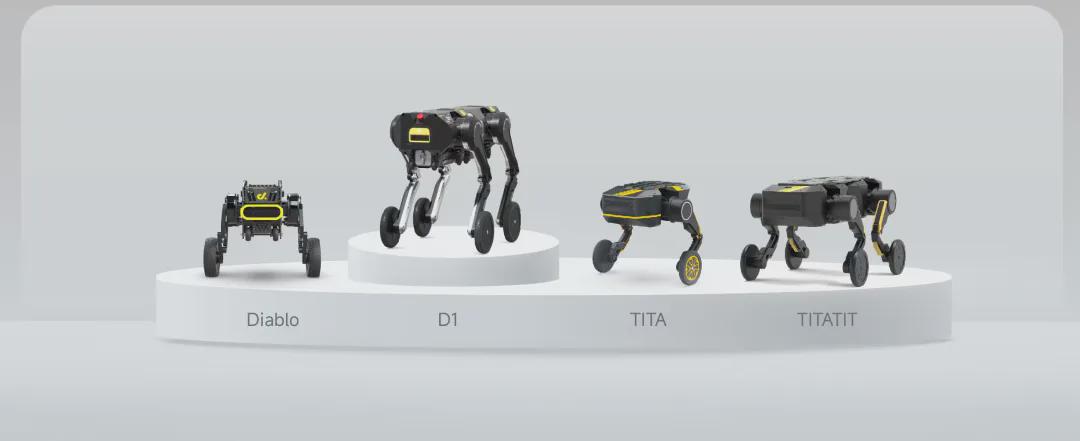
Benmo Technology Passes Hong Kong Stock Exchange Listing Hearing, Establishes Three Core Robotics Technologies
Benmo Technology, a robotics company established in 2020, has successfully cleared the listing hearing at the Hong Kong Stock Exchange. The firm specializes in direct-drive technology and has developed three key innovations: robotic power modules, wheeled robots, and modular assembly systems. These advancements are designed to improve performance and adaptability across a range of applications. With the robotics market showing significant growth potential, Benmo plans to capitalize on its technological expertise to enhance its market presence and increase revenue.
Robotics Technology Direct-Drive Systems Wheeled Robots Modular Robotics Market Growth
AI-powered spectrometer chip shrinks lab technology to the size of a grain of sand
Researchers at UC Davis have developed an innovative AI-powered chip capable of analyzing light and chemicals with remarkable precision. This compact device, small enough to fit into various environments, integrates advanced silicon sensors with machine learning technology, enabling it to perform lab-quality spectral analysis without the need for traditional, bulky equipment. The breakthrough aims to enhance accessibility and efficiency in chemical analysis, potentially transforming fields such as environmental monitoring, healthcare, and food safety. By streamlining the analytical process, this new chip could facilitate quicker and more accurate assessments in diverse applications.
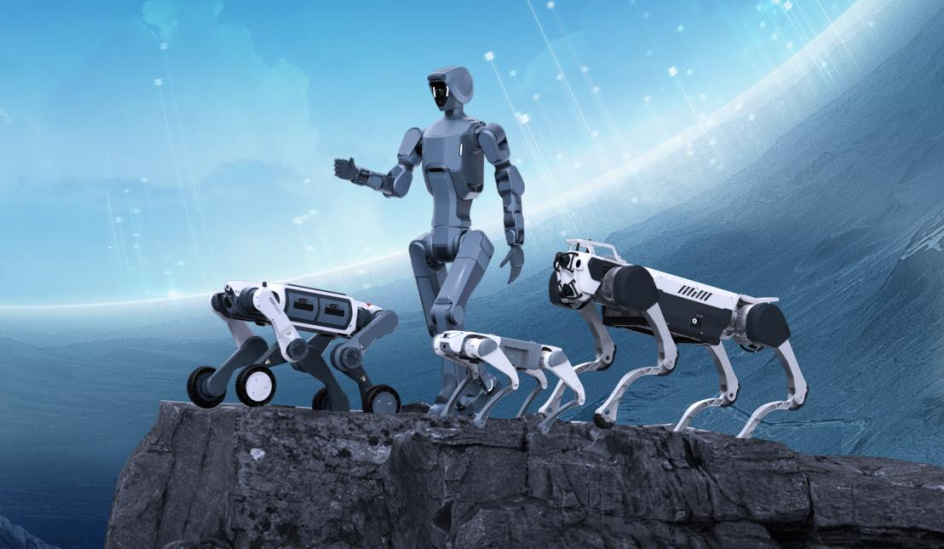
Revenue Soars Sevenfold in Three Years! Yunshen Technology Targets STAR Market, A-Share Embodied Intelligent Robots Welcomes New Unicorn
Yunshen Technology has secured approval for its initial public offering (IPO) on the STAR Market, becoming the second embodied intelligent robotics company to achieve this milestone in the A-share market. The approval comes as the company anticipates a revenue growth exceeding 150%, driven by substantial investments in research and development. This strategic move positions Yunshen Technology for swift expansion within the rapidly evolving robotics sector, reflecting the increasing demand for advanced robotic solutions.
Embodied Intelligent Robots IPO Robotics R&D A-Share Market Automation Technology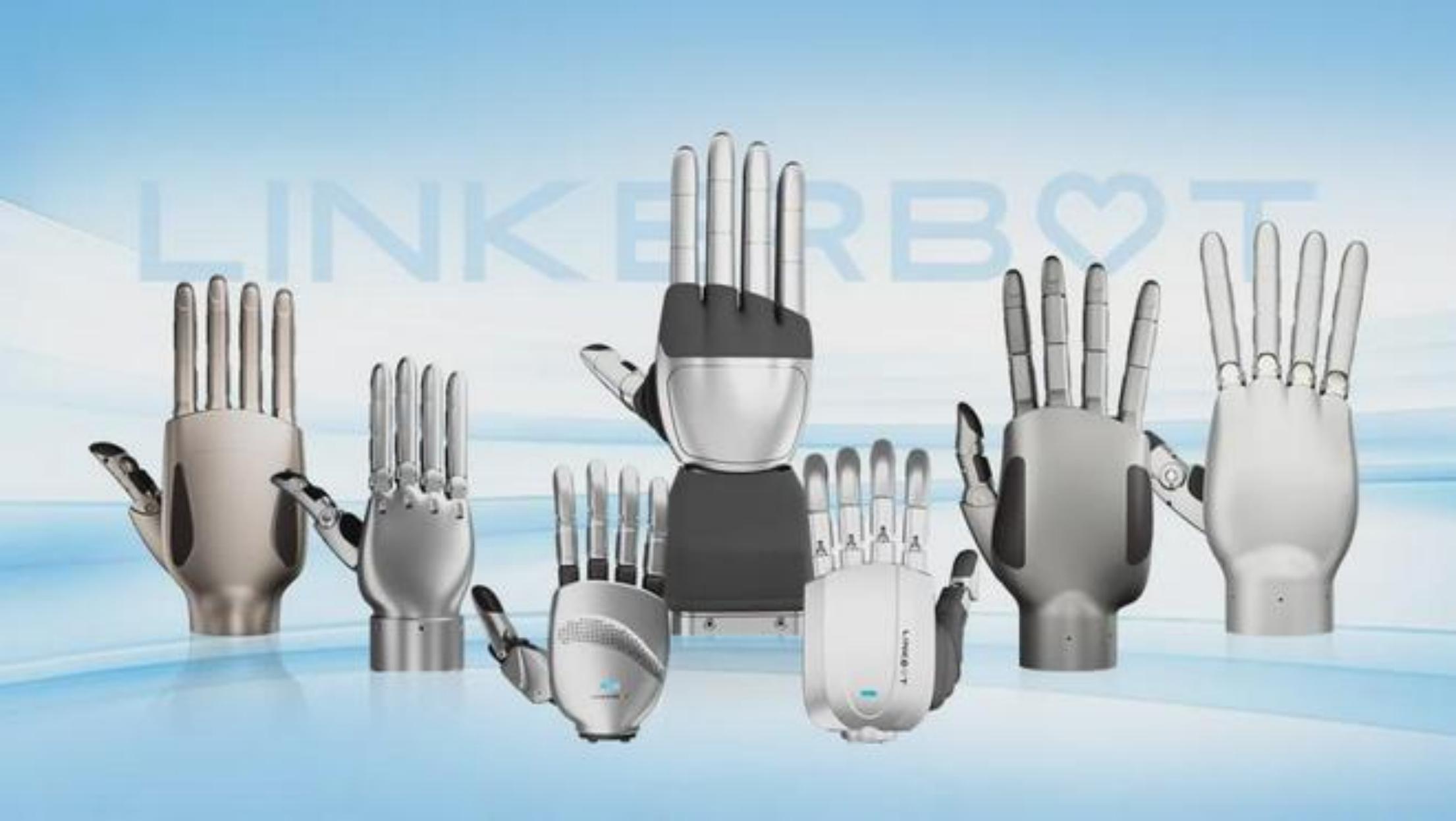
High Contrast & Technology Breakthrough: Behind the Billion-View Phenomenon of 'Hands' Bringing Robots into Everyday Life
Recent advancements in dexterous robotic hands are paving the way for their integration into everyday life, moving from mere demonstrations to practical applications. Experts predict that by 2026, these innovative technologies will see widespread adoption, driven by significant market growth and increasing demand for automation in various sectors. The evolution of these robotic hands showcases their potential to enhance productivity and efficiency, making them a vital component in the future of robotics. As industries continue to explore their capabilities, the impact of dexterous robotic hands is expected to reshape how tasks are performed, ultimately transforming both professional and personal environments.
Dexterous Robots Robotics Technology AI Automation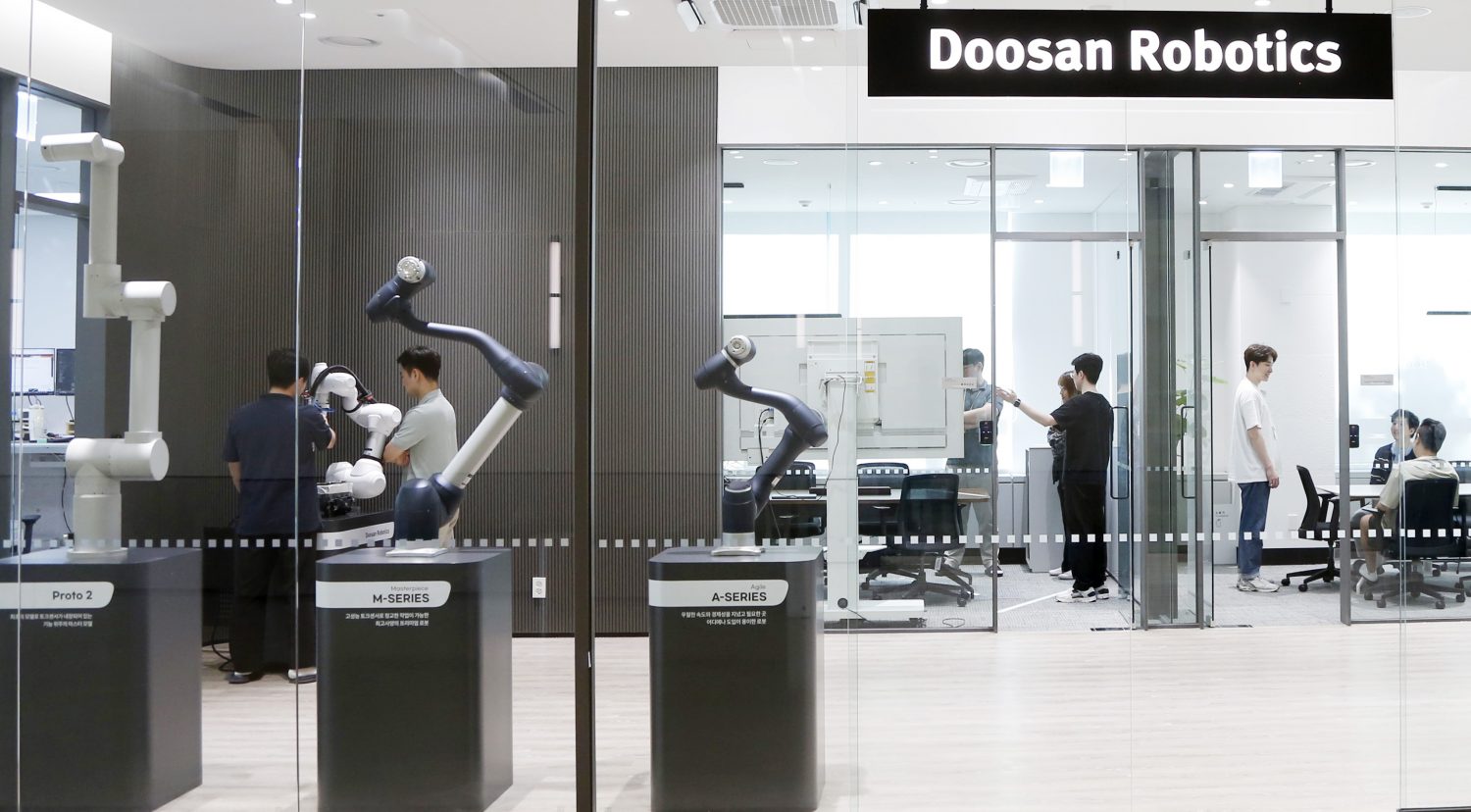
Doosan Robotics Maximizes Synergy Through Integrated R&D Capabilities, Accelerating Technology and Product Innovation
Doosan Robotics has officially opened the Doosan Robotics Innovation Center on October 15, a state-of-the-art facility aimed at enhancing collaboration in robot research and development. Situated in Gumi-dong, Bundang-gu, Seongnam, Gyeonggi Province, the center spans approximately 6,600 square meters, making it the largest robotics research facility in South Korea. The center will house around 80 researchers, representing 40% of the company's workforce, who will work together to innovate intelligent robot solutions and humanoid technologies. This facility consolidates essential R&D resources, focusing on the development of core robot components, AI-based motion research, and quality testing. The center features rigorous testing areas where robots undergo extensive trials, including power cycling and movement tests, as well as temperature and humidity chambers to ensure reliability in extreme conditions. Specialized workspaces are also equipped to prioritize worker safety during tasks like sanding and welding. In a strategic move to enhance AI and software development, Doosan Robotics has appointed Oh Chang-hoon, former CTO of Toss Securities, as Executive Vice President. Oh's expertise in software architecture will support the advancement of intelligent robot solutions. CEO Keven Kim emphasized the company's commitment to becoming a leader in intelligent robotics, following their AI innovation declaration in April. The Innovation Center is expected to accelerate the development of new technologies, setting new industry standards in intelligent automation.
Robotics needs a service framework.
RSF defines a common language for robot service capability, lifecycle operations, certification pathways, and service-provider networks.
Join the RobotToday community on LinkedIn
Daily robotics news, in-depth analysis, conference highlights, and discussions with professionals worldwide.







