

Industry Briefing
A single destination for timely, editor-curated robotics news from around the world.

DYNA Robotics Introduces DYNA 2.1 Semi-humanoid Robot for Complete Workflow Automation
DYNA Robotics has launched the DYNA 2.1, a semi-humanoid robot designed to complete full workflows, including tasks typical of a commercial laundry shift. This innovative robot features a proprietary upper torso with two arms that can be equipped with either parallel-jaw grippers or dextrous hands, allowing it to effectively reach and manipulate various objects. The significance of the DYNA 2.1 lies in its advanced design, which incorporates four steerable wheels that enable stable movement without the risk of toppling over. This capability enhances its operational efficiency, making it suitable for various automated tasks in commercial settings, particularly in the laundry industry. Looking ahead, the deployment of the DYNA 2.1 could signal a shift in how automation is integrated into workflow processes. As industries increasingly adopt robotic solutions for efficiency, the performance and adaptability of the DYNA 2.1 will be crucial to watch in the evolving landscape of commercial automation. No further timeline was disclosed at the time of publication.

Coggan Farms Achieves 85% Chemical Reduction with Autonomous Spraying Technology
Coggan Farms, located near Meandarra in Queensland, Australia, has successfully implemented autonomous spraying technology from SwarmFarm Robotics, achieving an 85% reduction in chemical use during fallow spraying. The farm operates two SwarmBots equipped with Weed-It cameras and AutoFill technology, which allows for targeted weed control and automatic refilling of spray tanks. The decision to adopt this technology was driven by labor shortages and rising operational costs, prompting the Coggan family to seek automation solutions for their extensive farming operations. With over 65,000 acres managed, the family has integrated robotic technology to enhance efficiency and accuracy in weed control, significantly reducing the need for manual labor. Looking ahead, the continued evolution of agricultural robotics and automation will be crucial for farms like Coggan Farms, as they adapt to changing labor dynamics and strive for sustainable practices. No further timeline was disclosed at the time of publication.
Smart farming autonomy spraying
Academician Zheng Nanning Discusses Embodied Intelligence Beyond Humanoid Robots
Academician Zheng Nanning, Director of the Artificial Intelligence and Robotics Institute at Xi'an Jiaotong University, published an article discussing the growth of embodied intelligence in the physical world. He emphasized that a key direction for artificial intelligence is enabling machines to not only process information but also to flexibly perform various tasks in dynamic environments. This includes precise operations on industrial production lines, autonomous navigation in complex terrains, and dynamic movements in exhibition settings. Zheng clarified that embodied intelligence is not synonymous with humanoid robots; rather, it focuses on whether intelligent systems can truly engage with real-world environments, forming a closed loop of perception, cognition, decision-making, action, and feedback. The evaluation of embodied intelligence should be based on its ability to solve real-world problems, not merely its physical form. He likened understanding embodied intelligence to an infant's process of learning about the world through interaction with their environment. To enable machines to act in the world, embodied intelligence requires various capabilities, including the formation of world models, multimodal representation, causal reasoning, and the integration of generation and action. The development of embodied intelligence relies on high-quality multimodal data and realistic simulation environments. Current limitations include the black box problem, computational constraints, and an immature industrial ecosystem. In sectors like industrial manufacturing, healthcare, and urban governance, intelligent systems are evolving from mere tools to proactive systems capable of continuous learning and adaptation.
Embodied Intelligence Artificial Intelligence Robotics Machine Learning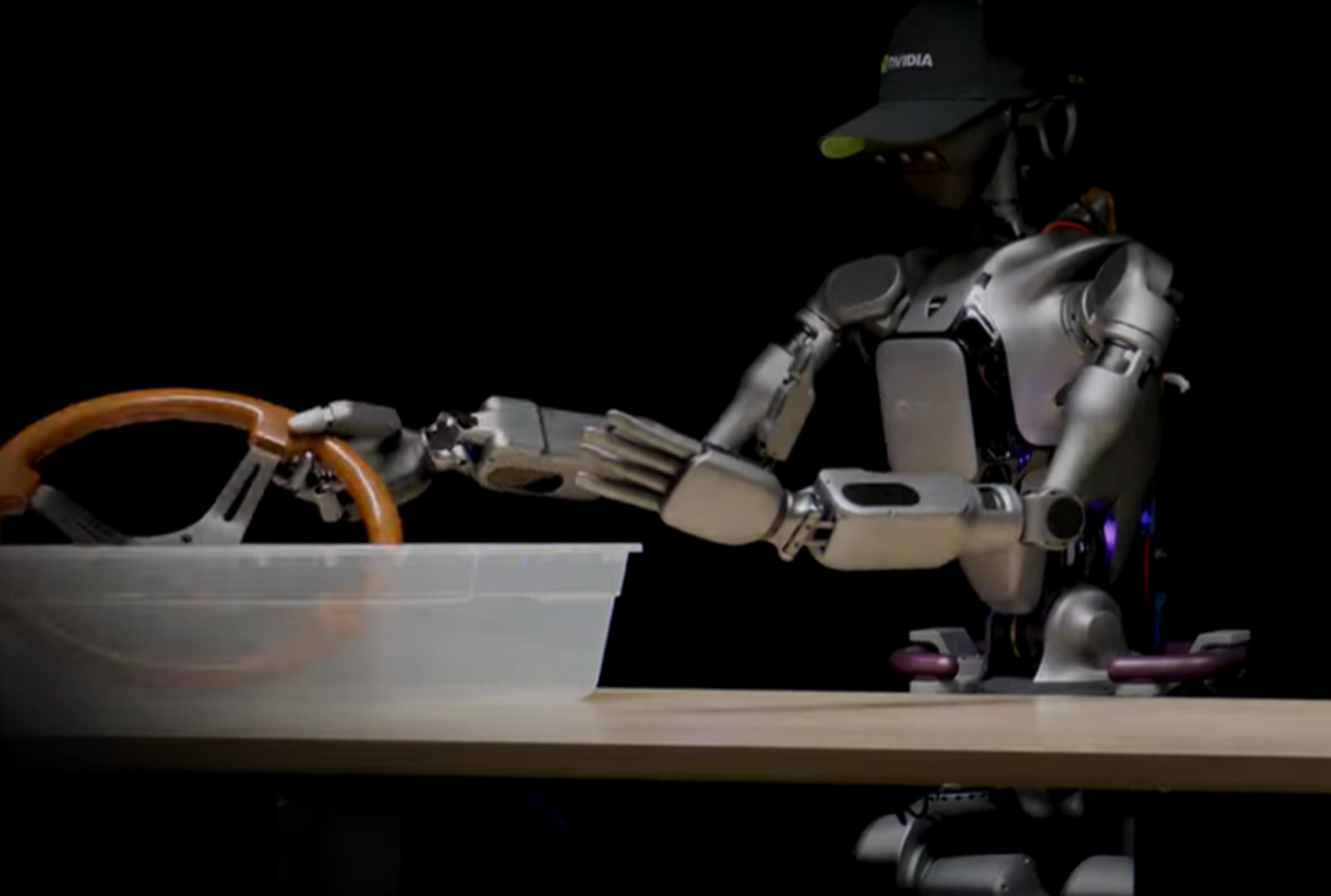
Humanoid Robotics Industry Presents Competitive Landscape for European Chemical Companies
The humanoid robotics sector is increasingly dependent on a crucial chemical component utilized in the joints and limbs of robots. This reliance has sparked a competitive struggle for market supremacy between established European firms and their Chinese counterparts. The significance of this competition lies in the potential for innovation and market share growth within the chemical industry, particularly for those companies that can effectively supply this essential material. As humanoid robots gain traction, the demand for high-quality chemical components is expected to rise, further intensifying the rivalry. Looking ahead, stakeholders should monitor developments in the humanoid robotics market and the strategies employed by both European and Chinese companies. The outcome of this competition could reshape supply chains and influence technological advancements in the industry. No further timeline was disclosed at the time of publication.

Comau Provides Advanced Battery Cell Formation and Testing System to Slovenia’s National Institute of Chemistry
Comau has successfully delivered a laboratory-scale cell formation and testing solution to Slovenia’s National Institute of Chemistry (NIC). This customized system is designed to facilitate material validation, product development, and cycle life testing, integrating industrial processes into a research environment while maintaining necessary flexibility. The significance of this delivery lies in its ability to accommodate various battery cell formats, including pouch, cylindrical, and prismatic cells, on a single platform. This versatility allows researchers and industrial partners to explore a wide range of battery technologies, bridging the gap between academic research and commercial development. Looking ahead, the NIC facility is poised to support both academic and industrial users in battery research and testing across Europe. No further timeline was disclosed at the time of publication.
Industrial robots News Science battery automation battery cell formation battery cell testing
Leidos Secures $127 Million Contract Extension for US Army's ARTEMIS ISR Operations
Leidos has received a contract extension from the US Army to maintain operations of the Airborne Reconnaissance and Targeting Exploitation Multi-Mission Intelligence System (ARTEMIS) throughout Europe. This contract extension is significant as it underscores the ongoing commitment of the US Army to enhance its intelligence, surveillance, and reconnaissance capabilities in Europe through advanced systems like ARTEMIS. Looking ahead, it will be important to monitor how this extension impacts the operational effectiveness of the US Army's ISR missions and any potential future developments related to the ARTEMIS system. No further timeline was disclosed at the time of publication.
News
Tesla, Inc. Expands into European Electric Truck Market with Semi Launch
Tesla, Inc. (NASDAQ:TSLA) is set to enter the European electric truck market, as reported on September 11. The company showcased the European version of its Semi truck at the IAA Transportation trade fair in Hanover, Germany, featuring a range of up to 550 kilometers and energy consumption of about 1 kilowatt-hour per kilometer. Deliveries are expected to commence next year. This expansion is significant as it allows Tesla to tap into a growing demand for heavy-duty electric vehicles amid stringent emissions regulations in Europe. The market for electric trucks is projected to see new entrants capturing 24% to 31% of the market by 2030, according to Transport & Environment. Tesla's entry could also create opportunities in charging infrastructure and fleet management. However, Tesla faces challenges, including fierce competition from established manufacturers and potential range limitations compared to rivals. The company must also invest heavily in charging infrastructure and ensure efficient production to achieve mass adoption. No further timeline was disclosed at the time of publication.

QBit Semiconductor Reveals Robotics and Drone Chipset Roadmap for Physical AI Control
QBit Semiconductor, a Taiwan-based fabless IC design leader, announced its roadmap for robotics and drone chipsets at SEMICON Taiwan 2026. This initiative focuses on integrating Physical AI control capabilities, particularly through their QB88XX series, which includes advanced motion control and image processing technologies. The unveiling of this roadmap is significant as it positions QBit Semiconductor to capitalize on the growing demand for Physical AI applications in robotics and drone markets. By targeting these sectors, the company aims to enhance the functionality and efficiency of robotic systems and drones, leveraging their expertise in high-end image processing and motion control. Looking ahead, industry stakeholders should monitor QBit Semiconductor's developments in the QB88XX series and its impact on the Physical AI landscape. No further timeline was disclosed at the time of publication.

Flexible Semiconductor Test Strategies to Shape ATE Industry by 2025
The automated test equipment (ATE) industry is set to undergo significant changes by 2025, driven by the increasing quality, complexity, and innovation in semiconductor technologies. As these factors evolve, flexible testing strategies will become essential to meet the demands of the market. This shift is crucial as it highlights the need for adaptability in testing processes to ensure that semiconductor products can keep pace with advancements in technology. The ability to implement flexible test strategies will be vital for companies aiming to maintain competitiveness in a rapidly changing landscape. Looking ahead, industry stakeholders should monitor developments in automated test equipment and the strategies employed to address the growing complexity of semiconductor products. No further timeline was disclosed at the time of publication.

Teradyne Establishes New Office in Bengaluru to Support India's Semiconductor Sector
Teradyne, Inc. has opened a new office in Bengaluru, Karnataka, to enhance its support for India's semiconductor manufacturing industry. This move signifies Teradyne's long-term commitment to the country's growing electronics sector, particularly as demand surges due to advancements in AI technology. The establishment of the Bengaluru office aligns with India's ambitions under the India Semiconductor Mission, which aims to boost domestic fabrication and manufacturing capabilities. Greg Smith, Teradyne's president and CEO, emphasized the importance of a local presence to meet the industry's rapid pace and support customers and government partners. Looking ahead, Teradyne plans to celebrate the office opening on September 15, 2026, and will participate in SEMICON India from September 17-19 in New Delhi. This strategic move is expected to strengthen the semiconductor value chain in India and contribute to the development of a robust manufacturing ecosystem.
Warehouse Automation Can Reduce Carbon Emissions by Up to 25 Percent
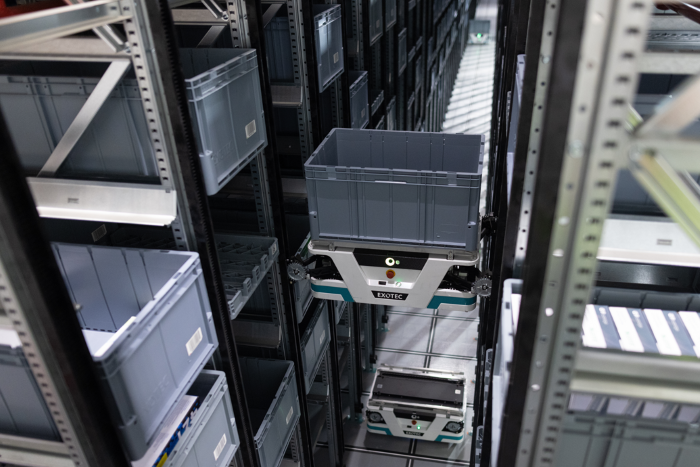
Logistics operators have the potential to decrease their overall carbon emissions by as much as 25% through the automation of their warehouses. This significant reduction highlights a critical yet often overlooked opportunity for the logistics industry to mitigate its environmental impact. The importance of this development lies in its capacity to address the growing concerns regarding carbon footprints within the logistics sector. By implementing automated systems, companies can not only enhance operational efficiency but also contribute positively to sustainability efforts, aligning with global environmental goals. Looking ahead, it will be essential to monitor how logistics operators adopt automation technologies and the subsequent effects on their carbon emissions. The ongoing evolution of warehouse automation could play a pivotal role in shaping a more sustainable future for the logistics industry. No further timeline was disclosed at the time of publication.

DJI FlightHub 2 On-Premises Receives Significant Upgrade for Enterprise Drone Operations
DJI has launched a major update to its FlightHub 2 On-Premises software, version 1.7, aimed at enhancing enterprise drone operations. This self-hosted platform allows organizations to manage their drone data securely on their own servers, addressing the growing demand for data sovereignty and cybersecurity among government and utility sectors. The update focuses on improving livestream performance, simplifying software deployments, and providing deeper integration options for developers. With the introduction of multi-core livestream processing, organizations can now support up to three times the concurrent livestream capacity, which is crucial for operations involving multiple drones transmitting data simultaneously. As enterprises increasingly rely on automated drone missions, the enhancements in version 1.7 are expected to significantly reduce downtime and streamline large-scale deployments. No further timeline was disclosed at the time of publication.
News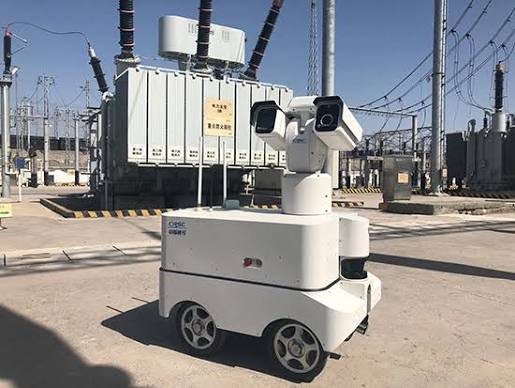
Customized Inspection Robots Enhance Safety in Petrochemical Facilities
On August 20, 2026, a customized explosion-proof wheeled inspection robot was officially put into operation at the Zhenhai Refining & Chemical's Smart Factory 3.0 project after successful debugging and validation at the polypropylene unit. Utilizing intelligent visual recognition, autonomous navigation, and data collection technologies, the robot replaces manual inspections in high-risk areas, significantly improving safety and efficiency. The deployment of inspection robots across major Chinese energy companies, such as Guangdong Petrochemical and Urumqi Petrochemical, is transforming safety protocols in petrochemical plants. For instance, the robots have reduced response times from an average of 30 minutes to seconds and decreased the missed detection rate from approximately 3% to 0.1%, showcasing their reliability and precision in monitoring hazardous environments. Looking ahead, the integration of robots into routine inspections is expected to redefine roles within the industry, shifting human workers from operators to decision-makers. As these robots become standard in operations, the petrochemical sector is likely to see a significant enhancement in safety measures and operational efficiency, with no further timeline disclosed at the time of publication.
Inspection Robots Petrochemical Industry Automation Technology Safety Monitoring
Rigaku and Tohoku University Launch X-ray Metrology Research Institute for Semiconductor Analysis
Rigaku and Tohoku University have established the Rigaku-Tohoku University Co-Creation Research Institute for X-ray Metrology, which commenced operations on August 1 in Sendai, Japan. This collaboration aims to enhance X-ray metrology capabilities to measure advanced semiconductor structures, addressing the challenges posed by smaller features and more complex materials in chip manufacturing. The initiative is significant as it responds to the increasing difficulties engineers face in inspecting multilayer devices without damaging them. Conventional X-ray techniques often fall short in resolving minute structures or accurately interpreting data from these complex architectures. The institute will explore innovative approaches, particularly using soft X-rays, to improve measurement accuracy and data analysis. Looking ahead, the research will initially focus on semiconductor applications, leveraging Tohoku University's NanoTerasu synchrotron facility and Rigaku's expertise in X-ray systems. The institute also aims to educate the next generation of researchers and engineers in advanced X-ray metrology, with plans to offer credit-bearing university courses in this field. No further timeline was disclosed at the time of publication.
Science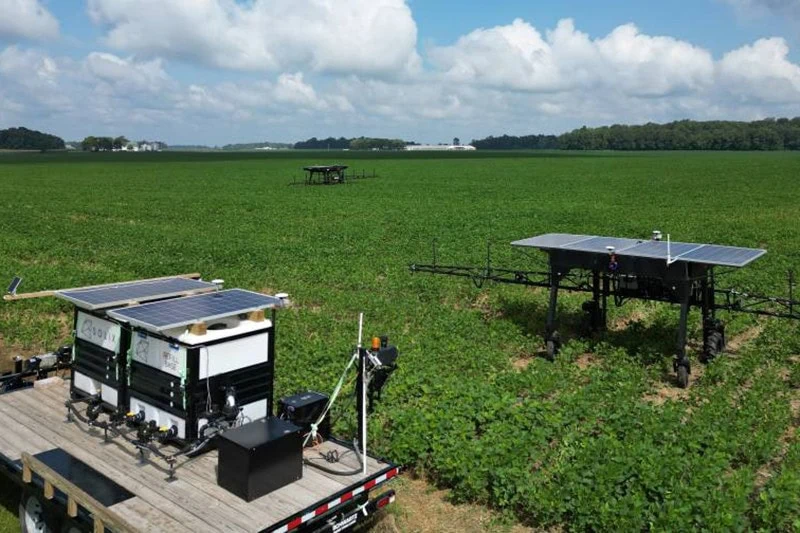
Solinftec Expands Solix Fleet Following 85% Average Reduction in Chemical Use
Solinftec has expanded its Solix fleet, with over 100 robots operating across the US and Puerto Rico in 2026. These robots have covered more than 55,000 acres, achieving an average chemical reduction of 85%. The company is also scaling up its autonomous refilling capabilities and preparing to introduce three additional Solix models by 2027. The significance of this expansion lies in the substantial reduction of chemical usage, which ranges from 83% to 89% across the fleet. The Solix robots utilize cameras and the ALICE AI platform to monitor crops and execute targeted applications, contributing to more sustainable agricultural practices. This development marks Solinftec's largest commercial season in the US to date. Looking ahead, Solinftec plans to introduce a diesel-powered Solix model and deploy approximately 200 robots along with 80 autonomous Refill Stations in 2027. The current Solix robot is priced at around $55,000, with a projected return on investment of 2.5 years based solely on input savings.
Crop solutions Field robots Weed/Pest control field robot pest control spray technology
SiMa.ai and AVerMedia to Present Integrated Drone AI Solution at August 2026 Seminar
SiMa.ai and AVerMedia are set to showcase their integrated drone AI solution at the Drone Seminar on August 27, 2026, in Taipei, Taiwan. This production-ready hardware aims to assist OEMs in accelerating development and achieving efficient commercial deployment of drone applications. The collaboration combines SiMa.ai's Modalix MLSoC with AVerMedia's industrial-grade platform, delivering an impressive 50 TOPS of AI compute while consuming less than 10W of power. This performance is crucial for meeting the stringent Size, Weight, and Power (SWaP) requirements essential for drone technology. As the demand for advanced drone applications continues to grow, the introduction of this integrated solution could significantly impact the market. Stakeholders should monitor the developments from the seminar and the subsequent commercial deployment of this technology. No further timeline was disclosed at the time of publication.

Siemens Executive Highlights Semiconductors as the Core of Humanoid Robot Intelligence
Siemens Semiconductor Vice President Michael Mancy emphasized that the true essence of humanoid robots lies not in their physical appearance but in the semiconductors that enable their functionality. These robots must process real-time sensor data, run AI models, and coordinate joint movements simultaneously, requiring a robust semiconductor computing platform to avoid being mere 'puppets'. Mancy pointed out that humanoid robots are fundamentally software-defined systems, with their capabilities stemming from the integration of software, electronics, and mechanics rather than just mechanical hardware. The intelligence of these robots must extend to safely responding to various situations, necessitating advanced physical AI that coordinates perception, feedback, and actuation, which is significantly more complex than executing a large language model. As AI workloads increase on processors, heat management becomes critical, especially in high-temperature and electrically noisy factory environments. Mancy proposed heterogeneous integrated circuits as a solution, allowing multiple chips to be stacked in one package to optimize thermal performance. He also highlighted the importance of digital twins for modeling and validating humanoid systems before physical construction, enabling engineers to test software and hardware collaboratively and share verified improvements across fleets, ensuring continuous evolution and reliable operation in real-world environments.
Humanoid Robots Semiconductors AI Digital Twins Industrial Automation
Einride Plans to Acquire 500 Tesla Semis for Enhanced Fleet Management
Swedish electric and autonomous trucking company Einride announced its intention to purchase 500 Tesla Semis, which will be integrated into its fleet over the next 24 months, starting in September. This acquisition aims to provide customers, including Amazon, with electric trucking solutions without the burdens of ownership, managed through Einride's Saga AI platform. The significance of this deal lies in its potential to triple Einride's fleet size and enhance its service offerings. The Tesla Semis will support the expansion of Einride's electric freight network across key U.S. corridors, including California, Georgia, New Jersey, and Texas. CEO Roozbeh Charli emphasized that this deployment demonstrates Einride's capability to meet customer demands at scale. Looking ahead, Einride's partnership with Tesla could lead to approximately $800 million in potential long-term annual recurring revenue through joint business plans with shippers. The company is also focused on scaling its operations, having recently secured a deal with Amazon for 75 electric trucks and acquiring EV charging company Flipturn to enhance its service portfolio. No further timeline was disclosed at the time of publication.
Transportation Amazon einride Tesla
Lattice Semiconductor's Karl Wachswender Discusses Edge AI and FPGA Innovations
Lattice Semiconductor, founded in 1983 and based in Oregon, is advancing technology for the robotics stack, focusing on low-power field programmable gate arrays (FPGAs). These FPGAs are crucial for applications in industrial robots and autonomous mobile robots, enabling real-time control and power efficiency while supporting complex workloads like sensor fusion and motor control. The significance of Lattice's work lies in its contribution to the evolving landscape of robotics, where edge processing is becoming essential. As robots increasingly rely on onboard processing rather than cloud solutions, the flexibility of FPGAs allows for adaptability post-deployment, ensuring machines remain relevant as requirements change. Looking ahead, the discussion highlights the growing semiconductor opportunities in sectors such as humanoid robotics, industrial automation, and healthcare. As intelligent machines become more prevalent, the need for robust security measures, starting at the hardware level, is emphasized, with FPGAs potentially serving as a hardware root of trust.
Computing Features Manufacturing Technology autonomous mobile robots cybersecurity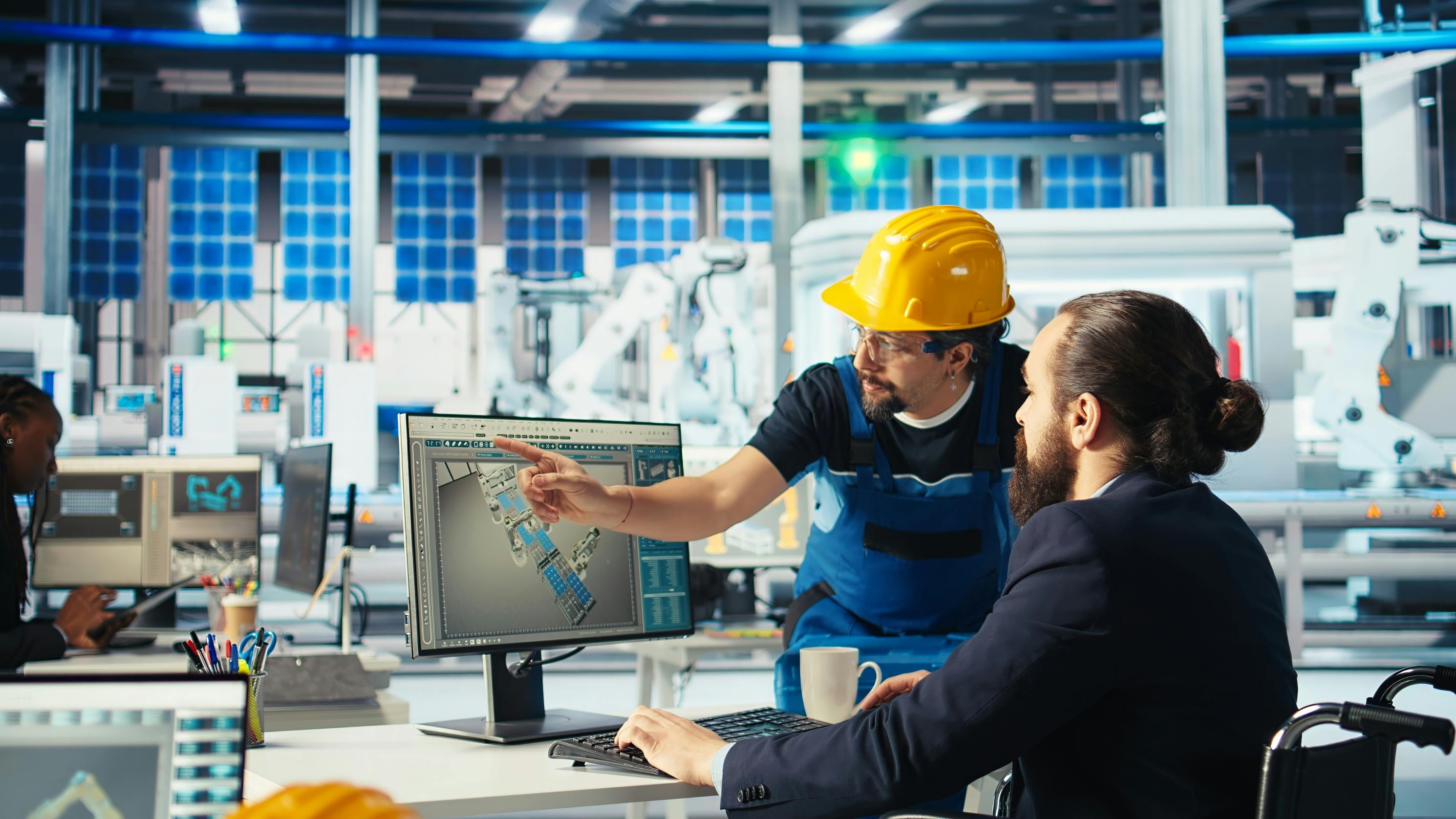
Systemic AI Enhances Scalable Industrial Automation in Manufacturing Plants
Manufacturers are increasingly frustrated with AI's limited scalability, as pilots often fail to replicate success across different sites. Accenture's research indicates that leading firms are adopting 'systemic AI,' which integrates intelligence directly into production systems, linking decision-making with physical execution across various operational levels. This approach contrasts with previous Industry 4.0 initiatives that focused on isolated automation. The significance of systemic AI lies in its ability to optimize the entire production lifecycle, from design to execution, thereby preventing errors before they occur. By applying AI early in asset and product development, manufacturers can secure cost and performance efficiencies prior to capital investment. Reports indicate that companies utilizing systemic AI experience substantial efficiency improvements, including a US aerospace manufacturer that eliminated traceability errors during the engineering-to-manufacturing transition. Looking ahead, manufacturers are encouraged to integrate their systems and data to facilitate real-time decision-making across all functions. This involves overcoming the challenges of connecting enterprise, operational, and engineering systems. A shared semantic layer can enhance AI's reasoning capabilities across these systems, allowing for more consistent actions and improved outcomes in manufacturing processes.
Factory / Digital Transformation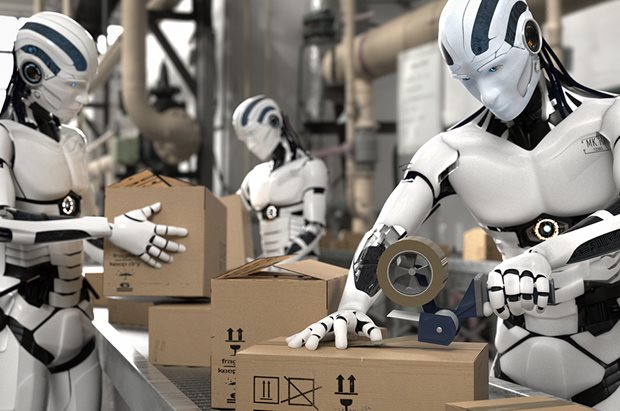
Reddit Rises While Applied Materials and Gemini Space Station Experience Declines
In the latest Stock Movers episode, several drone companies, including AeroVironment Inc. (AVAV), Aevex Corp. (AVEX), and Unusual Machines Inc. (UMAC), saw their stocks rise following the announcement of a proposed 100% tariff on imports of unmanned aircraft systems and components by the Trump administration. Conversely, Applied Materials (AMAT) experienced a decline despite exceeding earnings forecasts, as investor reactions remained subdued even with the stock more than doubling in value this year. Additionally, Gemini Space Station (GEMI) faced a drop due to its earnings report revealing significant losses amid challenging conditions in the crypto market. Reddit (RDDT) saw a rise in its stock price after news broke that it would be included in the S&P 500 index. This inclusion is significant as it reflects the company's growing influence and stability in the market. No further timeline was disclosed at the time of publication.

AI and Self-Driving Labs to Transform Semiconductor Materials Discovery Process
The semiconductor industry is facing significant challenges as it approaches physical limits in material performance, particularly as linewidths shrink below 2 nanometers. Traditional methods of discovering new semiconductor materials are outdated, often taking 10 to 20 years to bring a new material from the lab to market. This slow pace is due to the linear approach of hypothesis formation, synthesis, and characterization, which does not keep up with the complex requirements of modern materials. The need for new materials is critical for advancing device and chip architectures, especially as conventional materials like copper are becoming inadequate. Innovations such as hafnium oxide (HfO2) have previously enabled breakthroughs, but the current methods for material discovery have not evolved. Robotics and automation present a solution to these bottlenecks, offering the potential to accelerate the discovery process significantly. As the industry continues to evolve, companies that embrace automation in materials discovery will likely gain a competitive edge. The reluctance of some firms to adopt these technologies could result in them falling behind as first movers capitalize on the efficiencies and innovations that AI and self-driving labs can provide. No further timeline was disclosed at the time of publication.
Autonomous Vehicles Computing Materials advanced materials ai artificial intelligence
Trelleborg Introduces Fluorosurfactant-Free Materials for Semiconductor Sealing Applications
Trelleborg Sealing Solutions has unveiled a new line of fluorosurfactant-free materials specifically designed for semiconductor manufacturing. This launch is in response to increasing regulatory scrutiny and industry demand for safer alternatives to per- and polyfluoroalkyl substances (PFAS), which are known for their adverse effects on health and the environment. The introduction of these three new materials expands Trelleborg's PureFab® materials range, aligning with the growing trend among semiconductor manufacturers to adopt environmentally friendly practices. By eliminating fluorosurfactants, Trelleborg aims to support the semiconductor industry in meeting regulatory requirements while ensuring product performance and reliability. Looking ahead, the focus on sustainable materials in semiconductor manufacturing is expected to intensify. Trelleborg's commitment to innovation in this area positions the company as a key player in the transition towards safer manufacturing processes. No further timeline was disclosed at the time of publication.

University of California, Berkeley Partners with Applied Materials for Semiconductor R&D Access
Applied Materials has selected the University of California, Berkeley as a research collaborator at its new EPIC Center in Silicon Valley, aimed at accelerating semiconductor research and development. This partnership will enable Berkeley faculty and students to work directly with Applied engineers on semiconductor materials and processes related to AI computing, potentially reducing the time needed to transition new technologies from research to production. The collaboration is significant as it addresses the bottleneck often faced in semiconductor development, where promising research concepts struggle to scale due to lack of access to advanced manufacturing equipment. By providing Berkeley researchers with industry-scale tools and direct interaction with Applied's technical teams, the EPIC Center is designed to facilitate earlier identification of manufacturing challenges and streamline the development cycle. Looking ahead, the EPIC Center is expected to become operational in 2026, representing Applied Materials' largest investment in semiconductor R&D in the U.S. This partnership not only enhances Berkeley's long-standing semiconductor research legacy but also aligns with the growing demand for advanced computing hardware driven by AI technologies. No further timeline was disclosed at the time of publication.
AI and Robotics Innovation
SemiAnalysis Report Reveals Yushu Technology's Strategy to Lead Global Robotics Market
A report by SemiAnalysis on the day of Yushu Technology's IPO indicates that the company is replicating the successful hardware growth paths of BYD and DJI, potentially positioning itself to dominate the global robotics industry. The report highlights Yushu's impressive cost structure, estimating the material cost of its G1 robot at just $8,976. Despite a price drop in overseas markets from over $50,000 to $27,300, the company maintains a gross margin of 67%. Yushu has evolved from a quadruped robot company three years ago to a leader in the humanoid robot market, with plans to deliver its 10,000th humanoid robot soon. Looking ahead, Yushu's revenue is projected to grow by 335.36% year-on-year by 2025, with a gross margin nearing 60%. The company plans to invest approximately 2.02 billion yuan in embodied model research and development. No further timeline was disclosed at the time of publication.
Humanoid Robots Robotics Industry Supply Chain Management Cost Structure AI Technology
Digitalization Enhances Semiconductor Design, Manufacturing, and Operations Integration
Digitalization is transforming semiconductor chip production by extending the digital twin concept beyond design into manufacturing and operations. This shift addresses the increasing complexity of chip designs and the pressures of performance and power consumption, enabling semiconductor manufacturers to manage engineering efforts more efficiently. The integration of artificial intelligence and machine learning is accelerating innovation in the semiconductor industry, but siloed approaches hinder progress. A comprehensive digital twin strategy that encompasses the entire semiconductor value chain can optimize development processes, ensuring that design decisions positively impact manufacturing outcomes and align with software demands. Looking ahead, the implementation of digital twins in semiconductor fab construction can streamline operations and enhance productivity. As cybersecurity remains a critical concern, robust strategies must be integrated into digital transformation efforts. The future will likely see increased collaboration and data sharing among ecosystem partners to meet evolving customer requirements.
Factory / Control
ACSL CTO Chris Raabe Reflects on Pandemic Lessons for Drone Manufacturing in 2026
In a recent commentary, Chris Raabe, CTO of ACSL, discusses the lasting impact of the pandemic on global manufacturing, particularly in the drone sector. He highlights how the crisis revealed vulnerabilities in supply chains and engineering processes, which continue to influence the industry in 2026. Raabe emphasizes that the challenges faced during the pandemic forced manufacturers, including ACSL, to adapt by enhancing their supply chain strategies and engineering practices. The shift towards remote collaboration and rapid prototyping has led to more efficient decision-making and product development, making companies more resilient. Looking ahead, Raabe notes that while supply chain pressures persist, ACSL is committed to proactive planning and building robust partnerships. The company aims to support customers throughout the entire product lifecycle, ensuring reliability and consistency in manufacturing even after the initial product release. No further timeline was disclosed at the time of publication.
DL Exclusive Drone News Drone News Feeds drone parts Dual Use Feature 1
Google DeepMind Launches Gemini Robotics 2: A Comprehensive Robot with Advanced Capabilities
On August 2, Google DeepMind introduced Gemini Robotics 2, the latest version of its visual-language-action model. This new model enhances full-body control, advanced dexterity, and multi-robot collaboration, marking a significant advancement from its predecessor, which only managed upper-body tasks. Gemini Robotics 2 allows the Apptronik Apollo 2 humanoid robot to autonomously execute complex tasks, such as placing a watering can into a designated bucket, requiring coordinated decision-making and balance. While there is room for improvement in movement speed, this development represents a crucial step towards handling more intricate real-world tasks. The model also introduces multi-robot collaboration, enabling different robots to communicate and work together on complex workflows. With the ASIMOV-Agentic benchmark, Gemini Robotics 2 excels in safety compliance and human proximity detection, ensuring safe operation. The Gemini Robotics On-Device 2 is designed for applications requiring offline functionality, adapting to new robotic forms with minimal data and time.
Humanoid Robots Robotics Technology AI Automation
Google DeepMind Introduces Gemini Robotics 2 for Enhanced Humanoid Control
Google DeepMind recently launched Gemini Robotics 2, an advanced version of its vision-language-action model. This iteration features intelligent whole-body control, enabling robots to perform complex tasks such as walking, crouching, and object manipulation. The model can adapt to new robotic bodies quickly, enhancing its versatility. The significance of Gemini Robotics 2 lies in its ability to expand physical AI capabilities, allowing robots to execute intricate movements and collaborate with other robots. This development is crucial for achieving the finesse required for real-world applications, such as household chores and workplace tasks. Looking ahead, the focus will be on further improving movement speed and dexterity. Gemini Robotics 2 represents a pivotal advancement in robotics, as it can control sophisticated end effectors like the SharpaWave hand, enabling delicate actions. No further timeline was disclosed at the time of publication.
Artificial Intelligence Artificial Intelligence / Cognition Design / Development End Effectors / Grippers Humanoids News
The Rise of Systemic Intelligence: Advancements in Embodied AI and Infrastructure
Embodied intelligence is entering a more challenging and prolonged infrastructure race, with systems being a pivotal starting point. By July 2026, the number of embodied intelligence companies showcased at WAIC surged from over 80 to more than 200, featuring over 300 operational robots. The focus has shifted from mere robotic capabilities to their ability to generate economic value in real-world scenarios. This shift is significant as industry narratives evolve from basic movement capabilities to developing true AI based on real data. Leading players in the field have recently emphasized the importance of systems in enhancing overall performance, indicating a consensus that a robust system is essential for effective embodied intelligence. For instance, Luming Robotics has launched the Lumos Station Lite, a systematic platform aimed at developing and validating embodied intelligence skills, aligning with industry demands. Looking ahead, the competition in embodied intelligence will hinge on creating a comprehensive infrastructure that allows robots to continuously acquire and evolve skills. Luming Robotics is building a full-stack technology system encompassing skill collection, model training, and deployment, with Lumos Station Lite serving as a crucial entry point for developers. No further timeline was disclosed at the time of publication.
Embodied Intelligence AI Infrastructure Robotics Development Skill Validation Automation Technology
Introducing Google DeepMind's Gemini Robotics 2: A Leap in Robot Adaptability
Google DeepMind has unveiled Gemini Robotics 2, marking a significant advancement in robotics. This new intelligence layer enables robots to achieve whole-body control, enhanced dexterity, and collaborative capabilities among multiple robots. The introduction of Gemini Robotics 2 is crucial as it represents a step towards creating truly adaptable robots that can perform complex tasks in dynamic environments. This technology could revolutionize various applications, from industrial automation to personal assistance. Looking ahead, the development of Gemini Robotics 2 will be closely monitored as it progresses. The potential for multi-robot collaboration and advanced dexterity opens up new possibilities in robotics, making it a key area of interest for future innovations.
Humanoid-robots Video-friday Quadruped-robots Robot-videos Drones Home-robots
Google DeepMind Unveils Gemini Robotics 2 AI Model for Humanoid Robots
On July 30, 2026, Google DeepMind announced the latest AI model for humanoid robots, Gemini Robotics 2. This model advances from upper-body control to full-body control, enabling walking, bending, and advanced dexterity, as well as collaborative tasks among multiple robots. Gemini Robotics 2 translates visual and language inputs into motion control, supporting full-body and dual-arm robot operations. It features enhanced physical reasoning capabilities with Gemini Robotics ER 2, which manages human communication and multi-step task planning, and Gemini Robotics On-Device 2, which adapts quickly to new robots with minimal data. The model demonstrated its capabilities using Apptronik's humanoid robot Apollo 2, performing tasks such as walking to a table, lifting objects, and accurately storing them. With a 22-degree-of-freedom hand, it can execute delicate tasks like tying knots. The introduction of the ASIMOV-Agentic benchmark emphasizes safety, allowing the robot to detect human presence and stop safely, marking it as the safest model to date.

Google DeepMind Launches Gemini Robotics 2 for Enhanced Autonomy in Humanoid Robots
Google DeepMind has introduced Gemini Robotics 2, a suite of AI models aimed at enhancing the autonomy of humanoid and other robots through advanced whole-body control and dexterity. This system is currently showcased on Apptronik's Apollo 2 humanoid robot, which can execute full-body autonomous movements such as walking and manipulating objects while reasoning through complex tasks in real time. The significance of this development lies in its ability to enable robots to move beyond pre-programmed tasks, adapting to dynamic environments. Gemini Robotics 2 serves as an 'intelligence layer' for robots, facilitating coordination from 'feet to fingertips' and improving dexterity with tasks like tying trash bags or unscrewing light bulbs. This advancement builds on the collaboration between Google DeepMind and Apptronik, which recently launched Robot Park to gather data for training future AI models. Looking ahead, the introduction of multi-robot collaboration capabilities allows different robot types to work together on complex workflows. Gemini Robotics On-Device 2 is designed for industrial settings with limited cloud connectivity, enabling rapid adaptation to new hardware. No further timeline was disclosed at the time of publication.
Artificial Intelligence Humanoids News Apptronik Apollo 2 embodied ai Gemini Robotics 2
Google Unveils Gemini Robotics 2 for Advanced Humanoid Robot Control and Reasoning
Google has launched Gemini Robotics 2, a sophisticated robotics model that enables humanoid robots to perform full-body movements and complex tasks. This system allows for coordination among multiple robots and adapts to various robot designs with minimal training. The new capabilities extend beyond simple manipulation to include walking, bending, and balancing. The significance of Gemini Robotics 2 lies in its ability to facilitate multi-step reasoning and adaptability in unfamiliar environments, setting it apart from traditional robots. This model can control both humanoid robots and dual-arm systems, enhancing their functionality for household and industrial applications. Demonstrations showcased its ability to manage tasks such as picking up objects and performing intricate actions with dexterous robotic hands. Looking ahead, Google is also releasing Gemini Robotics ER 2 for high-level reasoning and Gemini Robotics On-Device 2 for local operation without cloud reliance. The introduction of multi-robot collaboration capabilities allows different robots to work together efficiently, marking a notable advancement in robotic technology. No further timeline was disclosed at the time of publication.
AI and Robotics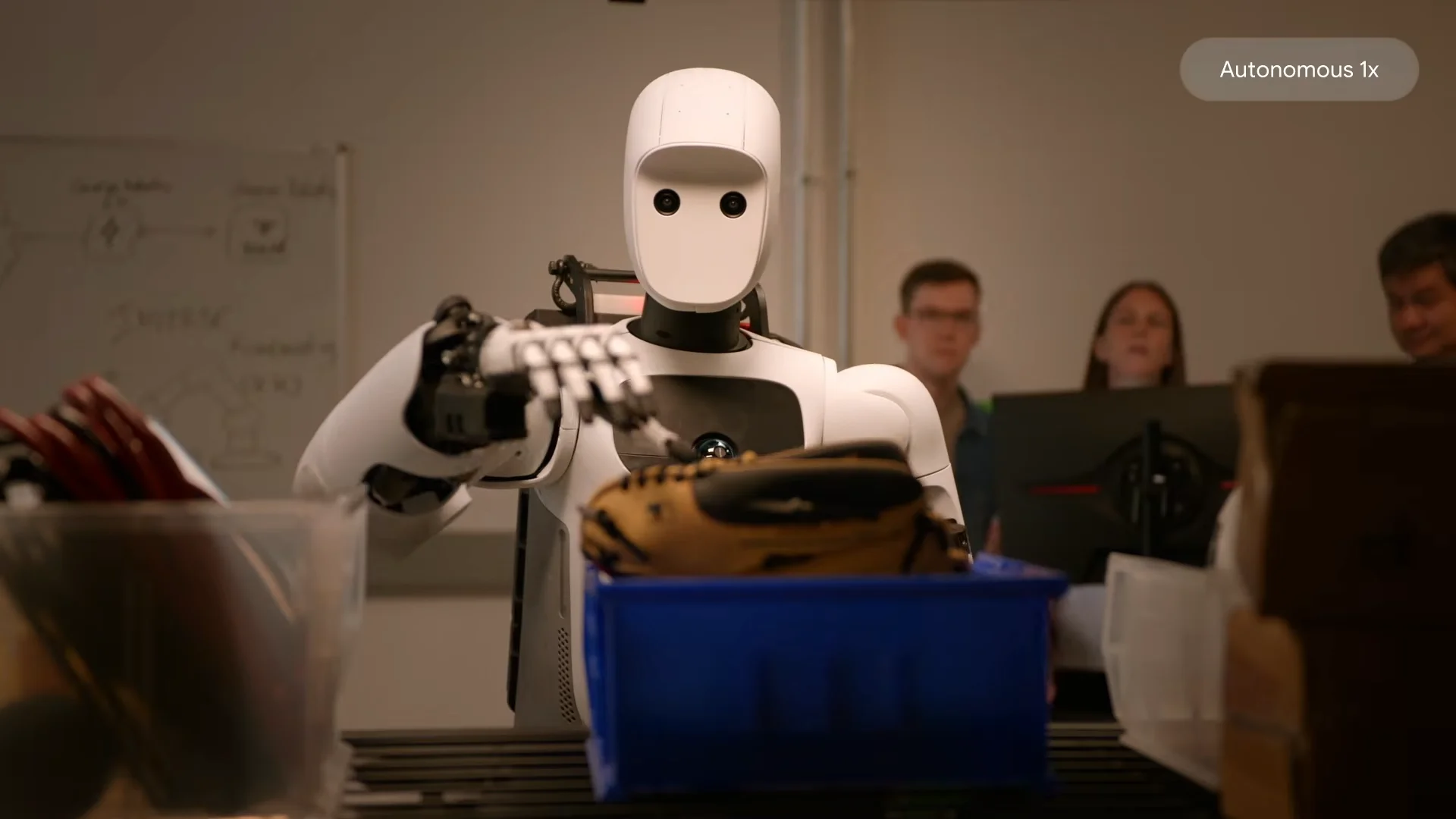
Google DeepMind Launches Gemini Robotics 2, Enhancing Whole-Body Intelligence and Multi-Robot Collaboration
Google DeepMind has introduced Gemini Robotics 2, a significant update that enhances its robotics capabilities. This new version expands beyond previous iterations by incorporating full-body movement control for humanoids, advanced manipulation for multi-fingered hands, and improved collaboration among multiple robots. The importance of Gemini Robotics 2 lies in its ability to unify locomotion and manipulation, addressing a common limitation in robotics. As Carolina Parada, Head of Robotics at Google DeepMind, stated, the new model enables robots to think, act, and interact intelligently, which is crucial for tackling complex tasks in diverse environments. Looking ahead, Gemini Robotics 2 is now available through Google AI Studio and in private preview on the Gemini Enterprise Agent Platform. The rollout of the core VLA and On-Device 2 models to early-access hardware partners is also underway. No further timeline was disclosed at the time of publication.
DeepMind US Apollo SharpaWave Sharpa Robotics Google
Google DeepMind Launches Gemini AI to Enhance Robot Dexterity and Coordination
Google DeepMind has introduced a new AI model named Gemini, designed to improve the dexterity of humanoid robots. This advancement enables robots to coordinate movements throughout their bodies, enhancing their ability to perform complex tasks. The introduction of Gemini AI is significant as it represents a step forward in enabling robots to reason, plan multi-step tasks, and adapt to human environments. This capability is crucial for the integration of robots into everyday settings, where they must interact seamlessly with humans and their surroundings. Looking ahead, the focus will be on how Gemini AI can be further developed and implemented in various robotic applications. No further timeline was disclosed at the time of publication.

Tennant Achieves 30% Reduction in Product-Use Emissions Amid Autonomous Cleaning Growth
Tennant Company has reported a 30% reduction in greenhouse gas emissions from product use compared to its 2021 baseline, as detailed in its 2026 Sustainability Report. This significant achievement highlights the potential of commercial cleaning operations to contribute to environmental sustainability. The report indicates that Tennant sourced 99% of its electricity from renewable sources in 2025, showcasing the company's commitment to reducing its environmental footprint. The advancements in battery-powered equipment, autonomous cleaning, and detergent-free technologies are enabling organizations to minimize water, energy, and chemical usage while maintaining effective cleaning performance. Looking ahead, Tennant's sustainability strategy is strengthened by insights from its first Double Materiality Assessment, which will guide future investments and innovation. No further timeline was disclosed at the time of publication.
Infrastructure News autonomous cleaning cleaning robots cleaning technology commercial cleaning robots
Shinkei Systems Expands into Premium Alaska Sockeye Salmon with Seremoni Grade
Shinkei Systems has announced its entry into the wild Alaska sockeye salmon market with the launch of Seremoni Grade salmon. This product represents the company's highest seafood standard, utilizing patented robotics and traditional Japanese fishing techniques to ensure exceptional quality. The introduction of Seremoni Grade salmon is significant as it aims to enhance the seafood industry by providing chef-quality fish while supporting local fishermen in Cook Inlet, Alaska. By equipping fishermen with advanced harvesting technology at no cost and purchasing their catch at a premium, Shinkei creates economic opportunities and ensures peak quality for consumers. Looking ahead, Shinkei Systems plans to roll out Seremoni Grade salmon to select retail and restaurant partners this summer. The company has also developed the PSDN-S harvesting robot, designed for smaller vessels, which will facilitate participation from more fishermen and improve the quality of seafood delivered to consumers. No further timeline was disclosed at the time of publication.
Agriculture Manufacturing Alaska sockeye salmon commercial fishing fish harvesting robot ike jime
Chemical Materials Crucial for Enhancing Humanoid Robots' Performance and Competitiveness
A humanoid robot recently completed a half marathon in 50 minutes and 26 seconds, showcasing its capabilities not just through algorithms but through advanced materials. The year 2026 is anticipated to mark a significant milestone in the mass production of humanoid robots, with China's four-legged robots accounting for nearly 70% of global sales and over 400 humanoid robot models available worldwide. The competition in the humanoid robot industry is increasingly influenced by chemical materials, which are essential for improving performance. For instance, the use of PEEK, which is lighter than aluminum and steel, can reduce the weight of robots by 10%-30% and lower energy consumption by 15%-25%. Companies like YuTree and Xiaopeng are already utilizing carbon fiber composites and PEEK in their robots, while the global market for carbon fiber in humanoid robots is projected to reach $1.114 billion by 2033. Furthermore, the integration of flexible materials is vital for creating more lifelike robots. SEBS thermoplastic elastomers are being developed to mimic human skin, enhancing the robots' tactile interactions. As humanoid robots transition from laboratories to practical applications in factories and homes, the focus will shift from algorithms to the materials that enable robots to perform better and more human-like. No further timeline was disclosed at the time of publication.
Humanoid Robots Chemical Materials Robotics Technology Lightweight Materials
DGIST Professor Proposes 'Sustainability Robotics' as a New Academic Field
Professor Sukho Song from DGIST's Department of Robotics and Mechatronics Engineering has introduced the concept of 'Sustainability Robotics.' This new academic field aims to assess robots based on their technical performance as well as their impact on environmental, social, and economic sustainability. The significance of this initiative lies in its holistic approach to robotics, emphasizing the importance of sustainable practices in technology development. By integrating sustainability into the evaluation of robotic systems, the field seeks to foster innovations that contribute positively to society and the environment. Looking ahead, the establishment of 'Sustainability Robotics' could influence future research and development priorities in the robotics sector. No further timeline was disclosed at the time of publication.
Robotics
Bosch Initiates 200 mm Silicon Carbide Chip Production at California Semiconductor Plant
Bosch has commenced sample production of silicon carbide (SiC) semiconductor chips at its facility in Roseville, California. This marks a significant advancement in the effort to revitalize power chip manufacturing within the United States. The company has also secured up to $225 million in funding from the U.S. Department of Commerce’s CHIPS Program Office to support its investment of up to $2 billion at the site. The Roseville plant is set to begin commercial production in 2026, making it Bosch's first semiconductor manufacturing site in the U.S. The facility will produce third-generation SiC chips on 200-millimeter wafers, aligning with the U.S. government's initiative to bolster domestic semiconductor manufacturing. Silicon carbide chips are increasingly vital for applications in electric vehicles, industrial equipment, and energy systems. Looking ahead, Bosch plans to invest up to $7.5 billion across its U.S. operations by 2031, enhancing manufacturing capacity and expanding its North American business. The Roseville site currently employs over 300 individuals and is committed to workforce development through local education partnerships, with plans to contribute more than $100,000 annually to community STEM programs starting in 2026.
Innovation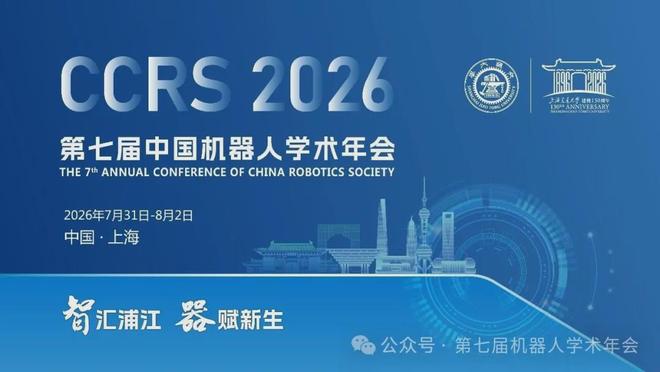
7th China Robotics Academic Annual Conference Scheduled for July 2026 in Shanghai
The 7th China Robotics Academic Annual Conference (CCRS 2026) is set to take place from July 31 to August 2, 2026, at the National Exhibition and Convention Center in Shanghai. The event is co-hosted by several prominent organizations, including the Robotics Branch of the Chinese Mechanical Engineering Society and the Robotics Professional Committee of the Chinese Automation Society, with Shanghai Jiao Tong University and the Shanghai Robotics Society as the local organizers. This year's conference theme is 'Intelligent Integration at the Huangpu River, New Life for Robotics.' It will feature discussions on various topics such as industrial robots, medical robots, service robots, and AI+ robotics. The event aims to attract over 200 renowned experts and scholars in the robotics field, facilitating in-depth academic exchanges through keynote speeches and specialized forums, with an expected attendance of over 3,000 participants. Attendees are reminded to register before payment and to provide proof of student status if applicable. The conference will also serve as a platform for showcasing technologies and products from leading companies in robotics and artificial intelligence. No further timeline was disclosed at the time of publication.
Robotics AI Industrial Robots Medical Robots Conference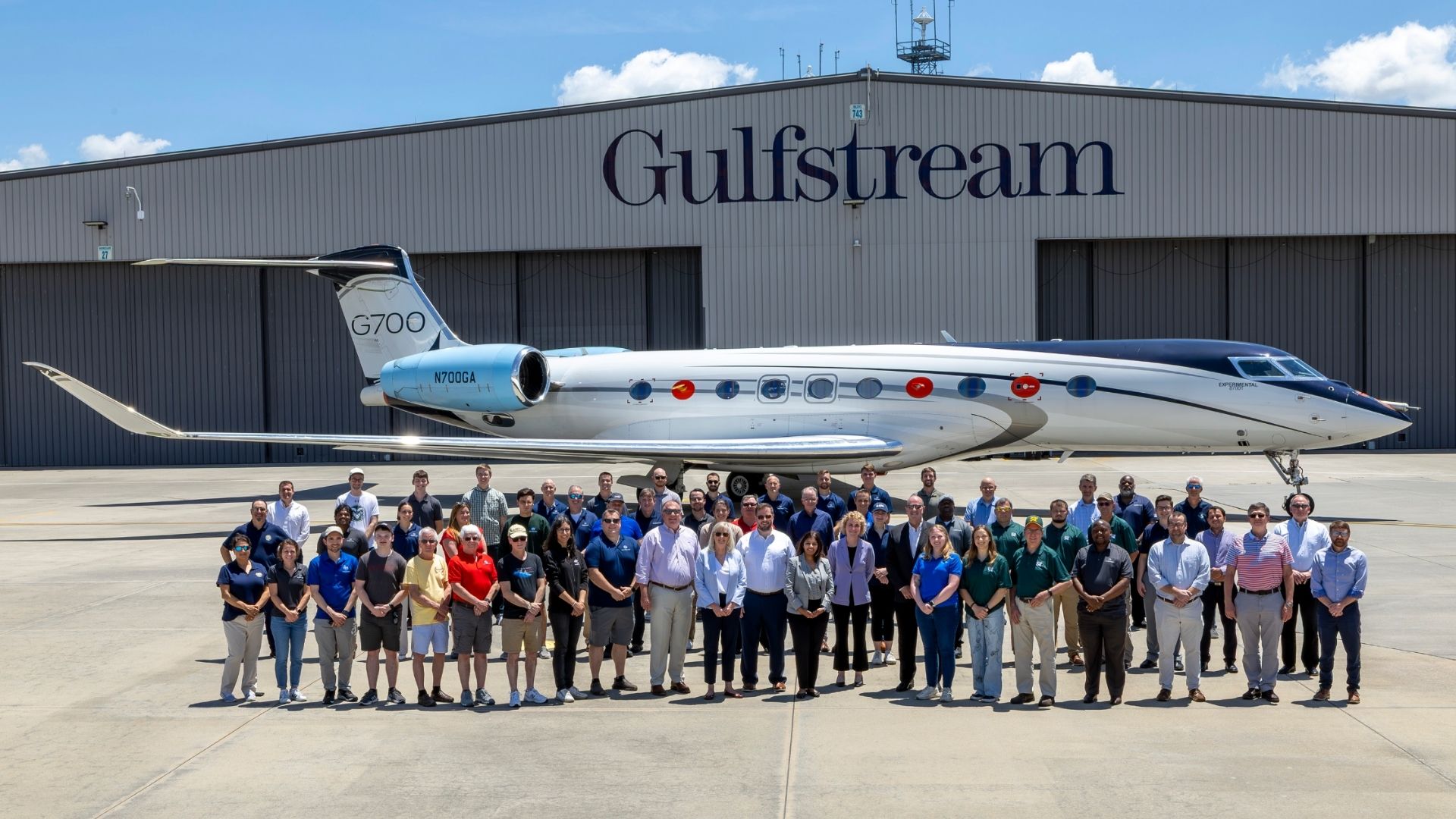
Gulfstream G800 Completes First 100% SAF Flight to Analyze Contrail Emissions
Gulfstream Aerospace has successfully conducted a high-altitude flight test campaign using a G800 business jet powered entirely by neat sustainable aviation fuel (SAF). The tests, which took place at altitudes up to 50,000 feet, marked the first instance of both the G800 and its Rolls-Royce Pearl 700 engine operating on 100% SAF. A modified Gulfstream G700 served as an airborne emissions laboratory, enabling researchers to measure particulate emissions and atmospheric conditions during the flights. This initiative is significant as it aims to assess the potential of 100% SAF in reducing emissions linked to contrail formation, a critical factor in aviation's environmental impact. Preliminary findings suggest a measurable reduction in particulate emissions when using neat HEFA SAF, which contains no sulfur or aromatics, unlike conventional jet fuels. The collaboration involved multiple organizations, including NASA and the FAA’s ASCENT, highlighting the importance of partnerships in advancing sustainable aviation technologies. Looking ahead, Gulfstream's ongoing research will continue to focus on optimizing environmental efficiencies in aviation. The data collected from this campaign is expected to enhance understanding of aviation's broader environmental impact and contribute to future regulatory and technological developments. No further timeline was disclosed at the time of publication.
Innovation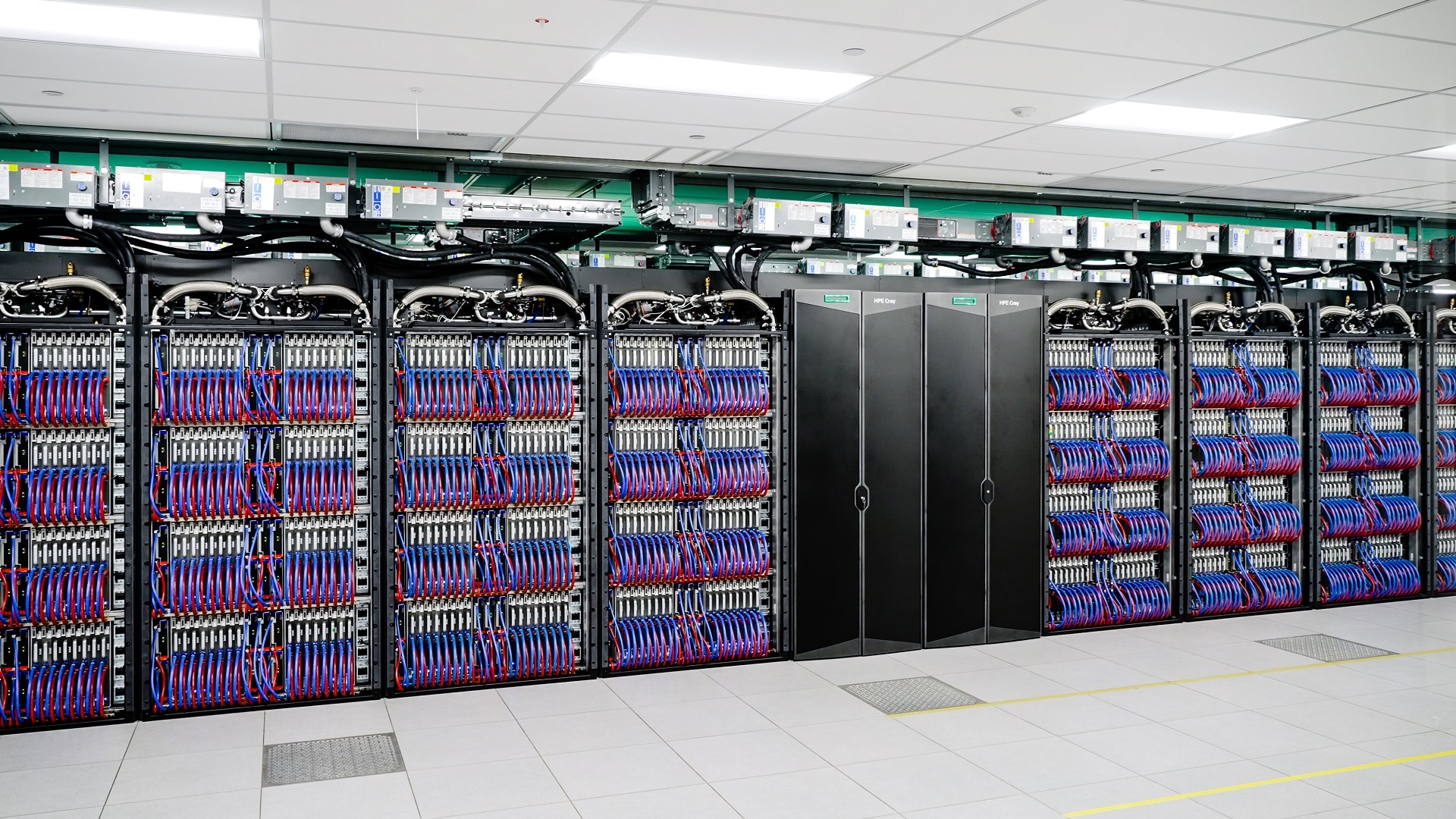
Argonne National Laboratory launches ChemGraph framework for automated chemistry simulations
Researchers at Argonne National Laboratory have introduced ChemGraph, an open-source framework that automates complex computational chemistry simulations using AI agents. Built on the Aurora exascale supercomputer, ChemGraph simplifies the simulation process by allowing users to describe scientific problems in plain language, which the system then translates into computational tasks. This innovation aims to enhance research in materials science, battery design, and combustion systems by streamlining workflows and reducing the need for specialized expertise. The significance of ChemGraph lies in its ability to combine large language models with agent-based automation, enabling researchers to conduct simulations without manually navigating every technical step. By distributing tasks among AI agents, the framework enhances efficiency and reduces costs associated with computational resources. This approach not only improves the accuracy of simulations but also allows for the integration of various scientific software and libraries, ensuring that results are physics-based rather than solely reliant on language model outputs. Looking ahead, ChemGraph's open-source nature has already led to adaptations for other applications, such as X-ray absorption spectroscopy and high-throughput materials screening. The research team envisions further educational applications, providing a platform for professors to teach advanced computational techniques while simplifying the exploration of research questions for students. No further timeline was disclosed at the time of publication.
AI and Robotics
MIT Lincoln Laboratory Develops TOSSIT Sensor for Chemical Threat Detection
MIT Lincoln Laboratory has introduced the Tactical Optical Spherical Sensor for Interrogating Threats (TOSSIT), a baseball-sized device capable of detecting hazardous vapors and aerosols. Designed for military and first responder use, TOSSIT can be thrown, drone-dropped, or launched into areas of concern. The sensor utilizes an internal camera and a removable dye card to identify chemical threats, alerting users through an app or alarms when dangerous substances are detected. The significance of TOSSIT lies in its ability to address a critical gap in chemical detection capabilities. According to principal investigator Richard Kingsborough, this low-cost sensor option is essential for identifying toxic dust particles and other chemical threats that smaller deployed sensor systems typically overlook. This innovation is particularly relevant in contexts involving nerve agents, blister agents, and industrial chemical accidents, enhancing safety for military personnel and first responders. Looking ahead, TOSSIT is undergoing a transfer process to the U.S. military following extensive field testing. No further timeline was disclosed at the time of publication, but the deployment of such technology could significantly improve situational awareness and response capabilities in hazardous environments.
Research Sensors Public health Invention 3-D printing Mechanical engineering
Adata microSD Premier Extreme 256GB on sale for 8,289 yen, ideal for Switch 2 and smartphone storage expansion.
Amazon.co.jp is currently offering a time-limited sale on a new ultra-fast microSD card that supports the latest memory card standards. The 256GB model boasts impressive read speeds of up to 800MB per second and is available at a discounted price of 8,289 yen, reflecting a 23% reduction from its reference price. This promotion provides an opportunity for consumers to upgrade their storage solutions at a competitive price.
Capgemini Report Highlights Shift to Physical AI in Next Decade
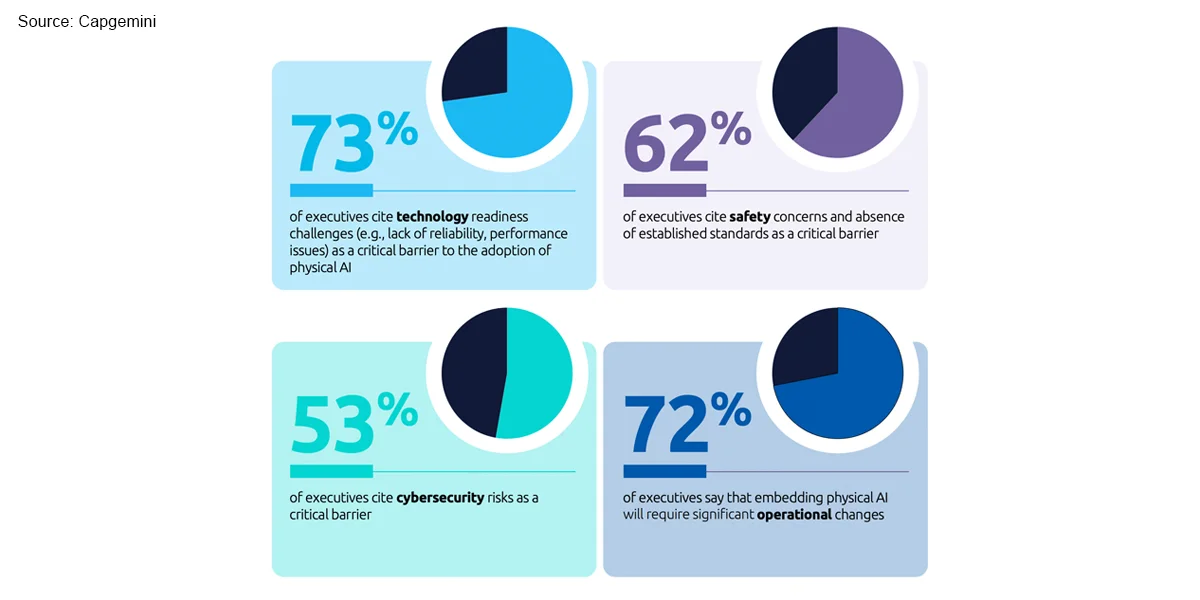
A new report from the Capgemini Research Institute indicates that the future of artificial intelligence will focus on 'Physical AI,' moving intelligence beyond digital systems into real-world applications. This shift is supported by a survey of 1,678 senior executives across 15 industries, with 67% identifying Physical AI as a game-changing technology. The report emphasizes the economic significance of Physical AI, targeting sectors such as manufacturing, healthcare, and logistics, which collectively represent $50 trillion to $80 trillion of global GDP. Labor shortages and rising costs are driving investments in this technology, particularly in countries with aging populations like Japan, South Korea, and China, where it is seen as essential for reindustrialization. While humanoid robots are often highlighted, the report reveals a more cautious outlook, with only 30% of executives believing they will become viable general-purpose workers in the next three to five years. The focus will likely remain on 'intelligence-first' deployments using existing technologies like autonomous mobile robots and industrial arms, as the industry grapples with technical and financial barriers.
Market
Google Gemini Enhances AI Visual Intelligence in Orbit AIVI-Learning
A partnership between Google Cloud, Google DeepMind, and Orbit has led to the integration of Gemini and Gemini Robotics ER 1.6 into Orbit AIVI-Learning. This collaboration aims to enhance AI capabilities for intelligent inspection, enabling deeper learning and complex visual analysis in industrial environments. The integration is significant as it allows AIVI-Learning to provide advanced insights across various operational stakeholders, adapting to the evolving needs of facilities. With Gemini's capabilities, AIVI-Learning can now support complex tasks such as 5S compliance audits and accurate pallet counting, improving performance and accuracy in visual inspections. Looking ahead, AIVI-Learning's continuous updates through Zero-Downtime Upgrades will ensure that users benefit from improved inspection accuracy without manual intervention. The introduction of transparent reasoning in AIVI prompts will also allow users to understand the AI's decision-making process, making it a powerful tool for specialized industrial inspections.

Sony Semiconductor Solutions Requires 8,000 Employees to Return to Office for AI Initiatives
Sony Group's chip subsidiary, Sony Semiconductor Solutions, has mandated that 8,000 employees return to the office full-time starting next month. This decision reflects a growing trend among Japanese companies to reverse remote work policies in favor of in-person collaboration. The shift to in-office work is aimed at enhancing efficiency and fostering casual communication, which is deemed essential for the development of physical AI technologies. As companies like Sony prioritize direct interactions, this move underscores the importance of workplace dynamics in advancing technological innovation. Looking ahead, it will be crucial to monitor how this policy impacts employee morale and productivity, especially as many workers prefer remote work arrangements. No further timeline was disclosed at the time of publication.

NVIDIA Collaborates to Release 3D Protein Structures for Over 2,800 Viruses
NVIDIA has partnered with global research organizations, including Google DeepMind and EMBL-EBI, to release predicted 3D structures for protein complexes of more than 2,800 viruses. This initiative, utilizing AlphaFold2 and NVIDIA BioNeMo Inference Runtime, aims to democratize access to foundational biology and prepare scientists for future pandemics. The collaboration is significant as it provides vital insights into viral protein interactions, with about 30% of the newly added interactions being previously undocumented. This resource is expected to enhance the biological community's understanding and facilitate the development of vaccines and treatments for future outbreaks. Looking ahead, the urgency for pandemic preparedness is underscored by an analysis predicting a 50% chance of a pandemic as severe as COVID-19 by 2050. The AlphaFold Database is positioned as a critical tool for researchers to stockpile knowledge and generate hypotheses about viral interactions, ultimately advancing the field of virology and drug development.
Robotics needs a service framework.
RSF defines a common language for robot service capability, lifecycle operations, certification pathways, and service-provider networks.
Join the RobotToday community on LinkedIn
Daily robotics news, in-depth analysis, conference highlights, and discussions with professionals worldwide.







