

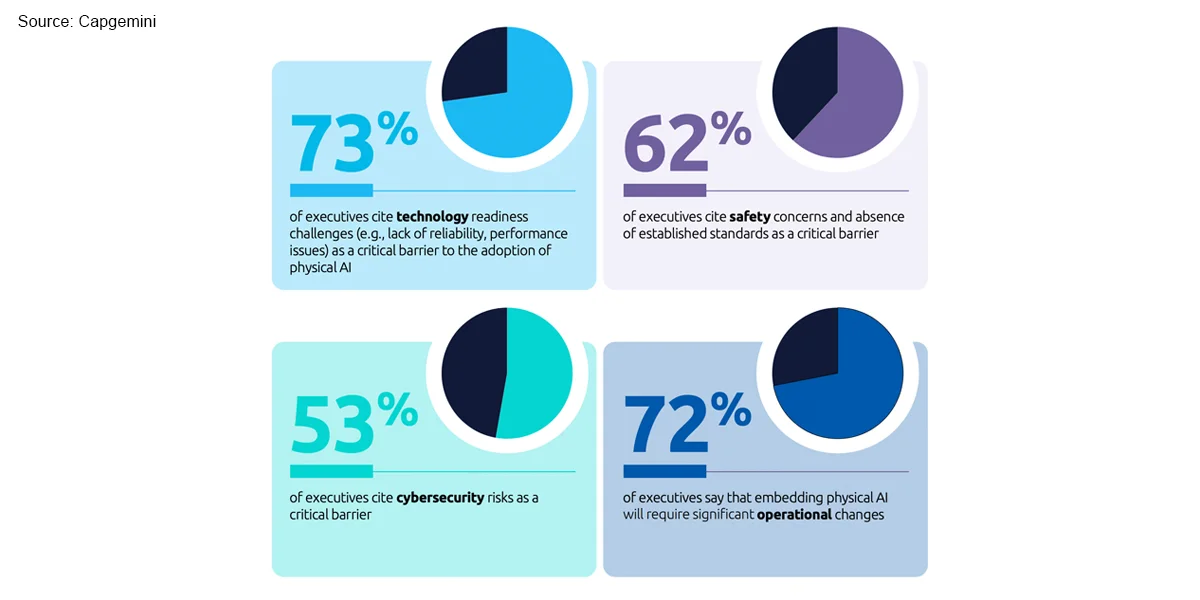
A new report from the Capgemini Research Institute indicates that the future of artificial intelligence will focus on 'Physical AI,' moving intelligence beyond digital systems into real-world applications. This shift is supported by a survey of 1,678 senior executives across 15 industries, with 67% identifying Physical AI as a game-changing technology.
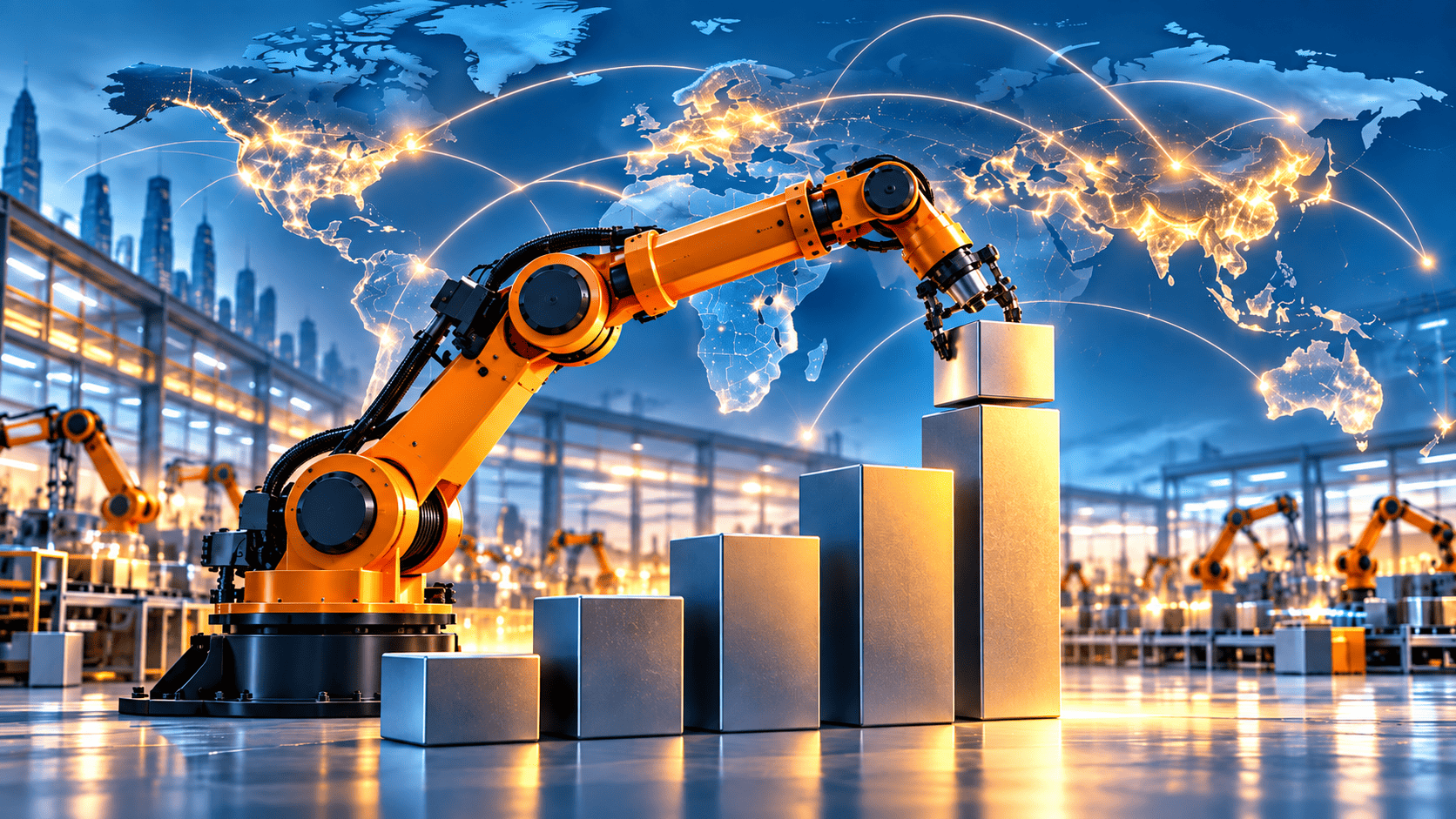
The report emphasizes the economic significance of Physical AI, targeting sectors such as manufacturing, healthcare, and logistics, which collectively represent $50 trillion to $80 trillion of global GDP. Labor shortages and rising costs are driving investments in this technology, particularly in countries with aging populations like Japan, South Korea, and China, where it is seen as essential for reindustrialization.
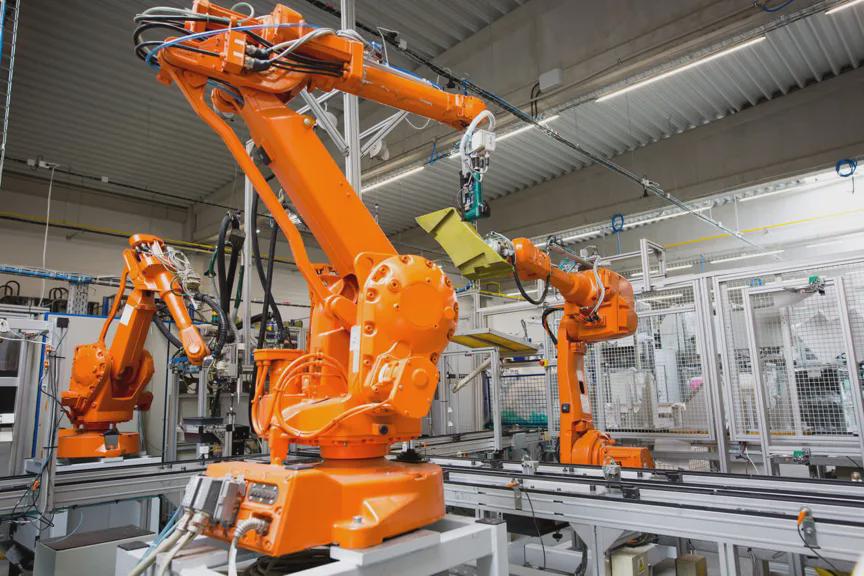
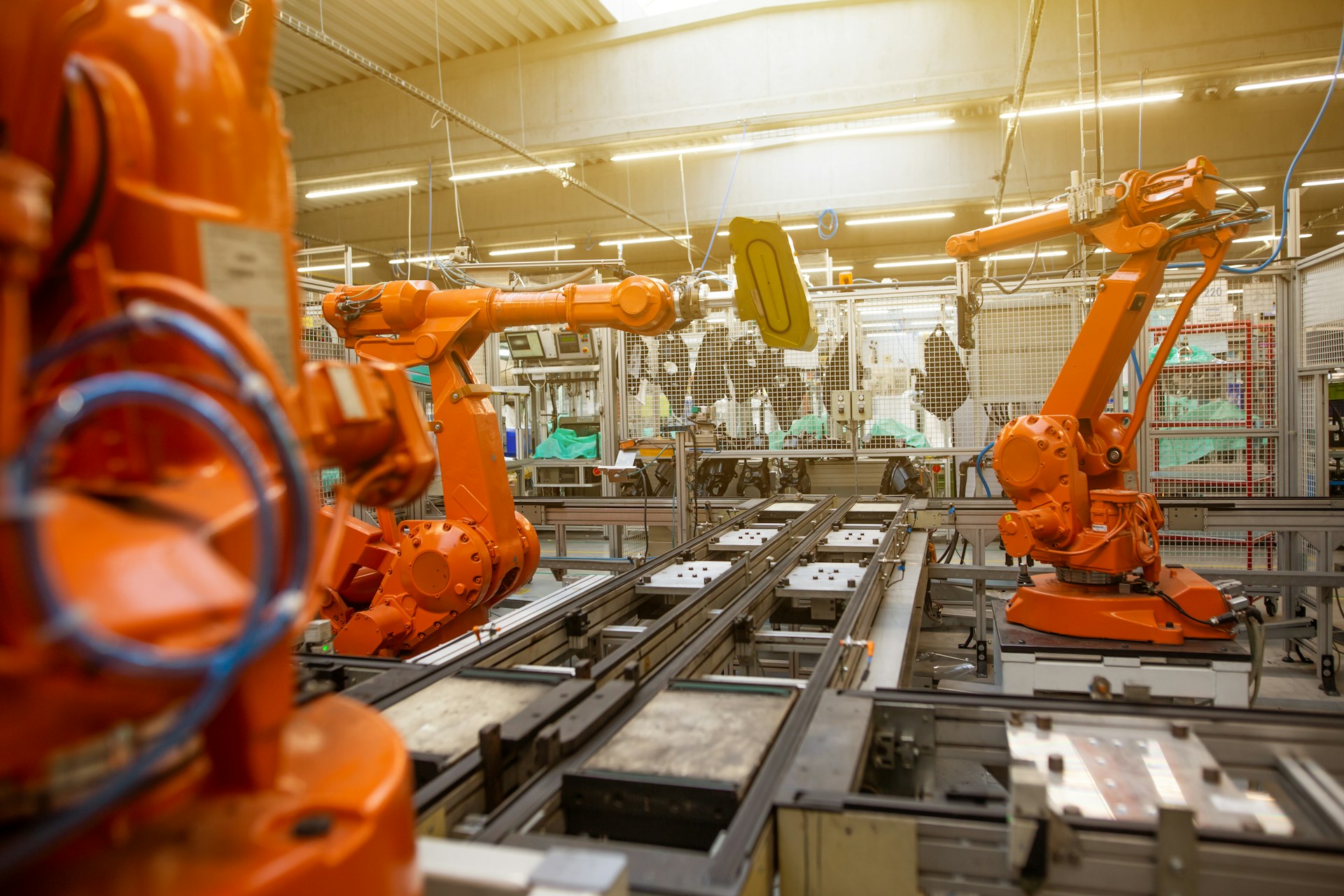
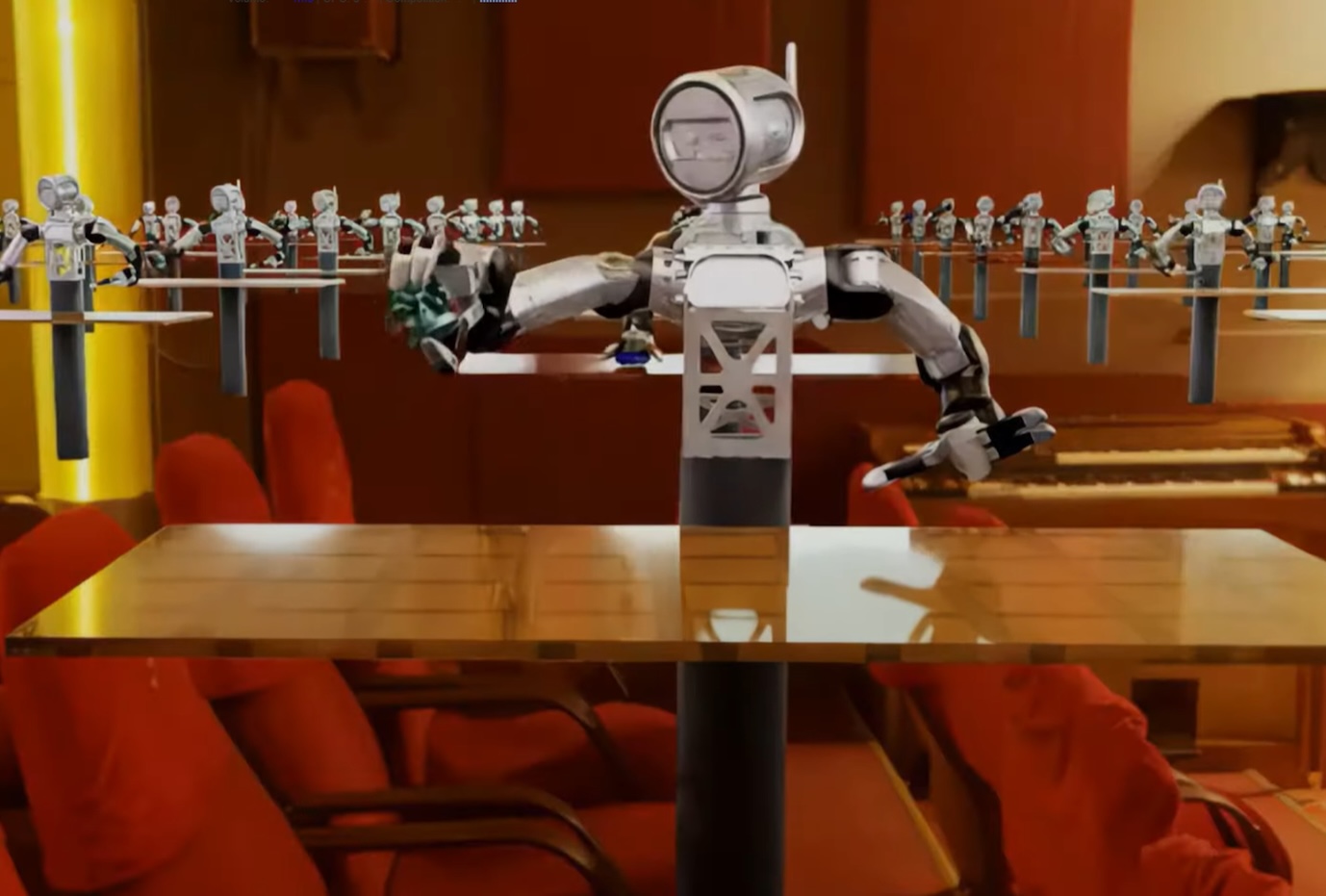
While humanoid robots are often highlighted, the report reveals a more cautious outlook, with only 30% of executives believing they will become viable general-purpose workers in the next three to five years. The focus will likely remain on 'intelligence-first' deployments using existing technologies like autonomous mobile robots and industrial arms, as the industry grapples with technical and financial barriers.
Editor's Note
The Capgemini report underscores a pivotal transition in AI, highlighting the importance of Physical AI in addressing labor shortages and enhancing productivity. As industries adapt to these changes, the competitive landscape will evolve, necessitating strategic investments in technology and workforce development. The challenges of integrating advanced robotics into existing systems will require careful consideration and planning.






























Leave a comment