

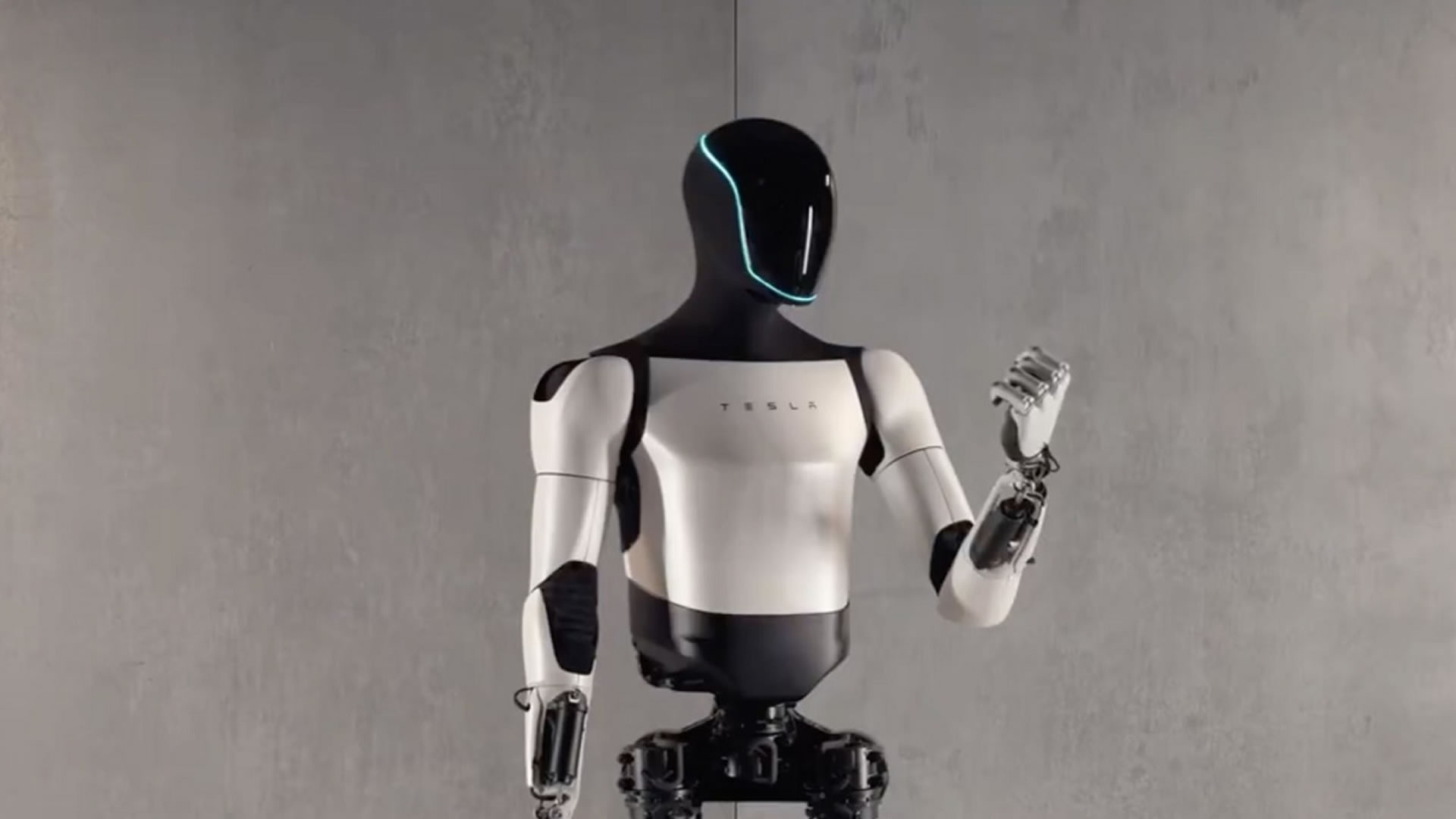
A humanoid robot recently completed a half marathon in 50 minutes and 26 seconds, showcasing its capabilities not just through algorithms but through advanced materials. The year 2026 is anticipated to mark a significant milestone in the mass production of humanoid robots, with China's four-legged robots accounting for nearly 70% of global sales and over 400 humanoid robot models available worldwide.
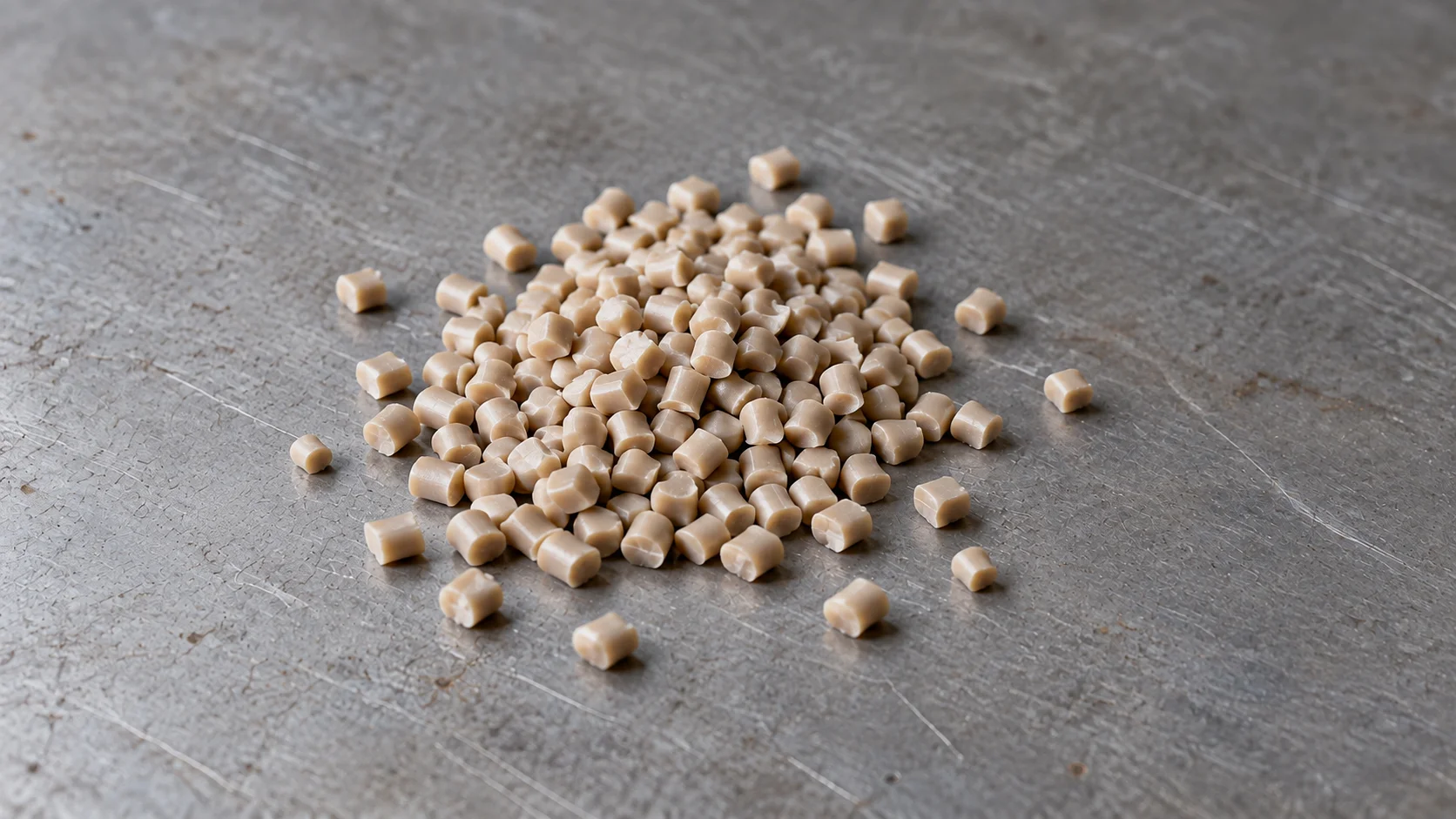
The competition in the humanoid robot industry is increasingly influenced by chemical materials, which are essential for improving performance. For instance, the use of PEEK, which is lighter than aluminum and steel, can reduce the weight of robots by 10%-30% and lower energy consumption by 15%-25%. Companies like YuTree and Xiaopeng are already utilizing carbon fiber composites and PEEK in their robots, while the global market for carbon fiber in humanoid robots is projected to reach $1.114 billion by 2033.
Furthermore, the integration of flexible materials is vital for creating more lifelike robots. SEBS thermoplastic elastomers are being developed to mimic human skin, enhancing the robots' tactile interactions. As humanoid robots transition from laboratories to practical applications in factories and homes, the focus will shift from algorithms to the materials that enable robots to perform better and more human-like. No further timeline was disclosed at the time of publication.
Editor's Note
The increasing reliance on advanced chemical materials in humanoid robotics highlights a pivotal shift in the industry. As manufacturers strive for enhanced performance and efficiency, the development of lightweight and flexible materials will play a crucial role in shaping the future of robotics. This trend underscores the importance of material science in achieving competitive advantages in the robotics market.





























Leave a comment