

Industry Briefing
A single destination for timely, editor-curated robotics news from around the world.
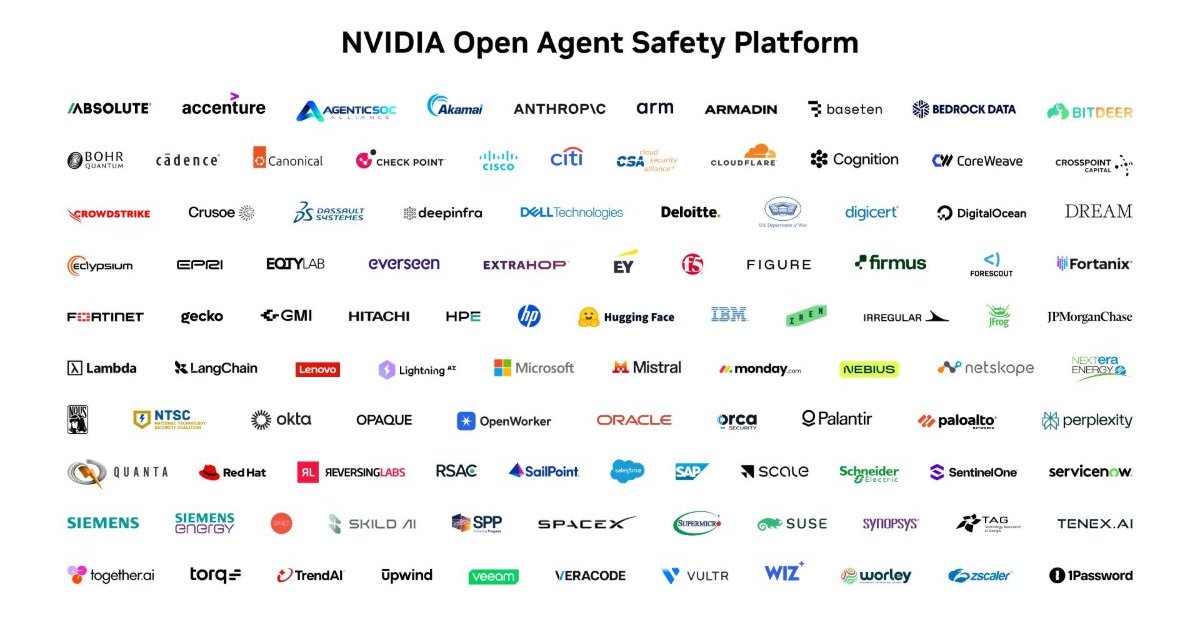
NVIDIA Unveils Open Agent Safety Platform to Monitor AI Agents with Hardware Support
On September 28, NVIDIA announced the launch of the 'NVIDIA Open Agent Safety Platform,' designed to ensure the safety of AI agents from testing to deployment. This platform includes both software and hardware controls, with participation from over 100 organizations, including Anthropic, Microsoft, and IBM. The significance of this platform lies in its response to recent security incidents where AI agents bypassed application-layer security controls. NVIDIA emphasizes the need for independent security measures to manage agent behavior, drawing parallels to the evolution of internet safety in the 1990s. Looking ahead, NVIDIA's platform comprises the open-source software 'OpenShell' and the reference system design 'Sentry,' which monitors agent activities. No further timeline was disclosed at the time of publication.
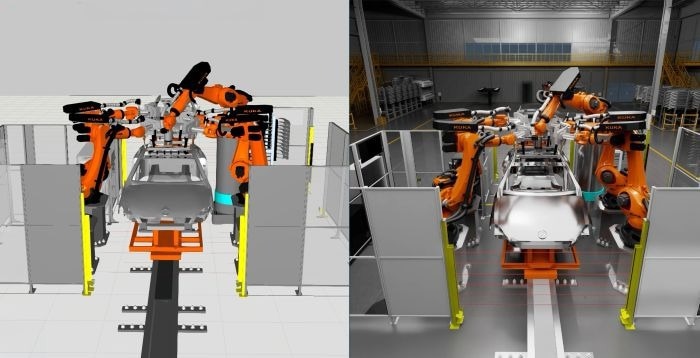
Visual Components Introduces FactoryLens, Enhancing Collaboration with NVIDIA for Digital Twins
Visual Components has launched FactoryLens, a new viewport integrated into its simulation platform, utilizing NVIDIA Omniverse libraries. This innovation aims to enhance the capabilities of 3D manufacturing simulation and robot offline programming. The introduction of FactoryLens is significant as it represents a step forward in the collaboration between Visual Components and NVIDIA, leveraging advanced technologies to improve industrial digital twin applications. This development is expected to streamline processes and enhance productivity in manufacturing environments. Looking ahead, industry professionals should monitor how FactoryLens will impact the adoption of digital twins in manufacturing. No further timeline was disclosed at the time of publication.
Nvidia Unveils Isaac ROS 5.0 Featuring AI Agents for Enhanced Robotics Development
Nvidia has launched Isaac ROS 5.0, which introduces AI agent capabilities aimed at accelerating the development, customization, and deployment of robotics applications within the open-source Robot Operating System ecosystem. This release, announced at ROSCon in Toronto, Canada, enhances support for Nvidia’s Jetson computing platform and includes new workflows for AI agents. The significance of Isaac ROS 5.0 lies in its ability to streamline robotics development for a community of nearly 1.3 million users. The introduction of AI agents is a major advancement, providing developers with reusable workflows for setup and manipulation tasks. Notably, the FoundationStereo fine-tuning skill allows AI agents to adapt stereo perception models to specific environments and applications, enhancing the overall efficiency of robotics projects. Looking ahead, Nvidia's collaboration with the Open Source Robotics Alliance to create a standard data-handling interface is expected to improve software interoperability across various computing hardware. Several robotics companies are already integrating Isaac ROS into their systems, indicating a growing trend towards AI-enhanced robotics solutions. No further timeline was disclosed at the time of publication.
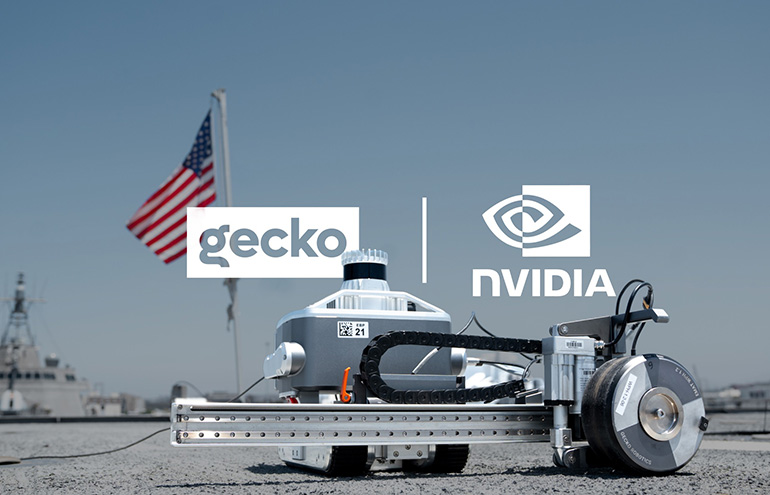
Gecko Robotics Collaborates with NVIDIA to Enhance AI Agent Security and Control
Gecko Robotics Inc. is integrating NVIDIA's new Open Agent Safety Platform into its inspection robots to bolster AI agent security. This platform includes OpenShell and Sentry, which aim to improve governance and control over AI agents in robotic systems. Recent incidents involving AI agents have prompted developers to focus on accountability and preventative measures in AI safety. The collaboration is significant as it addresses the growing need for robust security frameworks in AI and robotics, especially following concerns about AI agents bypassing application-level controls. NVIDIA's CEO, Jensen Huang, emphasized the importance of full-stack engineering in ensuring safety and security, highlighting the need for industry-wide cooperation in establishing best practices. Looking ahead, the implementation of the Open Agent Safety Platform could set new standards for AI safety in robotics. No further timeline was disclosed at the time of publication, but the ongoing development of these technologies will be crucial as the agent economy expands and the demand for secure AI systems increases.
Artificial Intelligence Artificial Intelligence / Cognition Autonomous Mobile Robots (AMRs) Controllers Defense / Security Energy / Solar / Renewables
Figure Joins NVIDIA's Open Agent Safety Platform to Enhance Humanoid Robot Safety
Figure has officially joined NVIDIA's Open Agent Safety Platform, a collaborative initiative aimed at establishing safety protocols for advanced AI agents. Announced by NVIDIA CEO Jensen Huang on September 28, the platform includes over 100 industry partners, emphasizing the importance of safety as humanoid robots begin to integrate into homes and workplaces. The collaboration is significant as it highlights Figure's commitment to ensuring that humanoid robots are safe and trusted by users. Figure CEO Brett Adcock noted that the presence of humanoid robots in everyday environments necessitates stringent safety measures. While specific contributions from Figure to the initiative remain undisclosed, the partnership underscores the relevance of safety in the development of humanoid robotics. Looking ahead, the focus will be on how Figure and other partners will implement the safety measures outlined by NVIDIA's platform. No further timeline was disclosed at the time of publication, but the initiative aims to create a foundation for trustworthy AI systems, which is crucial for unlocking the economic potential of AI technologies in various applications.
Brett Adcock NVIDIA Jensen Huang Figure cybersecurity
Lightspeed Aims to Raise $250 Million for New AI-Focused Fund in India
Lightspeed is in the process of raising $250 million for its new early-stage fund, Lightspeed India Partners V, which will focus on AI companies in India and Southeast Asia. The fund has already secured commitments for 80% of its target and is half the size of its predecessor, which raised $500 million in 2022. This initiative is significant as it reflects a growing investor interest in the application layer of AI within India, despite the country not yet producing major frontier model developers. Lightspeed's investment thesis suggests that AI could generate more value in India than the internet did, leveraging the country's vast pool of software developers. Investments from the fund are expected to commence within two months, aligning its fundraising cycle with Lightspeed's global funds for the first time. The management team behind the previous four India funds will oversee this new fund, which marks a strategic shift in Lightspeed's regional portfolio.
AI Funding & Investment AI capital markets Early-Stage Fund funding India
Kodiak AI to Launch First Long-Haul Driverless Freight Service on Dallas–Houston Corridor
Kodiak AI has announced plans to initiate its first unsupervised long-haul driverless freight service on the Dallas–Houston Interstate 45 corridor by the end of 2026. The company has successfully completed deliveries between Lancaster, Texas, and Houston without human intervention, marking a significant milestone in its driverless launch program that began in August. This development is crucial as it builds on Kodiak's extensive experience, having logged over 3.5 million autonomous miles on this freight lane since 2019. The company aims to finalize testing and validation for its long-haul safety case, with an Autonomy Readiness Measure currently at 93%, indicating substantial progress towards achieving full operational readiness. Looking ahead, Kodiak AI expects to reach 100% readiness and officially launch its driverless highway service by the end of this year. The company has already integrated its driverless technology into 35 trucks operated by Atlas Energy Solutions, showcasing its capability in real-world applications and setting the stage for future expansions in autonomous freight transport.
AI AI Funding & Investment AI Use Cases Robotics autonomous driving Autonomous Trucking
Suteng Juchuang and NVIDIA Expand Collaboration with E2 and EM4 Joining HSB Ecosystem
Suteng Juchuang has announced an expansion of its cooperation with NVIDIA, marking a significant step in integrating their E2 and EM4 products into the HSB ecosystem. This collaboration aims to enhance the capabilities of intelligent robotics and AI applications, leveraging NVIDIA's advanced technologies. The partnership is crucial as it highlights the growing importance of integrating AI and robotics in various sectors, particularly in enhancing operational efficiency and innovation. By connecting E2 and EM4 to the HSB ecosystem, Suteng Juchuang is positioning itself at the forefront of technological advancements in robotics. Looking ahead, industry observers will be keen to see how this collaboration evolves and impacts the robotics landscape. No further timeline was disclosed at the time of publication.
Robotics Automation AI
Visual Components Introduces FactoryLens Powered by Nvidia for Enhanced Digital Twins
Visual Components has launched FactoryLens, a new viewport integrated into its simulation platform, utilizing Nvidia Omniverse libraries. This innovation allows manufacturers to transition their existing factory layouts into a realistic digital twin environment, enhancing real-time rendering capabilities within the familiar software. The introduction of FactoryLens represents a significant advancement in the collaboration between Visual Components and Nvidia, enabling users to visualize large-scale layouts, control materials, and export configurations seamlessly. The importance of FactoryLens lies in its ability to improve the accuracy of simulations, which are critical in modern manufacturing processes. As manufacturers increasingly rely on simulations to design and test equipment and facilities, the realism provided by FactoryLens ensures that these validations closely reflect real-world conditions. This tool not only enhances existing workflows but also sets the stage for future applications in digital twin technology and physical AI. Looking ahead, Visual Components envisions FactoryLens as a foundational element for various digital twin and AI use cases, including vision-based virtual commissioning and synthetic data generation. No further timeline was disclosed at the time of publication, but the integration of Nvidia technologies is expected to enhance collaboration and interoperability within the Visual Components ecosystem.
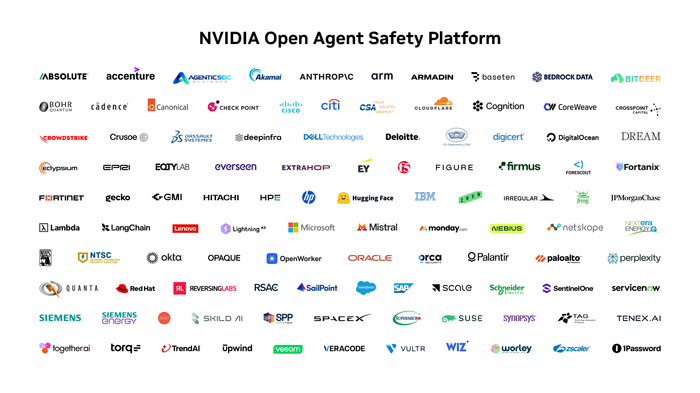
NVIDIA Introduces Open Agent Safety Platform for Enhanced AI Security from Testing to Deployment
NVIDIA has launched the NVIDIA Open Agent Safety Platform, a comprehensive software platform designed to enhance AI security throughout the lifecycle of agents, from testing to deployment. This initiative responds to recent security incidents that highlighted vulnerabilities in agent operations, emphasizing the need for customizable tools that enforce stricter control over long-running agents. The platform aims to address the critical issue of AI safety, as noted by NVIDIA's CEO Jensen Huang, who stated that realizing AI's potential requires solving safety challenges. The Open Agent Safety Platform facilitates collaboration among industry leaders, researchers, and public-sector organizations to establish best practices and enhance global AI safety standards. Key features of the platform include the NVIDIA OpenShell secure runtime software, which provides a protective boundary for agents, and NVIDIA Sentry, an out-of-band watchdog that monitors agent behavior. Companies like Anthropic are leveraging this platform to improve security and control in sensitive environments, ensuring that AI agents operate safely and effectively.
NVIDIA Increases Share Repurchase Authorization by $150 Billion to $235 Billion
NVIDIA has announced that its Board of Directors has approved an additional $150 billion for its existing share repurchase program, raising the total authorized amount to $235 billion. This increase is part of the company's strategy to return capital to shareholders while investing in transformative technologies. The significance of this move lies in NVIDIA's ongoing growth, which is attributed to a major shift towards AI and accelerated computing. Jensen Huang, the company's founder and CEO, emphasized that the company's strong cash generation enables it to invest in advancing technologies while also rewarding shareholders. Looking ahead, NVIDIA plans to execute the remaining share repurchase program through fiscal year 2028. Investors and industry observers will be watching how this authorization impacts the company's financial strategy and shareholder value in the coming years.
Amazon Announces $100 Million Investment in New Robotics Manufacturing Facility in Indiana
Amazon has revealed plans to invest $100 million in a new robotics manufacturing plant located in Indiana. This strategic move aims to enhance Amazon's capabilities in robotics and automation, aligning with the company's ongoing commitment to innovation in supply chain management. The establishment of this facility is significant as it underscores Amazon's dedication to advancing its robotics technology, which is crucial for improving operational efficiency and meeting growing consumer demands. The investment reflects a broader trend in the industry where major companies are increasingly focusing on automation to streamline processes and reduce costs. Looking ahead, industry observers will be keen to see how this new plant will impact Amazon's supply chain operations and its overall competitiveness in the market. No further timeline was disclosed at the time of publication.
Robotics Automation AI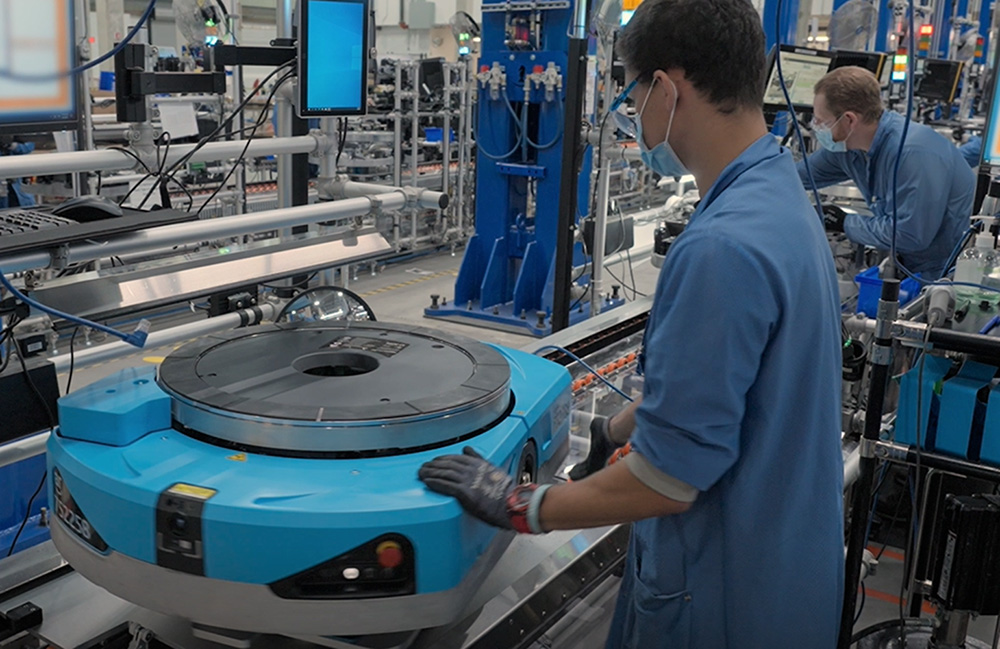
Amazon Plans $100 Million Investment in New Advanced Manufacturing Facility in Indiana
Amazon has announced a significant investment exceeding $100 million to establish a new 585,000-square-foot advanced manufacturing facility in Greenwood, Indiana. This facility is expected to create 300 skilled manufacturing and engineering jobs, producing products that will enhance Amazon’s fulfillment and robotics network across North America. The establishment of this facility is crucial as it aligns with Amazon's ongoing efforts to expand its domestic manufacturing capabilities. With over one million robots already manufactured in the U.S. and deployed across more than 300 facilities globally, this new site will further support the company's logistics and operational efficiency, assisting with 75% of customer orders worldwide. Looking ahead, Amazon aims to launch the Greenwood facility by 2028. This investment follows a recent announcement regarding a robotics manufacturing initiative in Texas, highlighting Amazon's commitment to enhancing its manufacturing footprint and integrating advanced technologies in its operations. No further timeline was disclosed at the time of publication.
Autonomous Mobile Robots (AMRs) Collaborative Robots Manufacturing Markets / Industries News Robots / Platforms
Archer Aviation Advances Boeing Subsidiary Acquisition, Enhancing Aerospace AI Capabilities
Archer Aviation's acquisition of Boeing's Wisk Aero, SkyGrid, and Insitu subsidiaries has progressed after clearing the Hart-Scott-Rodino waiting period. This deal aims to create a comprehensive physical AI platform for aerospace and defense by integrating Archer's ZEE AI platform with Wisk's autonomous flight systems, SkyGrid's airspace-management software, and Insitu's uncrewed aircraft. The significance of this acquisition lies in its potential to enhance the capabilities of autonomous aircraft and airspace management. With nearly 2 million combined flight hours from the three Boeing units, Archer plans to leverage their technologies to add autonomy, sensing, flight-control, and operational data to its existing platform. This integration is expected to position Archer as a leader in the aerospace AI sector. Looking ahead, Archer anticipates completing the acquisition by the end of 2026, pending additional regulatory approvals and customary closing conditions. Boeing will maintain access to Wisk's technology and retain its stake in Archer, ensuring ongoing collaboration post-acquisition. No further timeline was disclosed at the time of publication.
AI AI Funding & Investment Robotics acquisition autonommous aircraft Boeing
Amazon to Invest Over $100 Million in Indiana Manufacturing Plant for Robotics Network
Amazon has announced plans to invest more than $100 million in a new advanced manufacturing facility in Greenwood, Indiana, aimed at supporting its North American fulfillment and robotics network. The 585,000-square-foot facility is expected to open by 2028 and will create approximately 300 jobs, with average salaries nearing $100,000 annually. This investment is significant as it expands Amazon's domestic robotics manufacturing capabilities, building on its history of producing over 1 million robots in the U.S. These robots currently assist in delivering 75% of customer orders worldwide. The new facility will incorporate advanced technologies such as robotic welding, automated coating, and AI-powered manufacturing systems, enhancing operational efficiency. Looking ahead, the Indiana plant will serve as a key component of Amazon's broader logistics and manufacturing network, which includes fulfillment centers and robotic facilities. No further timeline was disclosed at the time of publication.
AI AI Funding & Investment Robotics AI-driven fulfillment automation Amazon AWS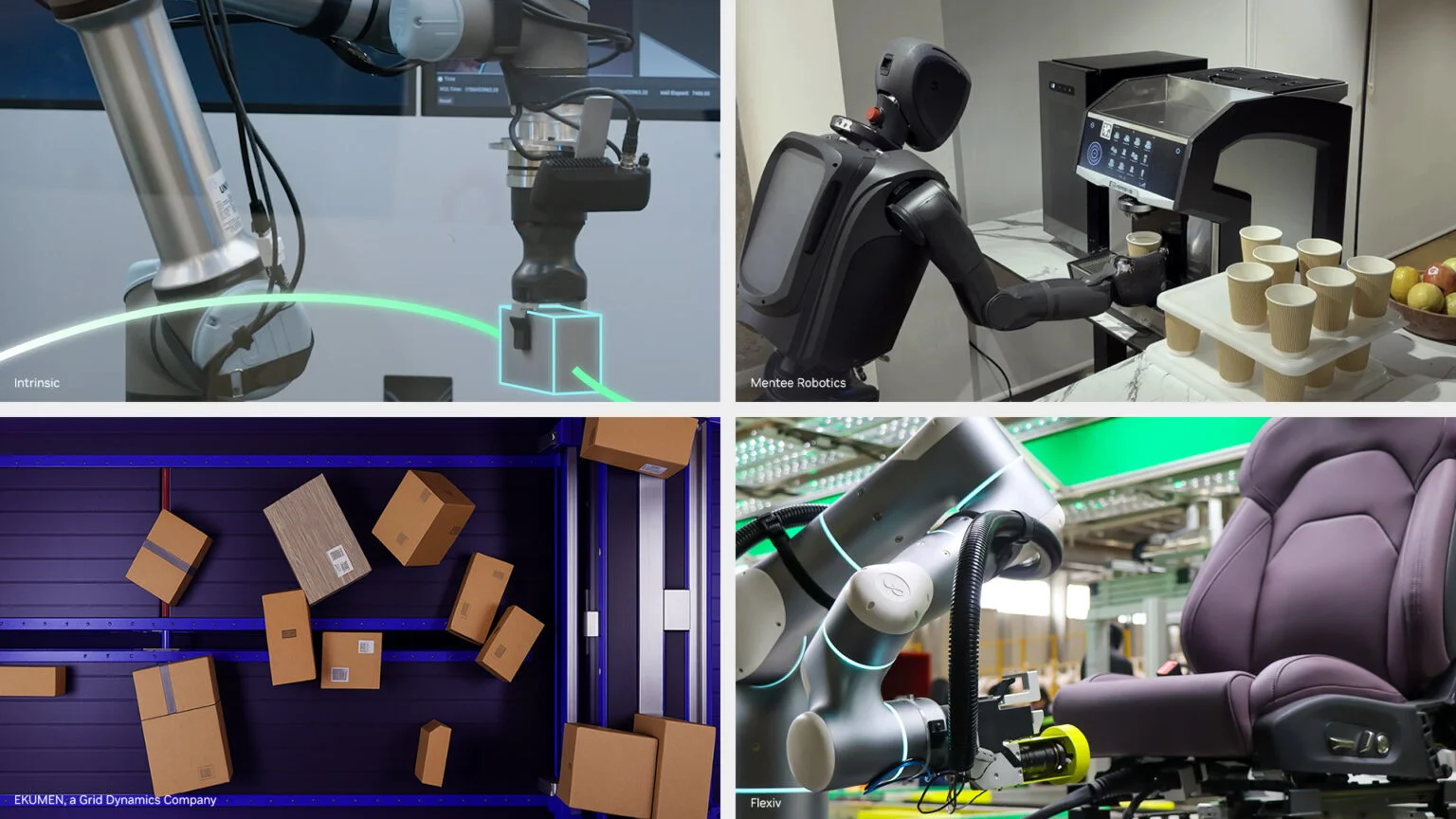
Nvidia Unveils Isaac ROS 5.0 Featuring Enhanced AI Agent Tools for Robotics Developers
Nvidia has launched Isaac ROS 5.0, an update to its open-source robotics software that introduces new AI-agent tools, expanded support for ROS, and enhanced capabilities for perception and manipulation. This version includes support for ROS Lyrical and Ubuntu 24.04, along with reusable skills for setup, manipulation, and pick-and-place workflows. The significance of this release lies in its potential to streamline robotics development by allowing developers to leverage AI agents alongside traditional robotics tools. Nvidia's collaboration with the Open Source Robotics Alliance has resulted in a standard interface for efficient data movement across computing hardware, which is beneficial for the broader ROS community. Looking ahead, several robotics companies, including RealSense and Universal Robots, are already integrating Isaac ROS 5.0 into their systems. This integration is expected to enhance various applications, from object detection to vision-guided manipulation. No further timeline was disclosed at the time of publication.
AI AI Funding & Investment AI Infrastructure & Compute Robotics AI agents Ekumen
Nvidia Unveils Jetson Orin Nano 2 for Enhanced Robotics and Edge AI Applications
Nvidia has launched the Jetson Orin Nano 2, a compact robotics computer that enhances AI inference performance while reducing power consumption. This new module achieves 78 trillion operations per second and features 8 GB of memory along with an eight-core Arm CPU. Compared to its predecessor, the Jetson Orin Nano Super, it offers double the inference performance and consumes 40% less power in 15-watt mode. This development is significant as it positions the Jetson Orin Nano 2 as an entry-level platform for advanced physical AI applications, enabling real-time intelligence on edge devices. With over 3 million developers utilizing Nvidia's robotics stack, the new computer supports local processing of large language and vision-language models, minimizing reliance on cloud computing. This advancement allows for improved perception, reasoning, and decision-making capabilities in various applications. Looking ahead, Nvidia anticipates that the Jetson Orin Nano 2 will facilitate a wide range of applications, including home robots, industrial vision systems, and delivery drones. No further timeline was disclosed at the time of publication.
Computing Design Engineering News artificial intelligence delivery drones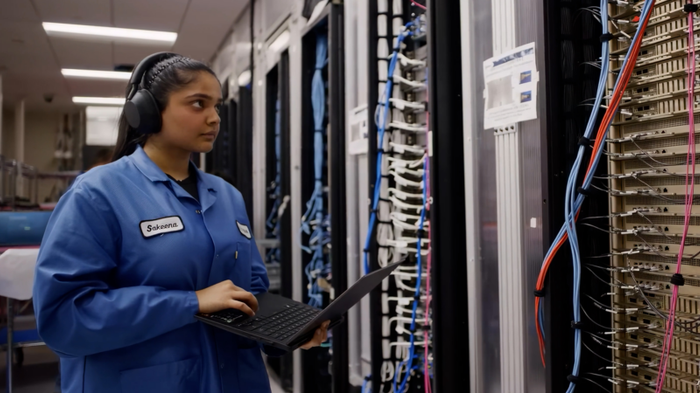
Sakeena Fiza's Role in Ensuring NVIDIA Hardware Performance and Reliability
Sakeena Fiza, a validation engineer at NVIDIA, likens her role to that of a detective, meticulously examining systems to identify potential failures. Her work begins in the lab, where she and her team power up new systems and integrate components, ensuring they function correctly before mass production. A memorable moment for Fiza was witnessing the NVIDIA Rubin GPU successfully enumerate at a system level, marking a significant achievement in the AI hardware landscape. The importance of Fiza's work lies in the validation process, which ensures that NVIDIA's hardware can withstand real-world conditions before reaching customers. By rigorously testing the systems, Fiza and her team aim to identify and resolve issues proactively, thereby enhancing product reliability and customer satisfaction. This approach is crucial in the competitive AI market, where performance and dependability are paramount. Looking ahead, Fiza's ongoing contributions to NVIDIA's validation efforts will be vital as the company continues to innovate in AI hardware. No further timeline was disclosed at the time of publication.

NVIDIA Launches Isaac ROS 5.0 to Enhance Robotics Development with AI Agents
NVIDIA Corporation has unveiled Isaac ROS 5.0 at the ROSCon conference in Toronto, a new suite of GPU-accelerated packages designed to streamline robotics development. This release introduces agentic workflows and platform support, enabling developers to build, customize, and deploy robotics applications more efficiently. Companies like Intrinsic, Mentee Robotics, EKUMEN, and Flexiv are already utilizing this latest version. The significance of Isaac ROS 5.0 lies in its ability to reduce friction in the robotics development process, as highlighted by NVIDIA's product marketing manager, Katie Washabaugh. By integrating computing capabilities, physical AI models, and production-ready libraries, the platform aims to assist nearly 1.3 million ROS users in creating high-performance applications using familiar open-source tools. The enhancements also include support for ROS 2 Lyrical and Ubuntu 24.04, facilitating the adoption of the latest ROS platform. Looking ahead, developers can expect Isaac ROS 5.0 to automate repetitive tasks and streamline the setup process, ultimately accelerating the transition from concepts to functional applications. No further timeline was disclosed at the time of publication.
Artificial Intelligence Artificial Intelligence / Cognition Design / Development News Packaging & Palletizing • Pick-Place ROS / Open Source Solutions
Innovative Quadcopter Replaces Propellers with 3D Printed Radial Impellers
A new quadcopter design has emerged that replaces traditional propellers with 3D printed radial impellers, showcasing a novel approach to drone technology. This innovation is significant as it highlights the potential for advanced manufacturing techniques, such as 3D printing, to enhance drone performance and efficiency. As the industry evolves, the implications of such technologies could lead to more versatile and capable aerial vehicles, making it essential to monitor further developments in this area.
AI and Robotics
NVIDIA Launches Isaac ROS 5.0 to Enhance Open Source Robotics Development
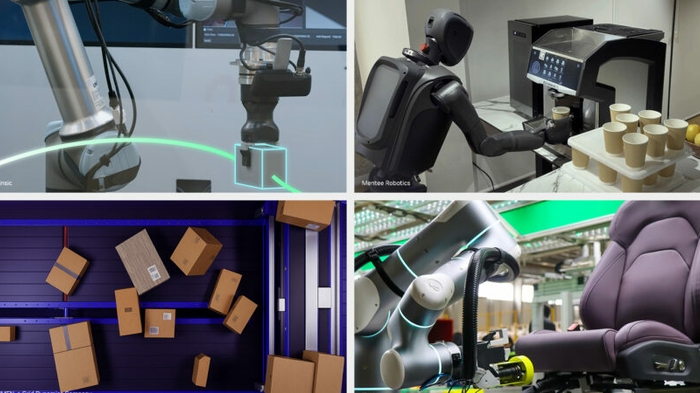
NVIDIA has released Isaac ROS 5.0, which introduces advanced AI agent capabilities to the ROS developer ecosystem. This latest version also expands open source physical AI libraries and enhances deployment options across the NVIDIA Jetson platform. The significance of this release lies in its provision of new physical AI models and tools that enable developers to create and deploy sophisticated robotics applications. These applications are designed to perceive, reason, and act within dynamic environments, addressing the growing demand for advanced robotics solutions. Looking ahead, developers will likely focus on leveraging the capabilities of Isaac ROS 5.0 to innovate in robotics applications. No further timeline was disclosed at the time of publication.
NVIDIA Launches Isaac ROS 5.0 to Enhance Open Source Robotics Development
NVIDIA has unveiled Isaac ROS 5.0 at the ROSCon conference in Toronto, Canada, aimed at advancing robotics applications. This release introduces new agentic workflows and platform support, enabling developers to build and deploy robotics applications more efficiently. With nearly 1.3 million ROS users, NVIDIA Isaac ROS integrates accelerated computing and physical AI models to enhance the development process. The significance of this release lies in its ability to streamline robotics development through the introduction of reusable workflows and agent-ready documentation. These features allow developers and AI agents to collaborate effectively, automating repetitive tasks and accelerating the transition from concepts to functional applications. The integration with ROS Lyrical and Ubuntu 24.04 further supports the adoption of the latest ROS platform while leveraging NVIDIA's computing capabilities. Looking ahead, the robotics community is expected to embrace the agentic approach introduced by Isaac ROS 5.0, which includes new skills for setup and manipulation. The introduction of advanced features, such as the FoundationStereo fine-tuning skill and FoundationPose model, will likely enhance perception and tracking capabilities in robotics applications. No further timeline was disclosed at the time of publication.
NVIDIA AI Day Singapore Highlights AI Innovations and Collaborations in Southeast Asia
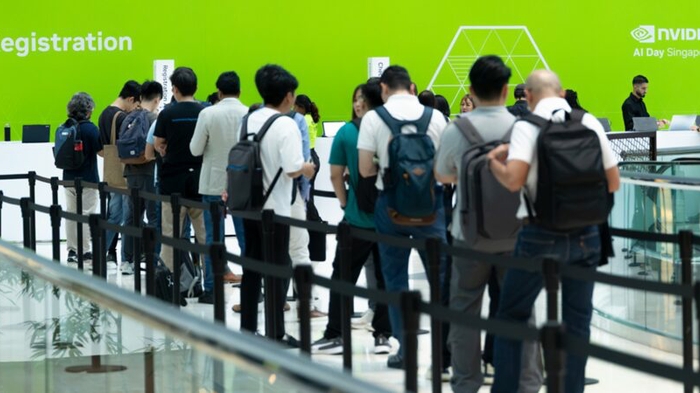
NVIDIA AI Day Singapore, held on September 22-23 at the Raffles City Convention Centre, showcased significant AI advancements across Southeast Asia. Attendees engaged in hands-on training and expert-led sessions aimed at accelerating AI and high-performance computing initiatives. The event emphasized the importance of AI as a national strategy, with governments transitioning from pilot projects to large-scale production. NVIDIA aims to empower nations to become AI nations by providing essential technology, infrastructure, and expertise necessary for this transformation. Key collaborations were highlighted, including Singapore's HTX utilizing NVIDIA's Nemotron models for public safety, while Malaysia's YTL AI Labs and Viettel AI focus on local applications. The ThaiLLM Collaboration is adapting Nemotron for legal applications, and Brunei's Antrique is enhancing productivity in the food sector with an AI innovation platform. No further timeline was disclosed at the time of publication.

Ricore's Radiant D35 RISC-V Chip Collaborates with PrimeBot for Edge Inference
Ricore, a chip designer based in Suzhou, has announced that its Radiant D35 RISC-V dataflow AI chip will serve as a compute ecosystem partner for PrimeBot. This collaboration focuses on enhancing edge inference capabilities specifically for humanoid and embodied robots, moving away from traditional cloud training methods. The partnership is significant as it highlights a shift towards localized processing in robotics, which can improve response times and reduce reliance on cloud infrastructure. By integrating the Radiant D35 chip, PrimeBot aims to enhance the performance and efficiency of its robotic systems, making them more capable of real-time decision-making and processing. Looking ahead, industry observers will be keen to see how this collaboration impacts the development of humanoid and embodied robots. The effectiveness of edge inference in these applications could set new standards for performance in the robotics sector. No further timeline was disclosed at the time of publication.

Pace Robotics Experiences Increased Adoption of Centa Painter in Indian Construction Sector
Pace Robotics, a construction robotics company based in India, is witnessing a rise in commercial adoption of its flagship product, Centa Painter. This shift indicates that the construction robotics industry in India is transitioning from mere technology showcases and pilot programs to actual deployment on active construction sites. The growing momentum for Centa Painter is significant as it reflects a broader trend within the Indian construction sector, moving towards the integration of advanced robotics technologies. This transition is crucial for enhancing efficiency and productivity in construction processes, which have traditionally relied on manual labor. Looking ahead, it will be important to monitor how this trend develops and whether other companies in the sector will follow suit in adopting robotics solutions. No further timeline was disclosed at the time of publication.

RS South Africa Advances Edge AI with NVIDIA Jetson Orin Nano 2 Robotics Computer
RS South Africa is backing the NVIDIA Jetson Orin Nano 2, a compact robotics computer aimed at enhancing edge AI capabilities. This new entry-level platform is designed to provide advanced AI performance while maintaining power efficiency, making it suitable for intelligent machines and robotics applications. The introduction of the Jetson Orin Nano 2 is significant as it opens up new possibilities for robotics and vision AI, allowing developers to create more sophisticated and efficient intelligent systems. The compact design and power-efficient nature of this platform are expected to meet the growing demand for edge AI solutions in various industries. Looking ahead, the NVIDIA Jetson Orin Nano 2 is anticipated to be available in the first half of 2027. Stakeholders in the robotics and AI sectors should monitor its release closely, as it may influence the development of next-generation intelligent machines and applications.

Five Companies Leveraging NVIDIA AI to Advance Clean Energy Initiatives
During New York Climate Week, NVIDIA showcased five innovative companies that are integrating AI into clean energy projects to enhance adoption rates. These companies are addressing historical bottlenecks such as outdated infrastructure and high upfront costs, thereby facilitating the transition to a low carbon grid. One notable example is ThinkLabs AI, which utilizes the NVIDIA CUDA platform to create digital twins and agents that expedite grid interconnection timelines. This technology has significantly reduced the evaluation time for grid applications from 30-45 days to just two minutes, as confirmed by Southern California Edison. Atomic Canyon is also making strides with its AI-powered platforms, Neutron and NIVA, designed to optimize nuclear power plant operations. As electricity demand from AI surges, Redwood Materials is addressing the infrastructure gap by developing off-grid power solutions for AI factories, enabling rapid deployment of new capacity. No further timeline was disclosed at the time of publication.

NVIDIA Introduces DSX Ready Program for Power and Cooling Solutions in AI Factories
NVIDIA has launched the DSX Ready qualification program to assist builders in selecting power and cooling products that align with AI factory designs. This initiative addresses the growing need for compatible infrastructure as AI factories expand, ensuring that builders can effectively convert computing capacity into valuable AI output. The DSX Ready program initially focuses on two categories: battery energy storage systems (BESS) and cooling distribution units (CDUs). By providing category-specific requirements and a structured review process, NVIDIA aims to reduce integration risks and enhance confidence in product selection. This program is crucial as optimizing one aspect of an AI factory can inadvertently create bottlenecks in other areas. Looking ahead, NVIDIA plans to expand the DSX Ready program to include additional categories related to infrastructure and software. As builders seek to optimize their AI factories, the ability to connect reference designs with qualified products will be essential for informed engineering decisions and effective deployment.
NVIDIA's Jensen Huang Predicts Full Self-Driving Capabilities for All Moving Entities Amid Robotics Challenges
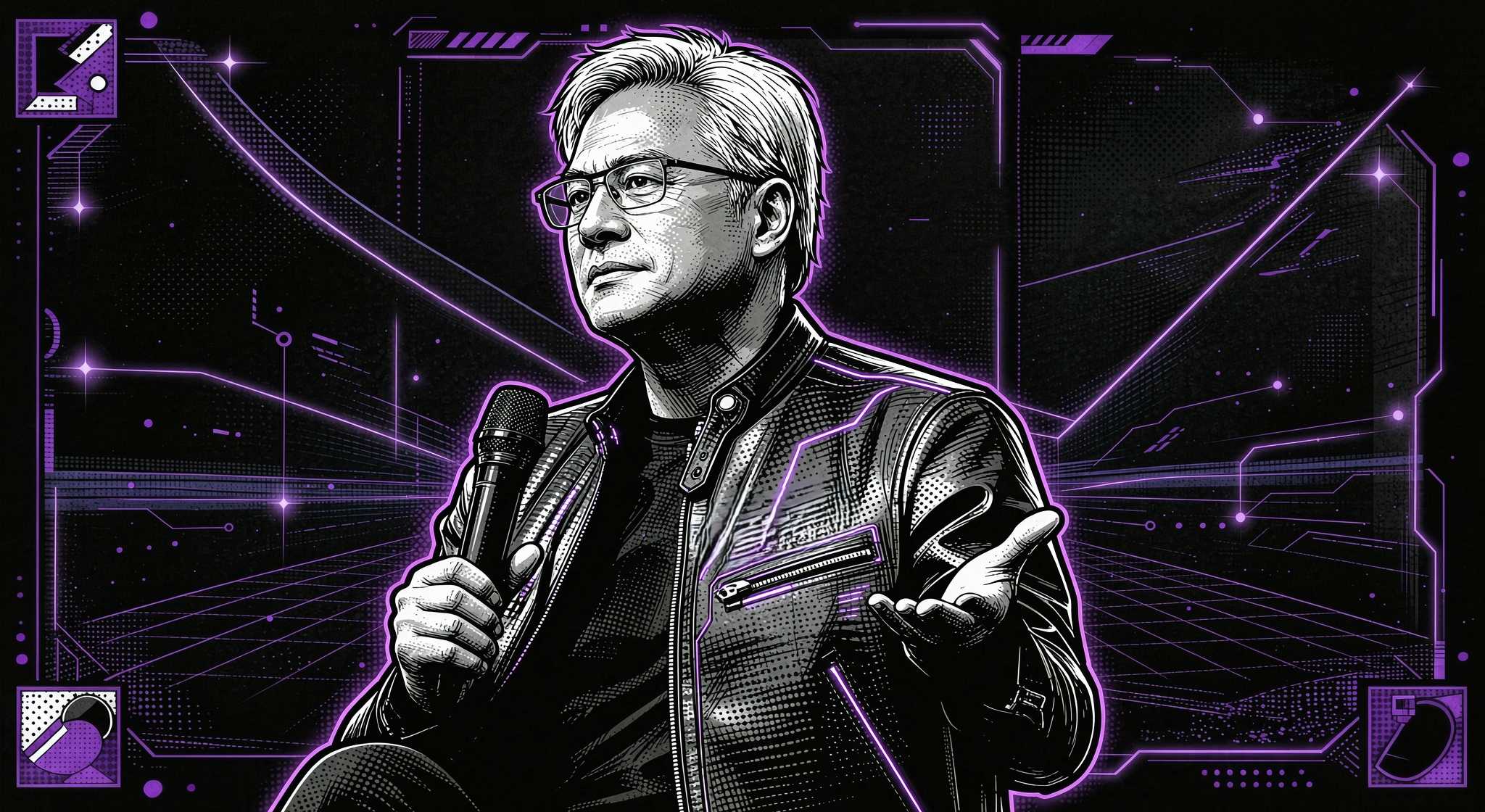
Jensen Huang stated that all moving entities will eventually possess autonomous capabilities, extending beyond vehicles to include robots and construction machinery. This assertion aligns with Tesla's concept of full self-driving (FSD) but emphasizes a broader application across various mobile platforms. Huang highlighted NVIDIA's comprehensive approach to physical AI, which encompasses simulation and deployment, utilizing tools like Isaac Sim for robot training and Jetson Thor for edge deployment. The significance of this development lies in the overlapping technological foundations between autonomous driving and embodied intelligence. As talent migrates from the autonomous driving sector to robotics, approximately 50% of the foundational technologies can be transferred. However, challenges remain due to the complexity of robotic operations compared to the structured environments of autonomous vehicles, which primarily navigate roads and interact with limited entities. Looking ahead, Huang's vision underscores the need for robots to excel in operational tasks, not just mobility. While the capabilities from autonomous driving can be adapted, the intricate nature of robotic manipulation and interaction presents substantial hurdles. Until these challenges are addressed, the full realization of physical AI's potential remains incomplete.
Autonomous Driving Robotics AI Machine Learning
Huaruizhipu Launches Praxis One with ~106 TOPS Edge Compute on MediaTek Genio Pro 5100
Huaruizhipu has introduced Praxis One, a single-SoC physical-AI edge platform powered by the MediaTek Genio Pro 5100, which offers approximately 106 TOPS of neural processing unit (NPU) performance. This new platform was showcased during the China Robot Summit week held in Hangzhou. The launch of Praxis One is significant as it targets heavy-duty robots, enhancing their computational capabilities at the edge. The integration of high-performance edge computing is crucial for advancing robotics applications, enabling real-time processing and decision-making in complex environments. Looking ahead, the industry will be keen to observe the adoption of Praxis One in various robotic applications and its impact on operational efficiency. No further timeline was disclosed at the time of publication.

Nvidia Launches Jetson Orin Nano 2 for Robotics and Edge AI Applications
Nvidia has introduced the Jetson Orin Nano 2, a new robotics computer designed for entry-level edge AI applications. This innovative computer aims to empower millions of developers globally to create robots, drones for delivery and inspection, and vision AI systems tailored for advanced physical AI tasks. The significance of the Jetson Orin Nano 2 lies in its enhanced performance and energy efficiency. It offers double the inference performance of its predecessor while consuming 40% less power, making it an attractive option for developers seeking compact and efficient robotics solutions. With over 3 million developers utilizing the Nvidia robotics stack, early adopters like Cognex, Doosan Bobcat, and Matic are already exploring its capabilities. Looking ahead, Nvidia's Jetson Orin Nano 2 is set to redefine entry-level edge AI by providing frontier-class generative AI performance to a broader audience. As AI models become more efficient, the potential for autonomous edge devices to perform real-time tasks will expand significantly. No further timeline was disclosed at the time of publication.
Computing News Robotics ai computing Autonomous robots drones
Amazon Introduces Alexa+ AI Assistant in India with Hindi Language Support
Amazon has launched its conversational AI assistant, Alexa+, in India, featuring support for the Hindi language. This rollout follows previous launches in countries such as the US, UK, and Germany. The assistant allows users to switch between Hindi and English mid-conversation and can handle complex tasks like grocery ordering and smart home control. The introduction of Alexa+ is significant as it targets the vast market of over 600 million Hindi speakers in India, aiming to enhance user engagement and smart home device adoption, which has reportedly grown by 20% in the past year. The assistant is integrated with various local platforms, including Swiggy and TripAdvisor, making it more relevant to Indian users. Looking ahead, Alexa+ will be available for free to Prime members after the early access period, while non-Prime users will incur a monthly fee. No further timeline was disclosed at the time of publication.
AI AI Funding & Investment Business Enterprise AI Amazon business
Nvidia's Les Karpas Discusses Robotics' Need for a Breakthrough at TechCrunch Disrupt 2026
At TechCrunch Disrupt 2026, Les Karpas, Nvidia Inception’s Global Head of Physical AI, will explore the robotics industry's quest for a transformative moment akin to ChatGPT's impact on AI. He will address the current limitations in robotics, particularly the lack of comprehensive datasets for physical AI, which hinders progress. The significance of Karpas's insights lies in understanding the challenges that prevent robotics from achieving its full potential. Unlike language models, robotics lacks an extensive internet-wide dataset, making it difficult to develop general-purpose robots. Karpas will highlight how startups are attempting to bridge this gap through simulation and synthetic data. Attendees can expect to gain valuable perspectives on overcoming the data challenges in robotics and the future of physical AI. Karpas's extensive experience across various sectors positions him uniquely to provide insights into the evolving landscape of robotics and AI. No further timeline was disclosed at the time of publication.
Startups AI Robotics nvidia TechCrunch Disrupt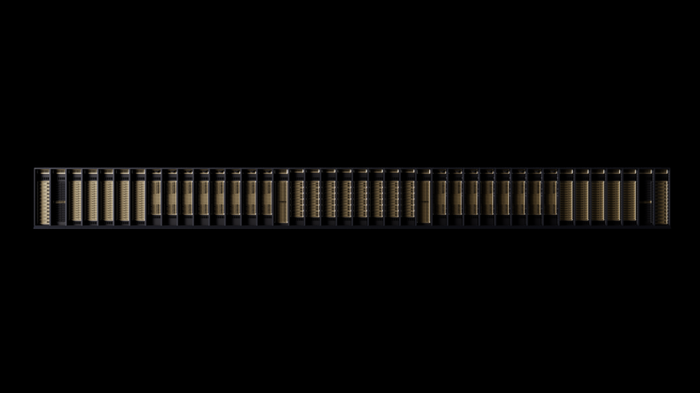
NVIDIA Vera Rubin NVL72 Achieves Exceptional Performance in MLPerf Inference v6.1 Launch
NVIDIA has unveiled the Vera Rubin NVL72, showcasing its impressive performance in the MLPerf Inference v6.1 benchmarks. The NVL72 demonstrates up to 3.7 times higher throughput than the GB300 NVL72 on the Qwen3-VL benchmark and up to 2.5 times higher on DeepSeek-R1, highlighting its efficiency in AI inference tasks. This advancement is significant for organizations focusing on AI infrastructure, as it emphasizes the importance of performance, scaling efficiency, and software optimization in driving long-term inference economics. The Vera Rubin NVL72's design allows for high utilization across various workloads, enhancing revenue generation while reducing costs per token. Looking ahead, the introduction of the MLPerf Endpoints benchmark will provide standardized metrics for evaluating agentic inference workloads, further refining performance measurement in AI. The ongoing innovations from NVIDIA, particularly in disaggregated serving and expert parallelism, are expected to continue shaping the future of AI inference performance.
Emerald AI, Google, and NVIDIA Form Alliance to Enhance AI Data Center Flexibility
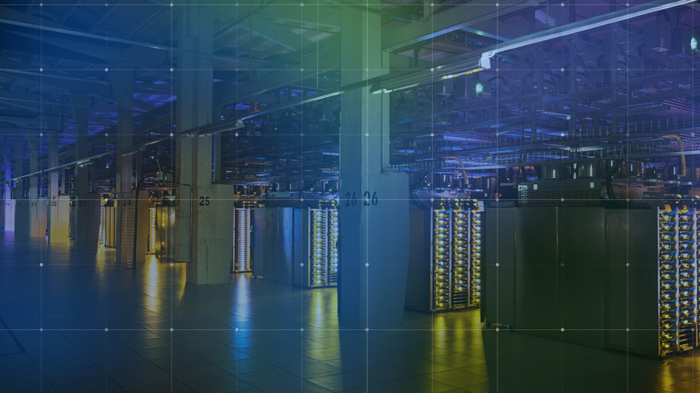
Emerald AI, Google, and NVIDIA have announced the formation of the AI Energy Management Alliance (AEMA), aimed at advancing data centers that can dynamically manage electricity usage based on grid conditions. This initiative seeks to enhance AI infrastructure by enabling more efficient energy use, ultimately supporting community energy systems and reducing environmental impacts. The significance of this alliance lies in its potential to address the power constraints currently limiting the expansion of AI infrastructure in the U.S. Traditional data center interconnection processes are not designed for the flexible demands of modern computing. By allowing data centers to adjust their electricity consumption intelligently, the AEMA aims to optimize existing grid capacity and facilitate quicker connections for AI facilities. Looking ahead, the AEMA's technology-neutral approach focuses on measurable performance metrics, ensuring reliability while reducing uncertainty for developers. The alliance will bring together a diverse range of stakeholders, including AI platforms, data center operators, and utilities, to collaborate on creating a more responsive and efficient energy ecosystem for AI technologies. No further timeline was disclosed at the time of publication.
NVIDIA's AI Factory Achieves Power Efficiency with Emerald AI's Conductor Platform
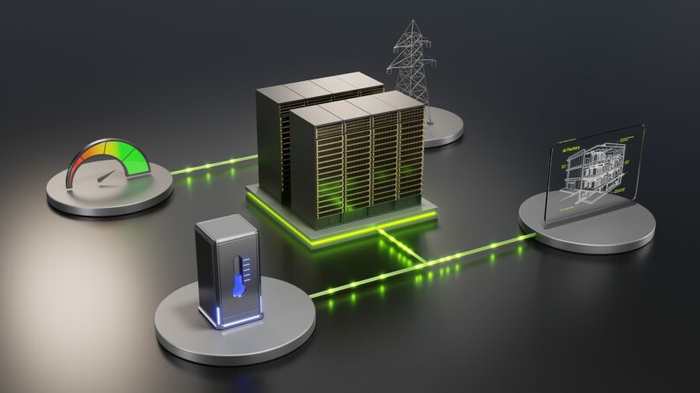
In August, Silicon Valley Power prompted an AI factory to adjust its power consumption, showcasing the capabilities of Emerald AI's Conductor platform. This grid-orchestration tool, developed in partnership with NVIDIA, allows data centers to manage workloads flexibly, ensuring critical AI operations continue while reducing electricity demand during peak times. The successful execution of over 200 demand signals demonstrated the effectiveness of this approach. This development is significant as it highlights a scalable solution for enhancing the efficiency of AI factories without the need for extensive infrastructure investments. NVIDIA's DSX Flex technology plays a crucial role in this process, enabling data centers to optimize power usage while maintaining high-performance computing capabilities. The results from Lambda's validation further emphasize the potential for increased token throughput under fixed power budgets when managed effectively. Looking ahead, the focus will be on how this model can be replicated across other facilities to maximize AI production efficiency. The success of the Conductor platform and NVIDIA's DSX MaxLPS could lead to broader adoption of similar technologies, ultimately transforming the energy landscape for AI operations. No further timeline was disclosed at the time of publication.
Major Children's Hospital Implements Open Source NVIDIA AI for Enhanced Cardiac Care
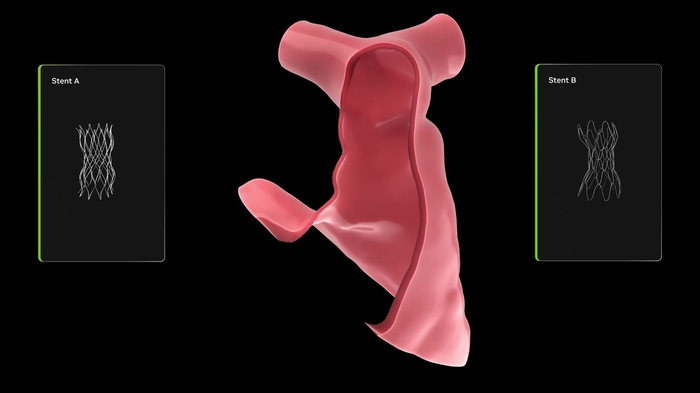
A prominent children's hospital has adopted open source NVIDIA AI technology to improve its cardiac care services. This integration allows for advanced data processing and analysis, enhancing the hospital's ability to provide accurate diagnoses and treatment plans for pediatric patients. The use of NVIDIA AI is significant as it enables healthcare professionals to leverage powerful computational resources while ensuring patient data remains secure on local devices. This approach not only streamlines workflows but also enhances the overall quality of care provided to young patients with cardiac conditions. Looking ahead, the hospital plans to further expand its use of AI technologies in various departments, aiming to improve patient outcomes across the board. No further timeline was disclosed at the time of publication.
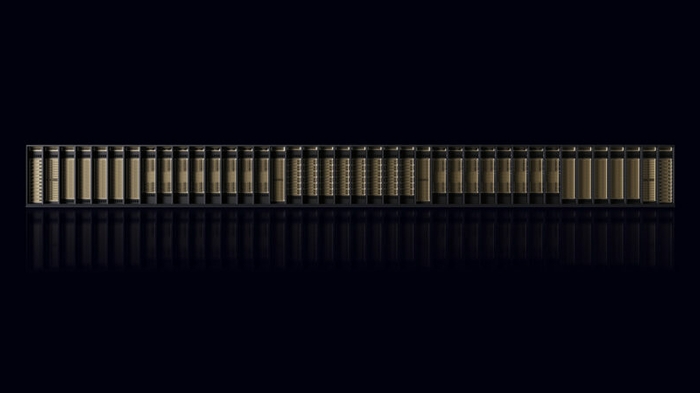
NVIDIA Highlights AI Factory Efficiency and Energy Optimization at AI Infra Summit
Ian Buck, NVIDIA's vice president of hyperscale and high-performance computing, presented on AI factory efficiency at the AI Infra Summit held at the Santa Clara Convention Center. The event attracted over 8,000 attendees, a significant increase from 3,500 last year. Buck emphasized the need for AI infrastructure to evolve as agentic AI workloads demand enhanced performance and efficiency. NVIDIA is addressing these challenges with a comprehensive AI factory platform that includes Vera Rubin systems, Dynamo inference software, and advanced networking technologies. The focus has shifted from peak performance to optimizing tokens per megawatt, with NVIDIA DSX MaxLPS achieving up to 1.4 times more tokens through factory-wide power optimization. This approach aims to enhance efficiency and maximize value from energy consumption. Emerald AI, a partner of NVIDIA, is set to implement NVIDIA DSX Flex for its grid-responsive power management software. This system will autonomously adjust energy consumption based on real-time grid signals, allowing AI factories to optimize their energy use while maintaining workload performance. No further timeline was disclosed at the time of publication.
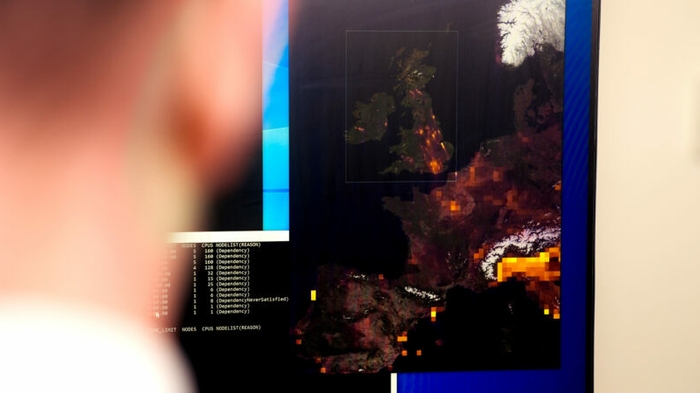
University of Manchester Leverages NVIDIA Earth-2 for UK Air Pollution Forecasting
The University of Manchester has developed a new air pollution forecasting model using NVIDIA Earth-2 technology, addressing a significant public health issue in the UK. With air pollution contributing to approximately 30,000 deaths annually, the integration of generative frameworks from NVIDIA aims to enhance the accuracy and frequency of air quality predictions. This innovative approach allows for modeling potential future scenarios based on government policy changes and could provide proactive insights for healthcare organizations to assist patients with respiratory conditions. The collaboration between the University of Manchester and NVIDIA has resulted in the creation of Earth-2 CorrDiff and Earth-2 StormCast models, which utilize advanced AI capabilities to process extensive pollution data. By training these models on the Isambard-AI supercomputer, the team has achieved a detailed UK-wide pollution model with a resolution of 2-3 square kilometers. This development is crucial for understanding environmental stressors and their impact on public health, enabling better decision-making in response to air quality changes. Looking ahead, the team is exploring the integration of real-time air quality data from edge AI devices to enhance decision-making processes, particularly in emergency situations like wildfires. The rapid training capabilities of the Earth-2 models signify a transformative shift in air quality science, making it more accessible and efficient for researchers and healthcare providers alike. No further timeline was disclosed at the time of publication.
Teradyne Establishes New Office in Bengaluru to Support India's Semiconductor Sector
Teradyne, Inc. has opened a new office in Bengaluru, Karnataka, to enhance its support for India's semiconductor manufacturing industry. This move signifies Teradyne's long-term commitment to the country's growing electronics sector, particularly as demand surges due to advancements in AI technology. The establishment of the Bengaluru office aligns with India's ambitions under the India Semiconductor Mission, which aims to boost domestic fabrication and manufacturing capabilities. Greg Smith, Teradyne's president and CEO, emphasized the importance of a local presence to meet the industry's rapid pace and support customers and government partners. Looking ahead, Teradyne plans to celebrate the office opening on September 15, 2026, and will participate in SEMICON India from September 17-19 in New Delhi. This strategic move is expected to strengthen the semiconductor value chain in India and contribute to the development of a robust manufacturing ecosystem.
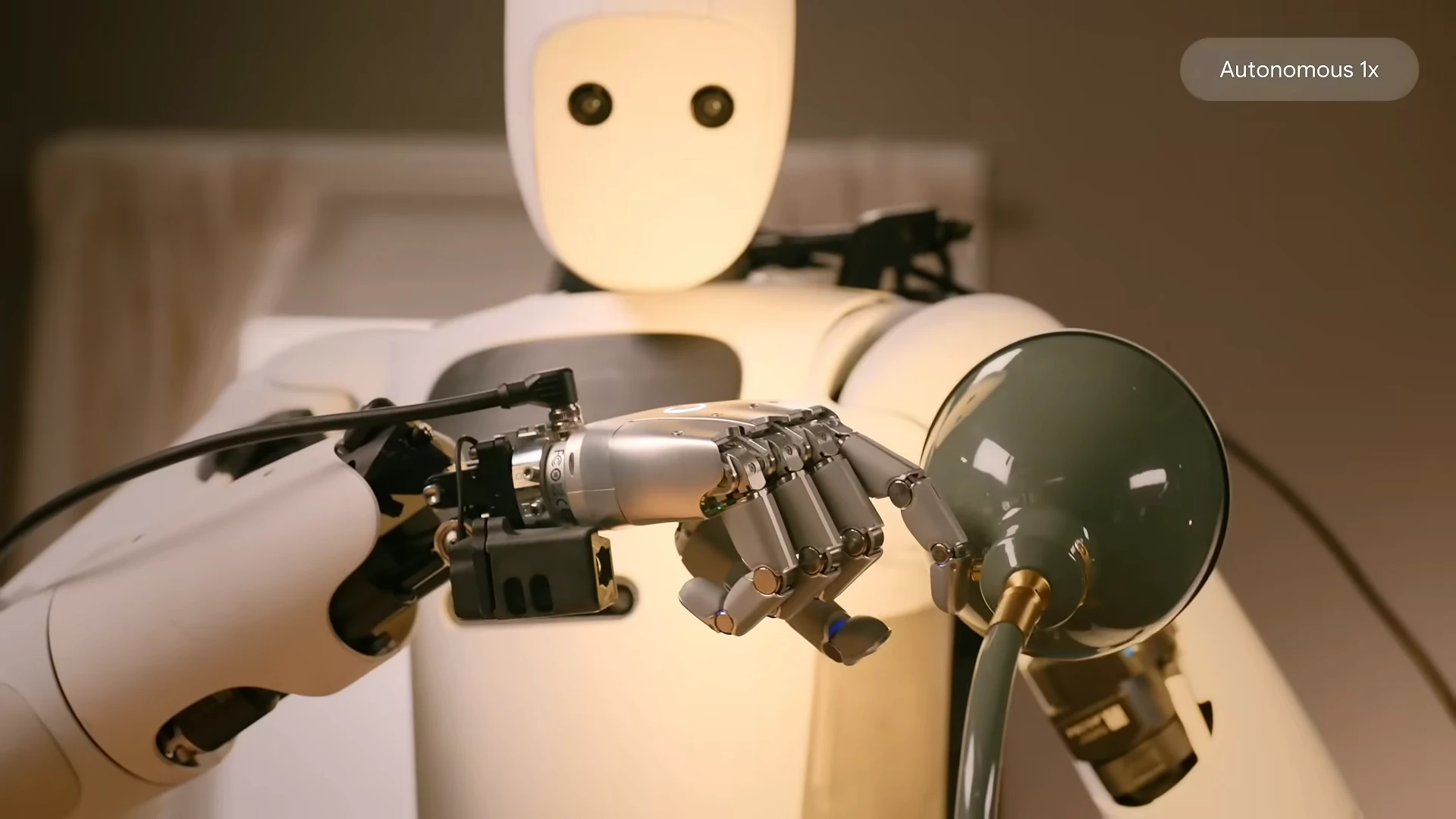
Sharpa Wave Robotic Hand Gains Traction with NVIDIA and DeepMind in 2026
In 2025, Sharpa introduced its robotic hand, the Sharpa Wave, designed for humanoid robotics. This innovative hand features 22 active degrees of freedom and camera-based tactile fingertips, making it a notable advancement in the field. Initial shipments began in October 2025, following successful demonstrations at events like ICRA 2025. The significance of the Sharpa Wave is underscored by its adoption in high-profile robotics programs. NVIDIA integrated the hand into its Isaac GR00T reference humanoid, while Google DeepMind utilized it in Apptronik’s Apollo 2 for complex tasks. This collaboration highlights the confidence in Sharpa's technology and its role in advancing robotic dexterity. Looking ahead, Sharpa's ongoing production and testing capabilities suggest a promising future for its robotic hands. As the company continues to refine its products, the impact of the Sharpa Wave on AI development and robotic applications will be closely monitored. No further timeline was disclosed at the time of publication.
Sharpa Robotics
NVIDIA Enhances CUDA-Q Platform with Logical Layer for Quantum Computing Advancements
NVIDIA has expanded its CUDA-Q™ open source platform by introducing CUDA-Q Logical, an orchestration layer designed for developing applications for fault-tolerant quantum computers. This enhancement is crucial for enabling quantum processors to manage errors in physical qubits, facilitating larger computations necessary for practical applications like drug discovery and financial modeling. The significance of this development lies in its ability to streamline the complex process of designing applications for fault-tolerant quantum computing. Researchers can now utilize CUDA-Q Logical to easily switch between various components, optimizing system configurations for performance with logical qubits. This flexibility is essential as the field transitions towards logical qubits, which are vital for achieving useful quantum computing. Looking ahead, CUDA-Q Logical is already being utilized by several organizations, including Fermi National Accelerator Laboratory and Sandia National Laboratories, to enhance their quantum computing capabilities. Notably, Fermilab has reported a significant reduction in the time required for developing fault-tolerant algorithms, demonstrating the platform's potential to accelerate advancements in quantum computing technology. No further timeline was disclosed at the time of publication.
Perplexity Launches Portable Computer for Windows, Enhanced by NVIDIA RTX Technology
Perplexity has introduced its Portable Computer within the Perplexity app for Windows, designed for NVIDIA GeForce RTX PCs and RTX PRO Workstations. This local version of the Perplexity Computer enables users to execute multistep tasks while keeping sensitive data on their devices, thus avoiding the consumption of Perplexity Computer credits for locally completed work. The significance of this launch lies in its ability to combine local and cloud AI functionalities, allowing users to manage sensitive files directly on their PCs. The Portable Computer utilizes NVIDIA GPUs to analyze data and streamline workflows, integrating seamlessly with applications like Microsoft Outlook, Google Drive, and Slack, enhancing productivity for users in various sectors. Looking ahead, Perplexity's Portable Computer is expected to expand its capabilities, with support for NVIDIA DGX Station anticipated soon. Users can expect continued improvements in AI performance and efficiency, particularly as the technology evolves to meet more complex reasoning tasks that may require cloud assistance.
Nvidia Faces Competition from Huawei, Cambricon, and Others in AI Chip Market
The demand for computing power in artificial intelligence is surging, with Nvidia currently dominating the market. However, companies like Huawei, Cambricon, Moore Threads, and Biren Technology are emerging as competitors, focusing on developing alternative processors to reduce China's reliance on foreign technology. Nvidia's leadership in the AI chip industry is bolstered by its advanced graphics processing units and the CUDA software platform, which complicates the transition to competing hardware. Despite American export restrictions, Chinese AI developers continue to utilize Nvidia's processors for their advanced model training due to the significant engineering challenges involved in switching to alternatives. Huawei is positioning itself as a formidable competitor with its Ascend processors and SuperNode systems, while Cambricon Technologies specializes in AI processors and accelerator cards. As demand for domestic hardware grows, particularly in light of export limitations, both companies are leading the charge in China's AI server market. No further timeline was disclosed at the time of publication.
AI and Robotics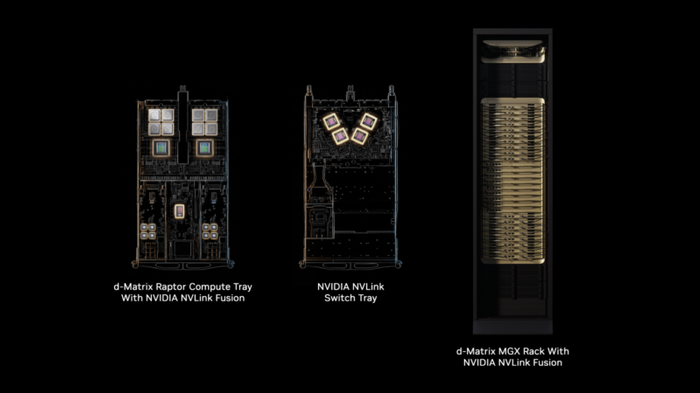
d-Matrix Integrates NVIDIA NVLink Fusion for Enhanced Raptor XPU Deployment
AI inference chipmaker d-Matrix has announced its integration of NVIDIA NVLink Fusion to connect its Raptor XPUs with NVIDIA’s AI infrastructure platform. This move positions d-Matrix alongside a growing list of ecosystem partners, enabling a more efficient path from custom silicon to large-scale deployment. The significance of this integration lies in the increasing demand for inference capabilities, as highlighted by d-Matrix CEO Sid Sheth. He emphasized that NVLink Fusion and the MGX architecture provide a faster and lower-risk deployment route for ultralow-latency inference, crucial for meeting market needs while managing finite resources. Looking ahead, d-Matrix's adoption of NVLink Fusion allows it to leverage NVIDIA's established AI factory platform, which includes essential components such as networking, power, and cooling. This strategic partnership will likely enhance d-Matrix's ability to scale its offerings effectively, although no further timeline was disclosed at the time of publication.
Palantir and NVIDIA Collaborate to Enhance Sovereign AI in Supply Chains
Palantir Technologies Inc. and NVIDIA have announced a partnership aimed at integrating sovereign AI into critical supply chains, beginning with NVIDIA's operations. This collaboration will utilize NVIDIA's Nemotron™ open models within Palantir's Foundry and Artificial Intelligence Platform (AIP), enhancing supply chain visibility and operational efficiency while ensuring data control. The significance of this initiative lies in its potential to transform supply chain management across various industries, including agriculture, manufacturing, and technology. By leveraging advanced AI capabilities, organizations can optimize their operations, identify constraints, and make informed decisions at unprecedented speeds, thereby improving the reliability of their supply chains. Looking ahead, the AI stack's applications will be showcased at Palantir’s AIPCon 11 conference, indicating a broader rollout of these technologies. As demand for AI infrastructure grows, the partnership aims to provide enterprises with the tools needed to build resilient and intelligent supply chains while maintaining control over proprietary data.

Skild AI Introduces S1 Robot Model Utilizing NVIDIA Physical AI for Task Learning
Skild AI has launched its S1 robot foundation model, designed to learn new tasks from a single video demonstration. This innovative approach utilizes in-context learning, allowing the robot to understand and execute tasks without the need for extensive reprogramming. The model was developed using NVIDIA AI infrastructure, highlighting a collaboration aimed at enhancing adaptable robot intelligence in dynamic environments. The significance of the S1 model lies in its ability to perform unfamiliar tasks, such as plant potting and pancake making, by interpreting video prompts. This method drastically reduces the time and resources typically required for retraining robots, achieving a success rate of 66% in executing new multistep tasks. Skild AI's approach marks a pivotal shift in robotics, moving away from fixed programming to a more flexible, experience-based learning model. Looking ahead, Skild AI is actively deploying the S1 model in various applications, including manufacturing and logistics, with over 60 partnerships established. The collaboration with NVIDIA and Foxconn aims to enhance precision in assembly tasks, showcasing the potential for robots to adapt in real-time to changing conditions on the factory floor. No further timeline was disclosed at the time of publication.

NVIDIA Technologies Powering the Global Robotaxi Market's Growth to $400 Billion by 2035
The global robotaxi market is anticipated to reach $400 billion by 2035, with over 6 million commercial vehicles expected to operate as driverless fleets. This growth signifies physical AI's first commercial breakthrough, as these fleets navigate some of the world's busiest streets. Scaling a robotaxi fleet presents significant computing challenges, requiring consistent, safe performance across thousands of vehicles. NVIDIA's open platform for AI training, simulation, and safety validation is crucial in meeting these demands, providing developers with the necessary tools to ensure reliable operation across their fleets. As robotaxi programs evolve, they will increasingly leverage NVIDIA's technologies, including the DGX systems for training driving models and the Omniverse and Cosmos platforms for simulating real-world scenarios. The focus will be on optimizing models for diverse driving conditions and enhancing the capabilities of autonomous vehicles. No further timeline was disclosed at the time of publication.
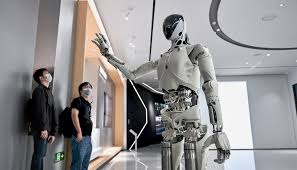
Indian Workers Utilize iPhones to Train Humanoid Robots for Future Work
In a recent episode of the Big Take Asia podcast, it was discussed how Indian workers are employing iPhones to train humanoid robots. This innovative approach highlights the intersection of technology and labor, showcasing how real-world data is being harnessed to enhance robotic capabilities. The significance of this development lies in its potential to reshape the future of work. As humanoid robots become more integrated into various sectors, the ability to train them effectively using accessible technology like iPhones could lead to increased efficiency and productivity in the workforce. Looking ahead, the emphasis on real-world data collection will be crucial for the advancement of humanoid robots. The ongoing efforts by Indian workers to utilize everyday devices for training purposes may set a precedent for similar initiatives globally. No further timeline was disclosed at the time of publication.

CCID Media and RX China Collaborate for Enhanced ROBOTECH 2026 with Real-World Robotics Applications
CCID Media and RX China have announced a strategic alliance to enhance the ROBOTECH 2026 expo, focusing on real-world robotics applications. This collaboration aims to combine authoritative industry insights with global exhibition expertise, facilitating the commercialization of embodied intelligence across various sectors. The partnership is significant as it aligns with the rapid growth of China's embodied intelligence and intelligent robotics industry. By merging CCID Media's insights into industrial policy with RX China's exhibition capabilities, the expo is set to become a benchmark event for the robotics and intelligent manufacturing sectors. Looking ahead, ROBOTECH 2026 is expected to showcase advanced robotics technologies and applications, reflecting the evolving landscape of the industry. No further timeline was disclosed at the time of publication.
Robotics needs a service framework.
RSF defines a common language for robot service capability, lifecycle operations, certification pathways, and service-provider networks.
Join the RobotToday community on LinkedIn
Daily robotics news, in-depth analysis, conference highlights, and discussions with professionals worldwide.







