

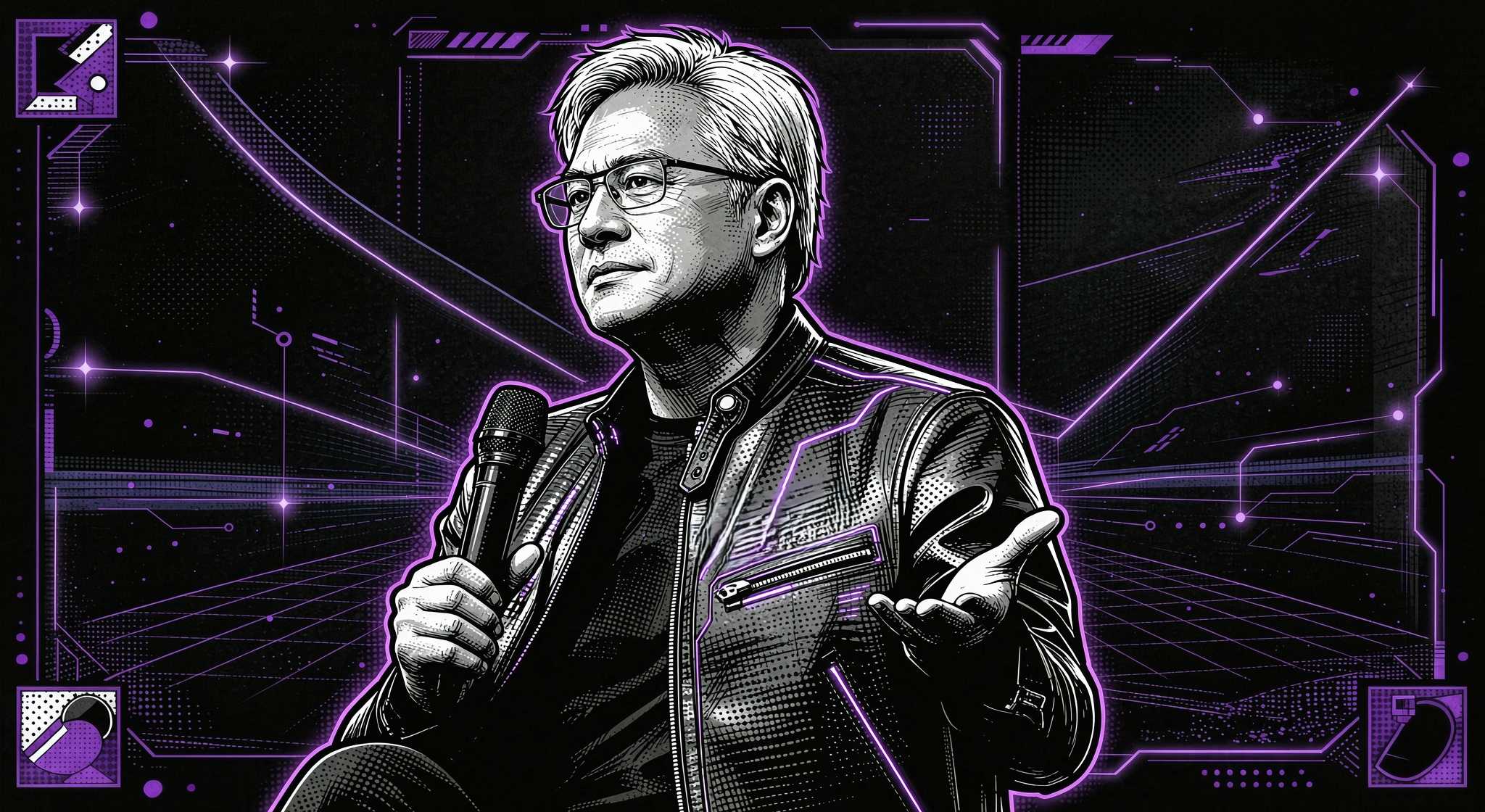
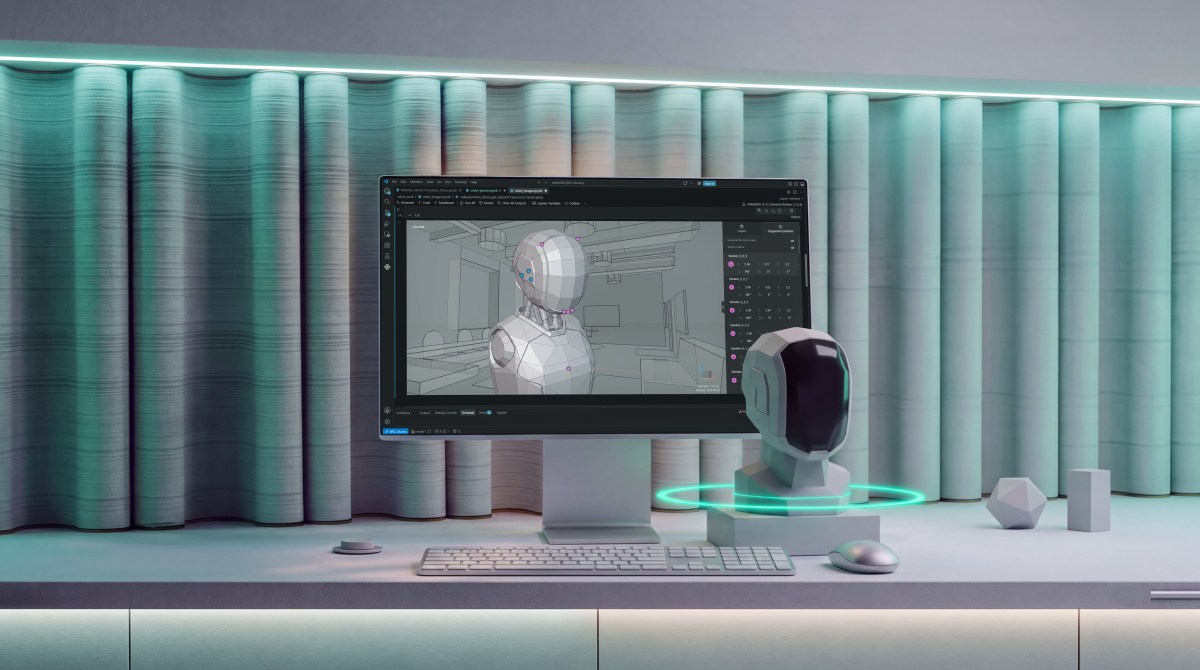
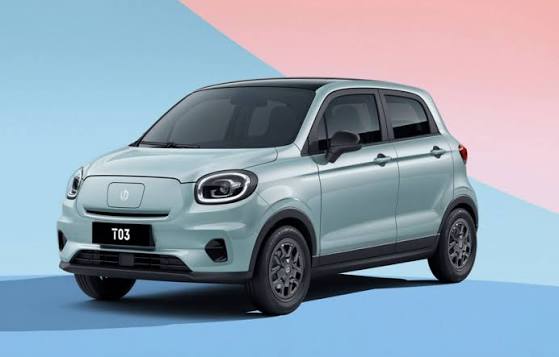
Jensen Huang stated that all moving entities will eventually possess autonomous capabilities, extending beyond vehicles to include robots and construction machinery. This assertion aligns with Tesla's concept of full self-driving (FSD) but emphasizes a broader application across various mobile platforms. Huang highlighted NVIDIA's comprehensive approach to physical AI, which encompasses simulation and deployment, utilizing tools like Isaac Sim for robot training and Jetson Thor for edge deployment.
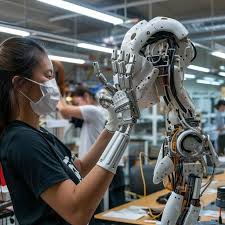
The significance of this development lies in the overlapping technological foundations between autonomous driving and embodied intelligence. As talent migrates from the autonomous driving sector to robotics, approximately 50% of the foundational technologies can be transferred. However, challenges remain due to the complexity of robotic operations compared to the structured environments of autonomous vehicles, which primarily navigate roads and interact with limited entities.
Looking ahead, Huang's vision underscores the need for robots to excel in operational tasks, not just mobility. While the capabilities from autonomous driving can be adapted, the intricate nature of robotic manipulation and interaction presents substantial hurdles. Until these challenges are addressed, the full realization of physical AI's potential remains incomplete.
Editor's Note
The intersection of autonomous driving and robotics is becoming increasingly relevant as companies like NVIDIA explore the potential for shared technologies. The migration of talent and technology between these fields suggests a convergence that could reshape both industries. However, the unique challenges faced by robotics, particularly in complex operational tasks, highlight the need for continued innovation and investment in this area.
























Leave a comment