Industry Briefing
A single destination for timely, editor-curated robotics news from around the world.

Bangladesh Partners with Turkey and China to Develop Domestic Drone Industry
Bangladesh is actively pursuing partnerships with Turkey and China to establish a domestic drone manufacturing industry. This initiative represents a significant shift from the country's previous reliance on importing military hardware to fostering local production capabilities. The collaboration with Turkey, particularly with Turkish Aerospace Industries, is pivotal as the nation seeks to enhance its defense capabilities through homegrown technology. This move is indicative of Bangladesh's broader strategy to strengthen its defense sector and reduce dependency on foreign arms. Looking ahead, the focus will be on how these partnerships evolve and the potential outcomes of Bangladesh's efforts to create a sustainable drone industry. No further timeline was disclosed at the time of publication.
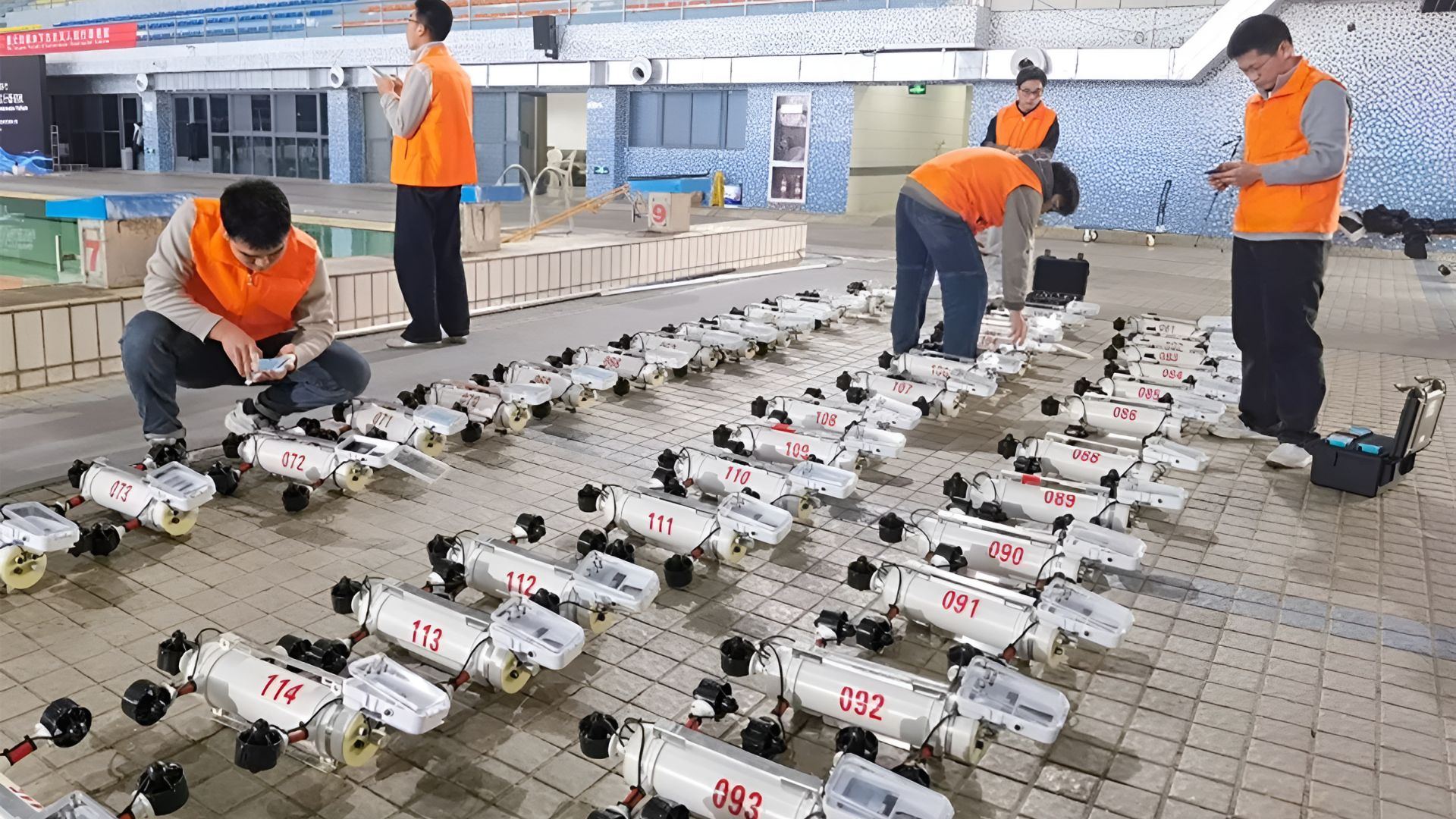
China Achieves World Record with 116 Autonomous Underwater Drones Operating Without Human Control
China has established a new world record by successfully deploying 116 autonomous underwater drones, known as TH-618s, in a swimming pool without any human intervention. This remarkable feat was certified by Guinness World Records following a demonstration on August 29, where the drones navigated a preset route across 1,640 feet of water for 34 minutes, showcasing their ability to operate as a coordinated swarm. This achievement is significant as it highlights advancements in autonomous underwater vehicle technology, particularly in maintaining coordinated movement and path correction in challenging underwater environments. The operation, conducted by Northwestern Polytechnical University and Xian Tianhe Maritime Technologies, underscores the complexities of underwater communication and the engineering challenges involved in coordinating multiple vehicles. Looking ahead, the progress demonstrated by this swarm of drones could pave the way for larger autonomous underwater systems. However, challenges remain in maintaining formation awareness and reliable communication in underwater conditions. No further timeline was disclosed at the time of publication.
Innovation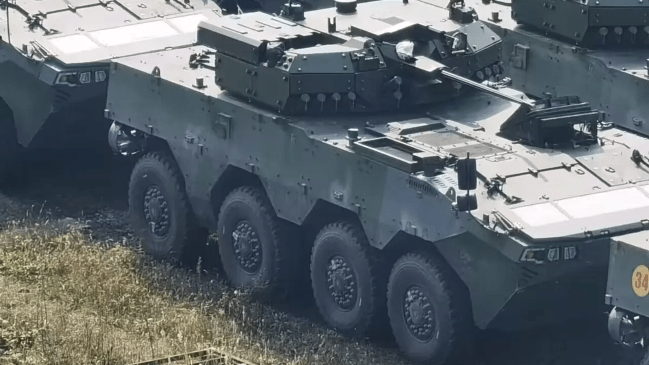
China Develops Type 19 Vehicle as Mobile Laser Defense Against Drone Threats
China is reportedly developing a new variant of its Type 19 amphibious 8×8 combat vehicle, equipped with a turret-mounted laser weapon and additional sensors. This modification aims to enhance protection for frontline troops against the increasing use of drones, particularly in potential conflicts involving Taiwan. The significance of this development lies in its potential application during military operations, especially as Taiwan expands its drone capabilities. The modified Type 19 could provide crucial counter-drone protection for PLA forces during amphibious landings, although the impact of the new equipment on the vehicle's performance remains uncertain. Looking ahead, the effectiveness of the Type 19 variant will depend on overcoming engineering challenges related to weight and operational capabilities. As Taiwan enhances its drone warfare strategies, the need for effective counter-drone systems becomes increasingly critical for the PLA, particularly in scenarios involving drone swarms targeting their forces.
Military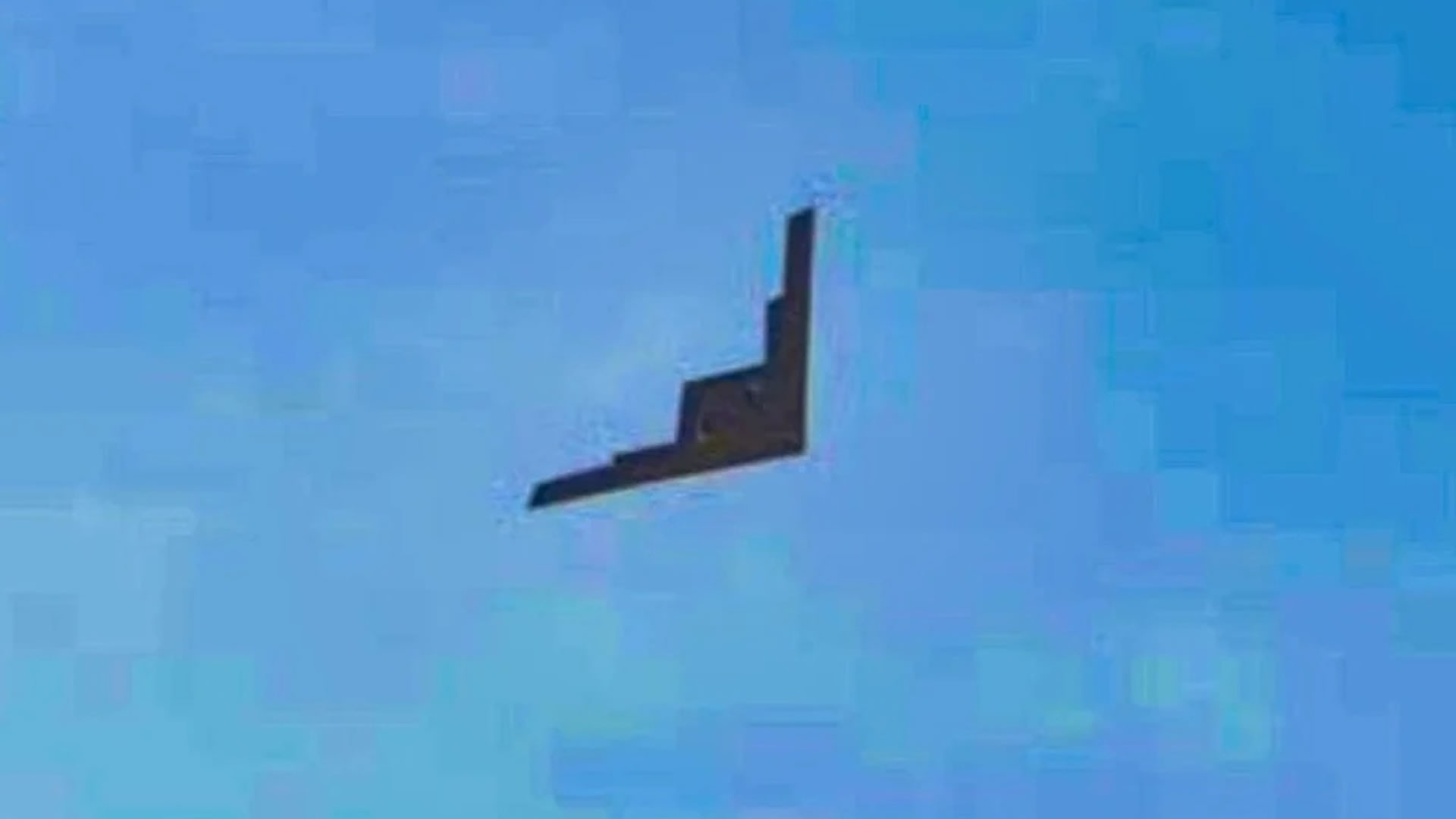
New Images of China's WZ-X Stealth Drone Reveal Key Features and Flight Capabilities
Recent images have surfaced showing China's WZ-X stealth drone, resembling the American B-2 Spirit. These photos, taken at an undisclosed location, highlight the drone's unique serrated trailing edge, suggesting advanced stealth capabilities. This design feature is intended to deflect radar signals, enhancing its operational effectiveness in contested airspace. The significance of the WZ-X lies in its potential role for reconnaissance missions, akin to the US RQ-170/RQ-180 drones. Analysts speculate that it could gather crucial intelligence while maintaining a low radar profile, thanks to its flying-wing design. The drone's daylight test flights indicate a shift towards a more advanced flight-test phase, suggesting increased confidence in its capabilities. Future developments to watch include the potential integration of advanced sensor systems such as synthetic-aperture radar and electronic-intelligence equipment. However, the exact specifications and operational capabilities of the WZ-X remain largely unverified, as the designation is unofficial and the images have not been independently authenticated.
Innovation Military
Meituan Launches China's First Dedicated Drone-Delivery Route with McDonald's in Shanghai
Meituan has established a low-altitude delivery network in Shanghai's West Bund, marking the launch of China's first dedicated drone-delivery route for a restaurant brand in collaboration with McDonald's. This innovative network connects multiple venues in the West Bund area and currently features nearly 20 restaurant chains, with plans to expand to over 40 by the end of the year. The significance of this development lies in its potential to revolutionize food delivery in urban areas, enhancing efficiency and speed. Meituan claims that the fastest deliveries can be completed in just 10 minutes, utilizing its advanced fourth-generation M-Drone 4L Winch, M-Port 3 drone ports, and M-DaaS 3 scheduling system, which collectively streamline the delivery process. Looking ahead, the expansion of this drone-delivery network could reshape the logistics landscape for the food service industry in China. As Meituan continues to grow its partnerships and enhance its technology, industry stakeholders should monitor the impact of this initiative on delivery times and customer satisfaction. No further timeline was disclosed at the time of publication.
News Feed
China Advances Toward Integrated Air, Land, and Sea Drone Swarm Systems
China is progressing from large formations of identical drones to a more complex network that coordinates uncrewed systems across air, land, and sea. The China Electronics Technology Group Corporation (CETC) highlights the evolution of drone swarms from mere numbers to distributed systems capable of communication and local decision-making. This shift is significant as it enhances operational capabilities in diverse environments, particularly in military applications. CETC identifies five key capabilities for effective swarm functionality: survivability, situational awareness, planning and decision-making, mission execution, and autonomous learning. While China has made strides in these areas, challenges remain, especially in integrating different types of uncrewed systems. Looking ahead, CETC envisions a heterogeneous swarm that allows various platforms to work together seamlessly. This integration could enable aerial drones, ground vehicles, and maritime systems to share information and resources, enhancing overall mission effectiveness. However, achieving this level of coordination presents substantial technical challenges.
Military
TSA Invites Drone Industry to Discuss Security Standards for Part 108 BVLOS Operations
The Transportation Security Administration (TSA) is engaging the drone industry to gather input on security requirements for beyond visual line of sight (BVLOS) operations. This initiative follows the FAA's proposed Part 108 framework, which aims to streamline BVLOS operations without the need for individual waivers. The TSA's notice, published on September 4, emphasizes the importance of establishing security protocols as routine BVLOS operations become more common. As the drone industry transitions to routine BVLOS operations, compliance with security requirements will be crucial. TSA is particularly interested in feedback from companies already conducting BVLOS operations under FAA waivers, as well as those planning to operate under the final rule. The deadline for participation requests in the upcoming technical roundtables is October 19, 2026, highlighting the urgency for industry input on these critical security measures. Looking ahead, the TSA aims to finalize security requirements in collaboration with the FAA, focusing on vetting personnel and the establishment of TSA-approved security programs. Participants in the roundtables will discuss existing measures for securing BVLOS operations, which will help shape the future of UAS security standards in the industry.
BVLOS Drone News Drone News Feeds Featured - FAA and Regulations News US Government
Ninth China Robot Summit Set for September to Explore Industry Trends
The Ninth China Robot Summit will take place from September 16 to 18, 2026, at the Academic Exchange Center in Hangzhou Future Science and Technology City. The summit, themed "Intelligent Connection New Ecology, Empowering All Scenarios - The Intelligent Change and Quality Change of the Robot + Era," is organized by the China Electromechanical Integration Technology Application Association and aims to gather global expertise to explore new paths for high-quality development in the robotics industry. This annual event is significant for the robotics sector, attracting leading figures and innovative researchers from various fields. Notable attendees include prominent academics and industry leaders, such as professors from the Chinese Academy of Sciences and Nankai University, who have made substantial contributions to robotics technology and research, including advancements in intelligent perception, control technologies, and autonomous robots. As the summit approaches, attention will be on the discussions and insights shared by these experts, which could shape future trends in robotics and automation. No further timeline was disclosed at the time of publication.
Robotics Industry Artificial Intelligence Automation Smart Manufacturing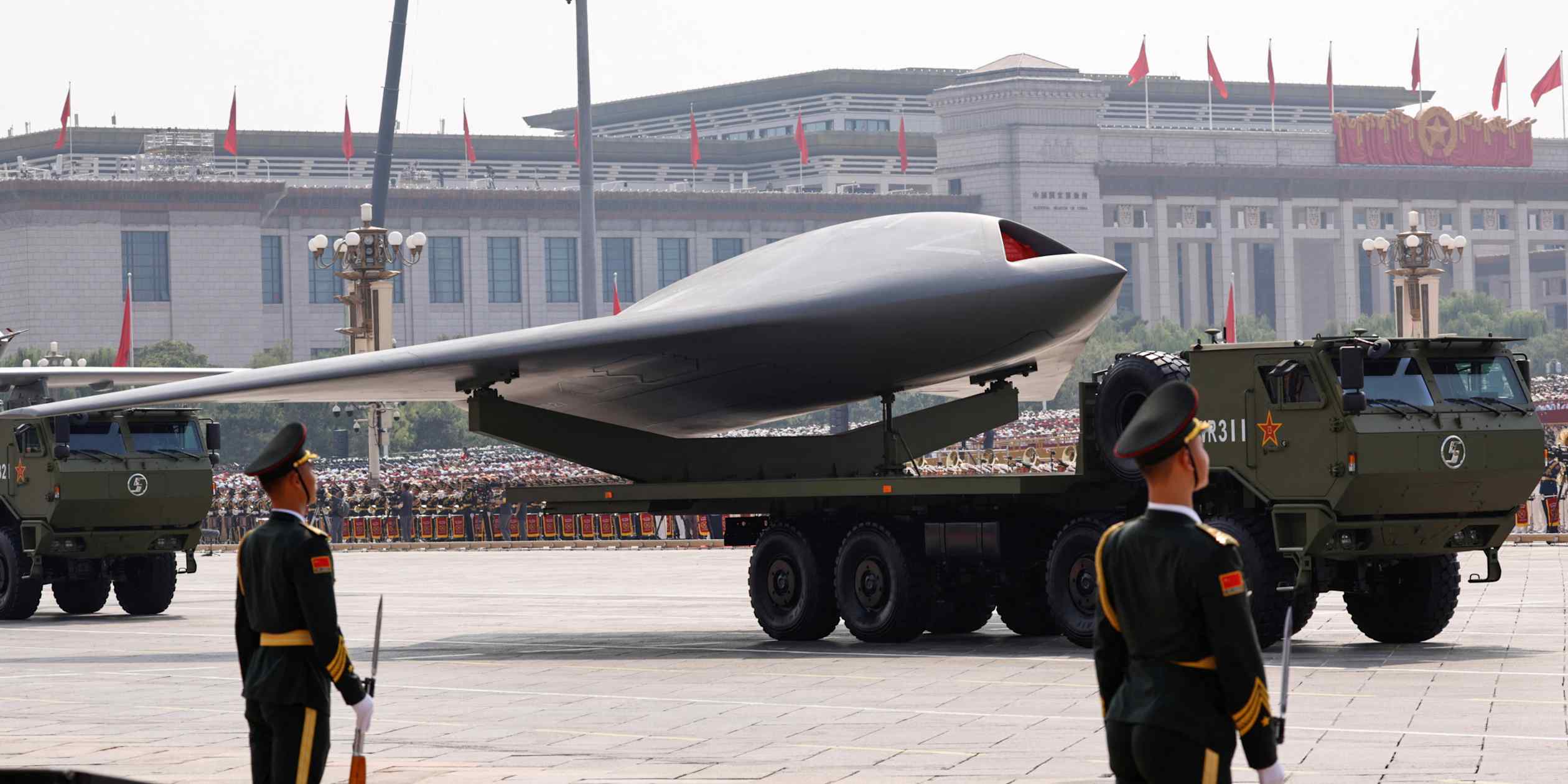
Taiwan's Aerospace Contractor Develops Countermeasures Against China's Drone Advancements
Taiwan's leading aerospace contractor is shifting focus from traditional aircraft manufacturing to developing counter-drone systems. This strategic move comes in response to the increasing capabilities of China's unmanned aircraft systems (UAS), as emphasized by an executive from the company, who highlighted the urgent need for a counter-UAS system. The significance of this development lies in Taiwan's heightened concerns regarding China's aggressive drone development. The shift towards counter-drone technology reflects Taiwan's proactive approach to enhancing its defense capabilities amid rising tensions in the region. The need for a dedicated, low-cost shield against potential threats underscores the urgency of this initiative. Looking ahead, it will be crucial to monitor Taiwan's advancements in counter-drone systems and how these developments may influence regional security dynamics. No further timeline was disclosed at the time of publication.

New Insights on China's WZ-X Stealth Drone's Unique Wing Design Revealed
Recent imagery from China has provided a clearer view of the WZ-X, a large, low-observable flying-wing drone. Initially identified in satellite images from May 2025 at the People’s Liberation Army Air Force’s test facility in Xinjiang, the new photographs reveal the aircraft's unusual wing configuration, characterized by a broader-chord inner section that transitions into a narrower outer section. This unique wing design, which features two outer wing sections and a diamond-like central fuselage, sets the WZ-X apart from other stealth drones like the B-2. The aircraft's structure may enhance its high-altitude performance and endurance, although it raises questions about its radar signature due to the complex geometry. As analysts continue to study the WZ-X, its potential as a twin-engine design similar to the U.S. RQ-180 is being considered. No further timeline was disclosed at the time of publication.
Air Air Forces Drones News & Features People's Liberation Army Air Force (China)
China's Updated Defense Law Enhances Military Use of AI and Drones
China's revised defense law is set to facilitate the integration of artificial intelligence and drones into military operations. This legislative change aims to enhance the capabilities of the Chinese military, allowing for more advanced technological applications in defense strategies. The significance of this development lies in its potential to reshape military engagements and defense strategies globally. By embracing AI and drone technology, China is positioning itself to improve its military efficiency and effectiveness, which could have far-reaching implications for international security dynamics. Looking ahead, it will be crucial to monitor how this law influences China's military modernization efforts and its impact on regional and global military balances. No further timeline was disclosed at the time of publication.
Military
U.S. Tightens Restrictions on Drones and Robots Amid China's Manufacturing Dominance
In July and August, the U.S. government implemented stricter regulations on foreign-made advanced robotic systems and imposed significant tariffs on imported drones and their components, citing national security concerns. These tariffs, effective from September, are part of a broader initiative to limit foreign technology in critical industries, following the FCC’s Covered List expansion to include drones and advanced robotic devices. The implications of these restrictions are significant for the global robotics industry, particularly as Chinese manufacturers have established strong positions in both drones and humanoid robots, often offering competitive pricing that U.S. and European companies find challenging to match. While the U.S. aims to protect its market, the measures may inadvertently lead to a more fragmented global market, with Chinese firms expanding their reach while U.S. manufacturers focus on markets with stringent security requirements. As the competition evolves, it is essential to monitor how these restrictions affect the dynamics between U.S. and Chinese robotics industries. China currently dominates humanoid robot manufacturing, with 22,000 units shipped in the first half of this year, primarily from Chinese companies. The disparity in scale and cost advantages suggests that while the U.S. excels in AI and semiconductor innovation, China leads in manufacturing capabilities and supply chain efficiency.
AI Robotics China drones Federal Communications Commission geopolitics
9th China Robot Summit in Hangzhou to Highlight Innovations and Industry Connections
The 9th China Robot Summit is set to take place from September 17 to 18 at the Future Technology City Academic Exchange Center in Hangzhou. This event will gather key players from the robotics industry, including manufacturers, core component suppliers, and research institutions, providing a platform for product showcases, technical exchanges, and industry connections. The summit emphasizes the importance of establishing a 'position in the industry' for robotics companies, which is determined by customer choices and recognition from upstream and downstream partners. Unlike previous exhibitions that focused on product launches and brand exposure, this summit aims to facilitate direct understanding of products through live demonstrations, allowing customers and partners to assess technological capabilities and real-world applications. As companies seek to expand their market reach and validate their solutions, the summit serves as a vital venue for connecting products, demands, and collaboration opportunities. Attendees will include industry professionals, academic researchers, application units, investors, and other stakeholders interested in the development of the robotics sector. No further timeline was disclosed at the time of publication.
Robotics Industry Innovation Exhibition Technology Showcase
China's 40,000-ton Type 076 Amphibious Assault Ship Completes Final Trials with GJ-21 Drone
China's new Type 076 amphibious assault ship, named Sichuan, has entered its final sea trials alongside sightings of the GJ-21 stealth drone. The ship, displacing approximately 40,000 tonnes, is designed to transport troops, landing craft, armored vehicles, and helicopters for amphibious operations. Notably, Sichuan features an electromagnetic aircraft-launch system, allowing it to potentially launch fixed-wing aircraft, distinguishing it as a 'drone carrier'. The significance of the Sichuan lies in its advanced capabilities, which may enhance China's amphibious assault strategies. Unlike traditional amphibious ships that typically operate helicopters, Sichuan's catapult system could enable the deployment of larger unmanned combat aircraft like the GJ-21. This shift in design reflects a strategic focus on integrating advanced drone technology into naval operations. Looking ahead, the integration of the Sichuan with China's existing naval assets, including the Liaoning aircraft carrier, suggests a potential evolution in naval task group operations. While the exact implications remain speculative, the combination of conventional fighters and drone capabilities could redefine China's maritime military strategy. No further timeline was disclosed at the time of publication.
Innovation Military
Invitation to Exhibit at the 9th China Robot Summit: Discover Industry Opportunities in September
The 9th China Robot Summit is set to gather 373 companies and showcase over 3,000 products, with 48 state-owned enterprises participating for the first time. The event highlights the importance of integrating robots into a complete industrial collaboration network, which includes stable core component supply and partnerships across the value chain. Participation in specialized robot exhibitions allows companies to enhance their visibility within the industry, connect with potential partners, and reach target customers. As the event approaches, interested exhibitors are encouraged to seize the final registration opportunities. The summit will also leverage over 100 media resources for pre-event promotion, on-site reporting, and post-event coverage to ensure significant exposure for new technologies and brands. The summit will feature discussions on the development of the robot industry in Hangzhou, including the release of an action plan for the city's robot industry. It aims to connect high-growth robotics companies with investors and address the growing importance of standards and regulations in emerging fields such as humanoid robots and embodied intelligence. No further timeline was disclosed at the time of publication.
Robotics Industry Exhibition Collaboration Technology Innovation
Commercial UAV Expo 2026 to Gather Global Drone Industry in Las Vegas Amid Regulatory Changes
The Commercial UAV Expo 2026 is set to take place from September 1-3 at Caesars Forum in Las Vegas, attracting over 3,700 professionals from all 50 states and various countries. This event comes at a pivotal time for the U.S. commercial drone industry, with new tariffs and an overhaul of the FCC Covered List impacting the market. The significance of this expo lies in its timing, as the U.S. drone industry faces substantial regulatory changes, including a pending Part 108 rule. The gathering of industry leaders and over 240 exhibitors will provide a platform for discussions on how these changes will affect the future of commercial drone operations. Looking ahead, attendees will be keen to observe how the industry adapts to the evolving regulatory landscape and what innovations will emerge as a result. No further timeline was disclosed at the time of publication.

China's Robotics Industry Achieves Key Milestone at Two Major Events
From August 19 to 23, two significant robotics events were held simultaneously in Beijing, marking a pivotal moment for China's robotics industry. The World Robot Conference showcased advancements, with robots like the Galaxy Universal G1 performing complex tasks such as making breakfast and playing table tennis, demonstrating enhanced dynamic perception and real-time decision-making capabilities. The Second World Humanoid Robot Competition featured 666 teams and 2,056 robots from 16 countries, expanding its events from 26 to 51, including practical scenarios like food service and emergency response. The competition highlighted the industry's shift towards real-world applications, with the goal of aligning robotics with everyday tasks. Looking ahead, China's robotics industry is projected to exceed 300 billion yuan in revenue by 2025, with a 24.5% year-on-year growth expected in the first half of 2026. Despite these advancements, challenges remain in adapting embodied intelligence technologies to real-world applications, indicating a critical area for future development.
Robotics Humanoid Robots AI Automation Industry Innovation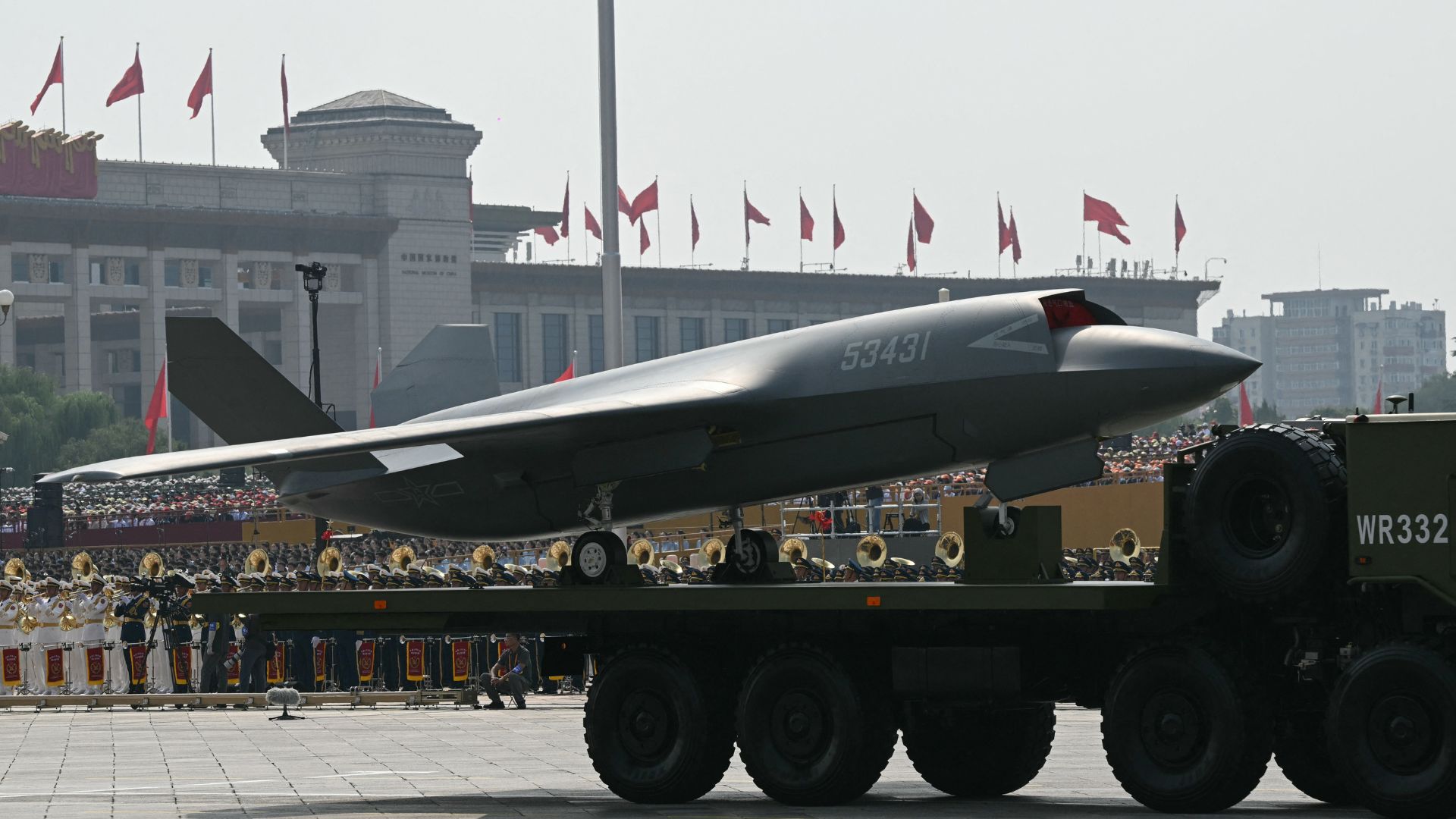
Study Reveals China Can Only Meet 60% of Military Drone Demand in Conflict
A recent study from the Beijing Institute of Technology indicates that China's drone industry may only fulfill about 60% of military drone orders during a high-intensity conflict. This estimate was derived from an AI model simulating a threefold increase in wartime demand, taking into account factors such as inventories and supplier capabilities. The significance of this finding lies in the understanding that modern warfare is increasingly reliant on industrial capacity and production mobilization for military equipment. The research led by Professor Zhang Jihai highlighted that even with measures like overtime and converting civilian factories, the supply chain struggles to meet demand, achieving only 63.4% order fulfillment under simulated high-intensity conditions. Looking ahead, the study compared various mobilization strategies, revealing that an AI-led approach outperformed traditional methods, achieving a fulfillment rate of approximately 58%. As military demand continues to evolve, the ability to adapt supply chains and increase funding will be crucial for meeting future military needs. No further timeline was disclosed at the time of publication.
Military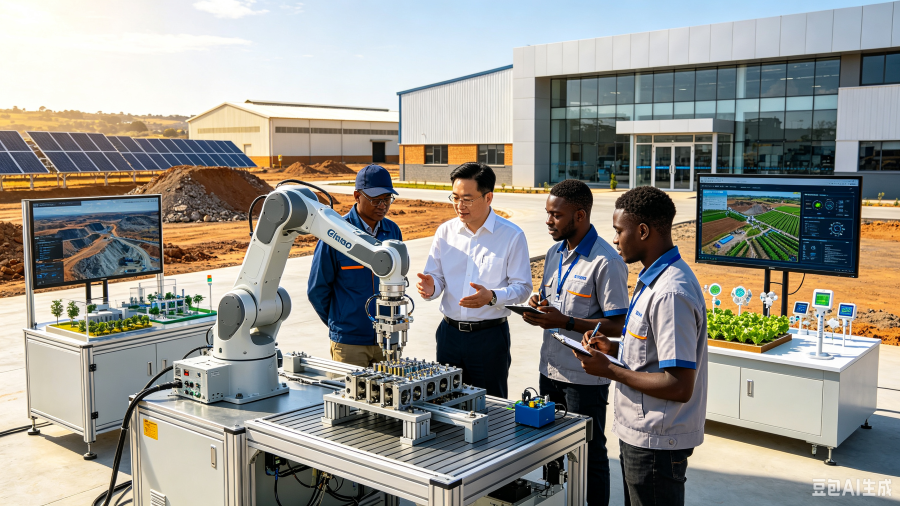
China's Robotics Industry Presents New Opportunities for Africa's Development
As China's humanoid robots begin to perform tasks in factories and warehouses, South African media highlights that this robotics revolution could benefit Africa. The rapid growth of China's robotics sector offers significant development opportunities for African nations in agriculture, healthcare, mining, and manufacturing. According to the International Federation of Robotics, China is expected to install approximately 295,000 new industrial robots in 2024, accounting for 54% of the global total. South African media describes China's robotics development model as a quick cycle of experimentation, cost reduction, and commercial deployment, driven by industrial demand, substantial R&D investment, and strong manufacturing capabilities. The article emphasizes that as African countries collaborate with China in robotics, moving beyond mere imports to assembly, maintenance, and training, they can cultivate new industrial capacities. This partnership could enable Africa to learn from China's long-term investments in manufacturing and innovation, creating a favorable window for collaboration as the continent seeks industrial breakthroughs.
Robotics Automation Agriculture Technology Healthcare Technology Manufacturing
Greatar-Tech and PVG AR Lead China's AR Optical Waveguide Industry in Mass Production
In 2026, several Chinese AR optical waveguide manufacturers are set to exceed a million-unit production capacity. Greatar-Tech is expected to reach one million SRG units, while Nika Optical is launching an automated VHG production line. This significant increase in production capacity highlights the growing demand for augmented reality technologies in various applications. Greatar-Tech's achievement and Nika Optical's advancements indicate a competitive landscape where innovation is key to success. Looking ahead, the focus will be on how these companies adapt to market needs and technological advancements. No further timeline was disclosed at the time of publication.

China Warns of Increased Vulnerability of Global Internet Data from Underwater Drones
Chinese military researchers have issued a warning regarding the heightened vulnerability of the global network of undersea internet cables to attacks from inexpensive underwater drones. In an article published in Science and Technology Daily, they emphasized that advancements in uncrewed underwater vehicles (UUVs) are facilitating undersea warfare and transforming the seabed into a strategic military zone. This warning is significant as nations are increasing their investments in underwater surveillance and infrastructure protection amid escalating geopolitical tensions. The researchers, Shi Guanglei and Shi Haiming from China’s National Defense University, noted that the affordability and effectiveness of autonomous underwater systems are enabling more countries to engage in undersea military operations, which were previously dominated by costly crewed submarines. Looking ahead, the researchers highlighted that undersea cables, which carry approximately 99 percent of global data and support around $10 trillion in daily cross-border financial transactions, are at risk. They pointed to recent incidents, including the Nord Stream pipeline sabotage, as evidence of vulnerabilities, although the International Cable Protection Committee maintains that accidental damage is the primary cause of cable failures. No further timeline was disclosed at the time of publication.
Military
China Implements Stricter Export Controls on Drones, Impacting U.S. Supply Chains
China has introduced new export control measures affecting specific drones and related technologies bound for the United States, as announced by the Ministry of Commerce on August 5, 2026. These measures require stricter case-by-case reviews for exports already listed on China's dual-use export control list, which could complicate supply chains for U.S. manufacturers reliant on Chinese components. The significance of these controls lies in their potential impact on U.S. drone manufacturers, many of whom still depend on Chinese suppliers for essential components like motors, batteries, and sensors. While the announcement does not ban all drone exports, it imposes tighter licensing requirements that could lead to longer lead times and increased compliance burdens, particularly for smaller manufacturers with limited sourcing options. Looking ahead, the new licensing requirements may slow product introductions and extend delivery schedules, affecting manufacturing more than field operations. The evolving regulatory landscape on both sides of the supply chain underscores the growing importance of navigating export controls and national security policies in the global drone market. No further timeline was disclosed at the time of publication.
Drone Manufacturing Drone News Drone News Feeds Drones in the News Dual Use Feature 1
China's Humanoid Robot Industry Set for Explosive Growth with Duopoly Dynamics
In 2026, China's humanoid robot industry is projected to experience explosive growth, with production expected to exceed 100,000 units, a fivefold increase from approximately 20,000 units in 2025. The competition is primarily between AgiBot and Unitree, which together are anticipated to capture nearly 80% of the market share. This surge in production capacity is driven by Unitree's plan to expand its annual output to 30,000 units in response to rising demand. However, the industry faces significant challenges, particularly in converting production into actual deployment. Currently, over 70% of Unitree's revenue comes from research and education sectors, with only 9% attributed to industrial applications, indicating that most robots are not yet utilized in real-world settings. As the industry evolves, the focus is shifting from merely producing robots to ensuring their practical application. The disparity between production numbers and actual market deployment highlights the need for a sustainable business model. The year 2026 is crucial for transitioning from technological exploration to large-scale development, as companies must find ways to effectively integrate their production capabilities into the market.
Humanoid Robots Robotics Industry Manufacturing AI Automation
China Responds to US FCC Bans with Sanctions and Drone Restrictions
On August 5, 2026, China announced retaliatory measures against the United States, including sanctions on a testing laboratory. This move signifies a new escalation in trade tensions between the two nations, occurring just ahead of a highly anticipated meeting between their top leaders next month. The significance of these actions lies in the ongoing trade disputes and technological competition between the US and China. The sanctions reflect China's strategy to counter US restrictions, particularly those imposed by the Federal Communications Commission (FCC) on Chinese technology firms. This development is crucial as it may influence future negotiations and the overall relationship between the two countries. Looking ahead, stakeholders should monitor the outcomes of the upcoming meeting between US President Donald Trump and Chinese President Xi Jinping. The discussions may address these escalating tensions and could lead to further developments in trade policies and international relations. No further timeline was disclosed at the time of publication.

China's TP200 Drone Achieves First Flight with 1,860-Mile Range and 24-Hour Endurance
The TP200 drone from China has successfully completed its first flight, showcasing impressive specifications including a range of 1,860 miles and the ability to operate for 24 hours continuously. This multi-mission drone is designed to meet various operational needs, enhancing capabilities in aerial surveillance and logistics. The significance of the TP200's capabilities lies in its potential applications across multiple sectors, including defense, disaster response, and commercial logistics. With its extended range and endurance, the TP200 can perform long-duration missions, which is crucial for tasks that require sustained aerial presence. Looking ahead, the development of the TP200 could lead to further advancements in drone technology and its integration into various industries. The focus will be on how this drone can be utilized in real-world scenarios and whether it will pave the way for more sophisticated unmanned aerial vehicles in the future. No further timeline was disclosed at the time of publication.
AI and Robotics Science
China Achieves 3D Mapping of Typhoon Noul Using Drone Swarm Technology
China has successfully created a three-dimensional map of Typhoon Noul from its inception to its conclusion using a swarm of drones. This innovative approach marks a significant advancement in meteorological technology, showcasing the capabilities of drone swarms in real-time environmental monitoring. The development is crucial as it enhances the accuracy of weather predictions and disaster response strategies, potentially saving lives and resources during severe weather events. By employing drone technology, China demonstrates its commitment to leveraging advanced tools for better understanding and managing natural disasters. Looking ahead, the implications of this technology could extend beyond meteorology, influencing various sectors that rely on real-time data collection and analysis. No further timeline was disclosed at the time of publication.
AI and Robotics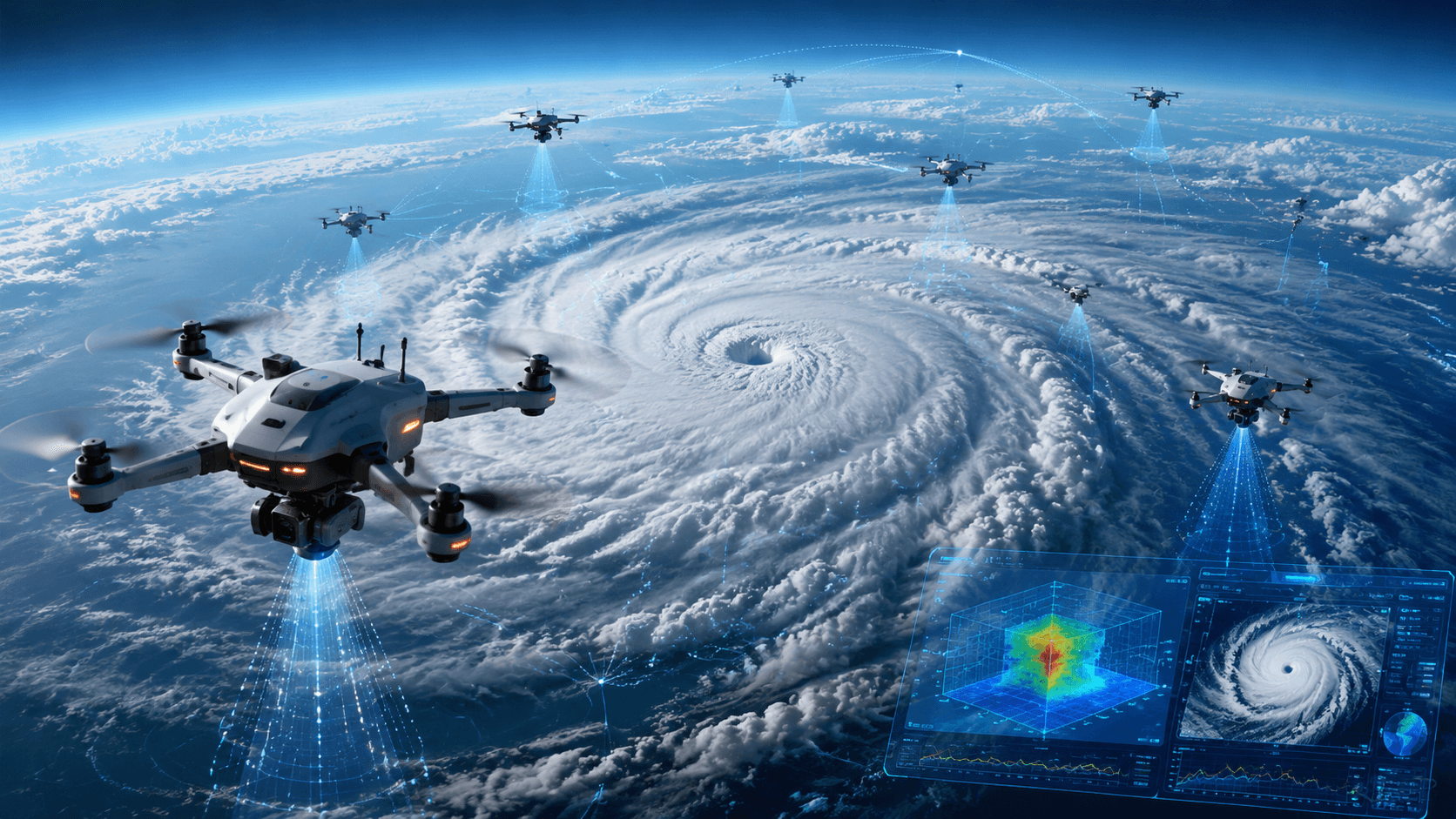
China Meteorological Administration Conducts First Full 3D Typhoon Observation Using Drone Swarm
The China Meteorological Administration has successfully utilized a bee colony drone swarm to conduct the first full-process three-dimensional observation of a typhoon. This coordinated array of unmanned aerial vehicles (UAVs) was deployed to gather critical data on temperature, humidity, wind, and turbulence during the typhoon's landfall. This achievement is significant as it enhances the understanding of typhoon dynamics and improves forecasting accuracy. By capturing data from multiple altitudes simultaneously, the drone swarm provides a comprehensive view of the typhoon's behavior, which is essential for disaster preparedness and response efforts. Looking ahead, the implications of this technology could lead to advancements in meteorological research and operational forecasting. No further timeline was disclosed at the time of publication.
Technology
Taiwan Secures Contracts for Sea Drones to Enhance Coast Guard Defense Against China
Taiwan has awarded contracts for dozens of sea drones to bolster its Coast Guard capabilities amid rising tensions with China. This decision reflects Taiwan's commitment to enhancing its maritime defense using U.S. technology as a countermeasure against China's expanding maritime operations in the region. The procurement of these sea drones is significant as it underscores Taiwan's proactive approach to strengthening its defense mechanisms in response to China's increasing maritime assertiveness. The move aims to enhance the Coast Guard's operational capabilities and ensure the security of Taiwan's waters. Looking ahead, further developments in Taiwan's defense strategy may emerge as the country continues to adapt to the evolving geopolitical landscape. No further timeline was disclosed at the time of publication.

UBTECH Advances China's First Industry Standard for Collaborative Intelligent Systems by 2026
Recently, China's Ministry of Industry and Information Technology approved the development of the first industry standard for collaborative intelligent systems, led by UBTECH Robotics. The standard, titled 'Control Interface Specifications for Embodied Collective Intelligent Systems in Industrial Applications,' aims to address interoperability issues among multi-robot systems in industrial settings, marking a significant step in standardization. This initiative is crucial as industrial production shifts from single-robot operations to collaborative multi-robot systems. The lack of unified protocols and control interfaces has hindered the scalability of collective intelligence technologies. The new standard will provide clear guidelines for task allocation, fault reporting, and security interactions, facilitating better integration of diverse robotic systems in smart factories and logistics. Looking ahead, UBTECH is also collaborating with the China Electronics Standardization Institute to develop a reference architecture for collective intelligent systems. This comprehensive framework will define key terminologies and functional modules, further solidifying the foundation for collective intelligence standards in China. No further timeline was disclosed at the time of publication.
Humanoid Robots Industrial Automation AI Standards Collective Intelligence Robotics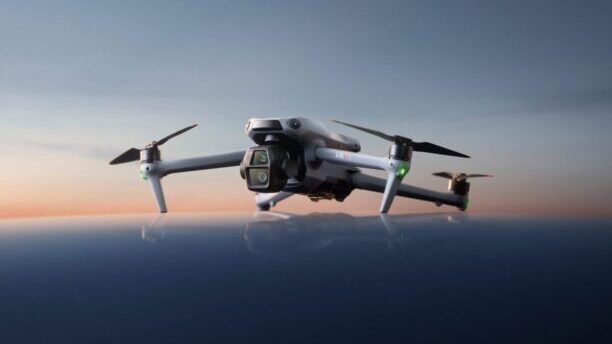
DJI Faces Global Competition as U.S. Policy Reshapes Drone Patent Landscape
DJI has long been the leading manufacturer in the commercial drone market, but U.S. policy changes are shifting the landscape. In December 2025, the Federal Communications Commission added foreign-produced drones to its Covered List, impacting new model authorizations while allowing previously approved drones to remain unaffected. This policy aims to diversify the domestic supply chain amidst growing concerns over foreign technology. A recent patent analysis by LexisNexis reveals that while China leads in the number of drone patents, the strength of these patents is becoming more evenly distributed globally. The analysis indicates a shift from a single dominant platform to a more diverse ecosystem of specialized drone solutions. By 2024, China held 44% of worldwide drone-related patent families, while the U.S. accounted for 17%, highlighting the evolving competitive dynamics in the industry. Looking ahead, the competition in drone innovation is intensifying, with LexisNexis noting that the U.S. and China are nearly tied in Patent Asset Value for drone-related patents. The next generation of drone startups is poised to drive innovation, and the countries that excel in this race will shape the future of aerial technology. No further timeline was disclosed at the time of publication.
DJI Drone News Drone News Feeds Feature 1 News anduril
China Rare Earth Group Partners with Benmo Technology to Boost Direct Drive Power Modules in Robotics
China Rare Earth Group Innovation Technology Co., Ltd. has entered into a strategic cooperation with Benmo Technology. This partnership aims to enhance the industrialization of direct drive power modules specifically tailored for the robotics sector. The collaboration is significant as it seeks to leverage the strengths of both companies to advance technology in the robotics industry. Direct drive power modules are crucial for improving the efficiency and performance of robotic systems, making this partnership a vital step in meeting growing market demands. Looking ahead, stakeholders should monitor the developments from this partnership, as it could lead to innovations that enhance the capabilities of robotics applications. No further timeline was disclosed at the time of publication.
Robotics Automation AI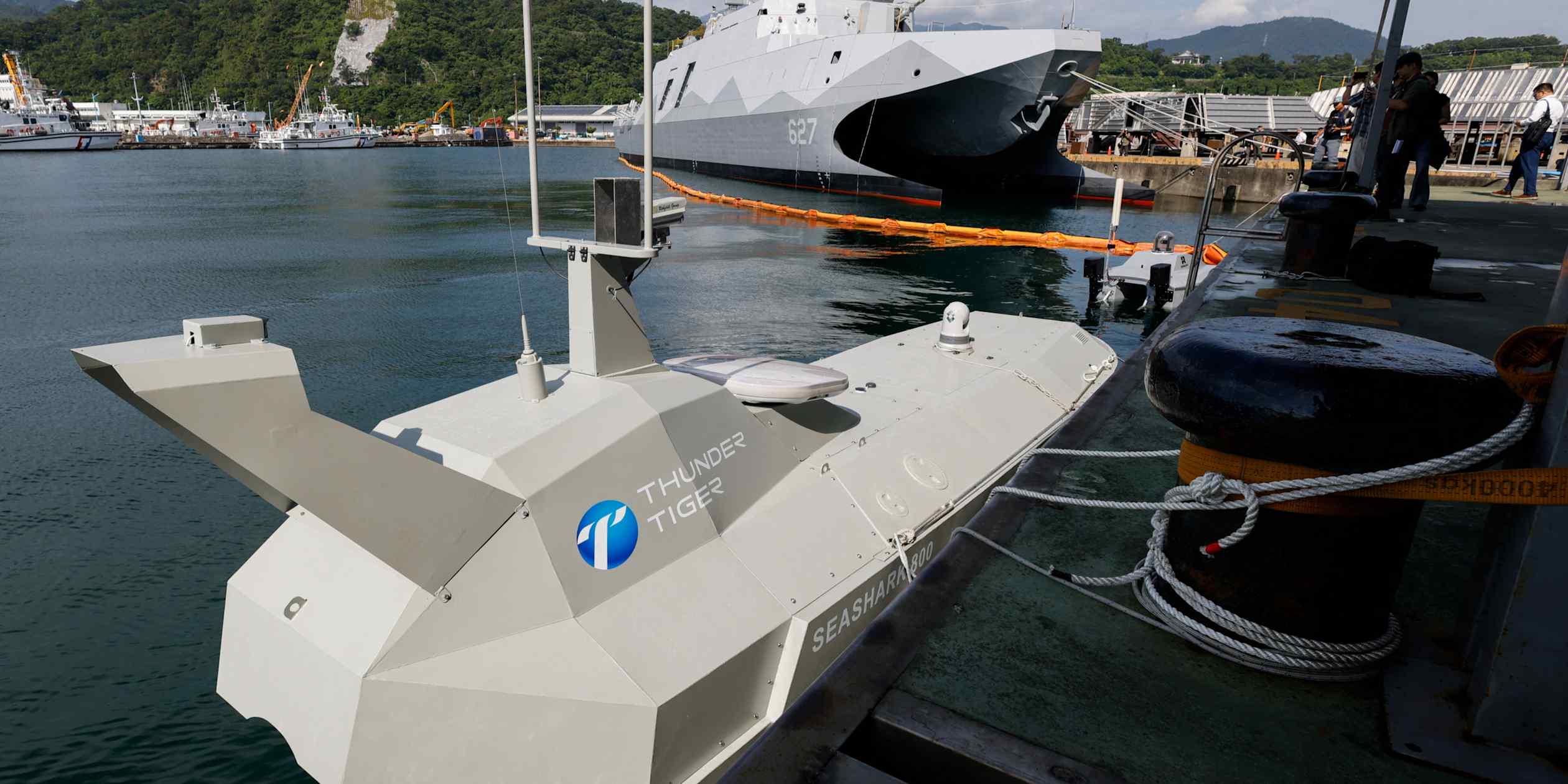
Taiwan Leverages US Technology for Sea Drones Amid Rising Chinese Maritime Threats
Taiwan is integrating U.S. technology with its shipbuilding capabilities to develop sea drones, responding to increasing maritime security challenges posed by China. This initiative is part of Taiwan's broader strategy to enhance its naval and coast guard procurement plans, aiming to bolster its defense against China's expanding maritime fleet. The collaboration with U.S. firms signifies a crucial step for Taiwan as it seeks to strengthen its defense capabilities in the face of heightened Chinese pressure. The development of sea drones, such as the SeaShark 800, is expected to play a vital role in Taiwan's maritime security strategy, reflecting the urgency of addressing potential threats in the region. Looking ahead, Taiwan's focus on sea drones may lead to further advancements in its defense technology and procurement strategies. No further timeline was disclosed at the time of publication.
US Military and Industry Test Drone Countermeasures at Southern Border
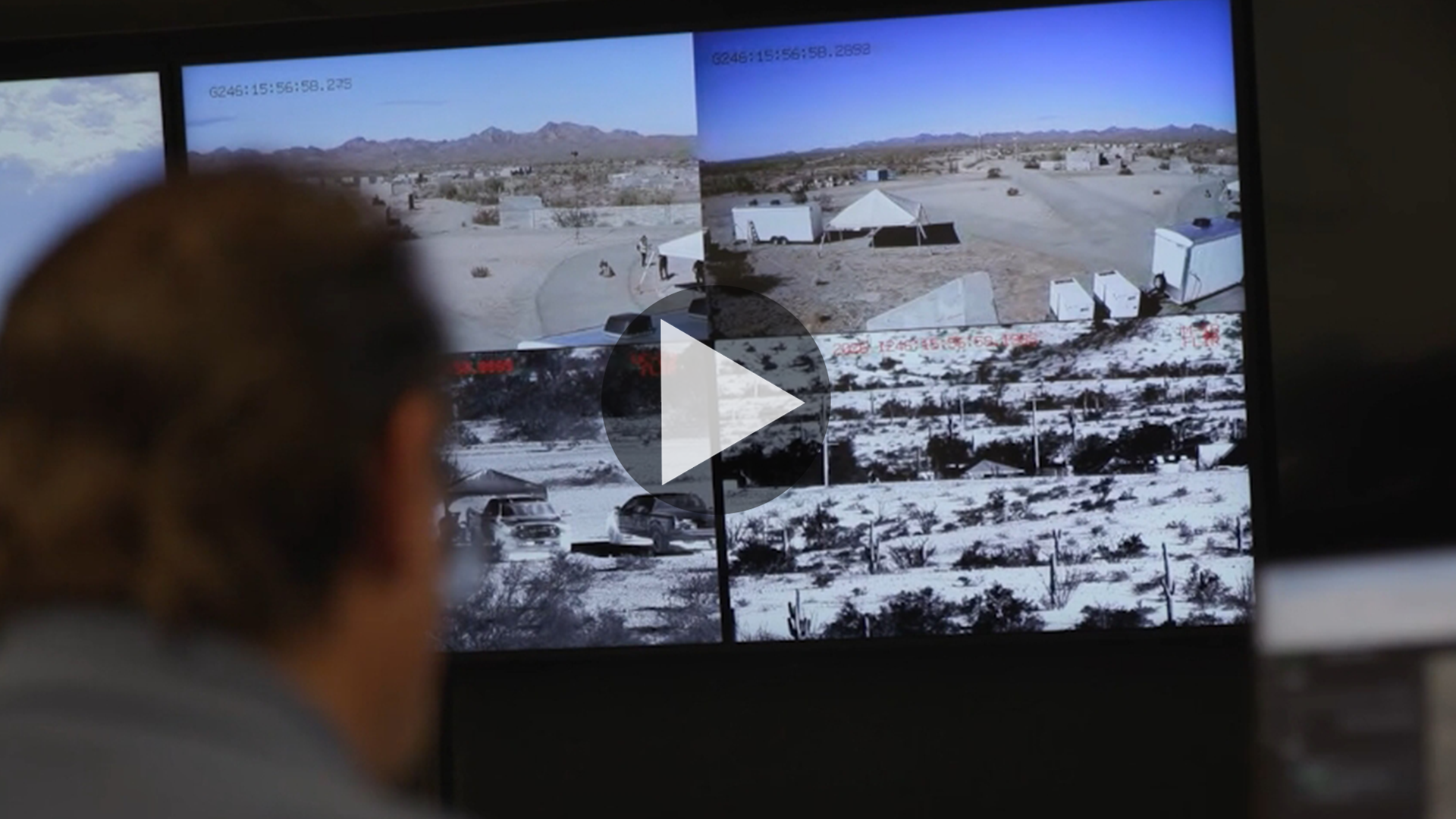
In a recent episode of The Break Out, Army reporter Carley Welch highlighted the US military's collaboration with industry partners at Falcon Peak in Yuma, Arizona. They conducted extensive tests on equipment aimed at detecting and countering drone incursions along the southern border. This initiative is significant as it addresses the growing concern over drone threats in border security, showcasing the military's proactive approach to enhancing national defense capabilities. The collaboration with industry partners indicates a strategic move to leverage advanced technology in counter-drone operations. Looking ahead, it will be important to monitor the outcomes of these tests and any subsequent implementations of the technology. Additionally, developments at the China Aerospace Studies Institute, where civilian roles are being cut while military personnel remain, may also impact future military strategies and operations.
Air Warfare Air Force Asia Break Out Video C-UAS CASI
China's Brain-Computer Interface Sector Gains Momentum with Government and Corporate Support
In the first half of 2026, China's brain-computer interface (BCI) industry is transitioning from top-level design to implementation and acceleration. In March, BCI was included in the government work report alongside future industries like quantum technology and 6G, marking it as a key area for development. The 14th Five-Year Plan also identifies BCI as a priority sector, prompting national departments to advance supportive policies and clarify standards and regulations. This push began in July 2025 with the issuance of a national-level document aimed at fostering innovation in the BCI sector, setting ambitious goals for 2027 and 2030. However, as of the end of 2025, the industry faces structural challenges, including a lack of standards and payment mechanisms. The first half of 2026 marks a turning point, with BCI being formally recognized in government planning and the establishment of a regulatory framework. In June 2026, the National Medical Products Administration released guidelines for classifying BCI medical devices, which will facilitate product registration and insurance coverage. State-owned enterprises are evolving from laboratory collaborations to becoming integrators of the industry chain. By June 2026, there were 64 financing cases in the BCI field, totaling 7.253 billion yuan, significantly surpassing the previous year's performance.
Brain-Computer Interfaces Healthcare Technology Government Policy State-Owned Enterprises
China's PLA Develops New Strategies for Tank Protection Against Drone Threats
The ongoing conflict in Ukraine has revealed vulnerabilities in modern armored vehicles, particularly to first-person view (FPV) drones. In response, China's People's Liberation Army (PLA) is enhancing tank protection to counteract these aerial threats. Recent tests showcased the GL-6 active protection system (APS), which can neutralize high-angle attacks from drones and other munitions. This development is crucial as it reflects a shift in military strategy, emphasizing a layered defense approach. The PLA is integrating reconnaissance drones, electronic warfare, and counter-drone technologies to create a networked combat system. Studies indicate that effective defense against UAV swarms requires a combination of warning systems, electronic countermeasures, and kinetic defenses, highlighting the need for a comprehensive solution to enhance armored survivability. Looking ahead, the PLA faces the challenge of rapidly implementing these protective measures. Recent training has focused on tactics to minimize exposure to drone attacks, such as using camouflage and terrain for concealment. As military adaptations evolve, the effectiveness of these strategies will be critical in determining the resilience of PLA armored units against increasingly sophisticated aerial threats.
Air Warfare Land Warfare Opinion Air Force armor Army
Ukraine and U.S. Move Towards Drone Defense Agreement to Enhance Production and Testing
Ukraine is poised to finalize a drone defense agreement with the United States, which aims to enhance the testing and production of Ukrainian defense technology in the U.S. Although the deal has not been officially signed, discussions have been ongoing since July, indicating a strong commitment to collaboration between the two nations. This proposed agreement is significant as it underscores Ukraine's expanding role in the international defense industry, evidenced by its existing partnerships with countries like Denmark, Norway, and Qatar. These collaborations highlight Ukraine's capabilities in drone production and defense technology, which are increasingly recognized on a global scale. Looking ahead, the key milestone will be the signing of the agreement and the subsequent public disclosure of the terms regarding testing, production, and support of the drone systems. The successful execution of this deal could further solidify Ukraine's influence in defense technology and enhance its strategic partnerships with the U.S. and other nations.
Applications Defense defense Drone News Drone News Feeds News
Swarm Aero Launches Gamera, a Long-Range Strike Drone for Defense Missions
Swarm Aero has introduced Gamera, a Group 5 uncrewed aircraft system (UAS) tailored for long-range strike and sensing operations. This advanced drone aims to enhance military capabilities in response to evolving defense needs. The introduction of Gamera is significant as it represents a strategic move to bolster defense mechanisms, particularly in light of increasing tensions in the region. The capabilities of this UAS could play a crucial role in deterrence strategies against potential threats. Looking ahead, the focus will be on the operational deployment of Gamera and its integration into existing defense frameworks. No further timeline was disclosed at the time of publication.
News
FCC's Proposed Drone Regulations Threaten U.S. Drone Light Show Industry
The Federal Communications Commission (FCC) is considering regulations that could impact the U.S. drone light show industry, particularly affecting Skyworx Drone Shows. The proposed definition of 'military-grade' unmanned aircraft may inadvertently include specialized drones used for aerial entertainment, despite their distinct differences from military drones. Skyworx, a major operator producing hundreds of shows annually, has urged the FCC to exclude its purpose-built drones from these restrictions. The company emphasizes that its drones, which weigh no more than 3 pounds, are designed solely for choreographed light displays and lack military capabilities such as autonomy or weaponry. As the FCC's proposal aims to limit the importation and marketing of certain foreign-made drones, the drone light show industry is concerned about the implications for their operations. Skyworx highlights the importance of regulatory clarity to ensure the continued viability of drone light shows in the U.S. No further timeline was disclosed at the time of publication.
News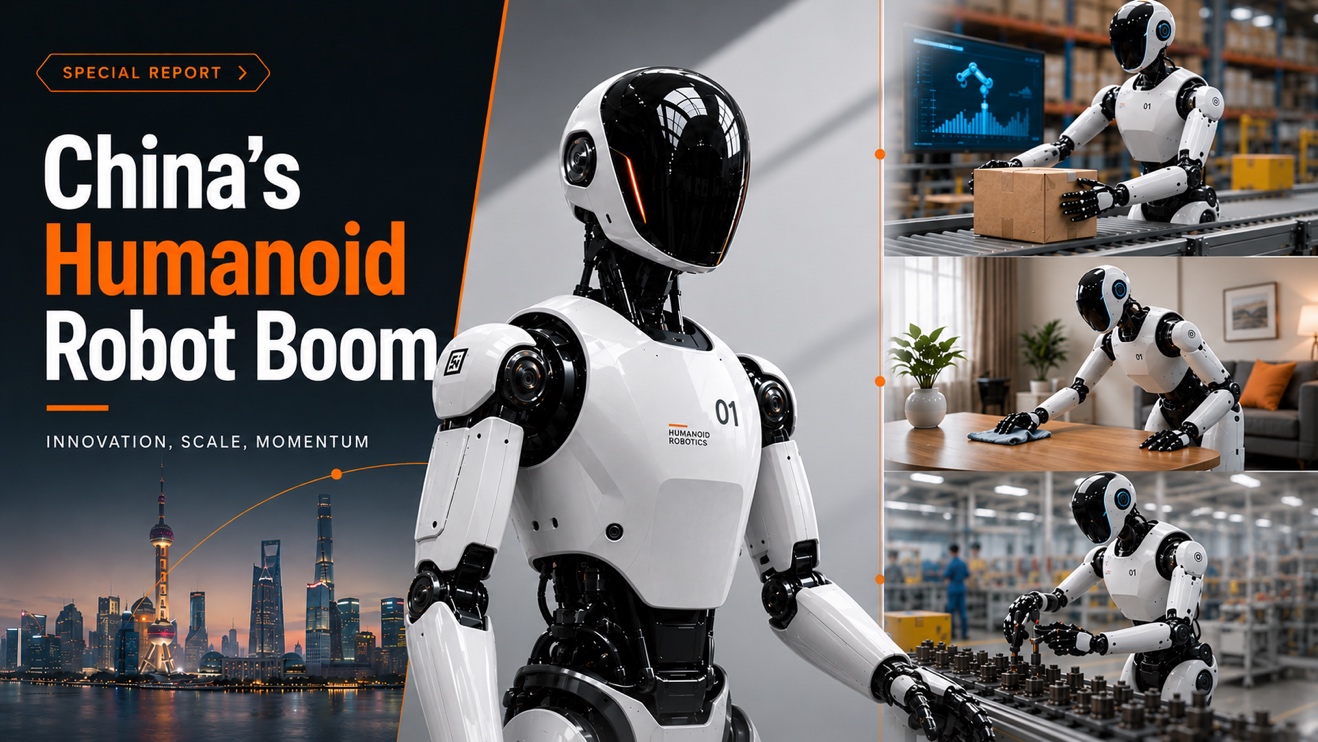
China's Humanoid Robot Industry Faces Challenges on Path to Commercial Success
China's humanoid robot industry is transitioning from impressive demonstrations to practical applications in everyday environments. Companies are exploring roles for these robots in workplaces and services, with a significant lead over U.S. counterparts in terms of speed and scale. In the first half of 2026, five Chinese companies accounted for 86% of global humanoid shipments, highlighting their rapid growth. The industry's success hinges on three key factors: cost, capital, and a vast testing ground for commercialization. With a robust manufacturing base and significant funding, Chinese companies are well-positioned to innovate and lower prices. However, challenges remain, including the need for reliable AI systems and integrated software, as well as the ability to convert physical capabilities into sustainable demand. Looking ahead, the commercialization of humanoid robots is still in its early stages, with limited large-scale orders. Experts emphasize the importance of repeat orders and customer payback periods as indicators of success. As the industry evolves, addressing safety, security, and supply-chain vulnerabilities will be crucial for gaining acceptance in global markets.
Heavy Hitters Highlight News
Chinese Military Scientists Support Trump's Battleship Plan with Large-Caliber Gun Defense Against Drones
Chinese military scientists have endorsed a segment of Donald Trump’s proposed battleship fleet, suggesting that large-caliber naval guns could effectively counter drone swarms. Their research indicates that explosive shells could scatter fragments over a wide area, potentially damaging multiple drones in a single shot. This approach aligns with ongoing discussions within the US Navy regarding the need to adapt naval defense strategies in response to the increasing threat posed by inexpensive drones. The significance of this research lies in its implications for naval warfare, particularly as modern warships typically rely on advanced missile systems and lasers. The study highlights the potential for large-caliber guns to serve as area weapons, offering a cost-effective solution to engage swarms of drones without the need for direct hits. The findings suggest that a single shell could damage approximately 1.19 drones in a swarm of 30, emphasizing the need for a reevaluation of ammunition expenditure in the face of mass drone attacks. Looking ahead, the researchers advocate for a comprehensive defense strategy that integrates large-caliber guns with electronic warfare and laser systems. This multi-layered approach could enhance the defensive capabilities of warships, addressing the challenge posed by the cost disparity between inexpensive drones and costly interceptors. No further timeline was disclosed at the time of publication.
Military
China's Humanoid Robot Conference Showcases Innovations and Industry Potential
The 2026 World Robot Conference (WRC), held in Beijing from August 19 to 23, highlighted advancements in humanoid robotics. With 373 companies showcasing over 3,000 products, including 311 debuts, the event focused on how robots can integrate into daily life and work environments. The conference theme, 'Human-Robot Symbiosis, Production-Demand Convergence,' emphasized the practical applications of robotics. Notable demonstrations included Galaxea AI's G1 robot preparing breakfast and CASBOT's robot rock band performing popular songs, illustrating the diverse capabilities of humanoid robots. As the industry evolves, the increasing human-like design of robots from companies like UBTECH and AheadForm raises questions about their future roles. Observers should watch for further developments in biomimetic robots and their integration into various sectors. No further timeline was disclosed at the time of publication.
Heavy Hitters
Lucid Bots Introduces Power Tether for Continuous Flight in Cleaning Drones
Lucid Bots has unveiled the Power Tether, a groundbreaking ground-powered continuous flight system for commercial cleaning and spraying drones. This innovation allows the Sherpa drone to receive external power, minimizing the need for battery changes during extended operations. The introduction of the Power Tether is significant as it enhances operational efficiency in the cleaning drone industry, allowing for uninterrupted service during longer tasks. This development comes at a time when Lucid Bots' fleet has achieved over 8,760 cumulative flight hours, demonstrating the practical application and reliability of their technology. Looking ahead, the impact of the Power Tether on operational workflows in commercial cleaning and spraying applications will be closely monitored. No further timeline was disclosed at the time of publication.

Tulsa Aims to Establish Itself as the Global Hub for Drone Industry
Tulsa, Oklahoma, is actively working to become known as 'The Drone Capital of the World.' This initiative gained momentum when Irish drone delivery company MANNA chose Tulsa as its U.S. expansion base, planning to create over 1,000 jobs in the next three years. The significance of this development lies in Tulsa's strategic focus on building a comprehensive drone industry ecosystem, leveraging its existing aerospace sector. The Tulsa Innovation Labs (TIL) has been pivotal in identifying opportunities within the unmanned aerial vehicle and advanced air mobility sectors since its inception in January 2020. Looking ahead, the public/private partnership driving the Drone Capital initiative aims to attract a diverse range of companies across the drone value chain. No further timeline was disclosed at the time of publication.
Business and Finance DL Exclusive Drone News Drone News Feeds News AAM Tulsa
Amelia Dronehart Unveils New Website and Offers Free Membership for Women in Drone Sector
Amelia Dronehart has launched a new website and opened membership to women in the drone industry, offering free access for a limited time. This initiative aims to support and empower women globally within the sector. The launch of the website signifies a pivotal moment for Amelia Dronehart, as it seeks to create a community that fosters encouragement and collaboration among women in the drone field. By providing free membership, the organization hopes to attract a diverse range of participants and enhance representation in the industry. Looking ahead, it will be important to monitor how this initiative impacts women's engagement in the drone sector and whether it leads to increased opportunities and visibility for female professionals. No further timeline was disclosed at the time of publication.

JUIDA Coordinates 10-Day Response to Kumamoto Earthquake Using Drones and AI
The Japan UAS Industrial Development Association (JUIDA) led a coordinated response to the Kumamoto earthquake, utilizing drones and AI for effective disaster management. Teams conducted indoor searches at Aeon Mall Kumamoto and mapped affected areas using fixed-wing aircraft and drones, integrating SAR satellite data to create a comprehensive operational picture for responders. This initiative is significant as it showcases the capabilities of drone technology in disaster response, enhancing situational awareness and operational efficiency. The collaboration among six industry members under JUIDA-D³ highlights the importance of collective efforts in managing natural disasters, providing timely and accurate data to aid rescue operations. Looking ahead, JUIDA plans to continue updating its response log only when new activities arise, emphasizing the ongoing need for technological integration in disaster management. The use of advanced aerial imagery and AI analysis will be crucial in assessing damage and coordinating recovery efforts in the aftermath of the earthquake.
DFR Disaster Response Environmental Research Japan Drone Industry Japan Drone News 8th Reconnaissance Regiment
Taiwan's Drone Industry Development Faces Legislative Budget Challenges
Taiwan's political parties are intensifying their conflict over funding and developing the drone industry, crucial for national defense amid rising tensions with China. The Lai administration and the KMT-led opposition are proposing rival plans to address the evolving landscape of modern warfare and military preparedness. This legislative battle is significant as Taiwan seeks to bolster its defense capabilities in response to China's military expansion. The outcome of these budget discussions will directly impact Taiwan's ability to innovate and maintain a competitive edge in drone technology, which is increasingly vital in contemporary military strategies. Looking ahead, stakeholders should monitor the developments in Taiwan's drone funding and policy decisions. No further timeline was disclosed at the time of publication, but the ongoing debates will likely shape the future of Taiwan's defense posture and its technological advancements in the drone sector.

BBC Explores China's Robotics Industry and Its Impact on Global Manufacturing
The BBC recently investigated China's robotics sector, highlighting the significant transformation brought about by over two million industrial robots. This exploration spanned from vocational training environments to active manufacturing facilities, showcasing the extensive integration of robotics in production processes. This development is crucial as it underscores China's pivotal role in the global manufacturing landscape, where the adoption of industrial robots is enhancing efficiency and productivity. The shift towards automation is not only changing how products are made but also influencing labor dynamics and economic strategies worldwide. Looking ahead, it will be important to monitor how these advancements in robotics will continue to evolve and affect both local and international markets. The ongoing integration of robotics in various sectors may lead to further innovations and shifts in manufacturing practices. No further timeline was disclosed at the time of publication.

Survey Reveals Construction Industry's Heavy Reliance on Chinese Drones
A recent survey by the Associated Builders and Contractors (ABC) highlights the construction industry's reliance on Chinese-made drones, with 97.1% of drone-using member companies favoring DJI products. The survey indicates that 36% of respondents utilize drones for various operations, showcasing a growing trend in technology adoption within the sector. The implications of increasing regulatory scrutiny on foreign drone manufacturers could lead to higher costs for construction firms, as federal officials aim to limit the use of foreign drones. ABC's vice president, Matt Abeles, noted that despite the current adoption rate, there remains significant potential for growth in drone usage across the industry. Looking ahead, ABC plans to leverage the survey data to enhance its construction innovation strategy. Challenges such as regulatory compliance and training were identified as barriers to wider drone adoption, suggesting that addressing these issues will be crucial for future advancements in construction technology.
Applications Construction DJI Drone News Drone News Feeds News
WRC 2026: A Sensor's Two Decades of Support for China's Robotics Sector
The 2026 World Robot Conference (WRC) commenced on August 19 in Beijing, showcasing over 300 exhibitors and more than 2,000 exhibits. Key players like Zhejiang humanoid NAVIAI WA2 and others highlighted the importance of 'embodied intelligence' through measurable physical metrics. The event emphasized the need for advanced sensors, with Yuli Instruments' new C-series six-dimensional force sensors gaining attention for their role in robotics. Yuli Instruments has established itself as a leader in sensor technology, having achieved UL certification and collaborated with ABB for over 15 years. Their products, which include over 1,000 types of sensors, are designed to withstand the demanding conditions of industrial applications. The company’s commitment to a fully autonomous production system and international testing standards has garnered trust from global clients, making it a key player in the robotics supply chain. As the industry evolves, the focus is shifting towards force perception as a critical factor for operational success in robotics. The ability to maintain stability on uneven surfaces and perform delicate tasks without damaging components is becoming essential. The increasing reliance on Yuli Instruments' sensors within the ABB ecosystem indicates a growing recognition of their importance in achieving reliable robotic performance.
Robotics Sensor Technology Industrial Automation Humanoid Robots
White House Hosts Drone Industry Event to Discuss Supply Chain Dominance
The White House convened drone manufacturers, component suppliers, and government officials for its inaugural Drone Dominance industry event, highlighting the administration's commitment to enhancing U.S. drone production. Nearly 100 representatives attended, with about 40 companies participating, including those that supply critical components like batteries and sensors. This initiative underscores the necessity of developing a comprehensive domestic drone ecosystem that encompasses not only aircraft assembly but also the supply of essential technologies and materials. A recent Executive Order mandates that contractors trace their supply chains from raw materials to end products, revealing the complexities involved in establishing a self-sufficient drone industry. Looking ahead, the administration has identified significant dependencies on foreign sources for various drone components, indicating a pressing need for domestic capacity expansion. The overlap between military and commercial drone production suggests that efforts to strengthen the supply chain will benefit both sectors, although no further timeline was disclosed at the time of publication.
Drone News Drone News Feeds Dual Use News Policy US GovernmentRobotics needs a service framework.
RSF defines a common language for robot service capability, lifecycle operations, certification pathways, and service-provider networks.
Join the RobotToday community on LinkedIn
Daily robotics news, in-depth analysis, conference highlights, and discussions with professionals worldwide.