


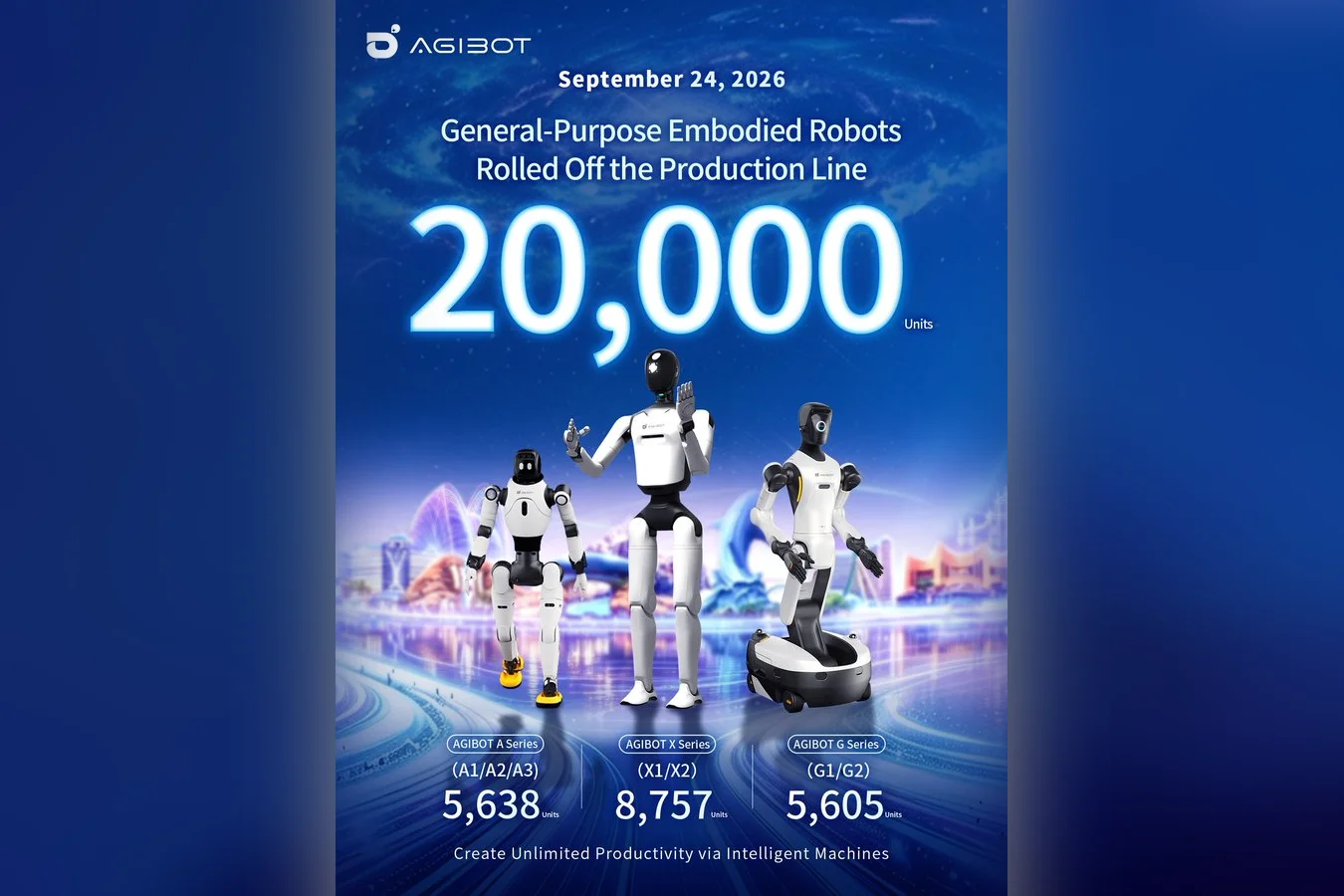
In 2026, China's humanoid robot industry is projected to experience explosive growth, with production expected to exceed 100,000 units, a fivefold increase from approximately 20,000 units in 2025. The competition is primarily between AgiBot and Unitree, which together are anticipated to capture nearly 80% of the market share.
This surge in production capacity is driven by Unitree's plan to expand its annual output to 30,000 units in response to rising demand. However, the industry faces significant challenges, particularly in converting production into actual deployment. Currently, over 70% of Unitree's revenue comes from research and education sectors, with only 9% attributed to industrial applications, indicating that most robots are not yet utilized in real-world settings.
As the industry evolves, the focus is shifting from merely producing robots to ensuring their practical application. The disparity between production numbers and actual market deployment highlights the need for a sustainable business model. The year 2026 is crucial for transitioning from technological exploration to large-scale development, as companies must find ways to effectively integrate their production capabilities into the market.
Editor's Note
The humanoid robot sector in China is at a pivotal moment, with leading companies like AgiBot and Unitree making significant strides in production. However, the industry's future hinges on overcoming the gap between manufacturing capabilities and actual market demand. This transition will be critical for establishing a sustainable ecosystem in the robotics landscape.

























Leave a comment