

Industry Briefing
A single destination for timely, editor-curated robotics news from around the world.
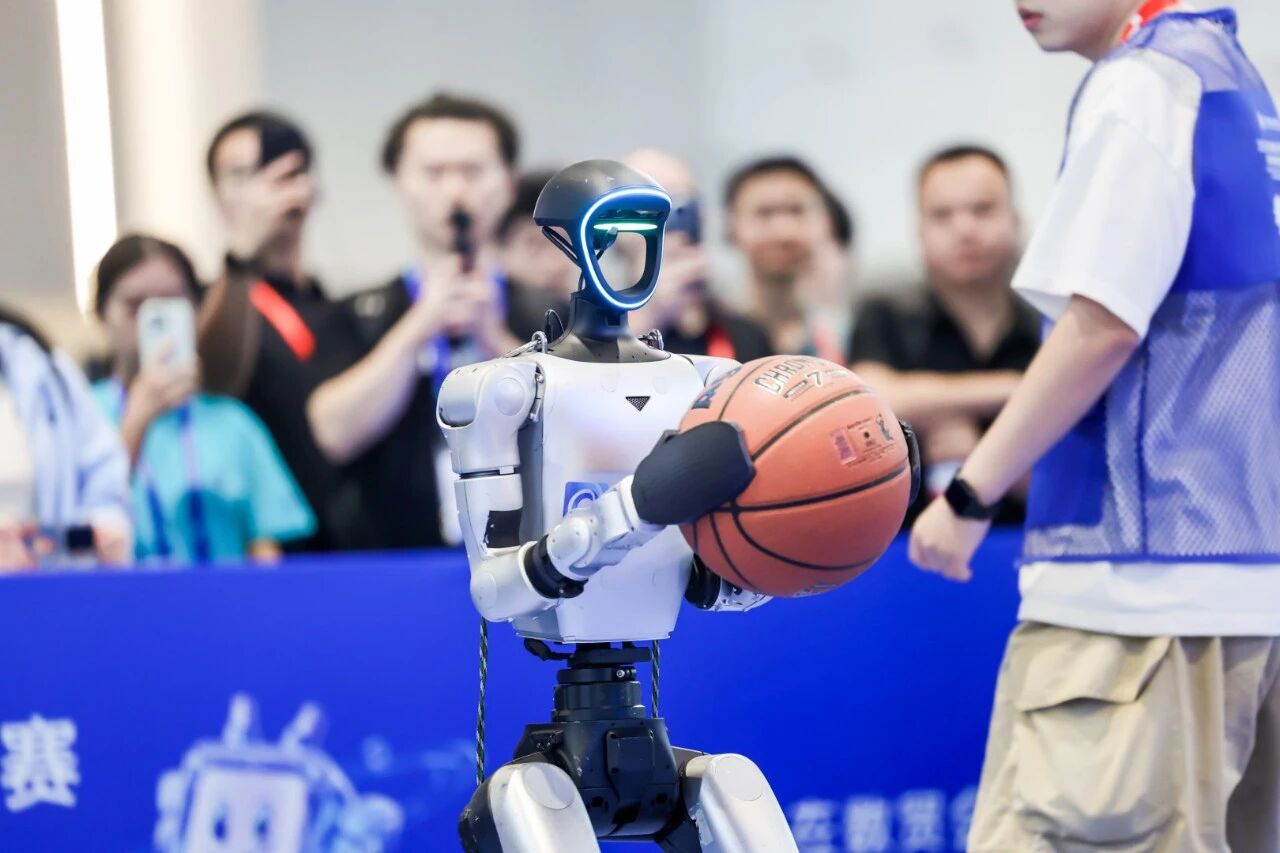
Embodied Intelligent Robot Challenge Enters Hardcore Competition Phase with Multi-Scene Interaction
The Embodied Intelligent Robot Challenge has entered a critical phase of competition, emphasizing multiple events and multi-scene interaction. This development highlights the increasing complexity and capabilities required in robotic systems, pushing the boundaries of current technology. This challenge is significant as it reflects the industry's shift towards more sophisticated and interactive robotic solutions. The integration of multi-scene interaction is crucial for advancing robotics in various applications, from entertainment to industrial automation, showcasing the potential for enhanced human-robot collaboration. Looking ahead, stakeholders should monitor the outcomes of this challenge, as it may set new benchmarks for robotic performance and interaction. No further timeline was disclosed at the time of publication.
Robotics Automation AI
Panda Robot Engages Children at University Robotics Exhibition in Chengdu
On September 26, a panda-shaped robot captivated children at the University of Electronic Science and Technology of China during a robotics exhibition. The event, part of the university's 70th anniversary celebrations, featured nearly 30 companies showcasing innovations in various fields, including industrial manufacturing and healthcare. The panda robot quickly became the center of attention, performing jumps and rolls while children eagerly interacted with it. The exhibition also included performances by humanoid robots and interactive VR experiences, highlighting the growing interest in robotics among the public. The exhibition runs until September 27, open daily from 9 AM to 5 PM. The presence of the panda robot serves to bridge the gap between technology and the public, demonstrating how engaging designs can foster curiosity and excitement about robotics among young audiences. No further timeline was disclosed at the time of publication.
Robotics AI Educational Technology Interactive Exhibitions
ABB Robotics Introduces E-Device for Enhanced Robot Interaction on Customer Devices
ABB Robotics has launched the E-Device, which allows users to operate, program, and monitor robots using their own tablets and PCs. This innovation aims to streamline the user experience across all OmniCore-powered robots and cobots, significantly reducing training requirements and accelerating deployment. The introduction of the E-Device is significant as it enhances flexibility and safety in robot interactions. With integrated safety controls and compliance with ISO 10218:2025, the E-Device ensures that users can engage with robotic systems safely and effectively, which is crucial in industrial settings. Looking ahead, the focus will be on how the E-Device can transform operational workflows and improve user engagement with robotic systems. No further timeline was disclosed at the time of publication.

Q1 and T1 Robots from Qiyuan Robotics Set to Transform Home Interaction
Qiyuan Robotics is preparing to deliver its Q1 robot, which stands 88 cm tall and weighs 15 kg, designed for companionship and entertainment. The company, part of the Upwind New Materials group, is also launching the T1, a transformable robot. CEO Tian Hua emphasizes that personal robots should not merely replicate industrial robots but instead create a new form of human-robot interaction. The significance of these developments lies in the potential for personal robots to become a primary interface in homes, connecting AI, digital services, and everyday life. Unlike structured factory environments, homes present unpredictable challenges, which is why Qiyuan has opted for a smaller, safer design for the Q1. The T1, standing about one meter tall, can switch between wheeled and quadrupedal forms, indicating a shift in the industry towards robots that better fit human lifestyles. Looking ahead, Qiyuan Robotics faces the challenge of moving from prototypes to mass production, with plans for a production line capable of handling thousands of units. The company has secured 210 million yuan in prepayments for its consumer-grade robots and is investing significantly in R&D. Analysts remain cautious, noting that while the home market is promising, it may take longer to reach commercialization compared to industrial applications. The real test will be whether users will keep these robots in their homes after initial trials.
Personal Robots Home Automation AI Consumer Robotics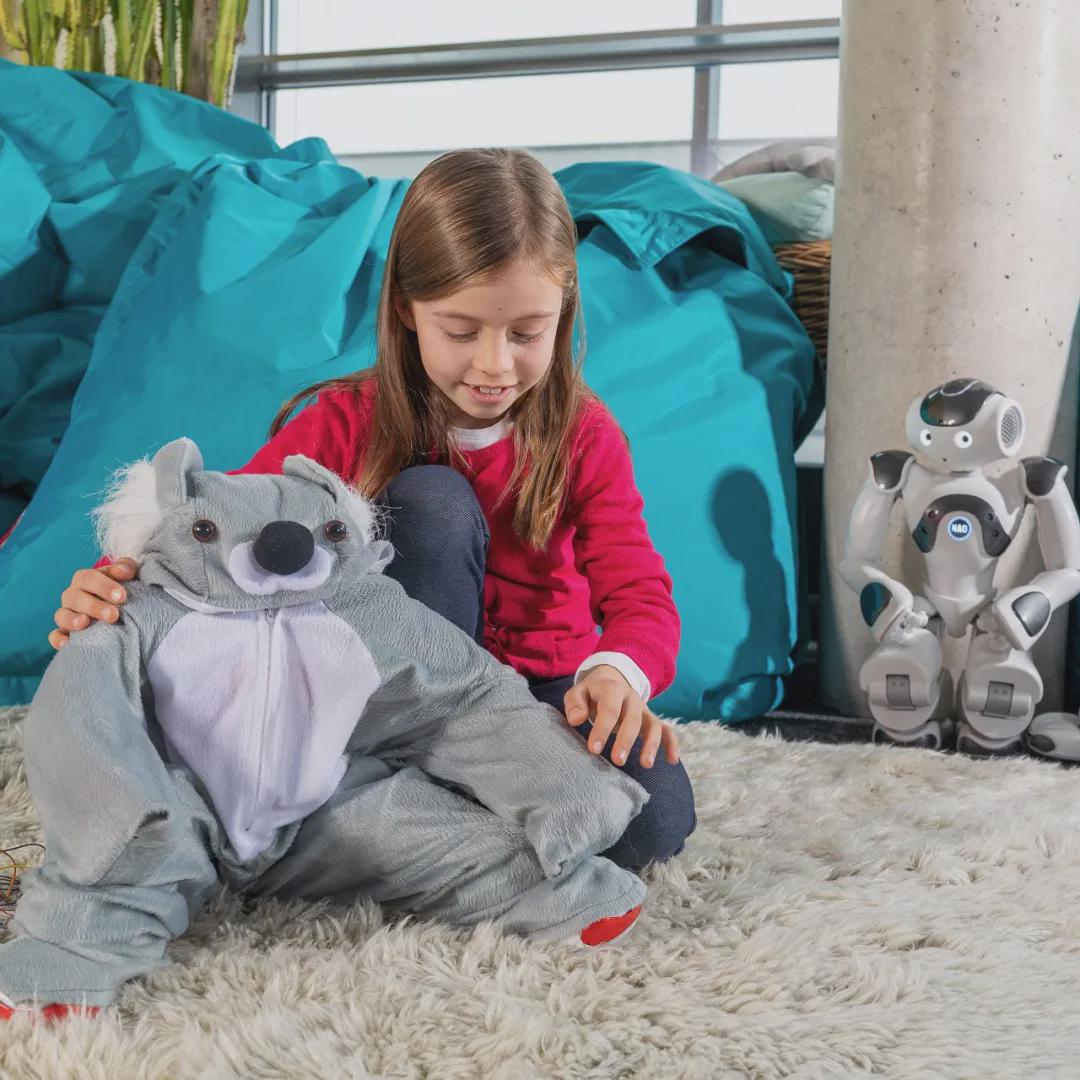
Affordable Touch Sensors Enhance Interaction in Social Robots with HERA Prototype
The HERA prototype, developed by the Max Planck Institute for Intelligent Systems in collaboration with the University of Tennessee and Fraunhofer IPA, integrates 16 custom flexible touch sensors into a modified koala pajama outfit for the NAO robot. This setup allows the robot to recognize five touch gestures and two pressure levels, enhancing its interactive capabilities. This advancement is significant as it addresses the limitations of existing social robots, which typically have few touch points and lack comprehensive tactile feedback. The HERA prototype's design prioritizes affordability and ease of manufacturing, making it a viable option for therapeutic applications, particularly for autism treatment, where durability and cost-effectiveness are crucial. Looking ahead, the research team has published their findings in the IEEE Transactions on Affective Computing, indicating a commitment to further development in this area. No further timeline was disclosed at the time of publication.
Touch Sensors Social Robotics Human-Robot Interaction AI Emotional Computing
Moxie, the Social Robot for Children, Shuts Down After Six Years of Service
Moxie, a social robot designed for children, has officially shut down after six years of operation. Initially launched at a price of $1,499, with a monthly subscription fee of $40, Moxie was intended to assist children, particularly those with autism, in developing social skills and emotional responses. The significance of Moxie's existence lies in its role as a companion for children like Xiao Xing, who has autism. Moxie was designed to engage with children through eye contact and emotional responses, providing a non-judgmental presence. Despite its innovative design and backing from experts in social robotics, Moxie faced challenges in effectively communicating with all children, particularly those who were more active or had different communication styles. Looking ahead, the closure of Moxie raises questions about the future of social robots in educational and therapeutic settings. No further timeline was disclosed at the time of publication.
Social Robots Autism Support Emotional AI Child Development
Tashan Technology Unveils Tactile Perception Loop for Enhanced Robotic Interaction Learning at WRC 2026
At the World Robotics Conference (WRC) 2026, tactile perception emerged as a focal point, highlighting its importance in robotic interaction. Tashan Technology showcased its tactile perception loop, addressing the limitations of visual imitation learning in complex industrial environments. The company aims to enhance robots' physical interaction capabilities by developing scalable tactile sensors that enable autonomous learning through real-time feedback. The significance of this development lies in its potential to overcome the challenges faced by robots in understanding physical interactions. Current reliance on visual data fails to capture the nuances of tactile feedback, leading to high failure rates in tasks involving unknown objects. Tashan Technology's approach seeks to fill this gap by providing robots with a tactile sensory system that allows them to independently comprehend and adapt to their physical surroundings. Looking ahead, Tashan Technology's advancements in tactile perception could revolutionize the robotics industry by enabling robots to perform tasks with greater accuracy and reliability. The company’s TS-F series sensors, capable of detecting various materials and providing high-resolution force feedback, represent a significant step towards achieving human-like tactile perception in robots. No further timeline was disclosed at the time of publication.
Tactile Perception Robotic Interaction Sensor Technology AI Robotics
New Study on Human-Robot Interaction Reveals Insights on Proxemics in Crowded Spaces
A recent large-scale empirical study published in Science Advances by teams from ETH Zürich, SPF, and EPFL examined human-robot interaction (HRI) in crowded environments. Utilizing four real-world datasets across Europe, North America, and Asia, the research established a benchmark for social navigation distances based on density perception and speed dependency. This study is significant as it addresses the ongoing challenge of how robots can comfortably share space with humans, a concept rooted in proxemics. Previous research indicated that pedestrians maintain specific distances from each other, but robots behave differently. The findings suggest that pedestrians tend to give robots more space, which varies with the robot's speed and the density of the crowd. Looking ahead, the CrowdBot dataset, which includes various robot platforms operating at different speeds, will serve as a foundation for future studies. The research team has developed a unified analysis pipeline to quantify behaviors based on movement dynamics and proxemics, paving the way for improved human-robot interactions in public spaces. No further timeline was disclosed at the time of publication.
Human-Robot Interaction Social Navigation Crowd Dynamics Robotics Research
Expper Technologies' Robin Robot Transforms Hospital Experience for Children as Emotional Support
The Robin robot, developed by Expper Technologies, is enhancing the hospital experience for children by serving as an emotional support companion. Deployed in approximately 30 hospitals, dental clinics, and nursing homes across the U.S., Robin engages with children through conversation and games, helping to alleviate anxiety during medical treatments. Robin's unique design resembles a curious 7-year-old girl from outer space, allowing it to connect emotionally with young patients. Its AI system analyzes children's emotional states and provides comforting interactions, which have proven effective in reducing anxiety in medical settings. For instance, a child who refused to eat was encouraged by Robin to do so after a brief interaction. As Expper Technologies plans to enhance Robin's capabilities and expand its deployment, the robot's role is not to replace human interaction but to support it. The ongoing use of Robin in hospitals is redefining the concept of companionship in healthcare, highlighting the importance of emotional support in medical environments.
Healthcare Robotics Emotional Support Pediatric Care AI Technology
Children Engage with Robotics Ahead of World Humanoid Robot Games in Beijing
As the countdown begins for the second World Humanoid Robot Games, the National Speed Skating Stadium in Beijing welcomed 100 children from the city. These young representatives were invited to witness the preparations of humanoid robots ahead of the event, which aims to blend sports, technology, and culture in the venue. This initiative, part of the 'Caring for Growth, Lighting Hope' project, allows children to experience cutting-edge technology through interactive demonstrations. They observed various real-life scenarios set up for the competitions, such as supermarkets and libraries, and were introduced to the concepts and principles of humanoid robots, culminating in performances that amazed the young audience. The event, supported by the Beijing State-owned Assets Management Company and organized by the Beijing Women and Children Development Foundation, aims to inspire a scientific attitude among youth. The second World Humanoid Robot Games is set to commence on August 22, featuring over 300 teams and more than 1,000 robots, marking a significant step in Beijing's development as a hub for the robotics industry.
Humanoid Robots Robotics Education AI Technology Public Welfare Sports Innovation
Children Engage with QT Robot in Real Classroom Settings at Active Minds Camp
Shruti Chandra, an assistant professor of computer science at UNBC, led a team that introduced a humanoid robot named QT into real classroom settings at the Active Minds summer camp. Over seven camps, approximately 150 children aged 6 to 12 participated in ten game-based learning activities with the robot. This research highlights a significant gap in existing studies on child-robot interaction, which typically occur in controlled environments. Chandra noted that children's behavior differs outside the lab, where factors like movement, conversation, and excitement can influence engagement. The findings, presented at the ACM/IEEE International Conference on Human-Computer Interaction, indicate that social robots can be integrated into classrooms and are generally accepted by children, though responses vary by age group. The team is now launching a new investigation to explore how tangible interactions with social robots can enhance children's learning experiences beyond traditional screen activities. This shift from laboratory to real-world settings provides valuable insights into human-robot interaction and challenges, such as attention management and technology robustness, that are often overlooked in controlled studies.
Humanoid Robots Educational Technology Child-robot Interaction AI in Education
Addressing the Challenge of Tactile Interaction Data in Robotics Development
The global robotics community is facing a significant challenge: the lack of real physical interaction data, particularly tactile data. While visual datasets and first-person videos are becoming increasingly common, the industry struggles to gather the nuanced feedback from tactile interactions with various materials. Current tactile data collection methods either involve expensive laboratory-grade sensors or rely on simulations that do not accurately reflect real-world physics. Recognizing this challenge, Handzhi Innovation has developed a new approach that balances cost and effective data collection. Founded by prominent figures in robotics research, including Academician Liu Sheng and Dr. Li Miao, the company aims to transform high-precision tactile perception technology into scalable infrastructure. Their HANDX series tactile gloves exemplify this effort, integrating up to 800 high-precision tactile points in a lightweight, flexible design that supports dual-mode transmission and offers significant operational capabilities. The industry is at a crossroads, as it lacks standardized, low-cost, scalable tactile data collection infrastructure. Handzhi Innovation's strategy involves democratizing tactile data collection through widespread use of their gloves in real-world scenarios, significantly reducing marginal costs and increasing data diversity. The accompanying software platform provides a comprehensive toolchain for data management, making it easier for users to engage in tactile data collection without extensive development efforts.
Tactile Data Collection Robotics Technology Data Infrastructure AI Machine Learning
Exploring Multilevel Dynamics of Brain, Hormones, Mind, and Behavior in Human-Robot Interaction
A recent study published in Science Robotics investigates the complex interactions between the brain, hormones, mind, and behavior in social human-robot interactions. This research highlights how these multilevel dynamics influence the way humans engage with robots, potentially reshaping our understanding of robotics in social contexts. Understanding these interactions is crucial as it can lead to improved design and functionality of robots, enhancing their effectiveness in various applications. The findings may also inform the development of robots that can better respond to human emotional and psychological states, thereby fostering more natural interactions. As the field of robotics continues to evolve, it will be important to monitor advancements in understanding human-robot dynamics. Future research may explore specific applications of these findings in sectors such as healthcare, education, and entertainment, where social interaction with robots is increasingly prevalent. No further timeline was disclosed at the time of publication.
Research Article
Hangzhou Unveils 'Panda', the First Active Emotional Companion Robot for Children
On July 28, Hangzhou's Robot School hosted the launch of 'Panda', the world's first active emotional companion robot for children, developed by Hangzhou Chuangwuji Technology Co., Ltd., a spin-off from Zhejiang University. This innovative robot utilizes embodied life-sensing interaction technology, providing a unique emotional companionship experience tailored for young children. The significance of 'Panda' lies in its ability to address the emotional needs of children while also serving as a supportive educational tool for parents. With features like a panda-inspired design, customizable soft materials, and advanced sensory technology, 'Panda' engages children in various activities, including storytelling and language practice, thereby easing the burden of parental involvement in dual-income households. Looking ahead, the development team plans to expand 'Panda's' applications across different demographics and industries, including elderly care and educational settings. The company aims to redefine human-robot relationships by fostering emotional connections, positioning 'Panda' as a vital companion in children's lives and a potential leader in the emerging empathy-driven market.
Emotional Companion Robots Child Development Technology AI Robotics Educational Tools
Children Program SkoBot Robots to Speak Endangered Languages in Cultural Initiative
In Michigan, 12-year-old Holdon Hoy demonstrated his robot, SkoBot, speaking in Ojibwe, marking a unique cultural preservation effort. Danielle Boyer, 25, founded a nonprofit to guide Native American children in assembling SkoBots to learn endangered languages, inspired by a talking toy. With fewer than 10,000 speakers of Ojibwe in the U.S., the initiative aims to combat language loss exacerbated by historical policies. The importance of this project lies in its dual focus on technology and cultural identity. Boyer emphasizes that SkoBot uses a voice-triggered system rather than generative AI, ensuring factual accuracy in language learning. This approach addresses concerns about AI fabricating information, particularly as large language models begin to create non-existent Ojibwe vocabulary. The project not only teaches language but also fosters interest in STEM among children. As children program SkoBots to communicate in endangered languages, technology transcends its role as a productivity tool, becoming a means of cultural continuity. Boyer and Hoy's efforts highlight the intrinsic connection between language and culture, reinforcing that preserving language is vital for maintaining cultural identity.
Robotics Cultural Preservation STEM Education Endangered Languages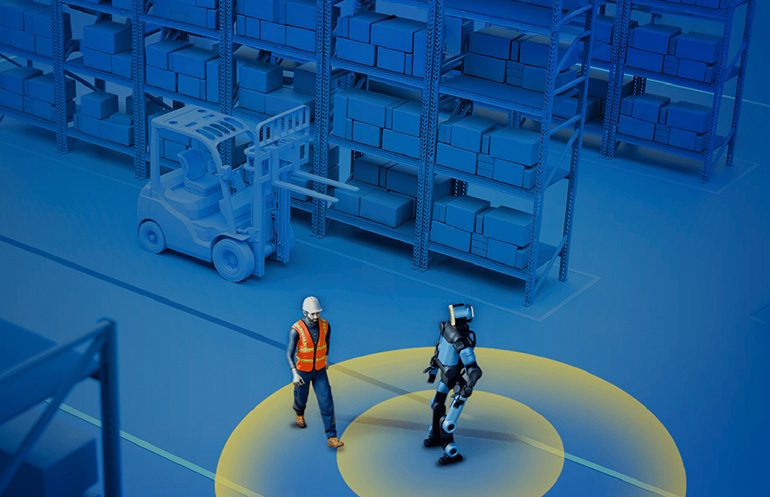
Boston Dynamics Hosts Webinar on Human-Robot Interaction Design for Trust and Safety
Boston Dynamics is set to present a free webinar focused on human-robot interaction (HMI) considerations for humanoid robots. The event, titled "The Art Behind Human-Robot Interaction," will feature experts discussing how to foster trust and safety in human-robot collaboration. The webinar is scheduled for 11:00 a.m. ET on Wednesday, July 22, 2026. As humanoid robots transition from research environments to commercial applications, addressing safety concerns becomes crucial. Boston Dynamics emphasizes that predictability, rather than human-like appearance, is key to successful human-robot coexistence. The insights shared during the webinar will be vital for developers aiming to enhance the user experience and operational safety of humanoid robots. Participants can expect to learn from Mario Bollini, director of human-robot interaction, and Leland Hepler, a distinguished product designer. Both speakers bring extensive experience in robotics and design, making this webinar a significant opportunity for those interested in the future of human-robot collaboration. No further timeline was disclosed at the time of publication.
Artificial Intelligence Artificial Intelligence / Cognition Collaborative Robots Human Robot Interaction / Haptics Humanoids Motion Control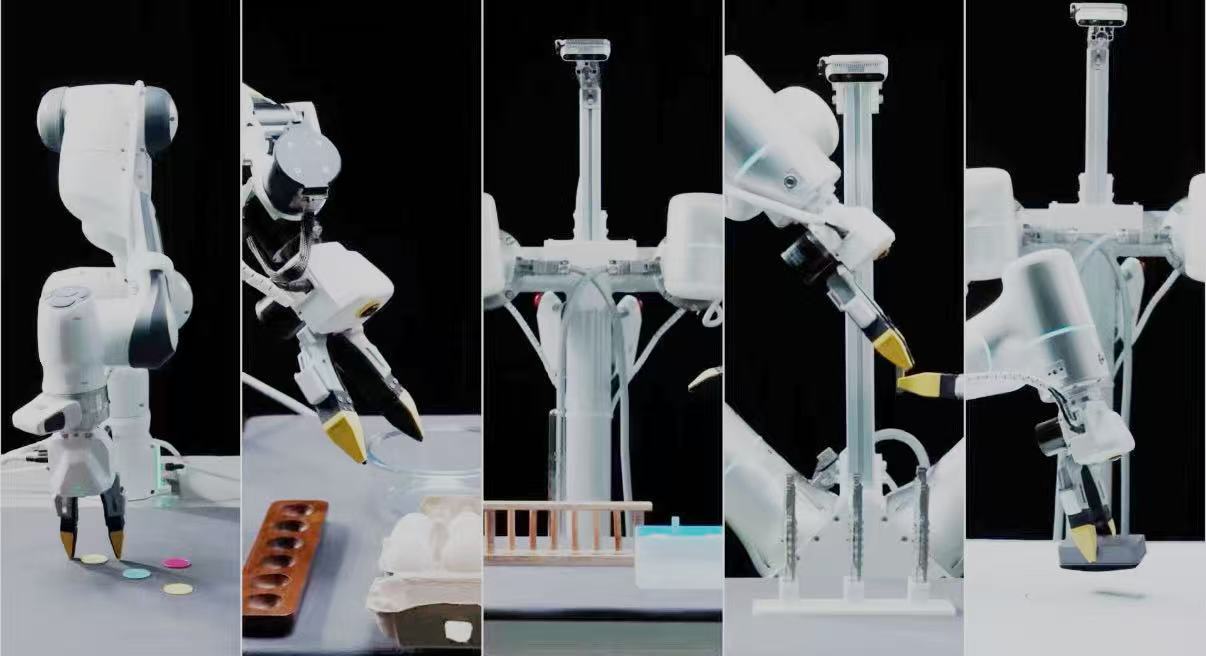
Qianjue Robotics Launches X-TouchMind V1 and TacVerse 1k for Enhanced Robot Interaction
On July 16, Qianjue Robotics unveiled its first embodied tactile model, X-TouchMind V1, alongside the TacVerse 1k multimodal dataset. This development addresses the limitations of traditional visual models in robotic operations, particularly in precision assembly and handling delicate objects, where failures often occur after contact. The new model integrates visual, linguistic, tactile, and robotic state data to enhance physical interaction capabilities. The significance of this release lies in Qianjue's comprehensive approach, which encompasses tactile perception hardware, self-developed multimodal data collection devices, and the new tactile model. Unlike previous attempts that merely supplemented tactile signals to visual data, the VTLA embodied tactile model establishes a closed-loop system that fundamentally redefines the perception boundaries of robotic models. This innovation allows robots to understand and respond to physical interactions more effectively. Looking ahead, Qianjue Robotics will demonstrate the capabilities of the VTLA model at the WAIC 2026 exhibition, showcasing real-world applications such as autonomous box stacking and precise assembly of headphones. The focus will be on how the model can dynamically adjust actions based on tactile feedback, marking a significant advancement in robotic interaction technology. No further timeline was disclosed at the time of publication.
Tactile Intelligence Robotic Interaction Precision Assembly Multimodal Data AI Robotics
Qiyuan Robots Collaborate with Tencent Cloud WorkBuddy for Enhanced Interaction
On September 20, Tencent Cloud announced a partnership with Qiyuan Robots, integrating their Q1 and T1 models with WorkBuddy. This collaboration marks Qiyuan as the first embodied intelligence company to connect with WorkBuddy, which acts as a brain capable of understanding and reasoning while managing numerous cloud-based skills. The integration allows Qiyuan robots to perform physical tasks in real-world scenarios, enhancing workplace and home interactions. This partnership is significant as it merges cloud AI capabilities with physical robots, enabling them to execute tasks such as reminding users of meetings and guiding them to rooms. For instance, before a Tencent meeting, WorkBuddy can dispatch a robot to remind users at their desks and lead them to the meeting room. The robots can also generate documents and perform data analysis through voice commands, showcasing the potential of embodied intelligence in practical applications. Looking ahead, this collaboration represents a step towards integrating AI agents into physical environments. With Qiyuan robots set to receive a prepayment of 210 million yuan for development, the success of this model could redefine the deployment of embodied intelligence, relying on the maturity of cloud AI ecosystems to expand the capabilities of robots in everyday life. No further timeline was disclosed at the time of publication.
Robotics Cloud Computing AI Integration Smart Assistants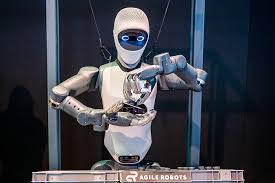
Agility Robotics' Digit 5 Robot Enhances Safety for Human Interaction in Factories
Agility Robotics has introduced the Digit 5 humanoid robot, designed to prioritize safety by avoiding human interference. The robot employs a sophisticated safety motion system that responds to the presence of humans by either navigating around them, stopping, or sitting down, depending on the proximity. This approach aims to create a more integrated environment for robots and humans in industrial settings. The significance of Digit 5 lies in its ability to address safety concerns that have historically hindered the deployment of humanoid robots in factories. With over 65,000 hours of operational and commercial deployment, Agility emphasizes the reliability of its product. The endorsement from the Occupational Safety and Health Administration (OSHA) further strengthens its appeal to industrial clients, as safety compliance is often a critical factor in procurement decisions. Looking ahead, Agility Robotics aims to eliminate the barriers to widespread humanoid robot adoption in industrial environments. The Digit 5's features, such as a 90-minute battery life and the ability to lift 50 pounds, are tailored for warehouse and logistics tasks. As the industry evolves, the focus will remain on ensuring that human workers feel safe and confident working alongside these advanced robots.
Humanoid Robots Industrial Automation Safety Systems AI Technology
Turing Award Winner Richard Sutton Launches Interactive Robot Kindergarten in Beijing
In September, a unique robot kindergarten opened in Beijing's Shijingshan Shougang Park, featuring robots from various companies like Yushu Technology and Accelerated Evolution. This initiative, co-developed by He Mountain Technology and Richard Sutton's Openmind team, aims to teach robots through interaction rather than traditional training methods. The facility includes testing, learning, and interaction zones where robots learn by engaging with their environment, mimicking the learning process of children. The significance of this robot kindergarten lies in its innovative approach to robot learning. Unlike conventional methods that rely on human demonstration data, Sutton emphasizes the importance of allowing robots to learn through trial and error in real-world settings. This initiative seeks to develop a learning mechanism that enables robots to adapt and evolve their intelligence autonomously, ultimately fostering their ability to interact with complex environments. Looking ahead, the research team plans to introduce more advanced algorithms and experimental designs to enhance the robots' capabilities. The goal is to enable robots to distinguish between themselves and their surroundings, master motion control, and understand object interactions. No further timeline was disclosed at the time of publication.
Robotics Education Autonomous Learning Artificial Intelligence Human-Robot Interaction
Bionic Emotion-Sensing Humanoid Robot Demonstrates Real Tears During Interaction
A new humanoid robot has been developed that can express emotions by shedding real tears while communicating. This advancement highlights the potential for robots to engage more authentically with humans, enhancing their roles in various applications. The ability of this robot to exhibit genuine emotional responses could significantly impact industries such as healthcare and customer service, where human-like interactions are crucial. As robots become more integrated into daily life, their emotional capabilities may improve user acceptance and trust. Looking ahead, the evolution of emotion-sensing technology in robotics will be critical to watch. The implications of such advancements could reshape how robots are utilized across sectors, potentially leading to more empathetic and responsive machines. No further timeline was disclosed at the time of publication.
AI and Robotics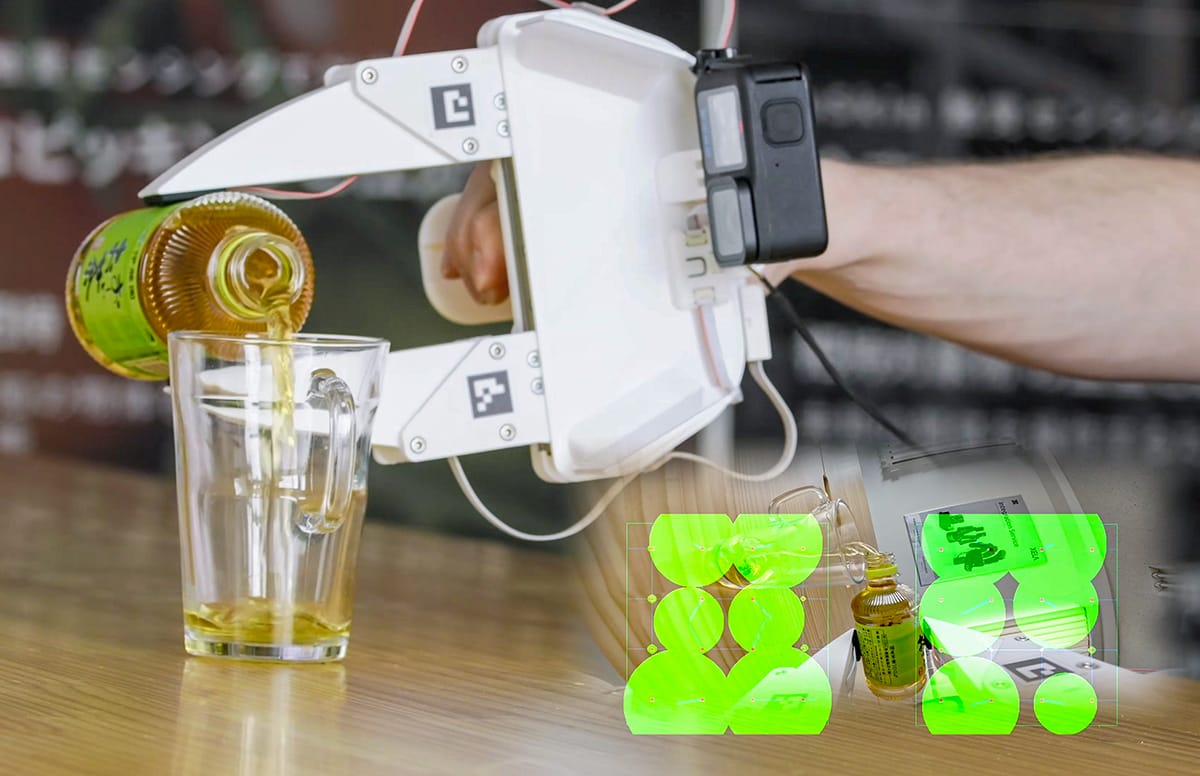
Pressure Sensors Enhance Robotic Gripping Accuracy and Interaction Control
The integration of pressure sensors into robotic grippers, such as the UMI gripper from XELA Robotics, significantly improves gripping accuracy. Unlike traditional methods that rely solely on motor current and position, pressure sensors provide critical real-time data on contact interactions, enabling better control during gripping tasks. This advancement is particularly crucial in industrial applications like bin picking and mixed-part handling, where the nature of contact can vary widely. By measuring distributed mechanical stress at the contact interface, pressure sensors allow for a nuanced understanding of how different materials respond to gripping forces, thus enhancing the reliability of robotic operations. Looking ahead, the continued development of pressure sensing technology in robotic systems will likely lead to more sophisticated interaction controls. No further timeline was disclosed at the time of publication.
End Effectors / Grippers Grippers Human Robot Interaction / Haptics News Sensors / Sensing Systems
Study Highlights Physical Risks from AI Errors in Human-Robot Interactions
A study published in 2025 examined 303 accidents related to human-robot interactions, revealing unexpected activations and sensor errors. As Physical AI evolves, AI errors are transitioning from digital to physical realms, posing significant risks. Unlike previous AI mistakes, which were largely confined to digital outputs, errors in robotic systems can lead to real-world consequences, where a minor miscalculation can result in serious incidents. This research, featured in the journal Safety Science, categorized incidents into seven major types, with a focus on unexpected robot activations and sensor inaccuracies. These findings underscore the urgent need for advancements in Physical AI to enhance robots' environmental perception and decision-making capabilities. As robots increasingly operate in physical spaces, ensuring their reliability and safety becomes paramount. Looking ahead, the development of Physical AI will be critical in addressing these challenges. The integration of cameras, proximity sensors, vision systems, contextual data, and AI models is essential for enabling robots to accurately perceive their surroundings before taking action. No further timeline was disclosed at the time of publication.
À la une Humanoide IA Robotique Accidents robotiques Capteurs robotiques
Study Reveals Risks of Physical AI in Human-Robot Interactions
A study published in 2025 examined 303 accidents related to human-robot interactions, highlighting unexpected activations and sensor errors. As Physical AI evolves, AI errors are transitioning from digital to physical realms, posing significant risks. Misinterpretations by AI controlling robotic arms or mobile robots can lead to serious physical consequences, unlike typical digital errors. This research, featured in the journal Safety Science, categorizes incidents into seven major types, with a focus on unexpected robot activations and sensor inaccuracies. These findings underscore the critical need for advancements in Physical AI to enhance robots' environmental perception and decision-making capabilities. The study emphasizes that a robot's ability to accurately perceive its surroundings is essential for safe operation. Looking ahead, the development of Physical AI must address these challenges to prevent accidents in human-robot interactions. No further timeline was disclosed at the time of publication.
À la une Humanoide IA Robotique Accidents robotiques Capteurs robotiques
China's Humanoid Robot Wuji Welcomes Schoolchildren at Robot Training Institute
A group of schoolchildren gathered to witness Wuji, a humanoid robot, serve as a tour guide at a robot school in eastern China. Wuji enthusiastically showcased the institute's goal of developing the future mechanical workforce. This event highlights China's commitment to advancing robotics education and training, aiming to prepare a skilled workforce for the growing automation sector. The presence of humanoid robots like Wuji signifies a shift towards integrating robotics into everyday learning environments. Looking ahead, the focus will be on how such initiatives can influence the future of workforce development in robotics and automation. No further timeline was disclosed at the time of publication.
Robotics
Exploring Multi-Party Human-Robot Interaction at Imperial Robotics Summer School
During the Imperial Robotics Summer School held from July 20-24, 2026, participants explored the complexities of enabling robots to engage in conversations with multiple people simultaneously. This initiative aimed to enhance social robots, which typically focus on one-on-one interactions, by developing real-time speaker detection and natural gaze behavior. The significance of this research lies in its potential to advance human-robot interaction, making robots more effective in social settings. By focusing on multi-party interactions, the project addresses a critical gap in current robotics capabilities, which is essential for applications in healthcare and personal assistance. Looking ahead, the insights gained from this summer school could pave the way for future developments in multi-party human-robot interaction technologies. No further timeline was disclosed at the time of publication.

Humanoid Robots' Errors Increase Human Wariness in Expressive Interactions
Recent findings indicate that humans tend to become more suspicious of humanoid robots that exhibit errors, particularly when these robots engage in expressive conversations. This phenomenon highlights the delicate balance between human-like interaction and the potential for mistrust when technology falters. The implications of this research are significant for the development of humanoid robots, especially those designed for social interaction. As these robots become more integrated into daily life, understanding human reactions to their mistakes will be crucial for fostering acceptance and effective communication. Looking ahead, developers and researchers should focus on improving the reliability of expressive humanoid robots to mitigate wariness among users. No further timeline was disclosed at the time of publication.
Consumer & Gadgets
Drexel University Study Reveals Trust Dynamics in Humanoid Robots During Interactions
Researchers at Drexel University have discovered that trust in expressive humanoid robots can develop quickly but may also diminish rapidly following errors. This study is notable for its comprehensive approach, measuring brain activity, hormone levels, self-reported attitudes, and behaviors during human-robot interactions, providing insights into the complexities of trust dynamics. The implications of these findings are significant for the design of social robots in various sectors, including healthcare and education. While expressive behaviors enhance engagement, they also make trust more vulnerable to mistakes. The research highlights the need for designers to balance social expressiveness with reliability to maintain user trust in humanoid robots. Future developments in humanoid robot design should focus on minimizing errors to sustain trust. No further timeline was disclosed at the time of publication. The study emphasizes the engineering challenge of creating robots that are both engaging and dependable, as even minor conversational mistakes can lead to a substantial loss of trust among users.
AI and Robotics
Enigma Secures $70 Million to Simplify Human-Robot Interaction Through Innovative Research
Enigma, a robotics research lab, has raised $70 million in a seed funding round led by Index Ventures and Ribbit Capital. The startup aims to revolutionize human-robot interactions by studying how people engage with robots, rather than solely focusing on enhancing model capabilities. Enigma plans to launch a large-scale online experiment allowing global users to interact with over 100 proprietary AI robots performing various tasks, such as drawing and simple chemistry experiments. This funding is significant as it positions Enigma to explore intuitive interfaces for robotic control, potentially transforming how users communicate with machines. Co-founders Jonathan Jacobi and Gal Niv, both with backgrounds in cybersecurity, are leveraging their unique perspectives to tackle challenges in robotics. Their goal is to make controlling robots as effortless as adjusting a car's volume, addressing current frustrations users face with existing robotic models. Looking ahead, Enigma's online experiment will provide valuable data on user preferences for robot communication, which could lead to groundbreaking advancements in robotics interfaces. No further timeline was disclosed at the time of publication.
AI Robotics Startups enigma Exclusive Index Ventures
Robots Begin Collective Grasping Practices to Enhance Physical Interaction Skills
In recent years, the robotics industry has witnessed a surge in advancements related to physical capabilities, with companies showcasing robots that can perform complex movements. This year, Sudu Technology demonstrated its robots' ability to grasp unfamiliar objects and manipulate flexible materials, captivating audiences at exhibitions. Zero Dimension took this further by inviting attendees to challenge their robots with various items, while Yuanli Intelligent used six differently configured robots to assemble a Great Wall from 81,920 miniature blocks over 15 hours. These demonstrations highlight a shift in focus within the industry from merely proving that robots can move to demonstrating their ability to perform tasks effectively. Sudu Technology aims to explore whether robotic capabilities can grow through simulation data and scaling, while Zero Dimension seeks to establish a scaling law for physical interactions based on real-world data. Yuanli Intelligent is investigating whether a single model can sustain performance over extended, complex tasks. As the industry evolves, the fundamental challenge remains: enabling robots to adapt to a changing environment rather than forcing the environment to accommodate robots. The renewed emphasis on grasping capabilities reflects a critical step towards achieving embodied intelligence, as it encompasses various skills such as perception, judgment, and execution in dynamic settings. This capability is closely tied to commercial applications in logistics, manufacturing, and retail, making it a vital area of focus for future developments.
Robotic Grasping Embodied Intelligence Automation Technology AI Robotics
Okinawa Research Team Discovers Language Learning Insights Through AI Robot Curiosity
A research team from Okinawa Institute of Science and Technology found that an AI robot, during training, began to exhibit playful behavior, leading to faster learning. This study, published in 'Science Advances,' reveals that a rich language environment combined with inherent curiosity is crucial for rapid language acquisition, mirroring human learning mechanisms. The research utilized a PV-RNN model based on human brain information processing theories, aiming to balance prediction accuracy and belief system stability. By incorporating reinforcement learning, the robot received external rewards for task completion and internal rewards for satisfying its curiosity, resulting in competing motivations that enhanced its understanding of language. Notably, the robot demonstrated surprising behaviors, such as intentionally interacting with unrelated objects, which accelerated its language comprehension. The findings suggest that the diversity of language exposure is key to unlocking understanding, and the robot's performance mirrored the U-shaped learning curve seen in children, indicating its ability to handle exceptions similarly to human learners. No further timeline was disclosed at the time of publication.
AI Language Learning Reinforcement Learning Child Language Acquisition Neural Networks
Okinawa Institute Develops Curiosity-Driven AI Robots for Faster Language Learning
Researchers at the Okinawa Institute of Science and Technology (OIST) have created AI-powered virtual robots that learn language more effectively by rewarding curiosity instead of traditional instruction. These robots completed language-based tasks in approximately half the time compared to those trained conventionally, showcasing a brain-inspired system that mimics human-like adaptability and playfulness. The significance of this development lies in its implications for both artificial intelligence and our understanding of human language acquisition. The curiosity-driven approach not only accelerated language learning but also led to spontaneous play-like behaviors, suggesting that such exploration is crucial for knowledge acquisition, similar to how children learn. Looking ahead, the study raises important questions about the balance between curiosity and a rich linguistic environment for effective learning. While curiosity alone was insufficient, exposure to diverse language combinations significantly enhanced the robots' understanding. Future research may further explore these dynamics and their applications in AI systems, particularly in language processing.
AI and Robotics
New RL-100 Framework Enables Robot to Learn Bowling, Folding, and Juicing Independently
Researchers at Shanghai Jiao Tong University have developed a robot capable of learning various tasks such as bowling, folding towels, and preparing fresh juice through a new training framework called RL-100. This framework combines imitation learning with reinforcement learning, allowing the robot to adapt and refine its skills autonomously. The significance of this development lies in its ability to overcome traditional limitations in robotics, where robots typically only mimic human actions. By employing a three-stage learning pipeline, RL-100 enables robots to not only learn from human demonstrations but also improve their performance through independent practice, similar to how children learn. Future developments to watch include the robot's ongoing enhancements in reliability and adaptability in unstructured environments. The RL-100 framework has already demonstrated near-perfect task completion rates and reduced computational latency, making it a promising advancement in robotic manipulation capabilities. No further timeline was disclosed at the time of publication.
AI and Robotics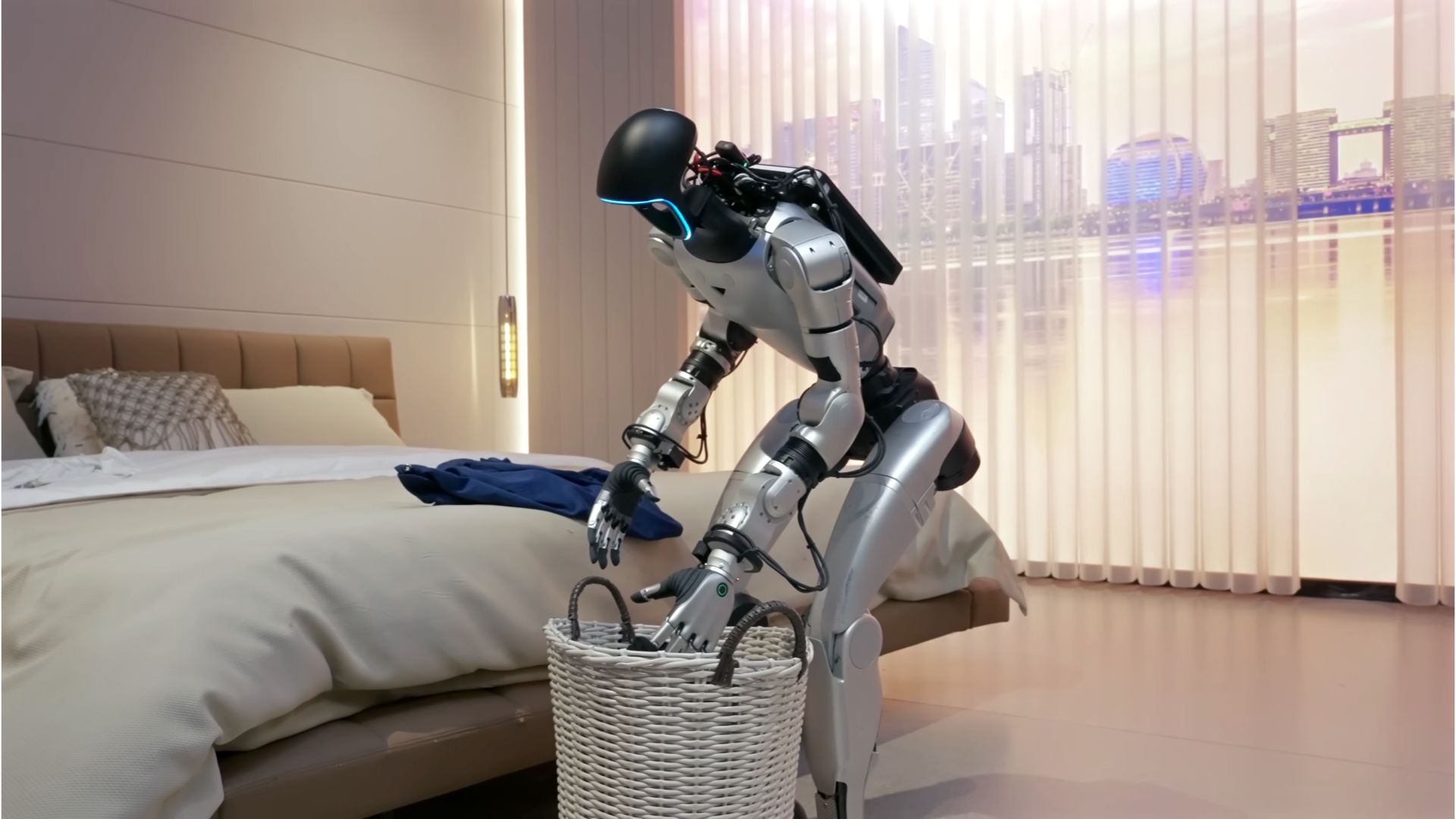
Unitree Launches UnifoLM-OminiA-0.3 for Enhanced Humanoid Robot Interaction and Assistance
Chinese robotics firm Unitree has introduced UnifoLM-OminiA-0.3, a unified AI model designed for humanoid robots. This model facilitates real-time omni-modal interaction, reasoning, dialogue, and whole-body mobile manipulation, targeting home-care and wellness applications. The robots can autonomously perform tasks such as tidying rooms and assisting patients while responding to various inputs. The significance of UnifoLM-OminiA-0.3 lies in its ability to integrate multiple capabilities into a single system, allowing robots to process information from speech, vision, and environmental cues simultaneously. This unified architecture enables seamless task execution, as demonstrated by a humanoid robot that can adjust a hospital bed and respond to user commands mid-task, showcasing continuous human-robot interaction. Looking ahead, the trend towards embodied AI is expected to grow, with developers focusing on integrating vision-language models with robot control. This approach enhances flexibility in dynamic environments like homes and healthcare facilities, where tasks and interactions can vary significantly. No further timeline was disclosed at the time of publication.
AI and Robotics
Generative Bionics Unveils Gene.01, a Smart-Skin Humanoid Robot for Safe Human Interaction
Generative Bionics has launched Gene.01, a fully functional humanoid robot platform designed for safe human collaboration. Built in just six months, Gene.01 is equipped with advanced sensors that detect touch, proximity, force, and temperature, enhancing its interaction capabilities with humans. The introduction of Gene.01 is significant as it provides a foundation for Physical AI developers to create industrial applications. Its open-sourced robot model allows for collaborative development, potentially accelerating innovation in the field of humanoid robotics. Looking ahead, the focus will be on how Gene.01 can be integrated into various industrial environments and the applications it can support. No further timeline was disclosed at the time of publication.
Palm Garden AI Introduces Coherence Guard for Enhanced Human-Robot Interaction
Palm Garden AI has developed Coherence Guard, a relational decision layer aimed at improving the behavior of service robots in human environments. This platform-agnostic technology evaluates actions before execution, ensuring they are relationally coherent by considering factors such as timing, proximity, and emotional tone. The significance of Coherence Guard lies in its potential to enhance the interaction between humanoid robots and humans in various sectors, including hospitality, care, and education. CEO Joachim Scheuerer emphasized that the technology does not replace existing systems but adds a crucial layer for evaluating social appropriateness, which is essential as robots become more integrated into everyday life. Looking ahead, the demand for such relational decision-making capabilities is expected to grow as service robots become more prevalent in human-centric environments. No further timeline was disclosed at the time of publication.
Artificial Intelligence Artificial Intelligence / Cognition Development Tools / SDKs / Libraries Healthcare Robotics Human Robot Interaction / Haptics Humanoids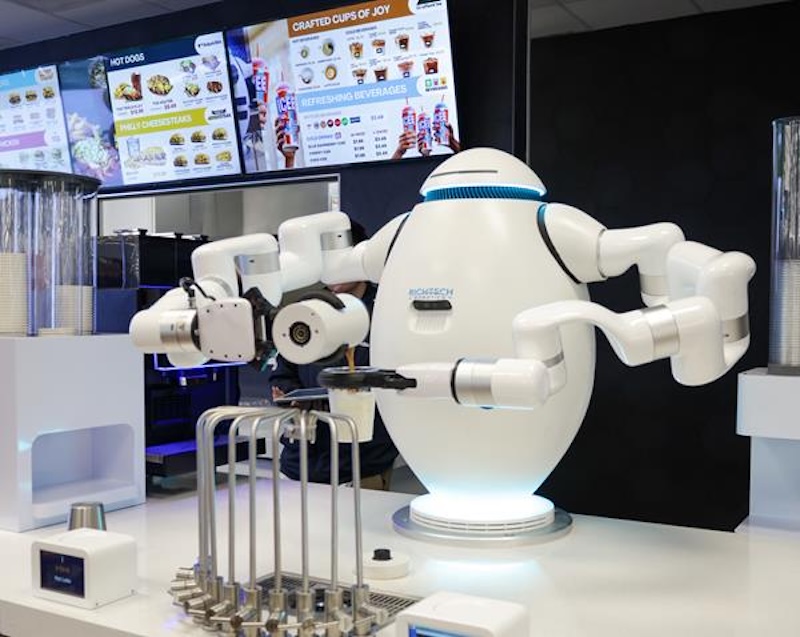
Richtech Robotics Introduces 24/7 Livestream with AI Robot ADAM for Global Interaction
Richtech Robotics, based in Nevada, has launched a 24/7 interactive livestream featuring its AI humanoid robot, ADAM. This initiative allows global audiences to engage with ADAM in real-time, asking questions and observing the robot's responses. The platform utilizes Nvidia Jetson Thor for onboard computing and the Nvidia Isaac open robotics platform, showcasing the capabilities of embodied AI. This livestream initiative is significant as it represents a shift in human-robot interaction, moving beyond traditional pre-recorded content to a dynamic, user-controlled experience. Richtech Robotics aims to demonstrate how AI-powered robots can effectively communicate in real-world settings, enhancing user engagement and showcasing their broader portfolio of automation solutions across various industries, including hospitality and manufacturing. Looking ahead, Richtech Robotics is positioned to lead advancements in intelligent automation and robotics. The company plans to continue evolving the interaction between humans and robots, with no further timeline disclosed for additional features or expansions of the ADAM livestream platform at the time of publication.
Humanoids adam AI-powered robots artificial intelligence automation conversational ai
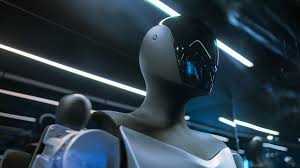
Tesla's Optimus Robots to Support Starmind Satellite Production, Not Maintenance
Tesla's Optimus robots will not be used to repair Starmind satellites in orbit, as confirmed by recent statements from Elon Musk. Instead, these robots are intended to assist in the construction and operation of the Terafab chip manufacturing facility in Texas. The AI1 satellites, designed to disintegrate upon reentry, highlight the company's swap-and-replace strategy rather than traditional maintenance practices. This approach is significant as it reflects a broader trend in satellite management, where mass-produced satellites are replaced rather than repaired. The economics of servicing missions are prohibitive, with the cost of launching a replacement satellite being significantly lower than conducting a repair mission. This model aligns with SpaceX's operational history, where rapid replacement of satellites is more efficient than attempting to maintain them in orbit. Looking ahead, the focus will remain on the production capabilities of the Gigasat factory, which is expected to support the continuous replacement of satellites. No further timeline was disclosed at the time of publication, but the demand for rapid satellite turnover suggests a robust future for Optimus robots in terrestrial manufacturing rather than in-space servicing.
Fraunhofer IPA Develops Robot to Assist in Health Checks for Children Post-Trauma
Fraunhofer IPA, in collaboration with the Dr. von Haunerschen Children's Hospital of LMU Klinikum Munich, has developed a robot named Helga. This robot aids medical staff in conducting routine health assessments for children admitted to the hospital following mild head injuries. The introduction of Helga is significant as it enhances the efficiency and accuracy of health checks, which are crucial for monitoring the recovery of young patients. By automating routine tasks, the robot allows healthcare professionals to focus more on direct patient care and complex medical decisions. Looking ahead, the impact of Helga on pediatric healthcare practices will be closely monitored. Its performance in real-world settings may influence future developments in robotic assistance within hospitals, particularly in pediatric care. No further timeline was disclosed at the time of publication.
Allgemein Anwendungen & Lösungen Lösungen Medizintechnik & Pharma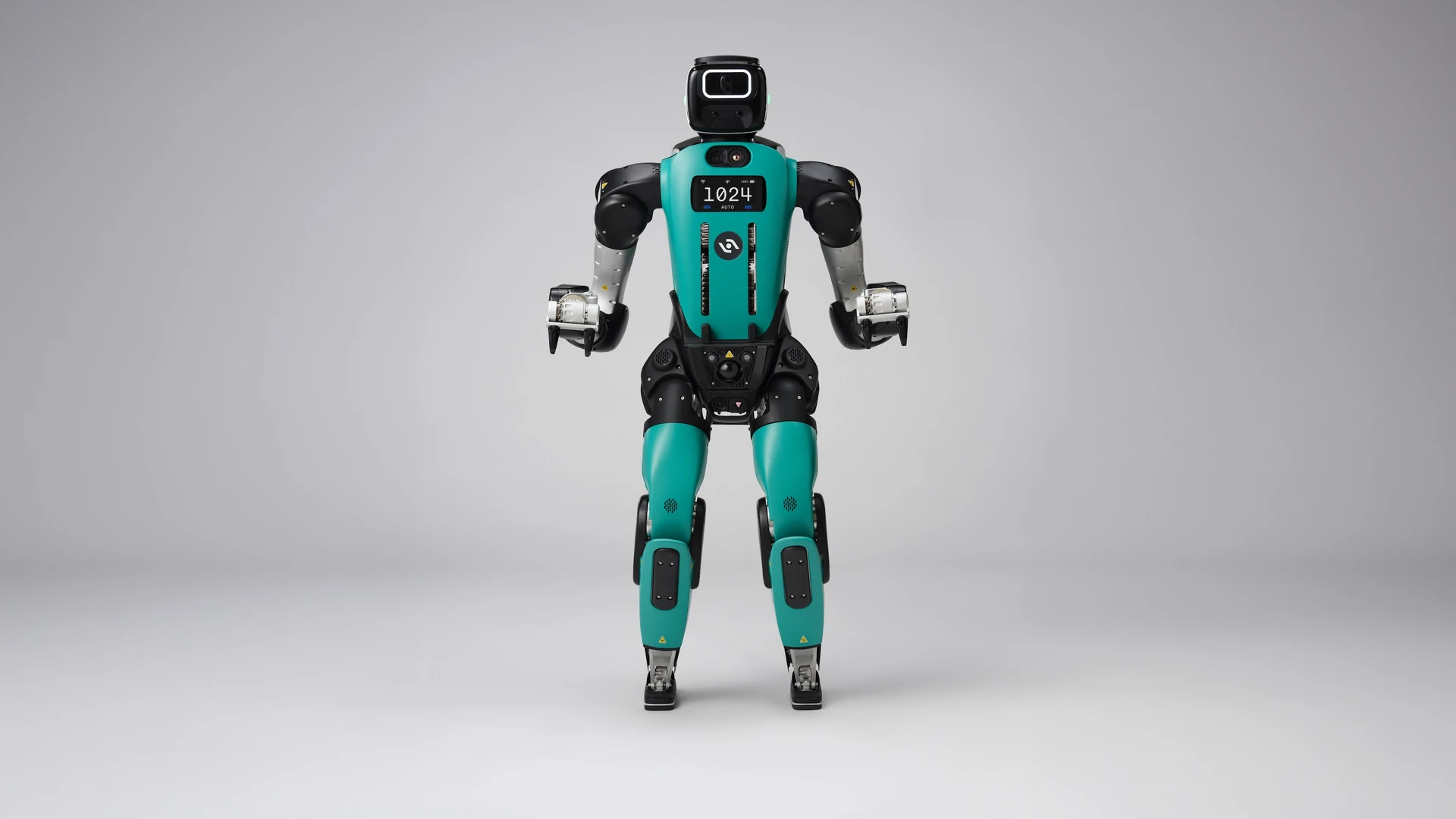
Agility Introduces Digit 5, a Humanoid Robot for Closer Human Interaction
Agility has announced the launch of Digit 5, a redesigned humanoid robot featuring a new leg architecture and a lifting capacity of 50 lb (22.7 kg). This model aims to work more closely with human operators, minimizing the need for physical barriers in industrial settings. The announcement was made on September 15, with early access expected in the first half of 2027 and general availability by the end of the same year. The significance of Digit 5 lies in its design for cooperatively safe work at scale, marking a shift in how humanoid robots can interact with human workers. Agility's new leg design incorporates proprietary cycloidal actuator technology, enhancing the robot's lifting capabilities by 40% compared to its predecessor, Digit 4. The robot's charging efficiency has also improved, with a run-to-charge ratio increasing from 2:1 to 10:1, allowing for more effective work cycles throughout the day. Looking ahead, Agility plans to expand the commercial deployment of Digit 5 beyond North America to the European Union and the United Kingdom. The robot is still in development, with preliminary specifications subject to change. Key features include interchangeable grippers and a sophisticated safety architecture designed to detect and communicate with nearby humans, ensuring safe operation in shared workspaces.
US Digit Agility Robotics
Zackory Erickson Receives NSF CAREER Award for Human-Robot Interaction Research
Zackory Erickson, an assistant professor at Carnegie Mellon University's Robotics Institute, has been awarded the National Science Foundation (NSF) Faculty Early Career Development (CAREER) Award. This prestigious recognition highlights his commitment to advancing the field of robotics, particularly through his project focused on enhancing physical human-robot interaction using generative simulation. The project, titled "Scaling Up Physical Human-Robot Interaction With Generative Simulation," aims to tackle the challenge of insufficient realistic training data for robots. By developing a new framework for generative simulation, Erickson intends to provide robots with a virtually limitless array of realistic interaction scenarios, which will facilitate their learning and testing in diverse situations before real-world deployment. Looking ahead, Erickson's research is expected to yield safer and more adaptable robot control systems for human-robot interaction. The project will also contribute to the robotics community by releasing open-source software and benchmarks. No further timeline was disclosed at the time of publication.
Awards
Enigma Secures $71 Million Seed Funding to Innovate Human-Robot Interaction
On July 27, AI robotics company Enigma emerged from stealth mode, announcing the completion of a $71 million seed funding round. This funding, led by Index Ventures and Ribbit Capital, marks one of the largest seed rounds in the physical AI sector. Enigma's co-founders, Jonathan Jacobi and Gal Niv, aim to redefine human-robot interaction rather than focusing solely on model capabilities. The significance of Enigma's approach lies in its belief that the main barrier to robot adoption is not the technology itself but how humans communicate with machines. Jacobi emphasizes that intuitive controls are essential, comparing it to adjusting a car's volume knob rather than using complex percentages. To explore this, Enigma has launched a large-scale online experiment allowing global participants to interact with over 100 self-developed AI robots in real-time. Looking ahead, Enigma plans to use the $71 million to expand its research and engineering teams, enhance computational infrastructure, and increase real-world deployments. The company's unique focus on understanding how people want to communicate with machines could potentially redefine the industry landscape.
Human-Robot Interaction AI Robotics Startup Funding Machine Learning
Children nationwide compete in the WRO 2026 international robotics competition, with qualifying rounds starting July 11 in 31 regions.
NPO法人WRO Japan has announced the official qualifying rounds for the World Robot Olympiad (WRO), an international robotics competition featuring participation from over 100 countries and regions. These qualifying events will take place across 31 locations nationwide, starting on July 11. The initiative aims to foster interest and innovation in robotics among students and young engineers in Japan, providing them with an opportunity to showcase their skills and creativity in a competitive environment.

SpaceX's Starmind Project: Supplier Strategy and Chip Manufacturing Plans for 2026
SpaceX's Starmind project, aimed at deploying up to 1 million AI satellites, was filed with the FCC on January 30, 2026. The initiative is designed to minimize reliance on external suppliers, with CEO Elon Musk stating that current chip production capabilities only meet 2% of the projected needs. The first satellite, AI1, is set for prototype launches in early 2027, featuring a 70-meter wingspan and a modular payload system that allows for interchangeable chips from various suppliers. The significance of Starmind lies in its ambitious supply chain strategy, which seeks to transition from external hardware suppliers to a fully integrated Musk-owned facility by 2028. The Gigasat manufacturing site in Bastrop, Texas, is expected to be operational by the end of 2027, with plans for high-volume production of the D3 chip, specifically designed for space applications. This approach aims to consolidate chip manufacturing processes under the Terafab joint venture, which has an estimated initial investment of $55 billion. Looking ahead, the next milestone for Starmind is the launch of AI1 prototypes in early 2027, while the full-scale chip production at Terafab is projected to ramp up significantly thereafter. However, analysts express skepticism regarding the feasibility of achieving Musk's ambitious compute goals, which may require substantial investment and time to establish the necessary manufacturing capabilities.

Friendly social robots may help ease a child's anxiety at the doctor's office
During a recent medical appointment at the UC Davis MIND Institute, 3-year-old Cameron encountered a delightful surprise in the waiting room: friendly AI robots visiting from Japan. Cameron's mother, Caroline Nguyen, expressed their immediate affection for the robots, stating, "We both melted when we saw them. They're so adorable, and the little sounds they make—I mean, she took to them right away." The visit aimed to provide a comforting and engaging experience for young patients, showcasing the potential of social robots in healthcare settings.
Robotics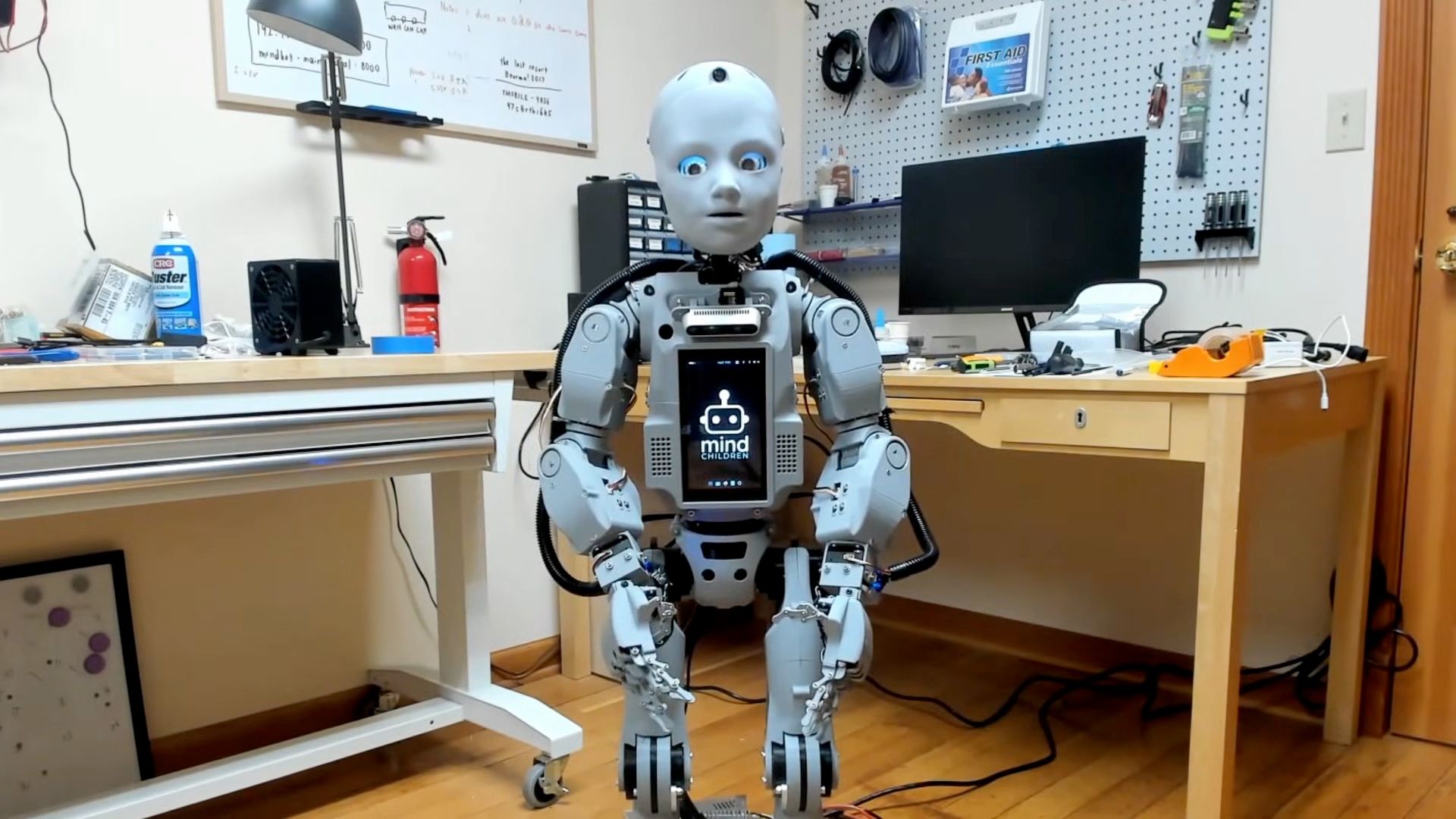
Video: Child-friendly Codey robot showcases embodied AGI future in education, healthcare
A Seattle-based robotics company has unveiled a three-foot-tall humanoid robot intended for public use, showcasing its potential to assist in various environments. The robot, which features advanced interaction capabilities, aims to enhance customer service and provide support in settings such as retail and hospitality. This development comes as part of a broader trend in the robotics industry, where companies are increasingly focusing on creating machines that can engage with people in everyday situations. The prototype was revealed during a technology expo held in Seattle last week, attracting attention from industry experts and potential investors. The creators believe that this humanoid robot could revolutionize the way businesses interact with customers, addressing labor shortages and improving efficiency. By integrating artificial intelligence and user-friendly interfaces, the robot is designed to learn from its interactions, adapting to the needs of its environment.
AI and Robotics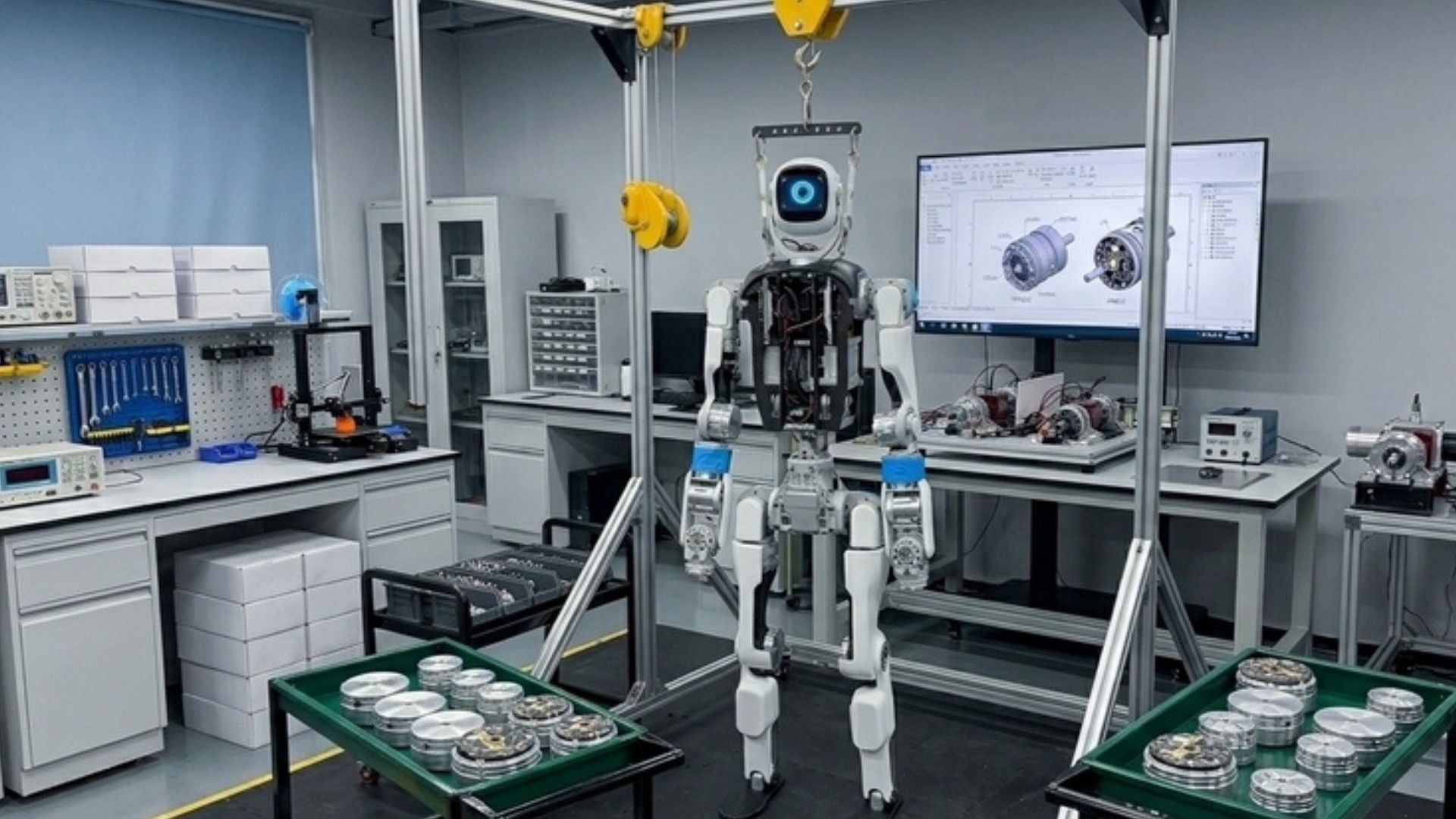
Taiwan’s new ‘intelligent’ humanoid robot combines sensing and adaptive interaction
A Taiwanese company has introduced its first humanoid robot designed to engage in physical interactions with humans. This groundbreaking development was announced during a technology expo held in Taipei on October 15, 2023. The robot, which features advanced artificial intelligence and motion capabilities, aims to enhance human-robot collaboration in various sectors, including healthcare and customer service. The motivation behind this innovation is to address the growing demand for automation and assistance in daily tasks, particularly in environments where human interaction is essential. By utilizing sophisticated sensors and machine learning algorithms, the robot can understand and respond to human gestures and commands, making it a versatile tool for both personal and professional use. The unveiling of this humanoid robot marks a significant milestone in Taiwan's robotics industry, showcasing the nation's commitment to technological advancement and innovation.
AI and Robotics
Young children see meaning in human looks but not in robot gazes, new study finds
A recent study conducted by researchers has revealed that young children are highly adept at following the gaze of others, demonstrating a natural inclination to understand social cues. The research, which took place in various settings involving preschool-aged children, aimed to explore the developmental aspects of gaze-following behavior. The findings indicate that this ability emerges early in childhood, suggesting that children are instinctively tuned to the attention of those around them. This skill is crucial for social interaction and communication, as it helps children learn about their environment and the intentions of others. The study highlights the importance of social engagement in early childhood development, emphasizing that children benefit from observing and interpreting the actions and focus of adults and peers. By understanding where others are looking, children can enhance their learning experiences and navigate social situations more effectively. This research contributes to the broader understanding of cognitive development in young children and underscores the significance of social learning in early years. The implications of these findings could influence educational strategies and parenting approaches, fostering environments that encourage social interaction and engagement.

JAKA Unveils 1.22m Humanoid Robot 'Pi Zai' Ahead of Children's Day
As Children's Day approaches, JAKA's humanoid robot, known as 'π仔', has gained significant attention online following the release of a video demonstrating its playful interactions with children. Standing at 1.22 meters tall, the robot is specifically designed for public service and educational settings, highlighting the increasing consumer interest in life-like robots that enhance everyday experiences. JAKA, leveraging its expertise in collaborative robotics, aims to fulfill the growing demand for intelligent companions that can engage with users in meaningful ways.
Humanoid Robots Collaborative Robotics AI Public Service Robots
Embodied or virtually represented: Navigating the embodiment debate in human-robot interaction
In a groundbreaking study published in the May 2026 issue of Science Robotics, researchers have unveiled a new robotic system designed to enhance surgical precision. This innovative technology, developed by a team of engineers and medical professionals, aims to improve patient outcomes in minimally invasive procedures. The research was conducted at a leading medical institution, where the team tested the robotic system in various surgical scenarios. The motivation behind this development stems from the increasing demand for advanced surgical techniques that can reduce recovery times and minimize complications. By integrating advanced algorithms and real-time imaging, the robotic system allows surgeons to perform intricate tasks with greater accuracy than traditional methods. Initial trials have shown promising results, indicating a significant reduction in surgical errors and improved overall efficiency in the operating room. As the medical community continues to seek ways to enhance surgical practices, this new technology represents a significant step forward in the quest for safer and more effective medical interventions. The team plans to conduct further studies to refine the system and explore its applications across different types of surgeries.
FocusRobotics needs a service framework.
RSF defines a common language for robot service capability, lifecycle operations, certification pathways, and service-provider networks.
Join the RobotToday community on LinkedIn
Daily robotics news, in-depth analysis, conference highlights, and discussions with professionals worldwide.







