


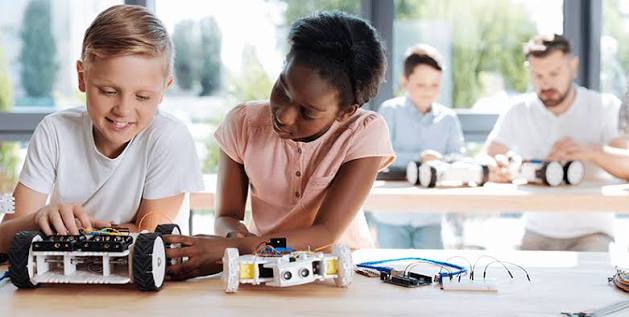
In Michigan, 12-year-old Holdon Hoy demonstrated his robot, SkoBot, speaking in Ojibwe, marking a unique cultural preservation effort. Danielle Boyer, 25, founded a nonprofit to guide Native American children in assembling SkoBots to learn endangered languages, inspired by a talking toy. With fewer than 10,000 speakers of Ojibwe in the U.S., the initiative aims to combat language loss exacerbated by historical policies.
The importance of this project lies in its dual focus on technology and cultural identity. Boyer emphasizes that SkoBot uses a voice-triggered system rather than generative AI, ensuring factual accuracy in language learning. This approach addresses concerns about AI fabricating information, particularly as large language models begin to create non-existent Ojibwe vocabulary. The project not only teaches language but also fosters interest in STEM among children.
As children program SkoBots to communicate in endangered languages, technology transcends its role as a productivity tool, becoming a means of cultural continuity. Boyer and Hoy's efforts highlight the intrinsic connection between language and culture, reinforcing that preserving language is vital for maintaining cultural identity.
Editor's Note
The intersection of technology and cultural preservation is increasingly relevant in today's robotics landscape. Initiatives like SkoBot not only promote language learning but also encourage engagement with STEM fields among younger generations. As industries seek to integrate technology into education, understanding the cultural implications of such tools becomes crucial for fostering inclusive practices.























Leave a comment