


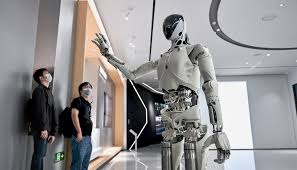
Shruti Chandra, an assistant professor of computer science at UNBC, led a team that introduced a humanoid robot named QT into real classroom settings at the Active Minds summer camp. Over seven camps, approximately 150 children aged 6 to 12 participated in ten game-based learning activities with the robot.
This research highlights a significant gap in existing studies on child-robot interaction, which typically occur in controlled environments. Chandra noted that children's behavior differs outside the lab, where factors like movement, conversation, and excitement can influence engagement. The findings, presented at the ACM/IEEE International Conference on Human-Computer Interaction, indicate that social robots can be integrated into classrooms and are generally accepted by children, though responses vary by age group.
The team is now launching a new investigation to explore how tangible interactions with social robots can enhance children's learning experiences beyond traditional screen activities. This shift from laboratory to real-world settings provides valuable insights into human-robot interaction and challenges, such as attention management and technology robustness, that are often overlooked in controlled studies.
Editor's Note
The integration of robots like QT into educational settings represents a significant advancement in understanding how technology can enhance learning. This research underscores the importance of real-world testing to address the complexities of child-robot interactions, which can vary greatly from controlled environments. As educational technology continues to evolve, insights from such studies will be crucial for effective implementation in classrooms.
































Leave a comment