Industry Briefing
A single destination for timely, editor-curated robotics news from around the world.

Nauticus Robotics Launches Nauticus ToolKITT™ to Enhance ROV Fleet Autonomy
Nauticus Robotics has officially launched Nauticus ToolKITT™, an autonomy suite designed for underwater vehicles, during its recent earnings call. This software is now available to fleet operators, vehicle manufacturers, and defense contractors, featuring the Pilot Assist module that aids ROV pilots without replacing them. The introduction of Nauticus ToolKITT is significant as it allows operators to retrofit existing remotely operated vehicles (ROVs) with autonomous capabilities, enhancing operational efficiency by over 20% while reducing pilot workload. This solution is particularly beneficial for operators of work-class and observation-class vehicles that currently lack navigational autonomy, enabling them to tackle more complex tasks with ease. Looking ahead, Nauticus Robotics aims to expand the use of ToolKITT across various sectors, including offshore energy, subsea telecommunications, and defense. The software's ability to integrate with existing systems while maintaining manual control positions it as a valuable asset for operators seeking to improve efficiency and reduce reliance on experienced pilots. No further timeline was disclosed at the time of publication.
nauticus robotics nauticus toolkitt™ commercial version autonomy rov fleets
Leidos Autonomy Achieves Key Milestones at RIMPAC and with USS Theodore Roosevelt
Leidos has reached significant milestones in maritime autonomy by deploying Sea Hunter at RIMPAC 2026 and Seahawk with the USS Theodore Roosevelt Carrier Strike Group. Sea Hunter, the only Medium Unmanned Surface Vessel (MUSV) at RIMPAC, successfully operated autonomously over 2,000 nautical miles, showcasing its capabilities in surveillance and manned-unmanned teaming. These achievements highlight the increasing importance of autonomous vessels in U.S. Navy operations, transitioning from experimental phases to integration within the fleet. Seahawk, the first MUSV to operate with a carrier strike group, demonstrated advanced features such as autonomous navigation, collision avoidance, and GPS-denied navigation, reinforcing the operational framework of the strike group. Looking ahead, Leidos plans to leverage its extensive experience in autonomous maritime technology, which includes over 200,000 nautical miles of operation and 14,000 hours of safe autonomous operation. No further timeline was disclosed at the time of publication.
leidos autonomy rimpac carrier strike group
Hermeus Teams with Anduril for Autonomy in Quarterhorse Drone Development
Hermeus has partnered with Anduril to integrate autonomy software into its Mk 2 Quarterhorse drone, with flight testing set to begin next year. This collaboration aims to enhance the drone's capabilities, allowing for automated flight controls and scalability in operations, as emphasized by Hermeus CEO Zach Shore. The partnership is significant as it leverages Anduril's Lattice mission autonomy suite, which will provide an end-to-end solution for autonomous operations. This integration is expected to accelerate the Quarterhorse's readiness for live operations, aligning with the Pentagon's funding and support for the drone's development. Looking ahead, the collaboration presents opportunities for both companies, with Anduril's technology being tested on a high-speed platform. The executives highlighted the mutual economic benefits and the potential for expanding the market for mission autonomy solutions, although specific financial details were not disclosed at the time of publication.
Air Warfare AI & Autonomy Air Force Anduril autonomy Business & Industry
Gravis Robotics Secures $200M to Advance Construction Autonomy Amid Infrastructure Expansion
Gravis Robotics has successfully raised $200 million to enhance construction autonomy, responding to the urgent demand for infrastructure expansion. This funding comes at a time when global infrastructure is experiencing significant growth, driven by the need for energy networks and climate-resilient facilities. The urgency for housing, transit, and resilient infrastructure is being amplified by the AI economy, which is creating unprecedented demand for data centers and energy systems. Gravis Robotics aims to leverage this funding to innovate and streamline construction processes, addressing the challenges posed by this rapid expansion. As the construction sector evolves, stakeholders should monitor Gravis Robotics' developments closely. The company's advancements in construction autonomy could play a crucial role in meeting the increasing infrastructure demands. No further timeline was disclosed at the time of publication.

Rivian's RJ Scaringe to Discuss EVs, Robotics, and Autonomy at Disrupt 2026
Rivian's CEO RJ Scaringe will share insights on the company's journey at TechCrunch Disrupt 2026, focusing on the challenges of scaling hardware production amid supply chain issues. Rivian is positioned at the crossroads of AI, software, robotics, and transportation, with Scaringe emphasizing the growing competition in the EV market. The launch of the R2 SUV, priced around $58,000, is a critical move for Rivian as it aims to broaden its market reach beyond the niche segment served by the R1T and R1S models. Scaringe has described the R2 as potentially the most significant product launch to date, especially in light of increasing competition from lower-cost Chinese EV manufacturers. Looking ahead, Scaringe has outlined a roadmap for achieving full Level 4 autonomy by 2028 and is developing Rivian's charging network to become one of the largest in the U.S. Additionally, he founded Mind Robotics, which has raised $900 million this year, aiming to enhance human-robot collaboration on Rivian's assembly line in Normal, Illinois. No further timeline was disclosed at the time of publication.
Transportation TechCrunch Disrupt Rivian RJ Scaringe
Maximizing Drone Utilization: The Importance of Human-Guided Autonomy for Militaries
The increasing deployment of drones in military operations necessitates a strategic approach to autonomy. This involves assessing both industrial and operational frameworks to optimize the effectiveness of drone technology. Understanding how to best implement human-guided autonomy is crucial for militaries aiming to enhance their operational capabilities. The integration of autonomous systems can lead to improved efficiency and effectiveness in various military applications, making it a vital area of focus. Looking ahead, militaries must prioritize the development of strategies that leverage human-guided autonomy in drone operations. This will not only enhance current capabilities but also prepare forces for future challenges in warfare. No further timeline was disclosed at the time of publication.
Features
The Importance of Perception in Advancing Industrial Autonomy
Autonomous Solutions Inc. (ASI) emphasizes the critical role of perception in scaling industrial autonomy. As the industry moves beyond simple automation, the focus has shifted to how effectively machines can perceive their surroundings and make real-time decisions. This evolution is crucial for enhancing operational efficiency and safety in complex industrial environments. The integration of advanced vision systems is essential for achieving high-performance autonomous platforms without the need for complete fleet replacements. ASI's Mobius® platform exemplifies this approach, allowing operators to upgrade existing equipment and capture the benefits of autonomy while minimizing disruption. The need for robust perception systems is underscored by the challenges faced in harsh operational conditions, where traditional sensors often fail. Looking ahead, the demand for intelligent, spatially aware autonomy will continue to grow, as industries seek to optimize productivity and safety. The ability to anticipate and navigate unforeseen obstacles through probabilistic perception will be a key differentiator in the market. No further timeline was disclosed at the time of publication.
Analysis Construction Design / Development Mining Mobility / Navigation News
The Shift from Automation to Autonomy in Warehouse Operations with Physical AI
The integration of Physical AI is transforming warehouse operations by enhancing the coordination of people, robots, and workflows. This shift emphasizes that effective management of these elements is becoming as crucial as the intelligence embedded in individual machines. As warehouses increasingly adopt Physical AI, the focus is shifting from merely automating tasks to creating autonomous systems that can adapt and optimize workflows in real-time. This evolution is significant for improving efficiency and productivity in logistics and supply chain management. Looking ahead, stakeholders should monitor advancements in Physical AI technologies and their impact on warehouse operations. The ability to seamlessly coordinate human and robotic efforts will likely define the future of logistics, making it essential for companies to stay informed about these developments.
U.S. Navy Selects Blue Water Autonomy for Autonomous Ocean Surveying Contract
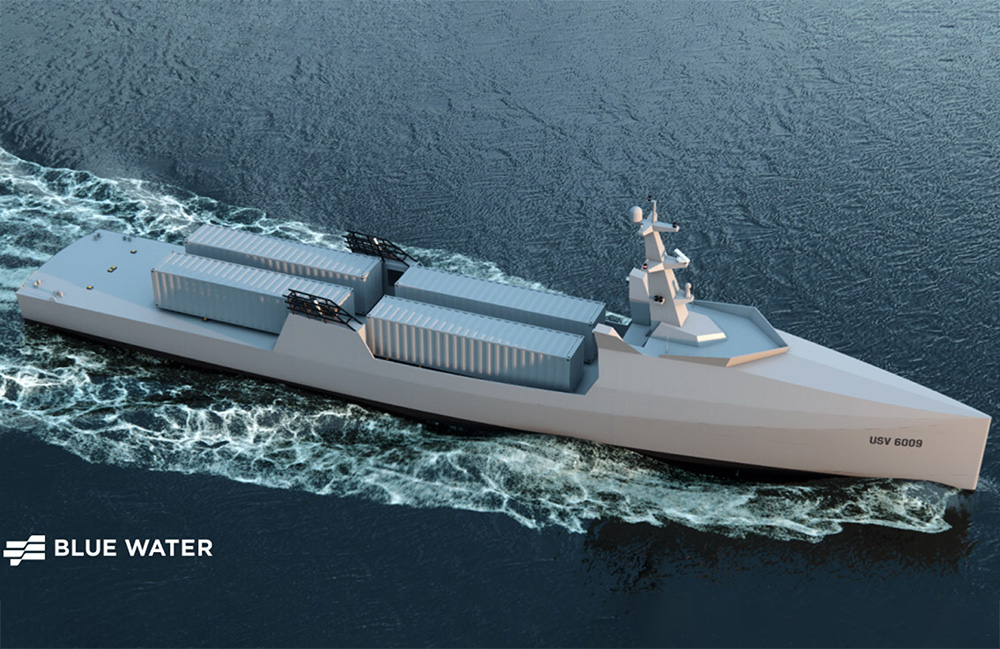
Blue Water Autonomy has been awarded a multiple-award contract by the Naval Oceanographic Office (NAVOCEANO) to conduct high-resolution ocean floor mapping using its autonomous vessels. This contract, which has a ceiling of $40 million, allows Blue Water Autonomy to leverage its technology for deep ocean surveys across the Indian and Pacific oceans. The significance of this contract lies in the Navy's increasing reliance on uncrewed systems to perform demanding ocean surveys, which traditionally require costly crewed ships. By utilizing autonomous vessels, the Navy aims to reduce operational costs and risks to personnel while enhancing its surveying capabilities over vast ocean areas. Looking ahead, Blue Water Autonomy plans to complete its first Liberty Class vessel for the U.S. Navy this year. This 190-foot autonomous ship is designed for long-duration missions and can operate over 10,000 nautical miles, showcasing the company's commitment to advancing autonomous maritime technology.
Artificial Intelligence Artificial Intelligence / Cognition Design / Development Maritime Markets / Industries News
AI Agent Autonomy's Impact on Robotics Safety and Control Mechanisms
Robotic systems are increasingly capable of perceiving, choosing, and altering their behavior autonomously, without human intervention. This shift towards autonomy enhances adaptability in various environments such as warehouses and labs, but it also raises significant concerns regarding safety and control. Traditional safety measures, including physical barriers and emergency buttons, may no longer suffice as robots undertake more complex tasks. The implications of this autonomy are profound, as organizations must now assess the quality of decisions made by autonomous systems, the reliability of their software, and the protocols for monitoring their actions. Unlike conventional robots that follow fixed commands, autonomous robots can evaluate multiple scenarios and make decisions based on real-time conditions, which complicates safety protocols. Ensuring that these systems operate safely requires a reevaluation of existing safety standards that focus on speed and force. Looking ahead, it is crucial for operators to have adequate information to respond effectively to unexpected robot behavior. Autonomous robots utilize various sensors to interpret their environment, but factors like dust and poor lighting can affect input quality. Organizations should prioritize the definition and testing of triggers for human intervention to maintain a balance between autonomy and safety. No further timeline was disclosed at the time of publication.
AI agents Infrastructure AI agent autonomy ai agents ai safety automation
Blue Water Autonomy and Saildrone Sue Navy Over MUSV Marketplace Proposals
Blue Water Autonomy and Saildrone have initiated legal action against the U.S. Navy, asserting that their submissions met the requirements for the new MUSV marketplace. The lawsuits highlight the companies' contention that their proposals were compliant with the Navy's specifications, which is crucial for their competitive positioning in the defense sector. This legal dispute is significant as it underscores the challenges faced by companies in meeting military procurement standards and the implications of such lawsuits on future contracts. The outcome could influence how the Navy evaluates proposals and the overall dynamics of the MUSV marketplace, which is vital for advancing unmanned surface vehicle technologies. As the case unfolds, stakeholders should monitor the Navy's response and any potential changes to the MUSV marketplace criteria. The resolution of this dispute may set precedents for future engagements between defense contractors and military branches, impacting the broader landscape of defense procurement.
Naval Warfare Blue Water Autonomy Drones MUSV Navy Saildrone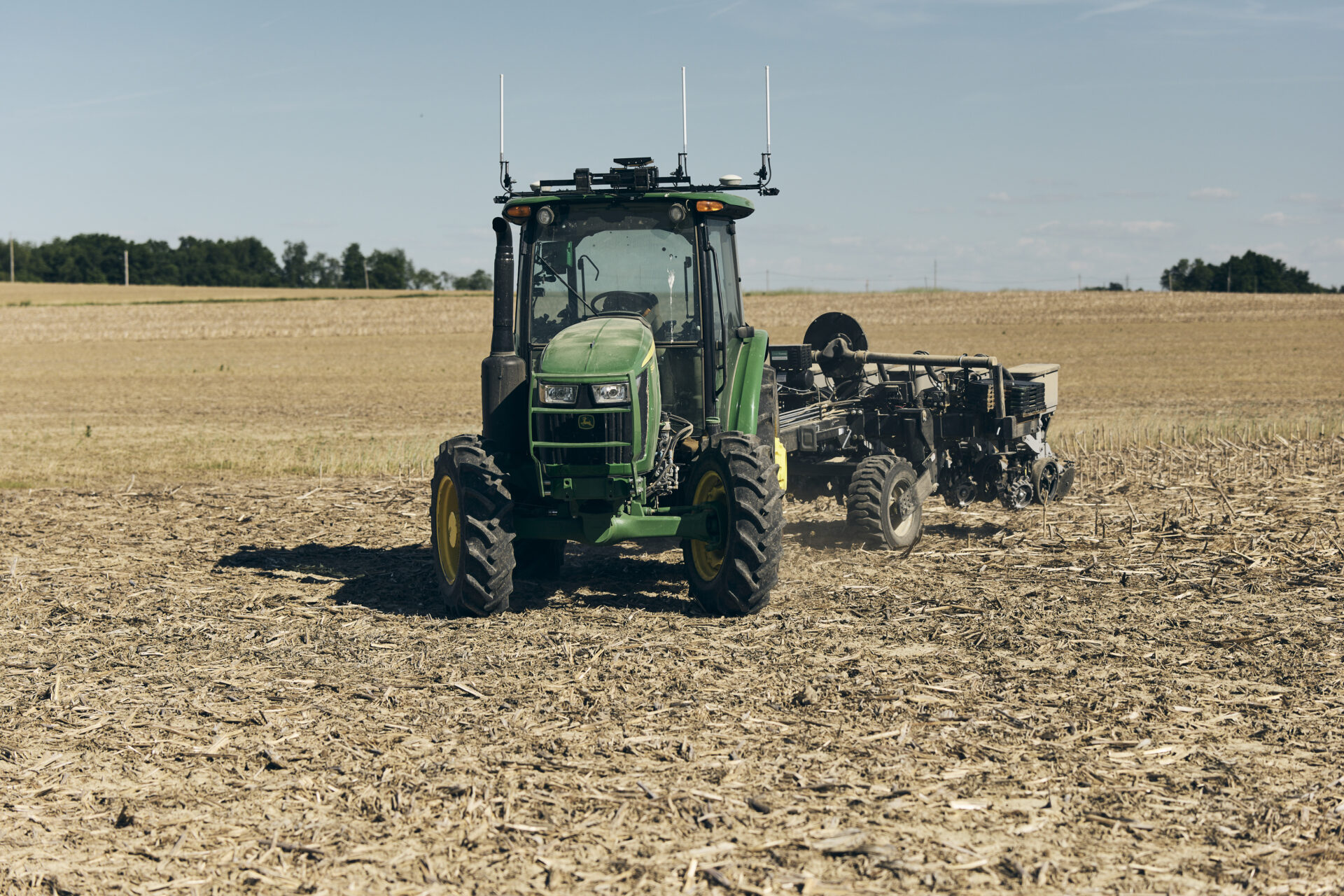
Leaps By Bayer Invests in Sabanto to Enhance Agricultural Autonomy Solutions
Sabanto, known for its autonomy retrofit system for agriculture, has successfully completed an oversubscribed Series B funding round aimed at expanding practical autonomy in farming. Founder and CEO Craig Rupp emphasized that their approach focuses on reducing capital investment by enabling farmers to utilize smaller, lower-cost autonomous tractors instead of investing in larger machinery. The significance of this funding round, led by Leaps by Bayer, lies in its potential to transform agricultural practices by making autonomy more accessible to farmers. By retrofitting existing tractors with advanced technology, Sabanto aims to lower the costs associated with adopting autonomous systems while enhancing productivity through continuous operation. This approach addresses the financial constraints many farmers face, as highlighted by Rupp and Paimun Amini from Leaps By Bayer. Looking ahead, Sabanto's partnership with Verdant Robotics to integrate precision agriculture applications could further streamline farming operations. The company has already established deployments in the United States and Australia, indicating a solid understanding of market needs. No further timeline was disclosed at the time of publication.
Agtech Artificial intelligence Deeptech Investing Precision agriculture Startups & funding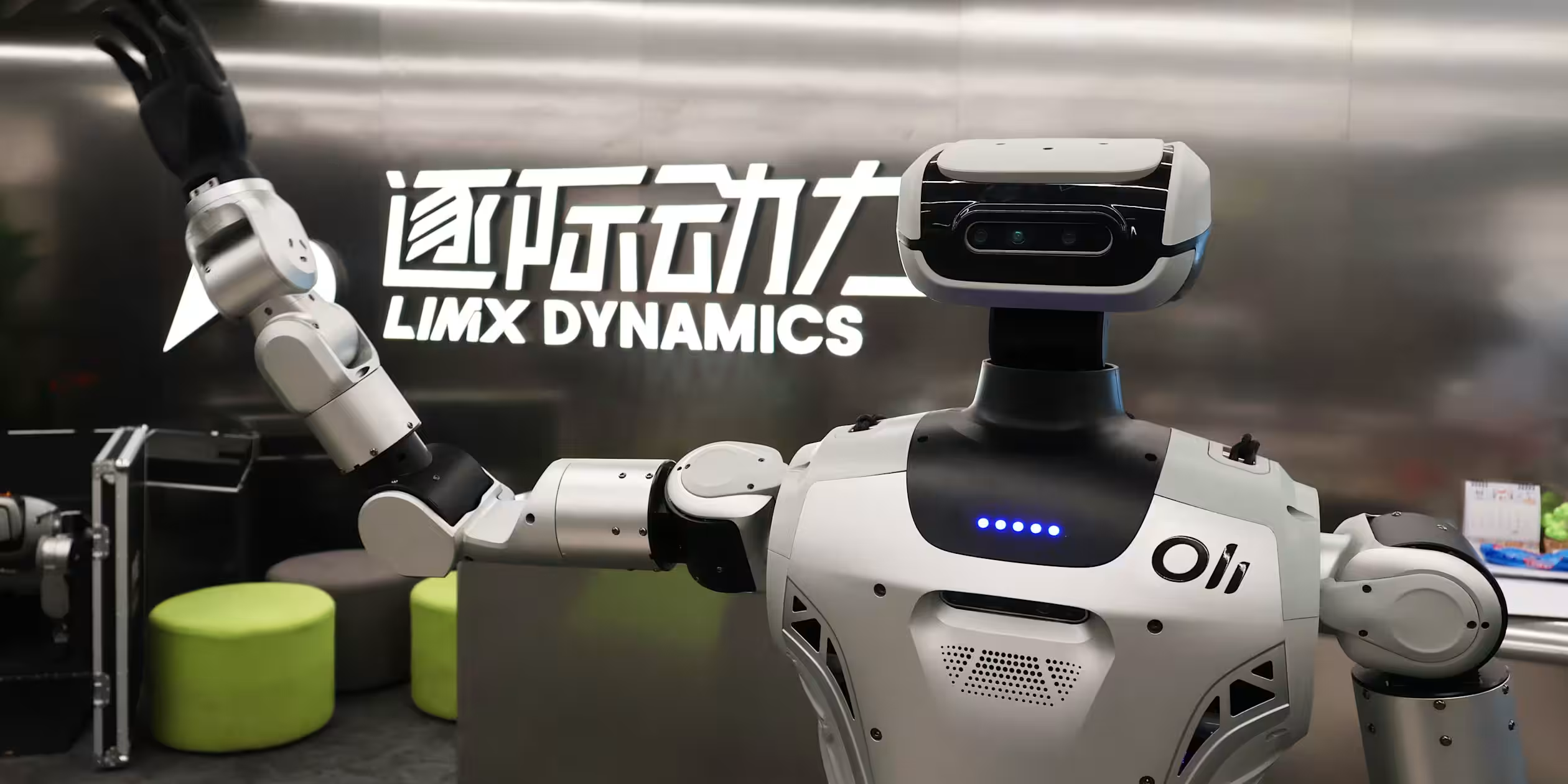
LimX Dynamics Secures $200 Million to Enhance Humanoid Robot Autonomy
Chinese startup LimX Dynamics announced the successful raising of nearly $200 million, valuing the company at approximately $2.2 billion. This funding aims to advance the development of humanoid robots capable of performing complex tasks autonomously, a critical step for the company based in Shenzhen, China. The significance of this funding round lies in LimX Dynamics' need for real-world data to enhance the autonomy of its robots. As the demand for advanced robotics solutions grows, achieving higher levels of autonomy will position LimX Dynamics competitively within the robotics market. Looking ahead, industry observers will be keen to see how LimX Dynamics utilizes this funding to accelerate its research and development efforts. No further timeline was disclosed at the time of publication.
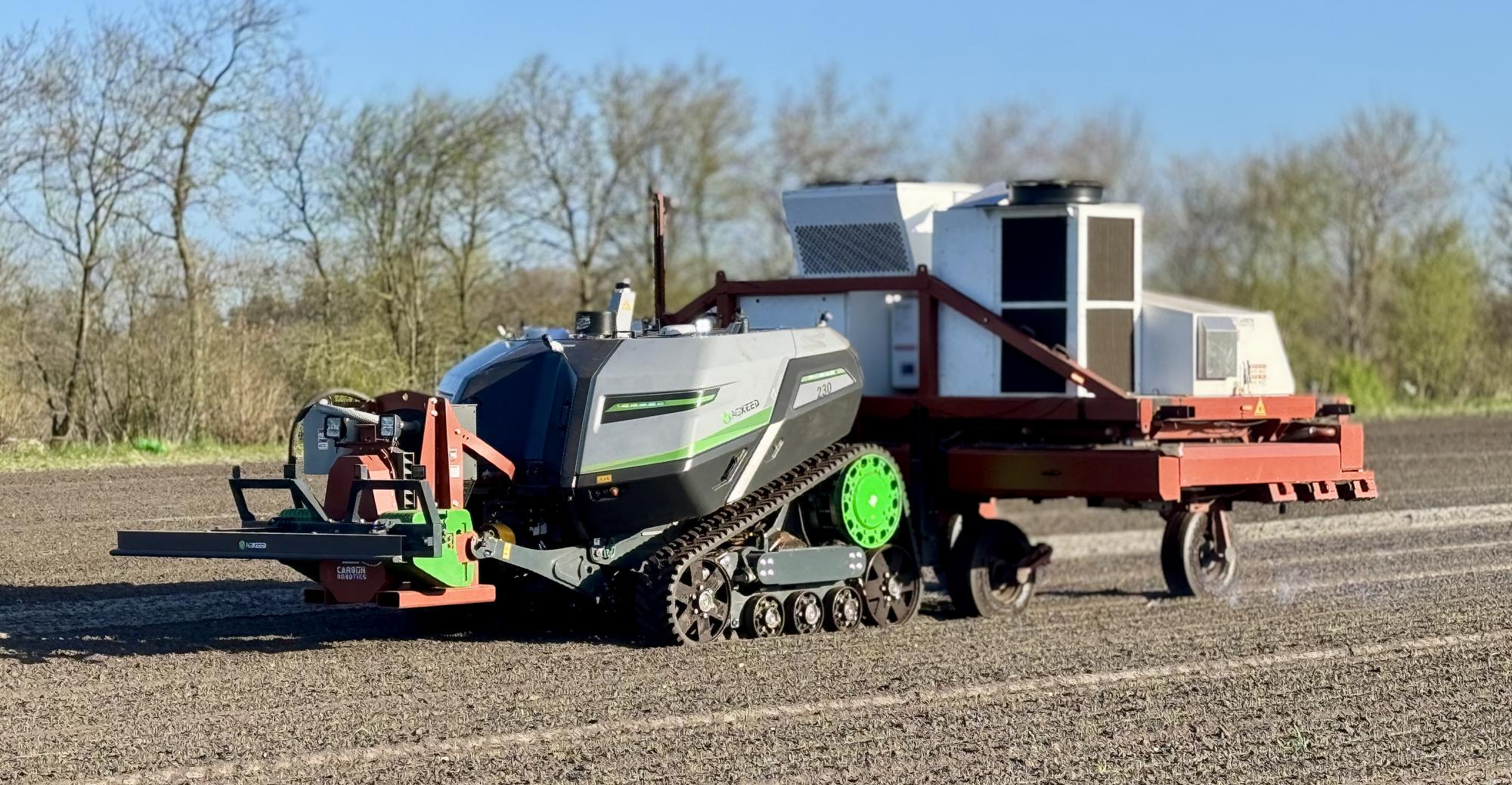
AgXeed T2 7-SERIES and Carbon Robotics LaserWeeder Showcase Effective Autonomy
Danish farmer Axel Månsson has been utilizing the AgXeed T2 7-SERIES alongside a Carbon Robotics LaserWeeder since April. After several months of practical use, he evaluated the autonomous tractor on nine criteria, including setup, reliability, capacity, costs, and integration into his farm operations. Månsson awarded the system an impressive 4.5-star rating on most aspects, highlighting its potential to reduce labor costs. This collaboration between the AgXeed T2 7-SERIES and the LaserWeeder is significant as it demonstrates the effectiveness of autonomous technology in organic farming. Månsson operates one of Scandinavia's largest organic vegetable farms in Jutland, Denmark, where the integration of these technologies can lead to improved efficiency and sustainability in agricultural practices. Looking ahead, the continued performance of the AgXeed T2 7-SERIES and LaserWeeder will be closely monitored, particularly in terms of labor savings and operational efficiency. No further timeline was disclosed at the time of publication.
Field robots autonomous tractors Laser weeder organic farming Smart Farming
AVEVA and IDEC Redefine Machine Safety for Autonomous Operations
AVEVA's Cross DataOps platform enhances safety systems by integrating disparate data to support AI-driven autonomous operations. As manufacturers increasingly adopt robotics, there is a pressing need to evolve industrial safety from static controls to a more dynamic framework that fosters collaboration between humans and machines. Traditional safety protocols, which often involve isolating human workers from machinery, are becoming outdated. Ted Combs from AVEVA highlights the shift towards a more interactive safety approach, driven by the rise of robotics and autonomous technologies. This evolution necessitates new safety measures that allow for safe human-machine interactions without compromising productivity. IDEC's Assisted E-STOP system exemplifies this new safety paradigm, enabling remote activation of emergency stops while preventing unintended machine restarts. By leveraging advanced technologies such as AI and sensors, IDEC aims to create a collaborative safety environment that enhances worker safety and operational efficiency. No further timeline was disclosed at the time of publication.
Factory / Safety
Agtonomy Enhances Autonomy Stack with Multi-Point Turning and Data Collection Features
Agtonomy has introduced two significant updates to its autonomy stack, including a new autonomous multi-point turning capability and enhanced passive data collection across its fleet. This multi-point turning feature enables Agtonomy-enabled units to perform complex reversing maneuvers without human intervention, addressing challenges in tight headlands that have previously limited autonomous tractor usage. The importance of these updates lies in their potential to improve operational efficiency in various agricultural sectors, including vineyards, orchards, and crop management. By generating over two terabytes of data per hour from each vehicle, Agtonomy aims to leverage this data for faster system iterations and to provide valuable insights to agronomy and analytics partners, ultimately enhancing fleet optimization and operational analytics. Looking ahead, Agtonomy's platform now supports over 500 implements, with partnerships with OEMs like Kubota and Bobcat expanding its capabilities. The company emphasizes the need for autonomous fleets that not only operate effectively but also evolve over time to meet the practical challenges faced by growers. No further timeline was disclosed at the time of publication.
Autonomous/semi-autosteering systems autonomous system autonomy
Apellix Demonstrates Power Wash Drone for Safe, Scalable Commercial Cleaning in Malibu
On July 25, 2026, Apellix showcased its Power Wash Drone at Pepperdine University in Malibu, demonstrating its capabilities in commercial cleaning without the need for scaffolding or lifts. This event attracted facility managers, building service contractors, and university faculty, highlighting the drone's effectiveness in reducing maintenance costs. The significance of this demonstration lies in Apellix's ability to address safety concerns associated with elevated work in commercial real estate. By utilizing the Power Wash Drone, operators can minimize risks while maintaining building exteriors, thus transforming the approach to facility maintenance. Looking ahead, the continued deployment of the Power Wash Drone across 21 countries indicates a growing trend in the adoption of autonomous cleaning technologies. No further timeline was disclosed at the time of publication.

HII and MetalCraft Marine's Autonomous ROMULUS USV Passes Critical DoW Test for U.S. Navy
HII announced that its autonomous Watcher small Unmanned Surface Vessel (sUSV), based on the ROMULUS-25, has successfully passed a critical test recognized by the U.S. Defense Innovation Unit (DIU). This achievement marks the completion of the Production-Ready, Inexpensive, Maritime Expeditionary (PRIME) prototype project, which aims to develop smaller autonomous vessels for the U.S. Marine Corps. The successful testing of the Watcher sUSV is significant as it meets the operational needs of the Department of the Navy for interceptors capable of autonomous operations in contested waters. HII's Odyssey Autonomous Control System (ACS) enhances the vessel's capabilities, allowing for intelligent navigation and mission planning, which are crucial for modern naval operations. Looking ahead, HII is positioned for a potential transition to production under Other Transaction Authority (OTA) agreements. The company aims to continue delivering innovative autonomous solutions that enhance naval readiness and operational flexibility, as stated by HII's leadership and MetalCraft Marine's General Manager.
hii metalcraft romulus usv autonomy critical dow test
Google DeepMind Launches Gemini Robotics 2 for Enhanced Autonomy in Humanoid Robots
Google DeepMind has introduced Gemini Robotics 2, a suite of AI models aimed at enhancing the autonomy of humanoid and other robots through advanced whole-body control and dexterity. This system is currently showcased on Apptronik's Apollo 2 humanoid robot, which can execute full-body autonomous movements such as walking and manipulating objects while reasoning through complex tasks in real time. The significance of this development lies in its ability to enable robots to move beyond pre-programmed tasks, adapting to dynamic environments. Gemini Robotics 2 serves as an 'intelligence layer' for robots, facilitating coordination from 'feet to fingertips' and improving dexterity with tasks like tying trash bags or unscrewing light bulbs. This advancement builds on the collaboration between Google DeepMind and Apptronik, which recently launched Robot Park to gather data for training future AI models. Looking ahead, the introduction of multi-robot collaboration capabilities allows different robot types to work together on complex workflows. Gemini Robotics On-Device 2 is designed for industrial settings with limited cloud connectivity, enabling rapid adaptation to new hardware. No further timeline was disclosed at the time of publication.
Artificial Intelligence Humanoids News Apptronik Apollo 2 embodied ai Gemini Robotics 2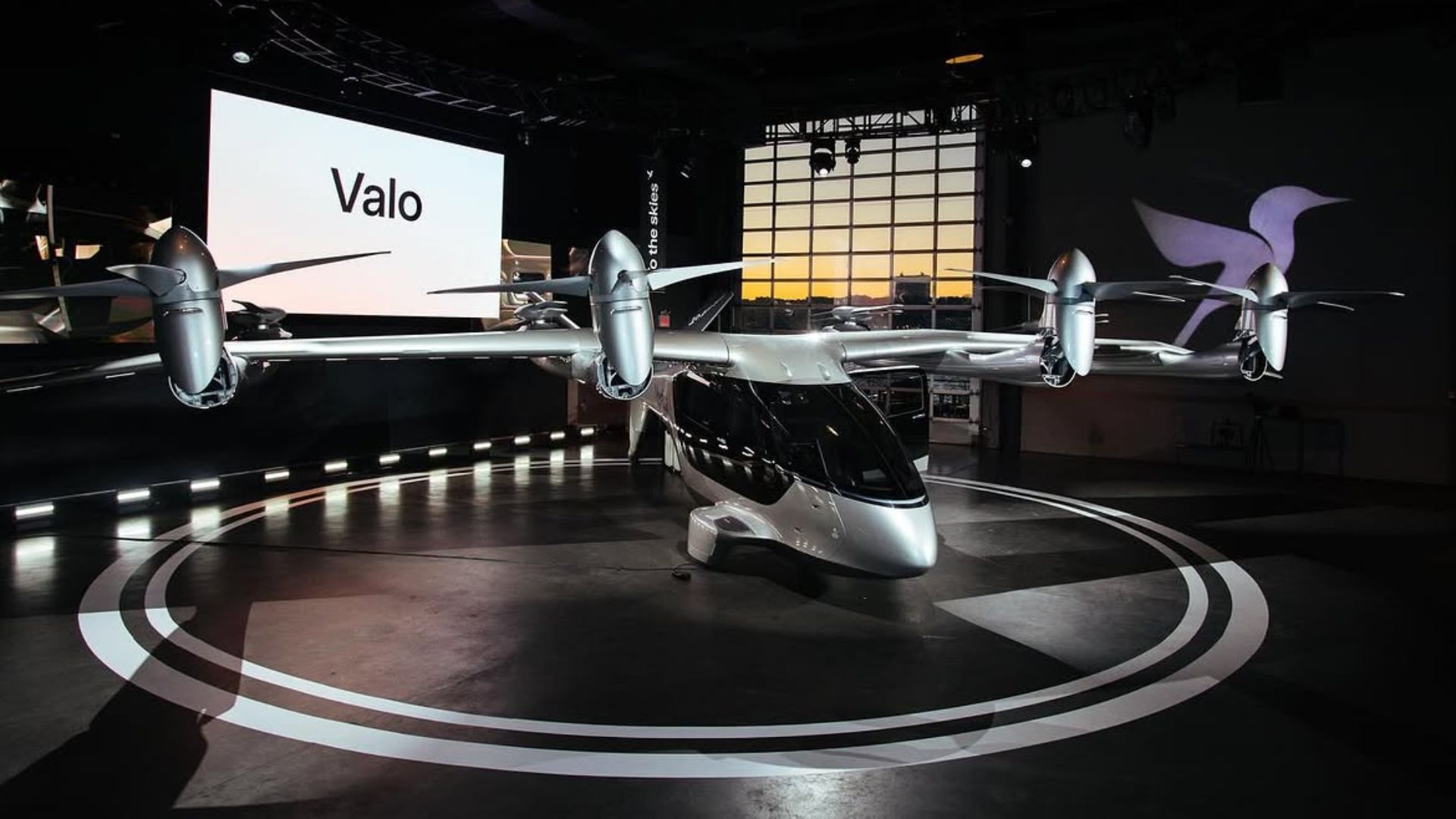
Vertical Aerospace Partners with Near Earth Autonomy for Valo Aircraft's Autonomous Flight Capabilities
Vertical Aerospace has partnered with Near Earth Autonomy to enhance its Valo aircraft with advanced autonomous flight capabilities. This collaboration aims to integrate Near Earth's autonomy software with Honeywell Aerospace's Anthem digital cockpit, facilitating the development of self-flying technology for defense and commercial aviation. The partnership is significant as it allows Vertical to leverage Near Earth's extensive experience in autonomous aviation, which includes systems developed for military applications. By utilizing a shared technology stack, the companies aim to reduce technical risks associated with expanding autonomous features in the Valo aircraft, which is designed for both defense and commercial markets. Looking ahead, Vertical plans to pursue defense programs while also preparing for automated commercial operations. The Valo aircraft, featuring hybrid-electric propulsion, is capable of flying up to 1,000 miles and carrying payloads of up to 2,400 pounds, making it a versatile option for various operational roles. No further timeline was disclosed at the time of publication.
Transportation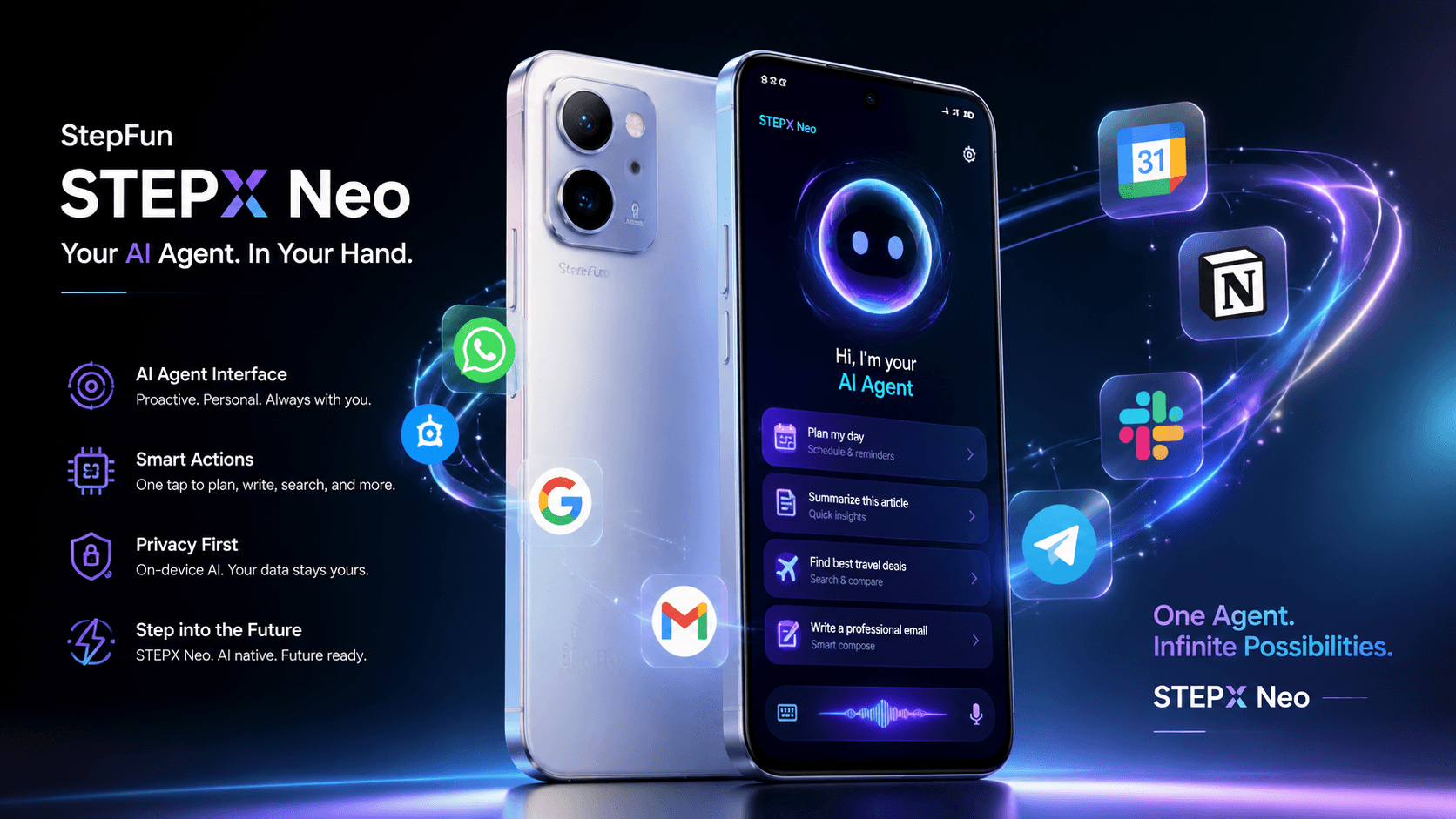
StepFun Launches STEPX Neo: An AI Agent Phone with Cross-App Integration
StepFun, a Shanghai-based AI unicorn, has introduced the STEPX Neo, an innovative phone equipped with the agent-native Step AOS and Amoo agent. This device integrates over 10 major platforms, including Alipay, Meituan, Didi, and Baidu, enabling autonomous task execution across applications. The launch of STEPX Neo is significant as it represents a leap forward in mobile technology, allowing users to perform tasks seamlessly across multiple applications without manual intervention. By leveraging the capabilities of various platforms, the STEPX Neo aims to enhance user experience and efficiency in daily tasks. Looking ahead, the impact of STEPX Neo on the market will be worth monitoring, particularly in how it influences user adoption of AI-driven mobile solutions. No further timeline was disclosed at the time of publication.
Technology
XTEND Receives U.S. Patent for Drone Autonomy Technology Enhancing Mission Efficiency
XTEND Reality Inc. has secured a U.S. patent for its autonomous navigation technology, specifically U.S. Patent No. 12,222,735, which allows drones to navigate toward operator-designated destinations without reliance on the surrounding environment. This patent, also granted in Israel, supports the company's mission to enhance drone autonomy in complex operational settings, reducing operator workload and improving mission execution reliability. The significance of this patent lies in its ability to enable drones to adapt their navigation in real-time while maintaining focus on mission objectives. As autonomous operations grow in defense, security, and public safety sectors, this technology positions XTEND favorably in a competitive landscape, reinforcing its software foundation, XOS, for next-generation autonomous systems. Looking ahead, XTEND is set to participate in the Gauntlet II phase of the U.S. Department of War's Drone Dominance Program, which will test autonomous systems in August at Fort Carson, Colorado. No further timeline was disclosed at the time of publication regarding additional developments related to this patent or upcoming projects.
Controllers Defense / Security Investments Mergers & Acquisitions News Unmanned Aerial Systems / Drones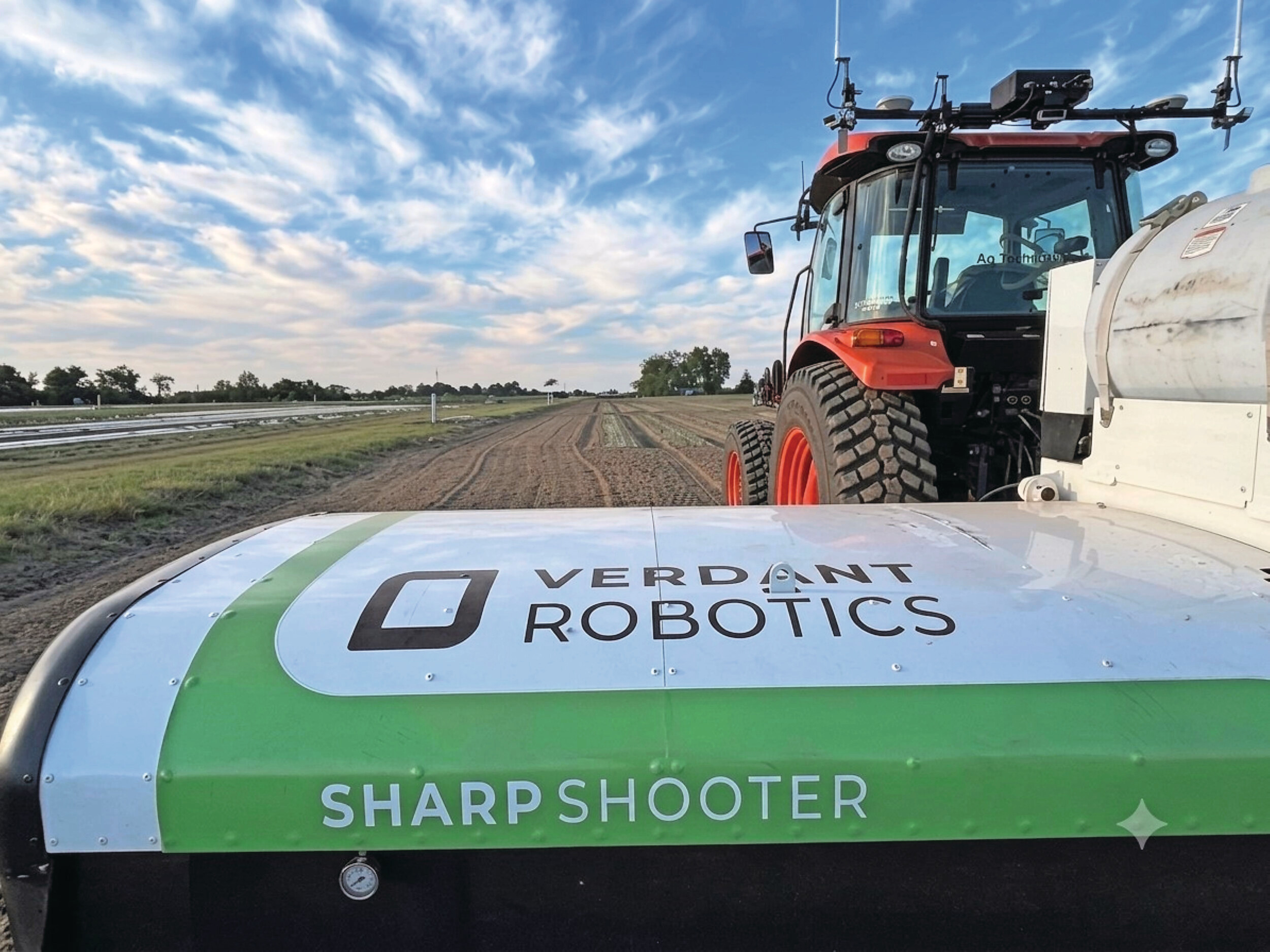
Sabanto and Verdant Robotics integrate autonomy and precision application systems
U.S. companies Sabanto Inc. and Verdant Robotics have announced a groundbreaking integration of their systems, marking a significant advancement in agricultural automation. This collaboration allows producers to automate various fieldwork tasks, including navigation and plant-level input application, without the need for an operator present in the cab. The integration aims to enhance efficiency and productivity in farming operations, responding to the growing demand for innovative agricultural solutions. By leveraging advanced technology, both companies are paving the way for a new era of autonomous farming, which could transform traditional practices and address labor shortages in the industry.
Autonomous/semi-autosteering systems autonomous farm equipment autonomous tractors crop management systems retrofit kits
EXCLUSIVE: Hegseth creates autonomy czar to manage almost all drone efforts
An internal memo acquired by Breaking Defense reveals that a newly established role within the Department of Defense will oversee all ground vehicles, small air vehicles, and nearly all sea vehicles. This position will report directly to Deputy Defense Secretary Stephen Feinberg. The creation of this role aims to streamline oversight and enhance coordination among various military vehicle operations, reflecting a strategic shift in the Department's approach to managing its diverse fleet. The memo underscores the importance of integrating these vehicle categories to improve efficiency and effectiveness in military logistics and operations.
Pentagon AI & Autonomy Defense Autonomous Working Group - DAWG Director for Major Weapons Program Drones DRPM UxS
Turkey’s ‘Fighter Drone’ Teamed With M-346 Fighter-Trainer In Autonomy Trials
Turkey has joined a select group of nations engaged in advanced flight testing of crewed and uncrewed aircraft collaboration, marking a significant step in the development of autonomous combat systems. The recent demonstrations featured Turkey's innovative 'fighter drone' working in tandem with the M-346 fighter-trainer aircraft. These trials are part of a broader initiative as air forces worldwide strive to enhance their capabilities through collaborative combat aircraft. The successful integration of these technologies could reshape future military operations and tactics, underscoring Turkey's commitment to advancing its defense capabilities in an increasingly competitive global landscape.
Air Air Forces Drones News & Features Turkish Air Force
Automation vs autonomy: What will shape the future of battlefield drones?
Recent advancements in drone technology are enabling these unmanned aerial vehicles to operate autonomously, significantly enhancing their effectiveness in various operations. This shift towards autonomy is seen as a crucial development, particularly in military applications, where drones can act as force multipliers on the battlefield. The integration of autonomous capabilities allows drones to make real-time decisions without direct human intervention, although human oversight remains essential for critical kinetic decisions. This balance aims to improve operational efficiency while ensuring safety and accountability. The ongoing evolution of drone technology is expected to reshape strategies in both defense and civilian sectors, with implications for how aerial missions are conducted in the future.
Networks & Digital Warfare Sponsored Post AI cyber security Drones networks
NOVARC LAUNCHES NovAI AUTONOMY AS PART OF NovAI SUITE AND EXPANDS INTEGRATION TO YASKAWA AND ABB ROBOTS
Novarc Technologies, an industrial AI company focused on welding automation, unveiled its latest innovations at the Automate 2026 trade show in Chicago, running from June 22-25. The company introduced NovAI™ Autonomy, a cutting-edge solution that integrates machine vision and real-time adaptability into robotic welding processes, alongside NovHub™, its Enterprise Welding Intelligence platform. These technologies are designed to enhance the capabilities of ABB and Yaskawa robots, addressing critical challenges in the fabrication industry, such as a shortage of skilled welders and the need for greater automation flexibility. CEO Soroush Karimzadeh emphasized that NovAI aims to retrofit existing robotic cells, improving quality and efficiency by adapting to variations in parts and reducing manual rework. Demonstrations at the event showcased how NovAI Autonomy can automatically adjust welding parameters in response to misalignments and gaps, promising increased return on investment for manufacturers. The partnership with Yaskawa, formalized through a Memorandum of Understanding, aims to accelerate the deployment of vision-enabled welding cells, further enhancing productivity in heavy fabrication sectors. As demands for precision and efficiency grow, Novarc's advancements position it as a leader in AI-powered welding solutions, enabling manufacturers to optimize their operations and remain competitive.

Atlas moves closer to real-world autonomy, KB says
Hyundai Motor Group is rapidly advancing its humanoid robot initiatives, particularly as Boston Dynamics' Atlas robot approaches the necessary level of autonomy for industrial use. A report published on Monday by KB Securities analyst Kang Sung-jin highlights that recent footage from Boston Dynamics, a subsidiary of Hyundai based in the United States, indicates substantial progress in the development of "general intelligence" for humanoid robots. This capability allows robots to adapt to various tasks and environments, marking a significant step towards their practical application in industries.
All News
Burro introduces Grande 44 with proven outdoor autonomy built for heavy industry
Burro has unveiled its latest innovation, the Burro Grande 44, a robust autonomous vehicle designed specifically for heavy industry applications. This new model boasts over 1 million hours of real-world operational experience in industrial towing, site logistics, and facilities management. By integrating proven outdoor autonomy, the Burro Grande 44 aims to enhance efficiency and productivity in demanding environments. The introduction of this advanced vehicle marks a significant step forward in the automation of industrial processes, reflecting Burro's commitment to providing reliable and effective solutions for the challenges faced by heavy industry.
Agriculture Artificial Intelligence Autonomous Mobile Robots (AMRs) Construction Logistics Manufacturing
ASI Releases CEO Playbook for Scaling Autonomy Across Industrial Operations
A new white paper has been released, providing a comprehensive roadmap for organizations looking to transition from pilot programs to full-scale automation. This document, developed by industry experts, aims to guide businesses through the complexities of implementing automated systems effectively. The white paper highlights best practices and strategies that have proven successful in various sectors, emphasizing the importance of a structured approach to automation. Released in October 2023, it addresses the growing demand for efficiency and innovation in the workplace. By outlining key steps and considerations, the white paper serves as a valuable resource for companies eager to enhance their operational capabilities and stay competitive in an increasingly automated landscape.

Defining Autonomy for Wellness Robots in Senior Care
A recent examination highlights the potential of socially assistive wellness robots in enhancing senior wellness across seven key dimensions. This analysis, aimed at addressing the escalating senior care crisis, underscores the challenges posed by demographic shifts, workforce shortages, and gaps in daily wellness programming that traditional care models face. The study defines wellness robots distinctly from companion and medical devices, emphasizing their unique features and functions. It introduces a framework for measuring the autonomy of these robots using the Care Robot Autonomy Scale (CRAS), a six-level scale inspired by the SAE J3016 driving standard, which assesses four critical care dimensions. Furthermore, the research outlines a roadmap for achieving full autonomy in wellness robots, detailing necessary technical capabilities, clinical evidence, and a phased approach leading into the early 2030s. This comprehensive analysis aims to inform stakeholders about the transformative role of wellness robots in senior care and the urgent need for innovative solutions in the face of growing demands. A free whitepaper summarizing these findings is available for download.
Type-whitepaper Wellness-robots Autonomous-robots Robotics
1X Launches World Model Lab to Advance Humanoid Robot Autonomy
1X, a Norwegian-American company specializing in humanoid robotics, has unveiled its new facility, the 1X World Model Lab, aimed at advancing artificial intelligence. This initiative is designed to develop large-scale foundation models that will enable robots to better understand, predict, and interact with their environments. The lab's focus is on pretraining these models using essential data from the outset, enhancing the robots' capabilities in various applications. The launch reflects 1X's commitment to pushing the boundaries of robotics and AI technology.
AI AI Funding & Investment AI Research & Advances Robotics Uncategorized 1X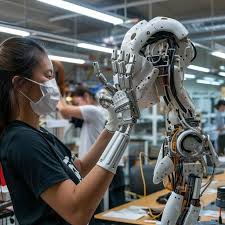
Turkey’s defense industry is leaning into autonomy and targeting Gulf markets
Agnes Helou, the Middle East Bureau Chief, recently reported insights gained from attending Turkey’s SAHA defense expo. The event showcased the latest advancements in defense technology and attracted a diverse array of industry professionals and government officials. Held in Turkey, the expo served as a platform for exhibitors to demonstrate innovations in military equipment and defense systems. The motivation behind the event was to enhance Turkey's defense capabilities and foster international collaboration in the defense sector. Helou's observations highlighted the significance of the expo in promoting Turkey's growing role in the global defense market and its efforts to establish partnerships with other nations. Through a series of presentations and demonstrations, attendees engaged with cutting-edge technologies, reflecting the evolving landscape of defense and security in the region.
Global Air Force Business & Industry Drones Europe Havelsan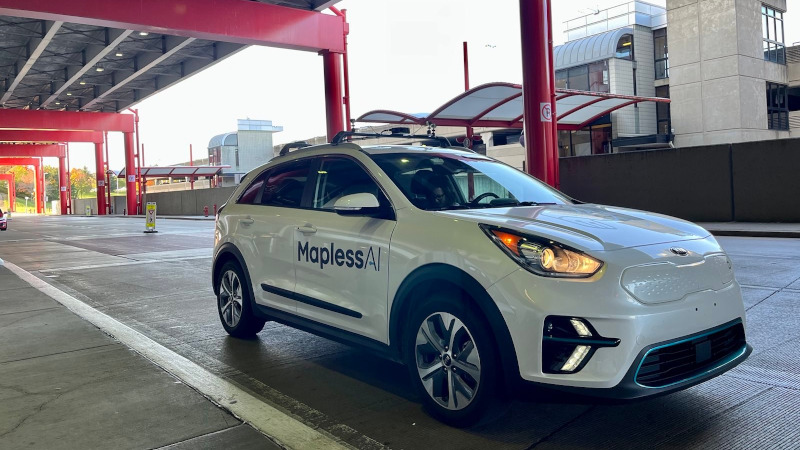
Fort Robotics acquires Mapless AI to expand supervised autonomy and physical AI safety platform
Fort Robotics, a company specializing in trust solutions for physical AI, has acquired Mapless AI, a prominent firm based in Boston and Pittsburgh known for its expertise in vehicle teleoperation and autonomy supervision. This acquisition marks a strategic move for Fort, enhancing its Trust Platform with two essential capabilities: remote human-in-the-loop teleoperation and onboard active safety. By integrating Mapless AI's technologies, Fort aims to broaden its commercial offerings and improve the safety and efficiency of autonomous systems. The deal underscores Fort's commitment to advancing the development of reliable and secure AI-driven solutions in the robotics sector.
Artificial Intelligence Financials & Investments Logistics active safety systems ai robotics automation news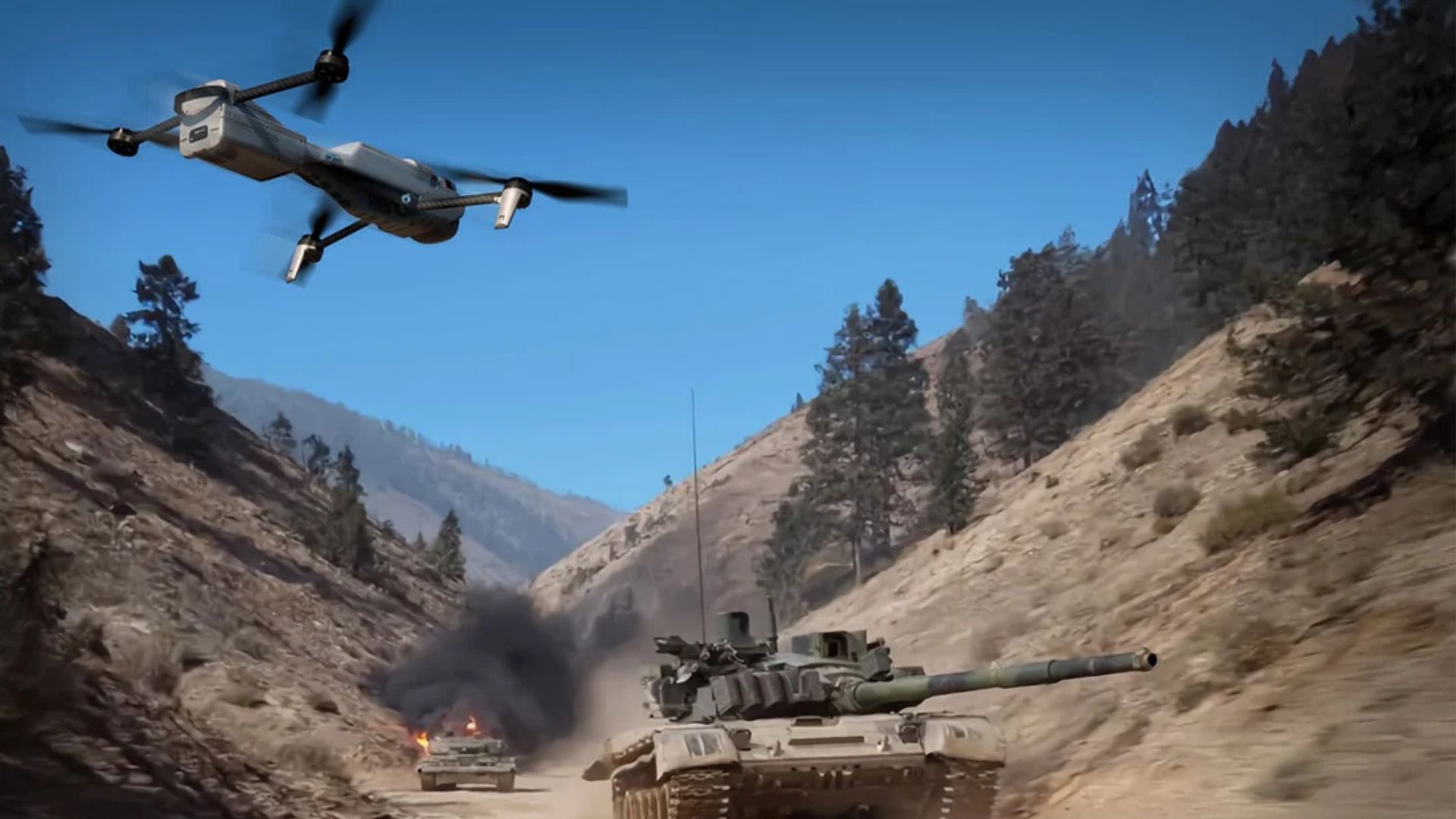
Upgraded Rogue 1 kamikaze drone boosts range, autonomy and 12-mile strike capability
Teledyne FLIR Defense has unveiled the Rogue 1 Block 2, a significantly enhanced iteration of its advanced unmanned aerial vehicle (UAV). This latest model was introduced during a recent defense technology exhibition, showcasing its capabilities to meet evolving military requirements. The upgrades aim to improve operational efficiency and effectiveness in various defense scenarios, responding to the increasing demand for sophisticated aerial surveillance and reconnaissance tools. The Rogue 1 Block 2 features advanced sensors and enhanced flight performance, allowing for greater versatility in missions. Teledyne FLIR Defense continues to prioritize innovation in defense technology, ensuring that their products remain at the forefront of military applications.

Rajant Health (RHI) and Chord Robotics Expand Cowbell Platform to Enable Scalable, Multi-Domain Collaborative Autonomy
Rajant Health (RHI) and Chord Robotics have announced an expanded partnership to enhance their Cowbell platform, introducing advanced "Flying Cowbell" capabilities aimed at enabling scalable, multi-domain collaborative autonomy. This collaboration, revealed on May 22, 2026, integrates RHI's Kinetic Mesh® networking with Chord Robotics' TEMPO™ software, facilitating real-time control of mixed fleets operating across air, land, and sea. The "Flying Cowbell" system transforms mobile nodes, including unmanned aerial systems (UAS) and unmanned surface vehicles (USVs), into active participants in a distributed compute and autonomy framework. This architecture allows for distributed workload execution, dynamic cluster formation, and transport-agnostic operations, even in connectivity-constrained environments. The partnership aims to address the need for persistent coverage and dynamic mission adaptation in complex scenarios where traditional infrastructure may be lacking. By leveraging Rajant's InstaMesh® networking capabilities alongside TEMPO, operators can manage heterogeneous fleets effectively, ensuring that each vehicle can make independent decisions while collaborating seamlessly. RHI's CEO, Robert J. Schena, emphasized that the initiative represents a shift from static infrastructure to a mobility-native system, while Chord Robotics' CEO, James Cooney, highlighted the potential for scaling autonomous fleets in challenging environments. Together, the companies are poised to redefine collaborative autonomy in unmanned systems, enhancing operational efficiency and adaptability.

RAD launches Autonomy Core: Unlocking Simple, Scalable, Remote Vessel Control
At the Combined Naval Event in Farnborough, RAD unveiled its latest innovation, the RAD Autonomy Core, a product designed to enhance the remote control capabilities of vessels. This new addition to the RAD Autonomy System aims to simplify and improve the reliability and flexibility of marine operations. The Autonomy Core is engineered to integrate effortlessly with existing propulsion and onboard systems, providing a practical solution for advancing marine autonomy while ensuring safety and control remain uncompromised.
rad autonomy core remote vessel control usv unmanned
Army’s autonomy office looks beyond drone, robot platforms to ‘packages of capability’
The CPE Mission Autonomy initiative is set to prioritize combat engineering, fires, and logistics, according to the office’s leader. This strategic focus aims to enhance operational efficiency and effectiveness within military operations. By concentrating on these critical areas, the initiative seeks to streamline processes and improve resource allocation. The announcement comes as part of a broader effort to adapt military capabilities to meet evolving challenges. The implementation of this focus will involve collaboration among various military branches and the integration of advanced technologies to support mission objectives.
Land Warfare Army AUVSI/MDEX 2026 Drones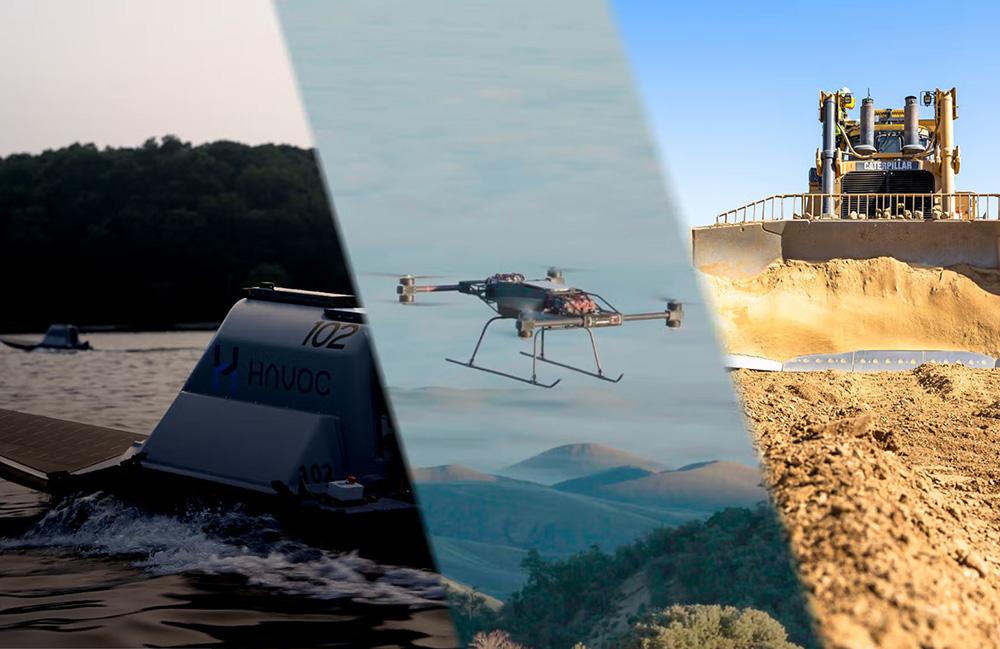
Havoc raises $100M to unify defense autonomy in the land, sea, and air
Havoc, a defense technology company, has announced a significant funding round, securing $100 million to advance its mission of creating unified, all-domain autonomy for national security. This investment comes at a time when the demand for integrated defense solutions across land, sea, and air is becoming increasingly critical. The company aims to leverage this capital to innovate and enhance its technology, addressing the evolving challenges in defense and security. By focusing on a cohesive approach to autonomy, Havoc seeks to meet the urgent needs of national security priorities in an era marked by complex threats and the necessity for seamless operational capabilities.
Artificial Intelligence / Cognition Defense / Security Financial Investments Markets / Industries Mobility / Navigation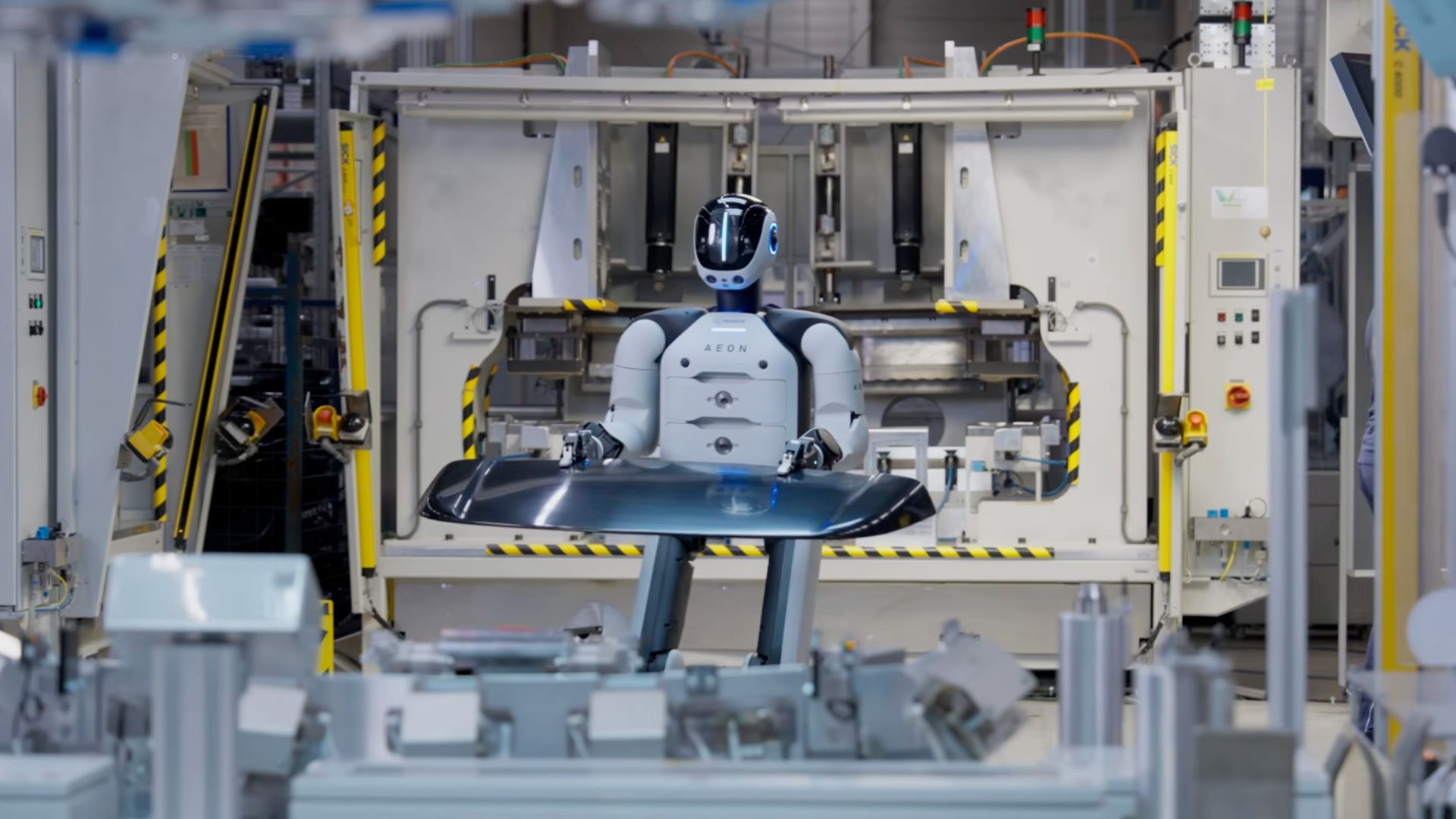
AEON humanoid robot to handle factory operations in real-world autonomy push
European companies Hexagon Robotics and Fill Maschinenbau have joined forces to advance manufacturing autonomy by developing humanoid robots. This collaboration aims to enhance efficiency and productivity in production processes, responding to the growing demand for automation in the manufacturing sector. The partnership was announced recently, signaling a significant step towards integrating advanced robotics into various industrial applications. By leveraging their respective expertise in robotics and machinery, the two firms intend to create innovative solutions that can adapt to dynamic manufacturing environments, ultimately reducing labor costs and improving operational flexibility. This initiative reflects a broader trend in the industry, where companies are increasingly investing in automation technologies to remain competitive in a rapidly evolving market.
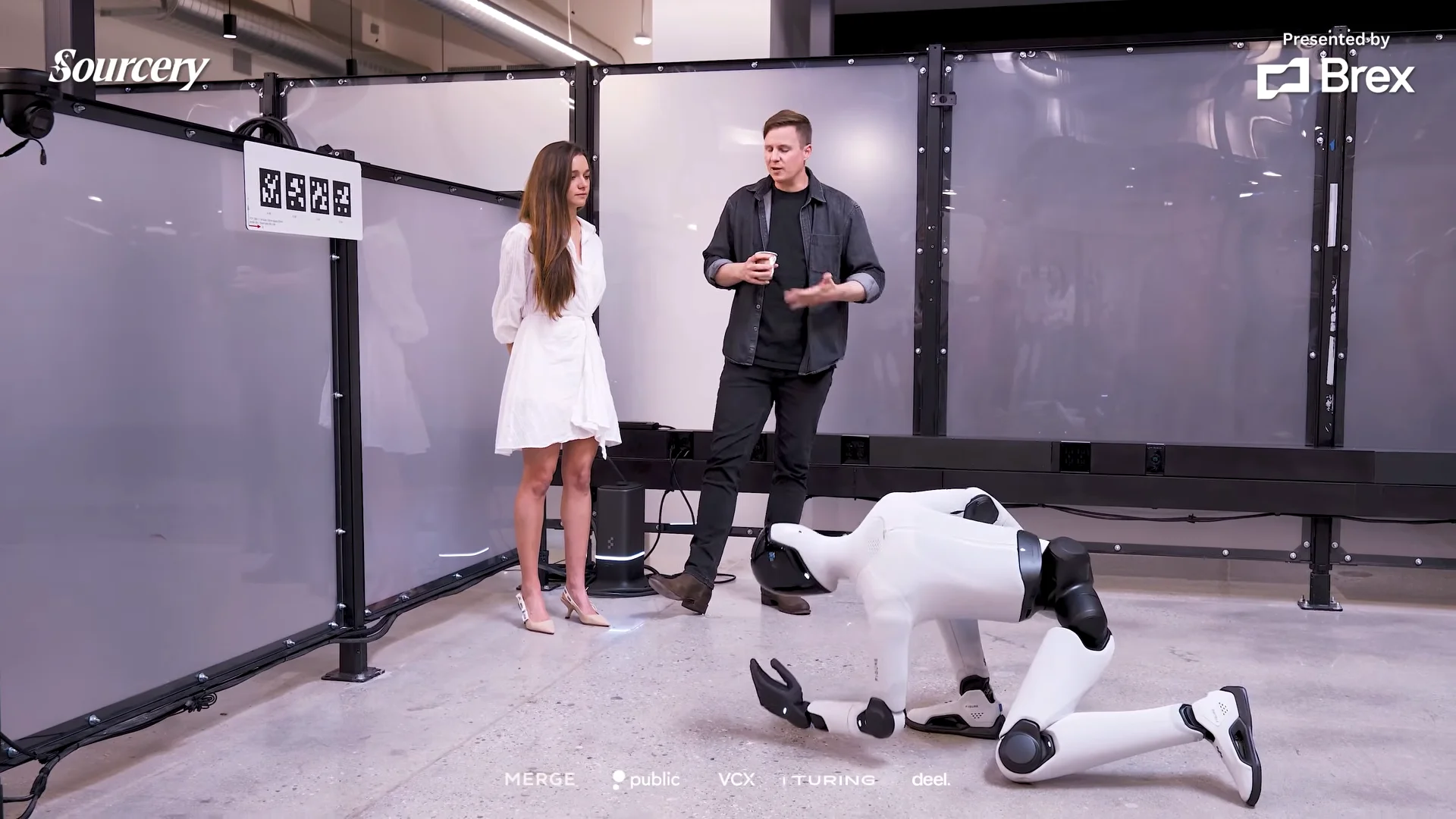
Inside the Campus: Figure’s Plan for 24/7 Autonomy and Leasable Home Robots
During a recent facility tour, CEO Brett Adcock provided insights into Figure's innovative technologies, including the "Never Fall" protocol and wireless inductive charging. The event, which took place in the second half of the tour, highlighted the company's commitment to advancing embodied artificial general intelligence (AGI). Adcock emphasized the significance of these developments in enhancing the safety and efficiency of robotic systems. By integrating cutting-edge charging solutions and safety protocols, Figure aims to pave the way for more reliable and autonomous robotic applications in various industries. This initiative reflects the company's broader vision of revolutionizing the interaction between humans and machines, positioning Figure at the forefront of the AGI landscape.
Brett Adcock US Figure Figure-03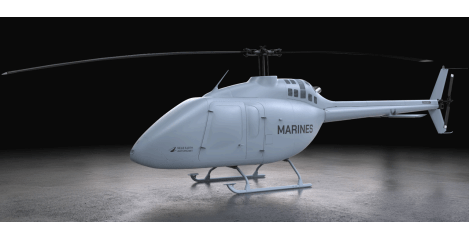
Near Earth Autonomy Wins MARV-EL Contract for Marine Corps Logistics Drone
The Naval Air Systems Command has selected Near Earth Autonomy, a Pittsburgh-based autonomy specialist, to collaborate with Bell Textron, Moog, and XP Services on the development of an uncrewed Bell 505 aircraft. This partnership is part of the Medium Aerial Resupply Vehicle – Expeditionary Logistics (MARV-EL) Increment 2 program, which aims to create a prototype autonomous logistics aircraft for the U.S. Marine Corps. The contract, awarded recently, is intended to enhance the Marine Corps' logistical capabilities by providing a reliable and efficient aerial resupply solution.
AI Drone News Drone News Feeds Logistics News US Government
Intelligent Autonomy: A Novel Hybrid Navigation System for Autonomous Load‐Haul‐Dump Vehicles
A recent study published in the Journal of Field Robotics highlights advancements in autonomous robotic systems designed for agricultural applications. Researchers from various institutions collaborated to develop innovative algorithms that enhance the efficiency and accuracy of these robots in tasks such as planting, monitoring, and harvesting crops. The findings, released in early October 2023, emphasize the growing importance of robotics in addressing labor shortages and increasing productivity in the agricultural sector. By employing machine learning techniques, the team demonstrated how these robots can adapt to changing environmental conditions and improve decision-making processes. This research aims to support farmers in optimizing their operations while minimizing resource use, ultimately contributing to sustainable agricultural practices. The study was conducted in diverse agricultural settings, showcasing the versatility of robotic applications in different crop types and farming methods.
RESEARCH ARTICLE
Leidos and Havoc Integrate Capabilities to Advance Maritime and Air Autonomy
Leidos and Havoc have announced a strategic partnership aimed at enhancing unmanned systems through the integration of collaborative autonomy technology. This innovative collaboration will empower a single operator to effectively command and coordinate fleets of unmanned platforms over extensive and contested areas. The initiative is set to revolutionize operational capabilities in various sectors, including defense and logistics, by streamlining control and improving efficiency in complex environments. The partnership reflects a growing trend towards advanced automation in military and civilian applications, responding to the increasing demand for sophisticated unmanned solutions in modern operations.
leidos havoc maritime and air autonomy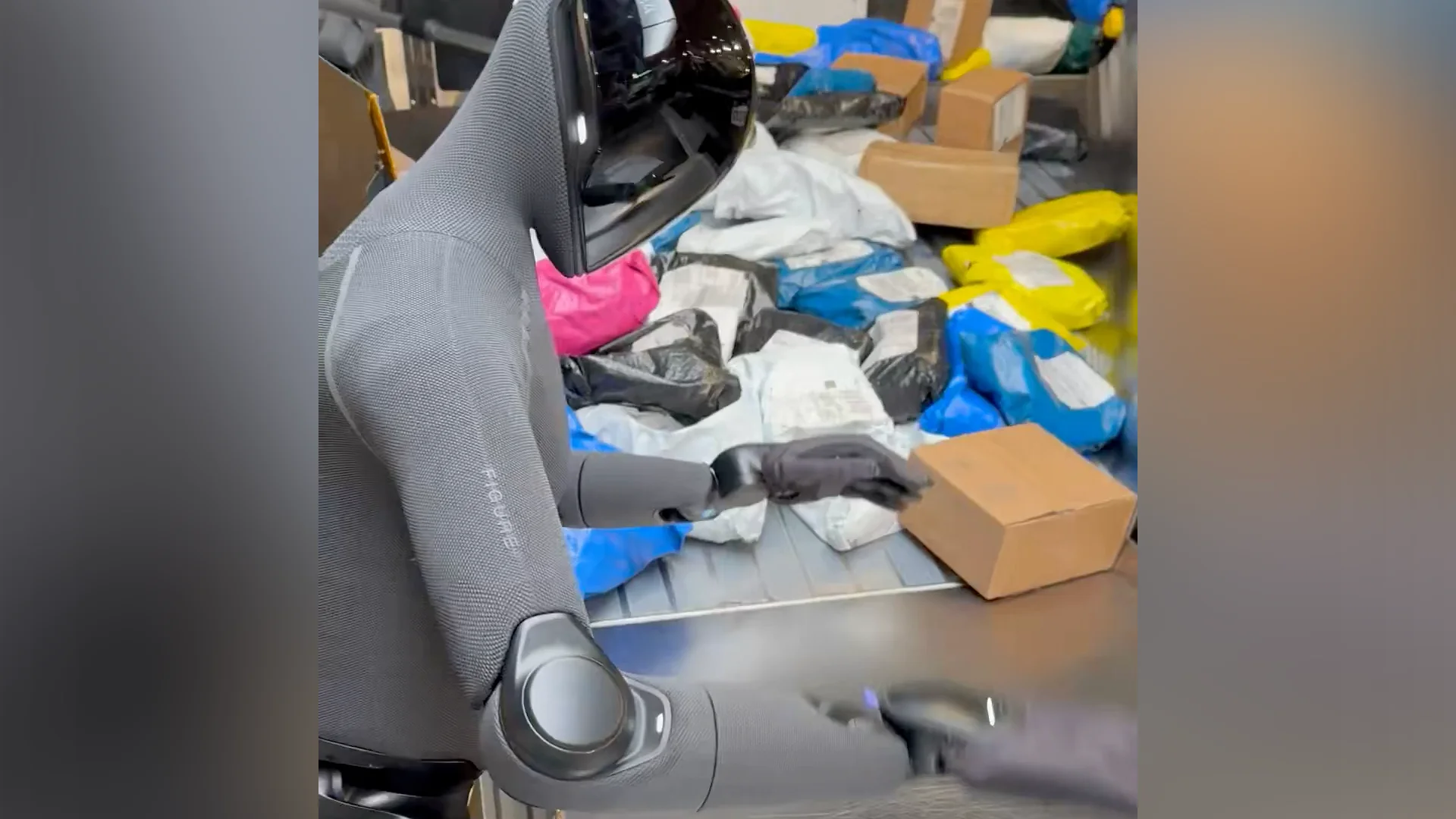
Benioff Stress-Tests Figure 03: Faster Throughput and Reactive Autonomy
Salesforce CEO Marc Benioff showcased the capabilities of the new Figure 03 humanoid robot during a recent demonstration. The event highlighted the robot's proficiency in managing real-time disruptions and its enhanced sorting speeds, underscoring advancements in robotics technology. This demonstration took place as part of Salesforce's ongoing commitment to innovation in automation and artificial intelligence. By illustrating the Figure 03's practical applications, Benioff aimed to emphasize the potential impact of such technology on various industries, particularly in improving efficiency and productivity. The presentation marks a significant step in the integration of humanoid robots into everyday operations, reflecting the growing trend of utilizing advanced robotics in the workforce.
US Figure Figure-03
Global Underwater Hub Launches Underwater Robotics and Autonomy Forum ahead of 2026 Annual Conference
The Global Underwater Hub (GUH), a prominent organization dedicated to the advancement of the UK's underwater industries, has introduced a new Underwater Robotics and Autonomy Forum. This initiative aims to foster collaboration and drive innovation within the subsea robotics sector. The forum is expected to serve as a platform for industry stakeholders to share insights, develop new technologies, and enhance operational efficiencies in underwater robotics. By bringing together experts and businesses, GUH seeks to position the UK as a leader in this rapidly evolving field, responding to the growing demand for advanced underwater solutions. The launch of the forum marks a significant step in GUH's ongoing efforts to support the development of the underwater economy and address the challenges faced by the industry.
events global underwater hub (guh) underwater robotics and autonomy forum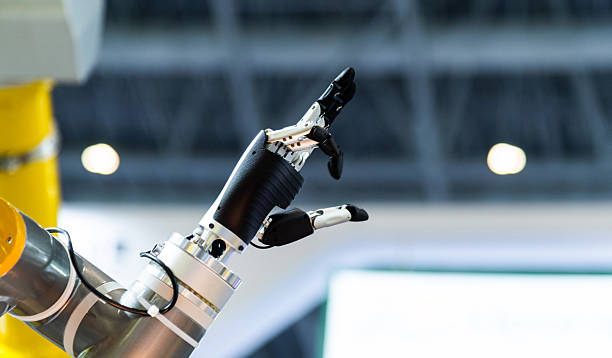
Giving Autonomy to Empty‐Headed Robots: Design and Deployment Challenges
The Journal of Field Robotics has published an early view article highlighting advancements in robotic technology. Researchers from various institutions have collaborated to explore innovative applications of robotics in diverse fields, including agriculture, healthcare, and environmental monitoring. This publication, released in October 2023, underscores the growing importance of robotics in addressing complex challenges faced by society. By leveraging cutting-edge algorithms and machine learning techniques, the study aims to enhance the efficiency and effectiveness of robotic systems. The findings are expected to contribute significantly to the ongoing discourse on the integration of robotics into everyday life, ultimately improving productivity and sustainability across multiple sectors.
RESEARCH ARTICLE
Cellula Opens UK Office to Expand European Delivery and Support for Long-Range Subsea Autonomy
Cellula, a company focused on advanced underwater technology, has announced the formation of a new team in the UK to enhance its regional presence. This initiative, which comes as part of the company's strategic expansion efforts, aims to leverage the team's expertise in defence, offshore operations, and stakeholder engagement. The move is designed to better serve clients and partners in the region, ensuring that Cellula can effectively address the growing demand for innovative underwater solutions. By establishing this team, Cellula seeks to strengthen its operational capabilities and foster closer relationships with key stakeholders, ultimately positioning itself as a leader in the underwater technology sector.
cellula robotics uk office expansion delivery and support long-range auv
Cellula Robotics to Showcase Long-Range Subsea Autonomy at Oceanology International 2026
Cellula Robotics Ltd. has announced its participation in Oceanology International 2026, scheduled for March 10-12, 2026, at ExCeL London. The company will be located at Stand C601, where it plans to provide valuable insights into long-range subsea autonomy and deployment readiness. The exhibition will focus on the practical aspects of endurance, repeatable workflows, and support models relevant to defense, offshore survey, and environmental applications. This initiative aims to showcase Cellula's expertise and innovations in subsea technology to industry professionals and stakeholders.
cellula robotics showcase long-range subsea autonomy oceanology international 2026
The End of C++: Brett Adcock on Helix 02 and Figure’s Path to "Room-Scale" Autonomy
In a recent interview with Peter Diamandis, Brett Adcock, CEO of Figure, announced significant advancements in the company's technology and operations. He revealed that Figure has completely eliminated hand-engineered code from its systems, marking a pivotal shift towards automation and efficiency. Adcock also introduced the launch of HARK, a new artificial intelligence lab aimed at enhancing the company's capabilities in robotics and AI development. The discussion highlighted the ambitious timeline for the company's innovative project at the "BotQ" facility, where robots will be designed to construct other robots. This initiative underscores Figure's commitment to pioneering advancements in robotics, driven by the need for increased productivity and reduced human intervention in manufacturing processes. Adcock's insights reflect a broader trend in the tech industry, where companies are increasingly leveraging AI to streamline operations and improve output. The strategic moves at Figure are expected to position the company at the forefront of the robotics sector, as it seeks to redefine how machines are built and operated.
Brett Adcock US Figure Figure-03 BotQ helixRobotics needs a service framework.
RSF defines a common language for robot service capability, lifecycle operations, certification pathways, and service-provider networks.
Join the RobotToday community on LinkedIn
Daily robotics news, in-depth analysis, conference highlights, and discussions with professionals worldwide.