

Industry Briefing
A single destination for timely, editor-curated robotics news from around the world.

Texas Senators Propose Drone-Enhanced Smart Wall for Border Security
Texas Democratic lawmakers are advocating for a drone-powered 'smart wall' to enhance border security instead of traditional physical barriers. Senator Judith Zaffirini emphasized that this strategy would integrate technology such as surveillance cameras, sensors, and drones to improve law enforcement's ability to monitor illegal activities along the Texas-Mexico border. The proposal comes in response to federal plans for a physical border wall, which have faced criticism for their environmental impact and limited effectiveness. With over 1,200 miles of border to secure, the senators argue that a smart wall would provide a more adaptable and efficient solution, allowing for better resource allocation and quicker response times to security threats. Looking ahead, the Texas lawmakers believe that a comprehensive approach combining technology with law enforcement personnel is essential. They stress the importance of tailoring security measures to the diverse geographic and demographic conditions along the border. No further timeline was disclosed at the time of publication.
Drone News Drone News Feeds Drones in the News News safety and security Big Bend National Park border wall
Venezuela's Earthquakes Highlight Drone Utility and Airspace Challenges in Emergencies
On June 24, 2026, two significant earthquakes hit northern Venezuela, prompting immediate drone deployment for damage assessment and search and rescue operations. Drones provided critical situational awareness, revealing destruction and aiding in the rescue of 6,462 individuals from collapsed buildings, while the confirmed death toll reached 6,509. The rapid response showcased the effectiveness of drones in emergencies but also highlighted the challenges of crowded airspace as multiple organizations deployed their drones simultaneously. Juan Plaza, CEO of Plaza Aerospace, emphasized the need for coordination among drone operators to avoid chaos in the air while ensuring clarity on the ground. Looking ahead, the role of drones is expected to evolve beyond immediate response. Teams are utilizing photogrammetry and LiDAR to document structural damage, which can inform engineering assessments and improve future disaster preparedness. No further timeline was disclosed at the time of publication.
Applications Disaster Response Drone News Drone News Feeds Drones in the News News
DJI Announces Winners of Global AI Drone Challenge Focused on Real-Time Decision Making
DJI has revealed the winners of its DJI Enterprise Drone Onboard AI Challenge 2026, aimed at enhancing the capabilities of enterprise drones. The competition encourages the development of AI models that enable drones to make real-time decisions, addressing various applications such as crop counting, bridge inspections, and pollution detection. This initiative is significant as it seeks to reduce the time required for data processing after drone flights, allowing for immediate insights that can be crucial in sectors like agriculture and emergency response. By enabling AI models to operate onboard, DJI aims to streamline workflows and enhance the practical value of drone technology across multiple industries. Looking ahead, the focus will be on how these innovative AI solutions can be integrated into existing workflows. The success of projects like AgroCount AI, which automates crop counting, highlights the potential for edge AI to transform agricultural practices and other fields. No further timeline was disclosed at the time of publication.
News
Amazon's Drone Deliveries Encounter Challenges with Water Landings in Texas
Amazon's Prime Air drone service recently delivered a package into a customer's pool in Texas, highlighting potential issues with delivery locations. As the service expands to 500 cities across the U.S., incidents of drones dropping packages into water bodies raise concerns about delivery accuracy and safety. Previous occurrences include packages landing near pools in Arizona and ponds, prompting questions about the drones' delivery protocols. The significance of these incidents lies in the implications for Amazon's drone delivery service as it scales. With the expansion to more cities, the likelihood of similar mishaps increases, potentially affecting customer satisfaction and operational efficiency. Amazon's commitment to ensuring safe deliveries is called into question, especially when packages end up in unintended locations like water. Looking ahead, it will be important to monitor how Amazon addresses these delivery challenges. The company has previously faced setbacks, including drone crashes and collisions, which could impact its reputation and operational plans. No further timeline was disclosed at the time of publication.
Amazon Drones News Tech Transportation
DJI Reveals Winners of the 2026 Enterprise Drone Onboard AI Challenge
DJI has announced the winners of the DJI Enterprise Drone Onboard AI Challenge 2026, which aimed to enhance aerial intelligence. The challenge, launched in early 2026, focused on transforming data collection into actionable insights across various sectors, including agriculture and public safety. This initiative is significant as it seeks to bridge the gap between data acquisition and practical application, fostering innovation in aerial intelligence. The competition featured submissions evaluated by ten experts from the AI and drone industries, culminating in the recognition of five Best Onboard AI Model Award winners and ten Industry Application Excellence Award winners. Looking ahead, the impact of these winning solutions on industries such as transportation and environmental protection will be crucial. No further timeline was disclosed at the time of publication.

Federal Lawsuit Filed by Michigan Journalist Challenges Drone Flight Restrictions Near Police Operations
A federal lawsuit has been filed by Michigan photojournalist Ray Rocha against Bay County Sheriff Troy Cunningham and Deputy Chris Berg, challenging restrictions on drone flights near police operations. The suit, initiated on August 9, 2024, stems from an incident in November 2024 where Rocha was operating his drone during a police search. Despite following federal regulations, Rocha was charged with a misdemeanor for allegedly interfering with police duties. The lawsuit argues that the state’s drone law, as enforced by local authorities, violates Rocha’s First Amendment rights to gather information on newsworthy events. It also claims the law is unconstitutionally vague under the 14th Amendment, lacking clear guidelines and allowing arbitrary enforcement by officers. Rocha seeks to prevent future charges unless his drone operations materially disrupt law enforcement activities. The outcome of this case could have significant implications for drone operation regulations in Michigan. Attorney Philip Ellison noted that if the court finds the law unconstitutional, it may prompt legislative changes. As Rocha is known for using drone footage to report on local law enforcement, the case highlights the ongoing tension between public information gathering and law enforcement operations.
Applications DL Exclusive Drone News Drone News Feeds Journalism Legal
DARPA Lift Challenge Showcases Innovative Heavy-Lift Drone Designs This Weekend
The DARPA Lift Challenge is currently underway, featuring a variety of unique heavy-lift drone designs. This event showcases the latest advancements in drone technology, with several overview videos highlighting the innovative approaches taken by participants. The significance of the DARPA Lift Challenge lies in its potential to push the boundaries of drone capabilities, particularly in heavy-lift operations. As these designs evolve, they could play a crucial role in various applications, including logistics and emergency response. Looking ahead, the livestreams of the event provide an opportunity for enthusiasts and professionals to witness the cutting-edge developments in drone technology. No further timeline was disclosed at the time of publication.
Video-friday Darpa Robotics-videos Cargo-drones Robotic-grippers Humanoid-robots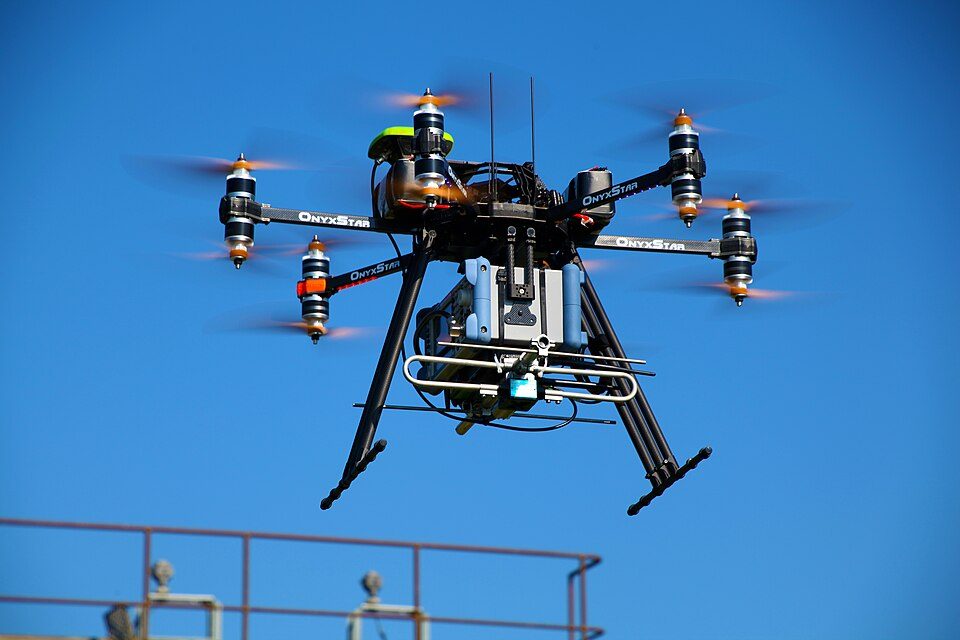
DARPA Initiates $6.5 Million Challenge to Innovate Heavy-Lift Drone Technology
The Defense Advanced Research Projects Agency (DARPA) has launched a challenge aimed at developing heavy-lift drones capable of carrying payloads exceeding four times their weight. This initiative addresses the current limitations of multirotor UAVs, which typically have low payload-to-weight ratios, often below one-to-one. The DARPA Lift Challenge Competition will take place from August 6 to 9 at the National Museum of the U.S. Air Force in Dayton, Ohio, with over 100 teams competing for a total of $6.5 million in prize money. This challenge is significant as it seeks to revolutionize the heavy-lift drone sector, potentially lowering costs and expanding applications across various industries. DARPA program manager Phillip Smith highlighted that enhancing the lifting capabilities of drones could lead to a transformation similar to the impact of mass production introduced by Henry Ford. By overcoming the payload weight barrier, the challenge aims to make unmanned vertical-lift transport more accessible and economically viable. Looking ahead, the outcome of the DARPA Lift Challenge could pave the way for a new generation of UAVs that outperform traditional manned aircraft in transporting large payloads. No further timeline was disclosed at the time of publication.
Applications Defense defense DL Exclusive Drone News Drone News Feeds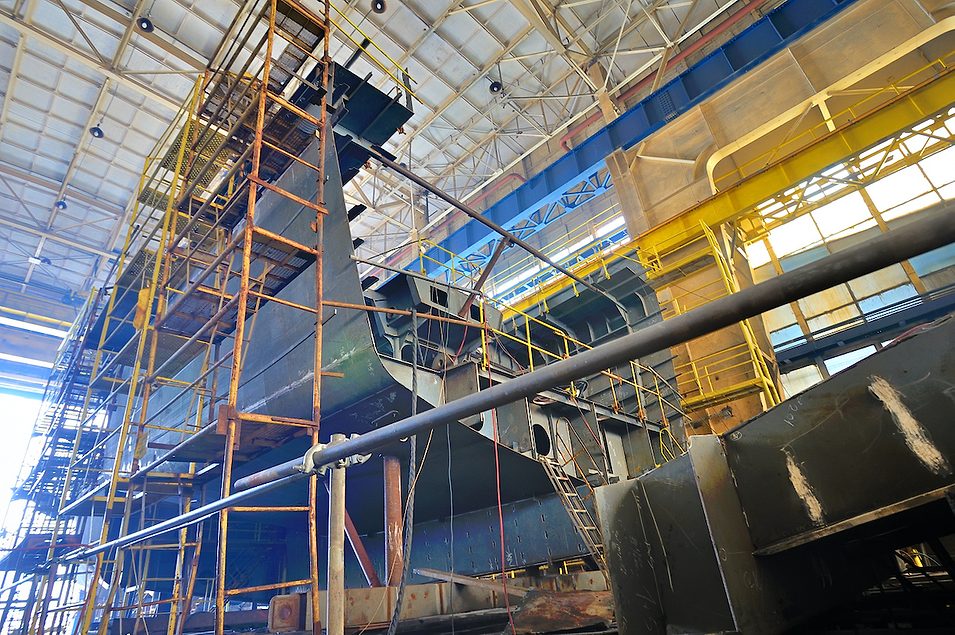
Drone Boat Startup to Establish Port Alpha Shipyard in Texas for Large Vessel Production
A new shipyard named Port Alpha is set to be established by a drone boat startup in Texas. This facility will have the capacity to manufacture ships measuring up to 1,200 feet in length. The development of Port Alpha is significant as it represents a major investment in maritime manufacturing capabilities, particularly for drone technology applications. The ability to construct large vessels will enhance the startup's operational capabilities and market reach. Looking ahead, industry stakeholders will be keen to observe the progress of Port Alpha and its impact on the local economy and the broader maritime sector. No further timeline was disclosed at the time of publication.
ABZ Innovation Opens Major Drone Factory in Hungary Amid U.S. Market Challenges
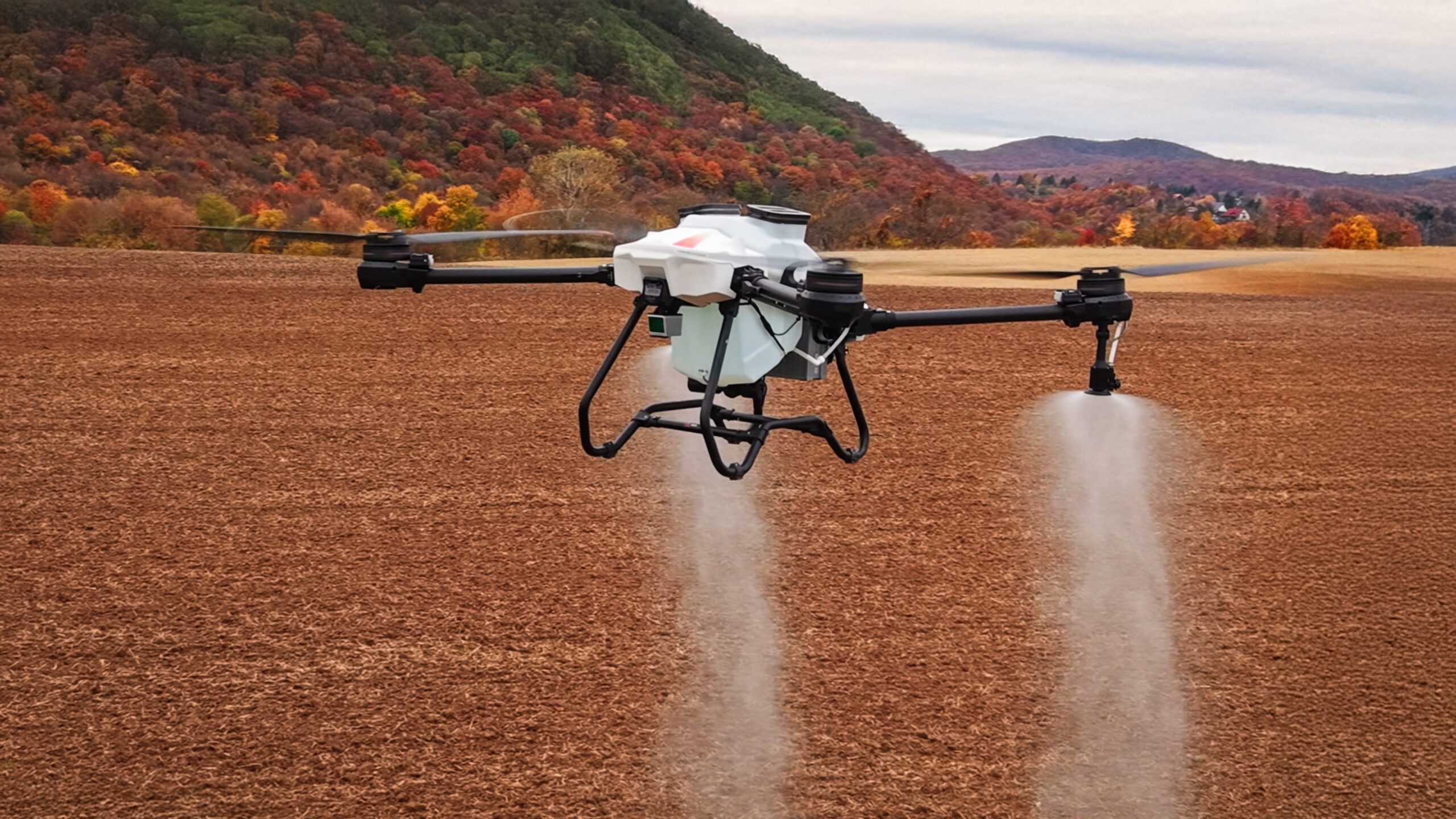
ABZ Innovation has launched a new drone factory in Szentendre, Hungary, to meet rising demand, particularly in the U.S. market. The company faced challenges due to the FCC's Covered List, which restricts foreign-produced drones, prompting ABZ to shift its production strategy to comply with U.S. regulations. This factory opening is significant as it positions ABZ to secure a competitive edge in the U.S. agricultural drone market. The company has already received conditional approval for its L50 agricultural spraying drone from the FCC, allowing it to navigate the regulatory landscape effectively. CEO Károly Ludvigh emphasized that ABZ's proactive planning enabled them to align with FCC requirements seamlessly. Looking ahead, the FCC's proposed restrictions on foreign-produced drones could impact many manufacturers. ABZ's integration of technologies like LiDAR in its drones places it at the forefront of compliance with these evolving regulations. The company's ability to adapt to these changes will be crucial as the drone market continues to evolve and face regulatory scrutiny.
Agriculture Applications DL Exclusive Drone Manufacturing Drone News Drone News Feeds
Civil Liberties Groups Challenge FAA's Withdrawn Drone Flight Restriction in Appeals Court
Several civil liberties and photography organizations have submitted a brief to the U.S. Court of Appeals for the D.C. Circuit, contesting a drone flight restriction previously issued by the FAA and later rescinded. The brief supports Minnesota photojournalist Robert Levine, who filed a petition against the FAA regarding the implications of the withdrawn restriction on drone use for journalism. This case is significant as it addresses the intersection of drone technology and First Amendment rights, specifically concerning newsgathering activities. The FAA's original restriction, which prohibited unauthorized drone flights near federal facilities, raised concerns about the potential chilling effect on lawful journalism, as Levine argued that drone pilots could not reliably identify unmarked federal vehicles in their operating areas. Looking ahead, the court's decision could set a precedent for how drone regulations are enforced and interpreted in relation to First Amendment protections. Although the FAA replaced the original restriction with a less stringent advisory, Levine's legal team is urging the court to consider the implications of the original prohibition, as it could inform future regulatory actions by the FAA.
Drone News Drone News Feeds Drones in the News News US Government ACLU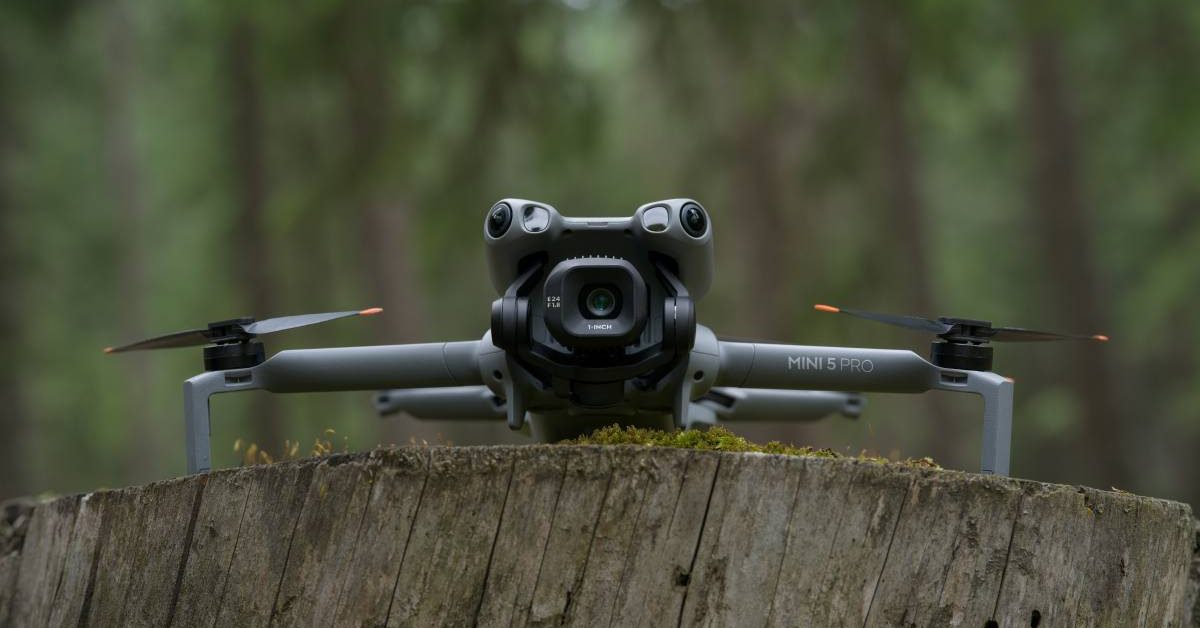
DJI Challenges FCC's Proposed Drone Ban Over Military-Grade Classification Concerns
DJI has voiced strong opposition to the FCC's proposed ban on certain drone imports, which could impact popular models like the Mini 5 Pro and Air 3S. The proposal aims to restrict foreign-made drones classified as 'military-grade,' raising concerns about the classification of technologies commonly used in civilian applications. The significance of this proposal lies in its broad definition of military-grade capabilities, which includes technologies such as thermal cameras and LiDAR sensors. DJI argues that these technologies are integral to many commercial drones and should not be categorized as military hardware. The company asserts that the FCC's classification lacks a legal foundation, as it was not established in the original National Security Determination. Moving forward, the outcome of this proposal could reshape the drone market in the U.S. DJI's filing raises critical questions about the FCC's authority to impose such restrictions. As the situation develops, stakeholders in the drone industry will be closely monitoring the implications for both manufacturers and consumers alike. No further timeline was disclosed at the time of publication.
News
FAA Discusses Challenges of Scaling BVLOS Drone Operations Beyond Part 108
The FAA is advancing towards a regulatory framework for routine beyond visual line of sight (BVLOS) drone operations, emphasizing the need for comprehensive systems to manage advanced aviation. At the Commercial UAV Expo in Las Vegas, FAA officials, including Jessica Jones and Ben Supko, highlighted the importance of modernizing airspace systems to support scalable operations and enhance security measures. This shift in the FAA's approach signifies a move away from individual approvals towards a more structured regulatory environment, with the proposed Part 108 rule playing a crucial role. Jones noted that this change would allow companies to develop their businesses more effectively, while also addressing the integration of counter-UAS capabilities to distinguish legitimate operators from unauthorized ones. Looking ahead, the FAA aims to modernize the National Airspace System (NAS) to facilitate BVLOS operations at scale. The discussion underscored that increased routine operations could enhance security by providing more data on normal drone activity, enabling authorities to better identify anomalies. No further timeline was disclosed at the time of publication.
Advanced Air Mobility Drone News Drone News Feeds Drones in the News News Policy
New Underwater Drone Technology Promises Enhanced Stealth and Tracking Challenges
Recent advancements in military technology have led to the development of a missile-armed underwater drone that is expected to be quieter and harder to track than traditional submarines. This innovation aims to enhance naval capabilities and improve operational effectiveness in various combat scenarios. The significance of this underwater drone lies in its potential to revolutionize naval warfare by providing a stealthier alternative to submarines. With the ability to operate undetected, this drone could change the dynamics of maritime defense and offense, making it a critical asset for military forces. Looking ahead, the integration of such advanced technologies into military operations will be crucial. Continuous improvements in stealth technology and autonomous systems will likely shape future naval engagements. No further timeline was disclosed at the time of publication.
Military
The Evolving Threat Landscape: Drones Challenge Traditional Facility Security Measures
Securing facilities in the US is increasingly complex due to evolving threats like drones, rendering traditional security measures inadequate. The need for enhanced data to identify potential threats is critical, but it also poses challenges in managing information overload. Jason Rahimitabar from Constellis emphasizes the multi-domain nature of these threats, highlighting the economic imbalance in countering cheap drones with expensive defense systems. The rise of inexpensive drones has made it easier for adversaries to launch overwhelming attacks, as seen in recent incidents involving military installations like Barksdale Air Force Base. This situation underscores the necessity for advanced systems to track and intercept airborne threats, rather than relying solely on physical barriers. The challenge lies in distinguishing between harmless hobbyist drones and potential threats, which complicates security responses and can lead to costly missteps. As the threat landscape continues to evolve, facilities must adapt their security strategies to include counter-UAS measures and improved detection capabilities. The focus should shift from merely building higher fences to implementing comprehensive systems that can effectively identify and respond to aerial threats, ensuring the protection of critical infrastructure and personnel.
Networks & Digital Warfare Sponsored Post AI AI security Air Force Constellis
Taiwan's Drone Industry Development Faces Legislative Budget Challenges
Taiwan's political parties are intensifying their conflict over funding and developing the drone industry, crucial for national defense amid rising tensions with China. The Lai administration and the KMT-led opposition are proposing rival plans to address the evolving landscape of modern warfare and military preparedness. This legislative battle is significant as Taiwan seeks to bolster its defense capabilities in response to China's military expansion. The outcome of these budget discussions will directly impact Taiwan's ability to innovate and maintain a competitive edge in drone technology, which is increasingly vital in contemporary military strategies. Looking ahead, stakeholders should monitor the developments in Taiwan's drone funding and policy decisions. No further timeline was disclosed at the time of publication, but the ongoing debates will likely shape the future of Taiwan's defense posture and its technological advancements in the drone sector.

SES.AI Highlights Challenges in Building America's Drone Supply Chain Ecosystem
SES.AI, based in Massachusetts, is addressing the complexities of establishing a secure U.S. drone supply chain. The company focuses on developing advanced battery technologies crucial for drone performance, while also leveraging its 'Molecular Universe' database to explore new materials for battery innovation. The significance of this initiative lies in the U.S. drone policy's push for secure supply chains and reduced reliance on foreign components, particularly from China. As U.S. manufacturers shift towards domestic production, they face the challenge of not just assembling drones but also rebuilding the entire ecosystem of batteries, motors, and electronics that support them. Looking ahead, the urgency for alternatives in the U.S. drone industry is growing. SES.AI's operations in Chungju, South Korea, highlight the importance of a skilled workforce and supplier network, which are essential for scaling production. No further timeline was disclosed at the time of publication.
battery technology Blue UAS defense DL Exclusive Drone Manufacturing Drone News
Taiwan's Counter-Drone Network Faces Challenges Amid Testing Failures and Evolving Threats
Taiwan's counter-drone network is under scrutiny following an audit revealing technical deficiencies in a $111 million defense program. The system, designed to safeguard military facilities, struggles to detect and jam frequencies utilized by advanced Chinese drones, highlighting vulnerabilities in Taiwan's defense strategy. The findings coincide with the termination of a procurement for 26 fixed-site systems due to repeated testing failures, raising concerns about Taiwan's ability to adapt to rapidly evolving drone technology. The significance of these issues extends beyond Taiwan, as they reflect a global challenge for military forces adapting to the fast-paced advancements in drone capabilities. Analysts emphasize the need for a layered defense approach that integrates electronic warfare, radar, and lower-cost interceptors, rather than relying solely on expensive missile systems. Taiwan's defense ministry acknowledges the need for upgrades to address the identified gaps, but questions remain regarding the speed of these developments. Looking ahead, Taiwan's defense officials are working on enhancements to counter emerging threats, including fiber-optic and AI-guided drones. However, the effectiveness of these upgrades and the overall adaptability of Taiwan's defense systems will be critical in addressing the evolving landscape of drone warfare. No further timeline was disclosed at the time of publication.
Military
Drones and Federal Resources Combat New World Screwworm in Texas
Drones and federal border surveillance resources are being deployed in Texas to combat the New World screwworm, a parasitic fly that inflicts severe damage on warm-blooded animals. The U.S. Department of Agriculture (USDA) has conducted over 1,000 drone surveillance flights since June 3, 2026, observing more than 20,000 animals as part of a wildlife surveillance initiative in collaboration with the Texas Parks and Wildlife Department. This initiative is crucial as New World screwworm infestations can devastate livestock, posing a significant threat to the agricultural sector. The USDA's Animal and Plant Health Inspection Service (APHIS) utilizes drones equipped with advanced technology to identify animals that may require veterinary inspection, thereby enhancing the response to this agricultural threat. The Department of Homeland Security (DHS) is also involved, providing support for surveillance and training personnel to effectively respond to screwworm cases. Looking ahead, the USDA's efforts include monitoring over 100 dedicated traps and more than 8,000 insect traps across multiple states. The agency is also collaborating with Mexico to enhance trapping and control measures in high-risk areas. No further timeline was disclosed at the time of publication.
Agriculture Applications Drone News Drone News Feeds Drones in the News News
Firestorm Labs 3D-prints Over 1,000 Parts and Assembles 12 Drones on USS Essex
Firestorm Labs successfully manufactured over 1,000 components and assembled 12 Squall drones aboard the USS Essex during a two-week trial. This operation took place while the US Navy warship was en route from San Diego to Hawaii for RIMPAC 2026, showcasing the potential for on-site production of military hardware during maritime missions. The significance of this trial lies in its demonstration of the xCell manufacturing platform's capabilities, which allowed for the production of drone components and repair parts despite challenging sea conditions. By reducing reliance on shore-based resupply, the operation enhances combat readiness and supports repairs directly at sea, marking a pivotal shift in military logistics. Looking ahead, the successful deployment of the xCell platform under operational conditions opens avenues for future maritime manufacturing initiatives. Firestorm Labs' ability to produce critical components on demand could revolutionize military operations, particularly in remote or hostile environments. No further timeline was disclosed at the time of publication.
Innovation Military
US Drone Ban Faces Challenges as Odyssey Robot Struggles to Establish Presence
The US government, led by FCC Chairman Brendan Carr, has implemented a ban on foreign-made drones, citing national security concerns. This ban, effective from December 22, 2025, requires foreign companies to obtain a waiver to sell drones in the US, but critics argue it lacks transparency and effectiveness. The implications of this ban are significant, as it appears to hinder the growth of legitimate US drone manufacturers while potentially fostering fraudulent companies that misrepresent their operations. The current landscape shows that while some US companies are exploring military applications for drones, consumer drone production remains largely dominated by foreign manufacturers, particularly from China. Moving forward, it will be important to monitor how the FCC's regulations evolve and whether they will genuinely support the development of a robust US drone industry. No further timeline was disclosed at the time of publication.
Drones Law Policy Politics Regulation Report
Saronic Unveils $3B Shipyard Project in Texas for 850-Foot Vessels
Saronic has announced plans to construct a new shipyard in Brownsville, Texas, with an investment exceeding $3 billion. This facility, named Port Alpha, will be capable of building crewed and uncrewed vessels up to 850 feet long, significantly expanding the company's current capabilities, which include the 180-foot drone boat, Marauder. The establishment of Port Alpha is crucial as the U.S. seeks to enhance its shipbuilding capacity amid challenges in keeping pace with China's naval expansion. The new shipyard aims to support the Navy and Coast Guard by addressing existing gaps in ship production and providing a platform for various ship classes, including commercial and military vessels. Looking ahead, Saronic's Port Alpha could potentially expand to accommodate vessels over 1,200 feet in length. The company emphasizes its commitment to creating a state-of-the-art shipyard that aligns with technological advancements and meets the urgent demands of sea services. No further timeline was disclosed at the time of publication.
Sea Navies U.S. Navy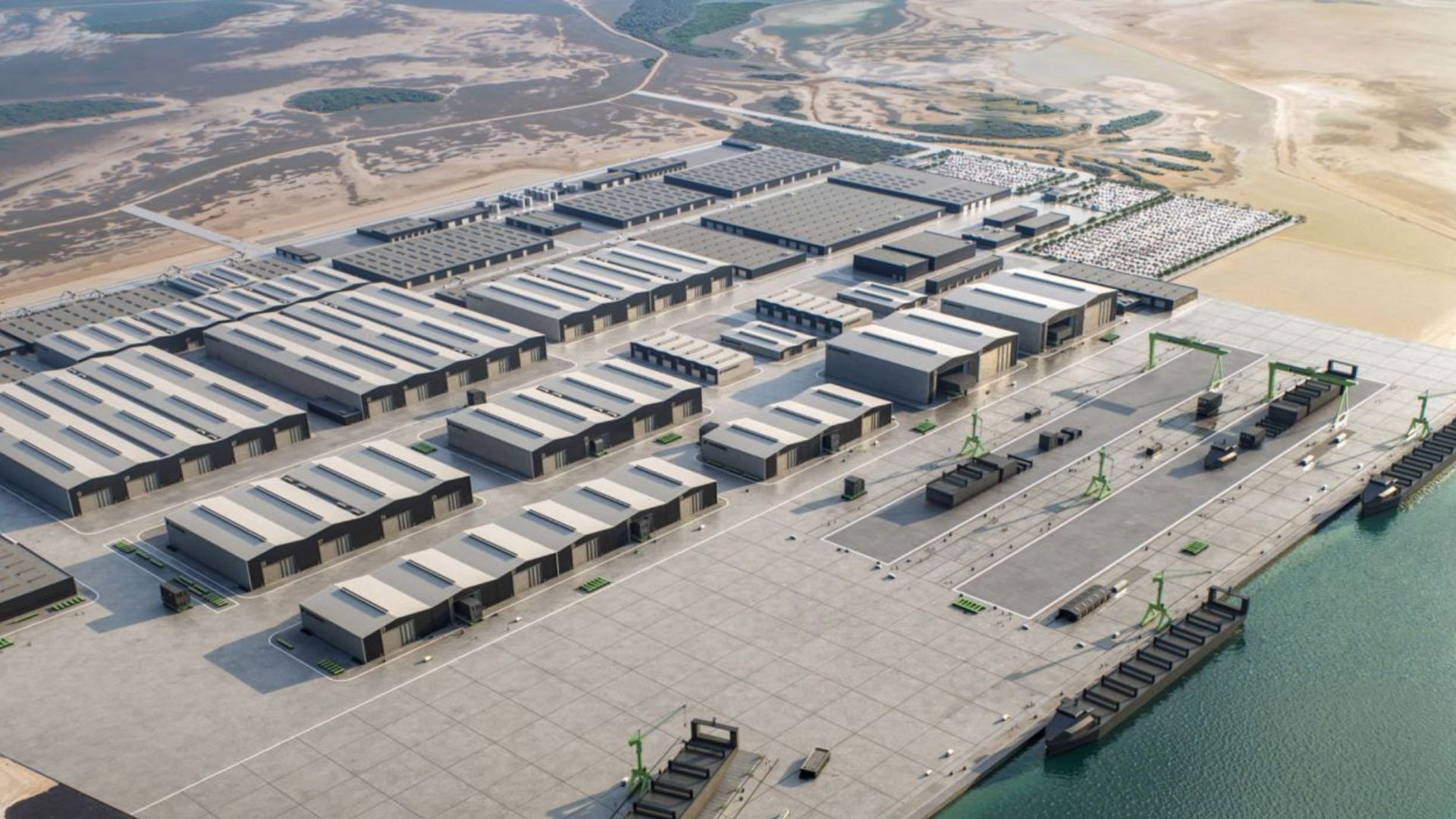
Saronic Announces $3 Billion Shipyard in Texas for Military and Commercial Ships
Maritime defense technology company Saronic has revealed plans to construct a $3 billion shipyard named Port Alpha in Brownsville, Texas. The facility aims to enhance U.S. shipbuilding capabilities for both defense and commercial vessels, with construction expected to commence later this year and operations slated to begin in 2028. The establishment of Port Alpha is significant as it aligns with U.S. government efforts to bolster domestic shipbuilding and reduce dependence on foreign production. Initially, the shipyard will develop approximately 835 acres, with potential expansion to nearly 4,400 acres, allowing for the construction of ships up to 1,200 feet long. Saronic plans to manufacture both crewed and autonomous ships, incorporating advanced technologies to enhance efficiency. Looking ahead, Saronic anticipates creating up to 10,000 direct jobs over the next decade, contributing significantly to the local economy. The project is expected to generate over $160 billion in economic impact for Cameron County and $264.5 billion across Texas. No further timeline was disclosed at the time of publication.
Military Transportation
Saronic Plans $3.2 Billion Shipyard Construction in South Texas
Saronic, an Austin-based technology startup, has announced plans to construct a new shipyard in South Texas, with an estimated investment of $3.2 billion. This development comes shortly after the company's maritime drones were utilized by the US military in combat for the first time this week. The establishment of the shipyard is significant as it highlights the growing demand for advanced maritime technology and the strategic importance of Saronic's innovations in defense applications. The investment reflects confidence in the future of maritime drone technology and its potential impact on military operations. Looking ahead, industry observers will be keen to see how the shipyard's construction progresses and its implications for local employment and economic growth. No further timeline was disclosed at the time of publication.

US Air Force Conducts Sentinel Dragon 26-02 Exercise to Test Nuclear Missile Readiness
The US Air Force executed a four-day exercise named Sentinel Dragon 26-02 from August 4 to 7, 2026, to evaluate its nuclear missile force's readiness under unexpected conditions. The drill involved a simulated drone threat and the recapture of a missile launch facility, testing the transition from routine operations to high-pressure scenarios without prior notice. This exercise is significant as it emphasizes the necessity for a nuclear deterrent to maintain constant readiness, as highlighted by Maj. Gen. Colin Connor of the 20th Air Force. The lack of traditional preparation time forced operational units to rely on their command-and-control systems and adapt to unforeseen challenges, showcasing their ability to perform under pressure. Looking ahead, the exercise's focus on integrating security forces with air units and managing complex scenarios indicates a shift towards a more cohesive operational approach. The results will likely influence future training and operational strategies, particularly in how the Air Force prepares for potential threats involving unmanned aerial vehicles. No further timeline was disclosed at the time of publication.
Military
Drone Manufacturers Face Battery Redesign Challenges Amid Supply Chain Changes
The drone industry is undergoing significant changes as manufacturers are compelled to rethink their battery supply chains due to new compliance requirements. Howard Alt, CEO of Micantis, emphasizes that the shift away from reliance on Chinese battery cells presents an opportunity for drone OEMs to take control of battery design and performance. As the FCC's domestic-end-product exemption is set to expire on January 1, 2028, drone manufacturers must prepare for a redesign of their battery packs. This transition is crucial for compliance and to avoid dependency on foreign suppliers. Alt suggests that by selecting allied cell suppliers and designing their own battery packs, manufacturers can enhance their products and mitigate risks associated with supply chain vulnerabilities. Looking ahead, the drone industry is rapidly evolving, with many companies promising American-made cells in the near future. However, the history of battery manufacturing reveals significant challenges, including high failure rates and lengthy production timelines. Manufacturers must be cautious and informed when selecting battery suppliers to ensure they do not fall victim to the pitfalls that have plagued the industry.
battery technology Drone Manufacturing Drone News Drone News Feeds drone parts Energy
FAA and EASA Collaborate to Address BVLOS Drone Operations Challenges
The FAA and EASA are navigating different regulatory paths for advanced drone operations, particularly for beyond visual line of sight (BVLOS) flights. While Europe has implemented the U-space framework to facilitate complex drone operations, the U.S. has focused on initiatives like the Integration Pilot Program and the BEYOND program to test BVLOS capabilities. Both regions face similar challenges in scaling these operations despite their differing regulatory approaches. The significance of this collaboration lies in the shared goal of enhancing safety and operational efficiency in drone traffic management. The FAA's move towards Part 108 aims to create a more standardized regulatory environment for BVLOS operations, while EASA's Specific Operations Risk Assessment (SORA) methodology emphasizes risk evaluation tailored to specific flight scenarios. This alignment in safety objectives highlights the potential for harmonization between U.S. and European drone regulations. Looking ahead, the ongoing discussions between U.S. and European regulators, such as those at the Commercial UAV Expo, will be crucial in shaping the future of BVLOS operations. As both regions work towards routine BVLOS flights, stakeholders should monitor developments in regulatory frameworks and risk assessment methodologies that could impact the drone industry on a global scale.
BVLOS Drone News Drone News Feeds Europe Drone Industry European Union FAA
Innovative Navigation Systems Emerge Amidst Battlefield GPS Spoofing Challenges
Recent developments in drone navigation are being driven by the challenges posed by GPS spoofing and other jamming techniques used in warzones. These countermeasures aim to disrupt drone operations, prompting companies to innovate and create navigation systems that can function effectively despite such interference. The significance of these advancements lies in their potential to enhance the reliability and resilience of drone operations in military applications. As drones become increasingly integral to modern warfare, the ability to navigate accurately in jamming environments is crucial for mission success and operational safety. Looking ahead, the focus will be on how these new navigation technologies are integrated into existing drone systems and their performance in real-world scenarios. The ongoing evolution of counter-jamming solutions will be a key area to monitor as the demand for robust drone capabilities continues to grow.

SpaceX Unveils AI1 Satellite Specs for Starmind Constellation with Key Thermal Challenges
SpaceX has introduced the AI1 satellite, the inaugural component of its Starmind constellation, which stands 20 meters tall and has a wingspan of 70 meters. This orbital compute node is designed to deliver computing power equivalent to one NVIDIA GB300 server rack, utilizing a unique cooling system with deployable liquid radiators. The satellite's specifications were revealed during a presentation on June 8, 2026, ahead of SpaceX's IPO. The significance of the AI1 satellite lies in its role as a compute platform rather than a traditional satellite, focusing on running AI inference workloads. The satellite's cooling system, which is critical for its operation in the vacuum of space, is designed to reject heat through infrared radiation. However, independent engineers have raised concerns about the feasibility of the thermal and mass claims made by SpaceX, suggesting that the cooling requirements may exceed practical limits. Looking ahead, SpaceX plans to launch two AI1 prototypes in early 2027, with full-scale production expected to commence later that year at its Gigasat facility in Bastrop, Texas. The ongoing debate regarding the satellite's thermal management capabilities will be crucial to monitor as the project progresses, with no further timeline disclosed at the time of publication.

1,100 drones challenge FIFA World Cup security, 500 already seized
Authorities have reported the detection of 1,139 drones operating near World Cup stadiums and related sites throughout the United States. Of these, over 300 drones have been successfully mitigated without the use of force. Concurrently, the FBI has seized more than 500 drones as part of its ongoing investigations into unauthorized flights in proximity to tournament venues. This heightened surveillance and intervention are part of efforts to ensure safety and security during the high-profile event.
News
China’s Export Restrictions on Red Cat Highlight a Bigger Challenge for U.S. Drone Manufacturing
China's recent decision to impose export controls on Red Cat Holdings and its subsidiary, Teal Drones, has raised concerns within the U.S. drone manufacturing sector. While the immediate effects on production may be minimal, this action highlights the pressing need for American manufacturers to thoroughly analyze and understand their supply chains. The restrictions serve as a reminder of the complexities and vulnerabilities that U.S. companies face in the global market, particularly in light of increasing geopolitical tensions. As a result, industry leaders are urged to reassess their operational strategies to mitigate potential disruptions and ensure resilience against similar challenges in the future.
Applications Defense Drone Manufacturing Drone News Drone News Feeds drone parts
Latest DPA Action Highlights Manufacturing Challenge Behind U.S. Drone Expansion
A new presidential memorandum has been issued to address defense production bottlenecks, highlighting concerns about the United States' capacity to scale emerging technologies. This initiative, part of the Trump Administration's Drone Dominance program launched in June 2025, has primarily focused on aircraft, regulations, and procurement processes. The memorandum aims to streamline manufacturing challenges that could hinder the expansion of the U.S. drone industry. As discussions continue around regulatory reforms and domestic capabilities, this action underscores the urgent need for improvements in defense production to maintain competitiveness in the evolving technological landscape.
Applications Defense Drone News Drone News Feeds News US Government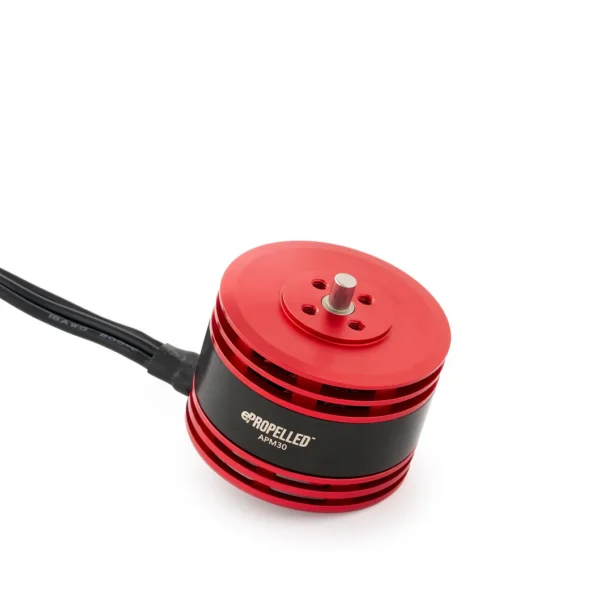
The Next Drone Supply Chain Challenge: Rare Earth Magnets
A new bipartisan bill has been introduced in Congress to bolster the United States' domestic supply chain for rare earth magnets, which are essential components in drone motors. The legislation, spearheaded by Chairman John Moolenaar (R-MI) and Ranking Member Ro Khanna (D-CA), addresses the growing concern over America's reliance on China for these critical materials. The initiative comes amid increasing recognition of the challenges faced by the drone industry, particularly regarding the sourcing of permanent magnets necessary for electric motor functionality. By enhancing domestic production capabilities, the bill aims to ensure a more secure and reliable supply chain for the burgeoning drone sector.
Drone Manufacturing Drone News Drone News Feeds drone parts drone technology Feature 1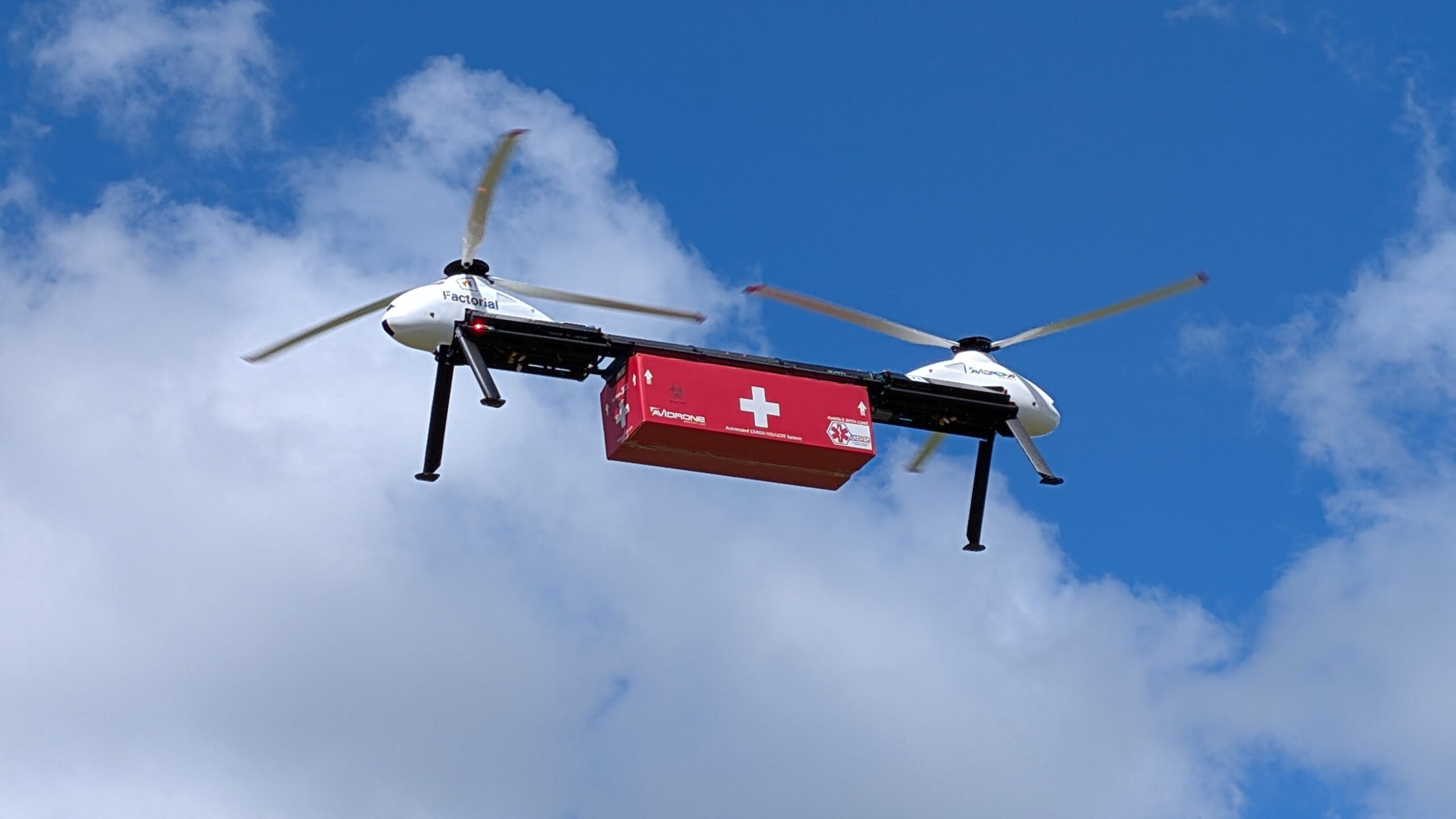
The Drone Industry’s Battery Problem Has a New Challenger
Factorial Energy, a battery technology company, has announced new partnerships aimed at enhancing drone performance through the integration of next-generation solid-state batteries. These collaborations span across the United States, Europe, and the Asia-Pacific region, focusing on improving drone endurance, power, and cold-weather capabilities for both commercial and defense applications. By leveraging advanced battery technology, Factorial seeks to address the ongoing challenges faced by the drone industry, particularly in terms of battery efficiency and reliability. The initiative reflects a growing recognition of the importance of innovative battery solutions in advancing drone technology and expanding its potential uses in various sectors.
Applications battery technology Defense Drone News Drone News Feeds News
Drone delivery company Flytrex expands with new Texas factory
Flytrex, a drone food delivery company, is expanding its operations in Texas by establishing a new drone manufacturing and maintenance facility near Dallas. This strategic move underscores the company’s commitment to enhancing aerial food delivery services throughout the Dallas-Fort Worth metro area. The facility aims to support the growing demand for drone deliveries, reflecting Flytrex's ambition to scale its innovative logistics solutions in a rapidly evolving market.
News
Five companies win DoD’s Drone Dominance small drone ‘Lethality Prize Challenge’
Drone manufacturer Bravo has announced that its selection for the Lethality Challenge will significantly enhance its business prospects, potentially leading to thousands of unit orders. Kevin Landtroop, a representative from Bravo, emphasized that this development has transformed the conversations the company is having with investors, suppliers, and partners. The announcement, made to Breaking Defense, highlights the strategic importance of the Lethality Challenge in securing future contracts and fostering growth within the defense sector. This selection marks a pivotal moment for Bravo, as it positions the company to capitalize on increased demand for advanced drone technology in military applications.
Air Warfare Land Warfare Pentagon Air Force Army Bravo Ordnance
Taco Bueno brings Zipline drone delivery to Texas customers
Taco Bueno, a fast-food chain based in Texas, is set to enhance its service offerings by partnering with Zipline to introduce drone delivery for its Tex-Mex meals. This initiative marks Taco Bueno's entry into the expanding drone delivery sector, aiming to provide customers with a quicker and more efficient way to enjoy their favorite dishes. The collaboration is expected to streamline the delivery process, allowing for faster access to fresh meals. As the demand for innovative delivery solutions grows, Taco Bueno's move reflects a strategic effort to stay competitive in the fast-food industry while catering to evolving consumer preferences.
News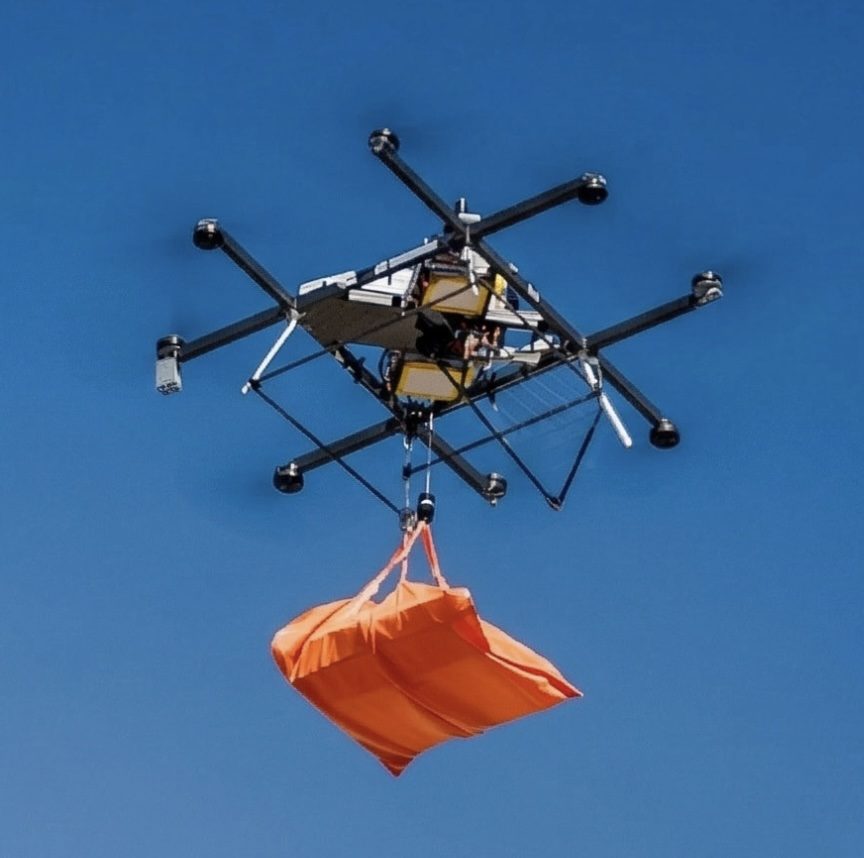
The Challenge of Drone Pizza Delivery: Flytrex Finally Solved It
Flytrex has partnered with Little Caesars to launch a groundbreaking pizza delivery service via drone in the Dallas/Fort Worth (DFW) area. This innovative initiative aims to expand the range of food options available for drone delivery, which has primarily included smaller items in the past. The service is set to begin shortly, catering to the growing demand for convenient food delivery solutions in the region. By leveraging drone technology, Flytrex seeks to enhance the efficiency and speed of pizza delivery, providing customers with a unique dining experience. This collaboration marks a significant step forward in the integration of drones into everyday services, addressing a previously unmet need for hot, freshly delivered pizza.
Applications Delivery Drone News Drone News Feeds News autonomous delivery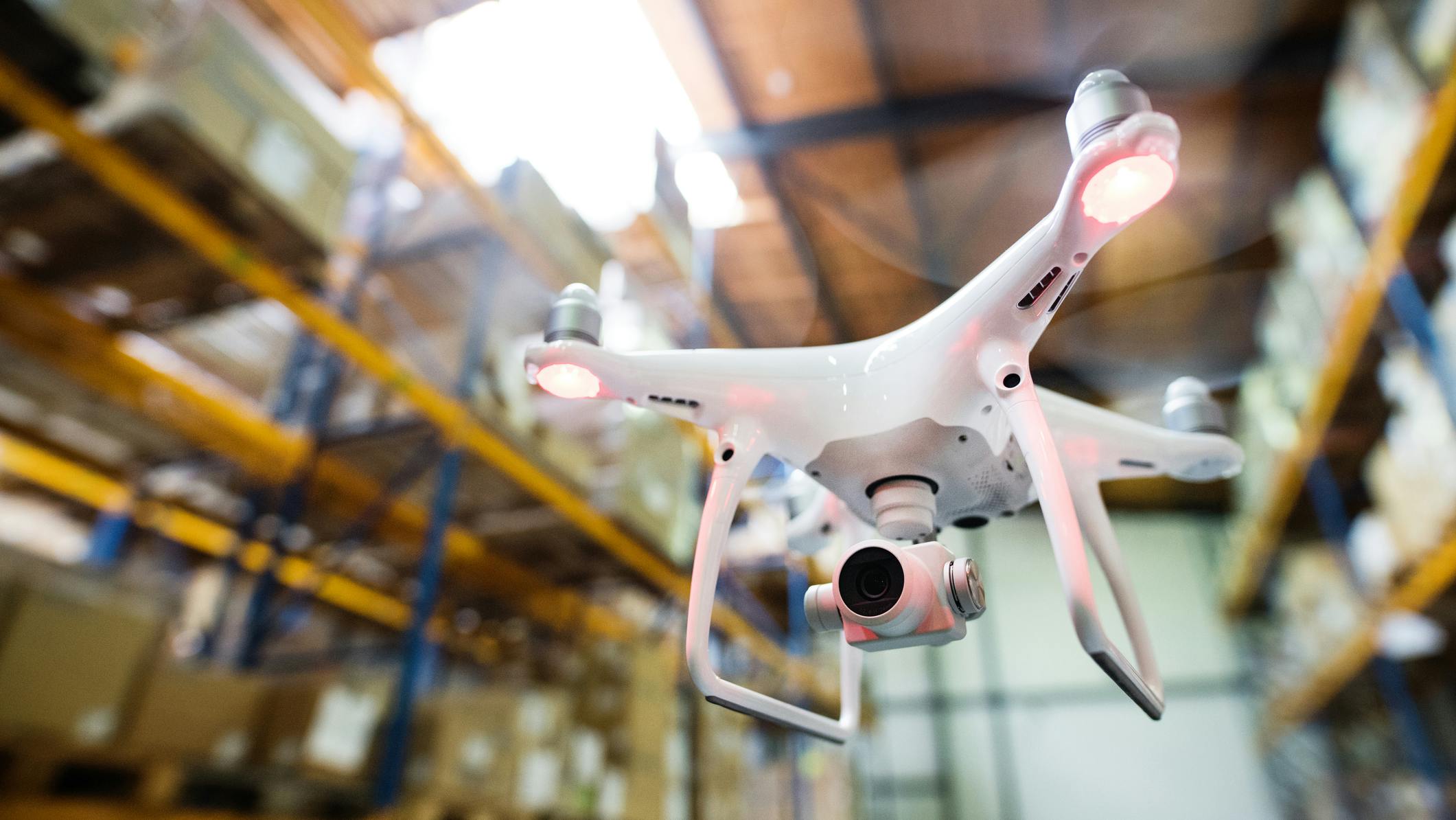
Drones Gain Altitude in Manufacturing Facilities (and Challenges Emerge)
As technology continues to advance, the landscape of cybersecurity is becoming increasingly complex, prompting a surge in concerns over data protection. Experts emphasize that the rapid evolution of digital tools and platforms is leading to heightened vulnerabilities, making it essential for organizations to adopt more sophisticated data integration strategies. This shift is particularly critical as businesses strive to safeguard sensitive information against a backdrop of rising cyber threats. The urgency for improved cybersecurity measures has never been more pronounced, with stakeholders across various sectors recognizing the need to enhance their defenses. As a result, companies are investing in advanced technologies and training to bolster their cybersecurity frameworks, ensuring they can effectively respond to emerging risks and protect their data assets.
Technology and IIoT / Emerging Technologies
Challenges in Drone Technology
Recent advancements in drone technology have led to the development of compact drones designed for continuous and autonomous inspection of various structures, including chimneys, shafts, and tanks. These innovations are particularly significant as industries increasingly seek efficient and reliable methods for maintenance and monitoring. The use of these drones enhances safety by reducing the need for human inspectors to access potentially hazardous areas. As of October 2023, the integration of this technology is transforming inspection processes across multiple sectors, streamlining operations and improving overall safety standards.
Robotics needs a service framework.
RSF defines a common language for robot service capability, lifecycle operations, certification pathways, and service-provider networks.
Join the RobotToday community on LinkedIn
Daily robotics news, in-depth analysis, conference highlights, and discussions with professionals worldwide.







