

Industry Briefing
A single destination for timely, editor-curated robotics news from around the world.

Versatile Attack Plane Expands Role to Counter Unmanned Aerial Systems
A leading attack aircraft is now being utilized for counter-unmanned aerial systems (C-UAS) missions, enhancing its operational versatility. This shift allows the aircraft to engage drones at greater distances from protected assets, thereby improving the safety of critical infrastructure. The new capabilities are expected to alter the cost-per-kill dynamics in aerial engagements, making it a significant development in military aviation strategies.
Air Warfare Sponsored Post A-29 Super Tucano AFA 2026 Air Force C-UAS
China Explores Autonomous Defense Systems for Contested Islands in South China Sea
A recent report indicates that China is investigating a maritime defense model utilizing autonomous drones to protect contested islands in the South China Sea. Researchers from the China Coast Guard Academy and Dalian Maritime University propose a network of aerial, surface, and underwater drones, which would create a multi-layered defense system, enhancing surveillance and response capabilities. This shift from traditional defense methods to a system reliant on uncrewed platforms reflects the evolving nature of naval warfare. The economic advantages of deploying inexpensive drones to monitor maritime environments are significant, as they can challenge larger military assets. The interconnected architecture aims to maintain operational capability even if some drones are compromised, emphasizing redundancy in defense strategies. As the South China Sea remains a focal point of territorial disputes among several nations, China's initiative to integrate autonomous systems into its defense strategy could further complicate regional security dynamics. However, it is crucial to note that this concept is still a research proposal and does not confirm the operational deployment of such systems at this time.
Military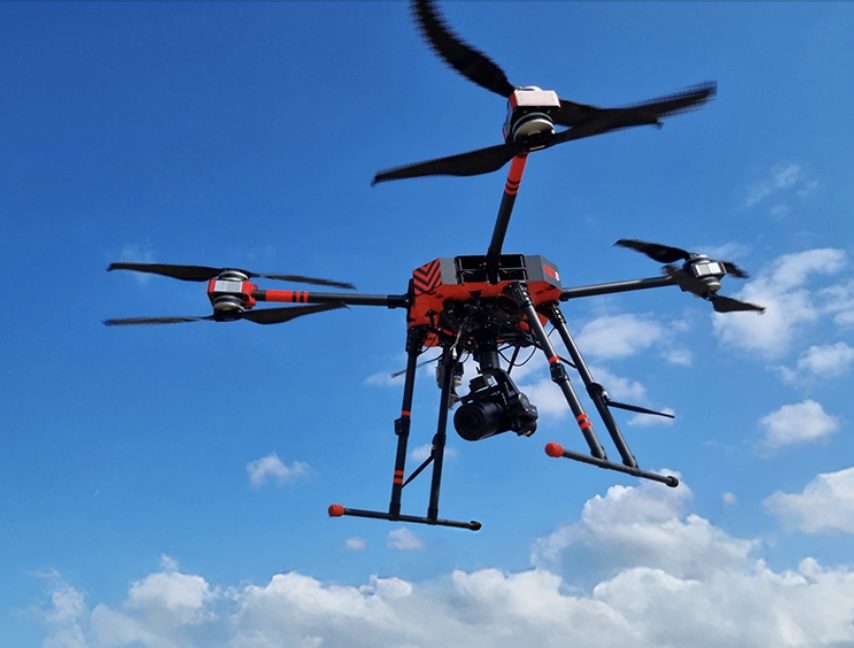
FCC Adds More Drone Exemptions to Covered List Ban: Elevon Aerial, Air6 Systems
The Federal Communications Commission (FCC) has expanded its list of foreign-made drone systems that are conditionally approved and exempt from its extensive Covered List restrictions. This update, announced in a Public Notice on May 15, 2026, reflects ongoing efforts by federal agencies to navigate the implications of the FCC's stringent regulations on foreign drones and their critical components. The addition of new exemptions aims to facilitate the integration of certain drone technologies while addressing national security concerns. Among the newly exempted companies are Elevon Aerial and Air6 Systems, which are now able to operate under the revised guidelines. This move underscores the FCC's commitment to balancing innovation in the drone industry with the need for regulatory oversight.
Drone News Drone News Feeds News Air6 Systems Blue UAS Commercial DronesRobotics needs a service framework.
RSF defines a common language for robot service capability, lifecycle operations, certification pathways, and service-provider networks.
Join the RobotToday community on LinkedIn
Daily robotics news, in-depth analysis, conference highlights, and discussions with professionals worldwide.







