Industry Briefing
A single destination for timely, editor-curated robotics news from around the world.
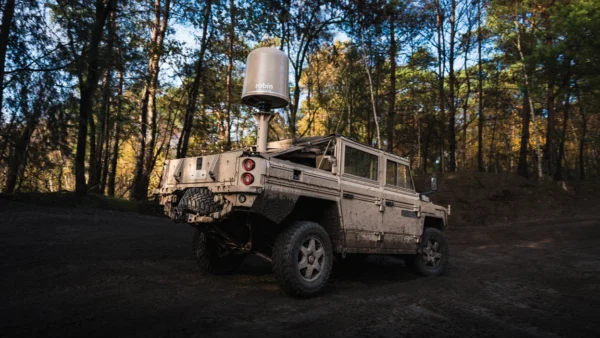
Robin Radar Systems Expands Capacity with New Headquarters in Delft, Netherlands
Robin Radar Systems has inaugurated a new 9,000-square-meter headquarters in Delft, Netherlands, significantly increasing its operational capacity. This facility will enhance radar research, engineering, production, testing, and customer service, complementing a recently opened operations center in Northern Virginia. The expansion aligns with the company's impressive 60% year-over-year growth over the past three years, with over 800 radar systems now installed globally. The new headquarters is strategically located near Delft University of Technology, facilitating access to engineering talent. Robin Radar aims to boost series production through partnerships and expects to employ over 300 people by the end of 2026. The facility also enhances customer support, increasing service capacity fourfold, which is crucial as European governments emphasize regional supply chains for defense technologies. Looking ahead, Robin Radar is focused on advancing its IRIS drone detection radar, which has seen improvements based on operational feedback. Notable enhancements include a Long Range Mode that extends the detection range from five to 12 kilometers and new maritime capabilities for operation aboard large vessels. The company is poised to meet the growing demand for counter-drone systems across various sectors, including defense and critical infrastructure.
Drone News Drone News Feeds Dual Use News C-UAS Counter UAS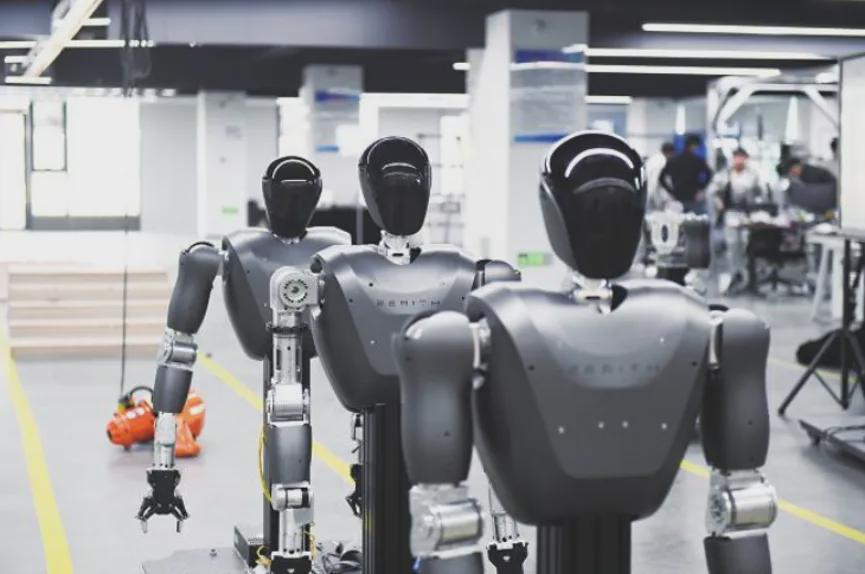
Humanoid Robot Production Capacity Surpasses 10,000 Units: Can Anhui Compete Nationally?
The production capacity of humanoid robots has exceeded 10,000 units, raising questions about Anhui's position in the national market. This milestone indicates significant advancements in robotics manufacturing, showcasing the region's potential to compete with top-tier cities. As the industry evolves, stakeholders should monitor Anhui's strategies and innovations to maintain its competitive edge.
Robotics Automation AI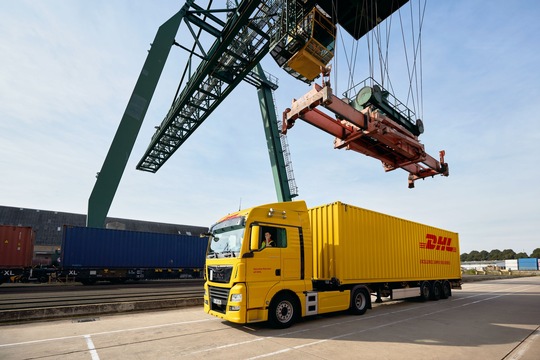
Baltic Hub Receives New Electric Rail Cranes to Boost Capacity to 1.2 Million TEUs
Baltic Hub has received two new electric rail-mounted gantry cranes at its rail yard in Gdańsk, Poland. These cranes are expected to enhance the terminal's annual rail-siding handling capacity to 1.2 million TEUs once they become operational. The addition of these cranes, which will be the fifth and sixth RMG units at the terminal, aims to improve the efficiency of container transfers between vessels, rail services, and inland supply chains. Baltic Hub currently manages nearly 800 trains monthly, linking Poland with Central and Eastern European markets. The cranes will incorporate advanced technologies such as optical character recognition for automatic container identification and safety features like anti-collision systems. This investment is crucial as it addresses the increasing demand for container handling while promoting lower-emission operations through enhanced rail connectivity. No further timeline was disclosed at the time of publication.
Ports & Maritime Baltic Hub Intermodal transport Poland rail freight RMG cranes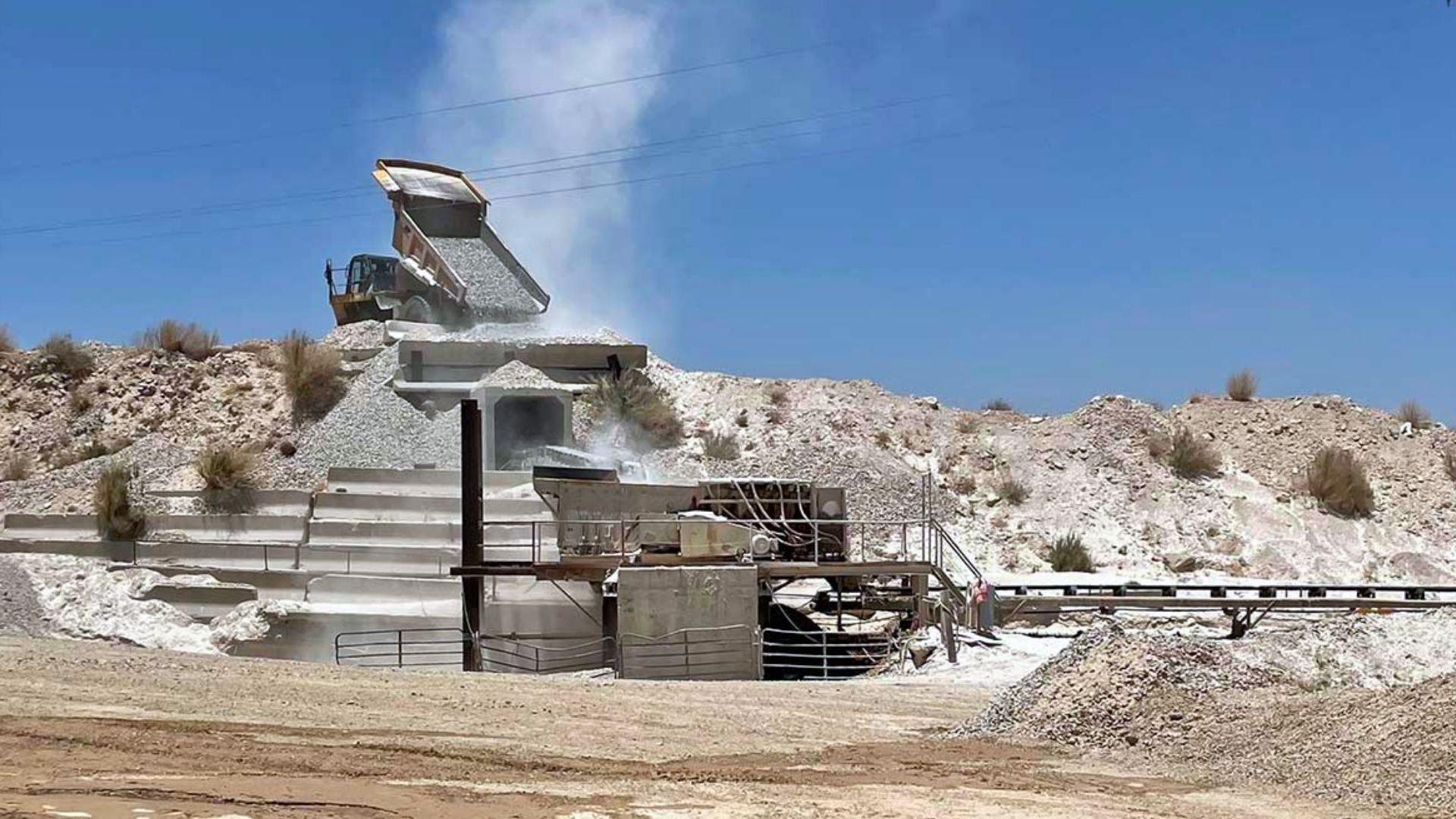
Five Companies Expanding Rare Earth Processing Capacity in the U.S.
Rare earth elements are crucial for various technologies, including electric vehicles and military systems. To establish a reliable U.S. supply chain, companies must navigate the complex processes of mining, refining, and manufacturing. Five companies—Tactical Resources, USA Rare Earth, MP Materials, Energy Fuels, and NioCorp Developments—are actively working on different segments of this supply chain. Tactical Resources is advancing its Peak Project in Texas, focusing on rare earth-enriched materials with significant concentrations of heavy rare earth elements. The company plans to conduct further metallurgical testing and engineering work by September 2026. Meanwhile, USA Rare Earth is implementing a mine-to-magnet strategy, with its Round Top deposit in West Texas and a new manufacturing facility in South Carolina expected to produce 4,000 metric tons of rare earth oxides annually by the end of 2026. MP Materials operates the Mountain Pass mine in California and is expanding its operations to include metal and magnet manufacturing in Texas. As these companies progress, the U.S. aims to enhance its rare earth processing capabilities, which are currently limited compared to global competitors. No further timeline was disclosed at the time of publication.
Innovation
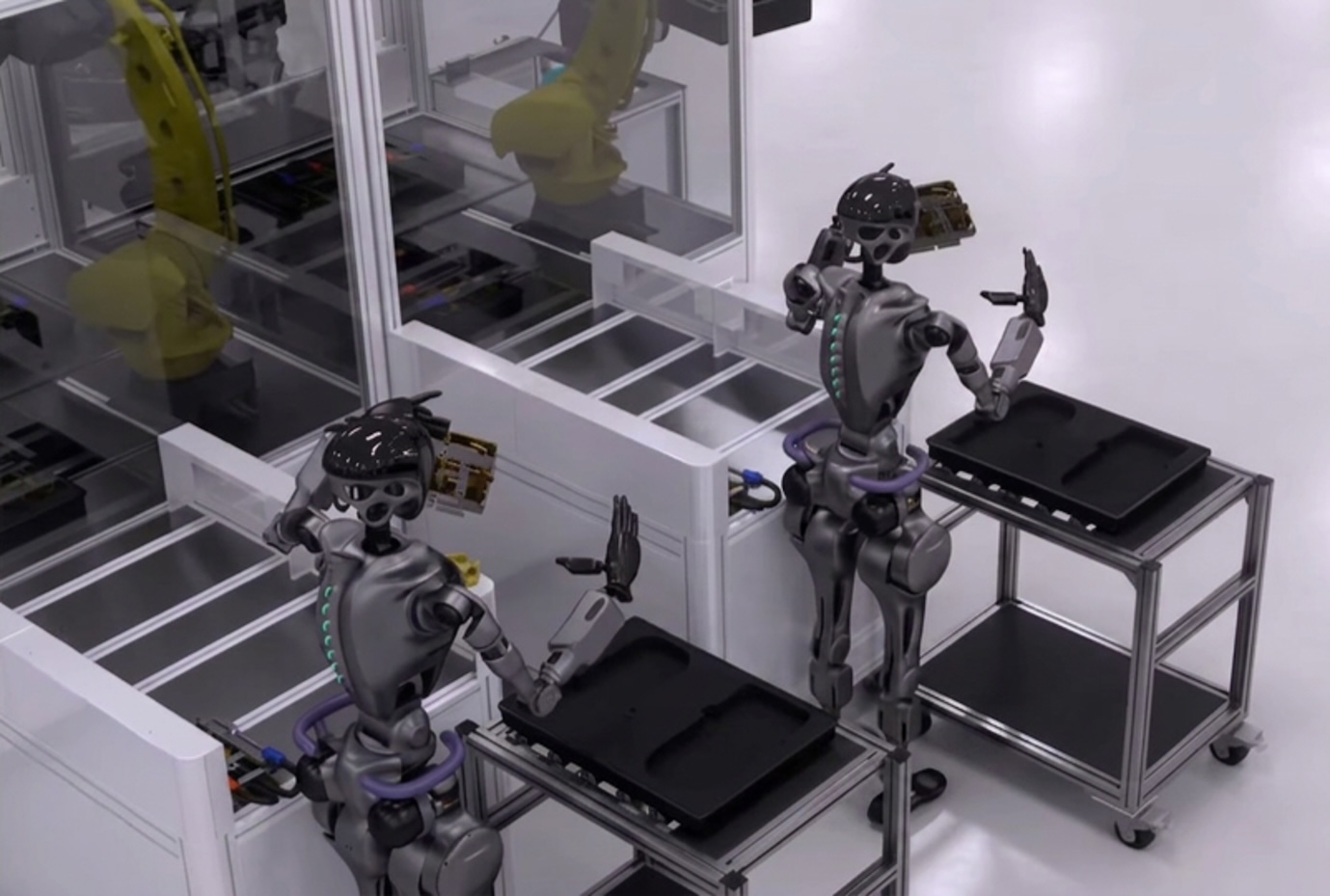
UBTECH Opens Liuzhou Factory with Capacity for 10,000 Humanoid Robots Annually
On September 12, UBTECH inaugurated a super smart factory in Liuzhou capable of producing over 10,000 humanoid robots annually. This facility is the world's first industrial humanoid robot manufacturing benchmark factory designed for such high capacity, utilizing intelligent planning and digital scheduling systems to implement a robot-to-robot manufacturing model. The significance of this factory lies in its ability to address the challenges of mass production in the humanoid robot sector, where most companies previously produced only hundreds to thousands of units per year. The factory's design allows for a robot to be completed every 10 minutes, potentially scaling production to around 50,000 units annually, contingent on order fulfillment and supply chain alignment. Looking ahead, UBTECH's Walker S2 humanoid robot, equipped with advanced capabilities such as dual RGB vision and a high degree of freedom, is set to redefine operational efficiency in various sectors. The factory's production capacity supports UBTECH's expansion into industrial, commercial, and consumer markets, marking a significant step in the evolution of humanoid robotics manufacturing.
Humanoid Robots Industrial Automation Smart Manufacturing Robotics Technology
Colonel Ali Ashour Honored for Contributions to International Scientific Capacity Building
At the 2026 Glasgow Focus Forum, Colonel Ali Ashour was recognized by MAST for his significant contributions to scientific capacity and resilience in Kuwait and the Commonwealth. His work emphasizes the importance of international cooperation in enhancing national security and infrastructure resilience. This recognition highlights the critical role of coast guards in national security, bridging law enforcement and military capabilities. Under the leadership of Commodore Sheikh Mubarak Ali Al-Yousuf Al-Sabah, the Kuwait Coast Guard is transforming its approach to maritime security, integrating advanced technologies and autonomous systems. Looking ahead, the Kuwait Coast Guard's initiatives in autonomous maritime surveillance and advanced ISR capabilities will be pivotal in shaping national security strategies. No further timeline was disclosed at the time of publication.
mast focus forum events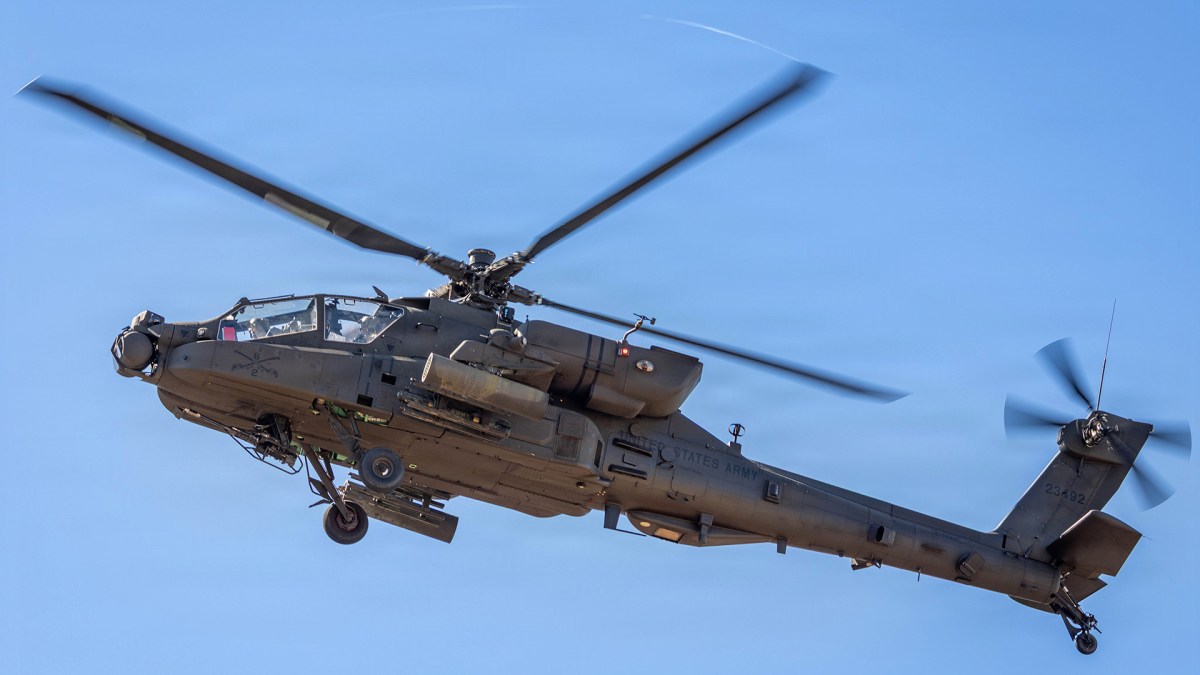
Joint Chiefs Chairman Discusses AI's Role in Modern Warfare After Apache Rescue
The U.S. military's top officer, Air Force Gen. Dan Caine, highlighted the transformative impact of artificial intelligence (AI) on warfare during a recent conference. He shared insights from the rescue of two U.S. Army Apache crew members shot down by an Iranian drone near Oman, marking the first use of an uncrewed surface vessel (USV) in a personnel recovery operation. Caine emphasized that the rapid evolution of AI is compressing decision-making timelines in military operations, with the advantage going to those who can quickly gather and analyze information. The successful recovery mission on June 8 involved a coordinated effort by U.S. CENTCOM and the deployment of a U.S. Navy Corsair USV, showcasing the integration of unmanned systems and AI in complex environments. Looking ahead, Caine warned that while AI enhances military capabilities, it also accelerates the evolution of threats, as seen in Ukraine with AI-enabled drones. He noted the stark implications of low-cost precision warfare, urging the joint force to adapt swiftly to these technological changes to maintain operational effectiveness.
Air AH-64 Air Forces Armies Helicopters Land
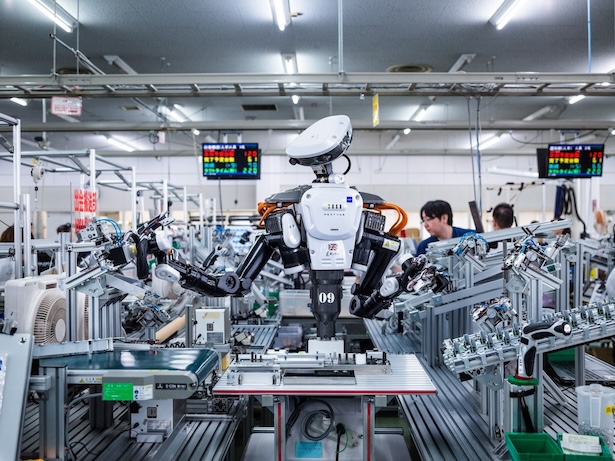
Ubtech Launches 10,000-Unit Capacity Humanoid Robot Factory in Liuzhou, China
Ubtech Robotics has commenced operations at a new humanoid robot factory located in Liuzhou, China. This facility is designed to produce up to 10,000 units annually and can manufacture one industrial humanoid robot every 10 minutes, focusing on the Walker S and Cruzr series. The significance of this factory lies in its innovative use of robotics in the manufacturing process itself. The 14,000-square-meter plant incorporates Cruzr robots and autonomous logistics equipment, enhancing efficiency and productivity while also featuring a 65-square-meter automated warehouse that increases space utilization by over 50%. Looking ahead, the integration of Siemens Digital Industries Software for production management indicates a trend towards more automated and efficient manufacturing processes in the robotics sector. No further timeline was disclosed at the time of publication.
AI AI Funding & Investment Capital Markets Robotics China humanoid robotics
Japan Plans Defense Subsidies to Boost Domestic Drone and Ammunition Production Capacity
Japan is set to introduce defense subsidies aimed at enhancing domestic production capabilities for critical items such as drones and ammunition. This initiative is part of a broader strategy to ensure that the country can meet its national security needs in times of crisis, particularly in light of increasing regional threats. The significance of these subsidies lies in their potential to attract new suppliers and support existing ones, thereby strengthening Japan's defense industrial base. As the geopolitical landscape evolves, the ability to produce essential military supplies domestically becomes increasingly vital for national security. Looking ahead, stakeholders will be monitoring the implementation of these subsidies and their impact on Japan's defense capabilities. No further timeline was disclosed at the time of publication.

NVIDIA Collaborates with Australian Partners to Enhance AI Infrastructure Capacity
NVIDIA has announced a collaboration with a network of Australian NVIDIA Cloud Partners (NCPs) and AI infrastructure partners to expand land, power, and shell capacity for hosting NVIDIA DSX™ AI factories. This initiative aims to meet the increasing demand for AI compute in Australia, with a projected buildout of up to 2 gigawatts by 2027. The expansion is significant as it supports local innovators in developing AI models and applications, leveraging NVIDIA's full-stack DSX platform. This platform enhances productivity and durability, making AI factories a new asset class. The collaboration with Australian partners like Firmus and Sharon AI is expected to strengthen the local ecosystem and provide access to high-performance computing resources. Looking ahead, the initiative will enable Australian startups, researchers, and enterprises to harness world-class computing capabilities. No further timeline was disclosed at the time of publication.

SMIC Reports 93.7% Capacity Utilization Amid Rising Demand for AI-Driven Chip Production
China's Semiconductor Manufacturing International Corporation (SMIC) has reported a capacity utilization rate of 93.7% in the second quarter, up from 93.1% previously. This increase is attributed to a surge in demand for mature-node chips, particularly for AI infrastructure, as the company aims to expand its manufacturing capabilities to meet this growing need. The rising demand for AI-related supporting chips has highlighted significant gaps in manufacturing, prompting SMIC to consider installing additional equipment at its facilities. Co-CEO Zhao Haijun noted that future wafer starts are exceeding previous expectations, indicating a robust market for logic chips, power-management products, and optical module components. Looking ahead, SMIC plans to invest in research and development to enhance its production capabilities without reaching full operational limits. While some prices for consumer electronics have increased, smartphone chips and display-driver integrated circuits remain unchanged. The company anticipates further price adjustments as market volatility continues to impact supply and demand dynamics.
AI and Robotics
Lam Research to Invest Over $3 Billion for 50% Expansion in Chip R&D Capacity
Lam Research, a Fortune 500 company, plans to invest over $3 billion in the next five years to enhance its global research and development laboratory network. This expansion aims to increase its experimental capacity by more than 50%, starting in 2026, to meet the growing demands of semiconductor manufacturers for new materials and processes. The significance of this investment lies in its potential to shorten product development cycles, which is crucial as chipmakers face the challenge of developing increasingly complex computing systems. Lam's laboratories currently support over one million experiments annually, and their integrated structure allows for continuous research and rapid sharing of discoveries across multiple locations. Looking ahead, the expansion will not only add infrastructure but also enhance technical capabilities, facilitating a faster transition of new technologies from research to semiconductor fabrication plants. No further timeline was disclosed at the time of publication.
AI and Robotics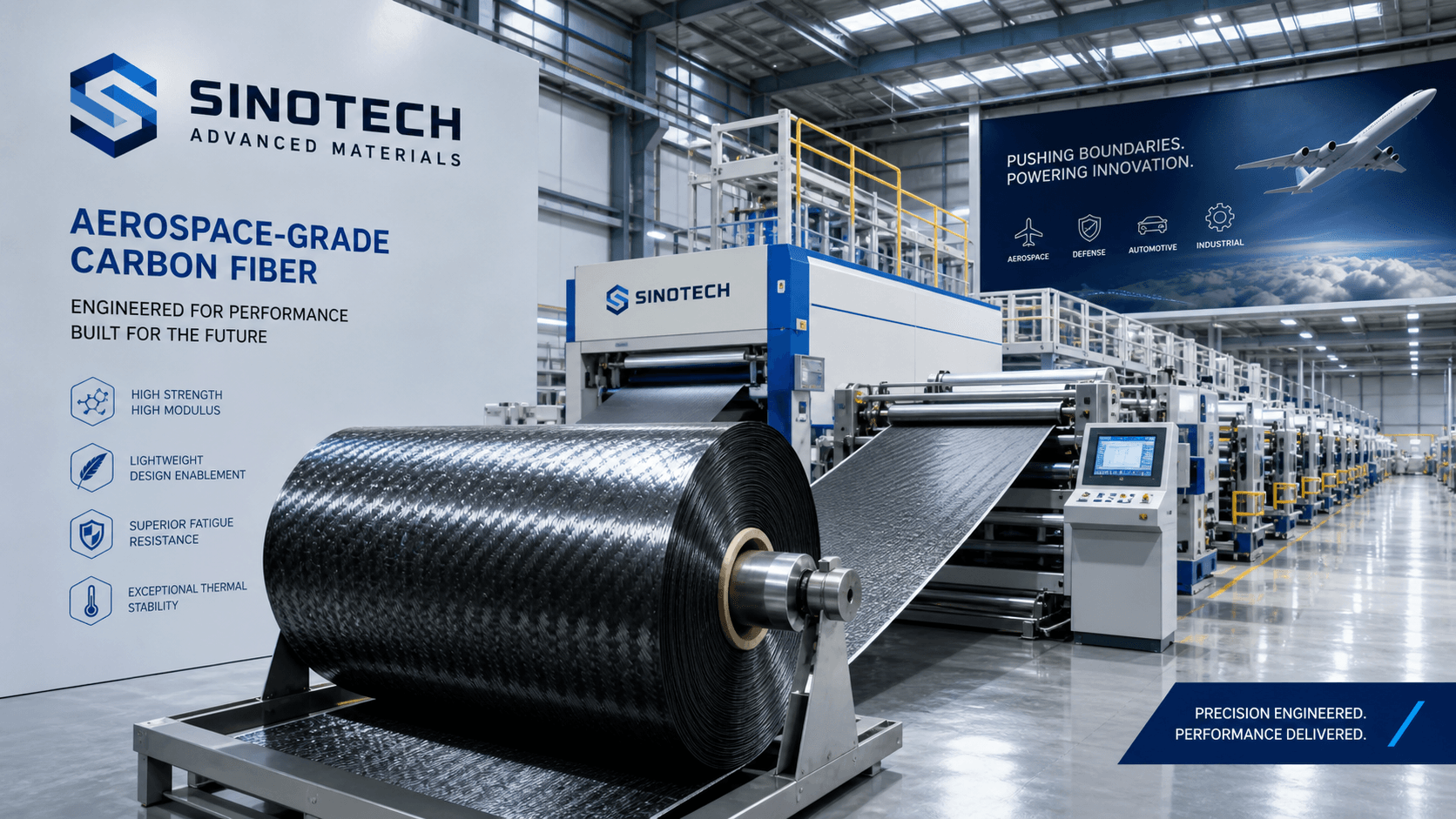
Sinotech Achieves T1100-Grade Carbon Fiber Breakthrough with 5,000-Ton Capacity
Sinotech has successfully developed T1100-grade carbon fiber through both wet and dry-jet wet spinning methods, establishing a 5,000-ton aerospace-grade production capacity. This advancement positions Sinotech to compete with Toray, a leading player in the high-end carbon fiber market. The significance of this breakthrough lies in its potential to disrupt the existing dominance of Toray in the high-end carbon fiber sector. By achieving T1100-class technology, Sinotech not only enhances its production capabilities but also opens new avenues for applications in aerospace and other industries that require high-performance materials. Looking ahead, industry observers will be keen to see how Sinotech's advancements will influence market dynamics and whether it can successfully penetrate the high-end carbon fiber market traditionally held by Toray. No further timeline was disclosed at the time of publication.
Technology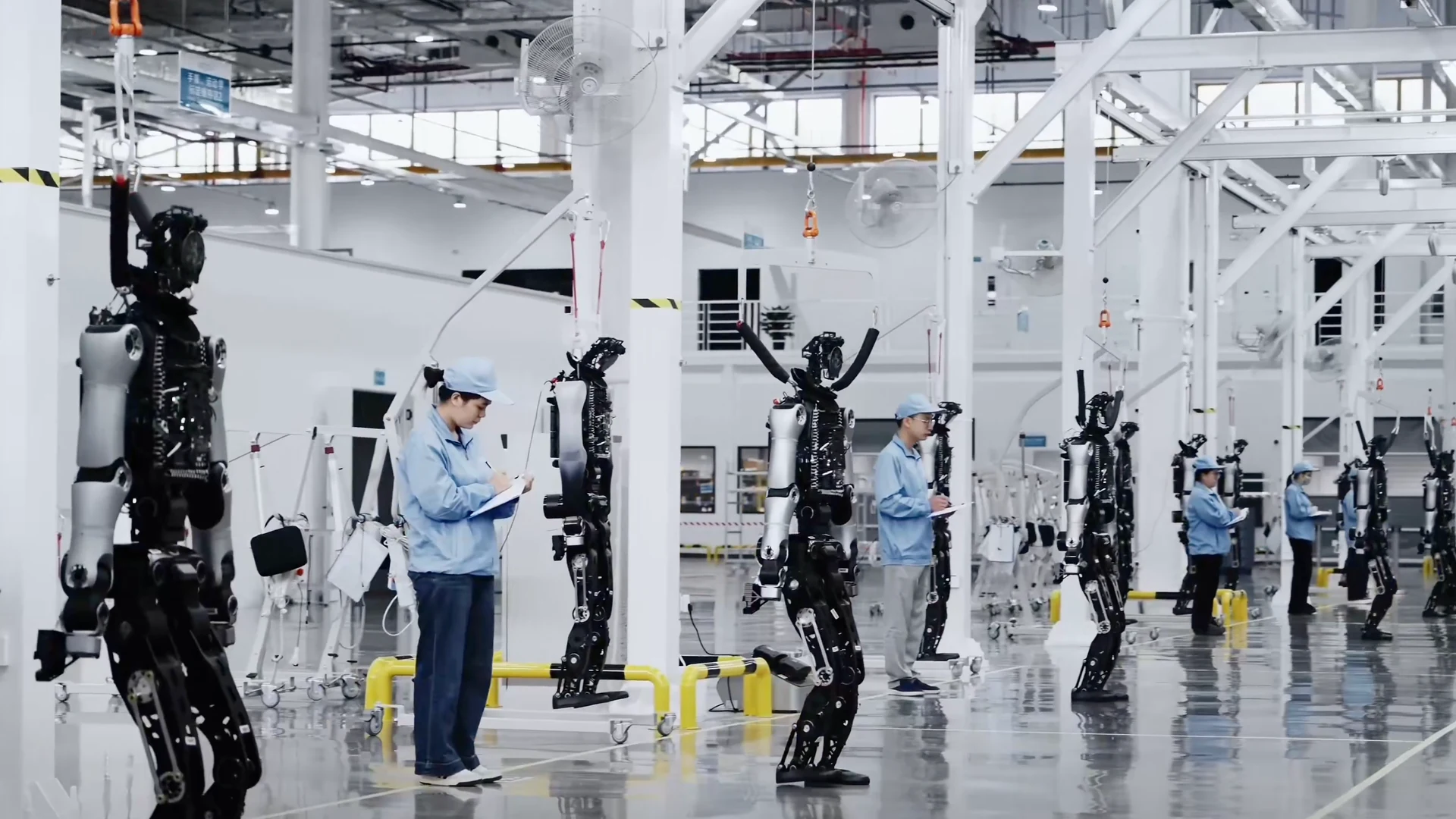
UBTECH CEO Highlights Robot Factory's Capacity to Produce 1,500 Humanoids Monthly
UBTECH's CEO James Zhou recently showcased the company's Super Smart Factory in a new video series, revealing its ambitious production capabilities. The factory, spanning approximately 14,000 square meters, has the potential to produce a humanoid robot every eight to ten minutes, with a monthly output reaching around 1,500 units. This production capacity is significant as it underscores UBTECH's commitment to advancing industrial humanoid robotics. The integration of robots like Cruzr Y1 and Cruzr S2 in the assembly process exemplifies the company's innovative approach to human-robot collaboration, enhancing efficiency in material handling and packaging. Looking ahead, UBTECH plans to release more episodes in the factory tour series, which will delve deeper into the assembly, testing, and quality control processes that support its production claims. No further timeline was disclosed at the time of publication.
China UBTECH Robotics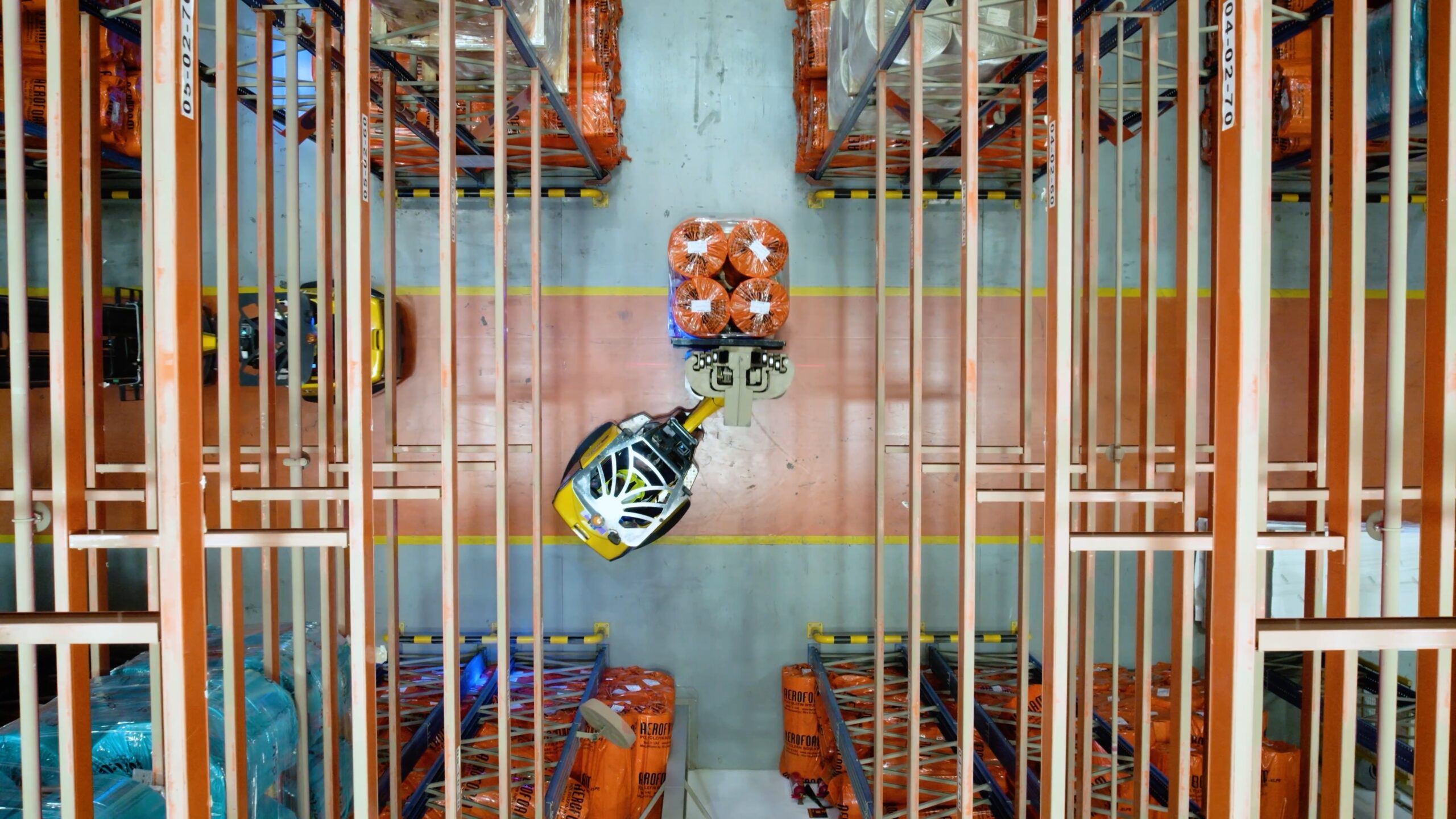
Hira Industries Enhances Storage Capacity with Vertical Warehouse Solution
Hira Industries has successfully addressed its capacity challenges by investing in a high-density vertical warehouse, now one of the largest in the Gulf region. This strategic move was necessitated by the company's expansion across the GCC, India, Southeast Asia, and the United States, which increased demand on storage and logistics operations. The implementation of a vertical storage strategy, featuring racking systems extending up to 15 meters and material storage reaching 18 meters, has allowed Hira to maximize cubic space. Supported by Combilift and Kanoo Machinery UAE, the warehouse transformation has resulted in a 40% increase in storage capacity, raising pallet positions from approximately 1,000 to nearly 4,000. Looking ahead, Hira Industries aims to leverage this enhanced storage capability to support its long-term growth and operational efficiency. The introduction of Aisle Master forklifts has improved material handling and safety, ensuring a consistent workflow across the facility. No further timeline was disclosed at the time of publication.
Forklifts and Warehouse Vehicles Materials Handling Storage & Racking Aisle Master Combilift GCC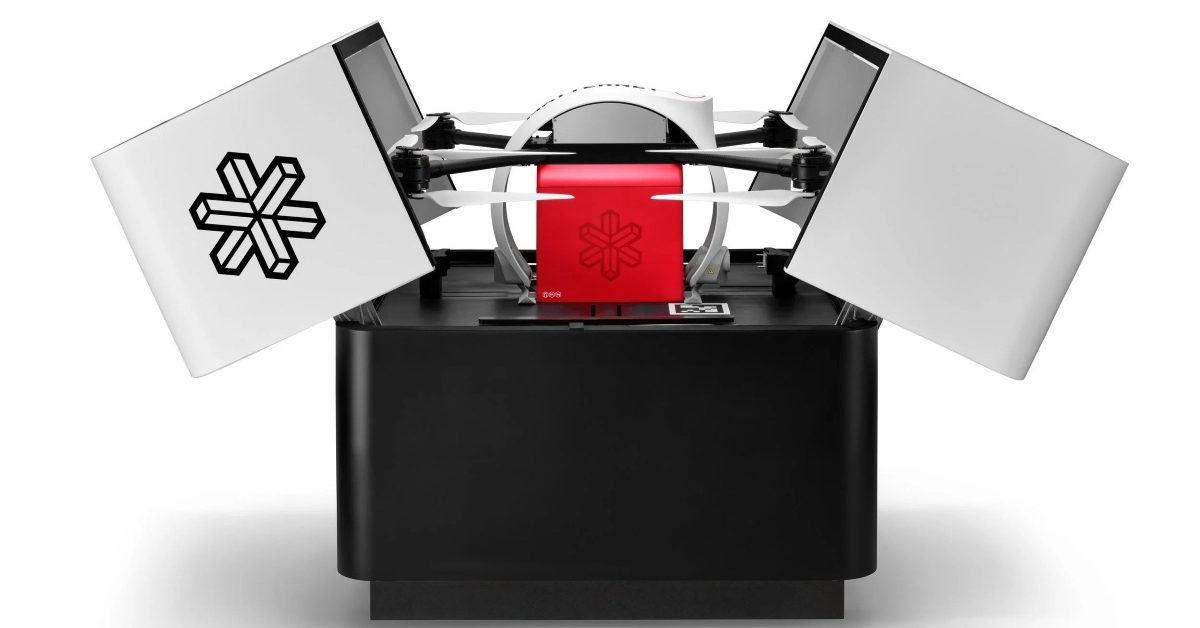
Matternet Launches M3 Drone with 11-Pound Payload Capacity and 10-Mile Range
Matternet has introduced the M3, its next-generation autonomous drone delivery platform, aimed at facilitating thousands of daily deliveries without human operators. The M3 can transport packages weighing up to 11 pounds over a service radius of 10 miles, utilizing a dedicated micro-hub system that allows businesses like restaurants and hospitals to send packages seamlessly. This innovation is significant as it addresses the logistical challenges of scaling drone delivery networks, which require efficient launch and recovery points, charging solutions, and manageable noise levels. Matternet's M3 system includes the M3 Dock for charging and storage, and the M3 Portal for package drop-off, making drone delivery more accessible and reliable. Looking ahead, Matternet is targeting commercial service for the second half of 2027, with initial deployments through partners like Dave’s Hot Chicken in the US and Apian in the UK. The company is also planning to expand its partnerships and establish US manufacturing for the M3 aircraft, leveraging its collaboration with SoftBank Robotics America to enhance deployment efforts.
News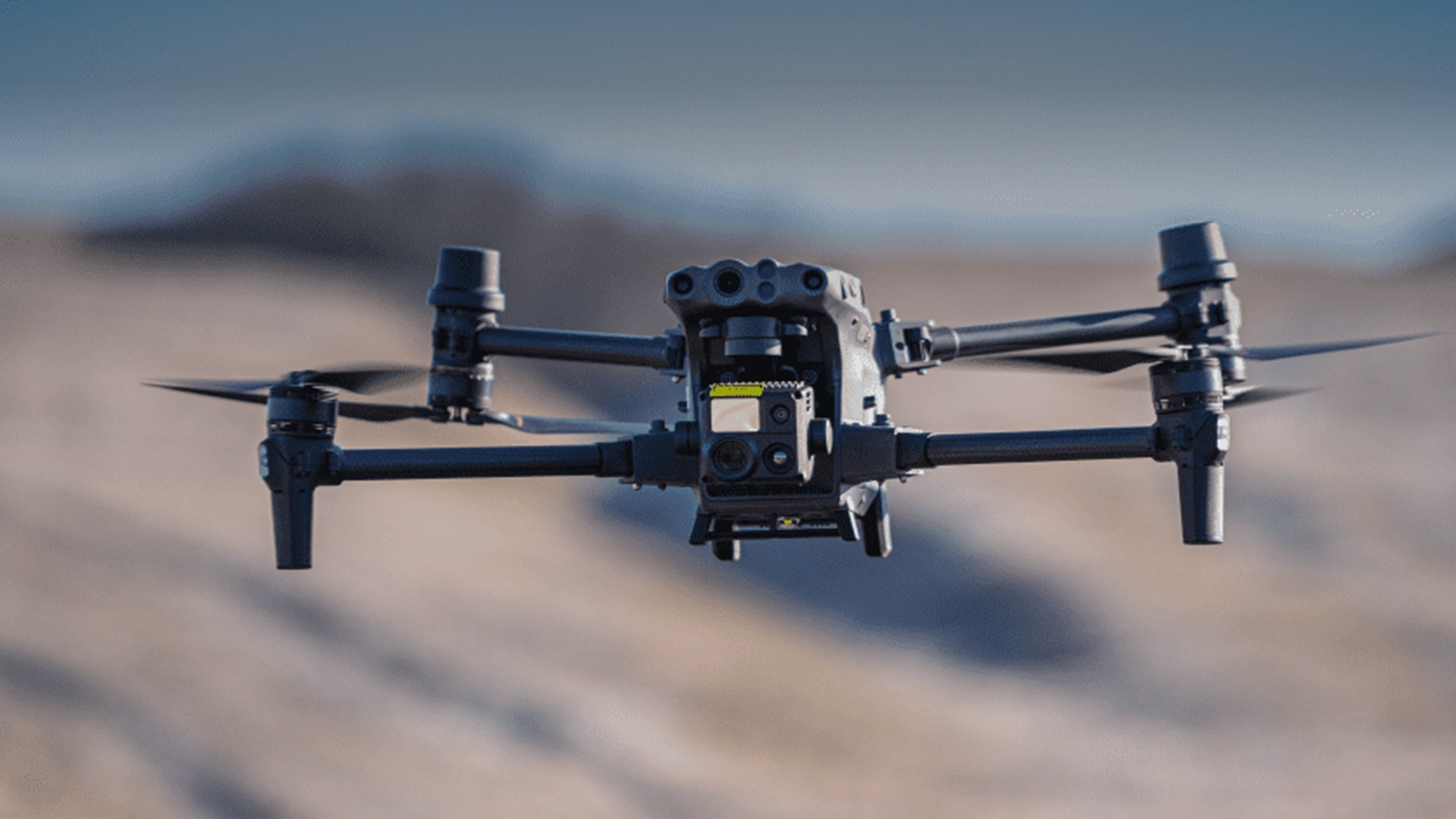
Amprius Technologies Secures $75M Grant to Transform EV Battery Line for Drone Production
The U.S. Department of War has granted Amprius Technologies up to $75 million to convert an electric vehicle battery production line into a facility for drone batteries. This retrofit, located in Fremont, California, aims to produce high-energy-density cells for unmanned aerial systems, with a projected capacity of 12 million cells annually by early 2028. This initiative is significant as it aligns with domestic sourcing requirements under the National Defense Authorization Act, ensuring that the U.S. can meet its defense needs with locally produced batteries. The total conversion project is estimated to cost around $100 million, which includes the federal grant and investments from Amprius and its South Korean manufacturing partner. Looking ahead, the converted facility will enhance Amprius’ manufacturing network and provide defense customers with access to NDAA-compliant batteries at higher volumes. No further timeline was disclosed at the time of publication.
Military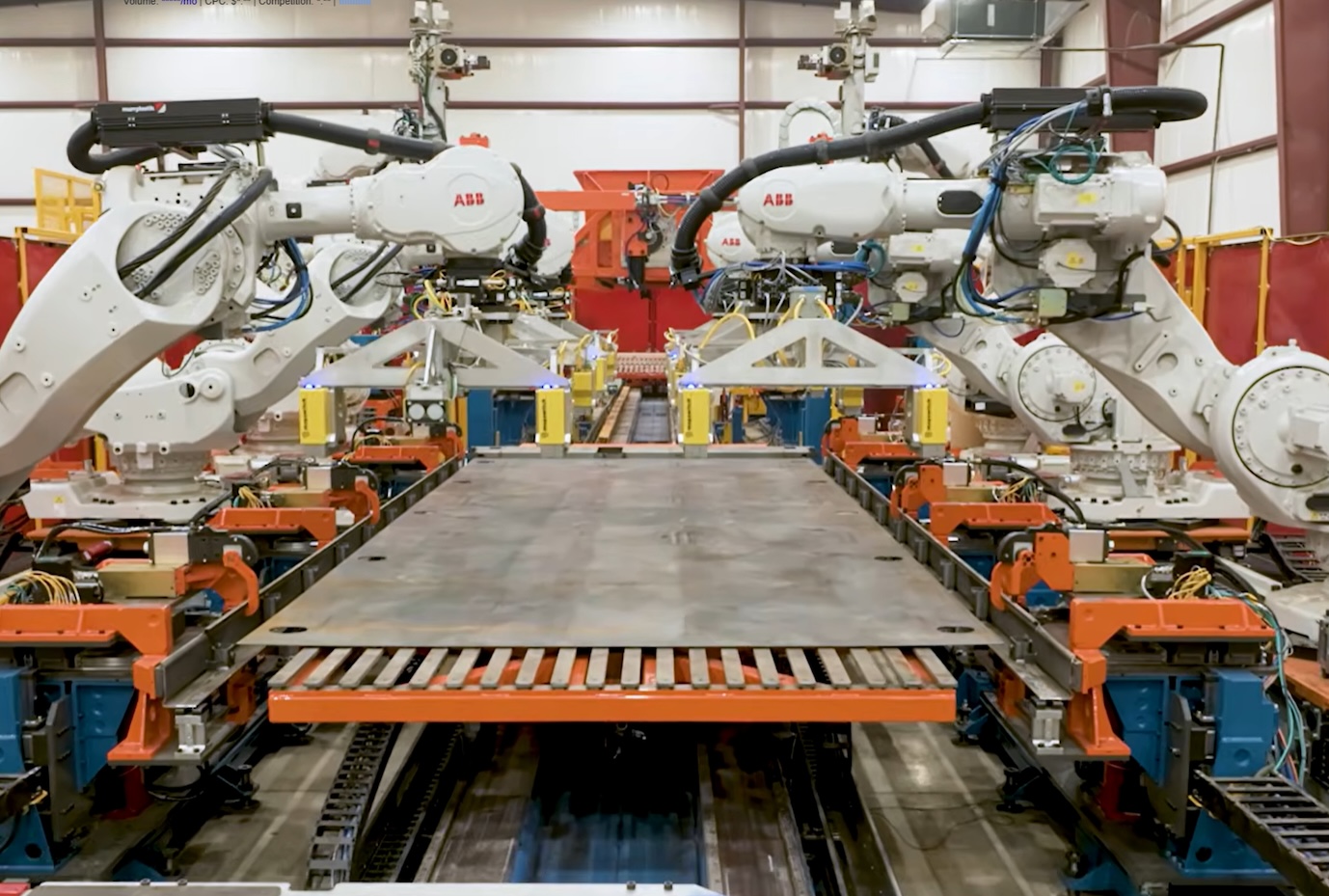
Honeywell Aerospace Introduces 40kW PTMS Upgrade for Enhanced F-35 Cooling Capacity
Honeywell Aerospace has announced the launch of the P40 Power and Thermal Management System (PTMS) upgrade for the Lockheed Martin F-35. This new system provides a significant 25% increase in cooling capacity, enhancing the operational efficiency of the aircraft. The upgrade is crucial as it addresses the thermal management needs of the F-35 fleet, ensuring that the aircraft can operate effectively under various conditions. Improved cooling capacity is essential for maintaining performance and reliability, especially during demanding missions. Looking ahead, industry stakeholders will be monitoring the deployment of the P40 PTMS and its impact on the F-35 fleet's operational capabilities. No further timeline was disclosed at the time of publication.
News
Foxconn and IAT Establish Joint Venture to Enhance Robot Production Capacity
Foxconn and IAT have announced the formation of a joint venture aimed at scaling robot production. This initiative is part of a broader strategy to enhance manufacturing capabilities and meet increasing demand for automation solutions. The collaboration is significant as it reflects the growing trend of automation in manufacturing, with both companies leveraging their expertise to innovate and improve production efficiency. This joint venture is expected to contribute to the robotics ecosystem, particularly within Beijing E-Town’s robotics cluster, which hosts over 300 companies and innovation units. Looking ahead, industry stakeholders will be keen to observe how this partnership evolves and its impact on the robotics market. No further timeline was disclosed at the time of publication.
News Robotics China Foxconn IAT robotics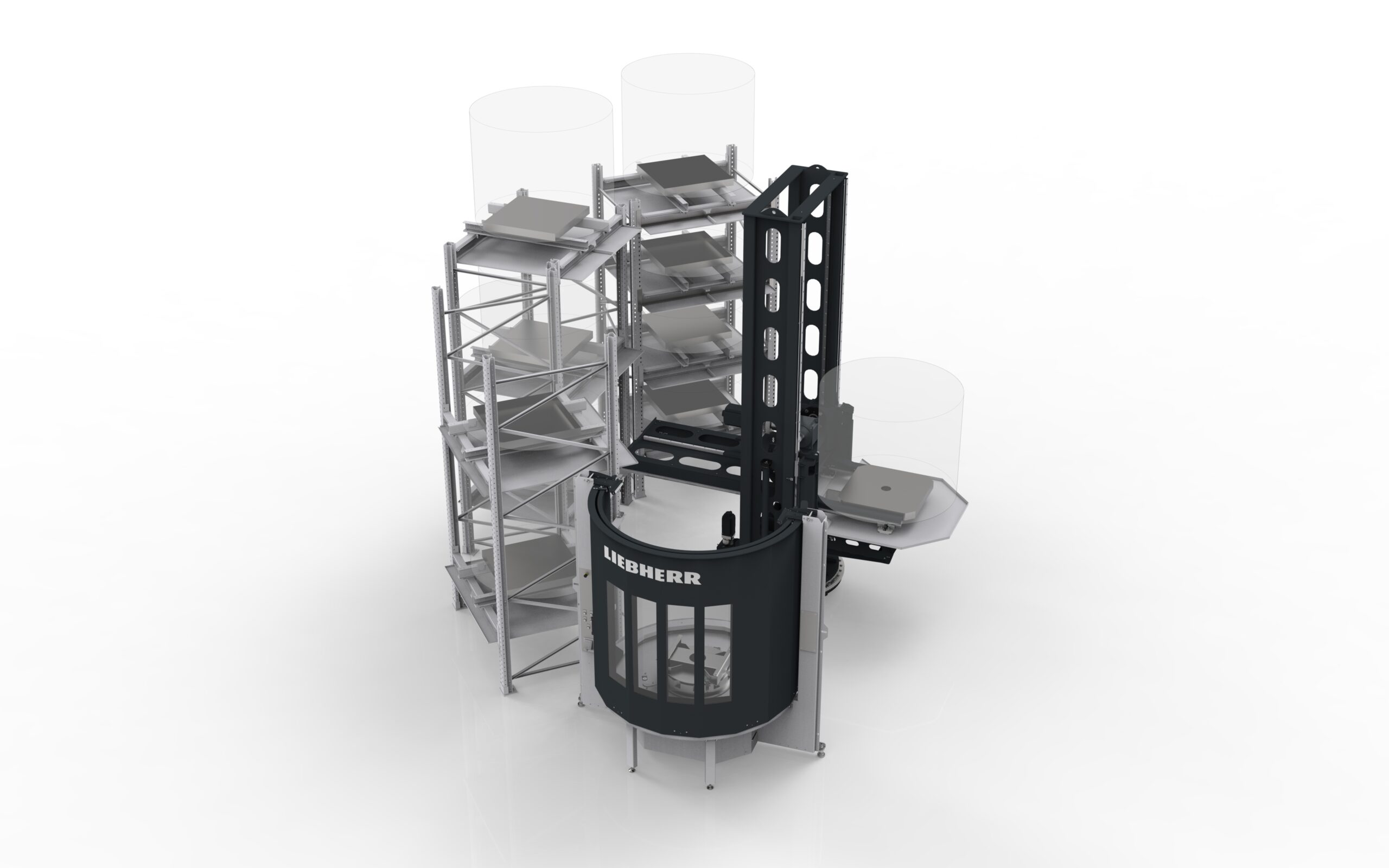
Liebherr Enhances RLS System with 2000 kg Load Capacity for Industrial Automation
Liebherr-Verzahntechnik has upgraded its RLS rotary loading system to support industrial automation in machining workshops. The new system features an increased load capacity of up to 2,000 kg, enhanced storage density, and wider acceptable diameters, facilitating the automated loading of heavy parts while minimizing the footprint around machine tools. This advancement is significant as it addresses the growing demand for automation in diverse production environments, including those involving heavy and bulky components. The RLS system is designed to ensure the automatic storage, preparation, and feeding of machines, now accommodating larger components with its new load class, complementing existing capacities of 800 kg and 1,500 kg. Looking ahead, the RLS system's compact design allows for the automation of two machining centers while maintaining a limited ground area. This approach aims to enhance productivity without requiring additional floor space, making it a valuable solution for manufacturers seeking to optimize machine tool capabilities and reduce manual handling interventions. No further timeline was disclosed at the time of publication.
À la une IA Industrie Robotique automatisation industrielle. Automatisation pièces lourdes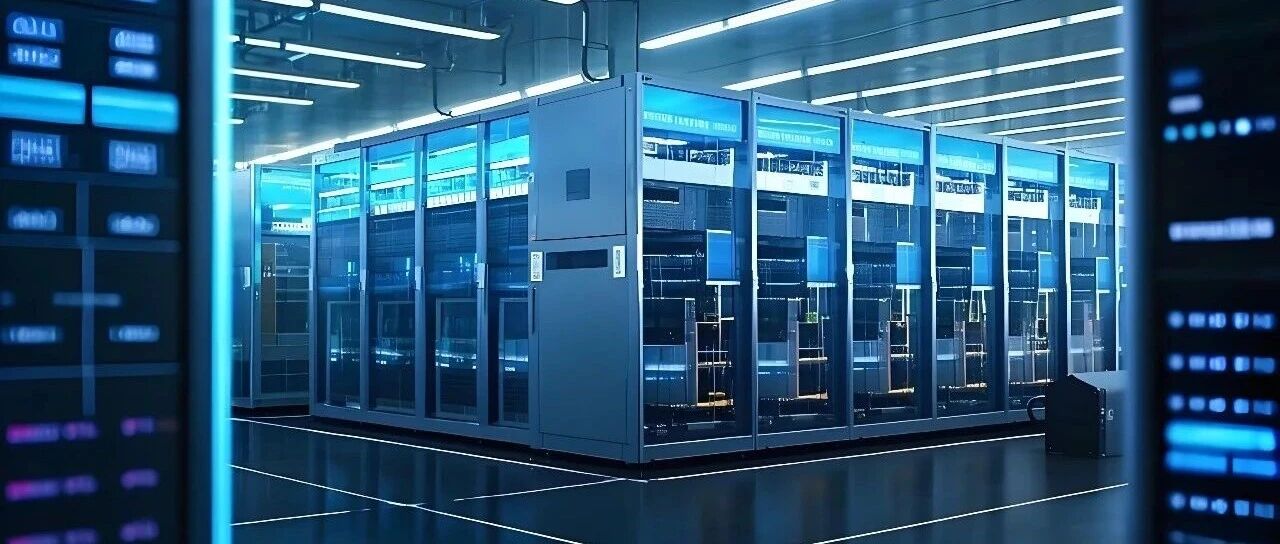
Liquid Cooling Industry Accelerates Capacity Expansion and Mergers Amid Rising Demand
In the past two years, the liquid cooling industry focused on technology and product performance, but recently, discussions have shifted towards capacity expansion, delivery, and mergers. This indicates a new phase in the industry where market demand is clear, and companies are competing to build capacity quickly. According to MIR DATABANK, the liquid cooling system market for data centers in mainland China is projected to reach approximately 27 billion yuan by 2025, with an expected growth to around 32 billion yuan in 2026, marking an over 18% year-on-year increase. As of August 2026, at least 52 capacity expansion projects related to liquid cooling in China's data center industry have been disclosed, with total investments exceeding 20 billion yuan. Additionally, 21 merger and acquisition transactions have occurred within the industry during the same period. The focus has shifted from whether to invest in liquid cooling to where to invest, highlighting the urgency for companies to enhance their capabilities and market presence. Looking ahead, the industry is expected to continue its rapid expansion and consolidation. The competition will likely intensify as companies strive to convert their capacity into stable deliveries and secure customer certifications. No further timeline was disclosed at the time of publication.

Yuejia Dynamics Deploys Quadruped Robots in Shenzhen Metro, Aiming for 10,000 Units Annually
Yuejia Dynamics, a startup based in Shenzhen, has successfully deployed its quadruped inspection robots in the Shenzhen Metro. Founded in 2025, the company is focused on enhancing operational efficiency within urban transit systems. The introduction of these robots is significant as it represents a step forward in the integration of robotics into public infrastructure, potentially improving safety and inspection processes. Yuejia Dynamics aims to achieve an impressive annual production capacity of 10,000 units by the end of October, indicating strong market confidence. Looking ahead, the performance of these quadruped robots in the metro environment will be crucial. Observers should monitor the operational feedback and any adjustments made by Yuejia Dynamics as they scale production and refine their technology. No further timeline was disclosed at the time of publication.

Nscale Partners with Figure to Provide $3.5 Billion in AI Cloud Computing Capacity
Nscale has entered into a significant agreement to provide a minimum of $3.5 billion in AI cloud computing resources to the robotics startup Figure. This partnership not only enhances Figure's technological capabilities but also signifies Nscale's commitment to supporting innovative robotics solutions. The collaboration is crucial as it allows Figure to leverage Nscale's extensive cloud infrastructure, which is essential for developing advanced robotic technologies. This investment underscores the growing importance of AI and cloud computing in the robotics sector, enabling startups like Figure to scale their operations and enhance their product offerings. Looking ahead, industry observers will be keen to see how this partnership evolves and the impact it has on Figure's growth trajectory. No further timeline was disclosed at the time of publication.
Russia's Rosatom Develops 15 RITM-200 Marine Nuclear Reactors for Icebreakers
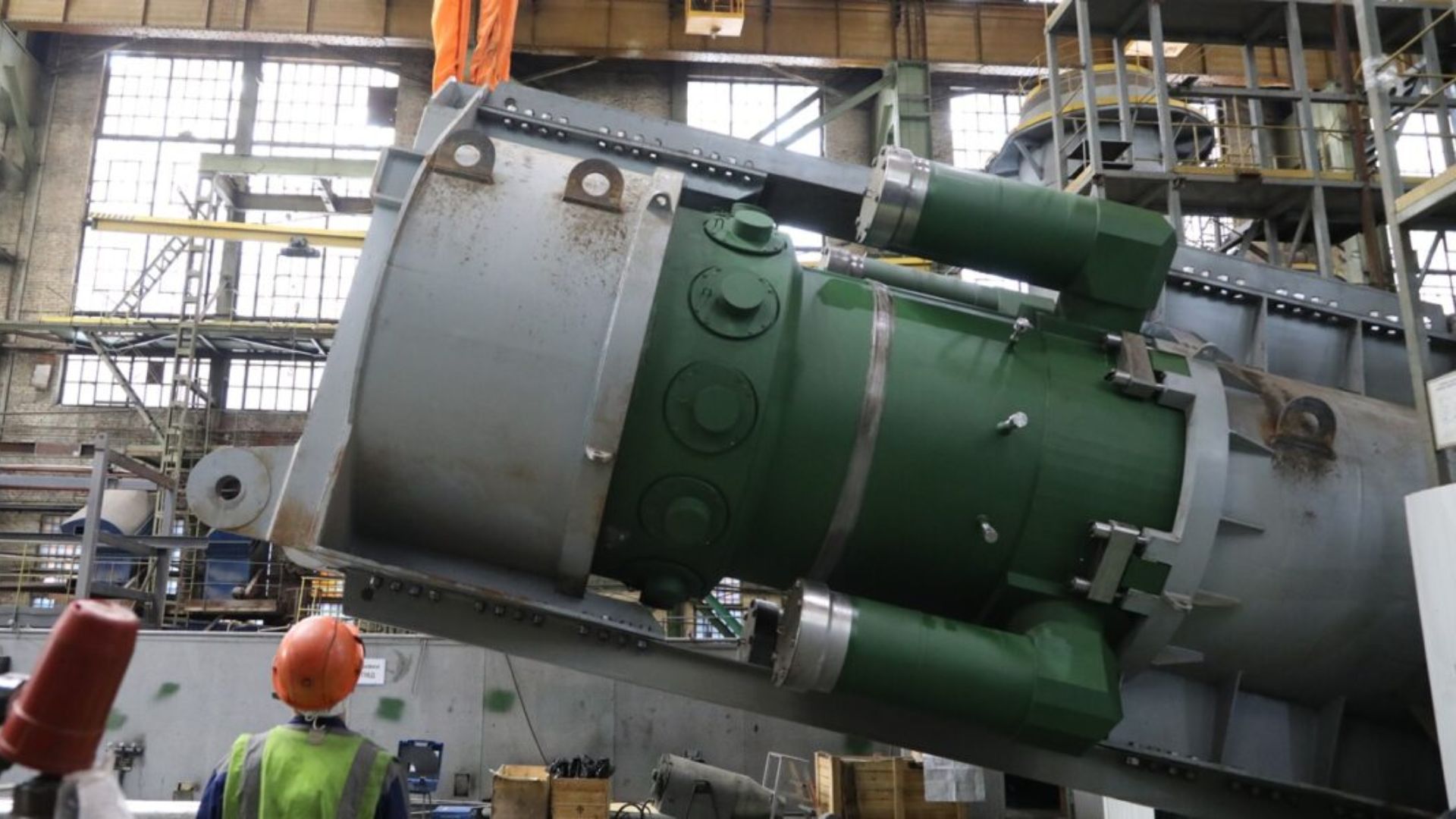
Russia has successfully constructed 15 RITM-200 reactor units, with plans for 13 more, as reported by Rosatom chief Alexey Likhachev. These small-scale reactors, each with a thermal power output of 175 megawatts and a lifespan of at least 40 years, are designed for use in hard-to-reach areas, particularly for icebreakers operating in icy waters. The RITM-200's innovative design integrates the core and steam generators within a single pressure vessel, reducing the system's footprint by approximately one-third compared to traditional marine reactors. This compact design allows for enhanced operational capabilities, enabling Project 22220 icebreakers to adapt their buoyancy for navigating both deep ocean and shallow river environments. Looking ahead, Rosatom is adapting the RITM-200 for civilian energy applications, including the RITM-200N for land-based power generation in Yakutia and the RITM-200S for floating power stations. The company is also exploring micro-reactor technologies for remote areas, with projects like the Shelf micro-reactor and the Elena thermoelectric unit. No further timeline was disclosed at the time of publication.
Energy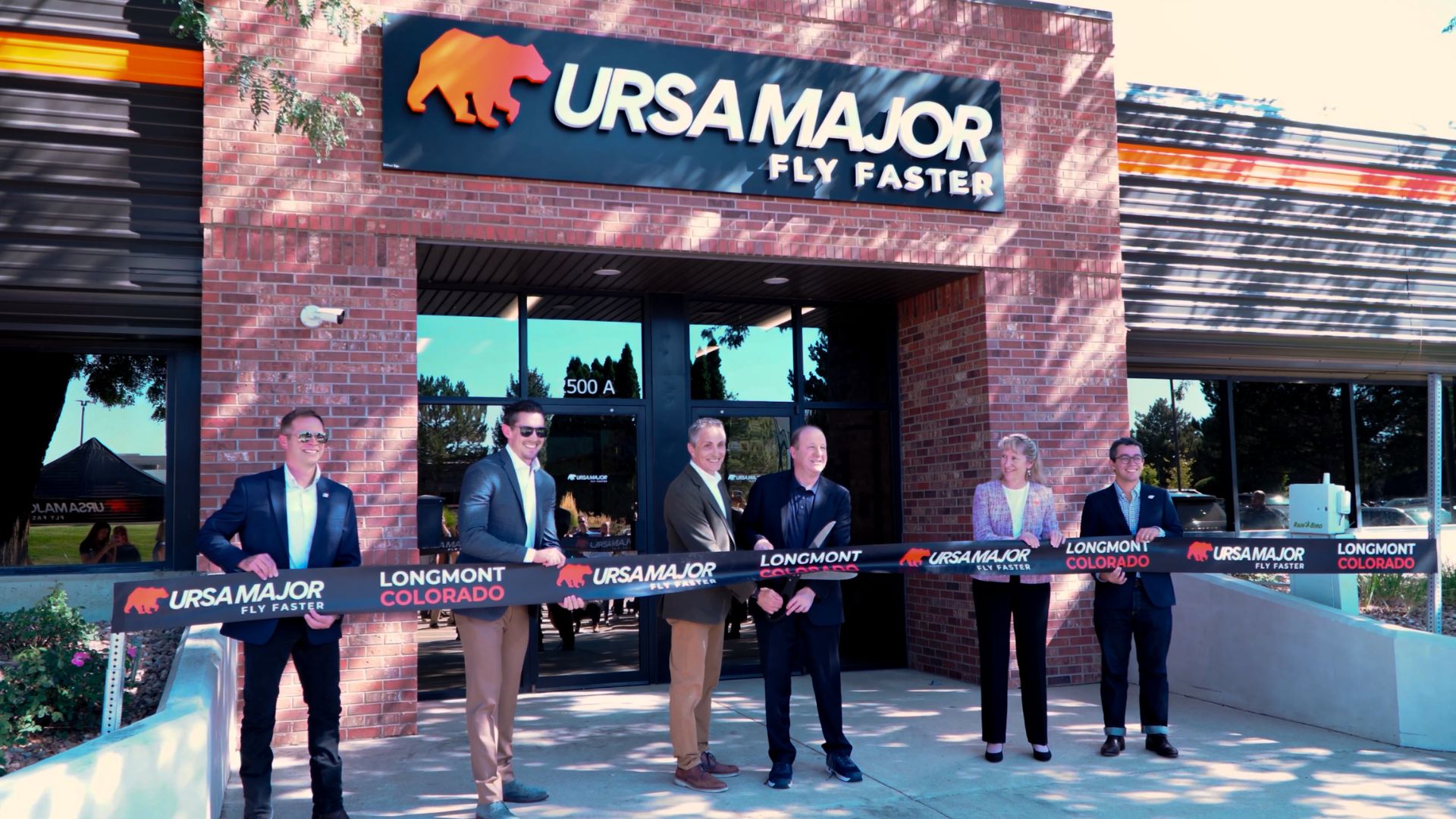
Ursa Major Launches Sixth US Facility to Enhance Spacecraft Production Capacity
On August 20, Ursa Major, a US aerospace and defense company, inaugurated a new facility in Longmont dedicated to the production of spacecraft avionics and in-space propulsion systems. This site, which can support over 125 employees, will allow the company to shift production from its Berthoud headquarters, thereby increasing space for manufacturing liquid rocket engines and hypersonic systems. The establishment of the Longmont facility is significant as it consolidates Ursa Major's production capabilities for avionics and integrated propulsion systems, which are crucial for spacecraft maneuverability in orbit. CEO Chris Spagnoletti emphasized the facility's role in meeting current demand, stating that the new site will enhance the company's ability to deliver advanced propulsion solutions faster than traditional suppliers. Looking ahead, Ursa Major plans to utilize the additional space at its Berthoud headquarters for liquid-engine manufacturing and vehicle integration. Programs such as the Hadley and Draper liquid rocket engines and the HAVOC Missile System are expected to benefit from this expansion. No further timeline was disclosed at the time of publication.
Military
Tesla's Future Growth Driven by Megapacks, Robotaxis, and Optimus Robots
Tesla's stock carries a BUY rating at $364.24, reflecting an 8% upside as the company pivots towards megapacks, robotaxis, and Optimus robots, which are now seen as more valuable than car sales. Despite a trailing P/E of 311, indicating high expectations for AI monetization, the company faces challenges, with predictions suggesting only a 10% chance of launching the Optimus robot by year-end. This shift in focus is significant as Tesla's growth is increasingly driven by energy storage and AI-related services rather than traditional vehicle sales. The company's recent performance shows a 25.5% revenue growth to $28.24 billion, yet non-GAAP EPS missed estimates due to increased spending on AI and R&D. The energy sector, however, is expanding rapidly, with energy deployed reaching 13.5 gigawatt hours and a 56% increase in FSD subscribers. Looking ahead, Tesla's potential for growth remains tied to its non-auto ventures, with a bullish scenario projecting a price target of $454.51 over the next 12 months. The robotaxi service is already operational in seven U.S. markets, boasting over 380,000 unsupervised miles driven, highlighting the company's commitment to expanding its AI capabilities in the transportation sector. No further timeline was disclosed at the time of publication.
Pudu Robotics Unveils AI-Native PUDU MP2000 Pallet Transport Robot with 2,000kg Capacity
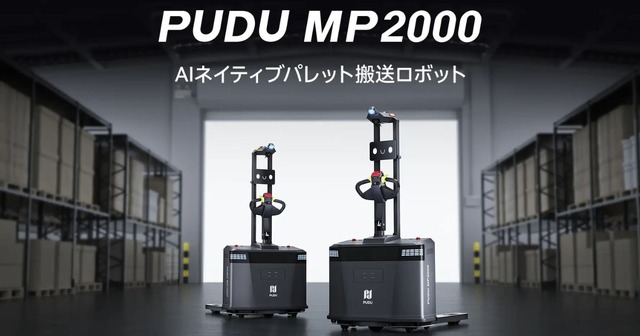
On August 18, 2026, Pudu Robotics, a global leader in service robots, announced the launch of the AI-native pallet transport robot, PUDU MP2000. Designed for autonomous cargo transport between floors in warehouses, logistics facilities, and manufacturing sites, it boasts a maximum load capacity of 2,000kg. The introduction of the PUDU MP2000 addresses challenges in large-scale autonomous pallet transport, which has faced obstacles due to the need for extensive on-site adjustments and complex system integrations. By utilizing multi-sensor navigation and edge intelligence, the robot can map work environments and set workflows without requiring specialized infrastructure or complex platform integrations, allowing for rapid deployment. The PUDU MP2000 is adaptable to various pallet types, including standard and customized non-standard loads. With real-time recognition of storage locations and cargo positioning, it can navigate tight spaces with high precision. Pudu Robotics aims to expand its portfolio to cover core workflows across loading areas, warehouses, and production workshops, reinforcing its position as a leader in the commercial service robot market.
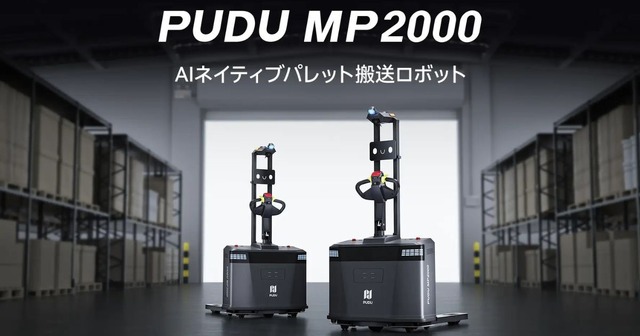
Pudu Robotics Unveils AI-Native PUDU MP2000 Pallet Transport Robot with 2000kg Capacity
On August 18, 2026, Pudu Robotics, a global leader in service robots, announced the launch of the AI-native pallet transport robot, PUDU MP2000. Designed for autonomous cargo transport between floors in warehouses, logistics facilities, and manufacturing sites, it boasts a maximum load capacity of 2,000kg. The significance of the PUDU MP2000 lies in its ability to simplify the automation of pallet transport, addressing challenges in large-scale autonomous pallet transport implementation. Traditional solutions often require extensive on-site adjustments and complex system integrations, limiting flexibility due to varying pallet standards and work environments. Looking ahead, the PUDU MP2000 is expected to enhance operational efficiency with its multi-sensor navigation and AI-native intelligence, allowing for rapid deployment without the need for extensive infrastructure changes. No further timeline was disclosed at the time of publication.

LG Electronics Launches New Refrigerator Plant in Brazil to Boost Production Capacity
LG Electronics has commenced operations at a new refrigerator manufacturing facility in Parana, Brazil, which can produce approximately 600,000 units annually. This plant marks LG's second manufacturing site in Brazil, following the Manaus facility established in 1996. The new facility incorporates advanced technologies such as artificial intelligence and industrial robots to enhance productivity and ensure quality. The establishment of this plant is significant as it aligns with LG's strategy to expand its presence in the Global South, targeting emerging markets like Brazil, India, and Saudi Arabia. The refrigerators produced will feature dual-voltage capability and functions suited for Brazil's climate, potentially positioning the Parana facility as an export hub for the South American market. This move is expected to strengthen LG's market position and cater to local consumer needs. Looking ahead, LG aims to leverage the new plant to introduce appliances specifically designed for Brazilian consumers while also benefiting from tariff-free trade within Mercosur. No further timeline was disclosed at the time of publication.
All News
China's Humanoid Robot Industry Set for Explosive Growth with Duopoly Dynamics
In 2026, China's humanoid robot industry is projected to experience explosive growth, with production expected to exceed 100,000 units, a fivefold increase from approximately 20,000 units in 2025. The competition is primarily between AgiBot and Unitree, which together are anticipated to capture nearly 80% of the market share. This surge in production capacity is driven by Unitree's plan to expand its annual output to 30,000 units in response to rising demand. However, the industry faces significant challenges, particularly in converting production into actual deployment. Currently, over 70% of Unitree's revenue comes from research and education sectors, with only 9% attributed to industrial applications, indicating that most robots are not yet utilized in real-world settings. As the industry evolves, the focus is shifting from merely producing robots to ensuring their practical application. The disparity between production numbers and actual market deployment highlights the need for a sustainable business model. The year 2026 is crucial for transitioning from technological exploration to large-scale development, as companies must find ways to effectively integrate their production capabilities into the market.
Humanoid Robots Robotics Industry Manufacturing AI Automation
Unitree Robotics Plans Production Expansion to Meet Growing Humanoid Robot Demand
Unitree Robotics, a leading Chinese humanoid robot manufacturer, is set to increase its production capacity this year. A senior executive revealed plans to potentially assemble robots overseas, indicating a strategic move to meet the rising demand for humanoid robots, particularly in North America, which is its largest overseas market. This expansion is significant as it aligns with Unitree's preparations for a public listing in Shanghai, aiming to raise $610 million. The company's focus on enhancing production capabilities reflects the growing interest and investment in humanoid robotics, a sector that is expected to see substantial growth in the coming years. Looking ahead, stakeholders should monitor Unitree's progress in scaling its operations and the potential establishment of an engineering hub in Japan. No further timeline was disclosed at the time of publication.
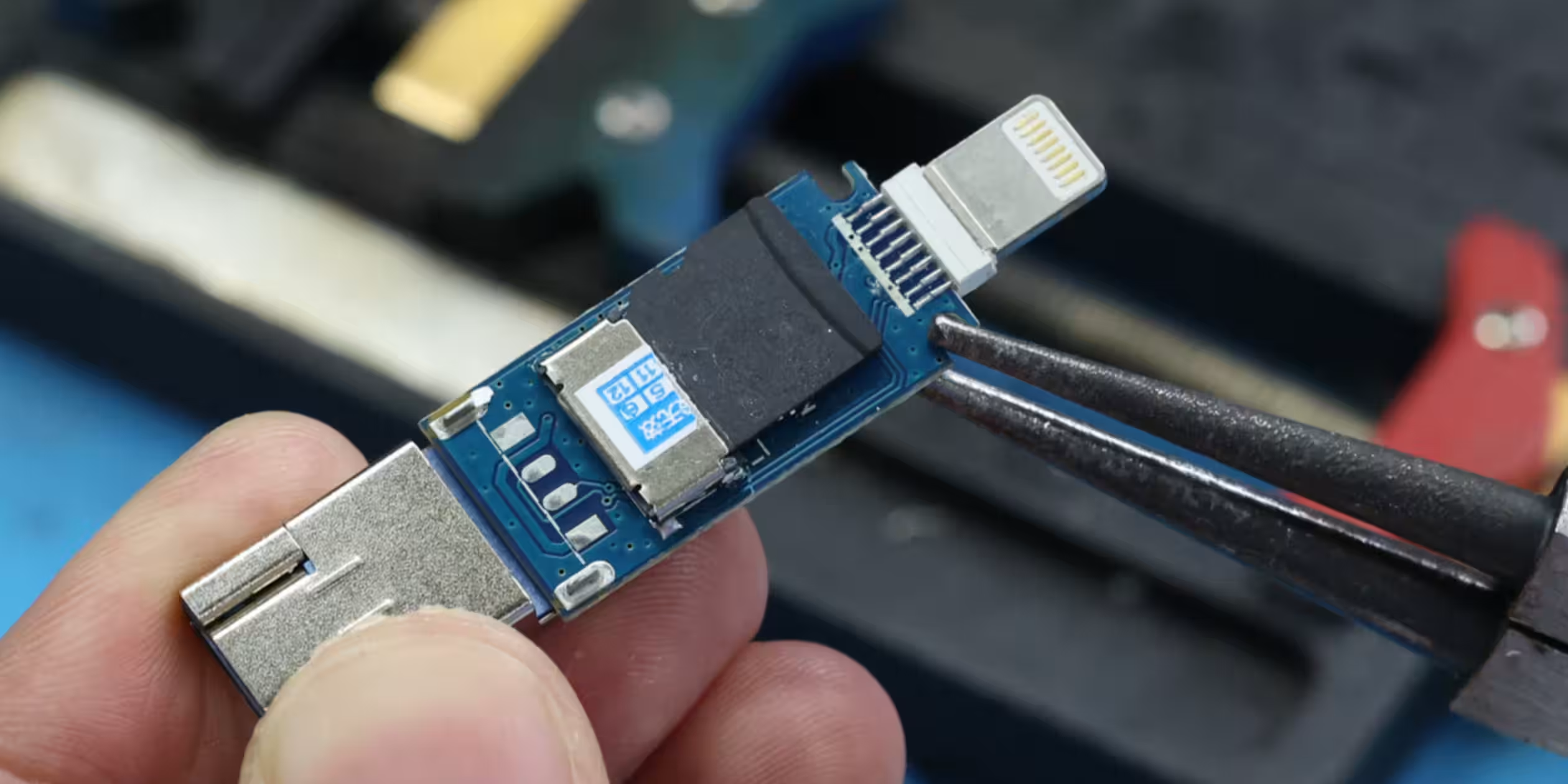
Nikkei Analysis Reveals Fake Storage in 50% of Inexpensive USB Drives from China
A recent investigation by Nikkei uncovered that 50% of low-cost USB flash drives purchased from e-commerce platforms contained less storage capacity than advertised. These devices, primarily manufactured in China, were found to utilize microSD cards instead of dedicated memory chips, raising concerns about data integrity and consumer trust in budget electronics. The examination took place in Tokyo and was published on July 10, 2026. This finding is significant as it highlights a growing issue in the electronics market, where consumers are increasingly vulnerable to misleading product claims. The prevalence of counterfeit storage capacities can lead to data loss and security risks, particularly in sensitive applications. With a reported 20% complaint rate regarding fake storage on platforms like Amazon, this trend poses a challenge for both consumers and regulatory bodies aiming to ensure product reliability. Looking ahead, stakeholders in the electronics industry should monitor the response from regulatory authorities and e-commerce platforms regarding these findings. No further timeline was disclosed at the time of publication, but potential measures could include stricter quality controls and enhanced consumer awareness campaigns to combat fraudulent products in the market.
SpaceX's Starship V3 Plans for 1 Million Starmind Satellites by 2030
SpaceX's Starship V3 is set to revolutionize satellite deployment, aiming to launch 1 million Starmind satellites by 2030. The spacecraft can carry over 100 tonnes to low Earth orbit (LEO), significantly more than the Falcon 9's capacity. As of May 2026, Starship has completed 12 flights, with the next mission scheduled for late July 2026, focusing on operational payloads including AI1 prototypes in early 2027. This ambitious plan is crucial for expanding orbital compute capacity, targeting an annual addition of 100 GW through a million tonnes of satellite hardware. SpaceX's strategy hinges on achieving a launch cadence of approximately 12,000 flights, equating to about three launches per day. The company has invested over $15 billion in the Starship program, with expectations to begin payload deliveries in the second half of 2026, starting with Starlink V3 satellites. Looking ahead, the successful deployment of the Starmind constellation will depend on Starship's ability to meet its cost targets of $10–20 million per flight. If achieved, this would make launching satellites more economical than building ground data centers. The next significant milestone will be the launch of AI1 prototypes in early 2027, with full-scale deployments commencing in 2028 from the new Gigasat factory in Texas.
SpaceX Proposes 1 Million AI Satellites to Address Ground Data Center Constraints
On January 30, 2026, SpaceX filed with the FCC to launch up to 1 million AI compute satellites, positioning orbital data centers as a solution to the increasing demand for AI computing power. Ground data centers are facing significant challenges, with energy consumption projected to reach approximately 1,050 TWh in 2026, making them the fifth-largest electricity consumer globally. The demand for new data center capacity is outpacing the growth of power generation infrastructure, leading to a critical bottleneck in the grid system. The significance of this initiative lies in the structural constraints faced by ground data centers, including power delivery limitations, high water consumption, and local opposition to new projects. The Uptime Institute's 2026 outlook identifies power as the primary constraint on data center growth, with capacity clearing prices in the PJM grid skyrocketing to $329.17/MW, driven by data center expansion. Additionally, cooling requirements are becoming increasingly unsustainable, with facilities consuming vast amounts of water, further complicating their operational viability. Looking ahead, SpaceX's orbital AI compute initiative aims to circumvent these challenges by leveraging the advantages of space, such as continuous solar power and minimal local opposition. The first AI prototypes are expected to launch in early 2027, with operational deployments planned for 2028. No further timeline was disclosed at the time of publication.

Starmind's Orbital Compute vs. Terrestrial Data Centers: Analyzing Resource Advantages
Starmind's orbital compute technology presents a significant advantage over traditional ground-based data centers by eliminating constraints related to land, water, and grid permitting. While terrestrial data centers are currently cheaper and faster to construct, with U.S. data center spending reaching $85.3 billion in 2026, Starmind's approach focuses on addressing the growing resource limitations faced by hyperscale facilities. The significance of Starmind's technology lies in its ability to sidestep the increasing challenges of land and water usage. For instance, a 100 MW data center can consume approximately 530,000 gallons of water daily for cooling, while Starmind's AI1 utilizes deployable liquid radiators that require no water. This structural advantage could resonate with investors as the demand for AI computing continues to escalate, potentially leading to annual water withdrawals of up to 1.7 trillion gallons by 2027. Looking ahead, Starmind's next milestones include the launch of AI1 prototypes scheduled for early 2027. However, the technology's claims regarding cooling efficiency and operational reliability remain unverified until real flight data is available. As the industry evolves, the competition between orbital and terrestrial solutions will become increasingly relevant, particularly in the context of resource management and sustainability.
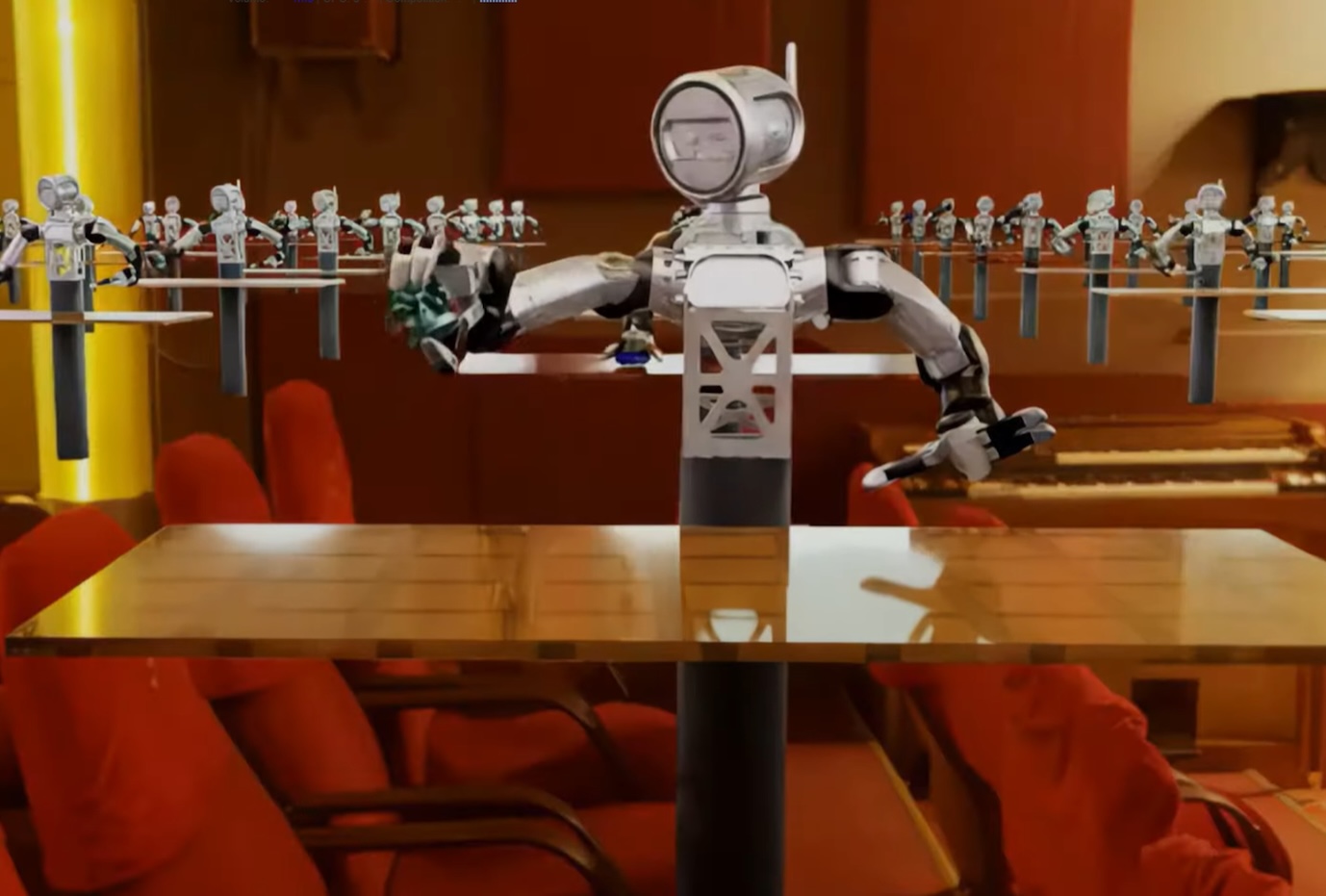
SpaceX's Starmind Faces Feasibility Challenges for 1 Million Satellite Deployment
On January 30, 2026, SpaceX submitted a request to the FCC to launch up to 1 million satellites as part of its Starmind orbital compute constellation. This ambitious plan is unprecedented, as the total number of satellites ever launched globally is in the low tens of thousands. The proposal seeks a waiver from standard deployment milestones, citing reliance on the Starship's full reusability for success. The significance of this request lies in the technical and logistical challenges it presents. Experts warn that low Earth orbit may not support the proposed number of active satellites without risking a debris cascade. SpaceX's own IPO prospectus acknowledges unresolved dependencies related to Starship's launch cadence and reusability, which are critical for the orbital AI compute strategy. Looking ahead, the timeline for achieving the necessary launch cadence and manufacturing capacity remains uncertain. SpaceX's Gigasat facility in Texas aims for volume production by late 2027, but this would require unprecedented output levels. No further timeline was disclosed at the time of publication, leaving the feasibility of the Starmind project in question.
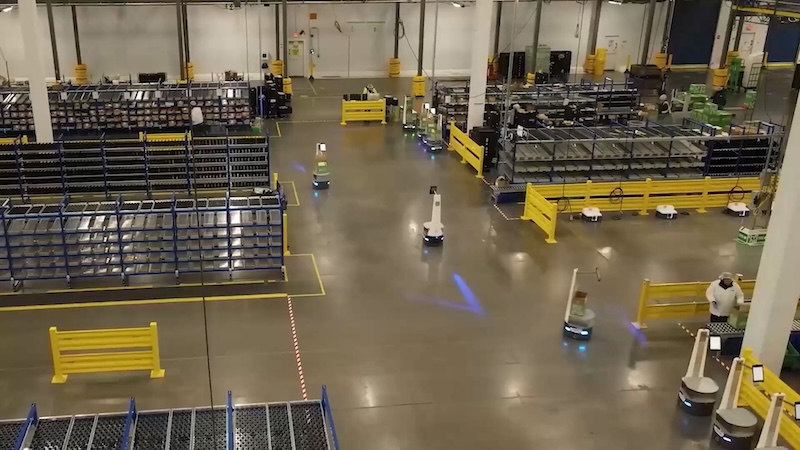
HelloFresh expands chilled warehouse capacity fivefold with Locus Robotics automation
Locus Robotics, a warehouse automation company, has announced that a cold-storage hardware modification developed for HelloFresh has enabled the meal kit company to expand chilled fulfillment capacity from 100 SKUs to 500 SKUs – a fivefold increase that supports greater meal variety and new revenue opportunities across the HelloFresh brand portfolio. Factor, a HelloFresh brand, […]
News Warehouse robots amrs autonomous mobile robots chilled fulfillment cold chain logistics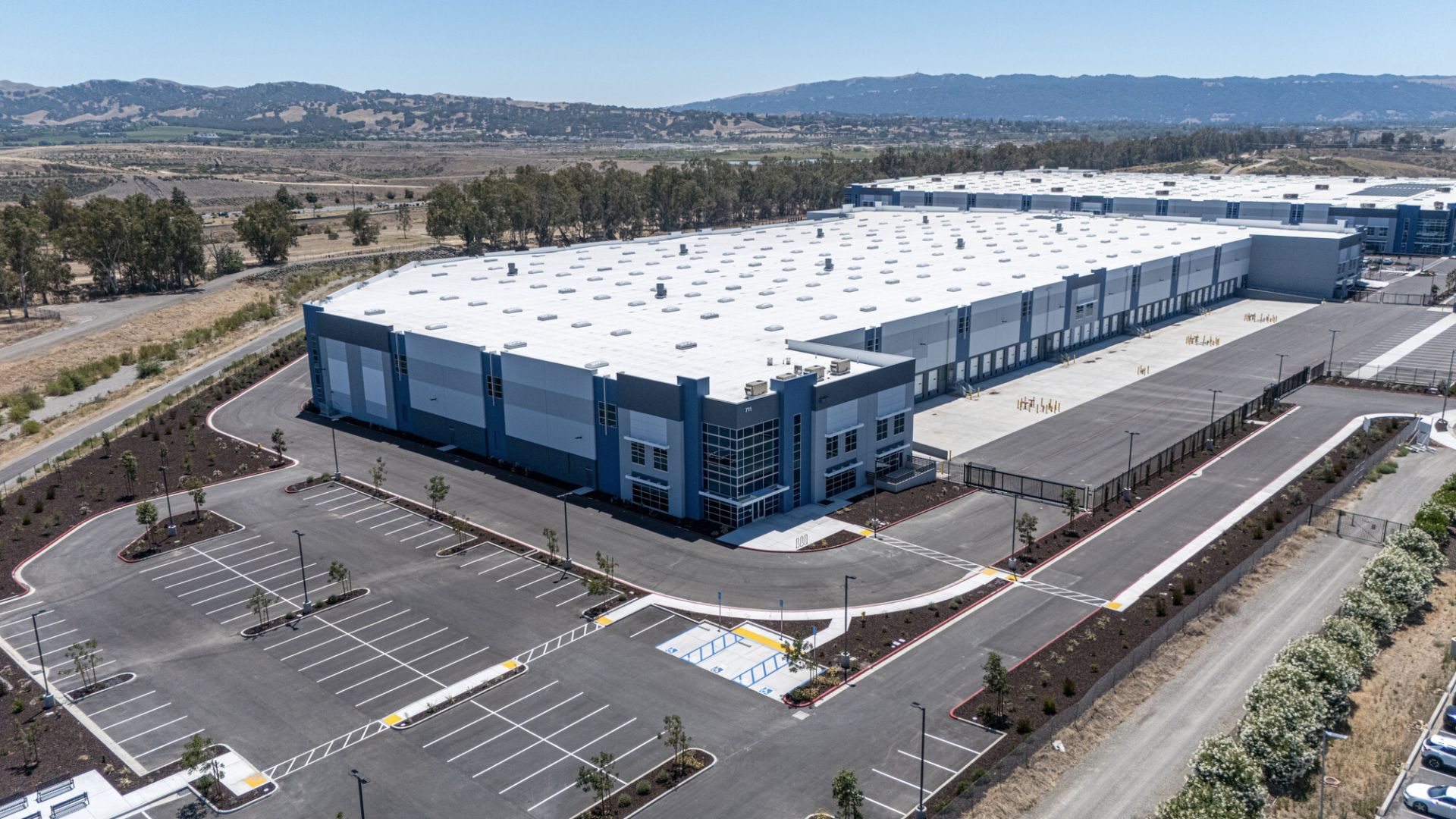
US firm to deliver 3x more production capacity with new campus to meet defense demand
A California-based company is significantly increasing its production capacity in response to a surge in demand from the defense and aerospace sectors. This expansion, announced recently, aims to enhance the company’s ability to deliver critical components and services to meet the needs of these industries. The decision comes amid heightened geopolitical tensions and an increasing focus on national security, which have driven investments in defense capabilities. The company plans to implement advanced manufacturing technologies and streamline operations to boost efficiency and output. This strategic move not only positions the company to capitalize on current market opportunities but also underscores its commitment to supporting national defense initiatives.
Military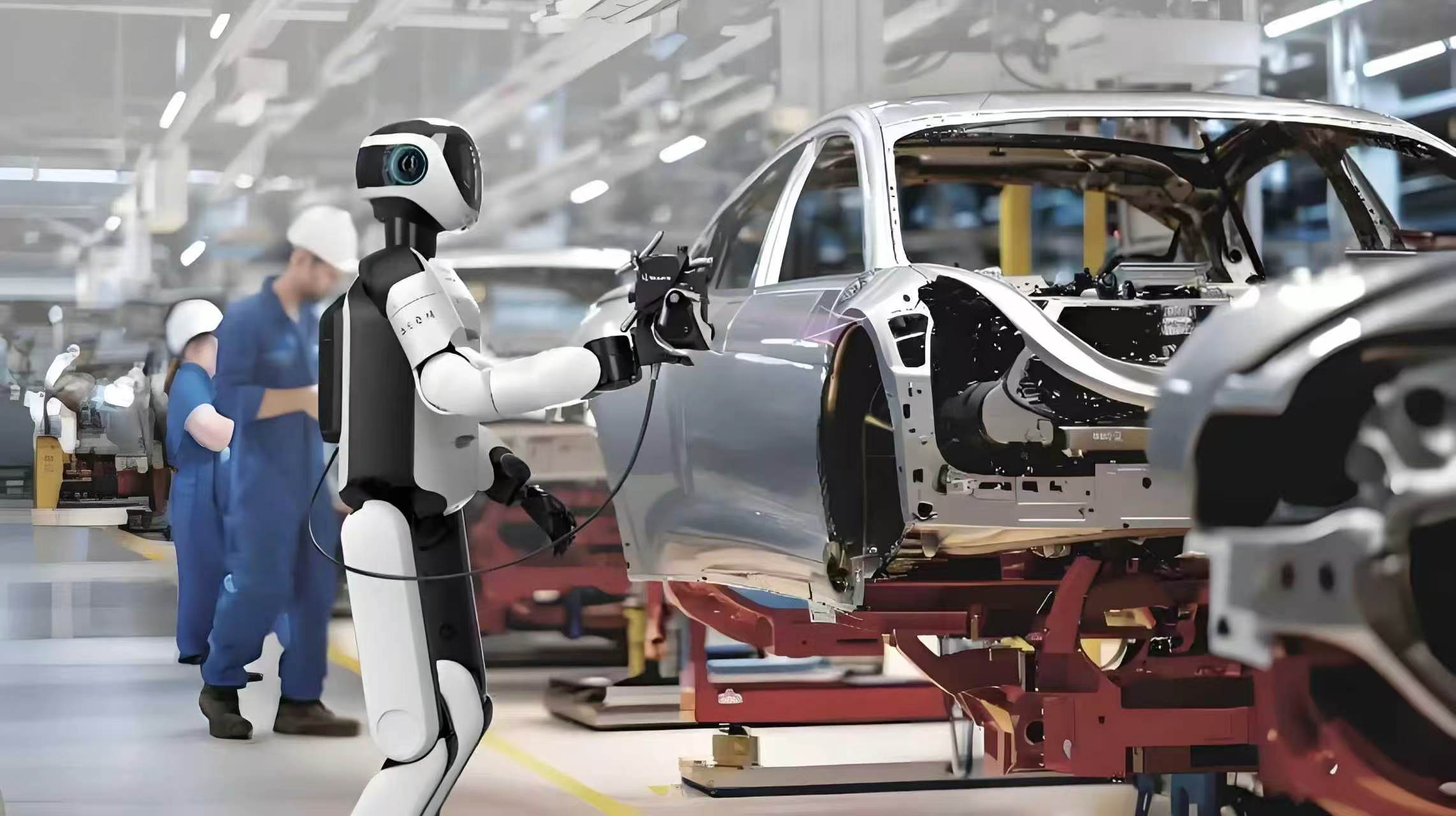
Micron: Humanoid Robots' Storage Capacity Surpasses L2+ Cars by Tenfold, Potentially Triggering a Super Cycle
Micron Technology has announced record revenues, underscoring the growing storage requirements of humanoid robots, which are anticipated to require ten times more storage than Level 2+ autonomous vehicles. This dramatic increase in demand is expected to initiate a long-term super cycle in memory demand, fundamentally altering the view of storage chips as essential components within artificial intelligence infrastructure. The company's insights reflect a broader trend in the tech industry, where advancements in robotics and AI are driving the need for enhanced data storage solutions.
Memory Chips AI Infrastructure Humanoid Robots Autonomous Vehicles Data Storage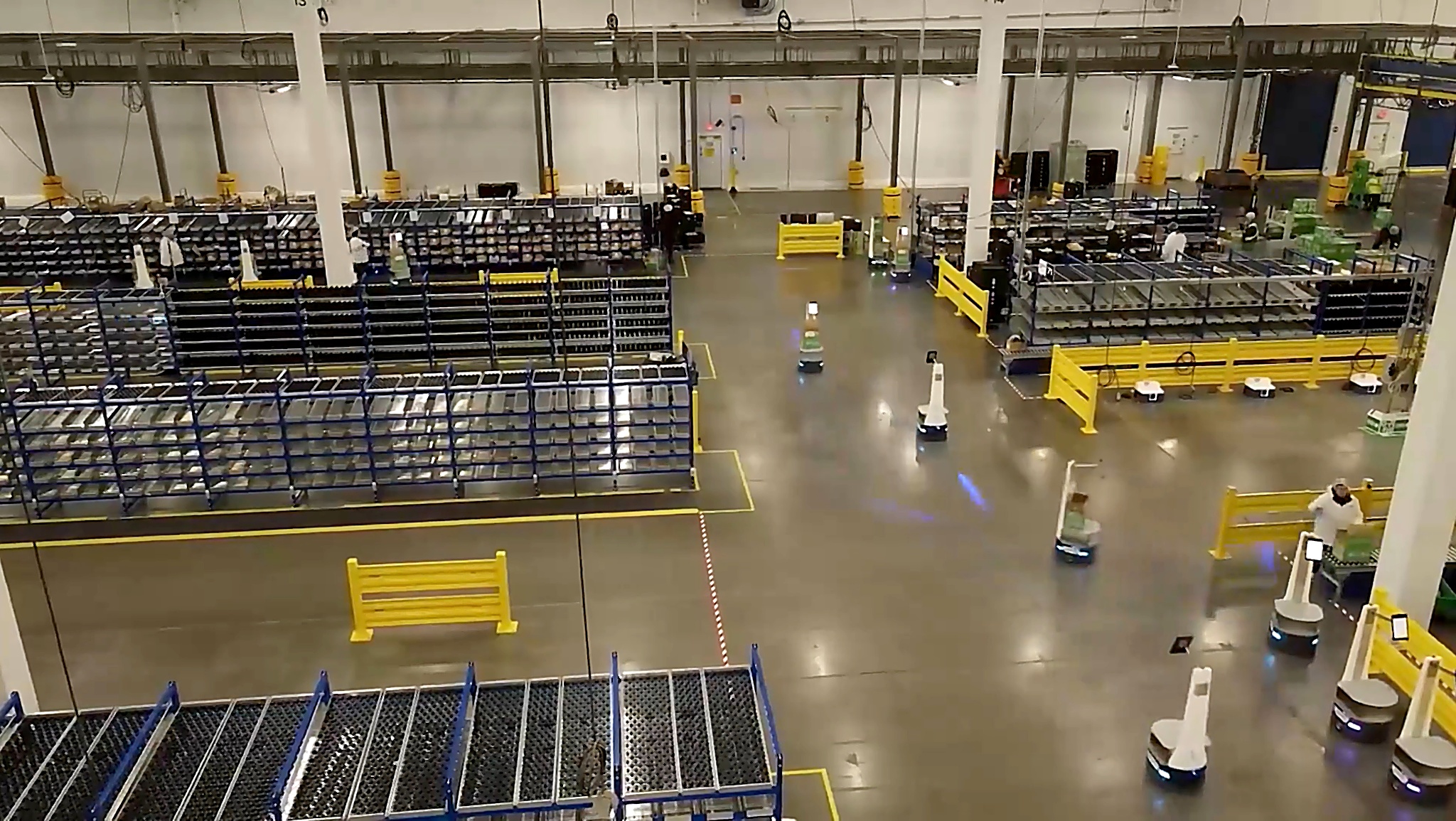
HelloFresh Expand Temperature-Controlled SKU Capacity
Locus Robotics has unveiled a cold-storage hardware modification that significantly enhances HelloFresh's chilled fulfillment capabilities. This upgrade allows the leading meal kit company to increase its temperature-controlled stock-keeping units (SKUs) from 100 to 500, marking a fivefold expansion. The enhancement is expected to provide greater meal variety and open new revenue streams across HelloFresh's diverse brand portfolio, including its Factor brand. The deployment of 13 Locus robots was integral to this expansion, showcasing the innovative collaboration between the two companies.
AMR and AGV Automation Systems and Shuttles Cold Chain Logistics eFulfilment Materials Handling Robotic Picking
Locus Robotics Helps HelloFresh Expand Temperature-Controlled SKU Capacity 5X Across Growing Brand Portfolio
HelloFresh has announced the implementation of a customized Locus Origin deployment aimed at enhancing its refrigerated operations and expanding its product variety. This strategic move, which is part of the company's ongoing efforts to automate processes across its various brands, was unveiled in October 2023. The deployment is expected to streamline logistics and improve efficiency in the handling of perishable goods, allowing HelloFresh to offer a broader selection of meal kits to its customers. By leveraging advanced automation technology, the company aims to meet the growing demand for diverse and fresh meal options while maintaining high standards of quality and service.

Six battery storage projects bring 23 MW capacity and $90M savings to Massachusetts
Lightshift Energy has announced plans to expand its operations in Massachusetts by adding six new battery energy storage projects. This initiative aims to enhance the state's energy infrastructure and support the growing demand for renewable energy solutions. The projects are set to be developed over the coming months, with specific locations yet to be disclosed. The expansion is part of Lightshift Energy's broader strategy to contribute to the transition towards cleaner energy sources and to help stabilize the power grid. By incorporating advanced battery technology, the company seeks to improve energy storage capacity, allowing for better management of energy supply and demand. This move aligns with Massachusetts' commitment to increasing renewable energy usage and reducing carbon emissions.
Energy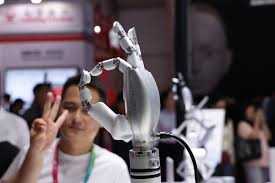
Capacity is the new capability
In response to evolving global threats, industry leaders are emphasizing the critical need for increased production speed to enhance combat capabilities. This call to action comes as military and defense sectors face unprecedented challenges that require rapid adaptation and innovation. The urgency of this initiative was highlighted in discussions among key stakeholders, including government officials and defense contractors, who gathered at a recent conference focused on modernizing military strategies. The event, held in Washington D.C., underscored the importance of agility in production processes to maintain a competitive edge in defense technologies. By leveraging advanced manufacturing techniques and data-driven decision-making, industry players aim to streamline operations and respond more effectively to emerging threats. This strategic shift is seen as essential for ensuring national security and maintaining readiness in a rapidly changing geopolitical landscape.
Pentagon Sponsored Post Business & Industry countering drones cyber security Drones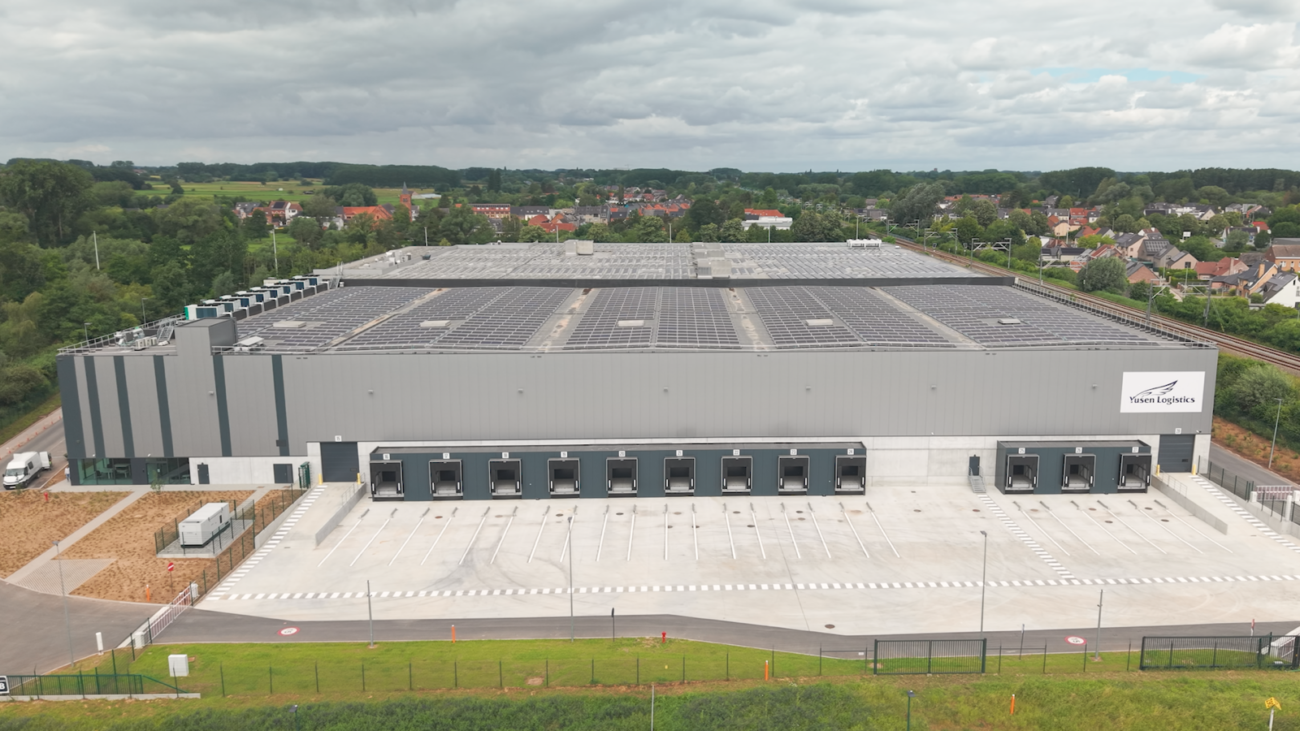
Storage Capacity for Healthcare Logistics
Movianto, a division of Yusen Logistics that focuses on pharmaceutical and healthcare logistics, has completed a significant expansion of its facility in Aalst, Belgium. The enhancement has nearly doubled the temperature-controlled pallet storage capacity from 14,000 to 25,000. This newly extended site is now fully operational, providing increased storage space for a variety of pharmaceutical and medical products across different temperature ranges, including ambient (15–25°C), refrigerated (2–8°C), and frozen (–20°C). The expansion aims to better meet the growing demands of the healthcare sector and improve the efficiency of logistics services in the region.
Cold Chain Logistics Storage & Racking Warehousing bonded hub Movianto pallet storage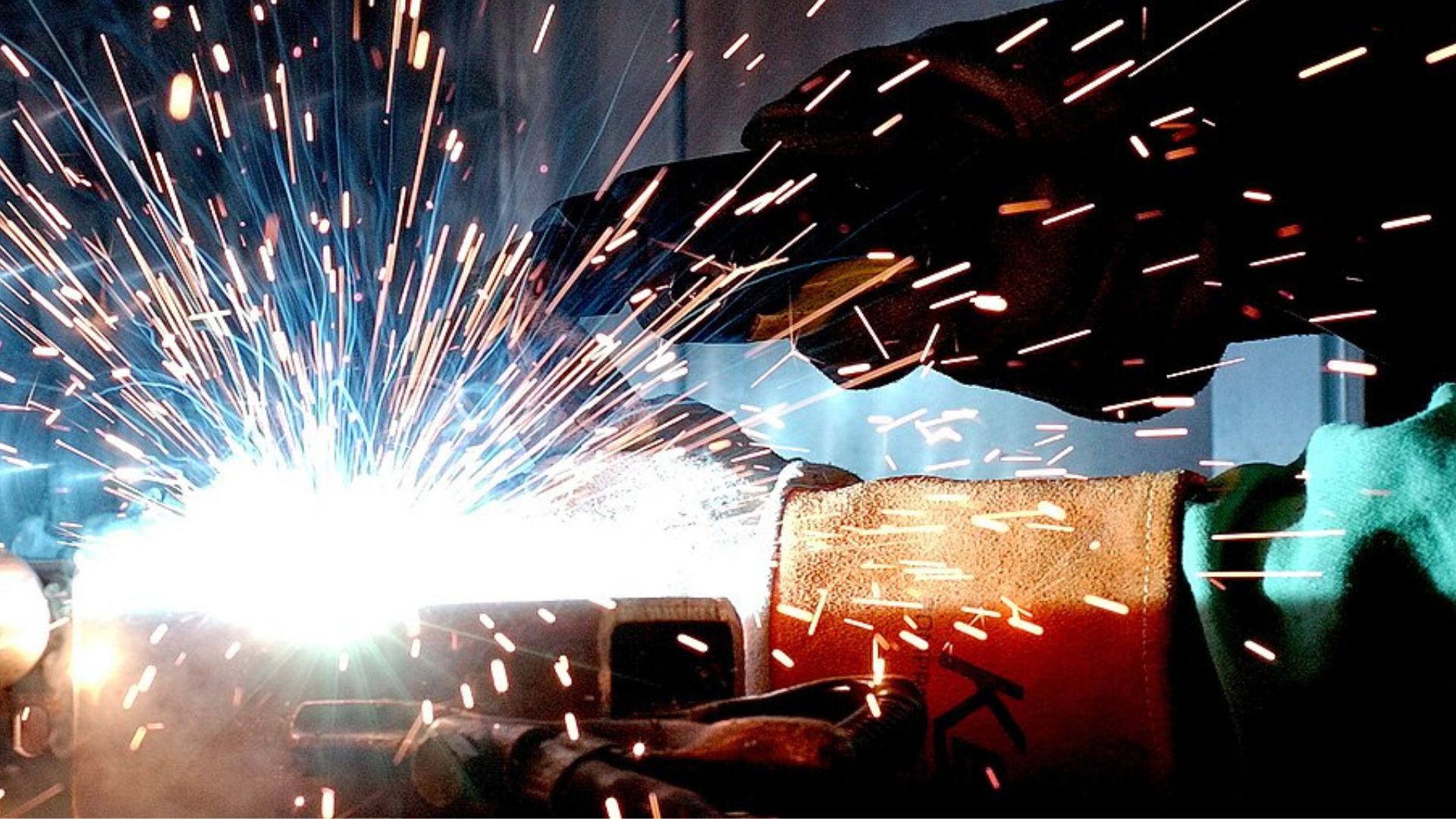
China’s new welding robot cuts 70mm steel, boasts 30-ton capacity, 20-year life
China has successfully launched its first domestically developed AI-driven marine welding system at a smart manufacturing facility. This significant advancement in technology was unveiled recently, marking a milestone in the country's efforts to enhance its manufacturing capabilities. The introduction of this innovative system is aimed at improving efficiency and precision in marine construction, addressing the growing demand for advanced manufacturing solutions in the maritime industry. By integrating artificial intelligence into the welding process, the system is expected to streamline operations, reduce labor costs, and minimize human error. This development reflects China's commitment to leading in smart manufacturing technologies and showcases its ability to produce cutting-edge solutions that can compete on a global scale.
AI and Robotics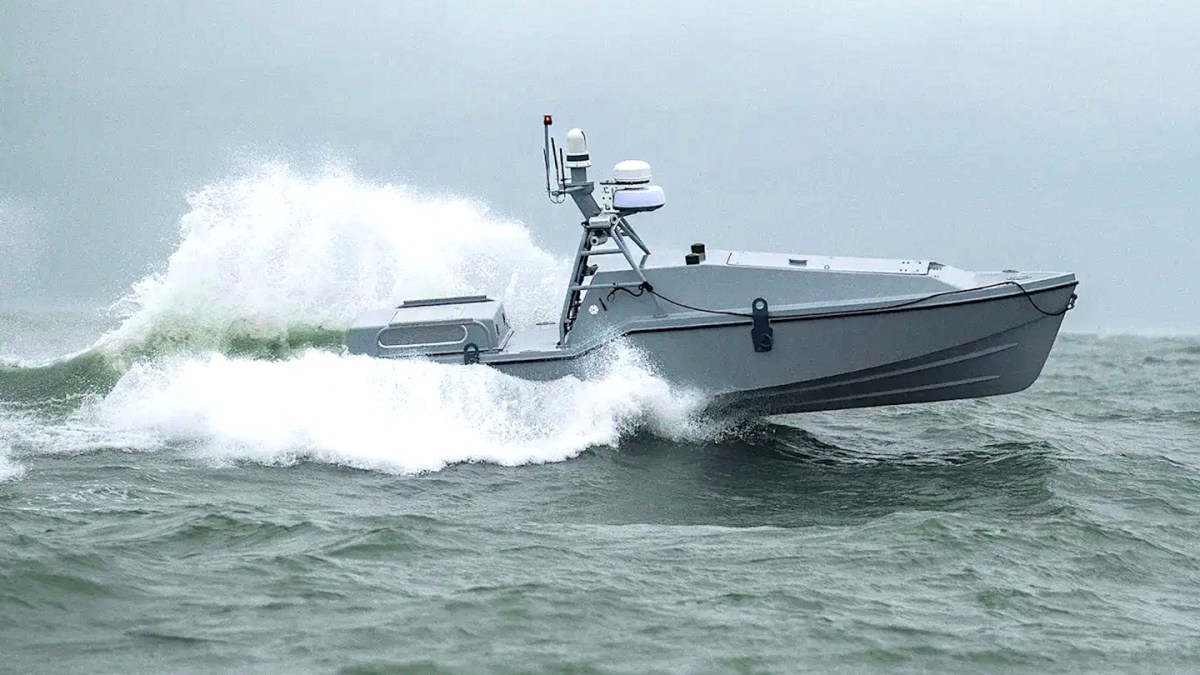
This Is The Corsair Drone Boat That Plucked The Downed Apache Crew Out Of The Gulf Of Oman
The U.S. Navy's leading drone task force in the Middle East has recently begun utilizing the Corsair uncrewed surface vessels, which were deployed for operations starting in March. This innovative technology played a crucial role in a recent rescue mission, successfully retrieving the crew of a downed Apache helicopter from the Gulf of Oman. The deployment of the Corsair underscores the Navy's commitment to enhancing maritime operations and improving response capabilities in the region. The use of these advanced drone boats marks a significant step in modern naval warfare and operational efficiency.
Sea Around The Globe Iran Middle East Navies News & Features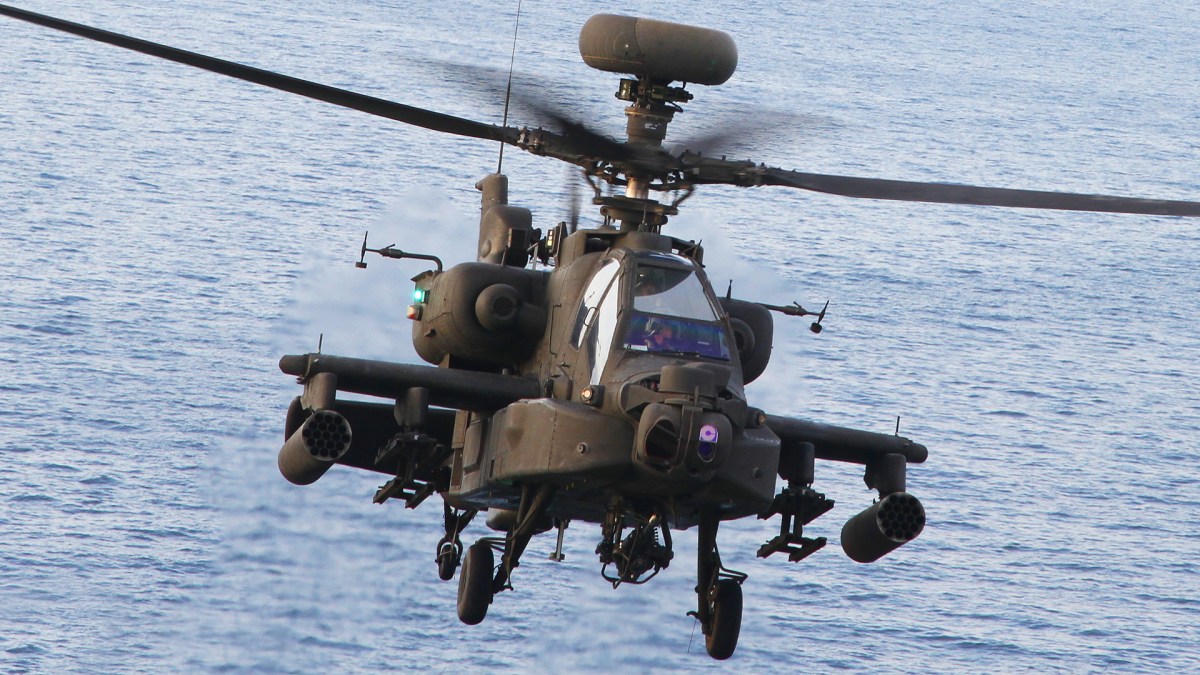
AH-64 Apache Shot Down By Iran, U.S. Will Retaliate: Trump
An AH-64 Apache helicopter crashed into the Gulf of Oman, prompting a rescue operation by a drone boat that successfully retrieved its crew. Former President Donald Trump has attributed the incident to enemy action, specifically implicating Iran in the downing of the aircraft. This assertion raises concerns about escalating tensions in the region, as Trump indicated that the United States would consider retaliatory measures in response to the attack. The incident underscores the ongoing volatility in U.S.-Iran relations and highlights the risks faced by military operations in contested areas.
News & Features AH-64 Air Around The Globe Helicopters Iran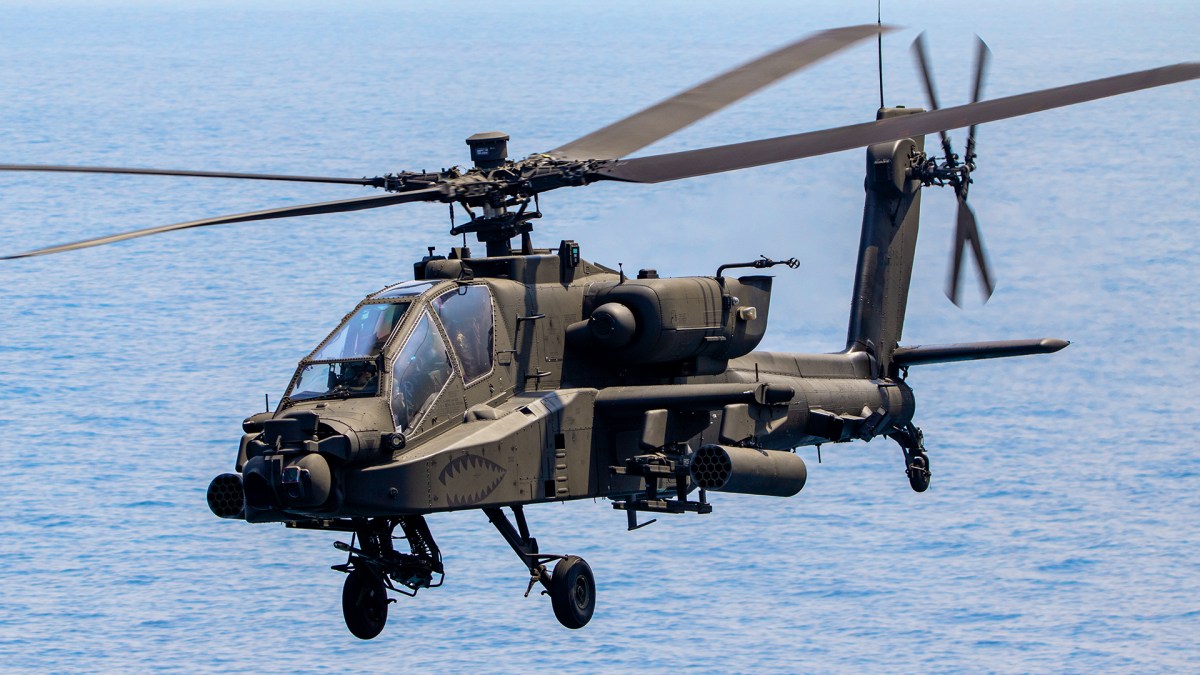
AH-64 Apache Crew Rescued By Drone Boat After Going Down Near Strait Of Hormuz
In a groundbreaking development, an uncrewed surface vessel successfully recovered the crew of an AH-64 Apache helicopter that had gone down near the Strait of Hormuz. This incident marks the first known instance of such a drone boat being utilized for aircrew recovery, signaling a significant advancement in military rescue operations. The event underscores the evolving role of autonomous technology in enhancing operational capabilities and safety for aircrews in challenging environments. As military forces increasingly integrate unmanned systems into their strategies, this successful recovery operation may pave the way for future applications of drone technology in various rescue and support missions.
News & Features AH-64 Air Around The Globe Helicopters Iran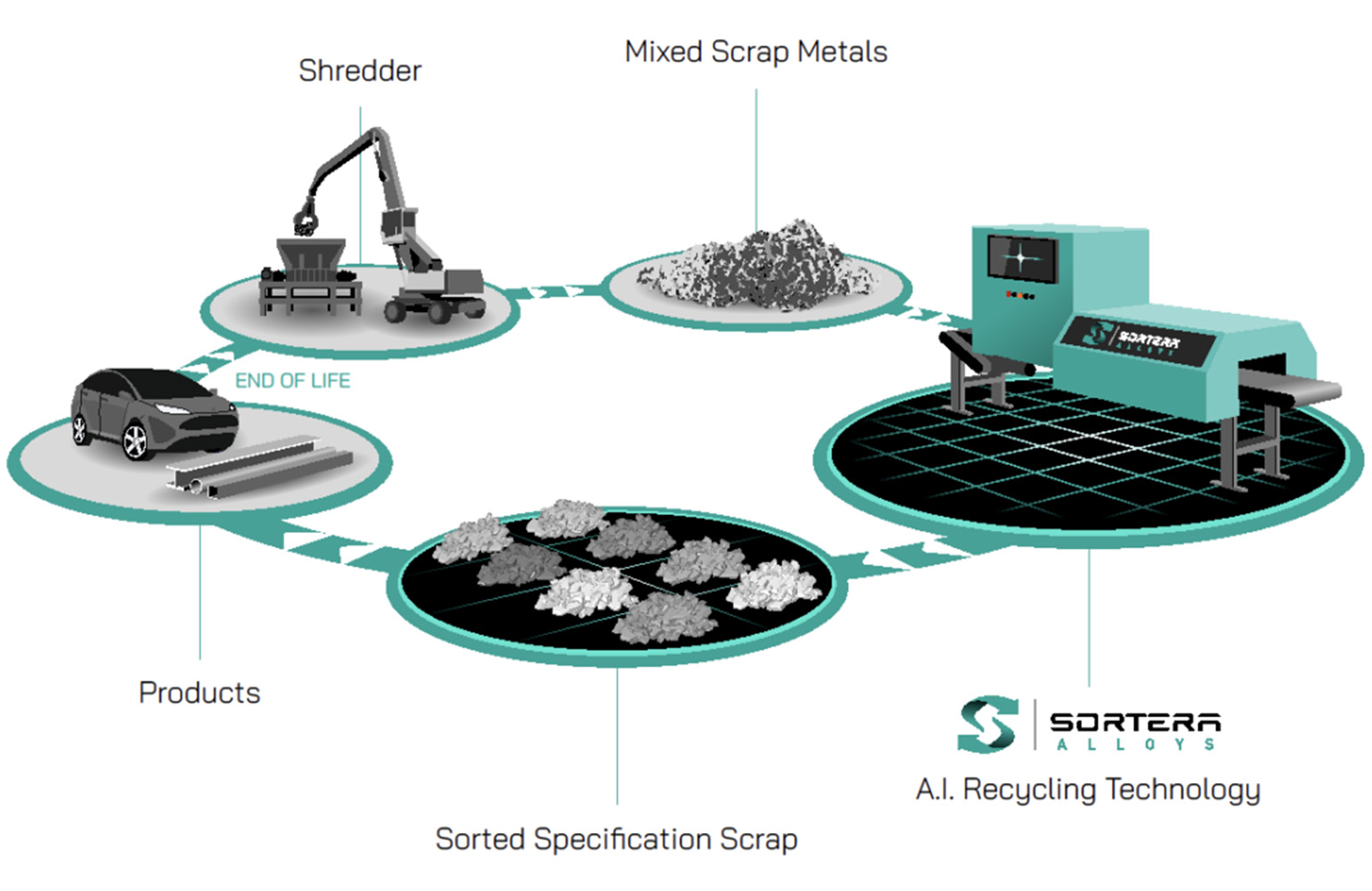
Sortera uses physical AI to double capacity in a Tennessee sorting facility
Sortera has significantly enhanced its operational capabilities by doubling the processing capacity at its Tennessee sorting facility, now estimated at 240 million pounds annually. This expansion, achieved through the implementation of physical AI technology, marks a pivotal development for the company as it seeks to improve efficiency and meet growing demand in the recycling industry. The upgrade not only positions Sortera as a leader in innovative sorting solutions but also reflects the increasing importance of advanced technologies in waste management.
Aerospace Artificial Intelligence Artificial Intelligence / Cognition Automotive Construction Design / Development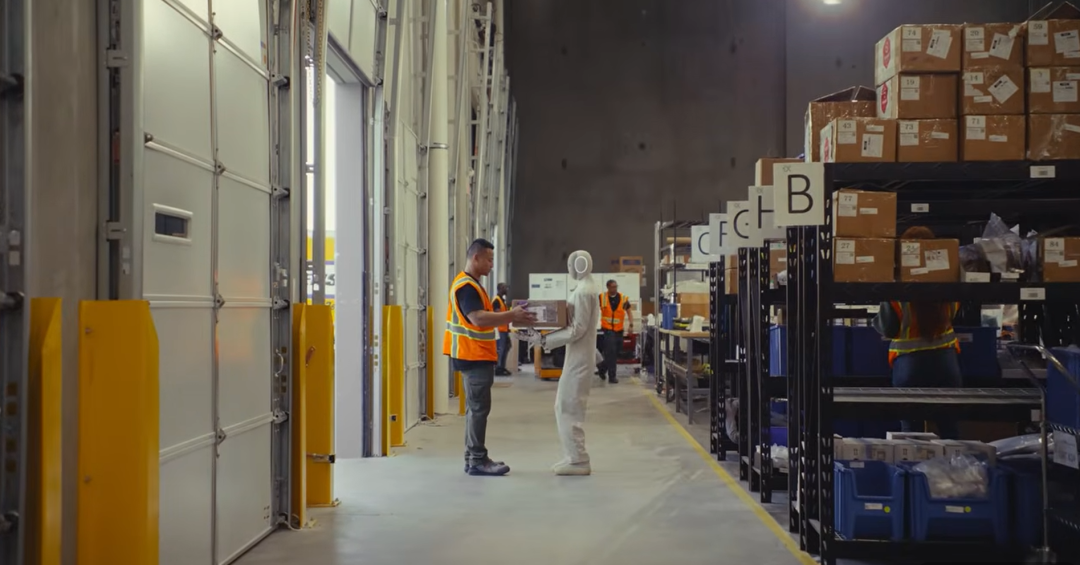
1X Technologies Launches Neo Factory in California: Annual Production Capacity of 10,000 NEO Robots, Set to Increase to 100,000 in a Year
1X Technologies has inaugurated its Neo Factory in Hayward, California, establishing the first vertically integrated, high-volume humanoid robot manufacturing facility in the United States. The factory is set to produce 10,000 NEO robots each year, with ambitious plans to increase production to 100,000 units by the end of 2027. This initiative reflects the company's commitment to advancing robotics technology and meeting the growing demand for humanoid robots in various sectors.
Humanoid Robots Robot Manufacturing AI Technology Vertical IntegrationRobotics needs a service framework.
RSF defines a common language for robot service capability, lifecycle operations, certification pathways, and service-provider networks.
Join the RobotToday community on LinkedIn
Daily robotics news, in-depth analysis, conference highlights, and discussions with professionals worldwide.