Industry Briefing
A single destination for timely, editor-curated robotics news from around the world.
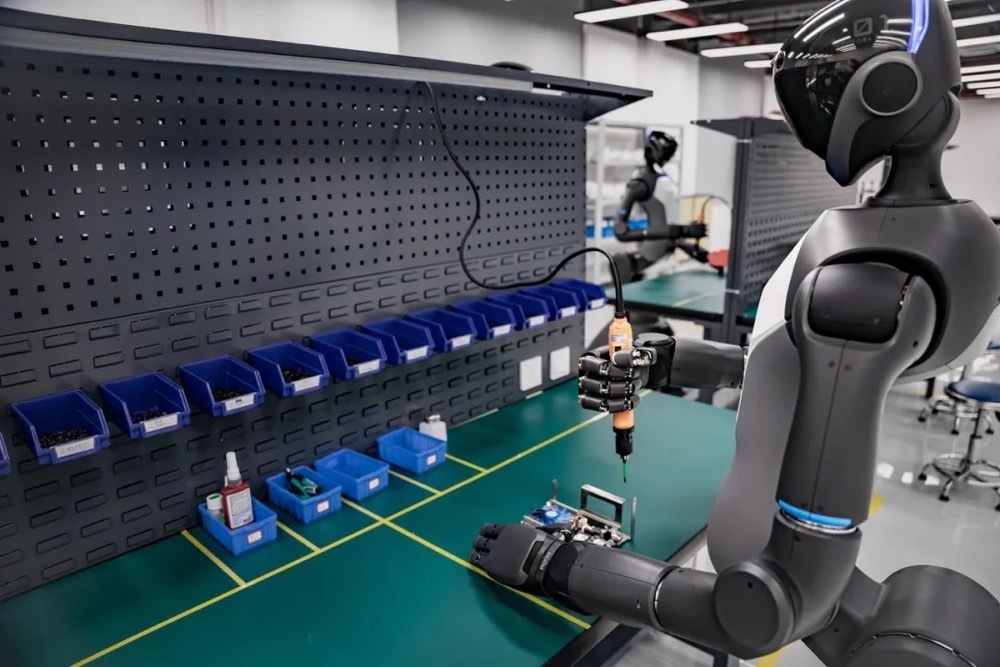
Italian Air Force Places Order for Two MQ-9A Block 5 Reaper Drones
The Italian Air Force (ItAF) has placed an order for two MQ-9A Block 5 Reaper Remotely Piloted Aircraft (RPA) from GA-ASI. This acquisition highlights the ItAF's commitment to enhancing its aerial capabilities with advanced drone technology. The MQ-9A Block 5 Reaper is known for its versatility and advanced features, making it a significant addition to the ItAF's fleet. This order reflects the growing trend among military forces worldwide to integrate unmanned systems into their operations for improved surveillance and combat effectiveness. Looking ahead, the integration of these drones into the Italian Air Force's operations will be crucial for their strategic objectives. No further timeline was disclosed at the time of publication.
News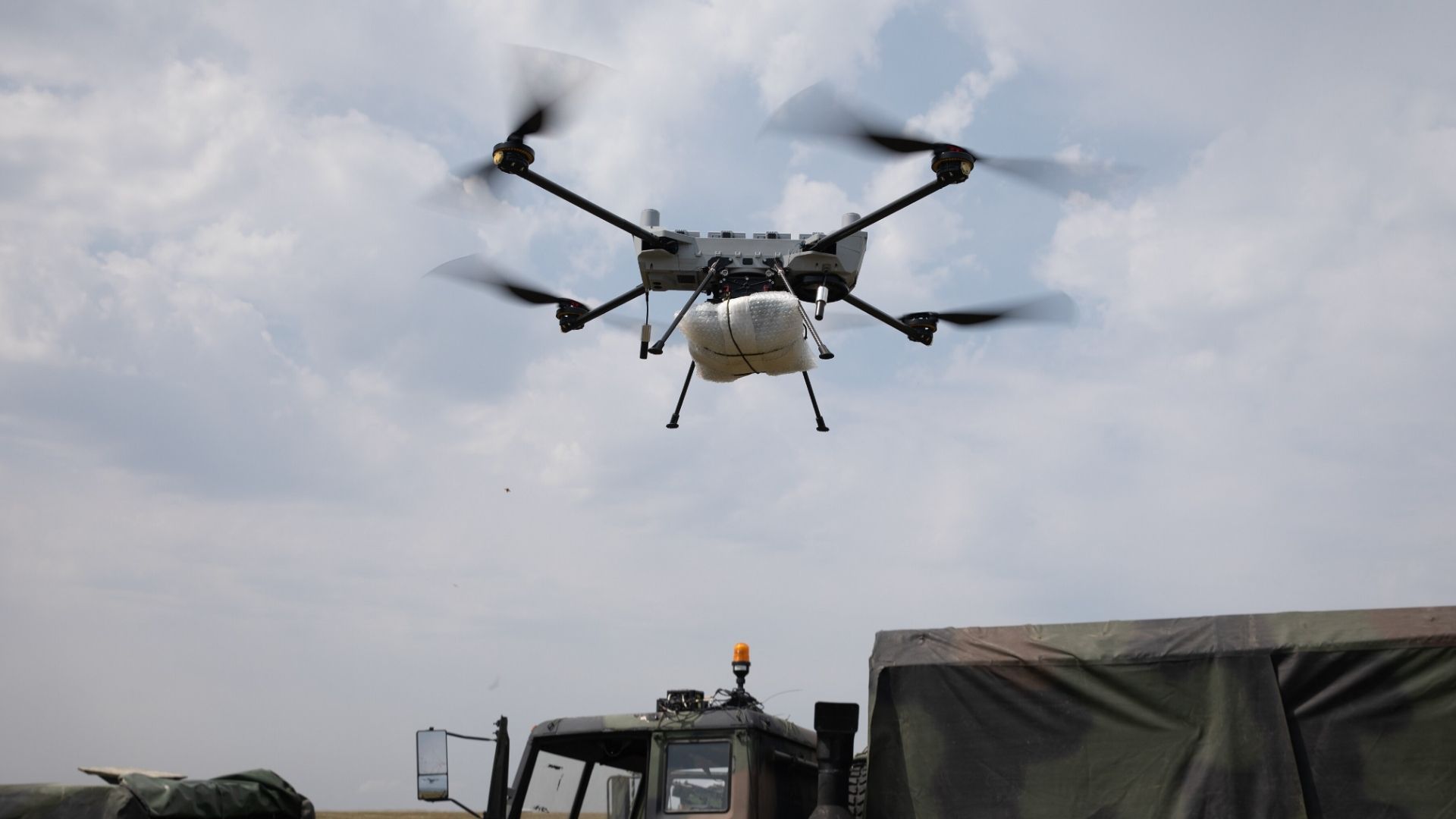
US Army's High-Energy Laser Dismantles Cartel Drones, Achieves 75% Activity Reduction
The US Army has successfully destroyed 11 drones linked to cartels within 10 days using its high-energy laser system, leading to a reported 75% decrease in drone activity in the Rio Grande Valley. This deployment, which began on August 25, enables soldiers to permanently disable drones that may pose a threat to military and law enforcement operations. The significance of this technology lies in its ability to ensure that disabled drones cannot return for further surveillance, unlike traditional jamming methods. Army officials noted that since the start of 2026, US forces have intercepted around 300 cartel-related drones, primarily through electronic jamming, but have shifted to using directed energy for immediate threats. This change has reportedly altered drone activity patterns in the region. Looking ahead, the military's continued use of the high-energy laser system may further impact cartel operations. However, the lack of publicly available detection figures leaves the reported 75% reduction without a clear baseline. No further timeline was disclosed at the time of publication.
Military
US Army Tests New Tethered Drone Capable of 50-Hour Flight and Jamming Resistance
The US Army is currently testing a new tethered drone designed to resist jamming and achieve flight durations of up to 50 hours without landing. This advancement represents a significant step in enhancing the Army's capabilities in unmanned aerial systems. The development of this drone is crucial as it addresses the increasing need for reliable and long-lasting aerial surveillance and strike capabilities in modern military operations. The ability to resist jamming is particularly important in contested environments where electronic warfare is prevalent. Looking ahead, the Army's ongoing tests will provide insights into the drone's operational effectiveness and potential integration into existing military strategies. No further timeline was disclosed at the time of publication.
Military
OPEN MIND Partners with FANUC to Enhance 5-Axis Technology for Aerospace Manufacturing
OPEN MIND has joined the FANUC 5-Axis Integrated Technology Initiative, aimed at enhancing manufacturing processes. This collaboration focuses on improving efficiency, accuracy, and repeatability in the production of complex parts. The initiative is particularly significant for the U.S. aerospace market, where precision and reliability are critical. By leveraging advanced 5-axis technology, manufacturers can achieve better outcomes in their production lines, ultimately leading to higher quality products. As the initiative progresses, stakeholders should monitor developments in technology integration and its impact on manufacturing practices. No further timeline was disclosed at the time of publication.

Elroy Air Completes First Autonomous Cargo Drone Flights with 500-lb Payload in Louisiana
Elroy Air, a US drone startup, has successfully conducted its first autonomous, uncrewed flights of the Chaparral hybrid-electric aircraft under the eVTOL Integration Pilot Program in Louisiana. These flights focused on transporting various cargo types, including medical supplies and industrial equipment, showcasing the aircraft's capabilities. This development is significant as it marks a step towards integrating Advanced Air Mobility aircraft into US airspace, enhancing logistics infrastructure and delivery options nationwide. The Federal Aviation Administration (FAA) emphasized the importance of these test flights in shaping aviation policy and supporting commercialization efforts. Looking ahead, Elroy Air's successful tests will inform its strategy for deploying autonomous heavy-cargo aircraft at scale. The Chaparral's unique features, such as interchangeable cargo pods and VTOL capabilities, position it for diverse applications, including disaster relief and maritime missions. No further timeline was disclosed at the time of publication.
Transportation
Amprius Unveils New 500 Wh/kg Battery Cell for Extended Drone Flight Durations
Amprius Technologies has launched a silicon-anode battery cell aimed at enhancing the endurance of uncrewed aircraft. The new SiCore cell boasts an energy density of 500 watt-hours per kilogram (Wh/kg) at a continuous discharge rate of 1C, with commercial availability anticipated in the fourth quarter of 2026. The company plans to provide both customer-specific and standard pouch formats for small uncrewed aircraft systems. This development is significant as higher energy density in aviation can lead to longer flight times, increased range, or the ability to carry heavier payloads without adding battery weight. Amprius has previously achieved similar energy levels but faced challenges in scaling production. The SiCore platform aims to simplify the manufacturing process, allowing customers to transition from qualification to volume production without the need for specialized equipment. Looking ahead, Amprius will initiate production at its Fremont, California facility and expand through global manufacturing partners. The company has a history of supplying battery cells to AALTO HAPS, which develops solar-electric aircraft. As energy density is crucial for long-duration flights, advancements in this area could significantly enhance operational capabilities for various applications, including fixed-wing drones and High-Altitude Platform Stations (HAPS).
battery technology Drone News Drone News Feeds Dual Use News AALTO HAPS
AirData Achieves 65 Million Drone Flights as FAA's BVLOS Rule Approaches Finalization
AirData, a drone fleet management platform based in California, has announced it has tracked over 65 million drone flights globally, encompassing more than 850,000 drones and 470,000 pilots. This milestone arrives as the FAA's Part 108 rule, which would permit routine beyond visual line of sight (BVLOS) operations, nears its final review stage. The significance of this achievement lies in the rapid growth of commercial drone operations, with AirData adding 15 million flights in just 15 months, indicating a shift from trial programs to regular integration of drones in business operations. The upcoming Part 108 rule aims to redefine accountability in drone operations, shifting responsibility from individual pilots to the operating organizations. As the FAA's BVLOS framework approaches implementation, AirData's extensive flight database and operational insights position it as a key player in the evolving drone industry. The company’s platform already aligns with the anticipated regulatory requirements, showcasing its readiness for the future of large-scale drone operations in various sectors.
News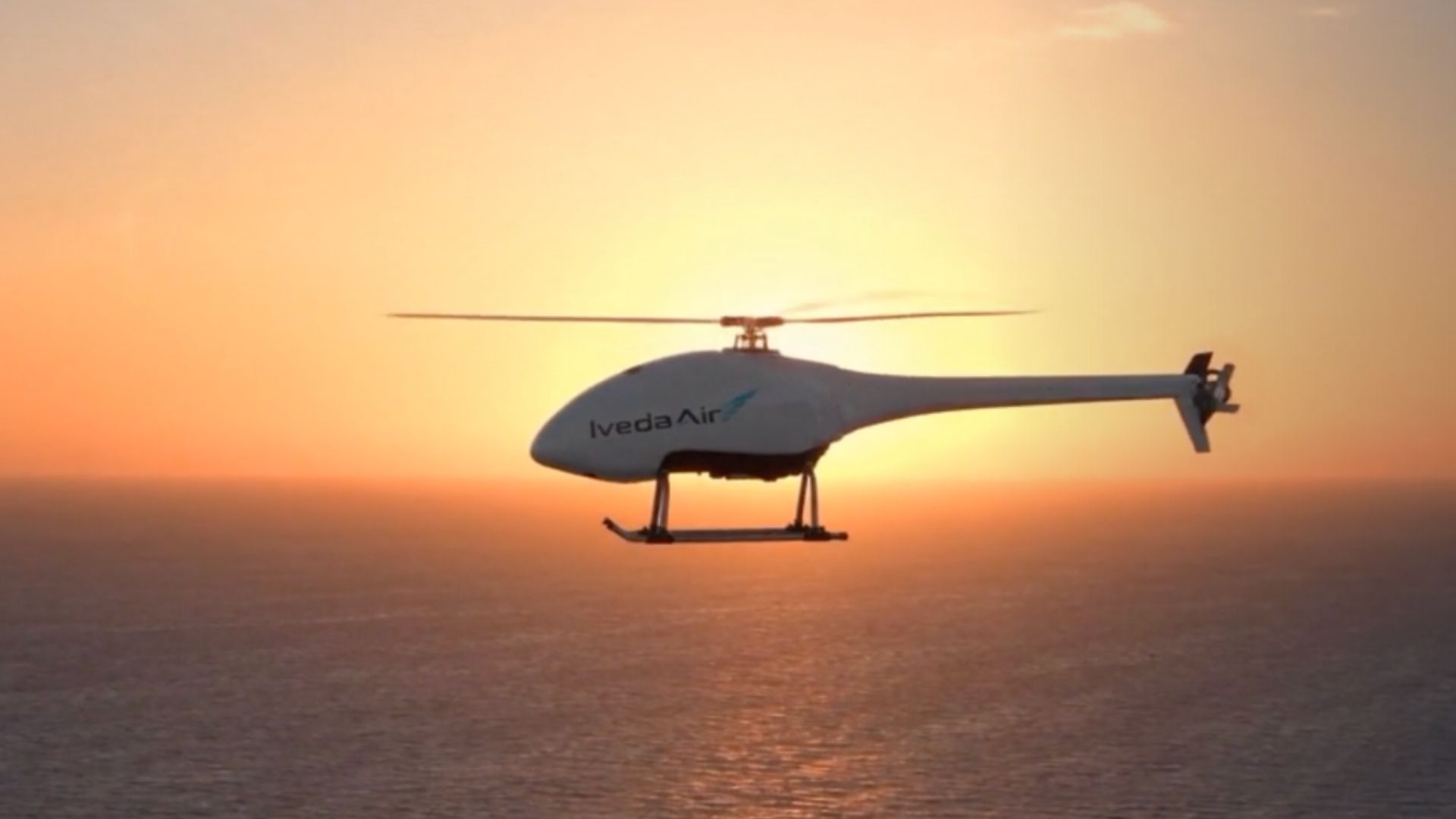
Iveda Launches Gas-Powered GX10-F100 Autonomous Helicopter Drone with 150-Minute Flight Time
Arizona-based Iveda has unveiled the IvedaAir line, featuring the GX10-F100, a gas-powered autonomous helicopter drone. This unmanned aircraft boasts an impressive flight endurance of over 150 minutes, significantly surpassing traditional battery-powered quadcopters. With a cargo capacity of 19 pounds and a maximum speed of 68 mph, the GX10-F100 is designed for military and emergency operations. The introduction of the GX10-F100 is significant as it addresses the limitations faced by conventional drones in challenging environments such as coastlines and isolated terrains. Its extended endurance and cargo capabilities make it suitable for logistics, reconnaissance, and aerial communications in difficult or dangerous areas. Iveda aims to enhance operational efficiency for military users and expand the drone's applications to maritime security, public safety, and emergency response. Looking ahead, Iveda's focus on developing the GX10-F100 for demanding operational environments indicates a shift in drone capabilities. The integration of IvedaAI autonomy software enhances navigation and intelligence missions, allowing for waypoint navigation and real-time video transmission. No further timeline was disclosed at the time of publication.
Military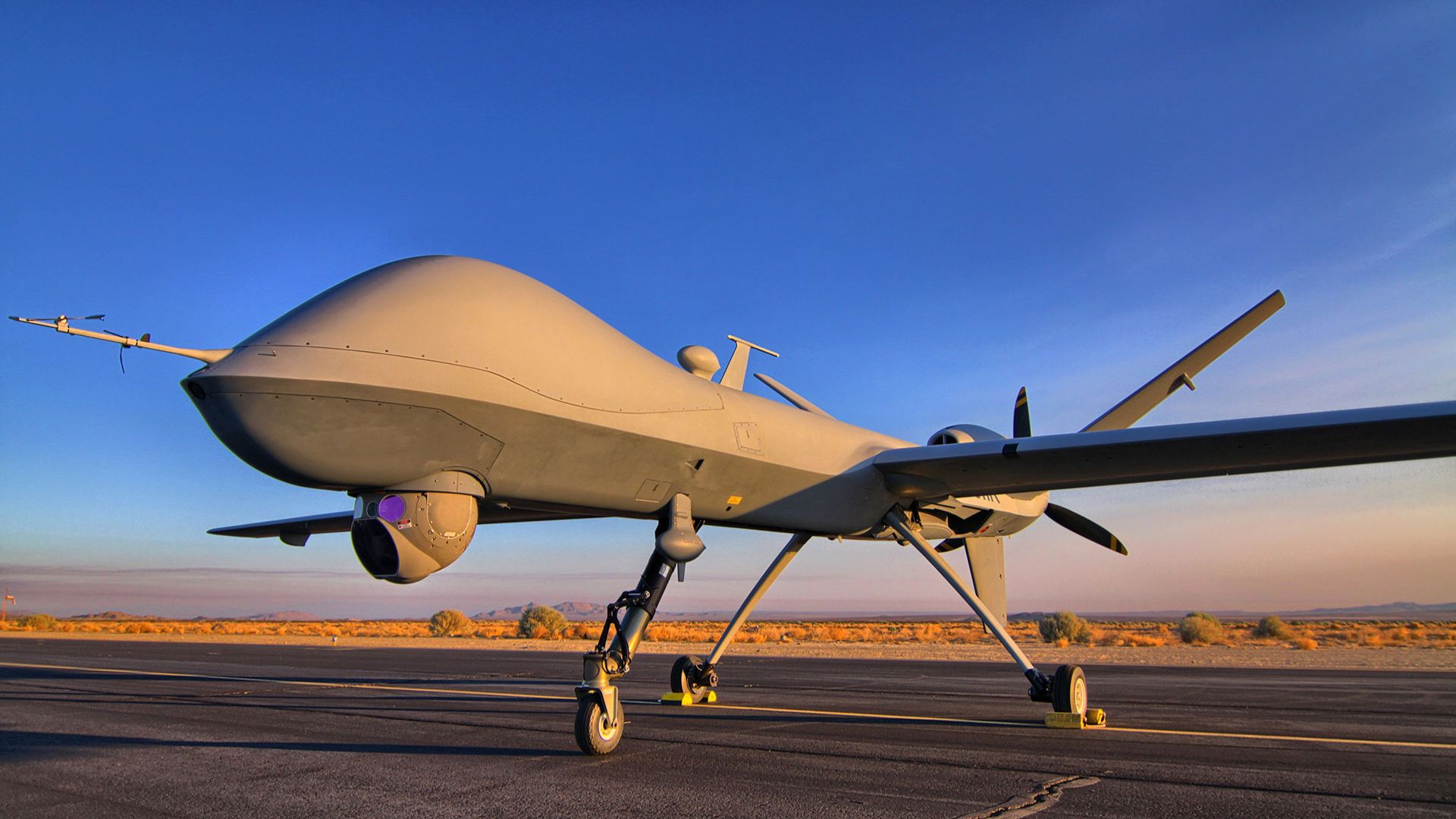
General Atomics Introduces Wildfire Drone with 11,500-Mile Range and Anti-Ship Missile Capability
General Atomics has announced the Wildfire, a new long-range unmanned aircraft concept designed to meet modern drone warfare demands and potentially succeed the MQ-9 Reaper. This Unmanned Aerial System (UAS) aims to fulfill the Pentagon's requirements for medium-altitude, long-endurance aircraft capable of intelligence, surveillance, reconnaissance, and strike missions. The Wildfire is being developed with a 10,000-nautical-mile ferry range and the capacity to carry up to four AGM-158C Long Range Anti-Ship Missiles (LRASM). It is also designed to coordinate swarms of up to 100 aircraft under semi-autonomous control, addressing the Pentagon's evolving airpower strategy that anticipates losses in high-end conflicts. The Pentagon's Massed Modular Aircraft (MMA) program seeks cost-effective, modular unmanned aircraft capable of operating in significant numbers. General Atomics aims to meet these requirements, with prototype flight testing expected to begin within 21 months of contract award, targeting initial operational capability by fiscal year 2031.
Military
Leonardo DRS Combat Vehicle Successfully Engages 55-Pound Drones with Software Upgrade
A US armored air defense vehicle successfully engaged simulated Group 1 and Group 2 drones in a recent government test, showcasing its enhanced capabilities without new hardware. The demonstration, conducted by Leonardo DRS using the SGT STOUT mission equipment package on a Stryker armored fighting vehicle, utilized updated detection and fire-control functions to effectively counter smaller airborne threats. This advancement is significant as it supports the US Army’s Mobile Low, Slow UAS Integrated Defeat System program, which aims to improve air defense against evolving drone threats. The test specifically targeted drones weighing up to 55 pounds, which present unique challenges compared to larger aerial threats. The results indicate a promising direction for software-driven air defense capabilities that can adapt to changing operational needs. Looking ahead, the open architecture of the SGT STOUT system allows for future enhancements without major hardware changes, ensuring that the vehicle remains relevant as aerial threats evolve. No further timeline was disclosed at the time of publication.
Military
Amazon Prime Air to Expand Drone Delivery Service to Nearly 500 U.S. Locations by 2026
Amazon is set to significantly expand its Prime Air drone delivery service, aiming to reach nearly 500 cities and towns across the United States by the end of 2026. This expansion will increase the service's operational footprint approximately sixfold, enhancing its current operations from 11 sites in 10 metro areas. The importance of this expansion lies in Amazon's commitment to providing faster delivery options. With drone deliveries capable of arriving in as little as 30 minutes, the company aims to enhance customer satisfaction and convenience. David Carbon, vice president of Amazon Prime Air, highlighted that the service has already delivered hundreds of thousands of packages this year, with plans to serve a broader customer base by 2026. Looking ahead, Amazon plans to launch drone delivery services in additional metro areas, including Chicago, Syracuse, Cleveland, Atlanta, and Boise, later this year. The expansion reflects Amazon's ongoing investment in its drone delivery capabilities, which began commercial operations in 2020 under FAA regulations, allowing for beyond visual line of sight operations, crucial for scaling its delivery network.
Applications Delivery Drone News Drone News Feeds News amazon drone delivery
Amazon Plans Major Expansion of Prime Air Drone Delivery to 500 US Communities by 2026
Amazon has announced plans to expand its Prime Air drone delivery service to nearly 500 cities and towns across the United States by the end of 2026. This expansion is set to increase its current service area sixfold, providing ultrafast delivery options to tens of millions of customers. The significance of this expansion lies in its potential to enhance the shopping experience for Amazon customers, offering delivery of millions of eligible products in as fast as 30 minutes. Currently, Prime Air operates in seven states and has already delivered hundreds of thousands of packages by drone this year, indicating strong demand for this service. Looking ahead, Amazon aims to introduce Prime Air in metro areas including Chicago, Syracuse, Cleveland, Atlanta, and Boise. The service features advanced safety technology and operates under FAA regulations, ensuring safe and efficient deliveries. No further timeline was disclosed at the time of publication.
News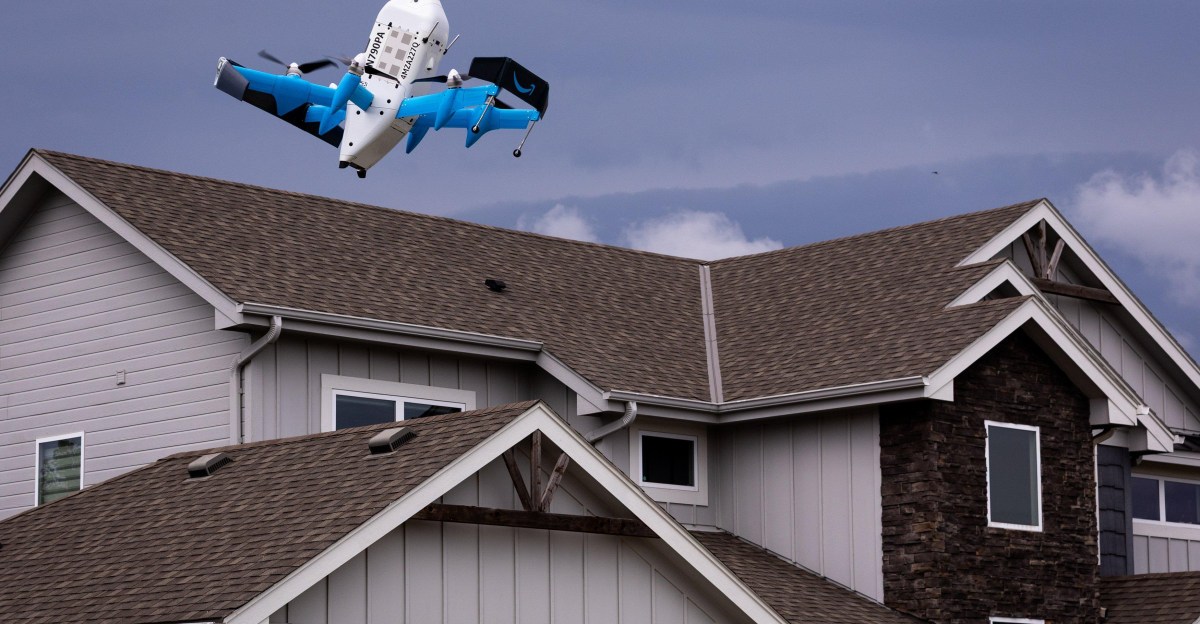
Amazon Expands Prime Air Drone Delivery to Nearly 500 US Cities and Towns
Amazon's Prime Air service is set to expand its drone delivery capabilities to nearly 500 cities and towns across the United States by the end of this year. This expansion marks a significant increase in coverage, growing sixfold from its current footprint. New metro areas for drone deliveries include Chicago, Syracuse, Cleveland, Atlanta, and Boise, joining 11 existing locations. The importance of this expansion lies in Amazon's ability to deliver packages weighing up to 5 pounds within approximately 60 minutes after checkout. According to David Carbon, vice president of Prime Air, the service has already successfully delivered hundreds of thousands of packages this year. This rapid delivery service aims to enhance customer satisfaction and streamline logistics in urban areas. Looking ahead, Amazon plans to continue expanding its drone delivery service, with more communities expected to be added later this year. The company has emphasized its commitment to safety, highlighting the industry-leading Detect-and-Avoid system to address concerns from communities regarding drone operations, especially following previous incidents involving crashes.
Amazon Drones News Tech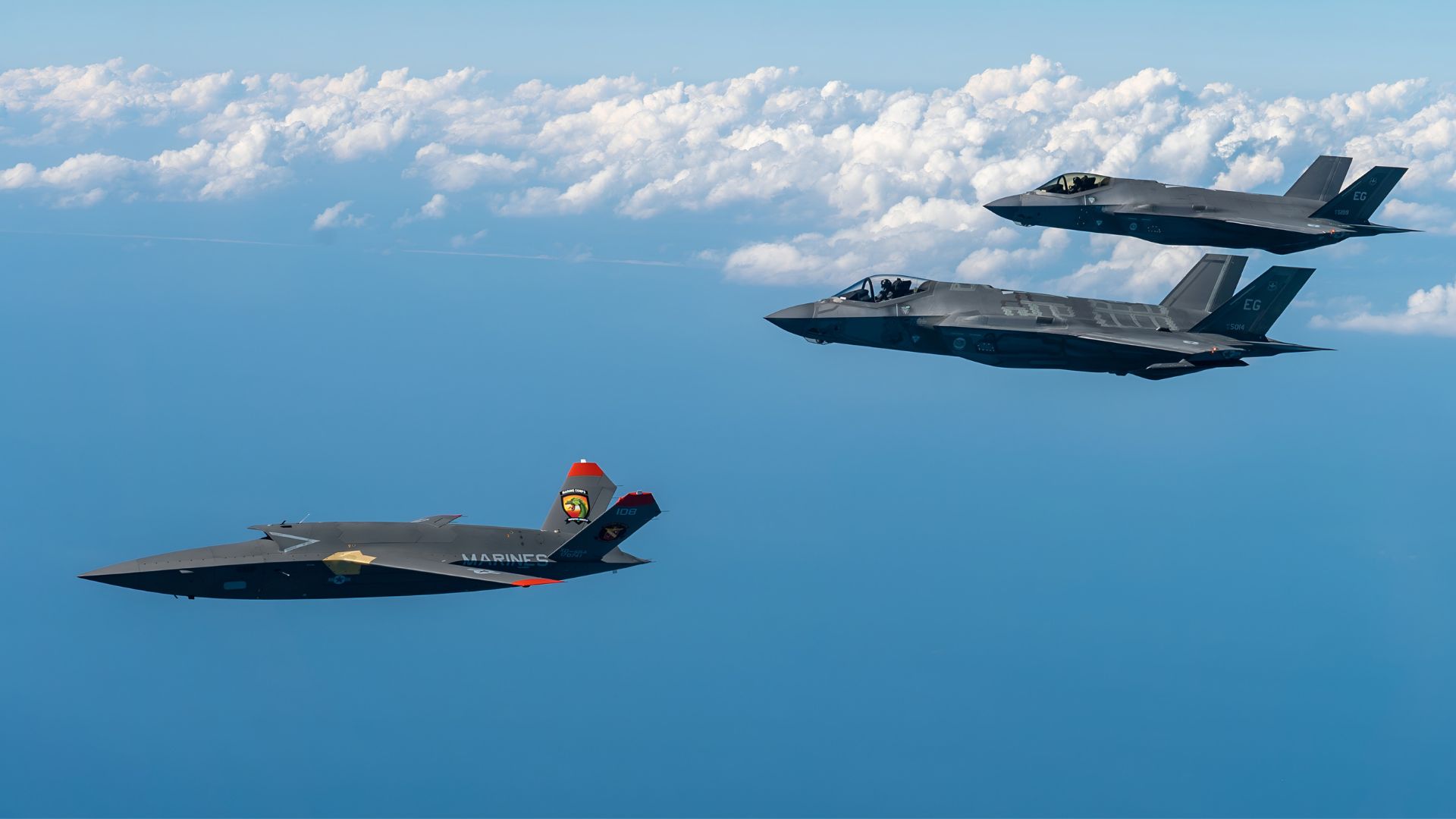
Kratos Defense's Valkyrie Drone Completes Successful Flight with F-35 Fighters
The US military is advancing towards integrating uncrewed aircraft with advanced fighter jets, specifically the F-35 and F/A-18. Kratos Defense & Security Solutions has showcased its XQ-58A Valkyrie drone's capabilities during a recent flight test in Southern California, where it successfully operated alongside Marine Corps fighters. This demonstration is significant as it highlights the potential for autonomous aircraft to enhance mission capabilities in contested airspaces. The Valkyrie's successful launch from a zero-length system and its ability to transition control between different systems underscore the importance of interoperability in military operations. Looking ahead, Kratos plans to scale production of the Valkyrie, aiming for over 150 unmanned aircraft systems by 2026. The ongoing collaboration with Northrop Grumman for the MUX TACAIR program will further adapt the Valkyrie for advanced missions, emphasizing the need for open-architecture systems in modern military aviation.
Military
Neros Technologies Secures $250 Million to Enhance Defense Drone Production by 2026
Neros Technologies announced the successful completion of a $250 million Series C funding round, elevating its valuation to $2.5 billion. The funding aims to expedite the development and production of its defense drones, including the Archer AI and Bandit models, which are set for deployment by the end of 2026. This funding is crucial as Neros seeks to fulfill its ambitious goal of producing 1 million drones annually, a mission that remains unchanged despite the expanding range of capabilities and mission sets. The company has secured significant contracts with the U.S. Army, Marine Corps, and various allied nations, positioning itself as a key player in the defense drone market amid rising global demand. Looking ahead, Neros Technologies plans to leverage this capital to enhance its drone manufacturing capabilities, particularly in response to the ongoing conflicts in Ukraine, Gaza, and Iran. The company aims to deliver advanced drone solutions that provide credible deterrence and support military operations effectively.
Defense / Security Drones Financial Investments Markets / Industries News
Reports Suggest Iranian Drones May Have Tracked US F-15E Before Shootdown
A recent report indicates that Iranian drones may have played a crucial role in tracking a U.S. Air Force F-15E Strike Eagle before its shootdown in April. According to a U.S. military official, these drones provided vital information regarding the aircraft's location, speed, and direction, aiding Iranian forces in targeting the fighter jet. This claim, reported by The New York Times, has not been independently confirmed by the Pentagon. The significance of this development lies in demonstrating how cost-effective unmanned systems can enhance a compromised air-defense network. Even basic drones equipped with cameras can detect aircraft and relay their positions, allowing for improved situational awareness. The report raises questions about the sensors used by Iranian drones and how tracking data was communicated to missile units, highlighting the potential for simpler drone networks to provide effective air-defense capabilities. Looking ahead, analysts are keen to understand the implications of this incident for military strategies involving drone technology. The concept of using inexpensive drones as disposable sensors could reshape air-defense tactics, as evidenced by their successful application in Ukraine. No further timeline was disclosed at the time of publication.
Military
New 5G-Based System Enables Real-Time Drone Tracking Using Existing Infrastructure
The United States is testing an innovative method to detect drones by utilizing its existing 5G networks. Lockheed Martin, along with its partners, showcased this technology near Miami in July, demonstrating how commercial wireless infrastructure can effectively support drone detection in busy environments. The system, named NetSense Airspace Awareness-as-a-Service, analyzes radio-frequency disturbances to identify and track unmanned aircraft. This development is significant as it provides airports, hospitals, power plants, and government facilities with an additional layer of airspace protection. The technology not only helps monitor drone activity around sensitive locations but also leverages existing cellular networks, making large-scale deployment more feasible for infrastructure operators. The collaboration of Verizon, ODC, NVIDIA, and Keysight Technologies highlights the potential of integrating various commercial technologies to enhance drone detection capabilities. Looking ahead, the open architecture of the NetSense system allows for future expansions as new technologies emerge. During the Miami demonstration, the system successfully detected a drone and maintained tracking custody, underscoring its effectiveness as the prevalence of drones in populated areas continues to rise. No further timeline was disclosed at the time of publication.
Innovation
Iranian Drones Allegedly Assisted in Targeting Downed F-15E Strike Eagle
A recent report indicates that Iranian drones played a crucial role in targeting the U.S. Air Force F-15E Strike Eagle, which was shot down in April. An unnamed senior U.S. military official revealed that these drones provided vital information, including the jet's GPS location, speed, and direction, to Iranian commanders. This incident highlights the evolving tactics in modern warfare, particularly the use of drone technology inspired by Ukraine's strategies against Russia. The loss of the F-15E not only underscores the vulnerabilities of advanced military aircraft but also the potential effectiveness of drone-based surveillance and targeting systems. Looking ahead, the implications of this event could influence military strategies and drone technology development. The ongoing analysis of the incident may reveal further insights into the capabilities of Iranian drone operations and their impact on air combat dynamics. No further timeline was disclosed at the time of publication.
Air Air Forces Around The Globe F-15 Fighters Iran
Neros Secures $250 Million Funding to Advance Drone Production and Technology
Drone startup Neros has successfully raised $250 million in a funding round co-led by Sequoia, increasing its valuation to $2.5 billion. This investment will support Neros as it expands its offerings beyond strike drones to include autonomous systems and drone interceptors. The significance of this funding lies in Neros's ambition to establish a robust US supply chain for drone production, reducing reliance on China. CEO Soren Monroe-Anderson and Sequoia partner Shaun Maguire highlighted their goal of ramping up production capabilities, aiming to manufacture one million drones annually. Looking ahead, stakeholders should monitor Neros's progress in scaling production and the development of its autonomous systems. No further timeline was disclosed at the time of publication.

USS Theodore Roosevelt Becomes First Carrier with Fully Operational Drone Control Center for MQ-25 Stingray
The USS Theodore Roosevelt has achieved a significant milestone by becoming the first U.S. Navy supercarrier equipped with a fully operational Unmanned Air Warfare Center (UAWC) capable of supporting the MQ-25 Stingray drone. This development is a crucial step towards the Navy's goal of achieving initial operational capability (IOC) for the MQ-25, now projected for 2029 after several delays. This advancement is vital as it enhances the Navy's aerial capabilities, allowing for the integration of the MQ-25 Stingray into routine carrier operations. The UAWC on the Theodore Roosevelt is expected to facilitate the deployment of the Stingray, which aims to extend the operational range of carrier air wings while reducing the reliance on crewed aircraft for refueling missions. Looking ahead, the Navy plans to deploy the MQ-25 Stingray first on the USS Theodore Roosevelt, with the USS Ronald Reagan's UAWC expected to be operational by August 2026. The integration of the UAWC and the MQ-25 program remains a focal point for the Navy as it seeks to modernize its carrier operations and enhance mission effectiveness.
Air Carriers MQ-25 Navies Nimitz Class Sea
Kratos Begins Production of XQ-58 Valkyrie Drones with Landing Gear
Kratos has initiated production of its XQ-58 Valkyrie drones equipped with landing gear, alongside ongoing production of rocket-assisted takeoff variants. The U.S. Marine Corps is acquiring these landing gear-equipped drones for its MUX TACAIR program, highlighting the Valkyrie's strategic importance in military operations. The introduction of landing gear enhances the Valkyrie's operational versatility, allowing for conventional landings while maintaining the option for rocket-assisted takeoffs. This dual capability is crucial for various mission profiles, as noted by Kratos' President of Unmanned Systems Division, Steve Fendley, during a recent update on the program. Looking ahead, Kratos aims to deliver the first CTOL Valkyries by 2029, with production ramping up for both configurations. The company is also exploring international sales opportunities, indicating a growing interest in the Valkyrie platform among global defense customers. No further timeline was disclosed at the time of publication.
Air Drones Loyal Wingman News & Features Unmanned XQ-58
EU Motors Aims for 350,000 Drone Motors by 2026 with New U.S. Production Plans
EU Motors, a prominent manufacturer of high-performance brushless drone motors, has announced its goal to produce over 350,000 drone motors by 2026. The company is expanding its operations in the U.S. with plans to establish exclusive stator production and deploy advanced robotic assembly lines at its facility in Hallandale Beach, Florida. This expansion is significant as it highlights EU Motors' commitment to enhancing its manufacturing capabilities and increasing its market presence in the drone industry. By investing in proprietary intellectual property and custom robotics, the company aims to improve efficiency and production quality, positioning itself competitively in the growing drone market. Looking ahead, the deployment of next-generation robotic assembly lines is set for Q4 2026. This move will not only bolster production capacity but also showcase EU Motors' innovative approach to manufacturing. No further timeline was disclosed at the time of publication.

Army Seeks Counter-Drone Missile Under $150K Compatible with Raytheon Coyote Launcher
The U.S. Army has initiated a search for a counter-drone missile, referred to as the Next Generation C-sUAS Missile, with a budget cap of $150,000. This missile is required to be compatible with Raytheon's Coyote launcher, as specified in the Request for Information (RFI). This initiative is significant as it highlights the Army's ongoing efforts to enhance its capabilities in countering unmanned aerial systems (UAS). The integration with Raytheon's Coyote launcher suggests a focus on leveraging existing technologies to improve operational efficiency and effectiveness against drone threats. Looking ahead, the Army's search for this missile indicates a growing emphasis on developing advanced defense systems to address the evolving challenges posed by drones. No further timeline was disclosed at the time of publication.
Land Warfare Army counter drone Counter UAS cUAS coyote Drones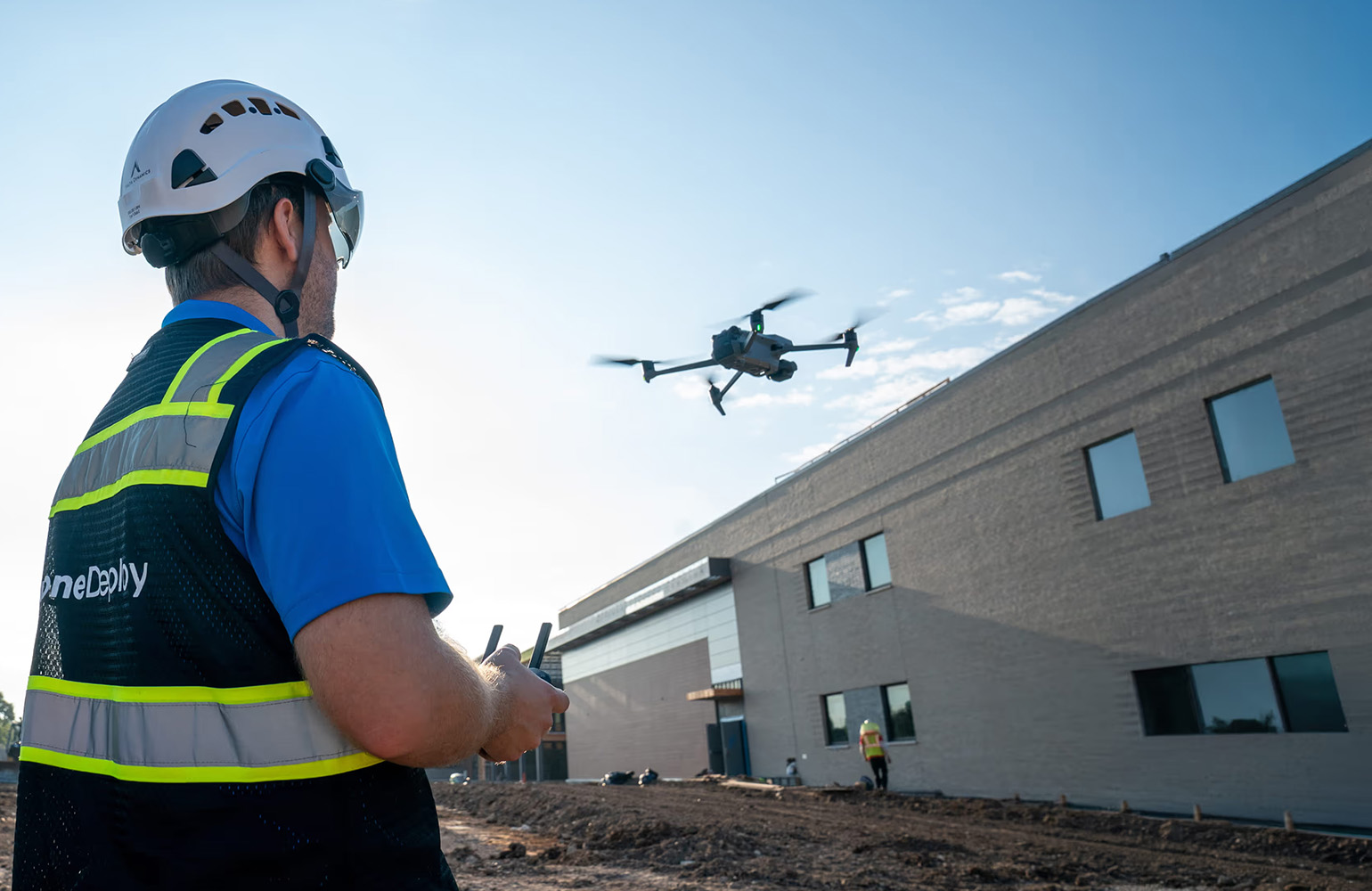
Procore Technologies to Acquire DroneDeploy for $845 Million Cash Deal
Procore Technologies Inc. has announced its plan to acquire DroneDeploy for approximately $845 million in cash. DroneDeploy, known for its robotics and visual intelligence platform, has been utilized on over 3 million job sites across more than 180 countries. Procore's CEO, Ajei Gopal, expressed enthusiasm about integrating DroneDeploy's technology into Procore's offerings to enhance their AI strategy and improve project outcomes. This acquisition is significant as it aims to merge DroneDeploy's visual intelligence capabilities with Procore's construction management platform. By doing so, Procore intends to provide real-time visibility and automated actions on construction sites, enhancing collaboration and efficiency. The integration of DroneDeploy's technology is expected to transform how construction teams document observations and address issues, ultimately improving project execution. Looking ahead, the companies plan to leverage their combined technologies to replace traditional manual inspections with advanced perception capabilities. This will allow for regular evaluations of construction sites using drones, cameras, and robots, facilitating timely and context-aware responses. No further timeline was disclosed at the time of publication.
Artificial Intelligence Cameras / Imaging / Vision Construction Drones Financial Mergers & Acquisitions
UK Government Commits Over £5 Billion to Drone Ecosystem Development
The UK government has announced an investment exceeding £5 billion in drones and autonomous systems throughout the current Parliament. This significant funding is part of the Defence Investment Plan, which aims to enhance domestic manufacturing, testing infrastructure, and artificial intelligence capabilities in uncrewed technology. This investment is crucial as it reflects a strategic shift among allied nations towards prioritizing domestic production and trusted supply chains for critical technologies. The funding will support various branches of the UK armed forces, including autonomous aircraft for the Royal Air Force and uncrewed vessels for the Royal Navy, thereby strengthening national defense capabilities. Looking ahead, the establishment of the Uncrewed Systems Taskforce and the Uncrewed Systems Centre in Swindon, Europe's largest drone testing facility, will facilitate collaboration with industry. No further timeline was disclosed at the time of publication.
Applications Defense Drone News Drone News Feeds Europe Drone Industry News
U.S. Air Force Enhances $500M Counter-Drone Shield with New Multi-Sensor Technology
The U.S. Air Force is enhancing its counter-drone capabilities by integrating Teledyne FLIR Defense’s Argus XL platform into AeroVironment’s Titan Multi-Sensor system. This initiative is part of a three-year, $500 million contract under the Domestic Shield Program, aimed at protecting military installations from aerial threats. This expansion is significant as it strengthens the layered counter-unmanned aircraft system (UAS) coverage across domestic sites, addressing the growing concern of small unmanned aircraft that pose risks to sensitive locations. The Argus XL platform enhances detection and tracking capabilities, allowing operators to respond more effectively to potential threats. Looking ahead, the integration of Argus XL is expected to improve operational efficiency and situational awareness for military users. The system's ability to incorporate third-party sensors and adapt to emerging threats will be crucial as drone technology continues to evolve. No further timeline was disclosed at the time of publication.
Military
UK Ministry of Defence Selects Tekever AR5 Drones to Replace Watchkeeper Fleet
The UK Ministry of Defence has selected Tekever's AR5 surveillance drones to replace the British Army's outdated Watchkeeper fleet. This decision highlights the UK's commitment to modernizing its military capabilities with advanced drone technology. The replacement of the Watchkeeper fleet is significant as it underscores the need for enhanced surveillance and reconnaissance capabilities in military operations. Tekever's AR5 drones are expected to provide improved performance and reliability compared to the older systems. As the UK moves forward with this transition, it will be important to monitor the integration of the AR5 drones into the British Army's operations. No further timeline was disclosed at the time of publication.
News
British Army to Receive Up to 24 Tekever AR5 Surveillance Drones by 2029
The British Army has selected Tekever's AR5 surveillance drones to replace the Watchkeeper system. This acquisition is expected to deliver up to 24 aircraft by 2029. This decision is significant as it marks a transition to advanced drone technology, enhancing the Army's surveillance capabilities. The AR5 drones are anticipated to provide improved operational efficiency and effectiveness in various military applications. Looking ahead, the delivery timeline for the AR5 drones will be closely monitored, with the first units expected to be operational as early as 2029. No further timeline was disclosed at the time of publication.
Air Warfare Global Air Force AR5 Defence Investment Plan Drones
Israeli Company Introduces Kit to Transform Merchant Ships into Hermes 650 Drone Carriers
An Israeli firm has unveiled a new kit designed to convert any merchant ship into a carrier for the Hermes 650 drone. This innovation aims to enhance naval capabilities by allowing commercial vessels to support military operations, thereby expanding the operational reach of naval forces. The introduction of this kit is significant as it leverages existing maritime assets, enabling rapid deployment of drone technology without the need for dedicated military vessels. This could lead to cost-effective solutions for naval logistics and operations, particularly in areas where traditional naval assets are limited. Looking ahead, the potential for this technology to reshape naval warfare strategies is noteworthy. As military operations increasingly rely on unmanned systems, the ability to utilize commercial ships as drone carriers may provide a strategic advantage. No further timeline was disclosed at the time of publication.
Military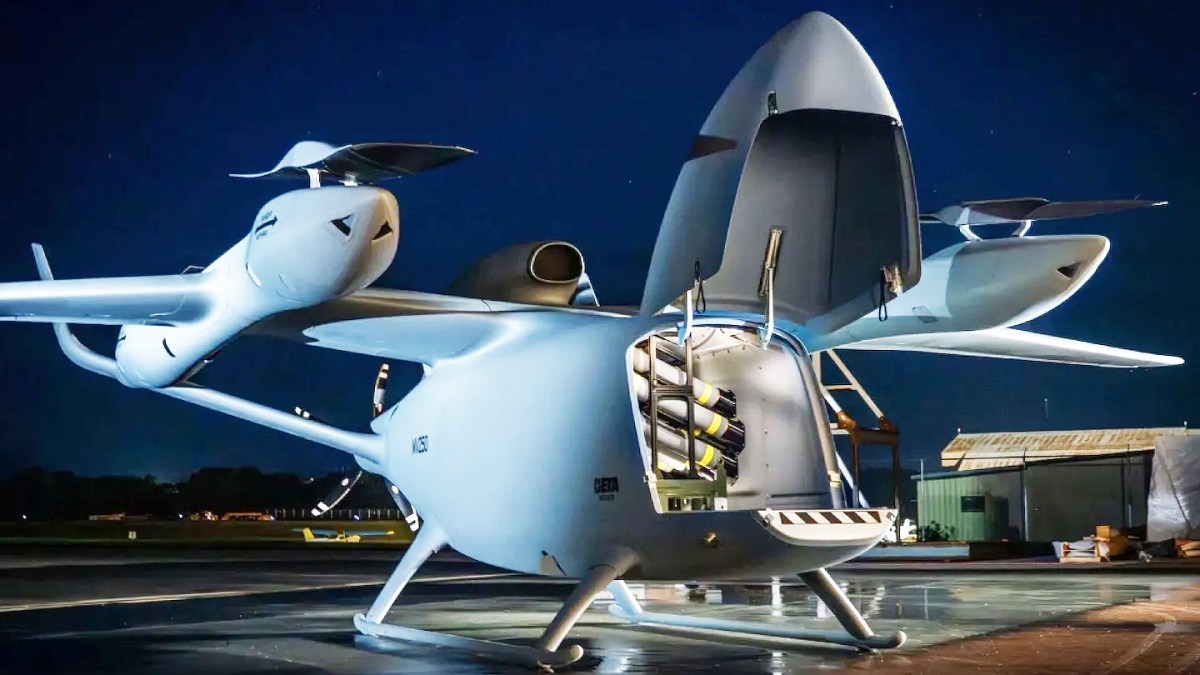
BETA Technologies Unveils MV250 Hybrid-Electric VTOL Cargo Drone at Farnborough 2026
BETA Technologies has introduced the MV250, a hybrid-electric heavy-lift cargo drone, at the Farnborough International Airshow 2026 in England. Although the drone has not yet flown, it is designed using all-flyable components and is based on the Alia 250 eVTOL aircraft, capable of carrying five passengers or an equivalent cargo load. The MV250 aims to enhance military logistics by moving critical cargo more efficiently and cost-effectively. BETA Technologies claims that the drone offers longer range, higher speed, and lower operational costs compared to traditional tiltrotor platforms, although some performance claims have been challenged. The drone is intended for various roles, including cargo transport, casualty evacuation, and intelligence operations. Looking ahead, the MV250 features a cargo capacity of 2,000 pounds and an operational radius exceeding 250 nautical miles. It can also serve as a tactical power source for ground troops. No further timeline was disclosed at the time of publication.
Air Drones Helicopters News & Features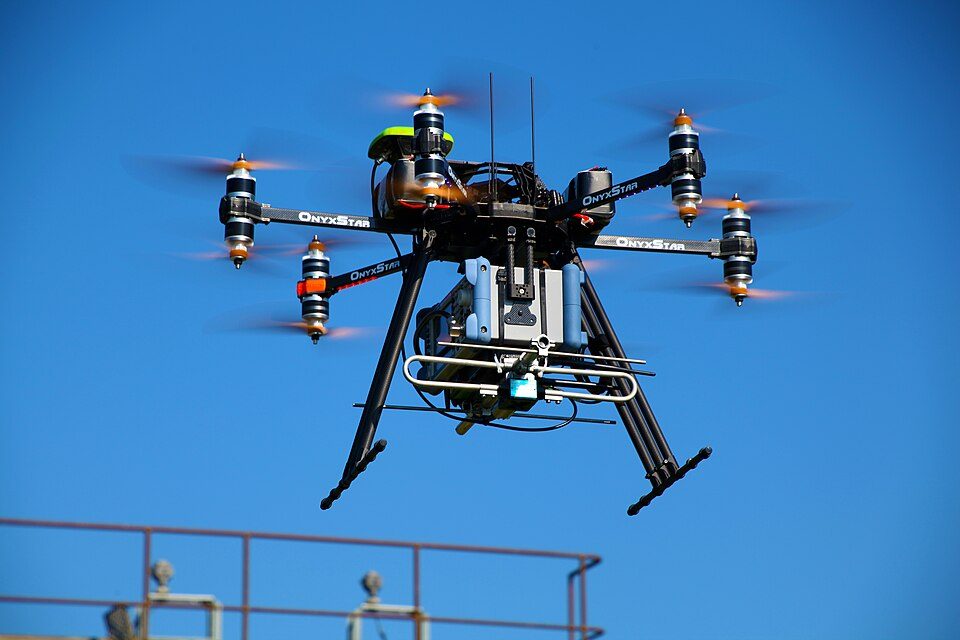
DARPA Initiates $6.5 Million Challenge to Innovate Heavy-Lift Drone Technology
The Defense Advanced Research Projects Agency (DARPA) has launched a challenge aimed at developing heavy-lift drones capable of carrying payloads exceeding four times their weight. This initiative addresses the current limitations of multirotor UAVs, which typically have low payload-to-weight ratios, often below one-to-one. The DARPA Lift Challenge Competition will take place from August 6 to 9 at the National Museum of the U.S. Air Force in Dayton, Ohio, with over 100 teams competing for a total of $6.5 million in prize money. This challenge is significant as it seeks to revolutionize the heavy-lift drone sector, potentially lowering costs and expanding applications across various industries. DARPA program manager Phillip Smith highlighted that enhancing the lifting capabilities of drones could lead to a transformation similar to the impact of mass production introduced by Henry Ford. By overcoming the payload weight barrier, the challenge aims to make unmanned vertical-lift transport more accessible and economically viable. Looking ahead, the outcome of the DARPA Lift Challenge could pave the way for a new generation of UAVs that outperform traditional manned aircraft in transporting large payloads. No further timeline was disclosed at the time of publication.
Applications Defense defense DL Exclusive Drone News Drone News Feeds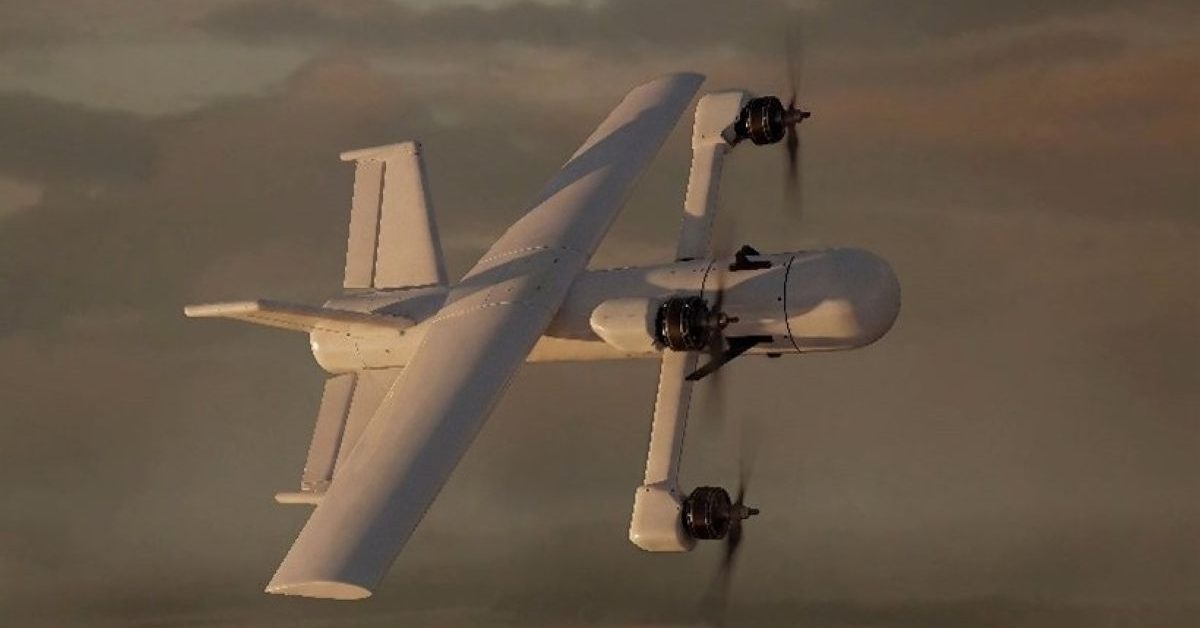
Lockheed Martin Introduces MORFIUS X-Rotor to Neutralize Over 50 Drones in Flight
Lockheed Martin has unveiled the MORFIUS X-Rotor, an airborne counter-drone system designed to neutralize over 50 hostile drones in a single flight using high-power microwave technology. This innovative approach aims to address the growing challenge of drone swarms faced by militaries worldwide, offering a cost-effective alternative to traditional missile systems. The significance of MORFIUS X-Rotor lies in its ability to disrupt the electronics of multiple drones simultaneously, making it particularly effective against coordinated drone attacks. The system is reusable and integrates seamlessly into existing defense networks, which is crucial for military operations seeking affordable solutions against inexpensive commercial drones. Looking ahead, Lockheed Martin is ramping up prototype production and preparing for additional flight tests to validate the system's capabilities. The MORFIUS X-Rotor aligns with the US Department of Defense’s Rapid Response Counter-UAS Roadmap, emphasizing the need for scalable counter-drone solutions. Future testing will determine the system's effectiveness in operational environments.
News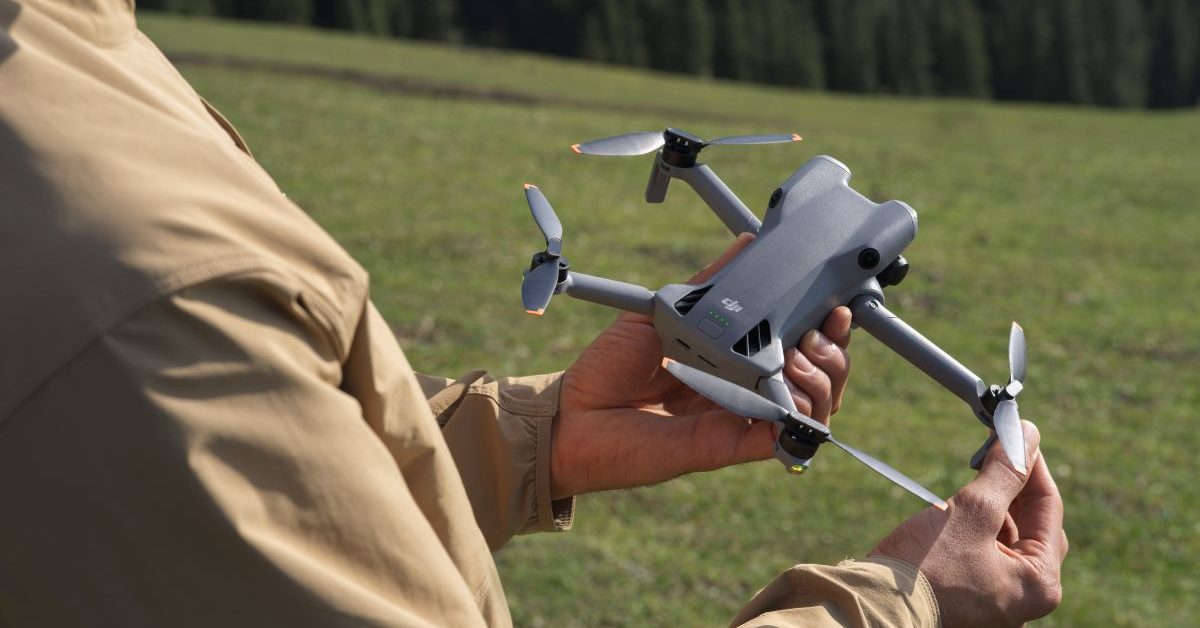
DJI Mini 5 Pro Drone Discounts Offer Up to $110 Savings Today
The DJI Mini 5 Pro drone is now available at a discounted price, with major bundles seeing a 10% reduction. This sale marks the first significant price cut in months, making it an opportune time for potential buyers. The Mini 5 Pro, known for its impressive features despite its lightweight design, includes a 1-inch, 50MP camera sensor that enhances dynamic range and low-light performance. This discount is particularly timely as summer is peak flying season in the US, and DJI's premium drones rarely see such price reductions. The Mini 5 Pro remains a popular choice among consumers due to its advanced capabilities, including a battery life of up to 36 minutes and features like omnidirectional obstacle sensing and improved ActiveTrack. Buyers are encouraged to consider the Fly More Combo with DJI RC 2, which offers additional batteries and accessories for extended flight time. However, the longevity of these discounts is uncertain, as DJI often runs limited promotions on its premium products. Interested customers should act quickly to take advantage of this opportunity.
News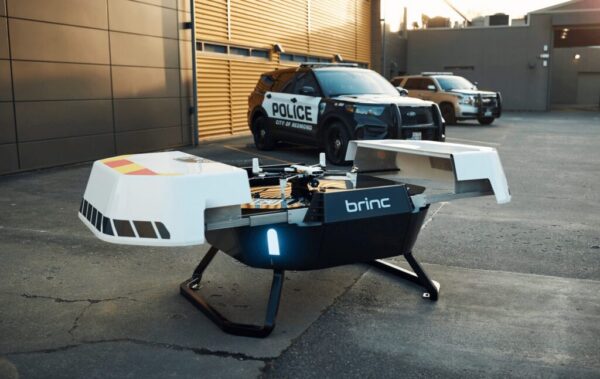
BRINC Secures $125 Million Funding Round Led by Motorola Solutions for Public Safety Drones
BRINC, a Seattle-based public safety drone manufacturer, announced on July 14, 2026, that it has secured a $125 million financing round led by Motorola Solutions. This investment raises BRINC's total capital to over a quarter billion dollars and aims to deploy a BRINC 911 response drone at every police and fire station across the U.S., targeting 80,000 facilities. The funding will enable BRINC to expand its domestic manufacturing, launch new products, and scale its go-to-market operations. The company plans to move into a facility three times the size of its current factory by the end of 2026 to meet the increasing demand from public safety agencies. In 2025, BRINC tripled its revenue and quintupled its monthly production capacity, signing nearly four times as many contracts for 911 response drones in 2026 compared to the previous year. Looking ahead, BRINC's founder Blake Resnick emphasized the importance of situational awareness in emergencies, stating that their drones provide critical information before first responders arrive. The company is also collaborating with the National League of Cities for a nationwide rollout of drone first response (DFR) initiatives. No further timeline was disclosed at the time of publication.
DFR Drone News Drone News Feeds News Public Safety 80000 stations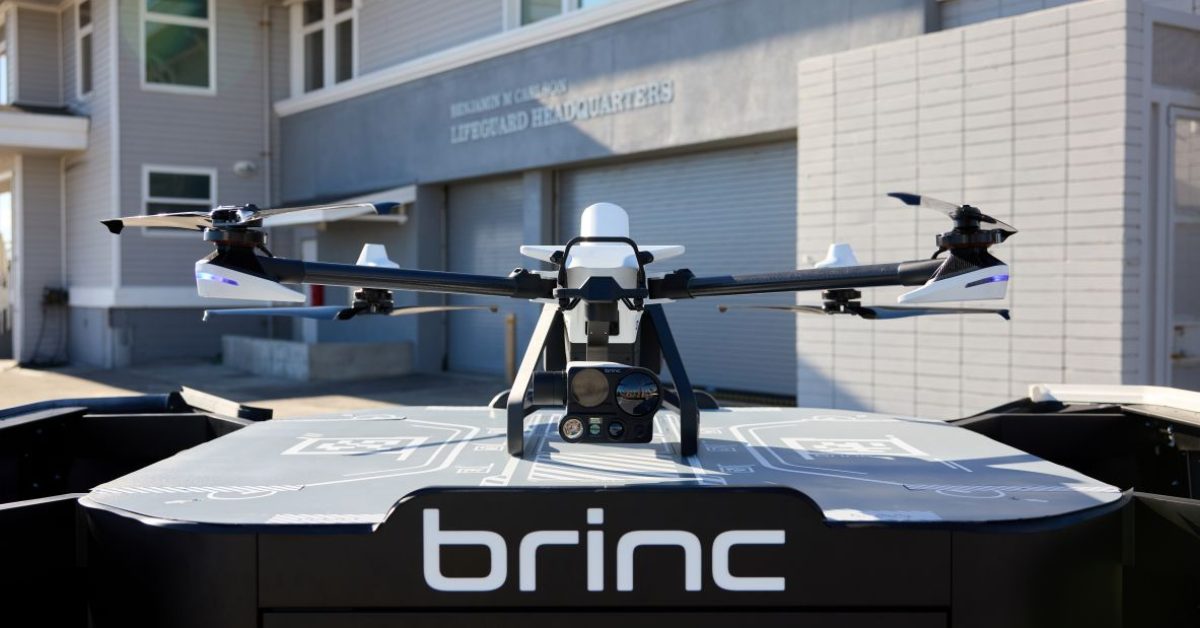
Motorola Solutions Leads $125 Million Funding for BRINC's Emergency Drone Expansion
BRINC, a Seattle-based public safety drone company, has raised $125 million in a funding round led by Motorola Solutions, bringing its total funding to over $250 million. This investment will enable BRINC to expand its manufacturing capabilities and product offerings, with the goal of deploying a 911 response drone at every police and fire station in the U.S. The significance of this funding lies in BRINC's ambition to enhance emergency response times across the nation. With approximately 80,000 police and fire stations in the U.S., the deployment of drones can provide crucial situational awareness before first responders arrive, potentially saving lives and improving operational efficiency. Looking ahead, BRINC plans to move into a new manufacturing facility by the end of the year, which is three times larger than its current site. The company has already seen a surge in demand for its drones, tripling its revenue in 2025 and signing significantly more contracts for 911 response drones compared to the previous year. No further timeline was disclosed at the time of publication.
News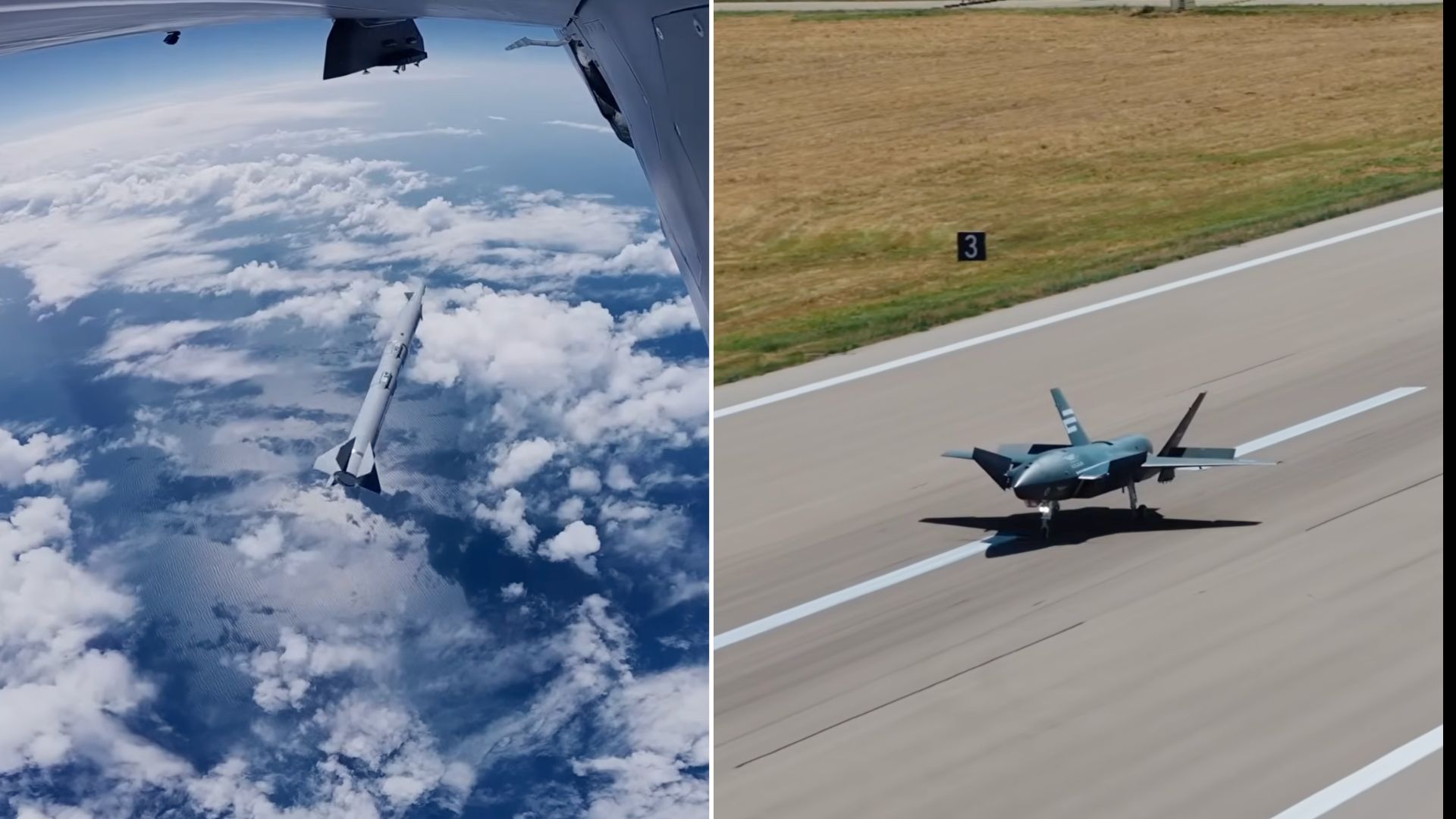
Bayraktar KIZILELMA Drone Successfully Tests JET-230 Supersonic Missile at Mach 2.5
Türkiye's Bayraktar KIZILELMA unmanned fighter aircraft has achieved a significant milestone by successfully completing its first live-fire test with the ROKETSAN JET-230 supersonic missile. The test involved launching the missile from over 120 kilometers, accurately hitting a maritime target, which enhances KIZILELMA's capabilities with indigenous weaponry. This successful test is crucial as it broadens the operational range of the KIZILELMA, allowing it to engage high-value targets from a safe distance without entering heavily defended airspace. The integration of the JET-230 missile, designed for rapid response and improved survivability, marks a pivotal advancement in Türkiye's unmanned combat aviation program. Looking ahead, the KIZILELMA continues to evolve with ongoing weapon integration trials and has already demonstrated compatibility with various precision-guided munitions. No further timeline was disclosed at the time of publication.
Military
T3 Defense Secures 60% Ownership in Israeli Drone Manufacturer Project35
T3 Defense has successfully acquired a 60% stake in Project35, an Israeli firm focused on drone technology. This acquisition highlights T3 Defense's commitment to expanding its capabilities in the drone sector, particularly in the development of aerial interceptors and counter-uncrewed aerial vehicle systems. The significance of this acquisition lies in T3 Defense's strategic move to enhance its portfolio in the rapidly evolving drone industry. By integrating Project35's expertise in drone manufacturing and C-UAV systems, T3 Defense aims to strengthen its position in the market and respond to increasing demand for advanced aerial technologies. Looking ahead, industry observers will be keen to see how T3 Defense leverages this acquisition to innovate and expand its product offerings. No further timeline was disclosed at the time of publication.
News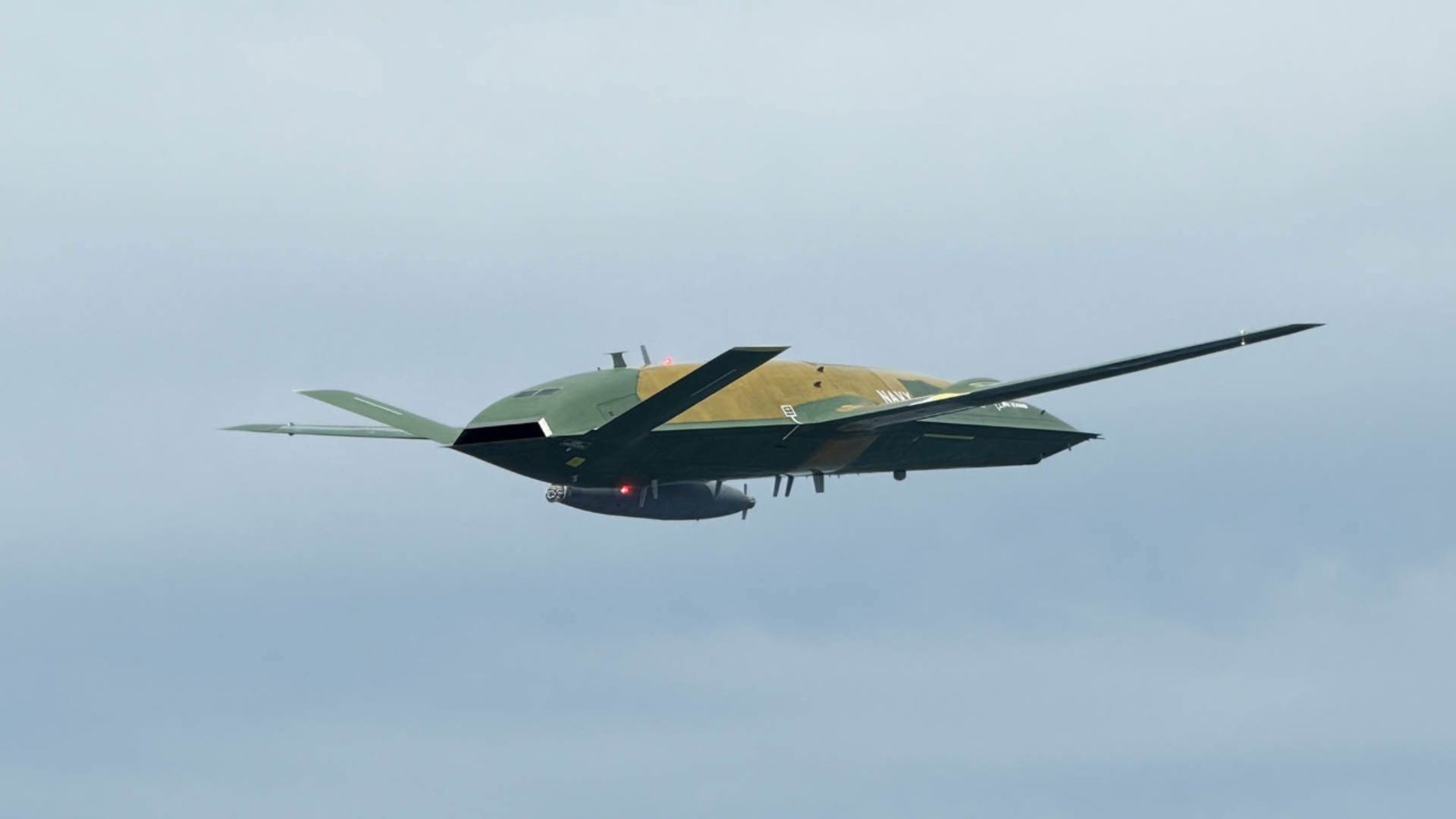
Boeing's MQ-25A Drone Achieves Milestone with Second Test Flight for U.S. Navy
Boeing announced that the U.S. Navy's MQ-25A Stingray has successfully completed its second test flight, marking significant progress in the development of the Navy's unmanned refueling aircraft. This flight confirmed the drone's flight controls and performance, moving closer to its intended carrier operations. The successful test is crucial as it demonstrates the MQ-25A's autonomous capabilities, including managing propulsion and onboard systems independently. This advancement is expected to enhance the operational range of carrier-based fighter jets and reduce the workload on current refueling teams. Looking ahead, Boeing plans to continue testing at MidAmerica St. Louis Airport, focusing on expanding the aircraft's flight envelope and capabilities. The enhancements made during this flight, including new software updates, are vital for the MQ-25A's future development stages as it aims to become the Navy's first operational carrier-based aerial refueler.
Military
DJI Introduces EV50 VTOL Cargo Drone with Everest Altitude Record Achievement
DJI has launched the EV50, its inaugural vertical takeoff and landing (VTOL) fixed-wing cargo drone, designed for long-range transport. The drone achieved a remarkable operating altitude of 8,861 meters during a scientific expedition on Mount Everest, surpassing the mountain's peak by 12 meters. Over a 12-day period, the EV50 completed 32 flights, including 12 missions focused on atmospheric monitoring, taking off from Everest Base Camp at 5,200 meters. The significance of the EV50 lies in its ability to facilitate continuous atmospheric observation above 8,000 meters, a feat previously hindered by the limitations of manned expeditions and other aircraft. The drone's all-electric propulsion system allows researchers to gather crucial data on glacier winds and atmospheric conditions, contributing to climate change studies. With a maximum payload of 50 kilograms and a range of 150 kilometers, the EV50 is equipped with advanced features such as dual thermal management systems and an emergency parachute. Looking ahead, the EV50 is expected to be utilized in various applications, including emergency response and logistics in remote areas. No further timeline was disclosed at the time of publication regarding its commercial deployment. This launch marks a significant expansion of DJI's industrial drone offerings, particularly for challenging environments like high-altitude regions.
On the Cusp Content and entertainment E-commerce and New Retail Highlight News
Eurenco to Enter Drone Market with Production of Military-Specific Explosive Heads
At the Eurosatory exhibition held in mid-June in Villepinte, France, Eurenco announced its plans to enter the drone market by producing specific military explosive heads. The company stated it is capable of manufacturing between 10,000 and 15,000 explosive heads per month. This move is significant as it positions Eurenco to meet the growing demand for drone munitions, reflecting a broader trend in military technology where drones are increasingly utilized in combat scenarios. The production capacity of 10,000 to 15,000 units monthly indicates a strong commitment to scaling operations in this emerging market. Looking ahead, industry observers will be keen to see how Eurenco's entry into the drone munitions sector will influence competition and innovation in military applications. No further timeline was disclosed at the time of publication.
Drones
Teledyne Secures $15.4 Million Contract to Boost European Drone Production
Teledyne Energetics UK, a division of Teledyne Technologies, has secured a $15.4 million contract with a European defense technology manufacturer. This agreement aims to supply specialist energetics for advanced unmanned systems, facilitating the transition of next-generation drone programs from development to large-scale production. The contract is significant as it aligns with Europe's efforts to enhance its own drone capabilities and reduce reliance on external supply chains. Teledyne's role involves providing critical components that ensure the reliability and safety of unmanned systems, which are increasingly vital in modern warfare. Looking ahead, Teledyne anticipates that the initial contract could evolve into a relationship exceeding $50 million as production needs grow. Deliveries are commencing immediately, and the company is poised to expand its regional manufacturing capacity to support European drone makers in scaling production effectively.
News
UForce Engages in Financing Talks Valued at Approximately $5 Billion Led by Valor Equity
UForce, a London-based drone startup, is reportedly in discussions to secure new financing that would value the company at around $5 billion. This potential raise is significant for UForce as it seeks to enhance its market position and expand its operations in the competitive drone industry. The valuation reflects UForce's growth trajectory and the increasing interest in drone technology, which has seen a surge in demand across various sectors. The involvement of Valor Equity as a lead investor could provide UForce with the necessary capital to accelerate its development and innovation efforts. Investors and industry watchers should keep an eye on UForce's progress in these financing talks, as successful funding could lead to new advancements in their drone offerings. No further timeline was disclosed at the time of publication.

Japan Requests Record $55.6 Billion Defense Budget for Extended-Range Missiles and Drones
Japan's defense ministry has proposed a record budget of 8.89 trillion yen ($55.6 billion) for the upcoming fiscal year, focusing on advanced weaponry including Northrop Grumman's AGM-88G AARGM-ER anti-radar missile. This marks Japan's first interest in dedicated anti-radar capabilities, reflecting a shift in military priorities. The significance of this budget lies in Japan's strategic pivot towards enhancing its defense capabilities amid regional tensions, particularly with China and Russia. The request highlights a preference for stand-off missiles, drones, and AI technologies, indicating a modernization of Japan's defense posture. Looking ahead, the budget request anticipates the release of key national security documents that will clarify procurement priorities. Notably, Japan aims to develop domestic missile systems and enhance its unmanned capabilities, including the acquisition of additional MQ-9B SeaGuardian drones and interceptor drones, which will play a crucial role in its defense strategy.
Air Warfare Global AARGM Air Force Asia Defense Budget
Motorola Solutions Finalizes $1.5 Billion Acquisition of D-Fend Solutions for Counter-Drone Technology
Motorola Solutions has successfully completed its acquisition of D-Fend Solutions for $1.5 billion, enhancing its public safety and security offerings with advanced counter-drone technology. This acquisition integrates D-Fend's RF cyber-takeover technology, which is designed to detect and mitigate unauthorized drones without disrupting nearby communications. The significance of this acquisition lies in its potential to improve airspace security for Motorola Solutions' customers globally. Greg Brown, chairman and CEO of Motorola Solutions, emphasized the importance of combining ground safety with air security, stating that D-Fend's technology complements their mission-critical ecosystem. The technology has already been deployed in over 30 countries at various critical locations. Looking ahead, Motorola Solutions plans to integrate D-Fend into its existing public safety ecosystem, enhancing situational awareness for front-line teams. Zohar Halachmi will continue as CEO of D-Fend Solutions while also taking on a senior vice president role at Motorola Solutions. No further timeline was disclosed at the time of publication.
Anti-drone technology C-UAS Drone News Drone News Feeds News safety and security
DJI Announces Winners of Global AI Drone Challenge Focused on Real-Time Decision Making
DJI has revealed the winners of its DJI Enterprise Drone Onboard AI Challenge 2026, aimed at enhancing the capabilities of enterprise drones. The competition encourages the development of AI models that enable drones to make real-time decisions, addressing various applications such as crop counting, bridge inspections, and pollution detection. This initiative is significant as it seeks to reduce the time required for data processing after drone flights, allowing for immediate insights that can be crucial in sectors like agriculture and emergency response. By enabling AI models to operate onboard, DJI aims to streamline workflows and enhance the practical value of drone technology across multiple industries. Looking ahead, the focus will be on how these innovative AI solutions can be integrated into existing workflows. The success of projects like AgroCount AI, which automates crop counting, highlights the potential for edge AI to transform agricultural practices and other fields. No further timeline was disclosed at the time of publication.
News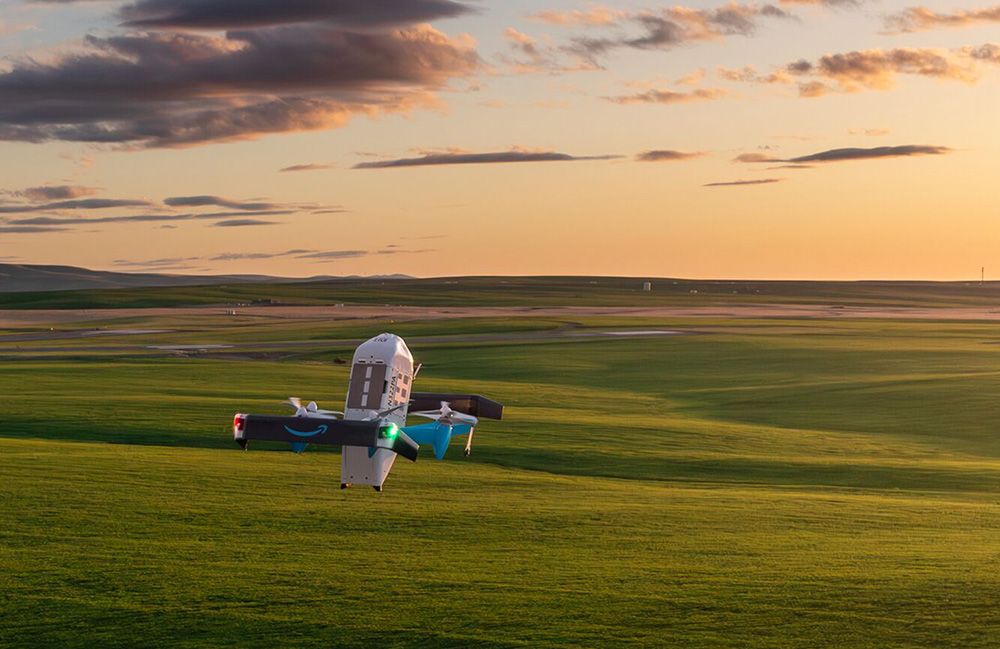
Amazon to Expand Prime Air Drone Delivery to Nearly 500 U.S. Cities by 2026
Amazon.com Inc. announced plans to expand its Prime Air drone delivery service to nearly 500 cities and towns across the U.S. by the end of 2026, marking a sixfold increase from its current service area. This expansion aims to provide tens of millions of customers with access to drone delivery for groceries, electronics, cosmetics, medications, and household products. The significance of this expansion lies in Amazon's commitment to enhancing customer convenience with ultrafast delivery options. David Carbon, vice president of Amazon Prime Air, stated that deliveries can be made in as fast as 30 minutes, with hundreds of thousands of packages already delivered by drone this year. The service is currently operational in seven states and is set to launch in additional metro areas, including Chicago and Atlanta, later this year. Looking ahead, Amazon's Prime Air service is not only expanding in the U.S. but has also launched in Darlington, U.K., marking its first international deployment. As the company continues to innovate in drone technology and delivery logistics, it will be important to monitor how this service evolves and its impact on the broader logistics and retail landscape. No further timeline was disclosed at the time of publication.
Drones News Retail / Wholesale Robots / Platforms Unmanned Aerial Systems / Drones Amazon
Limited-Time Offer: Ruko F11 Pro 2 Drone Now Available at 54% Discount
The Ruko F11 Pro 2 drone is currently on sale at Amazon, offering a significant discount of $280, bringing the price down to $240. This drone features a robust design, a 6K camera, and the capability to capture 4K video at 30FPS, making it a top choice for aerial photography enthusiasts. This deal is noteworthy as it represents a 54% reduction from its typical price range of $350 to $400, making it an attractive option for both beginners and experienced users. The drone includes two batteries, providing up to 70 minutes of flight time, which enhances its value for users looking for extended aerial sessions. As this offer is time-sensitive, potential buyers should act quickly to take advantage of the savings. The Ruko F11 Pro 2 is equipped with various flight modes, including GPS positioning and subject tracking, although it lacks collision avoidance features. No further timeline was disclosed at the time of publication.
Drones Technology
F-Drones Unveils LITAVR+ Interceptor Drone to Combat Shahed Kamikaze Drones
A Ukraine-based defense company, F-Drones, has introduced the LITAVR+ interceptor drone designed to target the Shahed kamikaze drones utilized by Russia in the ongoing conflict. The Shahed drones, developed in Iran, are favored by Russian forces due to their cost-effectiveness and precision in attacks. The LITAVR+ can intercept these drones at speeds exceeding 250 mph, providing a significant advantage in air defense. The introduction of the LITAVR+ is crucial as the Shahed-136 drones, priced around $35,000, pose a substantial threat, especially given the higher costs associated with existing air defense systems. The upgraded LITAVR+ features advanced navigation capabilities that allow it to operate without GPS and a target guidance system for autonomous last-mile engagement. This innovation is expected to enhance Ukraine's defense capabilities against the increasing use of kamikaze drones. Looking ahead, F-Drones is also establishing a manufacturing facility in the United States to produce compliant drones for defense applications. The LITAVR+ represents a significant step in Ukraine's efforts to localize drone production and reduce reliance on foreign components, which is vital for rapid deployment in the current conflict.
Military
Tekever Engages Investors for €500 Million Funding at €5.5 Billion Valuation
Tekever, a Portuguese company specializing in surveillance drones, is currently negotiating with investors to secure up to €500 million, equivalent to $577 million. This funding round is notable as it values the company at €5.5 billion, marking a significant increase from the previous year's valuation. The substantial rise in Tekever's valuation reflects growing interest and demand for advanced surveillance technologies, particularly in defense and security sectors. As the market for drone technology expands, Tekever's innovative solutions position it favorably among competitors, potentially attracting more investment and partnerships. Looking ahead, stakeholders will be keen to see how Tekever's funding discussions progress and whether the company can successfully close this round. No further timeline was disclosed at the time of publication.

Northrop Grumman Launches 50mm Raid Hunter for Enhanced Short-Range Air Defense
Northrop Grumman has unveiled the Raid Hunter, a new short-range air defense system designed to protect military bases from aerial threats. This 50mm gun-based system aims to counter cruise missiles and drone swarms, addressing a critical gap in short-range air defense capabilities. The introduction of Raid Hunter is significant as it provides military forces with a mobile and cost-effective solution to respond to large-scale aerial attacks. With its ability to strike multiple targets quickly, the system enhances the protection of vital infrastructure against evolving threats. Looking ahead, Northrop Grumman plans to conduct testing throughout the year to evaluate Raid Hunter's performance and operational deployment timeline. The system's modular design and mobility will allow for flexible deployment options, making it suitable for various operational environments.
MilitaryRobotics needs a service framework.
RSF defines a common language for robot service capability, lifecycle operations, certification pathways, and service-provider networks.
Join the RobotToday community on LinkedIn
Daily robotics news, in-depth analysis, conference highlights, and discussions with professionals worldwide.