


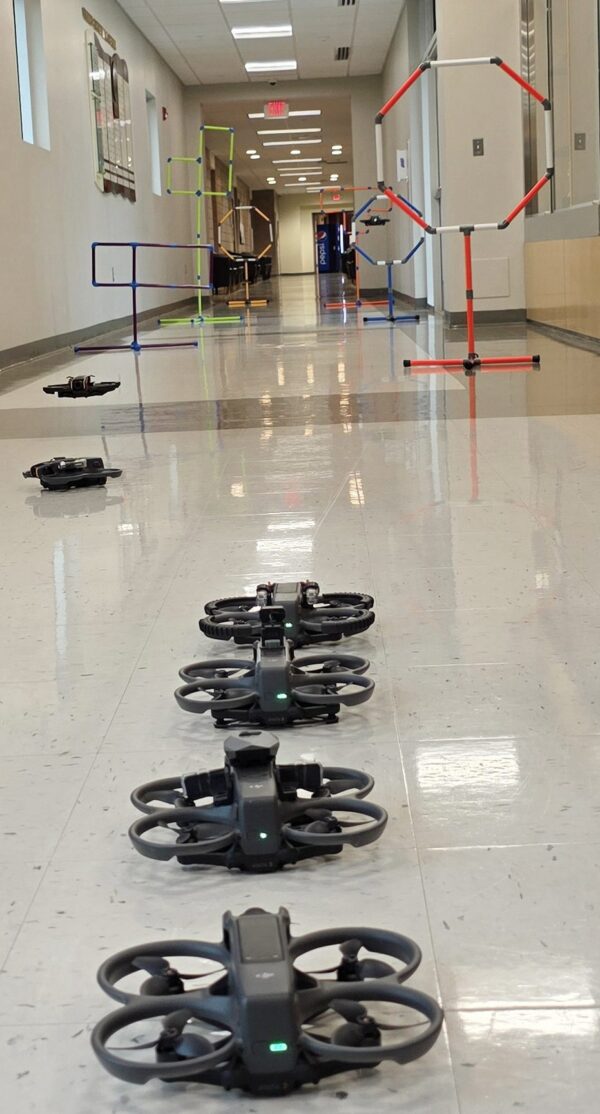
The Federal Communications Commission (FCC) is set to vote on new regulations that would open 50 MHz of low-band spectrum for commercial drone operations. This decision, announced by FCC Chairman Brendan Carr in a blog post on October 7, aims to remove existing restrictions that have hindered drone operations in the 800 MHz cellular band. The vote is scheduled for the FCC's open meeting on October 29.
This move is significant as it seeks to enhance the operational capabilities of American drone companies by providing access to additional spectrum. Carr emphasized that the current restrictions have inadvertently created barriers for drone operations, and the proposed changes are intended to modernize regulations to support U.S. drone leadership. Access to lower-frequency spectrum is particularly beneficial for reliable communications, especially for advanced operations like flights beyond visual line of sight (BVLOS).
Looking ahead, the FCC's actions will focus on spectrum regulations while ensuring that operators continue to comply with FAA flight requirements. No further timeline was disclosed at the time of publication. Additionally, the FCC will consider new restrictions on foreign electronics testing laboratories, which could impact the compliance landscape for manufacturers in the drone sector.
Editor's Note
The FCC's upcoming vote reflects a broader trend towards enhancing regulatory frameworks to support drone technology and operations. By opening additional spectrum, the FCC aims to facilitate more robust communications for drone operators, which is crucial for advanced applications. This move could also influence the competitive landscape as U.S. companies seek to leverage improved connectivity for innovative drone solutions.
Copyright Notice
This briefing is an independently written summary based on publicly available reporting and is provided for industry information and news discovery. The original report and source publication are credited and linked where applicable. RobotToday does not claim ownership of third-party source material.
Rights concerns? If you believe any material in this briefing infringes your copyright or other rights, please contact [email protected] with the relevant URL and details. We will review the matter and take appropriate action where warranted.




























Leave a comment