


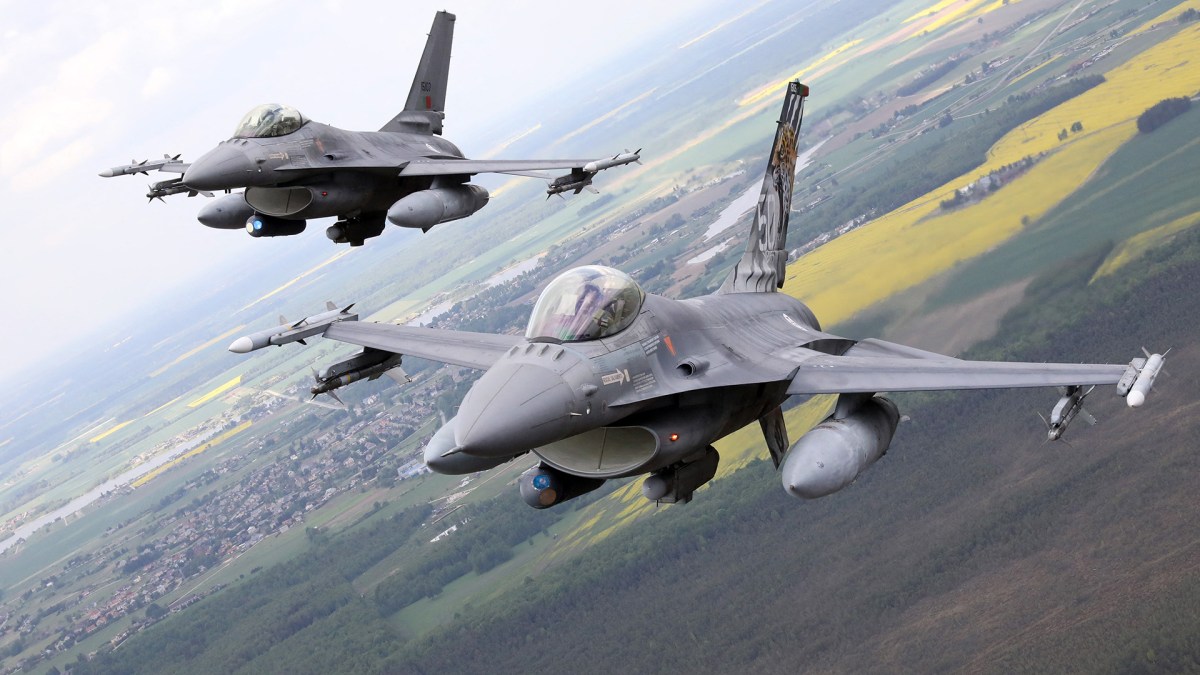
A recent report indicates that Iranian drones may have played a crucial role in tracking a U.S. Air Force F-15E Strike Eagle before its shootdown in April. According to a U.S. military official, these drones provided vital information regarding the aircraft's location, speed, and direction, aiding Iranian forces in targeting the fighter jet. This claim, reported by The New York Times, has not been independently confirmed by the Pentagon.
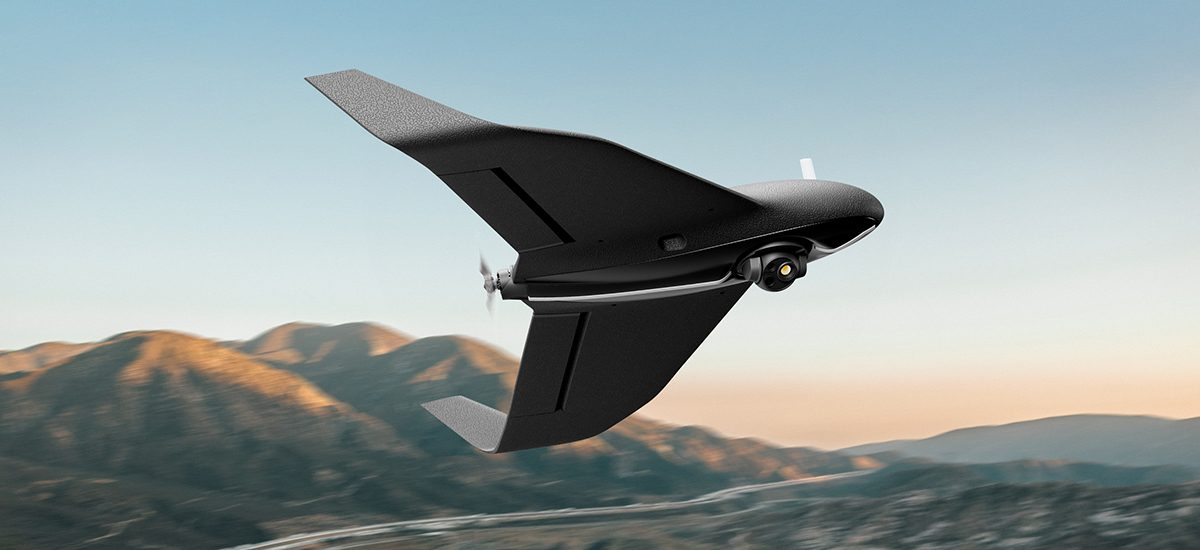
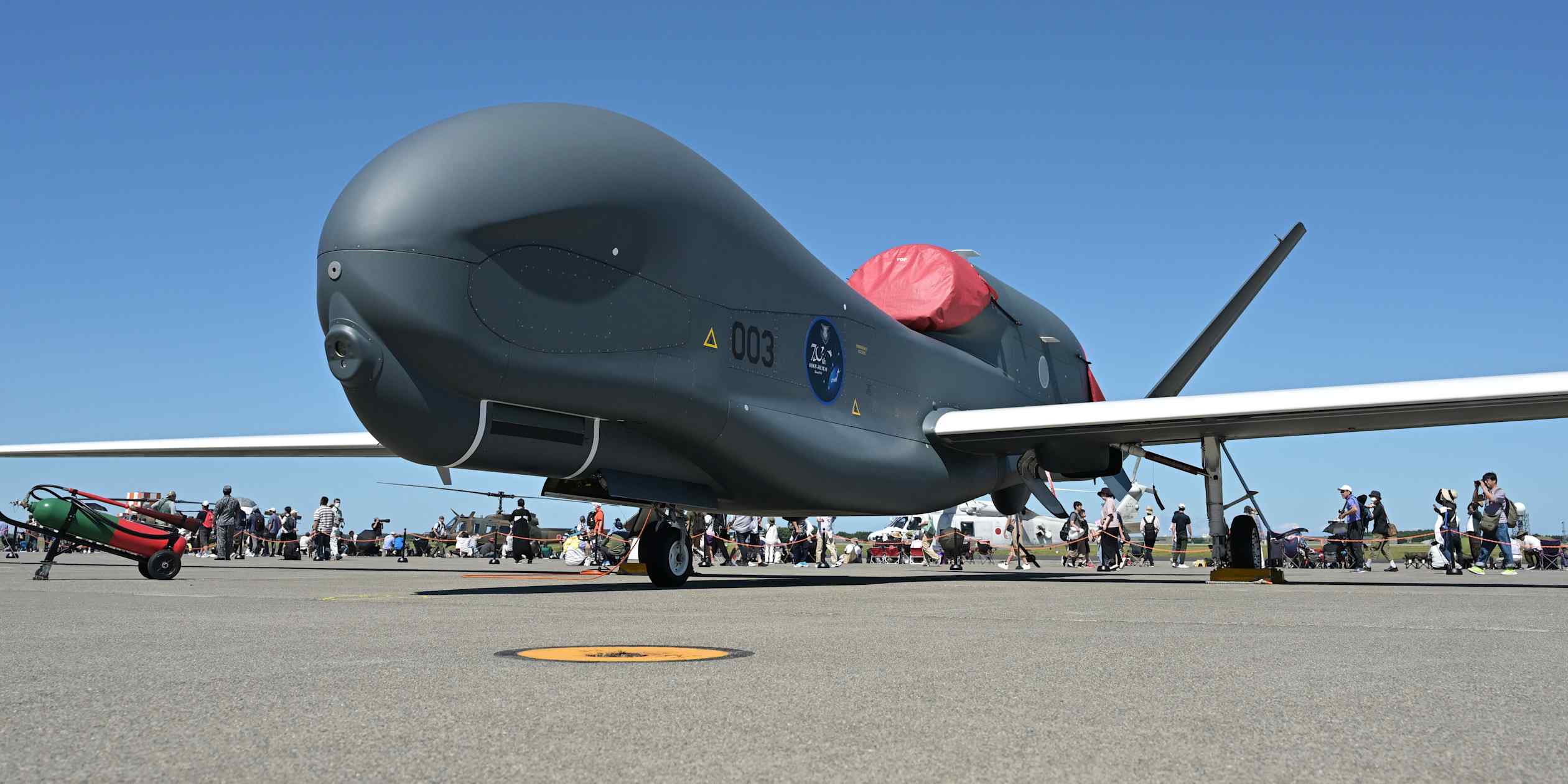
The significance of this development lies in demonstrating how cost-effective unmanned systems can enhance a compromised air-defense network. Even basic drones equipped with cameras can detect aircraft and relay their positions, allowing for improved situational awareness. The report raises questions about the sensors used by Iranian drones and how tracking data was communicated to missile units, highlighting the potential for simpler drone networks to provide effective air-defense capabilities.
Looking ahead, analysts are keen to understand the implications of this incident for military strategies involving drone technology. The concept of using inexpensive drones as disposable sensors could reshape air-defense tactics, as evidenced by their successful application in Ukraine. No further timeline was disclosed at the time of publication.
Editor's Note
The integration of drones into air-defense strategies is increasingly relevant in modern military operations. The ability of relatively low-cost unmanned systems to provide critical targeting information can significantly alter the dynamics of aerial engagements. This incident underscores the need for advanced situational awareness in air defense, particularly in environments where traditional systems may be compromised.



























Leave a comment