


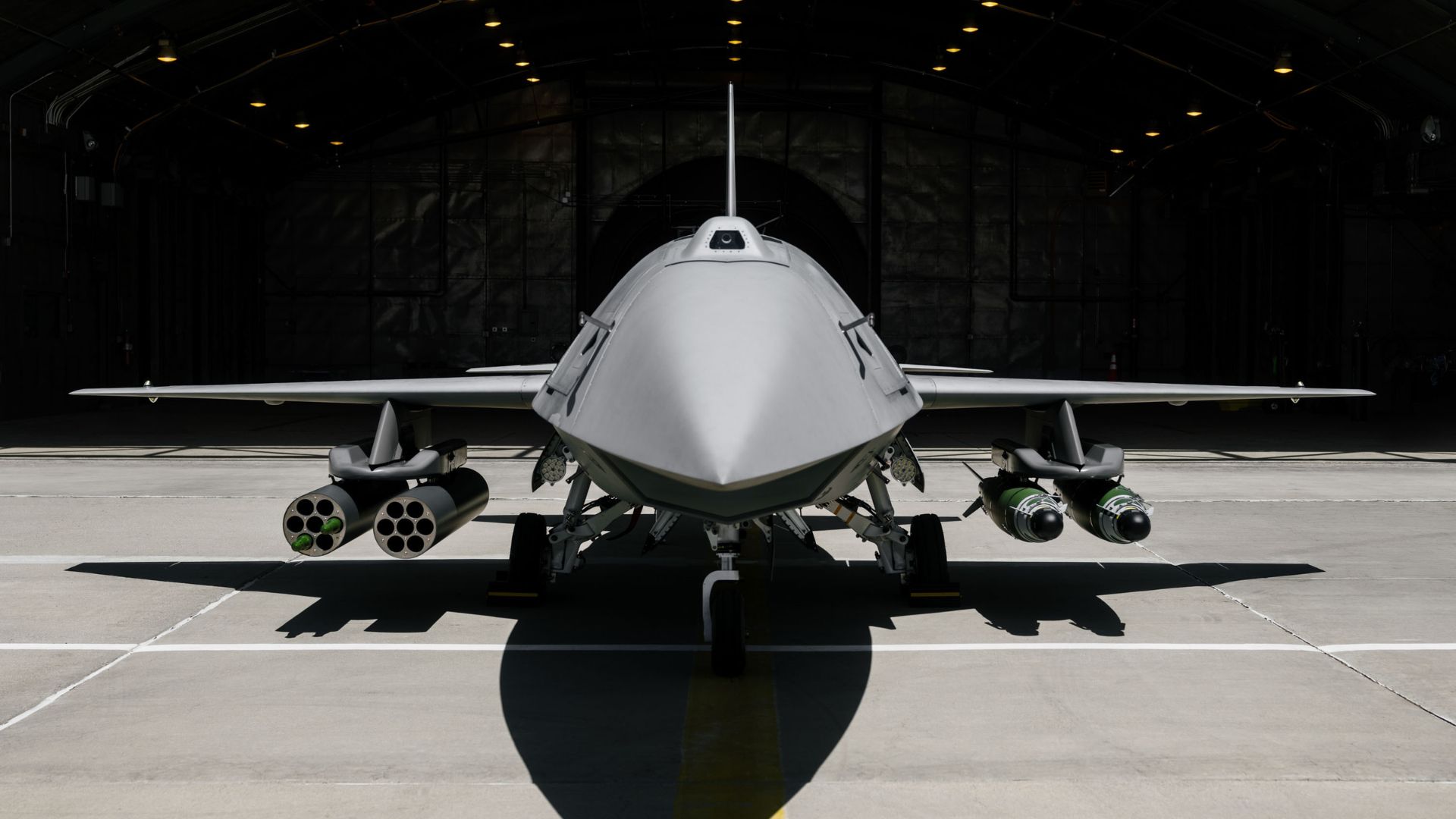
The U.S. Air Force's X-62A test jet successfully utilized its AI-driven capabilities to autonomously identify and intercept a T-38 aircraft in recent trials. This achievement marks a significant step towards enhancing the Air Force's Collaborative Combat Air (CCA) drone program, showcasing the potential for autonomous air-to-air combat.
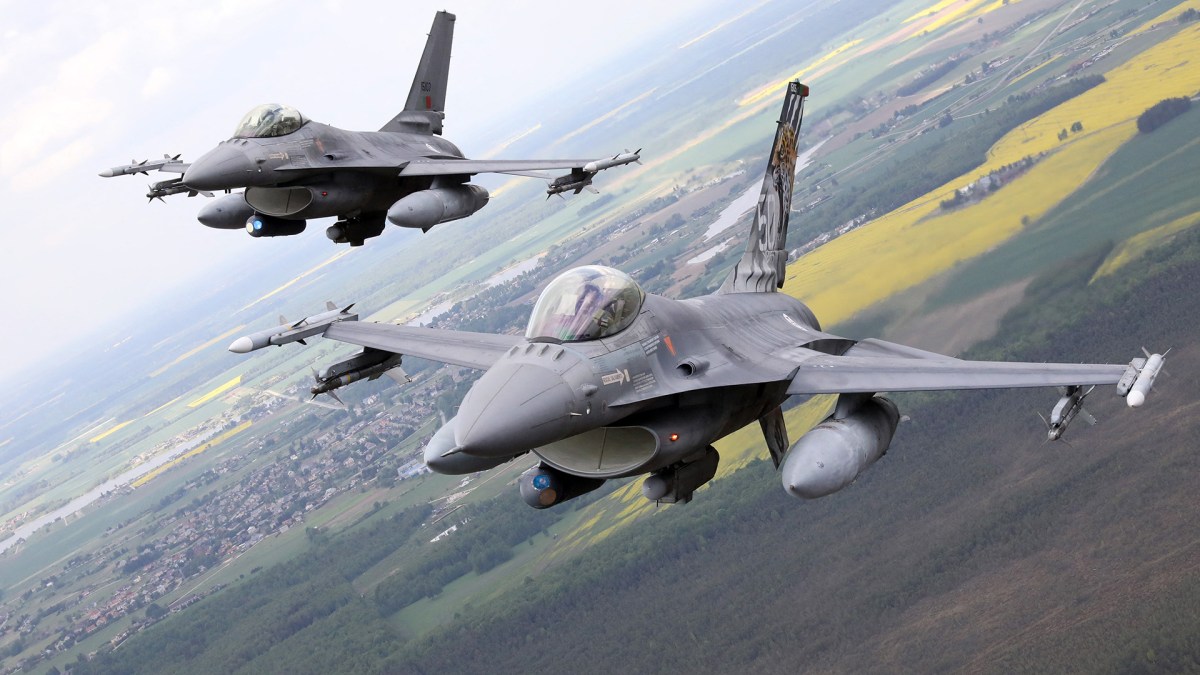
The importance of this development lies in its demonstration of advanced autonomous capabilities, which the Air Force aims to integrate into its operational fleet. The X-62A, modified from a two-seat F-16D Viper, executed 27 AI-controlled intercepts across eight flights, leveraging data from the Lockheed Martin Infrared Search and Track Legion Pod.
Looking ahead, the Air Force's ongoing efforts to refine autonomous combat systems will be crucial. The successful execution of real-time intercepts indicates progress in overcoming situational awareness challenges faced by autonomous platforms. No further timeline was disclosed at the time of publication.
Editor's Note
The advancements in autonomous air combat capabilities, as demonstrated by the X-62A, highlight a pivotal shift in military aviation technology. As the U.S. Air Force continues to explore AI integration, the implications for future combat scenarios and operational strategies are profound. The collaboration with industry partners like Lockheed Martin underscores the competitive landscape in military technology development.





























Leave a comment