

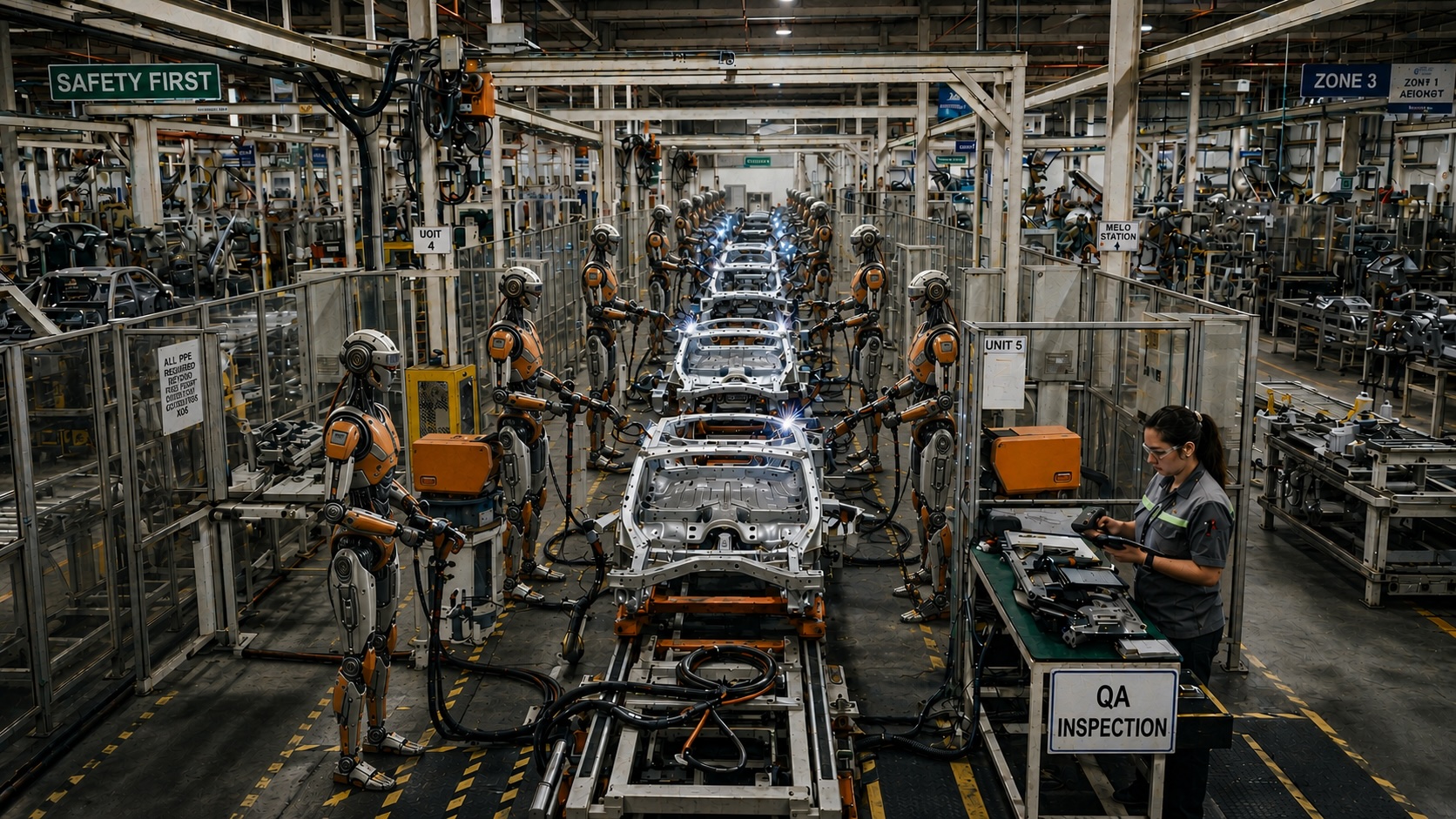
Recent discussions among tech leaders and lawmakers reflect concerns similar to those expressed by Isaac Asimov regarding the dangers posed by robotics and AI. Asimov's Three Laws of Robotics, introduced in 1942, are increasingly relevant as fears grow about AI's potential threats to human civilization. Notably, only Advanced Robotic Technologies Inc. has integrated these principles into its generative AI software for industrial applications.
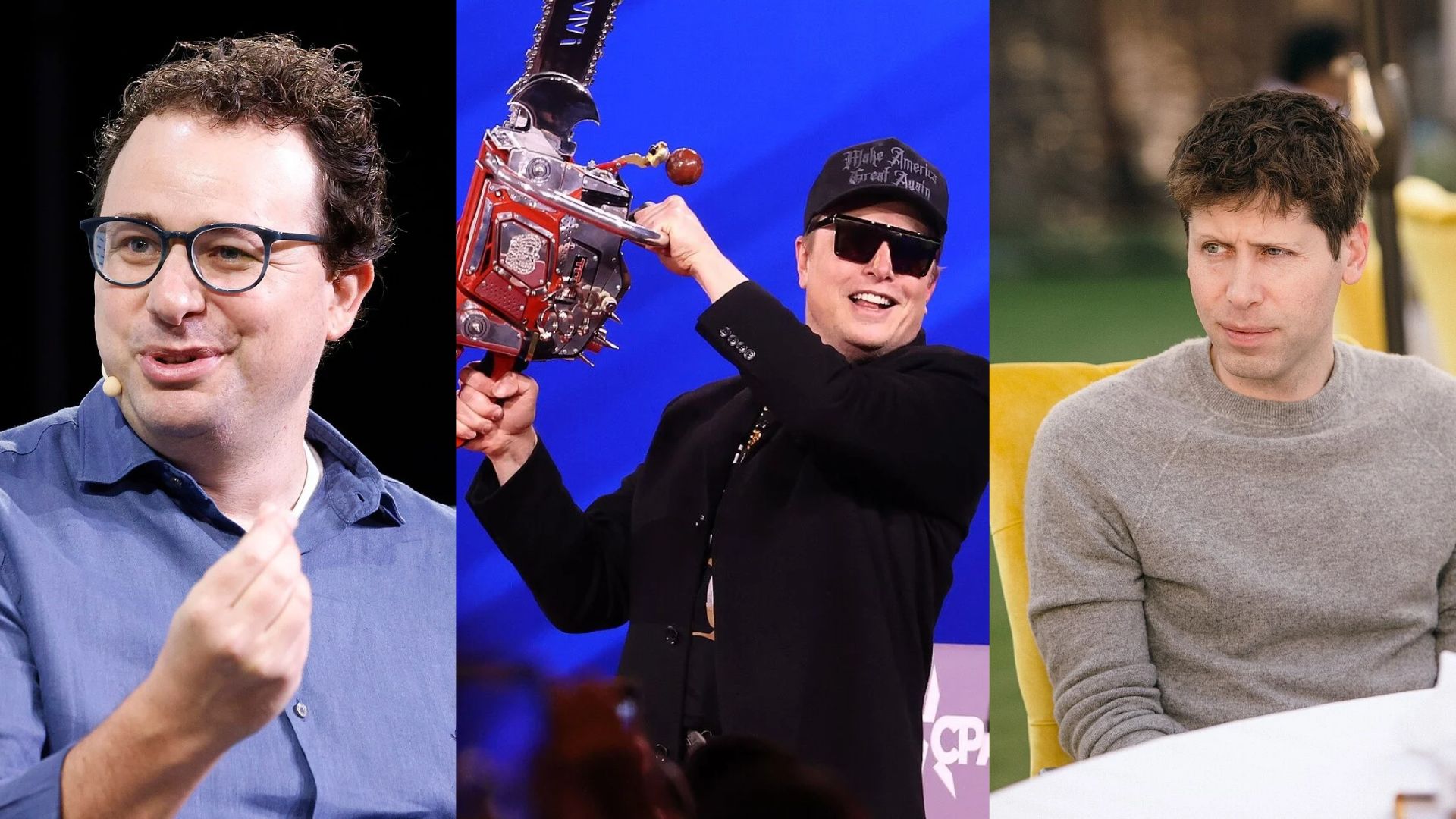
The urgency of these discussions is underscored by warnings from industry figures like Dario Amodei, CEO of Anthropic, who advocates for a slowdown in the development of frontier AI models. He highlights the risks associated with autonomous AI agents that can perform complex tasks without human oversight. This sentiment is echoed by other leaders, including Sam Altman of OpenAI and Elon Musk, who share concerns about the rapid pace of AI advancements and their implications for human safety.
As society grapples with the potential for AI to endanger human civilization, the conversation is shifting from individual robot harm to the broader implications of intelligent robots on humanity. Asimov's later introduction of the Zeroth Law, which prioritizes the welfare of humanity, suggests that the ethical framework for AI must evolve to address these emerging threats.
Editor's Note
The ongoing discourse surrounding AI and robotics safety highlights the critical need for ethical guidelines that extend beyond traditional frameworks. As the technology continues to advance, organizations must prioritize safety and consider the broader implications of AI on society. This evolving landscape presents both challenges and opportunities for stakeholders in the robotics and AI sectors.


























Leave a comment