Industry Briefing
A single destination for timely, editor-curated robotics news from around the world.
Real-Time Supply Chains Transform Industrial Real Estate and Inventory Management
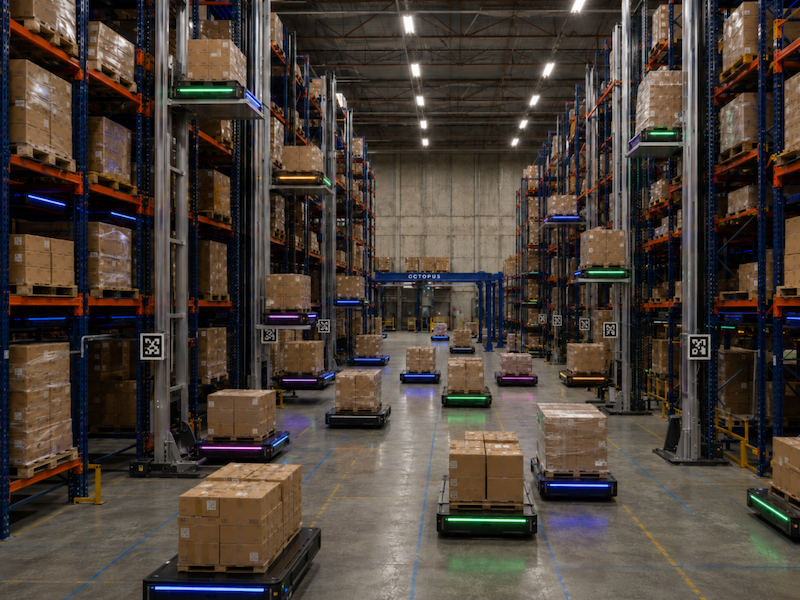
Recent advancements in predictive analytics, robotics, and data-driven logistics are reshaping industrial real estate by reducing reliance on large inventories. Traditionally, warehouses were designed to manage uncertainty through storage, but the shift towards real-time coordination is changing this paradigm. As supply chains become more connected and visibility improves, the need for extensive inventory diminishes, leading to a redesign of facilities focused on efficient operations. This transformation is significant as it alters the fundamental structure of industrial real estate, moving away from storage-heavy models to those optimized for continuous movement. Just as the introduction of standardized shipping containers revolutionized logistics, the new design principles for automation and throughput will set long-lasting standards for future infrastructure. The choice of facilities that prioritize flow over storage will influence the development of buildings, vehicles, and logistics networks for years to come. Looking ahead, the role of intermediate facilities is evolving from inventory storage to dynamic transfer points, facilitating the movement of goods between transportation modes. As data accessibility increases and transportation systems become more coordinated, the industry must adapt to these changes. No further timeline was disclosed at the time of publication.
Features Logistics Supply chain automation autonomous logistics digital twins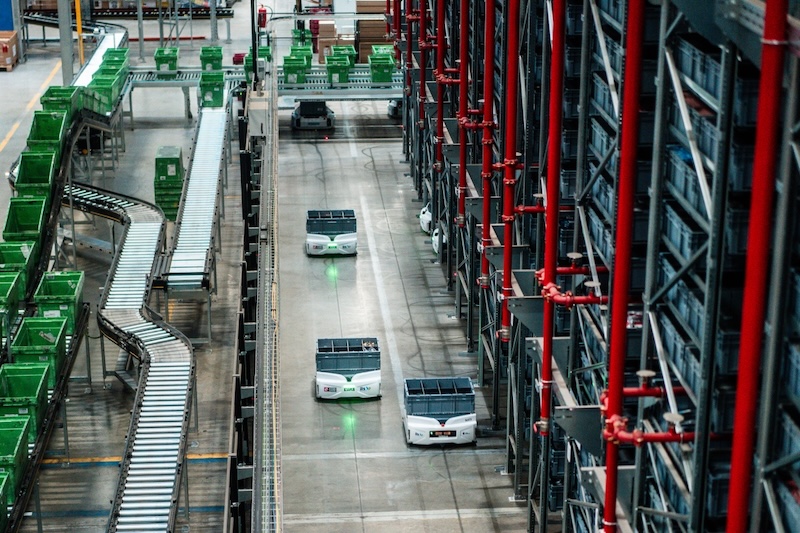
Exotec's Managing Director Discusses Key Warehouse Automation Trends for 2026
Thomas Genestar, managing director of western Europe at Exotec, emphasizes the necessity of automation and AI in logistics due to the e-commerce boom. He identifies resilience, reliability, and operational continuity as critical pillars influencing supply chain strategies for 2026 and beyond. Genestar highlights the growing adoption of Goods-to-Person (G2P) solutions, which enhance warehouse efficiency by delivering items directly to operators. This innovation reduces unnecessary movement, increases task consistency, and minimizes physical strain on workers, addressing the significant costs associated with non-automated warehouses. Additionally, he notes the shift from traditional forecasting to AI/ML models that allow for dynamic demand sensing, enabling organizations to better align production with demand. This evolution supports more sustainable and resilient supply chain practices, including improved reverse logistics inspired by e-commerce return models. No further timeline was disclosed at the time of publication.
Features Logistics ai automation circular logistics demand sensing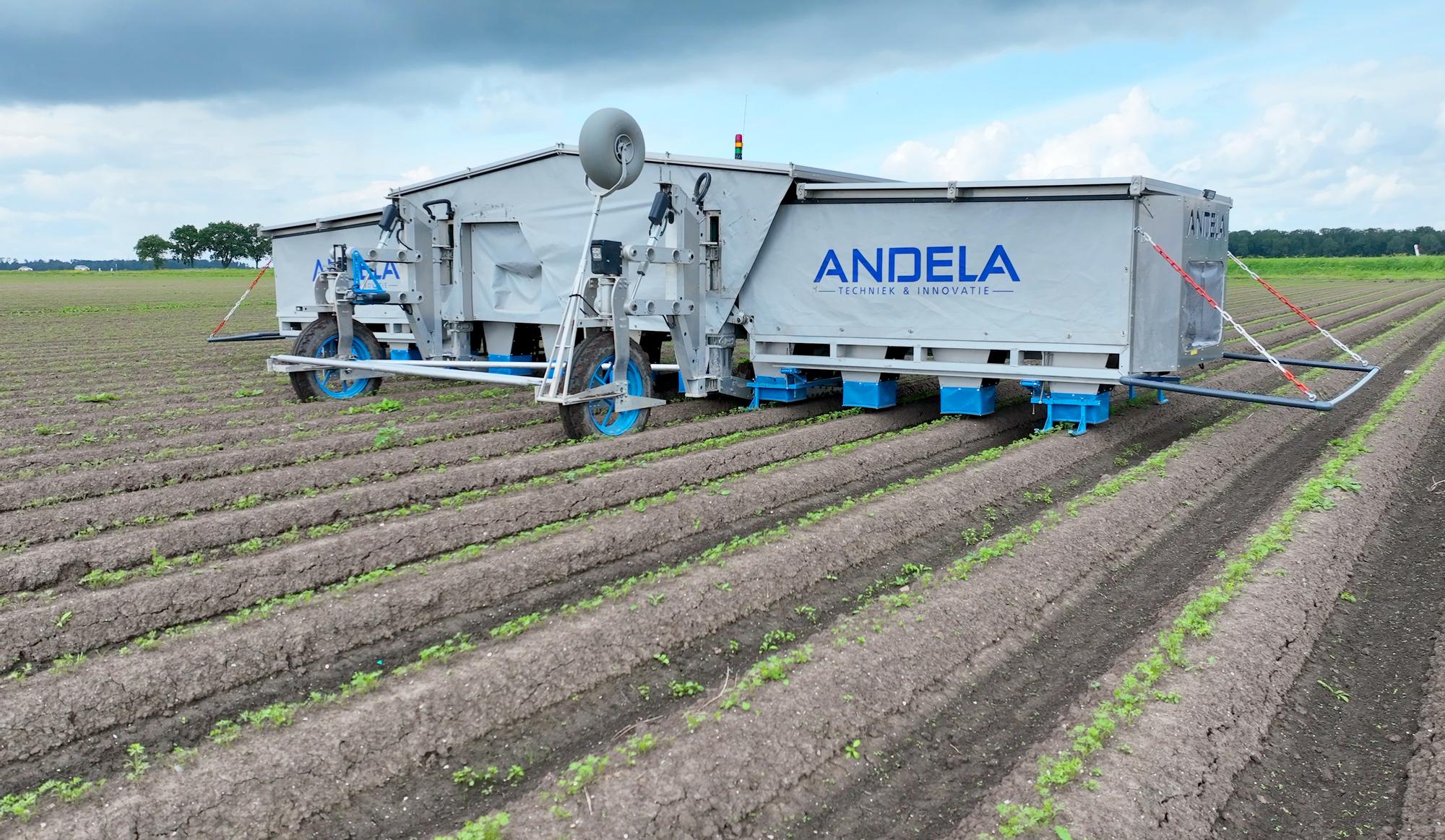
Challenges in Reducing Costs of Agricultural Robots Like the Andela Weeder
The Andela Robot Weeder is priced at approximately €800,000 (US$961,000), raising questions about the factors influencing its cost. Unlike traditional machinery, the price of agricultural robots is increasingly determined by the economic value they provide rather than manufacturing costs. This shift in perspective complicates the business case for growers, as the value derived from labor replacement and efficiency gains becomes paramount. As labor shortages and restrictions on herbicides grow, the competition landscape for agricultural robots may change significantly. Robots may not need to compete solely on price against traditional methods like chemical weed control. Instead, they could emerge as essential tools, altering the pricing dynamics in the market. While advancements in technology will likely enhance the performance of agricultural robots, this does not guarantee a decrease in their prices. The value proposition for farmers will focus more on the economic benefits rather than the cost of production, making the future of pricing in this sector uncertain. No further timeline was disclosed at the time of publication.
Crop solutions autonomous farm farm management mechanical weeder robotics weed control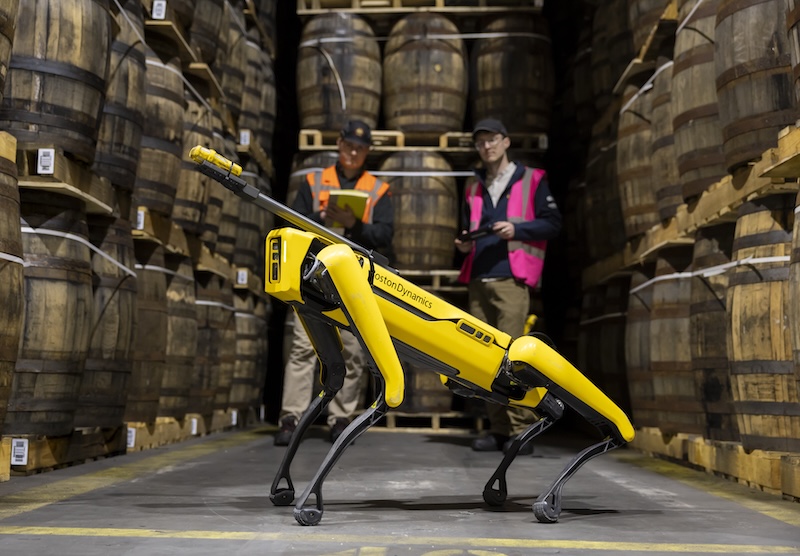
Opinion: Why robot dogs are leading the pack in factory floor efficiency
By Andrew Hamilton, head of the Digital Process Manufacturing Centre (DPMC) at the National Manufacturing Institute Scotland (NMIS) Manufacturing facilities today are sprawling, interconnected environments where equipment operates continuously and processes stretch across large physical footprints. From factory floors and plant rooms to service corridors and external assets, engineering teams need clear visibility across areas […]
Features Industry Autonomous robots boston dynamics spot digital manufacturing factory inspections
Opinion: The AI infrastructure risk robotics leaders can’t afford to ignore
The robotics industry is experiencing a significant transformation, marked by advancements in autonomous mobile robots that are now navigating warehouses with enhanced precision and intelligence. As of October 2023, industrial robots are evolving to become smarter and more adaptable, while AI-powered vision systems are revolutionizing sectors such as manufacturing, logistics, and defense. This surge in technological capabilities is driven by the increasing demand for efficiency and automation across various industries, highlighting the critical role of innovation in shaping the future of robotics.
Aircraft Artificial Intelligence Engineering Features AI deployment AI infrastructure
Subversive Capital Launches Ex-Elon ETFs Excluding Tesla and SpaceX from Major Indices
Subversive Capital has filed with the SEC for two new actively-managed ETFs, the Nasdaq-100 Ex-Elon Enterprises ETF (QQNE) and the S&P 500 Ex-Elon Enterprises ETF (SPNE). These funds aim to provide capital appreciation by excluding companies founded or led by Elon Musk, specifically targeting large-cap U.S. equities. The Nasdaq-100 ETF will notably exclude Tesla and SpaceX, which together account for approximately 8.4% of the index, while the S&P 500 ETF will reduce its total weight by about 2.2% by omitting Tesla. The introduction of these ETFs reflects a growing sentiment among investors who wish to avoid supporting Elon Musk's ventures due to personal or political reasons. According to Pew Research, 36% of Americans hold a very unfavorable opinion of Musk, indicating a significant market for investment products that align with these views. The launch comes shortly after SpaceX's inclusion in the Nasdaq-100, which was estimated to attract $4.3 billion from fund managers needing to adjust their portfolios. Looking ahead, the success of Subversive's Ex-Elon ETFs will depend on investor reception and market performance. No further timeline was disclosed at the time of publication regarding the launch date or initial performance metrics. Investors will be watching closely to see if these funds can attract significant capital and how they will perform against traditional indices that include Musk's companies.
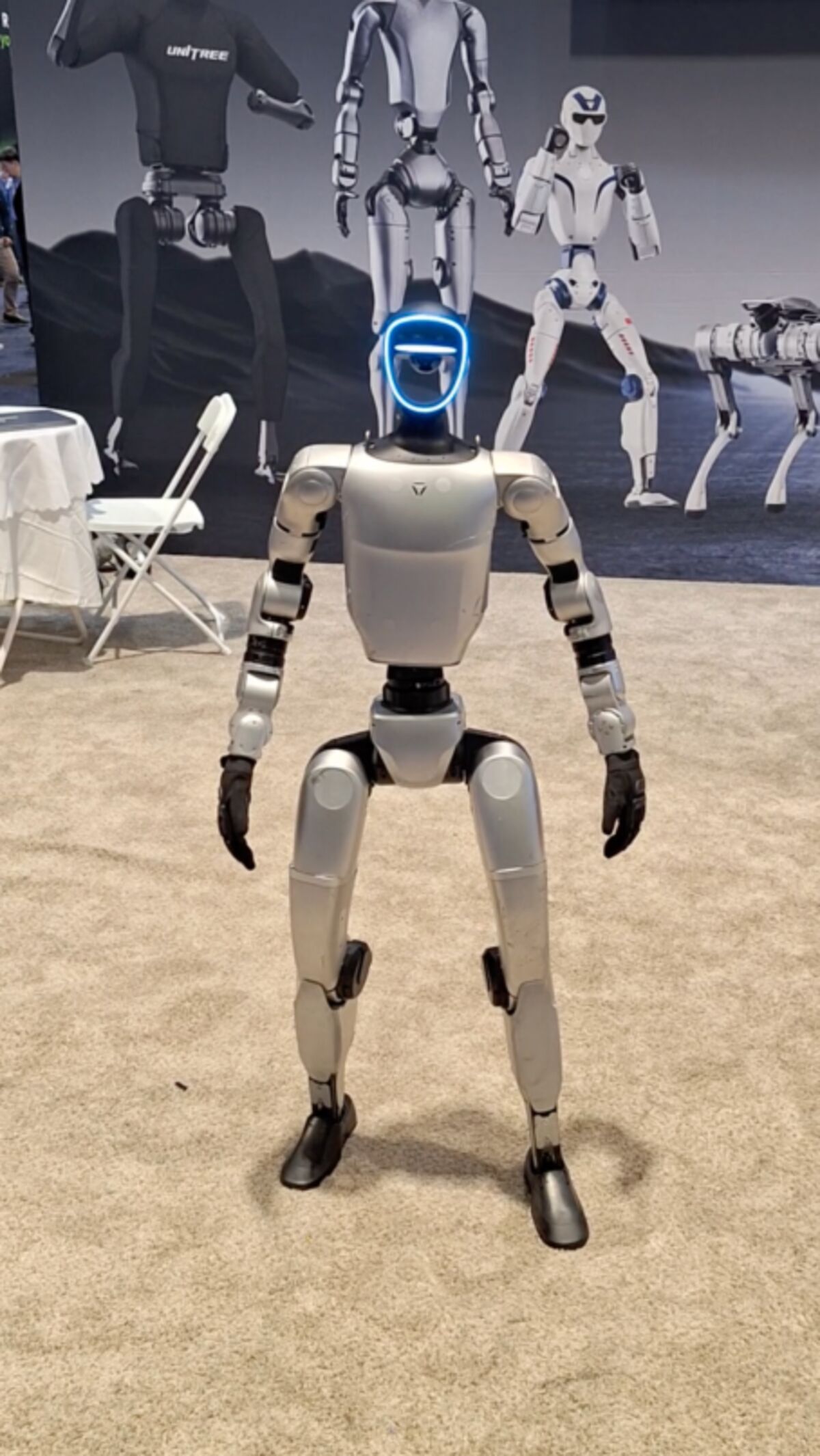
Automate Show Highlights Challenges in Robotics Adoption and Market Readiness
At the recent Automate Show, Bloomberg Opinion columnist Thomas Black observed a significant presence of robots but noted that the technology has not yet reached a stage of widespread everyday use. This event showcased various robotic innovations, yet the consensus was that substantial advancements are still required for mainstream adoption. The observations made at the Automate Show underscore the gap between current robotic capabilities and market expectations. Despite the proliferation of robotic technologies, challenges such as integration, cost, and user acceptance continue to hinder their deployment in everyday applications. This situation reflects a broader trend in the robotics industry, where enthusiasm often outpaces practical implementation. Looking ahead, industry stakeholders will need to focus on overcoming these barriers to realize the full potential of robotics. No further timeline was disclosed at the time of publication regarding specific advancements or initiatives aimed at accelerating adoption in various sectors.

Ex-Andreessen Horowitz partner slams his old firm, other VCs for 'political infiltration' around AI
John O'Farrell, a former partner at the venture capital firm Andreessen Horowitz, has raised concerns about the political action committee (PAC) Leading the Future, which is supported by his former employer. O'Farrell alleges that the PAC is engaging in tactics aimed at intimidating politicians. His comments highlight growing tensions around the influence of PACs in political discourse, particularly as they seek to sway legislative decisions and public opinion. The situation underscores the ongoing debate about the role of money in politics and the potential consequences for elected officials who may feel pressured to align with the interests of powerful backers.

Prediction: Tesla Stock Will Hit $500 on This Date
Tesla's stock, currently trading at $418.45, is projected to reach $500 by June 2026, according to analysts. This prediction comes on the heels of a strong Q1 2026 performance, where the company reported a 136% year-over-year increase in operating income, driven by significant growth in Full Self-Driving (FSD) subscriptions and a rebound in automotive gross margins. However, market sentiment remains cautious, with only a 17% probability assigned to the stock hitting $495 in the coming month due to concerns over a potential merger with SpaceX and recent insider selling. Investors are grappling with uncertainty as Tesla's shares have fluctuated, experiencing a 5.35% decline in the past week despite a recent rally. Analysts express mixed opinions, with the average price target set at $411.89, reflecting a lukewarm outlook. For Tesla to achieve the ambitious $500 target, it would require a 19.5% increase, contingent on successful Q2 deliveries, sustained FSD subscriber growth, and a clear resolution regarding the merger discussions. The company is also poised to launch several new products, including the Cybercab and Tesla Semi, which could further enhance its earnings potential. Despite the challenges, Tesla's long-term growth trajectory remains strong, with a remarkable increase of over 2,700% in the past decade, underscoring the potential for significant returns if key milestones are met.

‘Brilliant’: US public cheers dancing Unitree robots while Congress looks to ban them
A growing divide is noted between American public perception and lawmakers' views on Chinese robotics, particularly following the recent appearance of Unitree's humanoid robots on the popular television show "America's Got Talent." The performance, which showcased the G1 robots, garnered a standing ovation from the studio audience, highlighting a potential shift in mainstream acceptance of advanced robotics. This high-profile showcase occurred during the season premiere of the show, although official ratings figures have yet to be released. Analysts suggest that such visibility could influence public opinion positively, contrasting with the more cautious stance often taken by legislators regarding technology from China.

FCC swamped with angry pleas over DJI, Autel drone ban
The ongoing debate in Washington regarding Chinese drones has evolved beyond a national security issue confined to congressional hearings, now affecting the lives of thousands of Americans. This controversy touches various sectors, including employment, emergency response, agricultural operations, photography, and search-and-rescue missions. As concerns about the implications of these drones grow, individuals and businesses are increasingly voicing their opinions, highlighting the personal stakes involved in the broader discussion. The intersection of national security and local livelihoods underscores the complexity of the situation, prompting a reevaluation of policies that could impact both safety and economic stability across the country.
News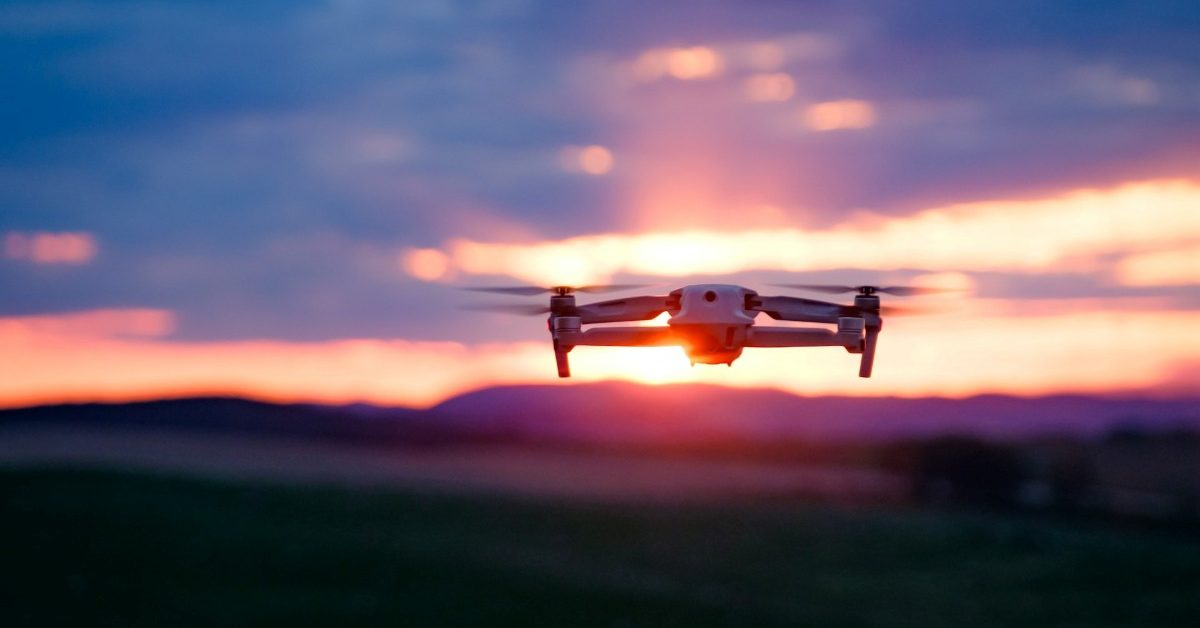
FCC’s DJI drone ban review now depends on public feedback
American drone users are facing a critical deadline to voice their opinions in a significant policy debate regarding drone regulations in the United States. As discussions intensify, stakeholders are urged to participate in shaping the future of drone usage. This policy battle, considered one of the largest in the nation’s history, highlights the growing importance of drone technology and the need for comprehensive regulations. The urgency for public input is underscored by the impending deadlines set by regulatory bodies, which aim to address safety, privacy, and operational guidelines for drone operations. Engaging in this dialogue is crucial for users who wish to influence the outcome and ensure their interests are represented in the evolving landscape of drone legislation.
News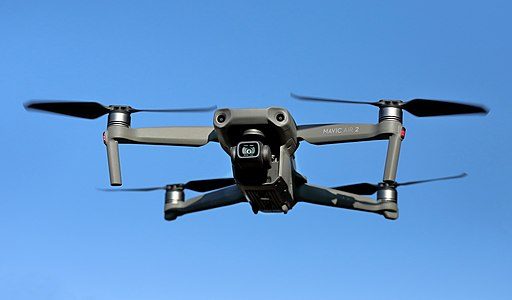
Public Comment Window Closing: FCC Weighs DJI Challenge to Covered List Ruling
The Federal Communications Commission (FCC) is currently reviewing a petition for reconsideration concerning DJI's inclusion on its Covered List, a decision that has significant implications for the U.S. drone market. Stakeholders have until May 11, 2026, to submit their comments, highlighting a growing divide over foreign drone policy and market access. This public input period is crucial as it allows various parties to voice their opinions on the regulatory framework governing drone operations in the United States. The outcome of this proceeding could reshape the landscape for foreign drone manufacturers and impact the competitive dynamics within the U.S. drone industry.
DJI Drone News Drone News Feeds Drones in the News Featured - FAA and Regulations News
With Tesla and SpaceX Using Intel’s 14A, Is INTC Stock a Buy Now as Part of an Early Bet on Its Foundry Plans?
A significant event unfolded recently as local authorities in Springfield announced a new initiative aimed at reducing traffic congestion in the downtown area. This initiative, set to launch next month, will introduce dedicated bike lanes and improved public transportation options. The decision comes in response to growing concerns from residents about increasing traffic and air pollution, which have been exacerbated by the rise in vehicle usage over the past few years. City officials, including the mayor and transportation department representatives, held a press conference to outline the details of the plan. They emphasized the importance of creating a more sustainable urban environment and enhancing the quality of life for residents. The initiative is expected to encourage more people to use alternative modes of transportation, thereby reducing the number of cars on the road. The implementation process will involve collaboration with local community groups and stakeholders to ensure that the changes meet the needs of residents. Public feedback will be solicited through town hall meetings and online surveys, allowing citizens to voice their opinions and suggestions. The city aims to create a comprehensive transportation strategy that not only addresses current issues but also anticipates future growth. As Springfield prepares for this transition, officials are optimistic that the new measures will lead to a safer, more efficient, and environmentally friendly urban landscape.

Richtech Robotics Inc. (RR) Scaling Abroad Through Strategic Collaboration
A significant event unfolded recently as local authorities announced a new initiative aimed at improving community safety. This program, which will be rolled out next month, is set to take place in various neighborhoods across the city. The initiative comes in response to rising concerns about crime rates and aims to foster a safer environment for residents. City officials, including the mayor and police chief, emphasized the importance of community involvement in the program's success. They plan to implement a series of workshops and town hall meetings to engage residents and gather feedback on safety concerns. The initiative will also involve increased police presence in high-crime areas and the establishment of neighborhood watch groups. Officials believe that by collaborating with the community, they can effectively address safety issues and build trust between law enforcement and residents. The program is expected to not only reduce crime but also enhance the overall quality of life in the city. As the launch date approaches, the city is encouraging all residents to participate in the upcoming meetings to voice their opinions and contribute to the initiative's development.

MAST Focus Forum: ”Building Resilient Societies” - Glasgow, 15–17 September 2026
Glasgow is set to host the inaugural two-day “Focus Forum,” a significant event aimed at addressing evolving international perspectives on defense and security. Scheduled to take place soon, this forum will feature a range of expert opinions and strategic plans designed to navigate the complexities of global security challenges. The initiative underscores Glasgow's reputation as a leader in defense and security innovation, highlighting the city's commitment to fostering dialogue and collaboration among key stakeholders in the field. Attendees will engage in discussions that seek to identify actionable steps necessary for adapting to the changing landscape of international security.
mast focus forum events
Would You Let Tesla Optimus Into Your Home? Privacy & Surveillance Study (2026)
A recent survey reveals that 55% of respondents are opposed to the idea of having a robot in their bedroom, highlighting a significant hesitance towards the integration of robotics in personal spaces. The study, which examined acceptance levels of robots in various household settings, found that concerns about privacy and surveillance play a crucial role in shaping public opinion. Conducted in October 2023, the research compared the acceptance of household robots like Roomba vacuums to more intimate robotic companions, indicating that while some automation is welcomed, the idea of a robot in the bedroom raises alarm for many. The findings suggest that to change minds, manufacturers may need to address these privacy concerns directly and demonstrate how such technology can enhance rather than invade personal spaces. As the conversation around robotics continues to evolve, understanding public sentiment is essential for developers aiming to create products that align with consumer comfort levels. The study underscores the need for transparency and education about the capabilities and limitations of robots in intimate environments.

Taxes Won’t Save Britain’s Productivity - but Robots Just Might
A recent opinion piece highlights the potential of robotics and artificial intelligence (AI) automation to enhance productivity in the UK. The author argues that by integrating these technologies, workers can achieve greater efficiency, allowing them to accomplish more tasks in a shorter timeframe. This perspective comes at a crucial time as the UK seeks to improve its economic performance and competitiveness in a rapidly evolving global market. The discussion emphasizes the importance of embracing technological advancements to address productivity challenges and ultimately drive economic growth. By leveraging robotics and AI, businesses can optimize operations, reduce costs, and increase output, positioning the UK for a more prosperous future.

Humanoid Robot Market Forecasts: A Landscape of High Hopes and Wide Disagreement
Recent analyses of the humanoid robot market indicate a general agreement among experts regarding key drivers such as advancements in artificial intelligence and ongoing labor shortages. However, there is significant divergence in opinions concerning the market's size, anticipated growth rates, and timelines for adoption. These discrepancies are further complicated by geopolitical factors that may influence the sector's development. As the industry evolves, stakeholders are closely monitoring these dynamics to better understand the future landscape of humanoid robotics.
market analysis market forecast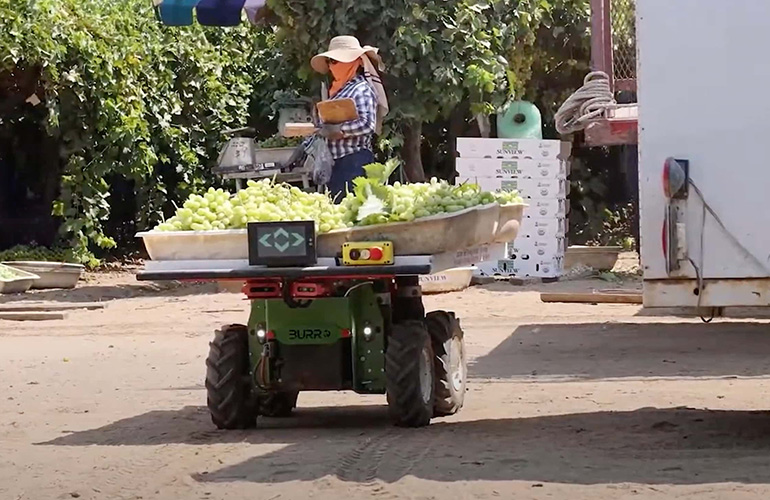
Burro AI Develops Robots for Unpredictable Outdoor Agricultural Environments
Burro AI has focused on creating robots capable of operating in unpredictable outdoor agricultural settings without fixed infrastructure. Unlike many robotics companies that optimize for controlled environments, Burro faced the challenge of real-world deployment from the outset, learning to adapt to environmental variability and user dependency on their systems. The significance of this approach lies in the understanding that agricultural workers have zero tolerance for unreliability. As customers begin to depend on autonomous systems, their expectations shift rapidly from novelty to necessity, demanding high reliability that lab environments often cannot replicate. Looking ahead, Burro AI's commitment to addressing real-world challenges in outdoor conditions will be crucial. The company recognizes that successful robots must be engineered to handle diverse environmental factors, which requires continuous learning and adaptation rather than reliance on simulation models. No further timeline was disclosed at the time of publication.
Agriculture Autonomous Mobile Robots (AMRs) Construction Industrial Robots Logistics Mobility / Navigation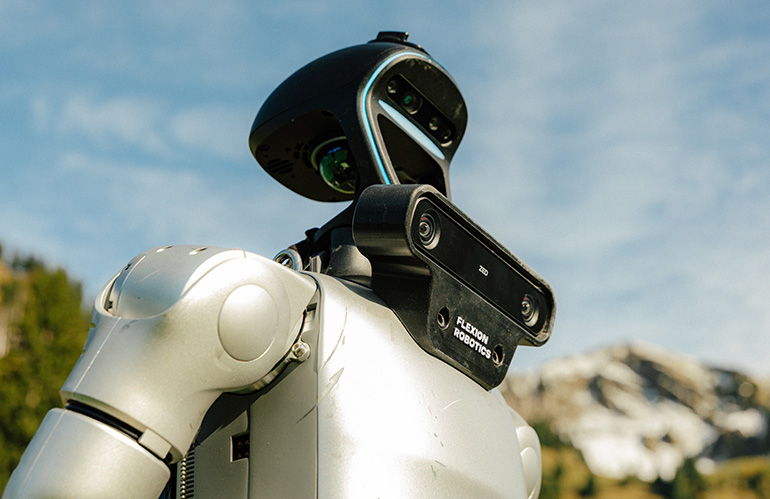
Flexion Develops Reinforcement Learning Platform to Address Teleoperation Issues in Robotics
Flexion is developing a reinforcement learning and sim-to-real platform specifically for humanoid robots. Over the past 18 months, humanoid robotics companies have raised billions, primarily funding human operators to manage robots, which has led to a teleoperation and data challenge within the industry. This reliance on teleoperation as a labor solution raises concerns about the long-term viability of training physical AI systems. The assumption that enough human demonstrations will enable robots to generalize across environments is questionable, especially given that teleoperation datasets are significantly smaller than those used for training language models, creating a growing data gap. Looking ahead, the industry must address the limitations of teleoperation and the dependency on human input for robot training. If humanoid robots require continuous human demonstrations, the original vision of automation may be compromised. No further timeline was disclosed at the time of publication.
Artificial Intelligence Artificial Intelligence / Cognition Controllers Development Tools / SDKs / Libraries Humanoids News
Maximo's Founder Discusses Robotics Advancements in Solar Panel Installation
In Episode 253 of The Robot Report Podcast, Deise Yumi Asami, founder of Maximo, discusses how her AI-enabled robotics startup is enhancing solar panel installation. By integrating robotics, AI vision, and smart field deployment, Maximo aims to make the process faster, safer, and more efficient, significantly impacting renewable energy infrastructure. This innovation is crucial as it addresses the growing demand for renewable energy solutions. Yumi Asami's insights highlight the role of advanced technologies in transforming utility-scale solar construction, showcasing how automation can streamline operations and improve safety in the energy sector. Listeners should watch for further developments from Maximo and AES Corp as they continue to pioneer energy solutions. No further timeline was disclosed at the time of publication.
6-Axis Artificial Intelligence Autonomous Mobile Robots (AMRs) Energy / Solar / Renewables News Opinion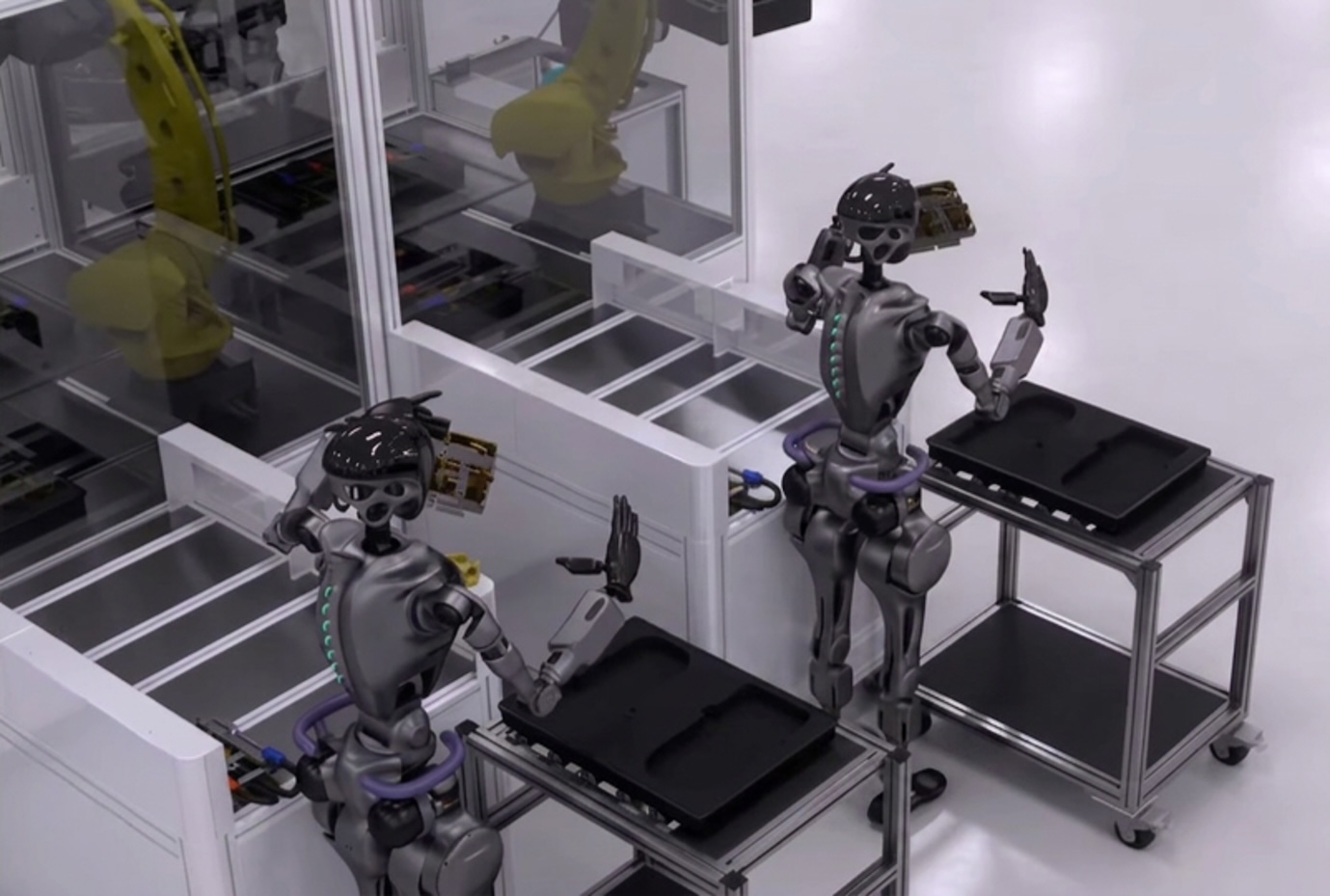
Challenges Faced by Military Forces in Securing the Strait of Hormuz
The article discusses the difficulties faced by military forces in securing the Strait of Hormuz against threats from Iran, a nation without a conventional navy. Despite being the world's most powerful military, the challenges stem from asymmetric warfare tactics employed by Iran, which complicate traditional military responses. The significance of this issue lies in the Strait of Hormuz being a critical chokepoint for global oil shipments, making its security vital for international trade and energy supply. The inability to effectively secure this strategic waterway raises concerns about potential disruptions and escalations in regional tensions. Looking ahead, observers should monitor developments in military strategies and diplomatic efforts aimed at enhancing security in the Strait. The evolving nature of threats and responses will be crucial in determining the effectiveness of military operations in this vital region. No further timeline was disclosed at the time of publication.
Naval Warfare Opinion convoy escort counter-drone Mark Cancian Middle East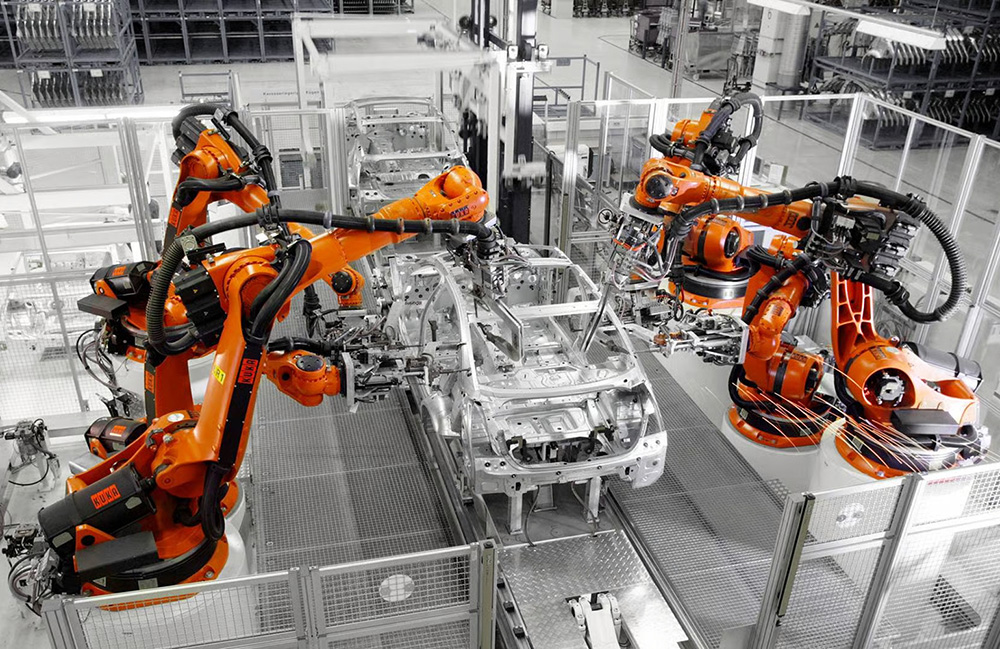
KUKA Addresses Upcoming ISO 10218:2025 Robot Safety Standards and Market Implications
KUKA, a leading robotics provider for the automotive sector, is responding to increasing inquiries regarding the updated ISO 10218 safety standard. This standard, which will become mandatory under the new European Machinery Regulation by 2027, is crucial for CE-marked industrial robots. The transition may be delayed due to weak manufacturing demand and cost pressures on SMEs, raising concerns about supplier readiness. The significance of the ISO 10218:2025 update lies in its potential to enhance the competitive position of established vendors while posing market access risks for less prepared suppliers. The current Machinery Directive will be replaced by the Machinery Regulation EU 2023/1230, effective January 20, 2027. However, the timeline for the formal listing of the new standard in the Official Journal of the European Union remains uncertain, which could impact compliance timelines for manufacturers. In the U.S., the updated R15.06-2025 safety standard, released in September 2025, aligns with international standards but remains voluntary. Despite this flexibility, major customers often require compliance, and non-adherence can lead to penalties. As the European market faces subdued demand, suppliers that effectively manage the transition to the new safety standards will be better positioned to meet the needs of a safety-conscious customer base as demand recovers.
Manufacturing News Opinion Regulatory & Compliance Safety & Security association for advancing automation
SoftServe Introduces Virtual Gyms for Enhanced Robotics Training and Deployment
SoftServe has highlighted the importance of 'virtual gyms' for robotics teams, emphasizing their role in preparing robots for dynamic environments. These high-fidelity simulation environments allow robots to train, fail, and recover safely before real-world deployment, addressing the challenges posed by unpredictable operational conditions. The global robotics market is projected to grow at a 19.6% CAGR from 2026 to 2036, underscoring the need for effective training solutions like virtual gyms to enhance robotic autonomy and performance. The shift from programmed automation to physical AI necessitates that robots adapt to constantly changing environments, which traditional training methods struggle to accommodate. Virtual gyms integrate technologies such as digital twins, reinforcement learning, and sensor modeling to provide a comprehensive training platform. This approach mitigates the risks and costs associated with real-world trials, enabling teams to generate valuable training data in a controlled setting, thus improving deployment success rates. Looking ahead, the adoption of virtual gyms is expected to become a standard practice in robotics development, as they offer a solution to the simulation-to-reality gap. No further timeline was disclosed at the time of publication, but the increasing complexity of robotic tasks suggests that the demand for such training environments will continue to rise as the industry evolves.
Artificial Intelligence Artificial Intelligence / Cognition Autonomous Mobile Robots (AMRs) Development Tools / SDKs / Libraries Industrial Robots Logistics
Path Robotics Enhances Welding Efficiency with AI and Boston Dynamics Robots
In a recent episode of The Robot Report Podcast, Andy Lonsberry, co-founder and CEO of Path Robotics, detailed the company's innovative approach to robotic welding. Based in Columbus, Ohio, Path Robotics utilizes AI to optimize the welding process by identifying torch paths and employing real-time vision guidance. This technology aims to streamline operations in manufacturing environments, addressing longstanding challenges in the industry. The significance of Path Robotics' advancements lies in their application of physical AI to enhance robotic systems. By integrating AI-driven solutions, the company is not only improving the efficiency of welding operations but also expanding the capabilities of robots in complex production settings. The deployment of Boston Dynamics' Spot robots for mobile welding applications in shipbuilding further exemplifies the potential of combining AI with robotics to tackle industry-specific challenges. Looking ahead, the focus will be on the continued integration of AI in robotic systems and the potential for further advancements in welding technology. No further timeline was disclosed at the time of publication, but the ongoing development in this area suggests a promising future for AI-enhanced manufacturing solutions.
Artificial Intelligence Assembly Cameras / Imaging / Vision Controllers Humanoids Manufacturing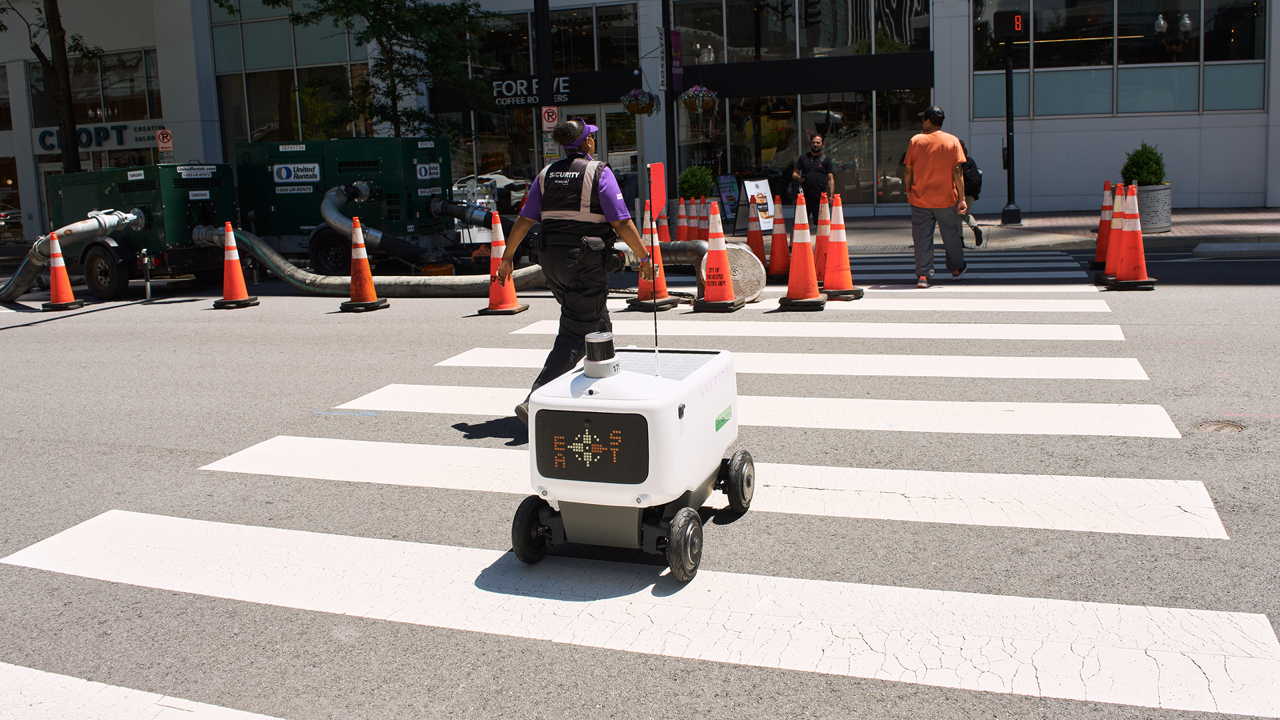
Context is king: How Avride uses cloud VLMs as a safety net for delivery robots
Avride is enhancing the environmental awareness of its delivery robots by utilizing vision-language models (VLMs). This innovative approach aims to improve the safety and efficiency of the robots as they navigate various environments. By integrating cloud-based VLM technology, Avride is able to provide its robots with a better understanding of their surroundings, enabling them to respond more effectively to dynamic conditions. The implementation of these advanced models is part of Avride's ongoing efforts to ensure safer delivery operations and to adapt to the complexities of real-world environments.
Artificial Intelligence Artificial Intelligence / Cognition Autonomous Mobile Robots (AMRs) Logistics Mobility / Navigation News
Automate 2026 show recap
Editors Steve Crowe, Mike Oitzman, and Sarah Wynn provided an insightful analysis of Automate 2026, focusing on significant trends in physical artificial intelligence, humanoid robotics, and software orchestration. Their review highlights the advancements and innovations showcased at the event, reflecting the evolving landscape of automation technology. The analysis aims to inform industry stakeholders about the implications of these trends for future developments in robotics and automation. The recap serves as a valuable resource for understanding how these technologies are shaping various sectors and the potential impact on the workforce.
Artificial Intelligence Business Resources Controllers Educational Events Humanoids
Insights behind Kinisi’s acquisition by Bear Robotics
Brennand Pierce, the founder and CEO of Kinisi Robotics, recently shared insights into the company’s innovative approach to physical artificial intelligence following its acquisition by Bear Robotics. This strategic move aims to enhance Bear Robotics' capabilities in the rapidly evolving field of robotics, particularly in applications that require advanced physical interaction. The acquisition, which underscores the growing interest in AI-driven robotics, is expected to bolster Bear Robotics' position in the market. Pierce highlighted the synergies between the two companies, emphasizing how Kinisi's technology will complement Bear Robotics' existing products and services. The deal marks a significant step in the integration of physical AI into everyday robotic applications, paving the way for more sophisticated and efficient robotic solutions.
Artificial Intelligence Business Resources Controllers Humanoids News Opinion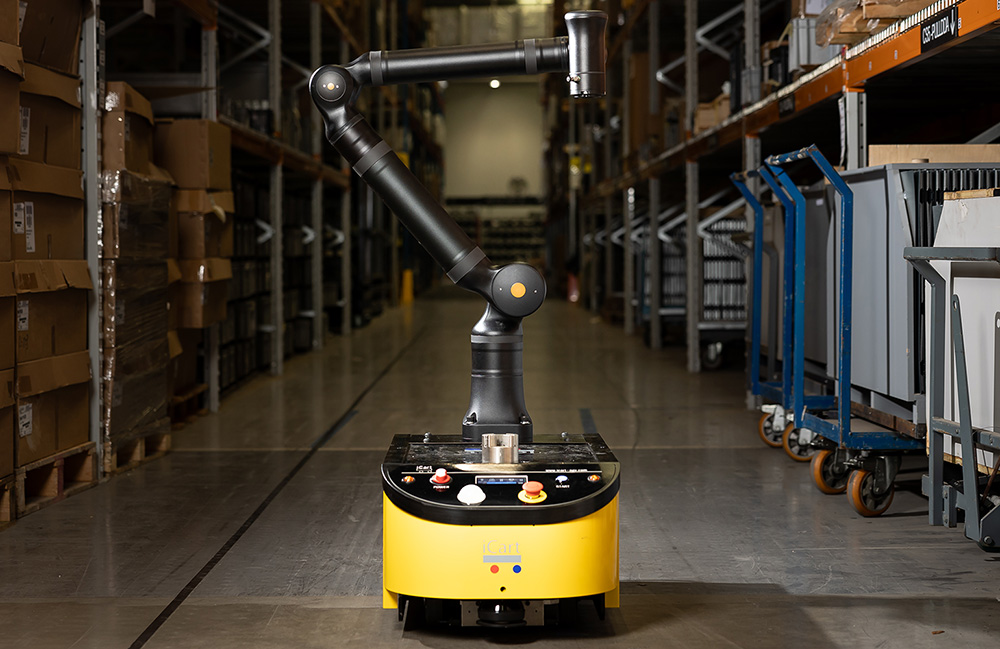
How compact cobot integration enhances autonomous mobile robot applications
The integration of collaborative robots, or cobots, is significantly transforming the warehousing industry, with projections indicating a tenfold increase in their usage from 2018 to 2025, according to industry expert Kassow. This surge in adoption highlights the growing reliance on automation to enhance efficiency and productivity in logistics operations. As businesses seek to streamline processes and reduce labor costs, cobots are becoming essential tools for complementing autonomous mobile robots in various applications. The advancements in technology and the increasing demand for flexible automation solutions are driving this trend, positioning cobots as a key component in the future of warehousing.
Autonomous Mobile Robots (AMRs) Cobot Arms Collaborative Robots Controllers Logistics News![Frank Kendall on the trouble with banning autonomous weapons [Book excerpt]](/assets/images/default_feed_32.jpg)
Frank Kendall on the trouble with banning autonomous weapons [Book excerpt]
In a recent book excerpt, former Air Force Secretary Frank Kendall explores the potential for effective arms control measures to be implemented for autonomous systems. This discussion comes amid growing concerns about the rapid development and deployment of such technologies in military applications. Kendall's insights aim to address the challenges and implications of regulating autonomous weapons, emphasizing the need for a robust framework to ensure safety and accountability. As nations increasingly invest in advanced military capabilities, the conversation around arms control for these systems becomes increasingly urgent. The excerpt highlights the complexities involved in establishing regulations that can keep pace with technological advancements while promoting international stability.
Opinion AI & Autonomy autonomy darpa Drones Frank Kendall
Deep dive into ARM’s physical AI and robotics strategies with Drew Henry
Drew Henry, a representative from ARM, recently shared insights into the evolving landscape of physical AI, robotics, and autonomous systems, emphasizing their development to meet real-world challenges. In a detailed discussion, Henry outlined ARM's strategic approach to integrating advanced technologies in these fields, highlighting the necessity for systems that can operate effectively within the constraints of everyday environments. This conversation comes at a time when the demand for intelligent automation solutions is rapidly increasing, driven by the need for efficiency and innovation across various industries. The dialogue took place in a recent interview featured on The Robot Report, showcasing ARM's commitment to pioneering advancements in robotics and AI.
Artificial Intelligence Business Resources Controllers Development Tools / SDKs / Libraries Logistics Materials
Why physical AI 2.0 needs a reality check
A columnist emphasizes the importance of physical state recovery in the development of physical AI, arguing that while vision and language capabilities are crucial, enabling robots to effectively interact with their environment is essential for the next generation of AI technology. The commentary highlights the need for a realistic assessment of these advancements, suggesting that without addressing the physical aspects of AI, progress may be hindered. This perspective was shared in a recent article on The Robot Report, underscoring the ongoing discourse surrounding the evolution of robotics and artificial intelligence.
Artificial Intelligence Artificial Intelligence / Cognition Autonomous Mobile Robots (AMRs) Cameras / Imaging / Vision Humanoids Mobility / Navigation
Modernizing the global economy with industrial robotics is needed but not inevitable
A recent column highlights the increasing adoption of service robotics alongside the rising demand for industrial automation, which is encountering significant challenges. The piece emphasizes the necessity of modernizing the global economy through the integration of industrial robotics. However, it also points out that this transformation is not guaranteed, suggesting that while the potential for advancement exists, various obstacles must be addressed to achieve widespread implementation. The commentary reflects on the current state of the robotics industry and the complexities involved in evolving industrial practices to meet contemporary economic needs.
Analysis China Defense / Security Educational Industrial Robots Manufacturing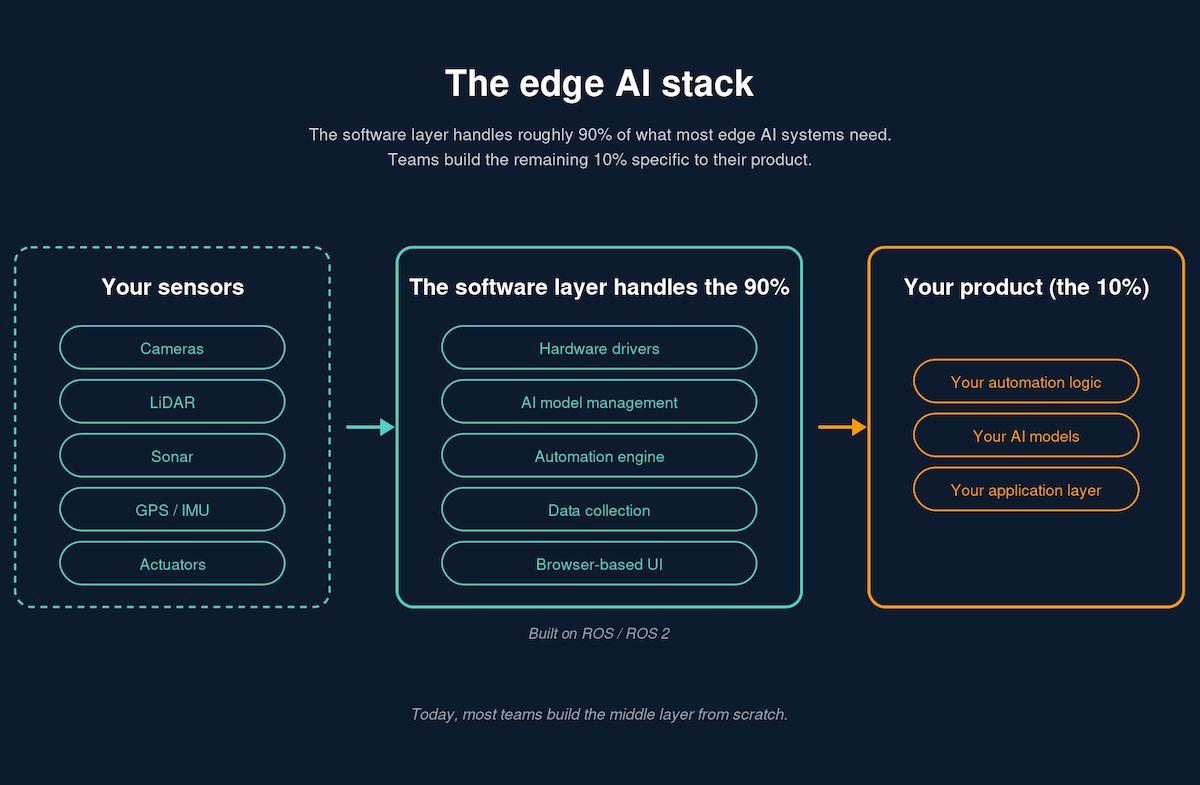
Windows for robots: Edge AI expands usability
A significant shift in accessibility for robotics is underway, reminiscent of the transformation brought by Windows for personal computers. Edge AI technology is enabling a broader range of users, beyond just engineers and computer scientists, to engage with and utilize robotic systems. This development is poised to democratize robotics, making it more user-friendly and accessible to individuals with varying levels of technical expertise. As Edge AI continues to evolve, it is expected to enhance the usability of robots across various sectors, fostering innovation and expanding the potential applications of robotic technology. This trend marks a pivotal moment in the integration of advanced technology into everyday use, potentially revolutionizing industries and everyday tasks.
Artificial Intelligence Controllers Maritime Microprocessors / SoC News Opinion
AI in warehousing: Akash Gupta’s vision for the future
GreyOrange is leading a transformation in warehouse automation through its innovative software that leverages artificial intelligence to create dynamic and predictive logistics ecosystems. This advancement, championed by CEO Akash Gupta, aims to enhance efficiency and adaptability in supply chain operations. By integrating AI into warehousing processes, GreyOrange is addressing the growing demand for smarter logistics solutions, particularly in an era where rapid delivery and operational flexibility are paramount. The company's approach not only streamlines warehouse management but also positions it at the forefront of the evolving landscape of logistics technology. As businesses increasingly seek to optimize their operations, GreyOrange's vision for the future of warehousing highlights the critical role of AI in shaping more responsive and intelligent supply chains.
Artificial Intelligence Business Resources Logistics News Opinion Podcast
Robotics will not have a clean Llama moment
In the evolving field of robotics, experts suggest that a significant breakthrough will not simply be the availability of downloadable policies for robotic systems. Instead, the true milestone will occur when teams can effectively adapt these policies to their specific robots, integrate them into customer processes, and subsequently analyze failures that arise weeks later when production halts. This insight highlights the ongoing challenges in robotics, emphasizing the need for robust adaptability and failure analysis in automated systems. The discussion reflects broader concerns within the industry about achieving seamless integration and operational reliability in robotic applications.
Analysis Artificial Intelligence News Opinion
Robots can enhance manufacturing workers rather than replace them
In a recent statement, the president of ONE Holdings emphasized the potential of robotics to enhance manufacturing processes rather than replace human workers. This assertion highlights the importance of integrating advanced artificial intelligence, teleoperation technologies, and robust safety measures in the manufacturing sector. The discussion comes at a time when industries are increasingly exploring automation solutions to improve efficiency and productivity. By leveraging these technologies, companies can create a more collaborative environment where robots assist rather than supplant the workforce, ultimately leading to greater opportunities in manufacturing. The insights shared reflect a growing trend towards embracing innovation while prioritizing the role of human labor in the evolving landscape of production.
Artificial Intelligence Artificial Intelligence / Cognition Assembly Collaborative Robots Controllers Food / Beverage
Why deterministic real-time systems are more critical than ever in robotics
Winston Leung recently highlighted the significance of QNX in the fields of robotics and artificial intelligence during a discussion centered on safety, innovation, and emerging industry trends. His insights underscore the increasing importance of deterministic real-time systems in robotics, particularly as the demand for reliable and efficient technology continues to grow. This conversation, featured in a post on The Robot Report, reflects the evolving landscape of robotics and the critical role that advanced operating systems play in ensuring both safety and performance in automated systems. As industries increasingly adopt AI-driven solutions, the need for robust and responsive systems like QNX becomes paramount to meet the challenges of modern robotics.
Artificial Intelligence Business Resources News Opinion Podcast Robots / Platforms
2026 Robotics Summit & Expo Recap
This week, The Robot Report editorial team provided a recap of the recent Robotics Summit & Expo held in Boston. The event showcased the latest advancements in robotics technology and brought together industry leaders, innovators, and enthusiasts to discuss emerging trends and applications. The summit served as a platform for networking and collaboration among professionals in the field, emphasizing the importance of robotics in various sectors. Attendees engaged in discussions about the future of robotics and its potential impact on industries ranging from manufacturing to healthcare. The recap highlights key takeaways and insights from the event, underscoring the growing significance of robotics in today’s technological landscape.
Events News Opinion Podcast GM Intrinsic
Why robots still struggle to see the real world
Orbbec co-founder emphasizes that enhancing machine perception for practical applications necessitates more than advancements in artificial intelligence; it also demands the use of accurately calibrated sensors. This insight highlights the ongoing challenges robots face in effectively interpreting their environments. The discussion sheds light on the complexities involved in developing reliable robotic vision systems, which are crucial for their successful deployment in real-world scenarios. The commentary reflects the current state of technology as of October 2023, underscoring the need for a multi-faceted approach to improve robotic capabilities.
Artificial Intelligence Artificial Intelligence / Cognition Autonomous Mobile Robots (AMRs) Cameras / Imaging / Vision Healthcare Robotics Logistics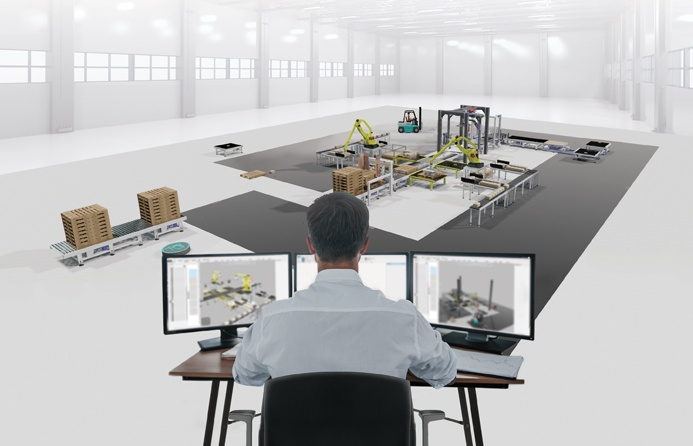
Simulation vs. digital twin: A strategic lens on virtual manufacturing
Visual Components has highlighted the advantages of digital twins and simulation technologies for manufacturers involved in system design and integration, particularly in automation. The discussion, featured in a recent post titled "Simulation vs. Digital Twin: A Strategic Lens on Virtual Manufacturing," emphasizes how these tools can enhance efficiency and accuracy in manufacturing processes. By leveraging virtual models, companies can optimize their operations, reduce costs, and improve overall productivity. The insights shared aim to guide manufacturers in making informed decisions about adopting these technologies to stay competitive in the evolving landscape of virtual manufacturing.
Manufacturing News Opinion Software / Simulation Visual Components
The future of physical AI isn’t humanoid; it’s task-specific and cost-efficient
In a recent discussion, the vice president of physical AI at Hailo emphasized the emerging trend of artificial intelligence operating locally on specialized machines tailored for specific real-world tasks. This shift marks a departure from the traditional humanoid AI models, focusing instead on efficiency and cost-effectiveness. The insights were shared in a post on The Robot Report, highlighting the potential for these task-specific AI systems to revolutionize various industries by enhancing performance and reducing operational costs. As the technology evolves, the emphasis on localized processing is expected to drive innovation and improve the integration of AI into everyday applications.
Artificial Intelligence Artificial Intelligence / Cognition Cameras / Imaging / Vision Humanoids News Opinion
Exploring PLC and robot integration with YRG Robotics Chris Elston
Chris Elston recently shared insights on the integration of Programmable Logic Controllers (PLC) with Yamaha Robotics and the role of artificial intelligence in the future of automation. During the discussion, he emphasized the importance of accessibility and innovation in advancing robotic technologies. This conversation took place in the context of ongoing developments in the robotics industry, reflecting a growing interest in how these technologies can enhance operational efficiency and accessibility in various sectors. Elston's expertise sheds light on the potential for PLC and robotics to work in tandem, paving the way for smarter automation solutions that could transform industries.
Artificial Intelligence Business Resources Investments News Opinion Podcast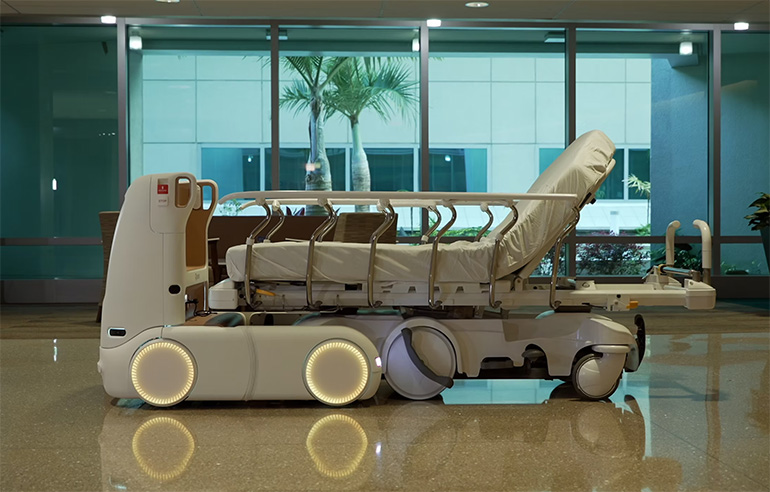
Rovex and Sphaira pioneer autonomous patient transport
In a significant advancement for hospital operations, Rovex and Sphaira are leading the way in automating patient mobility. These innovative companies are exploring distinct approaches to enhance the efficiency and safety of patient transport within healthcare facilities. As hospitals increasingly seek solutions to streamline their processes, the introduction of autonomous systems aims to alleviate the burden on staff and improve patient experiences. The push for automation in this area reflects a growing recognition of the potential benefits technology can bring to healthcare environments.
Autonomous Mobile Robots (AMRs) Healthcare Robotics Mobility / Navigation News Opinion Startups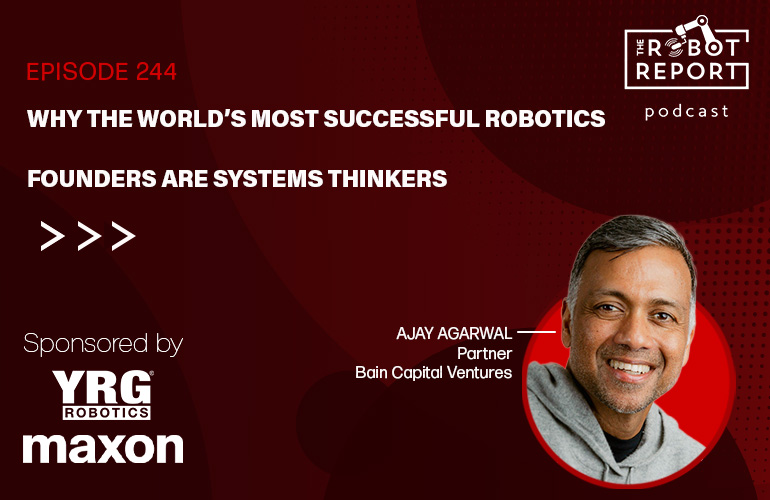
Why the world’s most successful robotics founders are systems thinkers
Ajay Agarwal recently highlighted the significant impact of systems thinking in the field of robotics, emphasizing its potential to drive substantial productivity gains and open up multibillion-dollar markets. This discussion sheds light on the approach taken by some of the most successful founders in the robotics industry, who leverage systems thinking to innovate and optimize their technologies. The insights were shared in a post featured on The Robot Report, illustrating how this mindset can transform the landscape of robotics and contribute to economic growth.
Artificial Intelligence Business Resources Investments News Opinion Podcast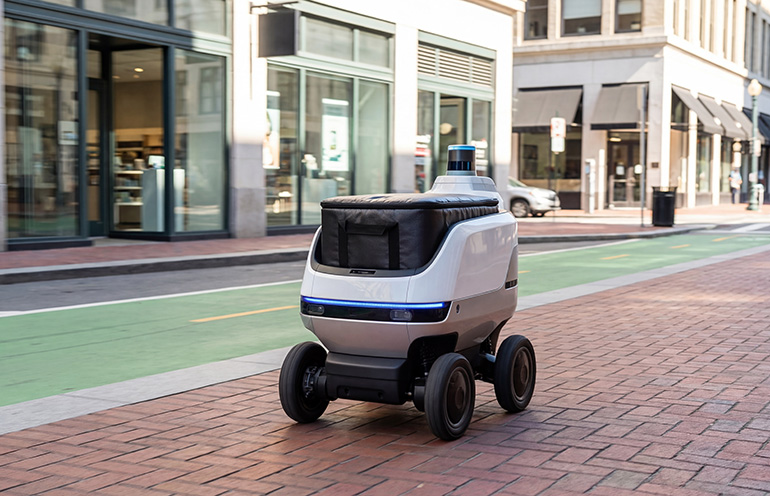
How agentic AI can enable general-purpose robotic navigation
Researchers are exploring the capabilities of agentic AI to enhance robotic navigation by integrating perception, simultaneous localization and mapping (SLAM), reasoning, and planning. This innovative approach aims to improve the performance of robots operating in dynamic environments. The findings were discussed in a recent article published by The Robot Report, highlighting the potential of agentic AI to transform how robots navigate and interact with their surroundings. By leveraging advanced algorithms and technologies, this method seeks to address the challenges faced by robots in real-world scenarios, ultimately paving the way for more versatile and efficient robotic systems.
Artificial Intelligence Artificial Intelligence / Cognition Autonomous Mobile Robots (AMRs) Cameras / Imaging / Vision Mobility / Navigation Motion Control
Why traditional robotics data collection is obsolete and what replaces it
Eric Chan has highlighted Rhoda AI's groundbreaking strategy in the field of robotics, emphasizing the company's use of video data to enhance the scalability and efficiency of machine learning processes. In a recent discussion, Chan pointed out that traditional methods of data collection in robotics have become outdated, necessitating a shift towards more advanced techniques. This innovative approach not only streamlines the learning process for robots but also addresses the limitations of conventional data gathering methods. The insights shared by Chan underscore the importance of adapting to new technologies in order to improve robotic capabilities and performance.
Artificial Intelligence Business Resources News Opinion Podcast Robots / Platforms
The next Army chief won’t inherit a force, he’ll inherit an argument
In a recent op-ed, John G. Ferrari emphasizes the critical role of land power in contemporary warfare, particularly as military strategies increasingly rely on drone technology. As the Army prepares for the appointment of its next chief, Ferrari argues that this leader must demonstrate the enduring importance of ground forces in a landscape dominated by aerial capabilities. He highlights the necessity for the Army to adapt and integrate traditional land power with modern advancements to ensure its relevance in future conflicts. The commentary reflects ongoing debates within military circles about the balance between traditional and modern warfare tactics, underscoring the need for a strategic vision that encompasses both elements.
Land Warfare Opinion Army army modernization Op-Ed Commentary
Podcast: Colin Angle discusses building companion robots with Familiar Machines & Magic
Colin Angle, co-founder of iRobot, recently shared insights into his new venture, Familiar Machines, which focuses on developing next-generation social robots. In a podcast discussion, Angle elaborated on the innovative designs and functionalities of companion robots that aim to enhance human interaction and companionship. The conversation highlights the growing interest in robotics and the potential for these machines to play significant roles in everyday life. Angle's transition from iRobot to Familiar Machines underscores his commitment to advancing technology that fosters social connections.
Artificial Intelligence News Opinion Podcast Robots / Platforms SoftwareRobotics needs a service framework.
RSF defines a common language for robot service capability, lifecycle operations, certification pathways, and service-provider networks.