


Kubota Corporation
Japanese manufacturer of agricultural machinery with autonomous robotic tractors (Agri Robo series) enabling unmanned field operations.
Contact Kubota Corporation
WEBSITE
https://www.kubota.comPHONE
+81-6-6648-2111HEADQUARTERS
Japan

Company Facts
Founded
1890
Primary Role
Manufacturer
Company Size
employees 10000+
Primary Region
Asia-Pacific
Annual Sales
-
Funding Stage
-
Funding Total
-

Cambridge Researchers Investigate Soil as an Intelligent System for New Technologies
Researchers at the Bio-Inspired Robotics Laboratory at Cambridge are examining the behavior of soil as an intelligent system. Their study focuses on the soil's structure, chemistry, and the biological networks of microbes and fungi. This research aims to inspire advancements in bio-inspired computing, precision agriculture, and environmental sensing. The significance of this research lies in its potential to reshape our understanding of soil and its capabilities. By recognizing soil as a complex system that can process information, the team hopes to develop innovative technologies that could enhance agricultural practices and environmental monitoring. This perspective could lead to more sustainable approaches in various sectors. Looking ahead, the ongoing research may yield new insights into the applications of soil intelligence in technology. As the team continues to explore the interactions within soil ecosystems, it will be important to watch for developments that could influence bio-inspired computing and precision agriculture. No further timeline was disclosed at the time of publication.
Robotics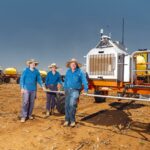
Coggan Farms Achieves 85% Chemical Reduction with Autonomous Spraying Technology
Coggan Farms, located near Meandarra in Queensland, Australia, has successfully implemented autonomous spraying technology from SwarmFarm Robotics, achieving an 85% reduction in chemical use during fallow spraying. The farm operates two SwarmBots equipped with Weed-It cameras and AutoFill technology, which allows for targeted weed control and automatic refilling of spray tanks. The decision to adopt this technology was driven by labor shortages and rising operational costs, prompting the Coggan family to seek automation solutions for their extensive farming operations. With over 65,000 acres managed, the family has integrated robotic technology to enhance efficiency and accuracy in weed control, significantly reducing the need for manual labor. Looking ahead, the continued evolution of agricultural robotics and automation will be crucial for farms like Coggan Farms, as they adapt to changing labor dynamics and strive for sustainable practices. No further timeline was disclosed at the time of publication.
Smart farming autonomy spraying
IndexBox Forecasts 7.7% Growth in Delta Robot Market by 2035, Driven by Food and Electronics
IndexBox has projected that the Delta robot market will experience a growth rate of 7.7% by the year 2035. This growth is primarily attributed to increasing demand in the food and beverage and electronics sectors, which are expected to drive significant investments in automation technologies. The anticipated growth in the Delta robot market is crucial as it highlights the ongoing trend towards automation in various industries. As companies seek to enhance efficiency and reduce operational costs, the adoption of Delta robots is likely to become more prevalent, particularly in sectors that require precision and speed. Looking ahead, stakeholders should monitor advancements in Delta robot technology and their applications in different industries. The focus on food and beverage and electronics sectors will be particularly important, as these areas are poised for substantial growth and innovation in automation solutions. No further timeline was disclosed at the time of publication.
Robotics Automation AI
University of Washington Engineers Develop DirectHop Robot for Hopping Over Obstacles
Engineers at the University of Washington have created a small robot named DirectHop that can hop over obstacles, land, and prepare for subsequent jumps. This innovative prototype utilizes a tiny electric motor and three folding legs, allowing it to achieve precise jump heights with single-centimeter accuracy. The significance of DirectHop lies in its potential applications, such as inspecting oil refineries, monitoring agricultural fields, and exploring extraterrestrial environments. Unlike traditional hopping robots that rely on springs, DirectHop's unique design employs a fishing line mechanism to control its jumps, offering improved precision and stability. Looking ahead, the research team aims to enhance DirectHop's capabilities, including steering and autonomous navigation. No further timeline was disclosed at the time of publication.
AI and Robotics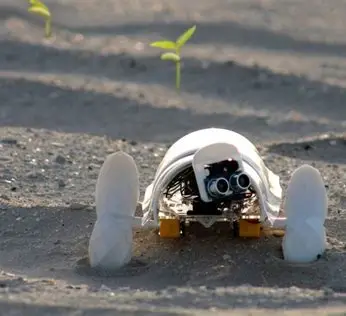
Solar-Powered Seeding Robot Achieves 98.8% Accuracy in Seed Placement
A solar-powered seeding robot has demonstrated a seed placement accuracy of 98.8%, addressing the challenges of traditional farming methods that rely on fossil fuels. This innovation is crucial as the global agricultural system faces pressure to feed approximately 10 billion people by 2050 while minimizing environmental impact. The robot's design integrates several specialized subsystems, including a brushless DC motor-driven steering mechanism and a dual 250-watt DC motor propulsion system powered by solar-charged batteries. The closed-loop control strategy ensures precise seed placement, with performance metrics showing low rates of missed and double-seeding, making it a viable solution for small to medium-sized farms. Future developments should focus on integrating autonomous navigation technologies and validating the robot's performance under real field conditions. The current tests indicate optimal seed placement occurs at speeds between 0.82 to 1.2 kilometers per hour, with a spacing of 20 to 25 centimeters, ensuring consistent distribution and minimal energy consumption.
Agricultural Robotics Precision Agriculture Solar Energy Automation Technology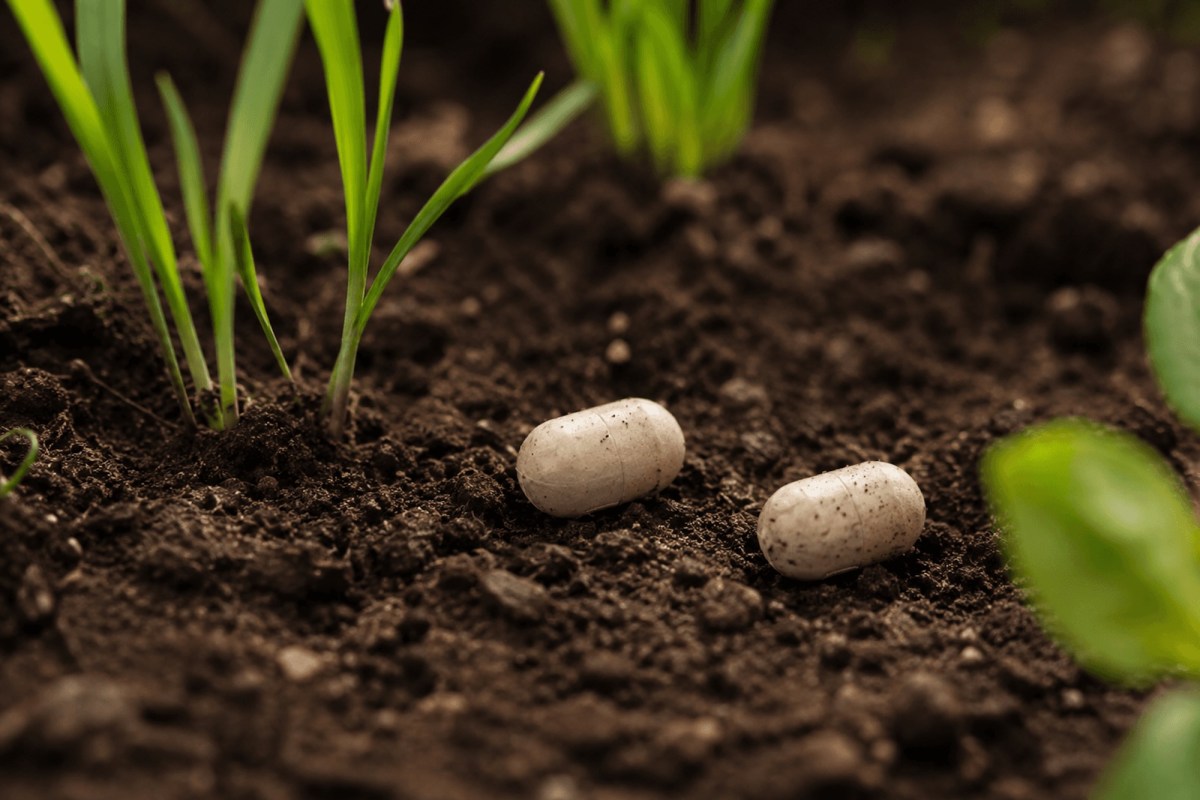
Muju Earth Introduces Aeropod for Soil Aeration at TechCrunch Disrupt
Muju Earth has unveiled the Aeropod, a device designed to automate soil aeration without the use of traditional machinery or robotics. This innovation aims to address the significant issue of soil compaction, which can lead to yield reductions of 20% to 60%. The Aeropod, comparable in size to a fingernail, is dropped into the soil alongside seeds, eliminating the need for prior tilling. The Aeropod promotes better soil health while potentially reducing tilling costs for farmers by over 50%. According to co-founder and CEO Ifeoluwa Afolayan, the device operates by bursting open when exposed to specific environmental conditions, creating channels for air, water, and roots to penetrate the soil more effectively. Initial field trials are set to begin this fall in the U.K., targeting onion growers who are particularly affected by soil compaction. As Muju Earth participates in the Startup Battlefield at TechCrunch Disrupt, the company is also attracting interest from businesses developing biologic amendments that enhance soil quality. The Aeropod's intuitive design has resonated with farmers, leading to strong inbound interest and a waitlist of over 30 additional farmers eager to adopt the technology. No further timeline was disclosed at the time of publication.
Climate agriculture Startup Battlefield 200 TechCrunch Disrupt
The Unique Characteristics of the Harvest Moon and Its Timing This Year
The Harvest Moon, which occurs closest to the autumnal equinox, will be fully illuminated on September 26 this year. Its name reflects its historical significance for farmers who relied on its light to harvest crops after sunset. Unlike other full moons, the Harvest Moon rises shortly after sunset for several consecutive evenings, particularly noticeable in northern latitudes. This phenomenon occurs due to the shallow angle at which the ecliptic meets the eastern horizon during the autumn equinox, allowing the moon to rise more frequently. For instance, in Edinburgh, moonrise times from September 24-28 will range from 6:23 p.m. to 6:52 p.m., while in New York City, the times will vary from 5:50 p.m. to 7:27 p.m. This unique timing is crucial for those who wish to capture the moon's beauty against the twilight sky. As the Harvest Moon approaches, observers should note the optimal times for viewing. In Edinburgh, the best time will be on September 28, while in New York City, the ideal viewing will be on the night of the full moon, September 26. The interplay of moonrise and sunset creates a picturesque scene that is highly anticipated by photographers and moon enthusiasts alike.
CNH Industrial Introduces Robotics to Address Challenges Faced by Farmers
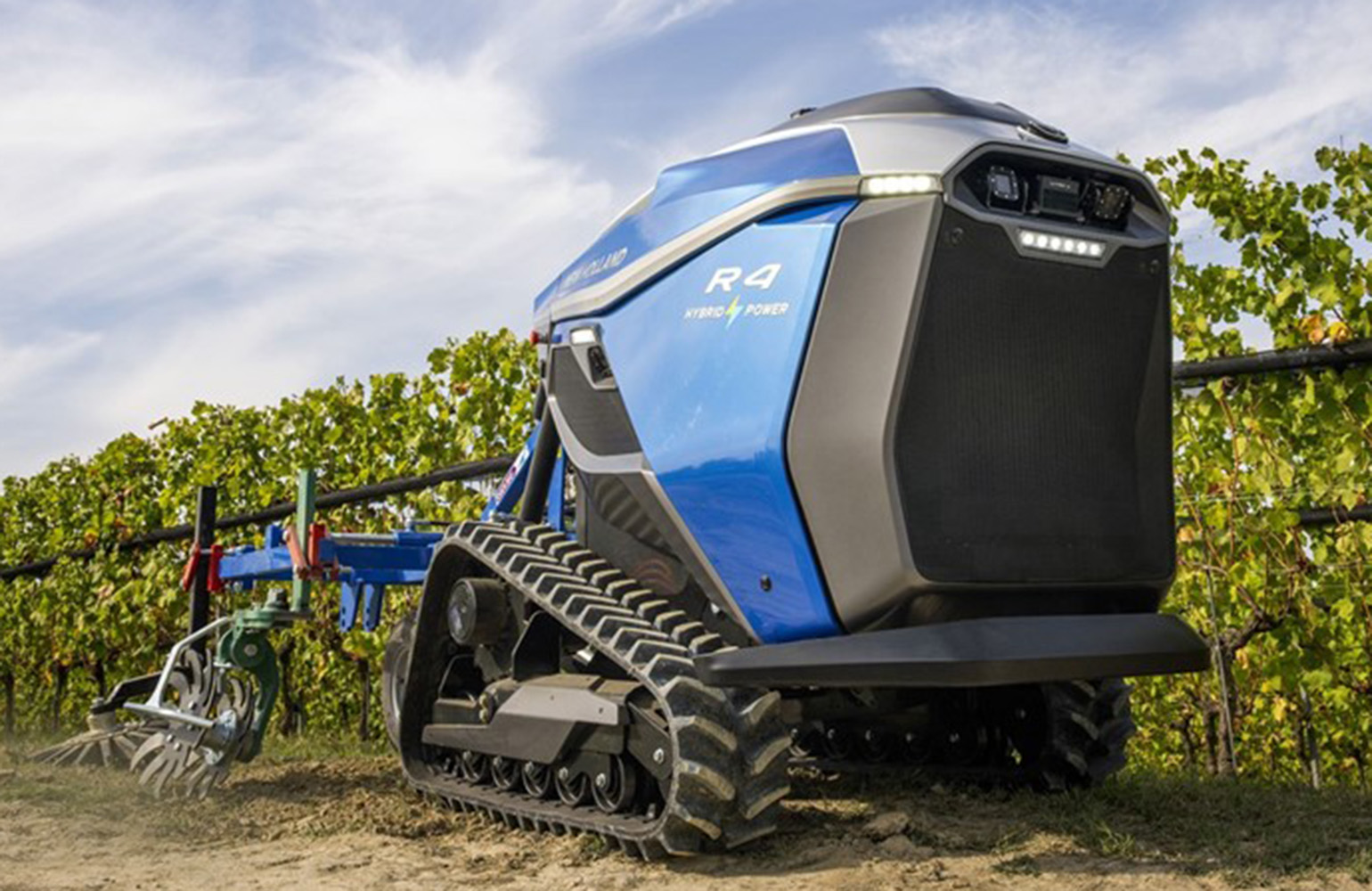
CNH Industrial's R4 robot aims to assist vineyard, orchard, and specialty crop growers in overcoming significant challenges in 2026. With rising supply costs and fluctuating crop prices, farmers are under increasing pressure to adapt their farming practices. Luca Ferrari, a senior manager at CNH, emphasized that labor availability and efficiency are critical concerns for farmers, highlighting the need for robotics that can effectively address these issues. The adoption of advanced technology, including robotics, is becoming essential for farmers to enhance productivity and manage resources more effectively. Ferrari noted that modern farms are increasingly utilizing connected and intelligent systems that can sense their environment and execute entire operations. This shift towards agentic systems represents a significant evolution in agricultural technology, driven by advancements in sensing, machine vision, and AI. As farms integrate more sophisticated systems, they generate vast amounts of data that can provide valuable insights into operations. CNH's FieldOps platform exemplifies this trend by enabling real-time monitoring and connecting various machines for a holistic view of farming activities. The challenge remains for farmers to extract actionable insights from the data collected, which Ferrari describes as the new oil for agricultural operations.
Agriculture Artificial Intelligence Artificial Intelligence / Cognition Autonomous Mobile Robots (AMRs) Cameras / Imaging / Vision Design / Development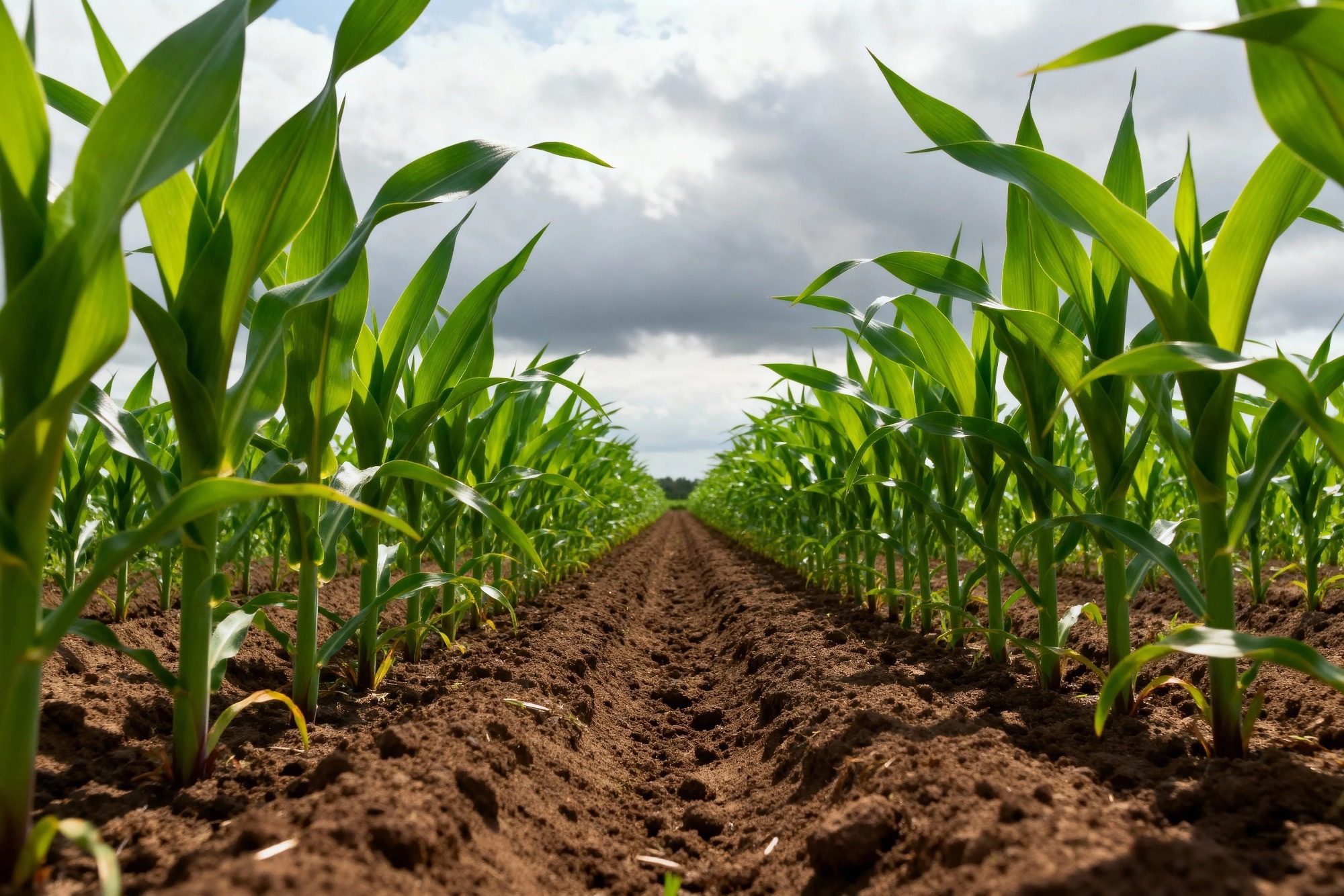
Solar-Powered Precision Planting Robot Reaches 98.8% Accuracy in Seed Placement
A new solar-powered precision planting robot has achieved an impressive seed-placement accuracy of up to 98.8%. This innovative technology integrates remote control, electric seed metering, and adjustable planting depth, making it a significant advancement in energy-efficient maize seeding. The development of this robot is crucial as it addresses the growing need for sustainable agricultural practices. By utilizing solar power, the robot not only reduces reliance on fossil fuels but also enhances the efficiency of maize planting, which is vital for food production. Looking ahead, the agricultural sector will likely observe increased adoption of such technologies that promote precision farming. No further timeline was disclosed at the time of publication.

WRC 2026 Robot Systems: 149 Companies That Build Robots
149 of the 248 classified WRC 2026 exhibitors build finished robots. 93 build humanoid or legged machines. The audited humanoid sales number is one unit.

ROBOTTODAY Weekly June 30 – July 4, 2026
Unitree wins CSRC approval for China’s first humanoid IPO, Korea unveils ₩312T AI investment, RoboCup 2026 opens in Incheon, and Paris launches Europe’s inaugural Physical AI summit.
University of Tokyo and Kubota Develop Drone Potato Yield Prediction Method
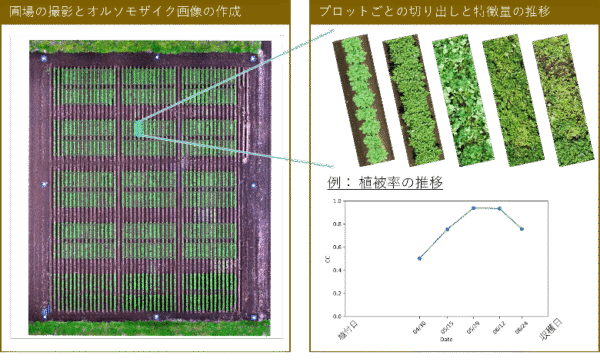
Researchers from the University of Tokyo, in collaboration with Kubota Corporation, have developed an innovative method to predict underground potato yields before harvest using drone imagery and machine learning techniques. This advancement was announced in a recent publication associated with the Japan UAS Industrial Development Association (JUIDA). By employing a growth curve model alongside aerial data collection, the team aims to enhance agricultural efficiency and support farmers in making informed decisions regarding their crops. This method represents a significant step forward in agricultural technology, potentially transforming how potato yields are assessed and managed.
Agriculture Drone News Drone News Feeds Ecology Japan Drone Industry Japan Drone News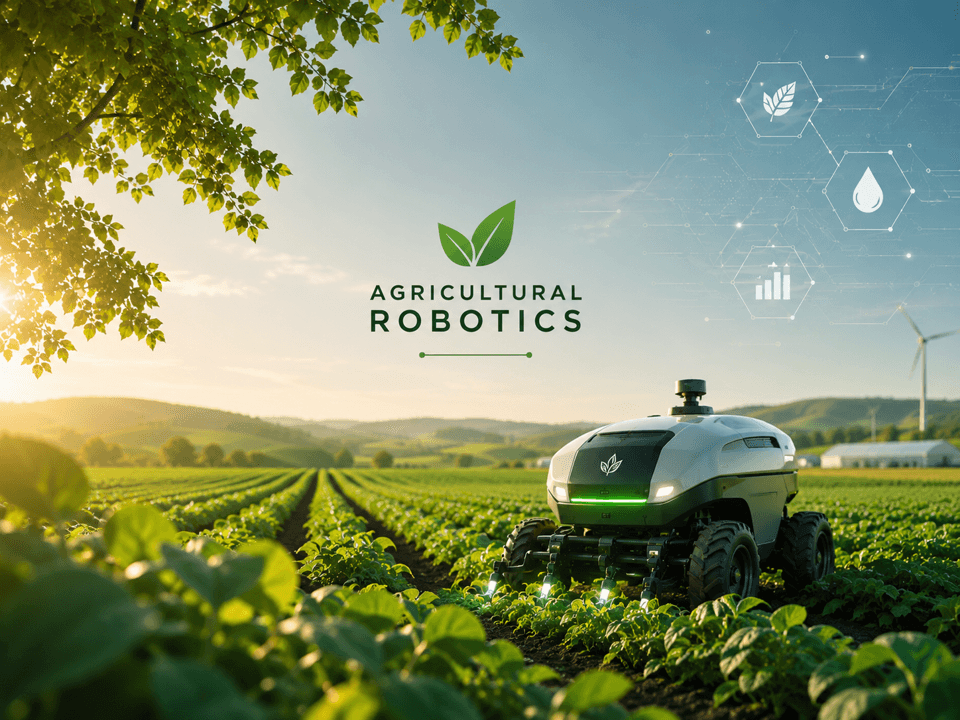
AGRICULTURAL ROBOTICS SERIES — Company Directory 2026
Access the definitive 2026 directory of 150+ agricultural robotics companies. A comprehensive reference guide covering autonomous tractors, harvest automation, precision weeding, and AI data platforms across the global agtech ecosystem.
Agricultural Robotics | 2025–2030 Outlook: The Labor Cost Reckoning
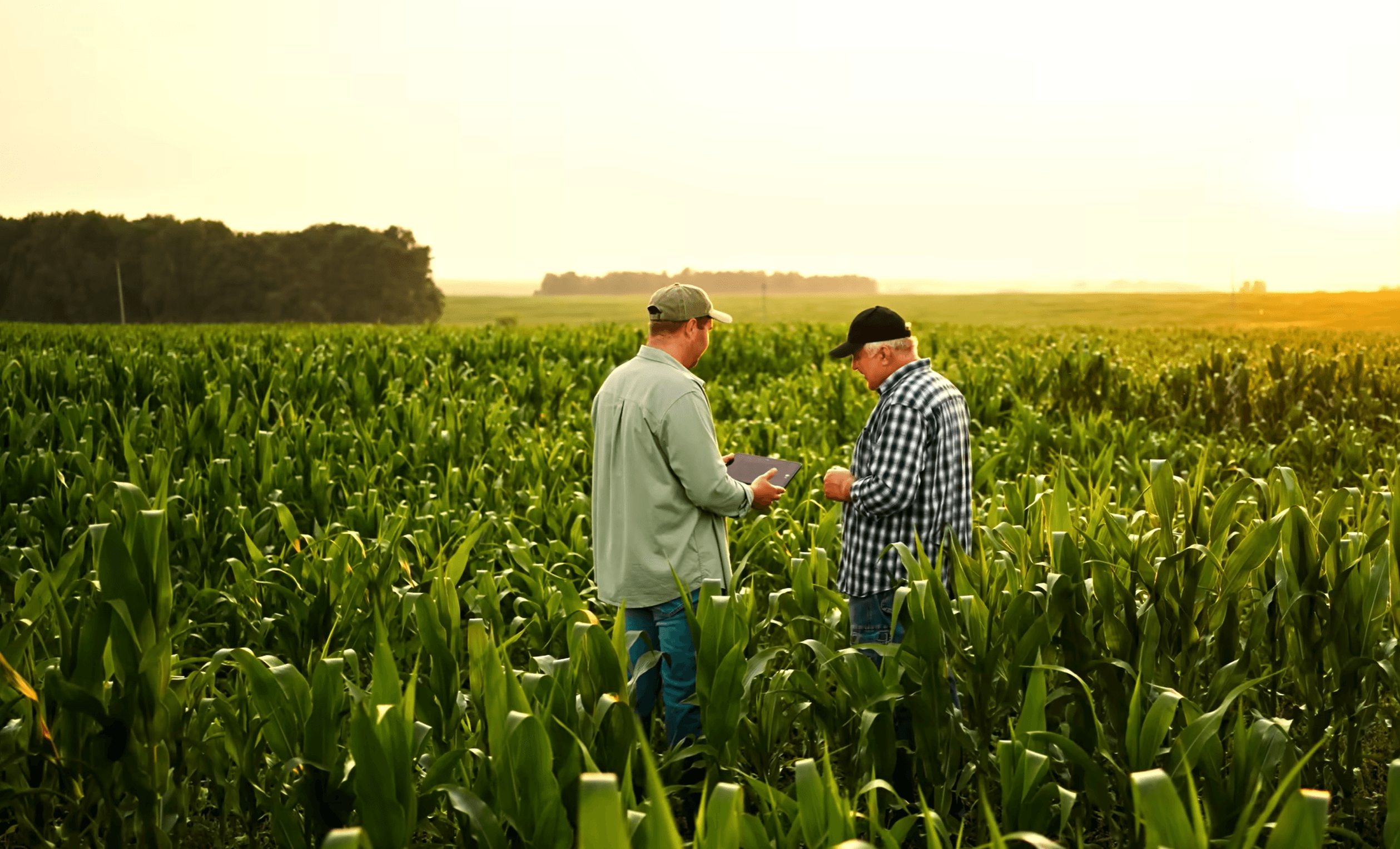
Agricultural robotics is projecting a $28–48 billion market by 2030 outside China, driven purely by labor cost replacement. Part 10 synthesizes the series: forecasting penetration ceilings, emerging technologies, and regional winners in the most consequential farming transformation since mechanization.
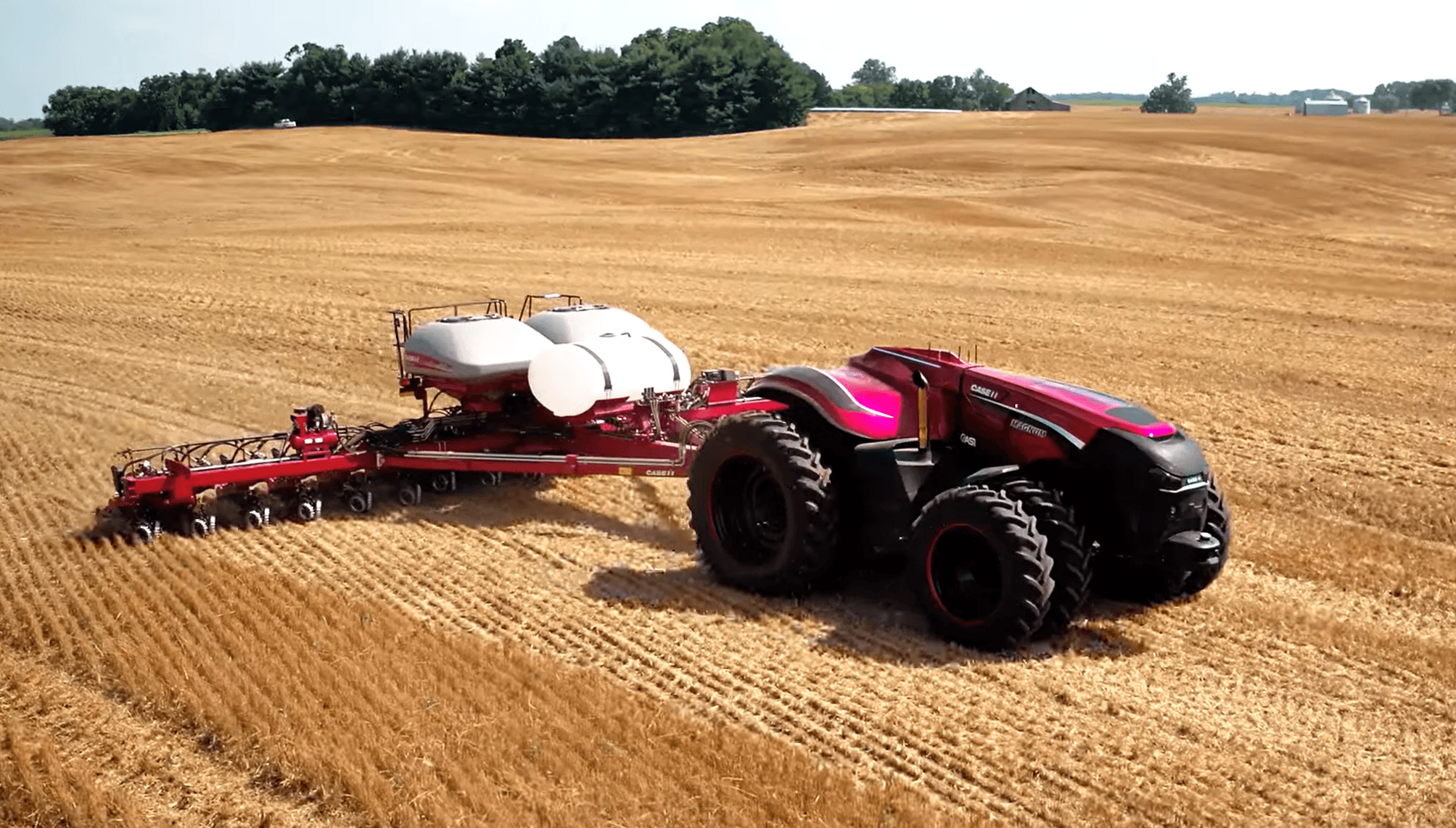
Agricultural Robotics | Autonomous Tractors: The $13B Platform Battle in Plain Sight
Autonomous tractors target a $2.7B market growing at 22% CAGR to 2032. Deep-dive on John Deere 8R, AGCO Fendt, CNH Industrial, Kubota AgriRobo, and Monarch MK-V — and why the platform war matters more than the hardware.
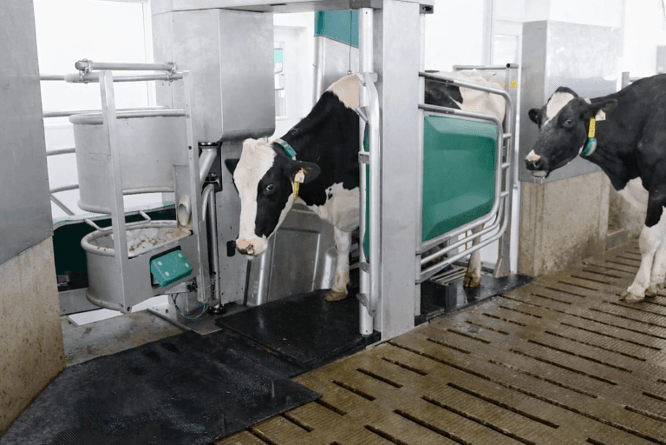
Agricultural Robotics | Dairy & Livestock Automation: Where Robots Already Lead
Dairy robots hold 37% of the global agricultural robotics market — yet US farm penetration is just 5%. This deep-dive covers the $3.2B milking robot market, ROI economics, competitive profiles of Lely, DeLaval, GEA, and Afimilk, and why EU, North America, Japan, and Israel each follow a different adoption path to 2030.
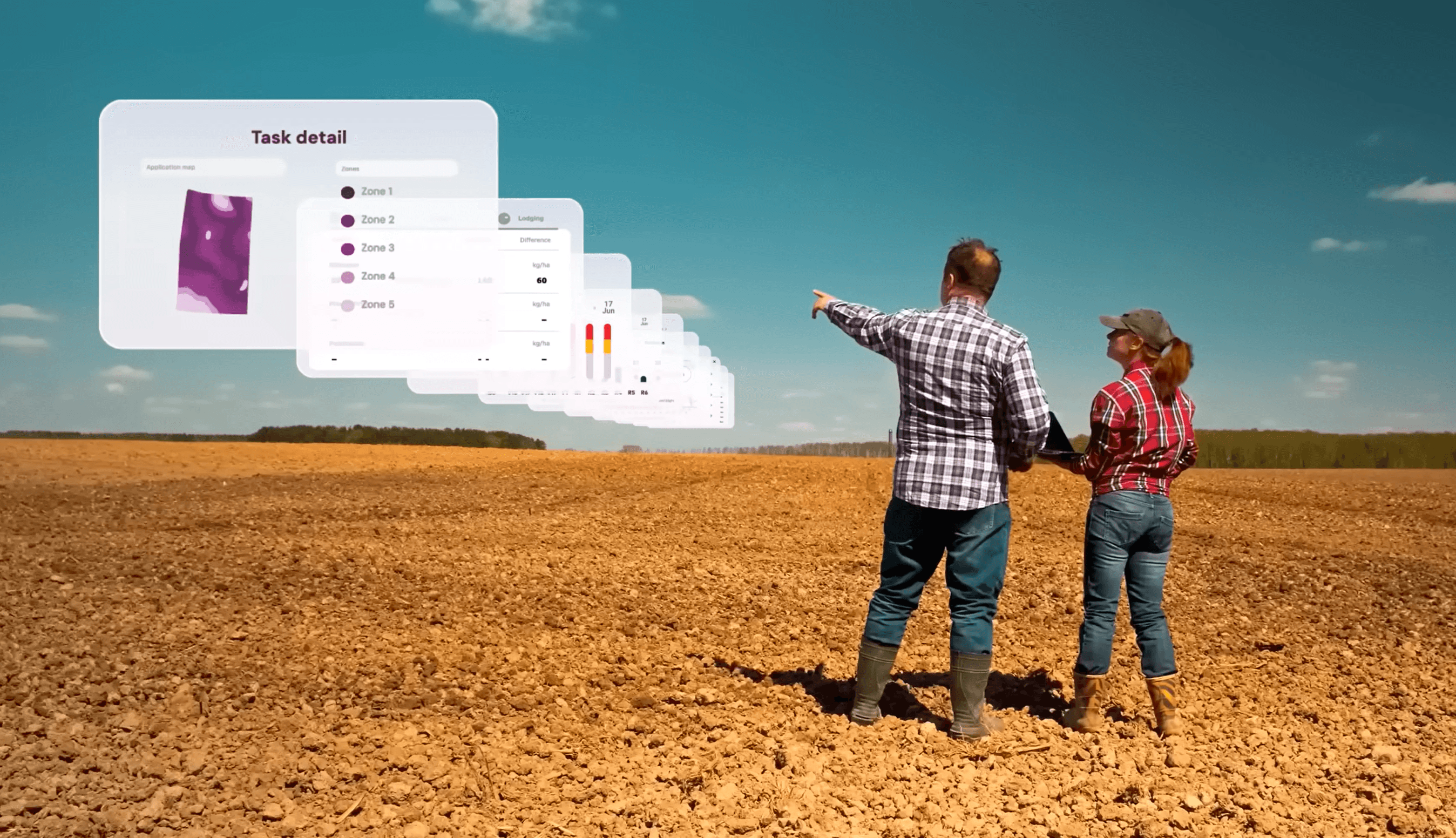
Agricultural Robotics: Crop Monitoring and Aerial Scouting
An evidence-based deep dive into the crop monitoring and aerial scouting segment of agricultural robotics. Covers the market opportunity (ex-China) across North America, EU, Japan, and Israel; key players including Taranis, BASF xarvio, and DJI; emerging technologies such as edge AI, hyperspectral imaging, and satellite–drone fusion; and the structural challenges limiting wider adoption — connectivity gaps, false positives, data fragmentation, and small-farm exclusion.
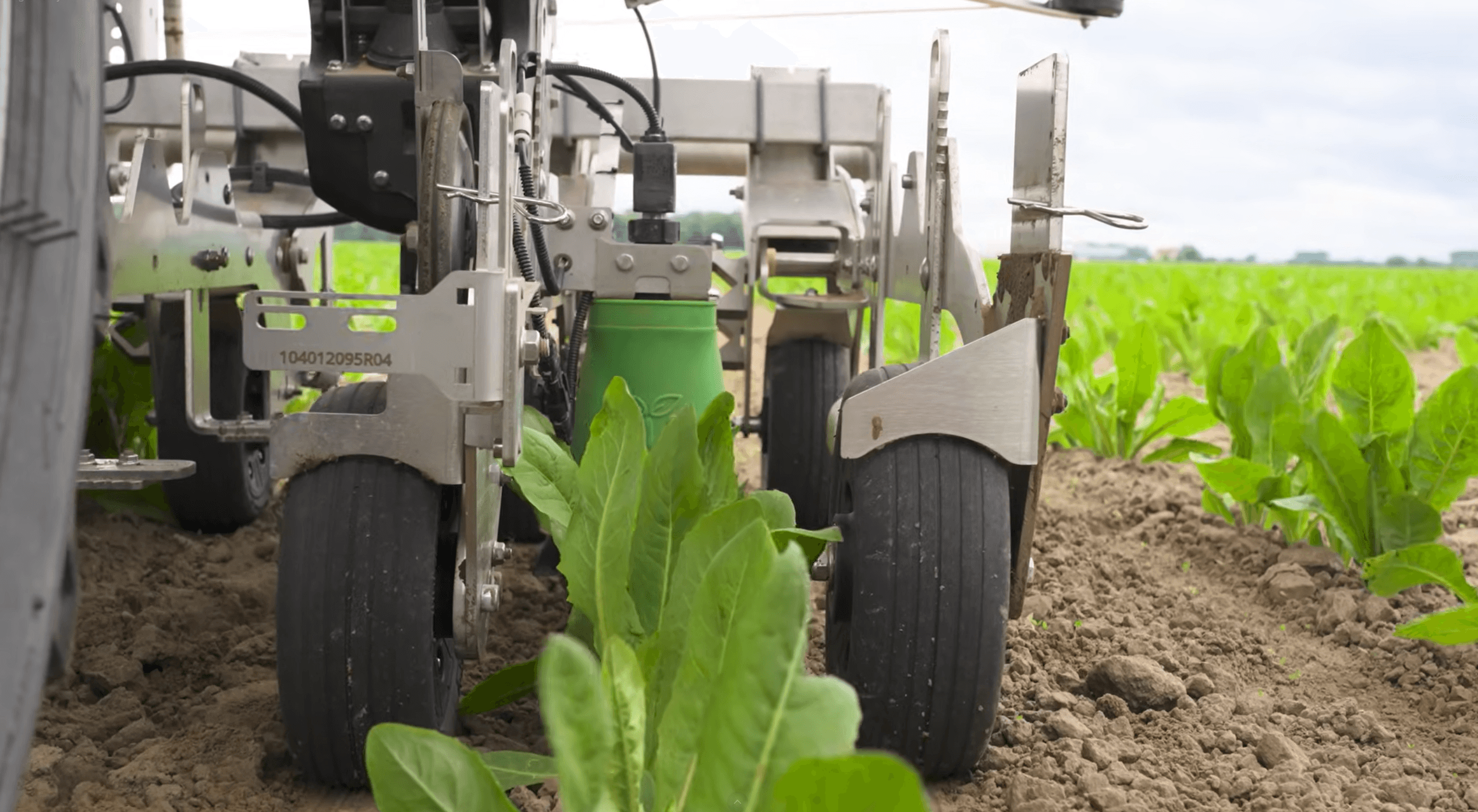
AGRICULTURAL ROBOTICS | Precision Planting & Seeding
Precision planting and seeding robots are emerging as one of the fastest-ROI segments in agricultural robotics. This deep dive examines market size, key technologies, and leading players across North America, Europe, Japan, and Israel, including RTK-GPS planters, autonomous tractors, and swarm seeding systems.
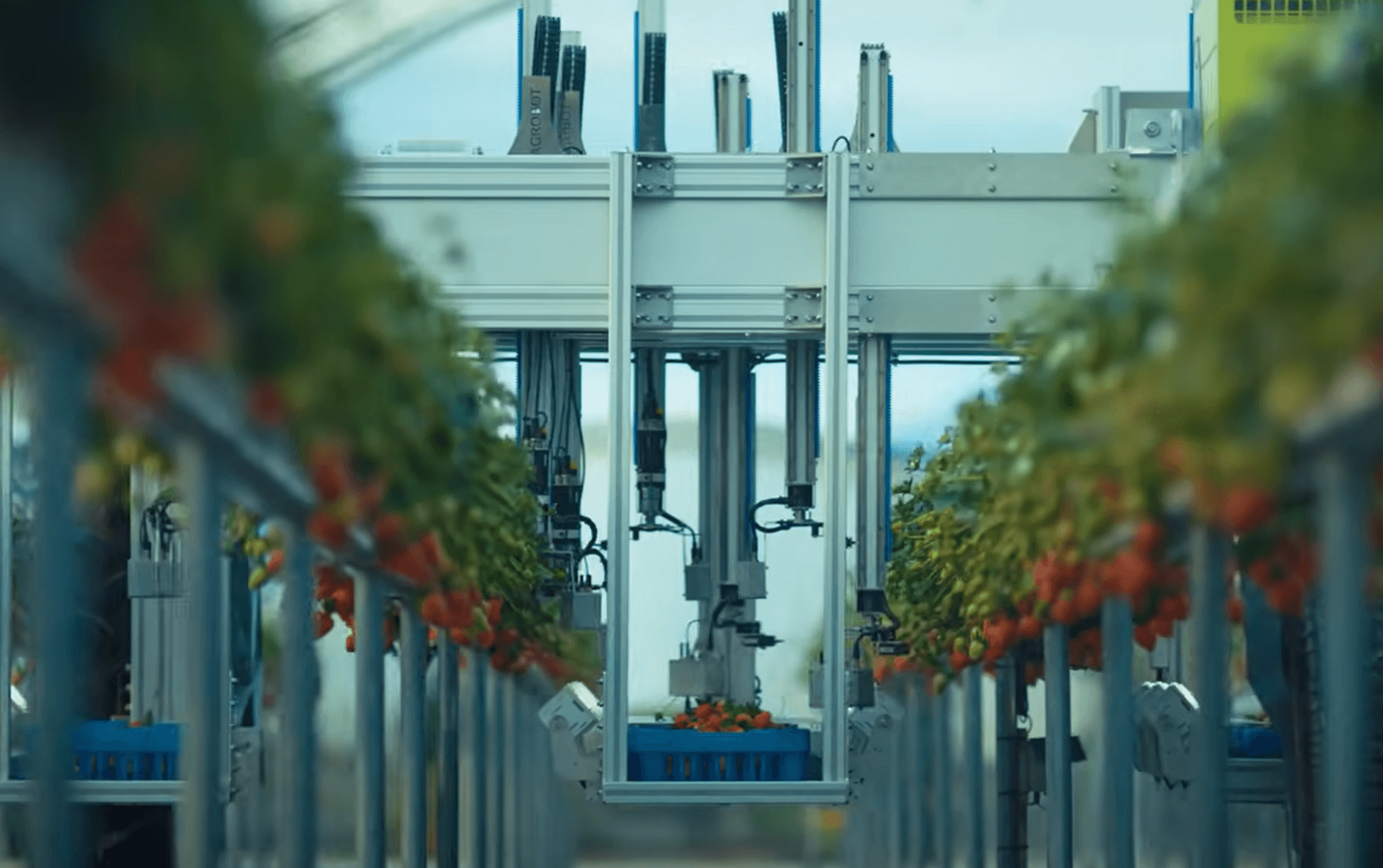
AGRICULTURAL ROBOTICS | Harvesting Robots: $6.9B Market
Harvesting robots hit $2.24B in 2024 and are targeting a $50B labor market at less than 5% penetration. Deep-dive: market data, 14 companies, economics, and 2030 outlook.
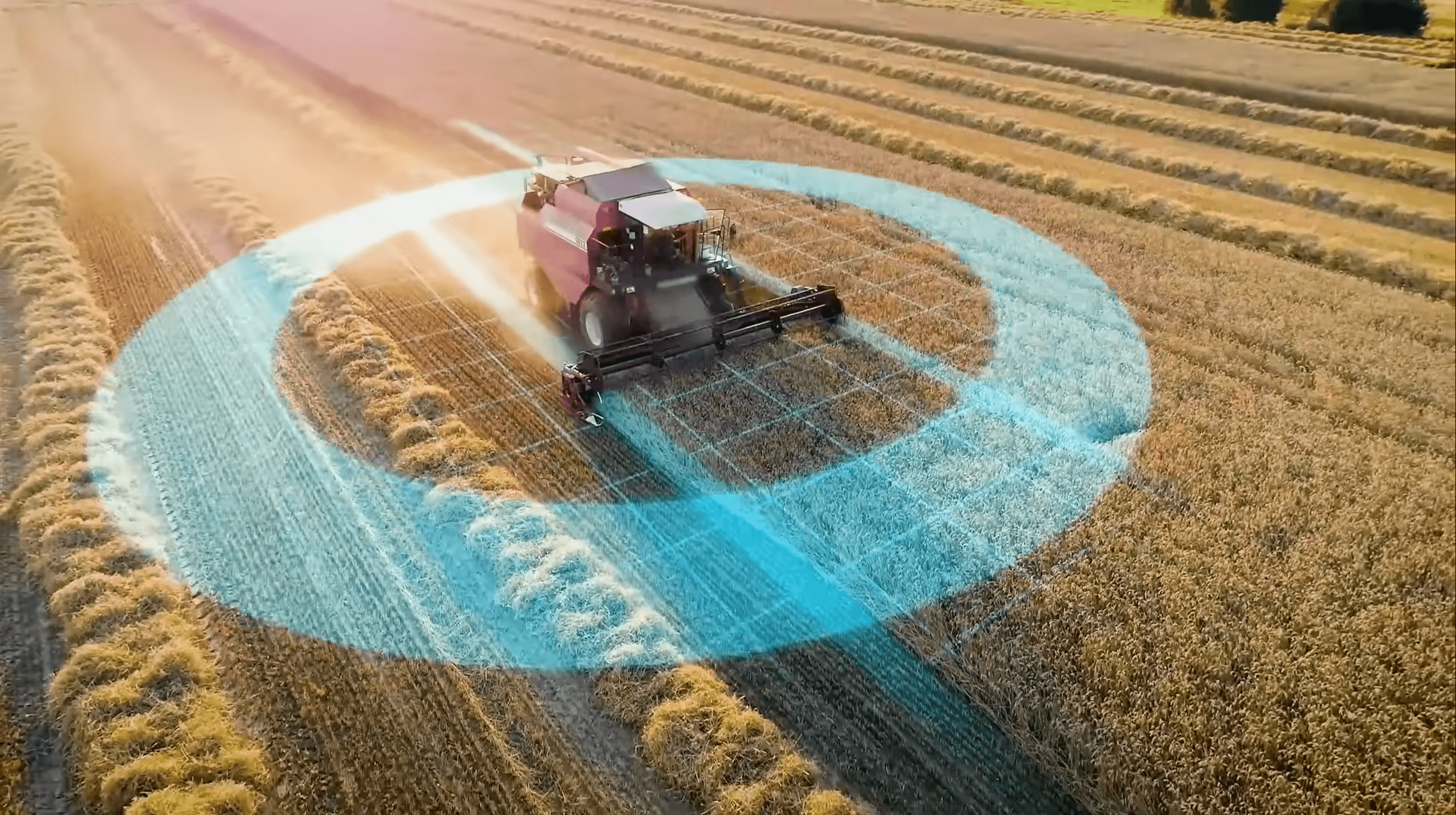
AGRICULTURAL ROBOTICS | Market Leaders, Regional Analysis & Top Countries
John Deere, DJI & 340+ companies compete for the $48–56B Western market and China’s $80–150B parallel ecosystem. Regional analysis across 5 top countries.


