


Google Ventures (GV)
Alphabet's independent venture capital arm investing in life sciences, AI, robotics, and enterprise technology
Contact Google Ventures (GV)
WEBSITE
https://www.gv.comHEADQUARTERS
United States

Company Facts
Founded
2009
Primary Role
System Integrator
Company Size
-
Primary Region
North America
Annual Sales
-
Funding Stage
-
Funding Total
-

Exploring the Role of FPGAs in Enhancing Physical AI Security
In Episode 260 of The Robot Report Podcast, Eric Sivertson, vice president of security at Lattice Semiconductor, discusses the significance of FPGAs in physical AI security. He highlights how these field-programmable gate arrays are crucial for building safe and secure robots, emphasizing their role in enhancing trust in embedded systems. The conversation underscores the growing importance of security in robotics, particularly as the industry shifts towards more advanced AI applications. Sivertson's extensive experience in developing technologies for security and connectivity positions him to provide valuable insights into the challenges and opportunities within this sector. Listeners should pay attention to the evolving landscape of physical AI security and the potential for FPGAs to serve as foundational elements in safeguarding robotic systems. No further timeline was disclosed at the time of publication.
Artificial Intelligence Autonomous Mobile Robots (AMRs) Humanoids Manufacturing Markets / Industries Microprocessors / SoC
iRobot Introduces the Roomba Duo, a Dual Robot Vacuum Concept
iRobot unveiled the Roomba Duo at the IFA tech show in Berlin, showcasing a concept that integrates a heavy-duty floor-washing machine with a smaller Roomba vacuum. The Duo features a mechanical arm that lowers the smaller unit for cleaning tight spaces, while the main unit handles larger areas with advanced navigation capabilities. This innovation is significant as it combines multiple cleaning functionalities into one device, potentially simplifying home cleaning for consumers. iRobot's Adam Pope emphasized that the main vacuum is the most powerful the company has produced, comparable to traditional upright vacuums, and can effectively handle solid messes while also steaming floors. As a concept product, the Roomba Duo lacks a price and release date, with ongoing development based on user feedback. Observers should watch for updates on its specifications and market readiness, as the device aims to redefine floor care in homes, despite concerns about its long-term durability.
IFA 2026 News Robot Smart Home Tech
Can Improved Hydraulic Systems Propel Humanoid Robots Towards Greater Versatility?
The humanoid robot industry faces a paradox: the pursuit of versatility necessitates specialized power solutions. Tesla's Optimus, Figure AI's tests at BMW, and Agility Robotics' Digit at Amazon showcase advancements but reveal structural weaknesses in execution. Issues like insufficient power, range anxiety, and adaptability to extreme environments remain unresolved. Experts, including Zhang Jianwei and Wang Jian, emphasize that the fundamental challenges lie in the physical properties of materials used in motors, which are limited by cost and efficiency. They argue that hydraulic systems, often deemed 'non-scientific' due to their complexity, could redefine actuator capabilities if the basic problems are solved. The economic paradox of traditional robotic actuators is highlighted by the high integration costs associated with systems like Boston Dynamics' Atlas. As the humanoid robot sector evolves, it inherits the complexities of traditional hydraulic systems, which require numerous sensors and intricate control networks. The real question is not whether hydraulics can provide power, but whether that power can be easily harnessed by robots. ClearZhu Power aims to address this challenge with its digital hydraulic technology.
Hydraulic Systems Humanoid Robots Robotics Technology Automation
U.S. Army Awards $464.8 Million Contract for 30-kW LOCUST Laser Systems
The U.S. Army has awarded AeroVironment a $464.8 million contract for the production of LOCUST laser systems under the Enduring-High Energy Laser (E-HEL) program. This contract marks a significant milestone as it is the first production contract for a directed-energy weapon in U.S. history, indicating a shift from experimental systems to operational capabilities. The LOCUST X3, a 30-kilowatt laser weapon, is designed to counter Group 1–3 unmanned aircraft systems and can be integrated onto various platforms, including the Army's Joint Light Tactical Vehicle. The contract aims to provide a scalable and cost-effective air defense solution against drones, which have become increasingly prevalent on modern battlefields. Looking ahead, AeroVironment is expanding its production capacity with a $30 million investment in its Albuquerque facility to support the ramp-up of LOCUST systems. The E-HEL program is expected to enhance the Army's defenses against drone threats, marking a significant step towards the routine use of laser weapons in military operations. No further timeline was disclosed at the time of publication.
Military
Tsubaki KabelSchlepp Introduces Robotrax System for Protecting Industrial Robot Cables
Tsubaki KabelSchlepp has launched the Robotrax System, a specialized three-dimensional cable carrier designed to protect electrical cables and hoses in six-axis articulated robots. This innovative system addresses the mechanical stress caused by rapid movements and torsional twists, which often lead to conductor fatigue and costly production halts. The Robotrax System features a central steel cable that absorbs tensile loads, preserving conductor integrity and extending cable service life. Its unique spherical link design allows for smooth flexing across three axes, while modular cable routing prevents signal interference and mechanical abrasion. This design significantly reduces installation and maintenance time, making it a valuable solution for automated manufacturing environments. Looking ahead, the Robotrax System's active retraction mechanism minimizes collision risks during complex robot movements. With tailored protective accessories, it is built to withstand demanding industrial conditions. No further timeline was disclosed at the time of publication.
Articulated-robots Robot-uptime Automation Robot-arms Manufacturing Factory-robots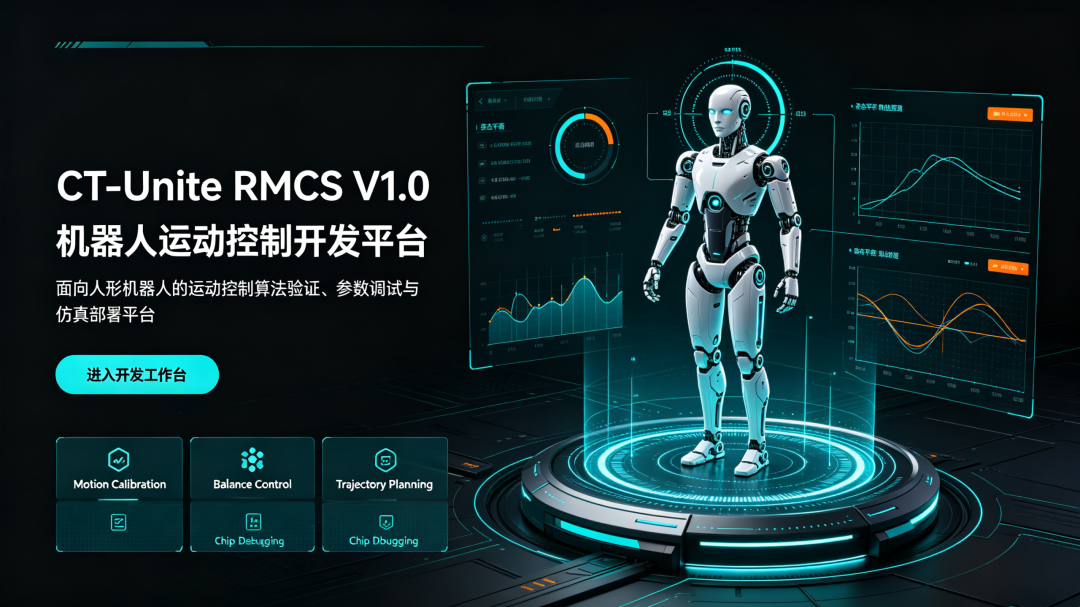
RMCS V1.0 Launches to Address Robot Mass Delivery Challenges in the Industry
The launch of RMCS V1.0 by ZK Wireless Semiconductor marks a significant step in overcoming the engineering gap in robot mass production. This integrated platform, centered around the CT-2001A intelligent chip, aims to facilitate the transition from prototype validation to scalable delivery, addressing critical pain points in the robotics industry. The importance of RMCS V1.0 lies in its ability to streamline the development process, which has traditionally been hampered by long development cycles, high talent requirements, and complex maintenance. By providing a standardized platform for motion control, RMCS V1.0 allows companies to focus on application development rather than foundational algorithm creation, thus lowering the barriers to entry for mass production. Looking ahead, the industry will be watching how RMCS V1.0 impacts the robotics landscape, particularly in terms of reducing costs and improving efficiency in robot deployment. No further timeline was disclosed at the time of publication.
Robot Motion Control Intelligent Chips Robotics Development Automation Solutions
Tianlian Launches TCE605 Robotic Arm at a Groundbreaking Price of ¥17880
Tianlian Robotics has introduced the TCE605 robotic arm, priced at ¥17880, marking a significant advancement in embodied intelligence. This model features a lightweight design at 6.8kg, capable of handling a rated load of 5kg and a maximum load of 8kg, with a working radius of 653mm and a repeat positioning accuracy of ±0.05mm. The TCE605's innovative design combines full harmonic joints with a dual encoder system, ensuring smooth motion and high precision even under rapid movements. Its low power consumption and safety features enhance its adaptability for various applications, including exploration, disaster relief, and industrial automation. This launch signifies a shift in the collaborative robotics market, making high-performance robotic arms accessible at a lower cost. The TCE605 aims to serve as a versatile interface in the embodied intelligence ecosystem, supporting various robotic operating systems and applications, thus transforming the concept of embodied intelligence into practical solutions.
Robotic Arms Embodied Intelligence Automation Industrial Robotics
AIR Partners with Elmo Motion Control for Advanced Cargo Drone Technology
AIR VEV Inc. has formed a strategic partnership with Elmo Motion Control Ltd. to integrate high-performance motion control systems into its Heavy Lift UAS. Elmo's Gold HV drive will enhance the AIR 120D cargo drone's electric propulsion motors, ensuring precise control and efficiency. This collaboration aims to optimize the aircraft's performance while minimizing weight and complexity. The significance of this partnership lies in the combination of Elmo's advanced servo drives and AIR's innovative electric aviation design. AIR CEO Rani Plaut emphasized that the selection of Elmo was based on the need for high power density and efficiency in electric aircraft. The integration of Elmo's technology is expected to improve the cargo aircraft's payload capacity and operational efficiency. Looking ahead, the integration of Elmo's Gold HV motor drives is already in progress as part of the AIR 120D development program. AIR is focused on validating the technology against its performance and safety requirements before moving forward with operational deployment. No further timeline was disclosed at the time of publication.
Actuators / Motors / Servos Defense / Security Drones Markets / Industries Motion Control News
KUKA Achieves Security Level 2 Certification for Robotics Automation Solutions
KUKA has successfully attained Security Level 2 certification, showcasing its dedication to cybersecurity in automation solutions. This certification is crucial as manufacturers increasingly adopt connected technologies, emphasizing the need for secure robot controllers and operating systems to mitigate cybersecurity risks. As the industry evolves, KUKA's achievement highlights the importance of reliable operations in protecting critical production assets.

Addressing the Critical Gap in Robot Safety Assurance Amidst AI Manipulation Risks
Recent advancements in robotics highlight a significant gap in safety assurance, particularly concerning the integrity of data that guides robotic decisions. Traditional safety assessments may not adequately address the risks posed by adversarial manipulations of sensory inputs, which can redirect robot behavior without any apparent system failure. Research has shown that even subtle alterations in what a robot perceives can lead to significant deviations in its actions, raising concerns about the reliability of current safety protocols. The implications of these findings are profound, as they challenge the conventional understanding of robot safety. For instance, studies have demonstrated that backdoor attacks can manipulate a robot's actions based on hidden triggers, such as specific visual patterns or ordinary objects. This vulnerability underscores the necessity for enhanced validation processes that account for adversarial conditions, ensuring that robots remain within their operational and safety boundaries even when faced with manipulated inputs. Looking ahead, the development of simulation tools like NVIDIA Isaac Sim™ combined with VicOne Radeis offers a promising avenue for testing the effects of manipulated inputs prior to deployment. However, as highlighted by the recent UniPwn exploit affecting major robotic systems, even well-trained models can be compromised if the underlying system is vulnerable. No further timeline was disclosed at the time of publication.
Sponsored Content VicOne
ROBOTTODAY Weekly May 18 – 22, 2026
This week in robotics: Hyundai plans 25,000 Atlas robots for its factories, XPENG rolls off China’s first mass-produced L4 robotaxi, Singapore launches its first multi-operator physical AI testbed, and Kawasaki Heavy opens a Silicon Valley physical AI center with NVIDIA. May 18–22, 2026.

CONSTRUCTION ROBOTICS | BUSINESS MODELS & INVESTMENT LANDSCAPE
Construction robotics attracted $4.4 billion in built environment tech funding through Q3 2025. SoftBank acquired ABB Robotics for $5.375 billion. RaaS is displacing capex models. AI-native platforms command 39x revenue multiples. This is where money meets machines.

Meta Acquires ARI to Capture the Brain of the Humanoid Robot
Meta’s acquisition of Assured Robot Intelligence (ARI) signals a pivot from hardware race to intelligence capture. We break down why Meta moved now, what ARI does, and how Amazon, Tesla, NVIDIA and Apple are responding — with different bets and different risks.

ROBOTTODAY Weekly April 13 – 17, 2026
This week in robotics: AGIBOT declares Deployment Year One with 5 platforms and 8 AI models at APC 2026, Physical Intelligence’s π0.7 solves unseen tasks, TARS raises a record $455M, and Siemens deploys humanoids in live factory operations. April 13–17, 2026.

ROBOTTODAY Weekly April 5 – 11, 2026
This week in robotics: UniX AI’s Panther becomes the first household humanoid in real deployment, Hyundai reveals a mass-production factory robot, ShengShu raises $293M for physical AI, and Spirit AI closes $420M in 30 days. April 5–11, 2026.
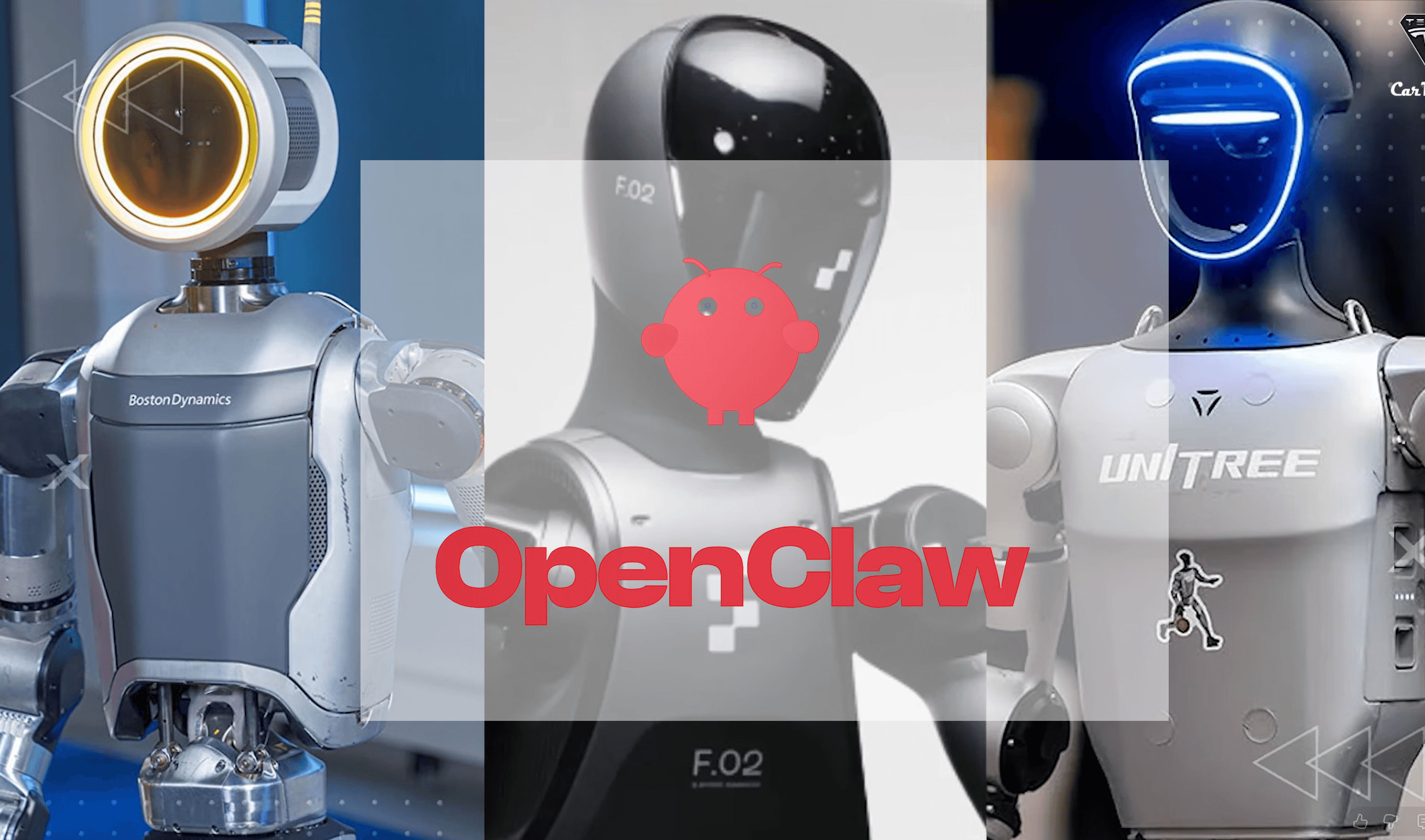
The OpenClaw Test: Which Humanoid Robotics Companies Will Survive 2026?
How OpenClaw's AI agent orchestration exposes which humanoid robotics companies have genuine hardware innovation vs. expensive commodity robots with proprietary software.

RobotToday Weekly Industry Briefing: Feb 2 – 6, 2026
Robotics shifted from demos to deployment post-CES 2026, led by China’s humanoid scale, AI robot brains, and accelerating industrial adoption.
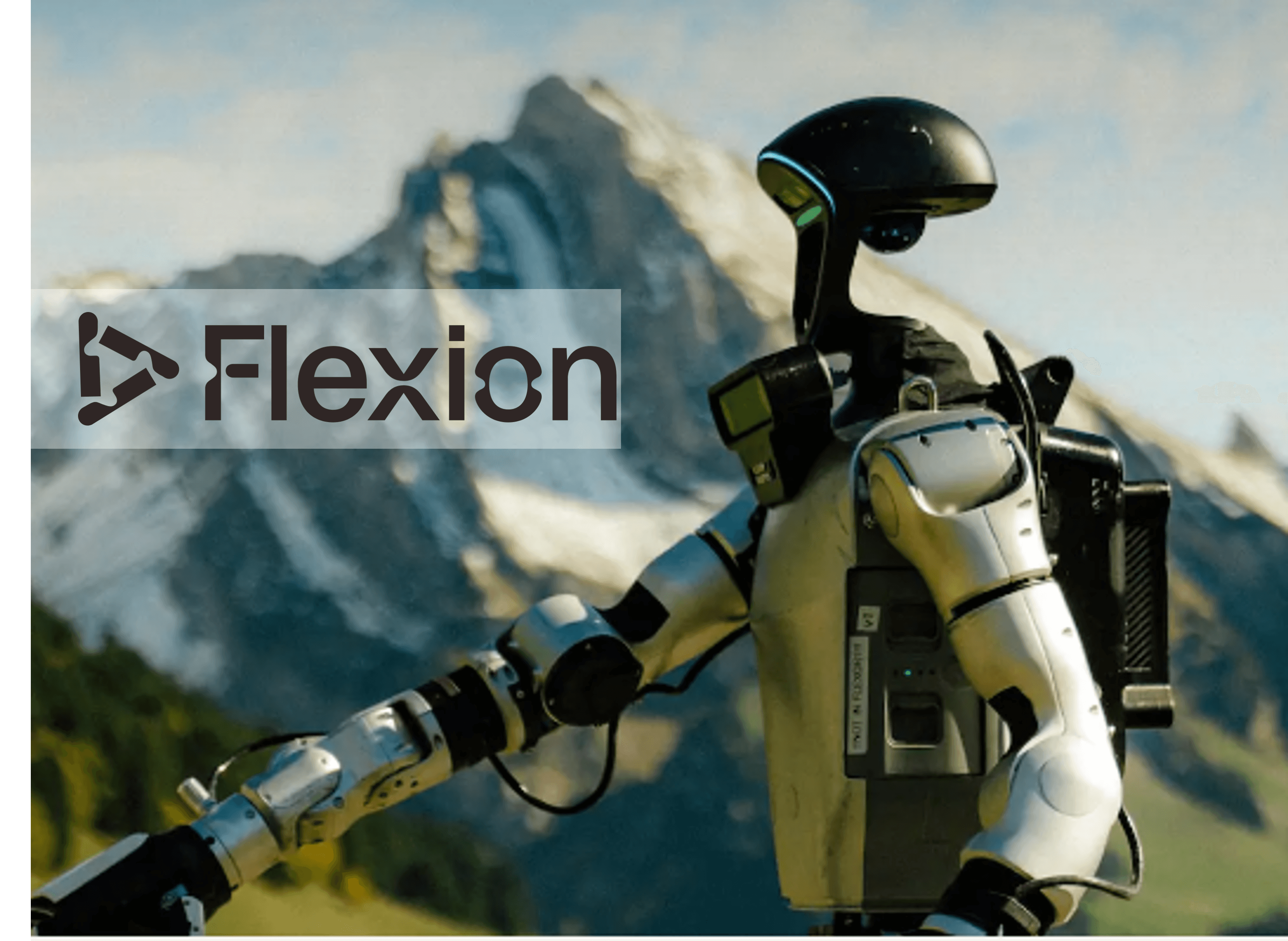
Flexion: The ETH Zurich Robotics Startup Building the Next-Generation AI “Robot Brain” for Embodied Intelligence
Learn how ETH Zurich-backed Flexion is building next-generation AI “robot brains” that enable embodied intelligence and adaptive autonomy for humanoid robots.

Fifty to One: Inside Figure’s Sky-High Valuation and the Sino-U.S. Tug-of-War Over Humanoid Robots
Figure’s soaring valuation highlights intensifying U.S.–China competition in humanoid robotics, as capital, supply chains, and AI strategy reshape the global race for embodied intelligence.
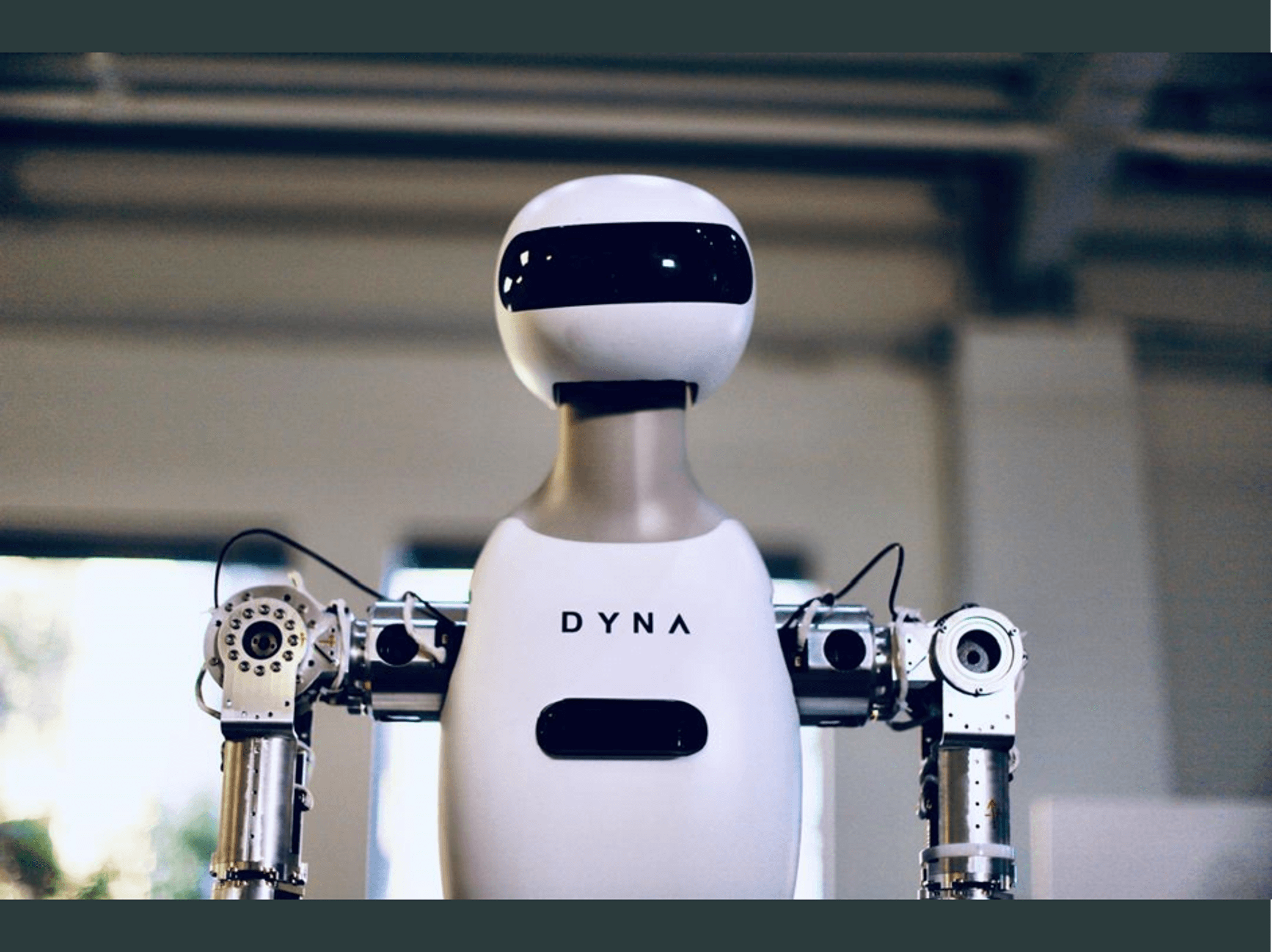
Dyna Robotics Raises $120M Series A as Global Tech Giants Back Embodied AI Startup
Dyna Robotics raises $120M in Series A funding, backed by global tech giants, accelerating the commercialization of embodied AI and humanoid robotics.


