

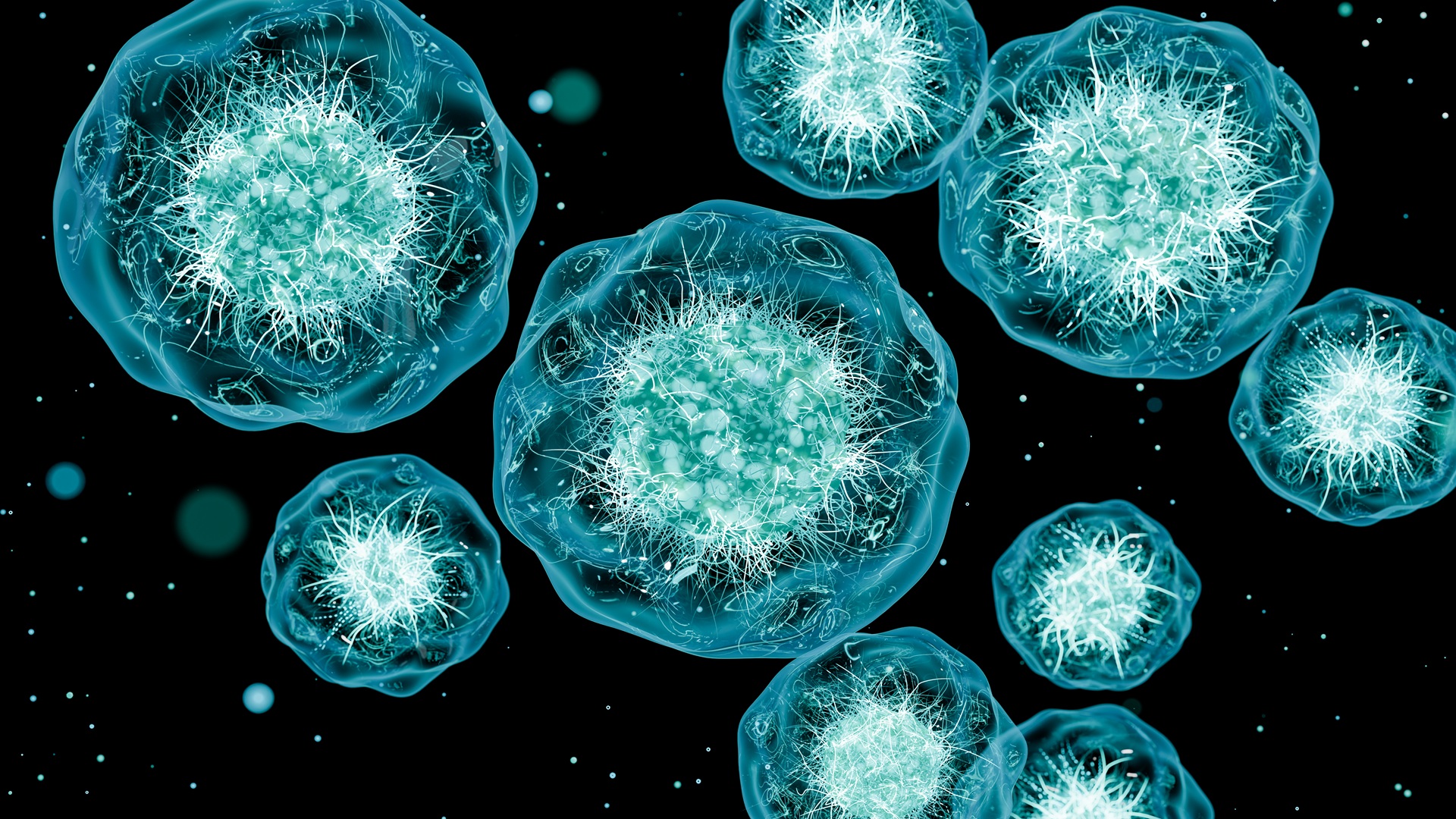
The U.S. government, Meta, Google DeepMind, and other partners are collaborating to invest nearly $1.8 billion in the development of open biological datasets. This initiative aims to create 'virtual cells' that researchers can use to predict cellular behavior and conduct digital biological experiments. The project is an extension of Biohub’s Virtual Biology Initiative, which seeks to standardize experimental data to enhance predictive modeling in biology.
This collaboration is significant as it addresses the critical need for large, standardized datasets that demonstrate how cells react to varying conditions. By providing these datasets, the initiative aims to facilitate the development of accurate predictive models, which could significantly accelerate scientific discovery and improve understanding of diseases and potential treatments. Biohub's Head of Science, Alex Rives, emphasized that such models could transform the way experiments are conducted, allowing for digital experimentation before physical lab work.
Looking ahead, the initiative will leverage contributions from the U.S. Department of Energy and the National Institutes of Health, alongside private investments. The combined efforts will utilize advanced technologies and resources from various organizations, including NVIDIA's computing infrastructure. No further timeline was disclosed at the time of publication.
Editor's Note
The collaboration between the U.S. government, Meta, and Google DeepMind highlights a growing trend in the integration of computational tools with biological research. This initiative reflects the industry's shift towards data-driven approaches in understanding complex biological systems, which could reshape drug discovery and disease treatment methodologies. Stakeholders should monitor advancements in predictive modeling and the availability of datasets as they emerge from this initiative.
Copyright Notice
This briefing is an independently written summary based on publicly available reporting and is provided for industry information and news discovery. The original report and source publication are credited and linked where applicable. RobotToday does not claim ownership of third-party source material.
Rights concerns? If you believe any material in this briefing infringes your copyright or other rights, please contact [email protected] with the relevant URL and details. We will review the matter and take appropriate action where warranted.






























Leave a comment