

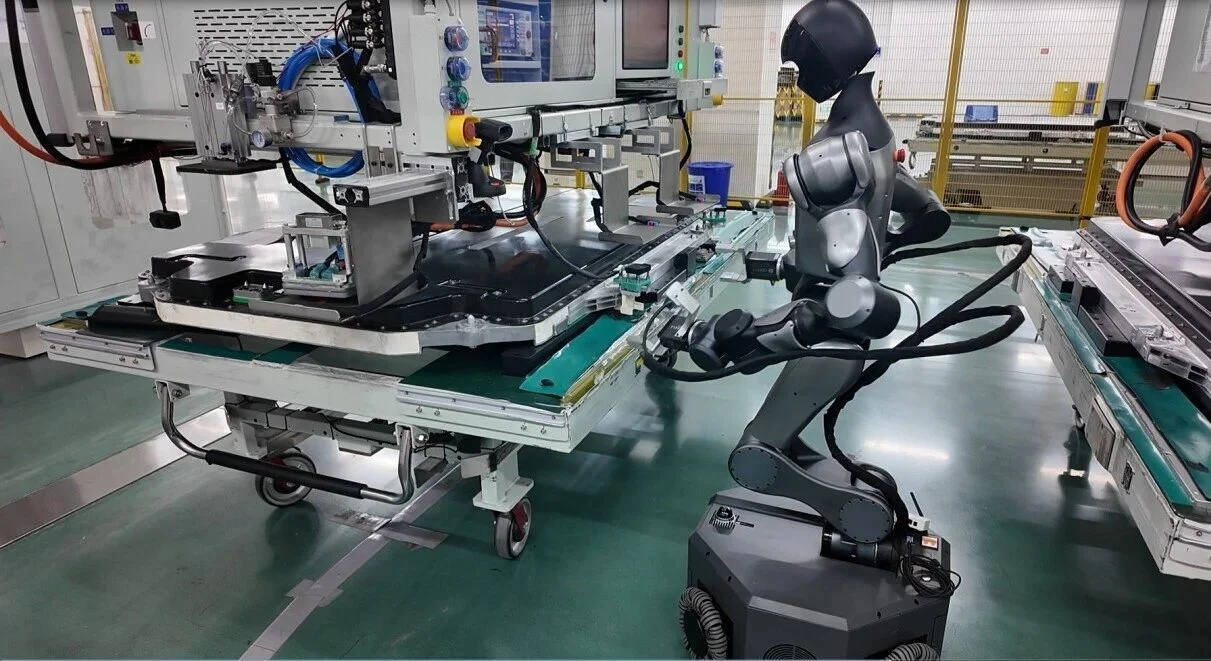
Spirit AI predicts a significant leap in robot intelligence by mid-2027, as stated by co-founder and chief scientist Gao Yang. He noted that while hardware improvements are rapid, software remains a critical weakness in robotics. The company expects to achieve capabilities akin to GPT-3.0, enabling robots to understand natural language requests and perform corresponding physical actions.
This advancement is crucial as it could pave the way for industrial applications within the next two years, followed by simpler commercial services. However, Spirit AI acknowledges that developing effective household robots will take considerably longer due to the complexities involved. Currently, their robots have a reported 90% success rate in structured environments, but challenges remain with more complex tasks.
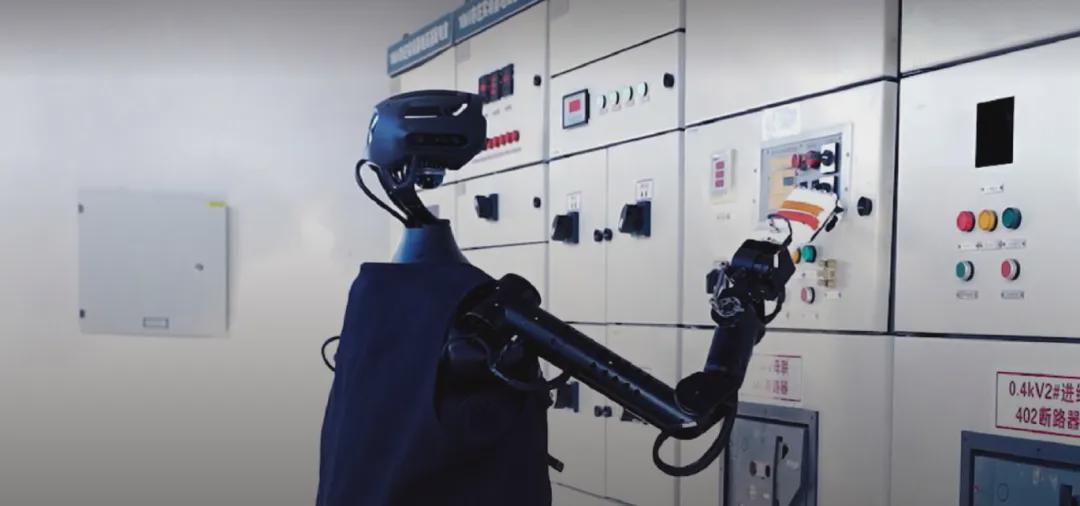
Looking ahead, Spirit AI's Moz1 and Moz2 robots are already deployed in industrial settings, with plans to expand into commercial services. The company emphasizes the importance of diverse training data to enhance model performance, indicating a focus on practical applications in real-world scenarios. No further timeline was disclosed at the time of publication.
Editor's Note
The robotics industry is witnessing a pivotal moment as companies like Spirit AI push the boundaries of artificial intelligence in robotic applications. The emphasis on software development alongside hardware improvements highlights the ongoing challenges in achieving reliable household robots. As the market evolves, stakeholders should monitor advancements in AI capabilities and their implications for various sectors, including industrial and commercial services.






















Leave a comment