

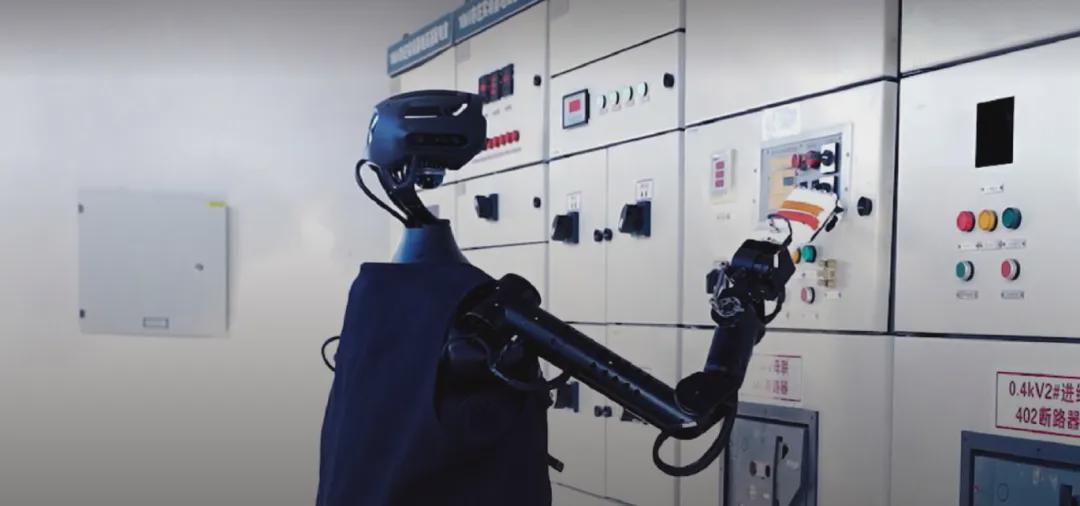
The State Council of China has issued guidelines to accelerate the cultivation and application of high-value scenarios for embodied intelligence, highlighting the country's vast market and complete industrial system. This initiative aims to foster strategic and economically significant scenarios that meet the needs of technology, industry, and consumption, driving high-quality innovation and efficient results.
Embodied intelligence, a technology requiring agents to interact with the physical world, is identified as a key area aligned with this policy. The development of this technology relies on extensive real-world data and iterative validation in practical conditions. The article outlines 23 core scenarios where embodied intelligence can be applied, assessing their feasibility, standardization, economic, and strategic value, providing a quantifiable framework for scenario cultivation and openness.
The analysis indicates that while not all scenarios hold high value, those with high standardization and clear economic benefits, such as manufacturing and logistics, are more likely to achieve scalable deployment. The manufacturing sector is highlighted as the primary area for embodied intelligence, with a conservative estimated annual value of 140 to 320 billion yuan across seven core industrial scenarios.
Editor's Note
The push for embodied intelligence in China reflects a broader trend in the robotics industry towards integrating advanced technologies into practical applications. This initiative not only aims to enhance productivity but also aligns with national strategic goals, emphasizing the importance of innovation in maintaining competitive advantage. Stakeholders should monitor the development of these scenarios as they could reshape operational efficiencies across various sectors.






























Leave a comment