


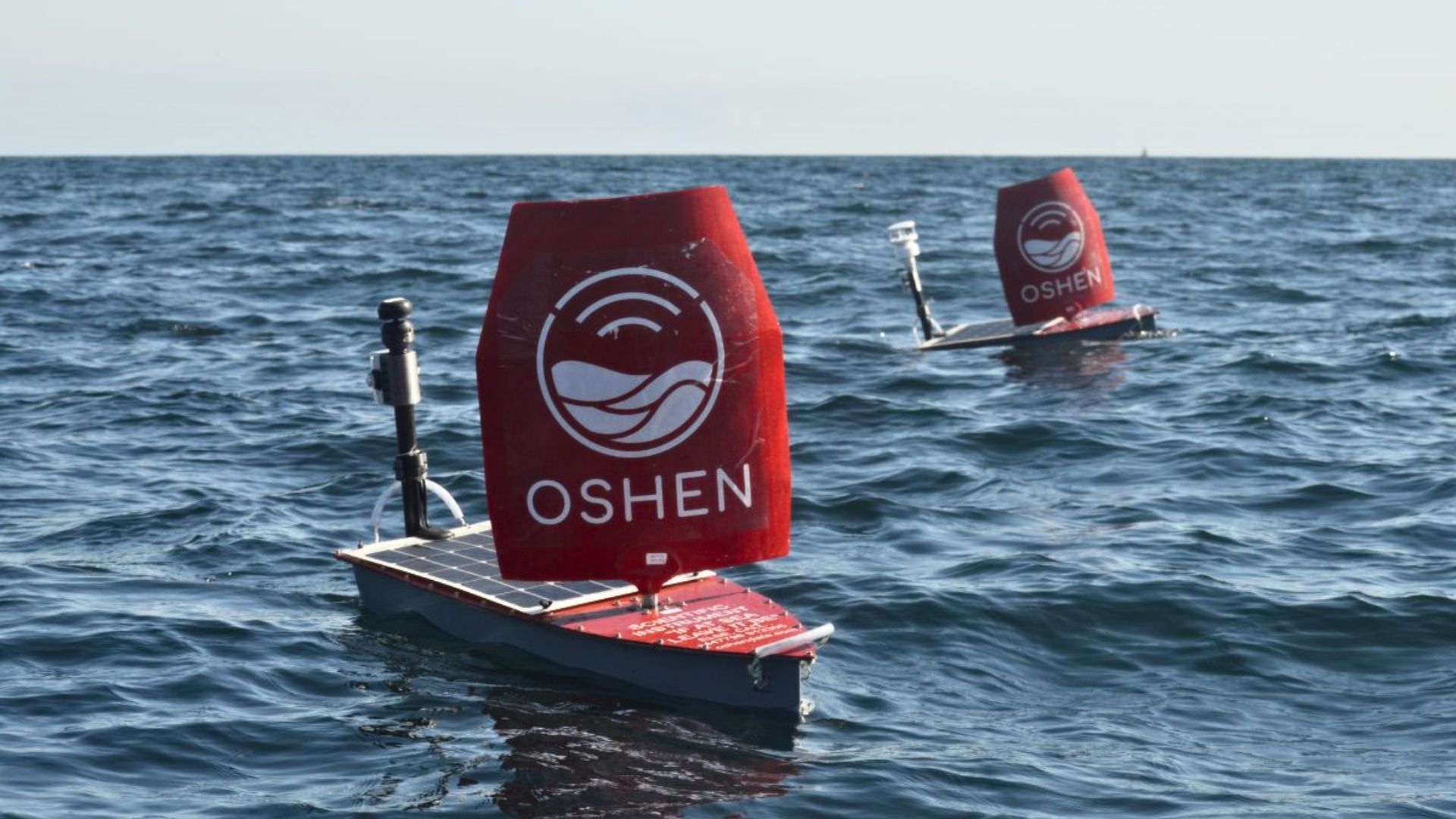
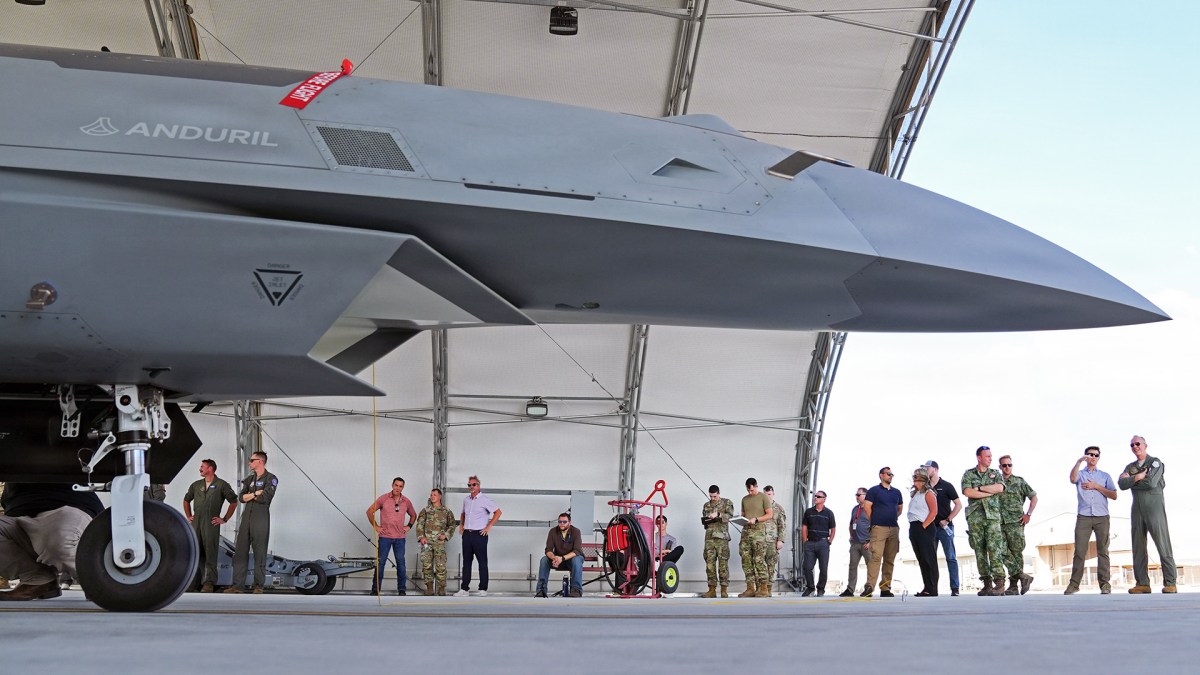
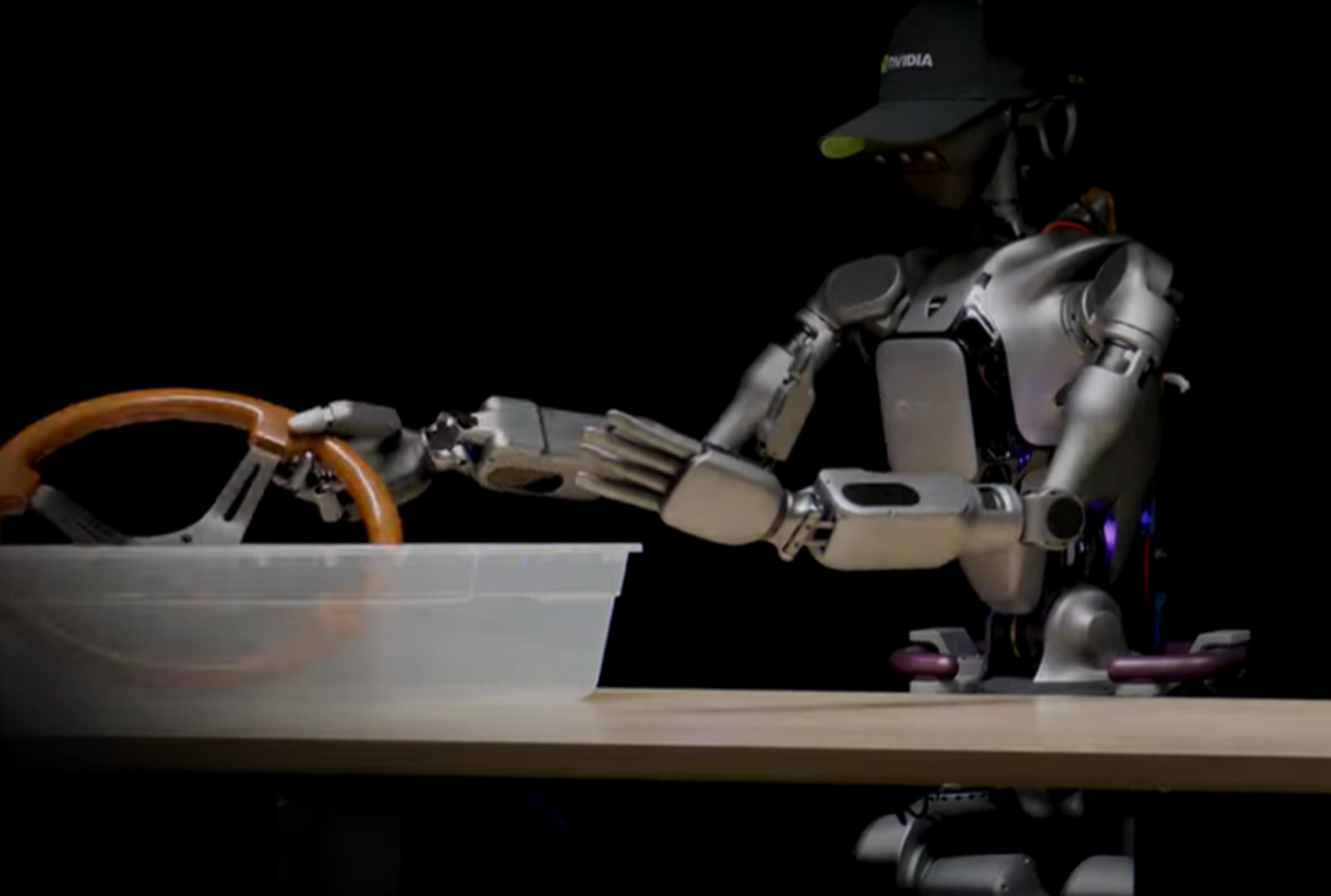
Israel's new national AI initiative has identified physical AI as a strategic focus, emphasizing the need for machines to perceive, decide, and act in the real world. This encompasses various sectors including transportation, healthcare, space, and agriculture. The plan proposes the establishment of a sandbox and national physical testing ground to validate autonomous systems under conditions that closely mimic reality.
The initiative highlights the importance of understanding the electromagnetic environment, which affects navigation and communication for autonomous machines. Engineers have recognized that radio waves, which are often overlooked, play a crucial role in how machines operate. The ability to navigate this invisible environment is essential for the reliability of autonomous systems, especially in complex scenarios like those faced in Ukraine, where interference can disrupt operations.
Looking ahead, the integration of advanced modeling tools for radio signal propagation is crucial. By creating digital twins that account for the effects of physical structures on signal behavior, the aim is to enhance the testing of autonomous machines before deployment. This proactive approach could significantly reduce failures in the field, ensuring that AI systems are better equipped to navigate both visible and invisible challenges.
Editor's Note
The focus on physical AI in Israel's national strategy reflects a growing recognition of the complexities involved in autonomous systems. As industries increasingly rely on these technologies, understanding the electromagnetic environment becomes critical for successful deployment. This initiative could set a precedent for how other nations approach the integration of AI in real-world applications, particularly in challenging environments.
































Leave a comment