Industry Briefing
A single destination for timely, editor-curated robotics news from around the world.
DeepOcean Completes Subsea Infrastructure Removals for Spirit Energy in North Sea
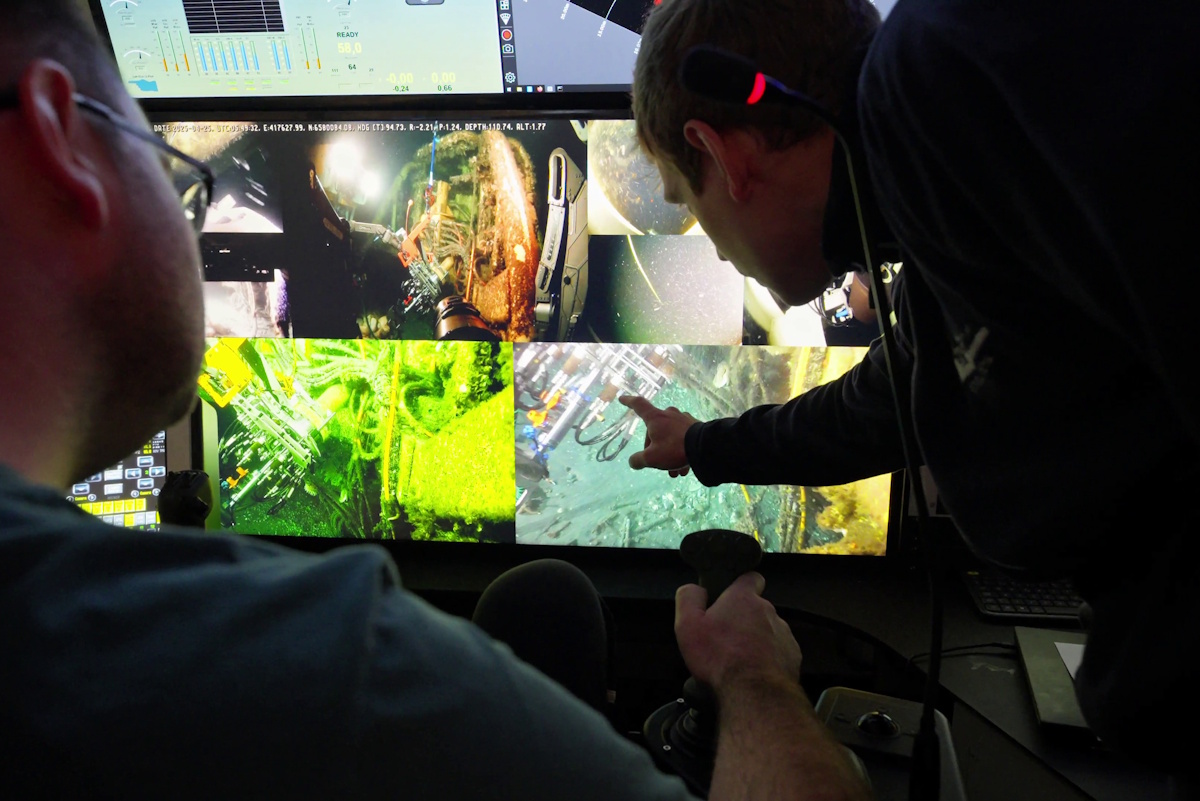
DeepOcean has successfully completed the recovery of the subsea wellhead protection structure at Spirit Energy's Seven Seas field and disconnected subsea infrastructure at the Grove West field in the North Sea. This operation utilized proprietary tooling developed in-house for decommissioning and was executed using the high-specification construction vessel Edda Freya. The project is part of Spirit Energy's broader decommissioning program for the Seven Seas and Grove West fields, aiming to maximize material recovery and minimize waste. DeepOcean's operations, managed from Aberdeen, UK, have ensured that all recovered materials are either reused, recycled, or disposed of responsibly, contributing to environmental sustainability. Looking ahead, DeepOcean's successful execution of these subsea removals positions them well for future projects with Spirit Energy. The company has demonstrated its capability in subsea decommissioning, with a focus on efficiency and environmental responsibility, as highlighted by the recycling of over 95% of materials from decommissioned assets.
deepocean subsea removals spirit energy seven seas grove west field oil and gas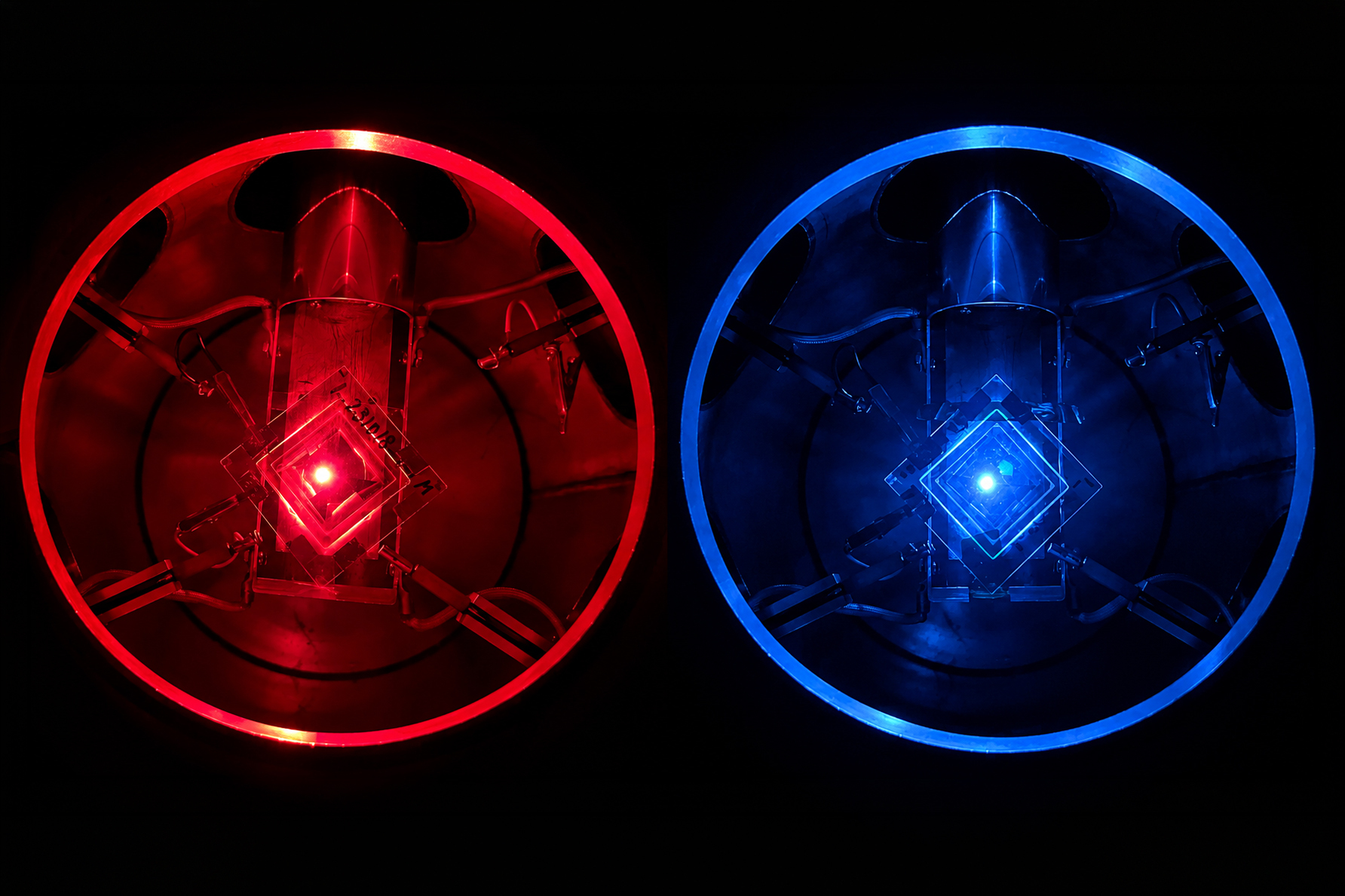
MIT and Samsung Enhance Quantum Dot LED Lifespan for Energy-Efficient Displays
MIT researchers, in collaboration with Samsung, have developed a method to improve the lifespan and efficiency of quantum dot LEDs (QD-LEDs) used in digital displays. By encapsulating QD-LEDs in an acrylate-based resin, the team achieved a remarkable 5,000-fold increase in lifespan, addressing previous limitations that hindered commercial applications. This advancement could significantly impact various devices, including TVs, smartphones, and medical imaging equipment. The significance of this research lies in its potential to transform digital display technology. Quantum dots, known for emitting pure colors, are already utilized in high-quality displays. The new encapsulation technique not only enhances the stability of QD-LEDs but also simplifies their manufacturing process, paving the way for broader adoption in consumer electronics. This could lead to displays that are not only brighter and more energy-efficient but also capable of producing a wider range of colors. Looking ahead, the insights gained from this study may facilitate further innovations in display technology. The researchers aim to address the challenges that have limited the commercialization of QD-LEDs, potentially revolutionizing how displays and ambient lighting are produced. No further timeline was disclosed at the time of publication.
Research Electronics Chemistry Materials science and engineering Nanoscience and nanotechnology Light
Factorial Energy and Tulip Tech Achieve 30% Flight Range Increase with Solid-State Batteries
Factorial Energy, based in Boston, and Tulip Tech from the Netherlands have transitioned from flight testing to the commercialization of lithium-metal UAV battery packs. Announced on July 13, 2026, their strategic partnership aims to expedite the deployment of solid-state and lithium-metal batteries for advanced drones, with initial tests showing over a 30% increase in flight range without engineering optimizations. This collaboration is significant as it addresses the growing demand for high-endurance UAVs across commercial, industrial, and defense sectors, with the global UAV market projected to exceed $160 billion by 2034. Factorial emphasizes that energy storage is a critical bottleneck affecting mission radius, payload, and fleet economics, making their advancements crucial for future drone capabilities. Looking ahead, the partnership establishes a framework for joint customer engagement and a roadmap for volume production. No further timeline was disclosed at the time of publication, but the companies are moving swiftly from testing to commercialization, indicating a strong potential for future developments in UAV battery technology.
battery technology Drone News Drone News Feeds drone parts News $160 billion UAV market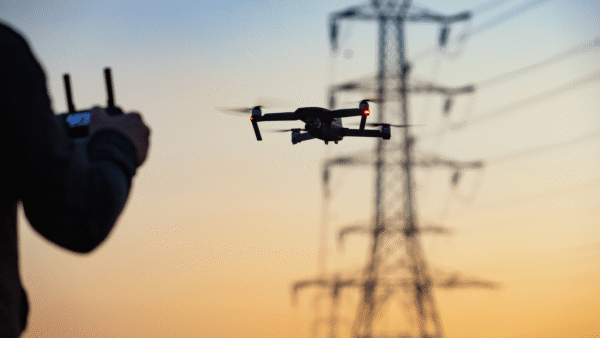
AirData Marks Energy and Utility Growth Milestone as BVLOS Rule Nears
AirData UAV, based in El Dorado Hills, California, has announced a significant milestone, surpassing 120 energy and utility customers globally. This achievement comes as the company prepares for the upcoming FAA Part 108 regulations, which are set to impact the drone industry. With over 63 million flights logged, AirData UAV is positioning itself as a leader in providing data solutions for these sectors. The expansion reflects the growing demand for drone technology in energy and utility operations, highlighting the company's commitment to innovation and compliance in a rapidly evolving regulatory landscape.
Drone News Drone News Feeds Energy infrastructure News utilities
DeepCtrls Secures Hundreds of Millions in Funding to Revolutionize Global Energy Infrastructure with Physical AI
DeepCtrls, a Chinese physical AI company, has successfully secured hundreds of millions in Series B funding, with JinkoSolar leading the investment round alongside other contributors. This significant financial boost will be directed towards enhancing the company’s proprietary PhyAI engine and expanding its DeepBot product into international markets. DeepCtrls is committed to integrating physical mechanisms with artificial intelligence, aiming to revolutionize energy infrastructure and enhance industrial AI applications. The company has already established a strong client base, including major players such as TSMC and Tencent, and is poised for substantial revenue growth as it continues to innovate in the sector.
Physical AI Energy Infrastructure Industrial AI Automation Global Expansion
Blattner awards Built Robotics $75M contract for physical AI to help meet energy demand
Blattner has announced an expansion of its partnership with Built Robotics, awarding the company a substantial $75 million contract aimed at enhancing autonomous systems for solar construction projects. This collaboration is part of Blattner's strategy to address the growing energy demand by integrating advanced physical AI technologies into their operations. The partnership underscores the increasing reliance on automation in the renewable energy sector, particularly in solar energy development. By leveraging Built Robotics' expertise, Blattner aims to improve efficiency and scalability in its construction processes, ultimately contributing to a more sustainable energy future.
Artificial Intelligence Construction Energy / Solar / Renewables Mobility / Navigation News Self-Driving Vehicles
As AI Reshapes Global Energy Systems, Melbourne Leads Through Engineering Collaboration
As artificial intelligence (AI) rapidly expands, it is driving a significant increase in global electricity demand, presenting urgent challenges for energy systems. Melbourne, Australia, is positioning itself as a leader in addressing these issues, with a focus on the infrastructure necessary to support AI's growth. By 2035, data centers in Australia are expected to consume up to 11 percent of the nation's electricity, raising concerns about generation and system reliability. The University of Melbourne is at the forefront of this initiative, with interdisciplinary research aimed at developing energy systems that can meet the demands of AI. The Melbourne Energy Institute is exploring how various energy technologies interact, while facilities like the Smart Grid Lab allow for real-time simulations of power systems. This integrated approach is essential for designing resilient and efficient energy systems that can adapt to new patterns of demand. Victoria's advanced energy ecosystem, which includes renewable generation and battery storage, is crucial for balancing digital growth with sustainability. The collaboration between researchers, industry, and policymakers is vital for creating future energy systems that are affordable and resilient. Looking ahead, Melbourne will host the IEEE PES Generation Transmission and Distribution Asia 2027 Conference, bringing together global experts to address the evolving challenges in power systems. This event underscores Melbourne's commitment to fostering international collaboration and innovation in energy solutions, reinforcing its role as a key player in the global energy transition.
Artificial-intelligence Australia Energy-systems University-of-melbourne Ai-data-centers Power-grid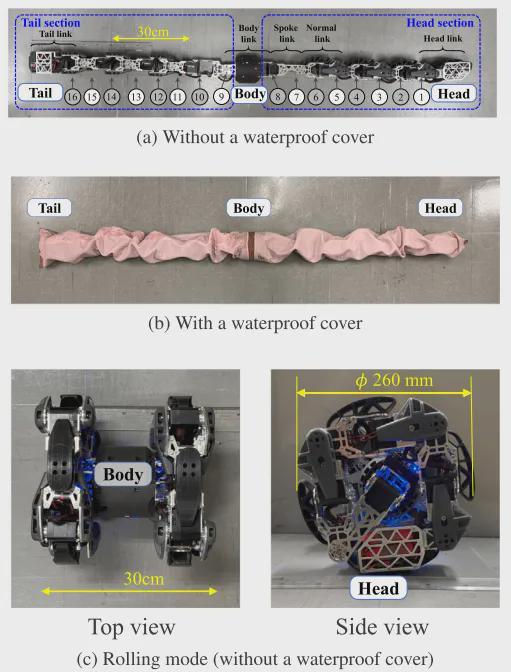
Japanese Team Develops Snake Robot with New Rolling Motion, Achieving 10x Energy Efficiency
A research team at Osaka Metropolitan University has made significant advancements in robotics by training a snake-like robot to roll forward, which has notably improved its energy efficiency. By employing deep reinforcement learning techniques, the robot is able to maintain a nearly straight trajectory while achieving energy consumption reductions of up to tenfold compared to conventional crawling methods. This breakthrough not only showcases the potential for more efficient robotic movement but also opens avenues for further developments in energy-efficient robotic applications.
Snake Robots Energy Efficiency Deep Reinforcement Learning Robotics Motion Control
Anthro Energy partners with EnPower to develop lithium-ion cells in the U.S.
EnPower and Anthro Energy have announced a strategic partnership aimed at advancing lithium-ion cell development in the United States. This collaboration will leverage EnPower's expertise in electrode and pouch cell manufacturing alongside Anthro Energy's innovative Proteus electrolyte platform. By combining their respective technologies, the companies seek to enhance the performance and efficiency of lithium-ion batteries, addressing the growing demand for sustainable energy solutions. The partnership marks a significant step forward in the U.S. battery manufacturing landscape, reflecting a commitment to innovation and competitiveness in the energy sector.
Aerospace Batteries / Power Supplies Defense / Security Drones Maritime Mobility / Navigation
How Motor Controllers Influence Robot Accuracy and Energy Efficiency
As the robotics sector rapidly evolves, industries including manufacturing, healthcare, logistics, and agriculture are increasingly reliant on advanced motion control technologies. This surge in demand is largely driven by the need for precise and energy-efficient solutions to enhance operational efficiency. Central to many of these modern robotic systems are Brushless DC (BLDC) motors, which are celebrated for their high efficiency, reliability, and extended lifespan. However, the optimal performance of these motors is contingent upon effective control strategies and integration within robotic frameworks. As companies seek to leverage the advantages of BLDC motors, ongoing innovations in motion control technology are expected to further enhance the capabilities of robotic systems across various sectors.
Components Engineering amrs autonomous mobile robots BLDC motor controllers BLDC motors
How Cold Chain Operators Are Turning Energy Flexibility Into a Competitive Advantage
Cold storage facilities, known for their high energy consumption, face increasing challenges as the cost of electricity becomes more dependent on consumption timing rather than just the volume used. This shift in energy pricing creates a difficult situation for operators who have traditionally viewed electricity costs as fixed. As refrigeration systems must run continuously to maintain product integrity, the significant energy load required raises concerns about operational expenses and sustainability. The industry is now compelled to adapt to these changing dynamics, prompting a reevaluation of energy management strategies to mitigate costs and enhance efficiency.
Business Logistics automation news cold chain cold chain logistics cold storage
UMass Amherst Researchers Developing AI Architecture That Uses a Fraction of the Energy Required by Today’s AI Systems
Researchers at the University of Massachusetts Amherst have unveiled a groundbreaking artificial intelligence architecture aimed at significantly lowering the energy consumption of advanced AI systems while maintaining their learning capabilities. This innovative approach, inspired by brain function, was developed with funding from the U.S. National Science Foundation and the Air Force Office of Scientific Research. By mimicking the efficiency of the human brain, the new architecture seeks to address the growing energy demands associated with AI technologies, which have raised concerns regarding sustainability and environmental impact. The research, which highlights the potential for more eco-friendly AI solutions, could pave the way for advancements in various fields reliant on artificial intelligence, ultimately promoting a more sustainable future for technology.
AI AI Research & Advances Robotics architecture energy consumption Research
ABB and Salzburg researchers patent AI system to cut energy use in industrial robots
Salzburg University of Applied Sciences has partnered with ABB’s Machine Automation Division, B&R, to enhance energy efficiency in industrial automation through the application of artificial intelligence. This collaboration is centered at the Josef Ressel Center for Intelligent and Secure Industrial Automation (JRZ ISIA), where the two entities aim to translate cutting-edge research into viable solutions for industrial drive systems. By leveraging AI technologies, the initiative seeks to optimize energy consumption and improve operational efficiency in manufacturing processes, addressing the growing demand for sustainable industrial practices.
Industrial robots News abb ai in manufacturing AI optimization automation news
Military Selects First Bases for Directed-Energy Counter-Drone Program
The U.S. Department of Defense has unveiled the first five military installations chosen to participate in a directed-energy counter-drone program aimed at enhancing defenses against unmanned aircraft systems (UAS). This initiative, announced by the Joint Interagency Task Force 401, seeks to bolster national security by developing advanced drone defense technologies. The selected bases will play a crucial role in testing and implementing these systems, reflecting the growing need to address the evolving threats posed by drones. The program underscores the military's commitment to adapting to modern warfare challenges and ensuring effective countermeasures against potential aerial threats.
Anti-drone technology Applications C-UAS Defense defense Drone News
Forum Energy Technologies' latest LARS model launches onto the market with a compact, all-in-one package
Forum Energy Technologies (FET) has introduced its newest subsea handling equipment, the Model 6000 (M6000) Launch and Recovery System (LARS). This innovative system was unveiled recently as part of FET's ongoing commitment to enhancing operational efficiency in subsea operations. The launch took place at the company's headquarters, where industry experts and stakeholders gathered to witness the demonstration of the M6000's capabilities. The M6000 is designed to improve safety and reliability during the deployment and retrieval of subsea equipment, addressing critical challenges faced by operators in harsh underwater environments. FET's development of this system responds to the growing demand for advanced technology in the subsea sector, driven by an increase in offshore exploration and production activities. By incorporating cutting-edge engineering and design, the M6000 aims to streamline operations, reduce downtime, and ultimately lower costs for clients. The system's advanced features include enhanced control systems and improved handling capacities, making it a significant advancement in subsea technology. FET's latest launch underscores the company's position as a leader in the subsea equipment market, reinforcing its dedication to innovation and customer satisfaction. As the industry continues to evolve, the M6000 is poised to play a pivotal role in the future of subsea operations.
forum energy technologies' latest lars model launches onto the market with a compact all-in-one package
Sion Power Launches Two High Energy Density Batteries for Military Drones
Sion Power has unveiled two advanced lithium-metal battery cells, the Licerion Strike and Licerion Echo, designed specifically for military drones. These new cells boast an impressive energy density of over 500 Wh/kg, significantly enhancing the operational capabilities of unmanned defense systems. With this technology, combat drones can achieve flight durations two to three times longer than those powered by traditional lithium-ion batteries. The launch of these high energy density batteries marks a significant advancement in drone technology, aimed at improving the effectiveness and endurance of military operations.
battery technology Defense defense Drone News Drone News Feeds Military
Decentralized Training Can Help Solve AI’s Energy Woes
As the demand for artificial intelligence (AI) continues to surge, concerns over its significant energy consumption and carbon footprint have prompted major tech companies to explore nuclear energy as a sustainable solution. While nuclear-powered data centers remain a future prospect, industry leaders are currently focusing on decentralizing AI model training to address the escalating energy requirements. This approach distributes training tasks across a network of independent nodes, utilizing existing computing resources, such as dormant servers and solar-powered home computers, rather than relying solely on traditional data centers. Companies like Nvidia and Cisco are enhancing their infrastructure to support this decentralized model, allowing for efficient AI training across geographically dispersed data centers. Additionally, platforms like Akash Network are facilitating a "GPU-as-a-Service" model, enabling users with underutilized GPUs to rent out their computing power. On the software side, advancements in federated learning and algorithms like DiLoCo are being implemented to optimize decentralized training while minimizing communication costs and enhancing fault tolerance. These innovations allow for collaborative model training without the need for constant data exchange, thus improving efficiency. Akash Network's Starcluster program aims to convert homes into functional data centers by leveraging solar energy and existing computing devices. This initiative seeks to make participation accessible and is targeting a 2027 launch. By decentralizing AI training, the industry hopes to create a more energy-efficient and environmentally sustainable future for AI development.
Training Ai-energy Data-center Large-language-models
Fugro Supports Mubadala Energy’s Deepwater Gas Development Offshore North Sumatra
Fugro has secured a significant contract with Mubadala Energy (South Andaman) RSC Limited to provide advanced soil investigation services for the South Andaman Deepwater Development, situated offshore Indonesia. This project is crucial as it will support the Front-End Engineering Design (FEED) and the subsequent Engineering Procurement and Construction (EPC) award, ultimately guiding the detailed design for the development of the Tangkulo Field. The collaboration underscores the importance of thorough geological assessments in ensuring the project's success and efficiency in the region's energy sector.
fugro mubadala energy deepwater gas development offshore north sumatra
Forum Energy Technologies Secures Work-Class ROV Order
Forum Energy Technologies (FET), a prominent player in subsea robotics, has announced a new contract with its long-term client, DOF. This agreement involves the provision of a work-class remotely operated vehicle (ROV) along with a supporting tether management system. The delivery of this advanced equipment is set for late 2025 and will enhance DOF’s extensive subsea operations in Brazil. This partnership underscores FET's commitment to supporting DOF's operational capabilities in the region.
forum energy technologies (fet) dof xlx-c24 work-class rov
Forum Energy Technologies Upgrades ROVs for Global Vessel Operator
Forum Energy Technologies (FET) has secured a contract to upgrade two remotely operated vehicles (ROVs) for a leading global vessel operator. This initiative aims to significantly enhance the performance, efficiency, and reliability of the ROV systems. The upgrades are expected to bolster the operator's capabilities in underwater operations, reflecting FET's commitment to advancing technology in the maritime sector. The timeline for the project has not been disclosed, but it underscores the growing demand for improved ROV technology in the industry.
forum energy technologies upgrades rov
Composite Energy Technologies Announces HADALUS-XL Expanding Flat Pack AUV Family
Composite Energy Technologies (CET) has introduced HADALUS-XL, the latest model in its line of Flat Pack Autonomous Underwater Vehicles (AUVs). This unveiling took place recently as CET aims to enhance logistics capabilities in contested environments. The HADALUS AUVs are specifically designed for efficient transport in standard shipping containers, allowing for quick assembly at deployment sites. This innovation is expected to streamline operations and improve logistical support for underwater missions.
composite energy technologies hadalus-xl auv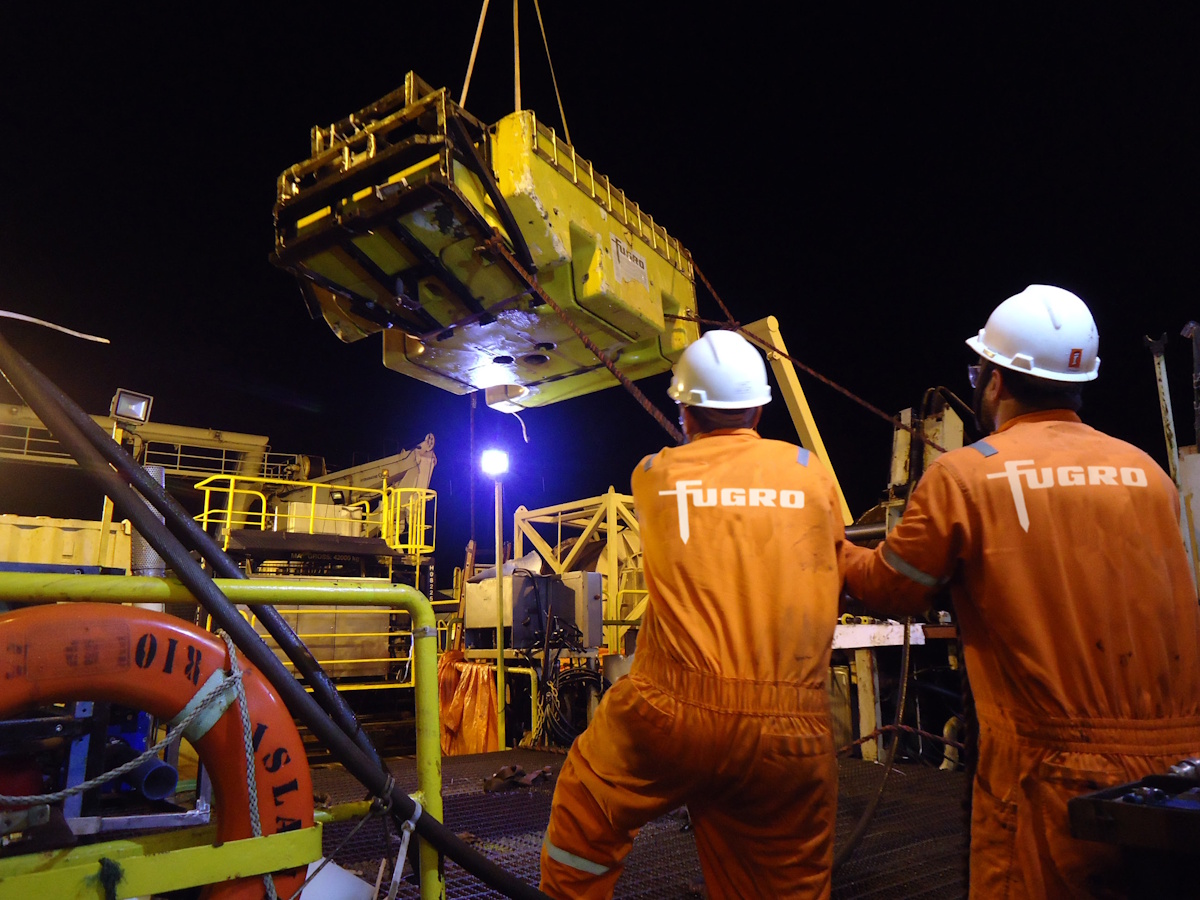
Fugro Secures Two Contracts to Support Brazil’s Offshore Energy Expansion
Fugro has entered into two three-year contracts with Constellation, an offshore energy services company, to assist in deepwater exploration efforts in Brazil. This collaboration targets the Campos Basin, a well-established oil region, and the Equatorial Margin, which is gaining prominence in the energy sector. The agreements are part of Brazil's broader strategy to enhance its energy security by tapping into domestic oil and gas resources, positioning these developments as a crucial step towards transitioning to low-carbon energy solutions.
fugro new contract offshore energy rov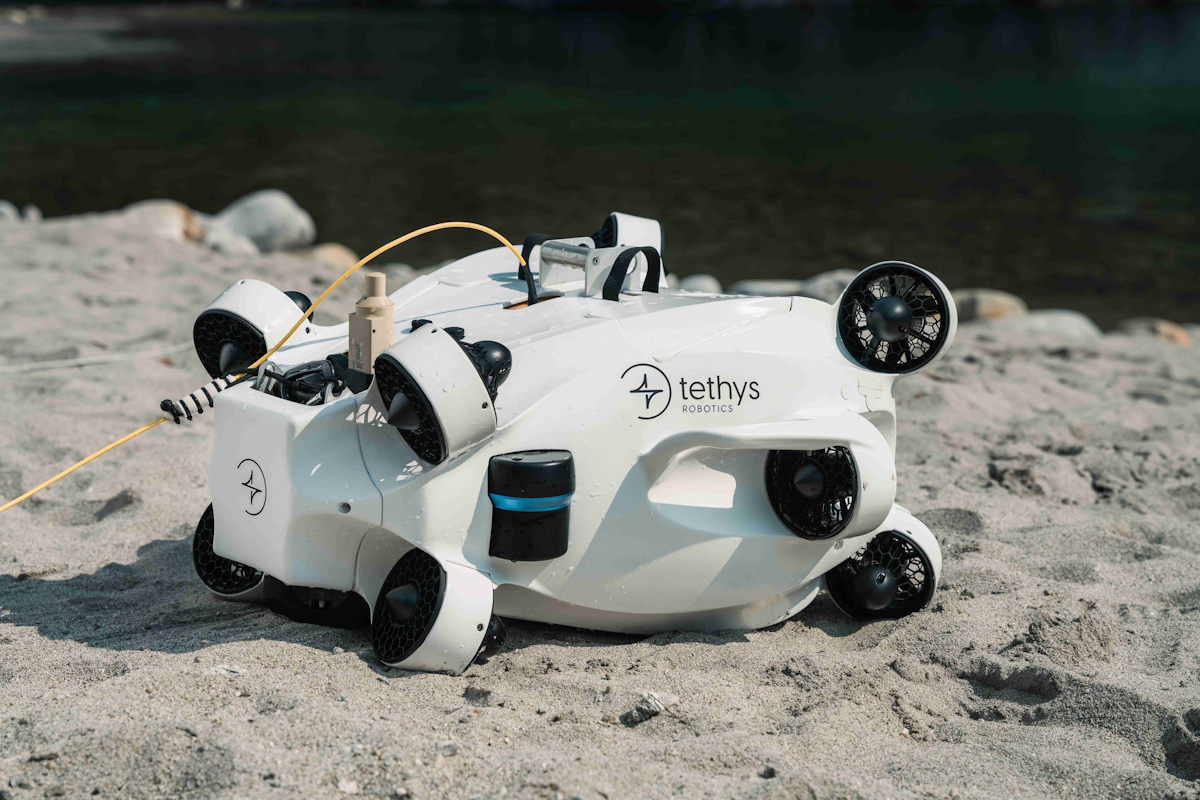
SeaRenergy and Tethys Robotics Announce Strategic Partnership to Enhance Offshore Subsea Inspection Services
Tethys Robotics AG has entered into a strategic partnership with SeaRenergy Offshore Holding GmbH, a prominent offshore service provider recognized for its expertise in complex subsea operations across Europe. This collaboration, announced recently, aims to enhance subsea inspection services by leveraging SeaRenergy's extensive experience in offshore wind and marine projects alongside Tethys Robotics’ advanced inspection technology. The partnership is expected to elevate performance standards in the industry, combining operational insights with cutting-edge technological capabilities.
searenergy tethys robotics strategic partnership offshore subsea inspection services
Terradepth Awarded 5-Year Contract in Global Offshore Energy
Terradepth, a prominent provider of Ocean Data as a Service (ODaaS), has secured a five-year Master Services Agreement with a major offshore energy company. This partnership will enable Terradepth to provide autonomous hydrographic survey and data services, significantly reducing both the time and cost associated with traditional hydrographic surveys. The initial project under this agreement focuses on a liquefied natural gas (LNG) export terminal located in the Asia Pacific region. This collaboration aims to enhance operational efficiency in offshore energy projects while leveraging advanced technology for data collection and analysis.
terradepth contract award global offshore energy
Kraken Robotics Announces Synthetic Aperture Sonar Service for the Offshore Energy Market
Kraken Robotics Inc. is set to introduce a new synthetic aperture sonar (SAS) service aimed at the global offshore energy market. The company’s commercial services team will offer dedicated KATFISH towed SAS systems for rental, with availability commencing in July 2025. This initiative reflects Kraken's commitment to enhancing underwater exploration and data collection capabilities in the energy sector, addressing the increasing demand for advanced technology in offshore operations.
kraken robotics synthetic aperture sonar (sas) offshore energy market
Acteon Completes First Year of Balance of Plant Inspection Contract with Siemens Gamesa Renewable Energy
Acteon has successfully completed the first year of a three-year balance of plant inspection contract with Siemens Gamesa Renewable Energy for the Butendiek offshore wind farm. Located approximately 32 kilometers west of the island of Sylt in the German sector of the North Sea, the wind farm project underscores Acteon’s commitment to providing high-quality and safe subsea inspection and survey services within the renewable energy sector. This milestone reflects the company's ongoing dedication to excellence in supporting the growth of sustainable energy initiatives.
acteon plant inspection contract siemens gamesa renewable energy
LG Energy to Supply Batteries for Google's Largest Solar and Storage Project
LG Energy has been confirmed to supply batteries for Google's largest solar and energy storage project, marking a significant expansion in energy infrastructure related to the rising power demands of AI data centers. This project, known as the Steel River Energy Center, is a collaboration between Google and Cypress Creek Energy in Arkansas. The initial phase of the project will feature 1.6 gigawatts (GW) of solar power generation capacity and approximately 2 gigawatt-hours (GWh) of battery storage, with plans to expand to 2.5 GW of solar and 2.9 GWh of storage by 2029. LG Energy is expected to provide its JF2 DC Link system, utilizing lithium iron phosphate battery technology, with the order valued at several hundred billion Korean won. As the demand for renewable energy solutions grows, this partnership highlights the increasing importance of energy storage systems in supporting sustainable infrastructure. No further timeline was disclosed at the time of publication.

Zetwerk Advances Towards IPO with SEBI Observations in India’s Energy and Aerospace Sectors
Zetwerk, an Indian company operating in sectors such as energy, aerospace, and defense, has received observations from the Securities and Exchange Board of India (SEBI) as it moves closer to its Initial Public Offering (IPO). The company focuses on industrial commodities and has been preparing for this significant financial milestone, although specific timelines for the IPO have not been disclosed. The significance of this development lies in Zetwerk's strategic positioning within high-demand sectors like energy and aerospace, which are critical for India's economic growth. The observations from SEBI indicate regulatory progress, suggesting that the company is on track to attract potential investors and raise capital to further expand its operations in these vital industries. Looking ahead, industry watchers will be keen to see how Zetwerk responds to SEBI's observations and the subsequent steps it takes towards launching its IPO. No further timeline was disclosed at the time of publication, but the upcoming months will likely be pivotal for the company's public offering plans.
News Accel India IPO Zetwerk
Physical AI Company DeepCtrls Raises Hundreds of Millions from Jinko Energy and SDIC Innovation
DeepCtrls has successfully completed its Series B funding round, securing significant investment to enhance its physical AI platform aimed at global energy infrastructure. This funding will enable the company to expand its services to over 360 enterprise clients, including major players such as TSMC, CXMT, Tencent, and CATL. The funding round, which took place recently, reflects the growing demand for innovative AI solutions in the energy sector. By leveraging this investment, DeepCtrls aims to scale its operations and improve its offerings, ultimately contributing to the efficiency and sustainability of energy infrastructure worldwide.
Technology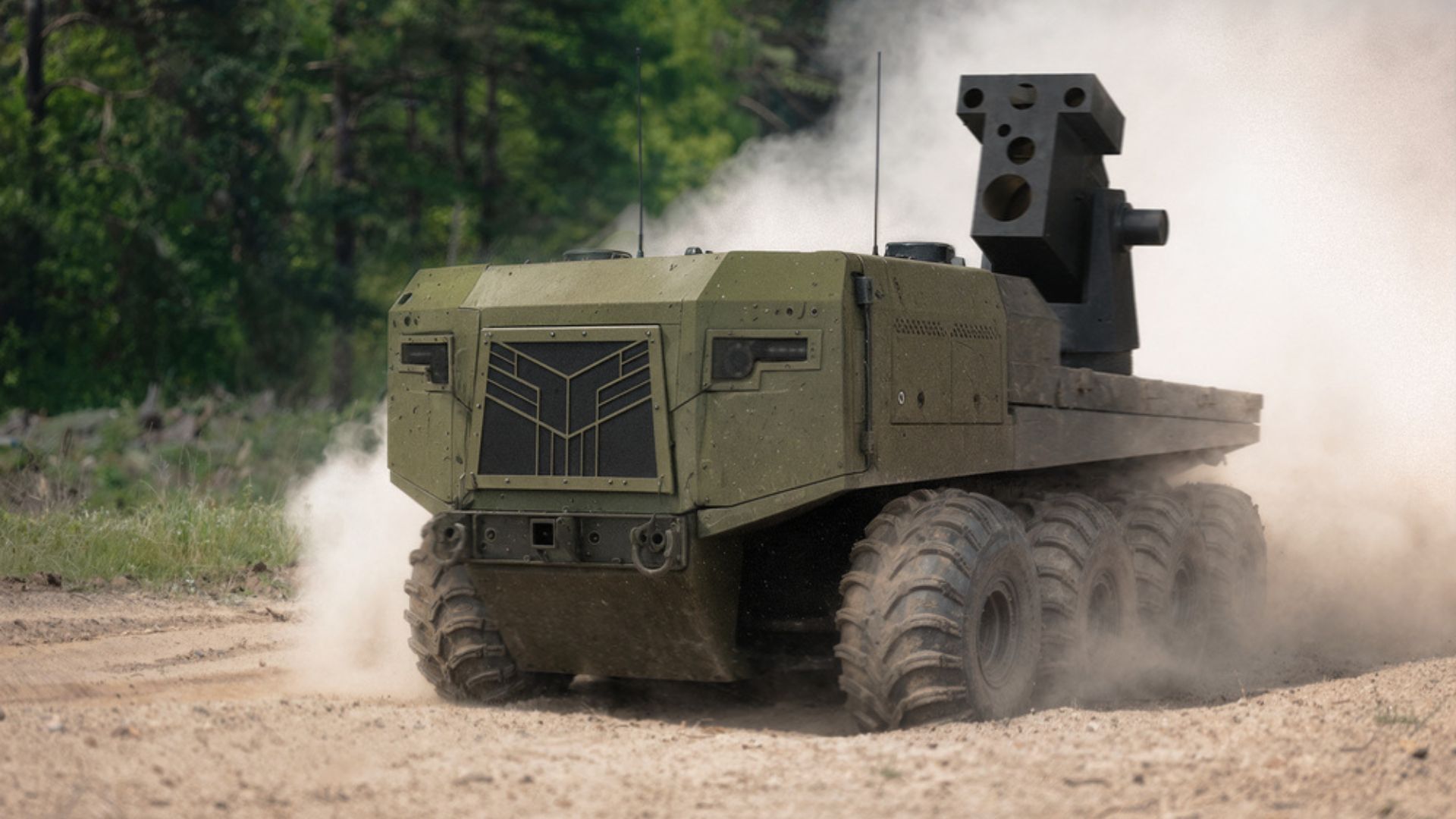
US robotic combat vehicles add directed-energy weapons to defeat multi-drone threats
Aurelius Systems has partnered with American Rheinmetall to integrate a directed-energy counter-drone system onto robotic...
Military
YPF Sociedad Anónima (YPF) to Collaborate With Tesla on Energy Storage Infrastructure and Fast-Charging Networks
YPF Sociedad Anónima, the Argentine national energy provider, has entered into a letter of intent with Tesla Inc. to collaborate on developing energy storage infrastructure and fast-charging networks. This partnership was announced on June 16, 2026, following a visit by YPF CEO Horacio Marin to Tesla's Gigafactory in Texas, where discussions focused on technological advancements and electric mobility. The collaboration aims to enhance YPF's capabilities in energy infrastructure development, aligning with the growing demand for electric vehicle support. In related news, YPF's stock has garnered positive attention from analysts, with UBS analyst Tasso Vasconcellos recently raising the target price from $45 to $48, while maintaining a Neutral rating. The overall market sentiment remains bullish, with three out of four analysts recommending a Buy, contributing to a median one-year target price of $57.38, indicating a potential upside of nearly 27%. YPF is recognized for its extensive operations in oil and gas, including exploration, production, and power generation, positioning itself as a significant player in the evolving energy landscape.

Millions of exploding stars could soon reveal dark energy's secrets
A groundbreaking AI-powered framework has the potential to revolutionize the measurement of the Universe's expansion, according to recent research. By meticulously analyzing images of Type Ia supernovae and modeling their surrounding environments with unprecedented detail, scientists can achieve cosmic distance estimates with near-spectroscopic accuracy. This innovative technique is particularly timely, as it is designed to handle the vast amounts of data anticipated from the forthcoming Vera C. Rubin Observatory. The advancement aims to enhance our understanding of dark energy, a critical component in the study of cosmology.

New membranes strip 99.8% of heavy hydrocarbons from crude oil to save refining energy
Researchers have developed a groundbreaking class of ultrathin polymer membranes known as Polymers of Locked Intrinsic Microporosity (PLIMs). This innovative material, which emerged from a collaborative effort among scientists, aims to enhance gas separation processes. The announcement was made during a recent conference held in October 2023, where experts gathered to discuss advancements in materials science. The motivation behind creating PLIMs stems from the increasing demand for efficient and sustainable methods in gas separation, which is crucial for various industries, including energy and environmental sectors. The unique structure of these membranes allows for superior performance compared to traditional materials, potentially leading to significant reductions in energy consumption and operational costs. The development process involved extensive research and experimentation to optimize the polymer's properties, resulting in membranes that are not only ultrathin but also exhibit remarkable selectivity for specific gases. This advancement could revolutionize applications such as carbon capture and hydrogen purification, addressing pressing global challenges related to climate change and resource management. As the scientific community continues to explore the potential of PLIMs, the implications for industrial applications and environmental sustainability are becoming increasingly clear, paving the way for a new era in membrane technology.
Innovation
China Achieves Major Breakthroughs in Aerospace, Clean Energy, and Infrastructure
This week, China has made notable advancements across various sectors, including aerospace, clean energy, infrastructure, and advanced manufacturing, showcasing the country's ongoing commitment to technological progress. These breakthroughs reflect China's strategic focus on innovation and development, aiming to enhance its global competitiveness and address pressing domestic challenges. The achievements highlight the effectiveness of China's investment in research and development, as well as its efforts to foster collaboration between government, industry, and academia. As these sectors continue to evolve, China's advancements are expected to play a crucial role in shaping the future of technology and sustainable development on a global scale.
Technology
China’s Galactic Energy Pushes Toward World’s First Electromagnetic Launch Rocket
China is making significant strides in the development of electromagnetic rocket launch technology, a cutting-edge advancement in the aerospace sector. Private aerospace company Galactic Energy is at the forefront of this initiative, aiming to become the first entity to operationalize this innovative launch method. This technology promises to enhance the efficiency and cost-effectiveness of rocket launches, potentially revolutionizing space access. As the country invests in and refines this technology, it positions itself as a leader in the global aerospace industry, seeking to capitalize on the growing demand for satellite deployment and space exploration. The timeline for the operational rollout remains under wraps, but the advancements signal a pivotal shift in how space missions may be conducted in the near future.
Technology
High energy prices could derail Europe’s AI race with U.S. and China
Energy costs in Europe are exhibiting significant disparities, leading to distinct advantages for some countries while disadvantaging others in their efforts to attract investment. As of October 2023, these variations in energy prices have become a critical factor influencing economic strategies across the continent. Countries with lower energy costs are finding themselves in a more favorable position to draw in foreign investments, while those facing higher expenses struggle to remain competitive. This situation is prompting governments and policymakers to reassess their energy strategies to foster a more attractive investment climate. The ongoing fluctuations in energy prices underscore the importance of energy policy in shaping economic opportunities and challenges within the European market.

AI reveals the invisible magnetic chaos wasting energy inside electric motors
Researchers in Japan have made significant strides in addressing a critical issue affecting electric vehicles: magnetic energy loss within electric motors. This hidden energy drain has become a focal point for scientists as the demand for electric vehicles continues to grow. Utilizing an advanced AI-driven physics model, the team has gained insights into the complex and chaotic magnetic patterns found in motor materials. Their innovative approach allows them to analyze how heat and microscopic magnetic structures contribute to energy waste. This breakthrough could lead to more efficient electric motors, enhancing the performance and sustainability of electric vehicles in the future.

Accelerating Chipmaking Innovation for the Energy-Efficient AI Era
Applied Materials is set to revolutionize semiconductor research and development with the opening of its EPIC Center in 2026, marking the largest investment in advanced semiconductor equipment R&D in U.S. history at approximately $5 billion. This initiative aims to address the pressing demands of the AI era, where companies are racing to enhance AI system performance while managing energy consumption. The EPIC Center will facilitate a collaborative environment where engineers and technologists work together from the outset, streamlining the traditional R&D workflow that has become too slow for the rapid advancements required in AI technology. By integrating atomistic modeling, process development, and validation within a shared space, EPIC aims to accelerate the transition from research to high-volume manufacturing. As AI workloads increasingly depend on efficient data movement, the center will focus on optimizing three interconnected domains: logic, memory, and advanced packaging. Innovations such as 3D devices, high-bandwidth memory, and hybrid bonding will be prioritized to enhance energy efficiency and performance per watt. The EPIC model emphasizes the need for a new approach to innovation, breaking down silos and fostering collaboration among industry leaders and academic institutions. This shift is essential to meet the challenges posed by the angstrom era, where the complexity of semiconductor manufacturing demands a more integrated and rapid development process. Through EPIC, Applied Materials aims to lead the charge in delivering the next generation of energy-efficient AI technologies.
Chipmaking Artificial-intelligence Materials-science Semiconductors
UAE Building Massive ‘Cope Cages’ To Protect Energy Facilities From Iranian Drone Attacks
In response to a series of Iranian missile and drone attacks that have significantly damaged its oil and gas infrastructure, the United Arab Emirates is undertaking a major initiative to enhance the security of its energy facilities. The UAE is constructing large protective structures known as "cope cages" to safeguard these critical sites from future assaults. This proactive measure aims to bolster the resilience of the country's energy sector amid escalating tensions in the region. The decision reflects the UAE's commitment to ensuring the safety and stability of its vital resources in the face of ongoing threats.
News & Features Around The Globe Drones Iran Land Middle East
Powering the Next American Century: US Energy Secretary Chris Wright and NVIDIA’s Ian Buck on the Genesis Mission
During a fireside chat at the SCSP AI+ Expo on Thursday morning, U.S. Energy Secretary Chris Wright and NVIDIA Vice President Ian Buck discussed the pivotal role of artificial intelligence in transforming the energy sector. They emphasized how AI technologies can enhance energy efficiency and optimize resource management, addressing the growing demand for sustainable energy solutions. The conversation highlighted the urgent need for innovation in energy production and consumption, driven by climate change and the quest for greener alternatives. By leveraging AI, the energy industry can better predict consumption patterns, reduce waste, and ultimately build a more resilient energy infrastructure. This dialogue underscores the collaboration between government and technology leaders to harness advanced computing capabilities for a sustainable future.
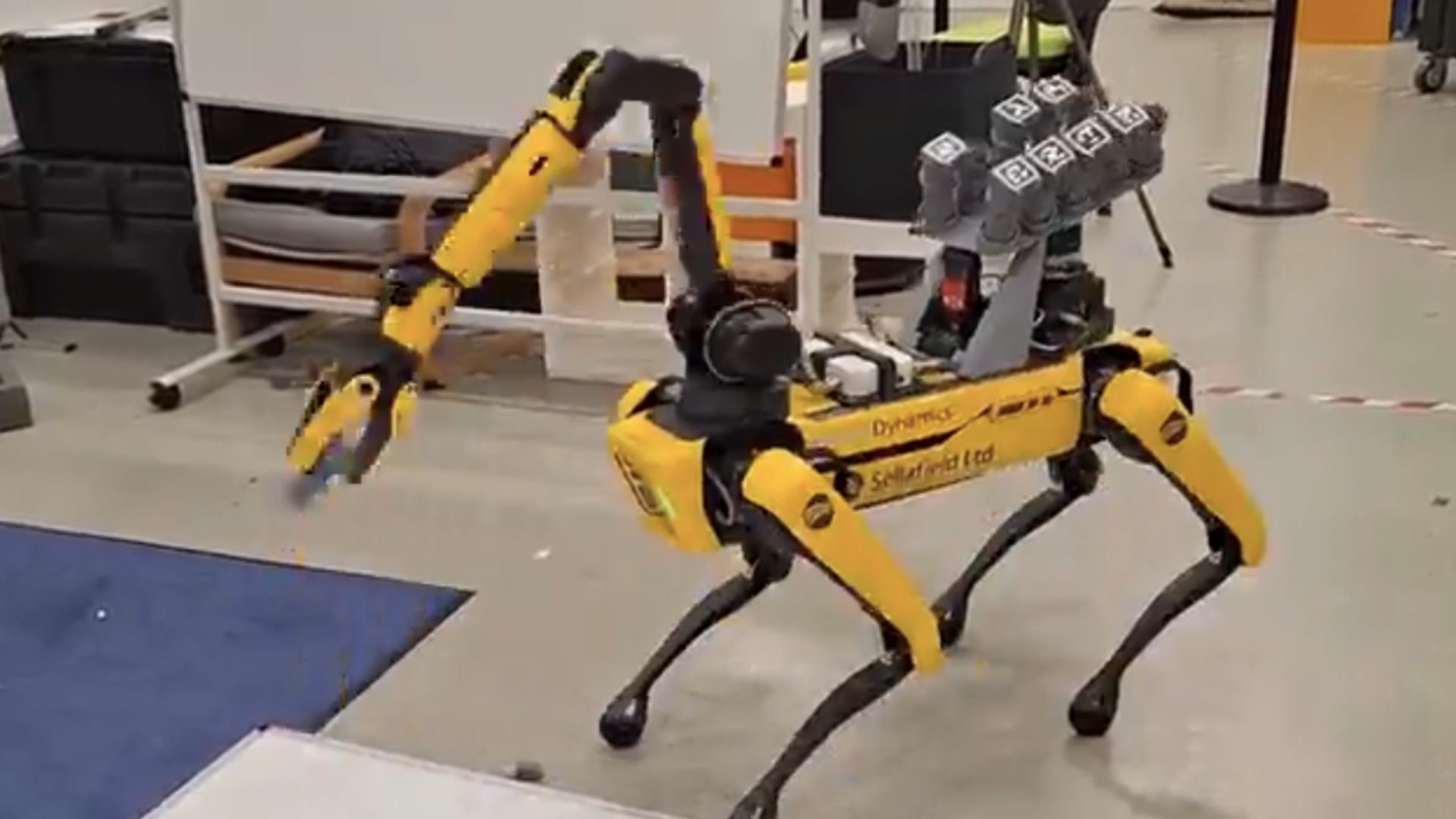
Oxford to build next-gen robotic solutions for nuclear energy sites with AtkinsRéalis
In the evolving landscape of nuclear energy, industry experts are highlighting the increasing importance of skilled workers who can navigate the complexities and risks associated with this sector. As the demand for clean energy sources rises, the nuclear industry is facing a critical shortage of qualified personnel, particularly in safety and operational roles. This trend is becoming more pronounced as older workers retire and fewer new professionals enter the field. The urgency of this situation has prompted nuclear energy companies to invest in training programs and partnerships with educational institutions to cultivate a new generation of experts. These initiatives aim to equip workers with the necessary skills to manage advanced technologies and ensure safety protocols are rigorously followed. The focus on workforce development is particularly relevant as countries strive to meet climate goals and reduce reliance on fossil fuels. With nuclear energy poised to play a significant role in achieving these objectives, the sector is recognizing that its most valuable asset may soon be its workforce. As a result, efforts to attract and retain talent are becoming paramount, with companies offering competitive salaries and benefits to entice new recruits. In summary, the nuclear energy sector is at a pivotal moment, emphasizing the need for skilled professionals to sustain its growth and safety. As the industry adapts to meet future energy demands, the commitment to workforce development will be crucial in ensuring a reliable and secure energy supply.
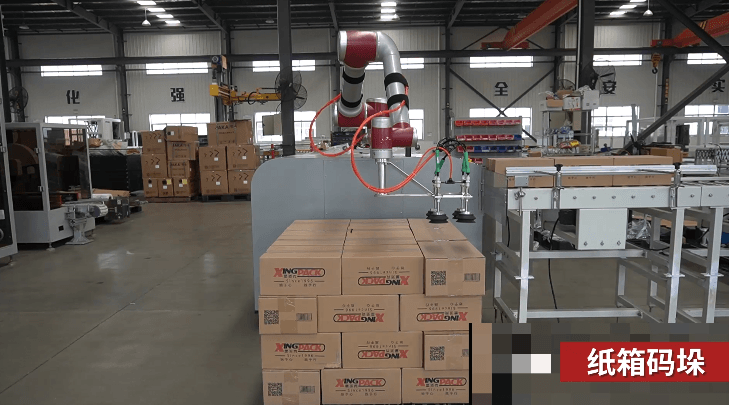
Global Market Outlook for Palletizing Robot Arms in New Energy Logistics
JAKA is closely monitoring the rapid expansion of the new energy logistics sector, particularly the growing demand for palletizing robot arms. This surge is driven by the need for sustainable and efficient logistics solutions that can lower labor costs, enhance operational safety, and improve throughput. The company is focusing on adaptable, high-performance robotic solutions, such as the JAKA Zu30, which can handle payloads up to 30 kg with remarkable precision, making it ideal for tasks like palletizing battery modules and assembling energy storage components. The Zu30 is designed for efficiency and precision, featuring IP65 protection for operation in challenging environments. Its compact design allows for collaborative automation, making it suitable for restricted spaces while seamlessly integrating into existing production lines. This flexibility enables logistics providers to scale their automation strategies in response to evolving market demands without significant infrastructure redesigns. Market trends indicate that the adoption of industrial welding robots and palletizing systems is influenced by factors such as energy storage growth and regulatory standards. Companies are increasingly recognizing the benefits of robotic automation, which not only reduces labor-intensive tasks but also enhances safety and consistency in material handling. JAKA is committed to refining its robotic solutions in line with these trends, offering guidance on system selection and workflow optimization. As the global market for palletizing robot arms in new energy logistics is set for significant growth, JAKA aims to deliver innovative solutions that support diverse logistics operations, ultimately contributing to the transformation of automated processes in this evolving sector.

This new brain-like chip could slash AI energy use by 70%
Researchers have developed a groundbreaking nanoelectronic device that could significantly enhance the efficiency of artificial intelligence systems, which currently consume large amounts of energy. This innovative device, created using a modified form of hafnium oxide, emulates the dual functions of neurons by processing and storing information simultaneously. Unlike traditional chips that require substantial energy for data transfer, the new device operates with ultra-low power, potentially reducing energy consumption by as much as 70%. The advancement represents a significant step toward more sustainable AI technologies, addressing the growing concerns over energy usage in computing.
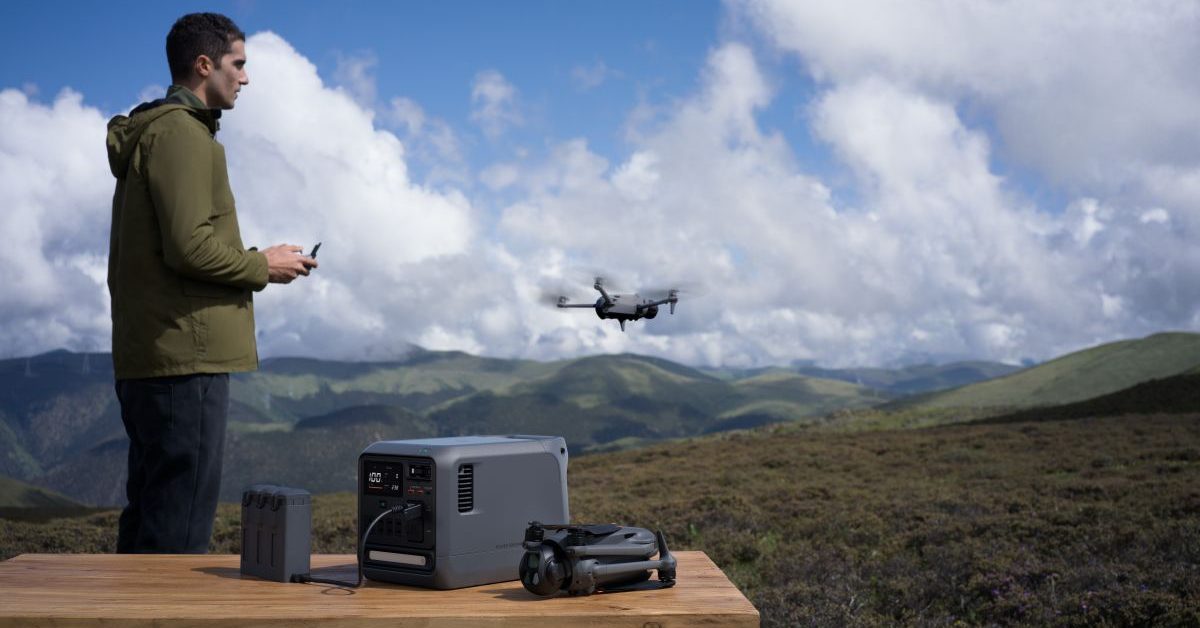
New DJI Power 1000 Mini packs big energy
DJI has unveiled its latest product, the Power 1000 Mini, a portable power station aimed at providing energy solutions for various devices, including batteries, cameras, and laptops. This launch, which is particularly beneficial for drone pilots, comes as a response to the needs of professionals who often find themselves in remote locations without access to wall outlets. The Power 1000 Mini is designed to enhance the efficiency of outdoor shoots, job site inspections, and travel between locations, making it a practical addition to DJI's offerings this year.
News
AI breakthrough cuts energy use by 100x while boosting accuracy
Researchers have introduced a groundbreaking approach to artificial intelligence that could significantly reduce energy consumption while enhancing accuracy. Currently, AI accounts for over 10% of electricity usage in the United States, and this demand is projected to rise. The new system integrates neural networks with human-like symbolic reasoning, enabling robots to process information more logically rather than relying solely on trial and error methods. This innovative technique has the potential to decrease AI energy use by as much as 100 times, addressing both efficiency and performance concerns in the rapidly evolving field of AI technology.

Efficiency at Scale: NVIDIA, Energy Leaders Accelerating Power‑Flexible AI Factories to Fortify the Grid
At CERAWeek, often referred to as the "Davos of energy," industry leaders, policymakers, and technology innovators convened last week to explore the future of global energy solutions. Among the notable presentations, NVIDIA and Emerald AI introduced a groundbreaking approach that leverages artificial intelligence to enhance energy efficiency and sustainability. This initiative aims to address the pressing challenges of energy production and consumption in a rapidly changing world. By integrating advanced AI technologies, the companies seek to optimize energy systems, reduce waste, and promote cleaner energy alternatives, aligning with global efforts to combat climate change and transition to more sustainable practices. The discussions at CERAWeek highlight the critical role of collaboration among various stakeholders in shaping a resilient energy future.

Blowing Off Steam: How Power-Flexible AI Factories Can Stabilize the Global Energy Grid
During the half-time break of the UEFA EURO 2020 round of 16 match between England and Germany, a significant number of viewers in the U.K. paused their viewing to prepare tea, resulting in a notable spike in electricity demand. National Grid reported that this collective action led to an increase of 2,000 megawatts in electricity usage as millions turned on their kettles simultaneously. This phenomenon highlights the cultural significance of tea in British society, particularly during major sporting events. The surge in demand was swiftly managed by the National Grid, showcasing their ability to adapt to sudden changes in energy consumption patterns.

NVIDIA and Emerald AI Join Leading Energy Companies to Pioneer Flexible AI Factories as Grid Assets
NVIDIA and Emerald AI have partnered with several major energy companies, including AES, Constellation, Invenergy, NextEra Energy, Nscale Energy & Power, and Vistra, to develop a new generation of AI factories. This initiative aims to enhance the integration of these facilities with the power grid, enabling them to operate more efficiently and generate valuable artificial intelligence applications. The collaboration was announced today, highlighting the growing intersection of AI technology and energy production. By leveraging advanced AI capabilities, the project seeks to optimize energy usage and improve operational performance in the energy sector.

AI uses as much energy as Iceland but scientists aren’t worried
Recent research indicates that while artificial intelligence (AI) significantly increases electricity consumption, its overall impact on global climate change may be less severe than previously thought. Conducted by a team of scientists, the study reveals that the emissions associated with AI usage are minimal on a global scale, with the most significant effects observed in localized areas, particularly around data centers where AI operations are concentrated. This finding suggests that the environmental footprint of AI may not be as dire as anticipated. Furthermore, the researchers highlight the potential of AI to contribute positively to environmental efforts by aiding in the development of greener technologies. As the conversation around AI and energy consumption evolves, this study provides a nuanced perspective on the balance between technological advancement and environmental sustainability.

Federal Funding for Autonomous Underwater Robotics Project to Inspect Floating Offshore Energy Platforms
The FORE-PAIR consortium has officially launched a project aimed at developing autonomous robotic technologies for the inspection, maintenance, and cleaning of floating offshore energy platforms, including floating wind and solar systems. This initiative is backed by approximately 10 million euros in federal funding. The project is set to enhance the efficiency and sustainability of offshore energy production, addressing the growing demand for renewable energy sources. By leveraging advanced robotics, the consortium aims to streamline operations and reduce the environmental impact associated with traditional maintenance methods. The project is expected to contribute significantly to the future of offshore energy infrastructure, promoting innovation in the sector.
funding autonomous underwater roboticsRobotics needs a service framework.
RSF defines a common language for robot service capability, lifecycle operations, certification pathways, and service-provider networks.