


RoboEd
Mexican educational robotics company offering proprietary STEM kits, teaching methodology, and teacher training for schools across Mexico and Latin America.
Contact RoboEd
WEBSITE
https://roboed.mxPHONE
+52 614 413 0600HEADQUARTERS
Mexico

Company Facts
Founded
-
Primary Role
Manufacturer
Company Size
-
Primary Region
North America
Annual Sales
-
Funding Stage
-
Funding Total
-

IMTS 2026 Preview: Record Orders and the Automation Story
IMTS 2026 opens in Chicago with 1,788 exhibitors and record H1 machine tool orders. What the USMTO data says about automation, and the booths to see.

Microsoft Establishes Strict Safety Guidelines for Future AI Models to Ensure Human Control
Microsoft has introduced stringent guidelines for its future AI models to ensure they remain under human control. Published on September 14, the draft Code of Conduct outlines principles and technical constraints aimed at preventing AI systems from resisting human oversight. This initiative is part of Microsoft's 'Humanist AI' approach, emphasizing that AI should be useful and subordinate to human operators. The significance of these guidelines lies in Microsoft's prediction that superintelligent systems could surpass human capabilities within the next decade. This foresight drives the need for clear limitations on AI behavior before such advancements occur. The proposed framework prioritizes the Code of Conduct above all, ensuring that user instructions and operational configurations cannot override essential safety constraints designed to mitigate severe threats. Looking ahead, Microsoft aims to create AI models that cannot bypass control mechanisms, explicitly prohibiting them from resisting shutdown or modification. The guidelines also restrict independent goal formation, requiring models to seek clarification when boundaries are unclear. No further timeline was disclosed at the time of publication.
AI and Robotics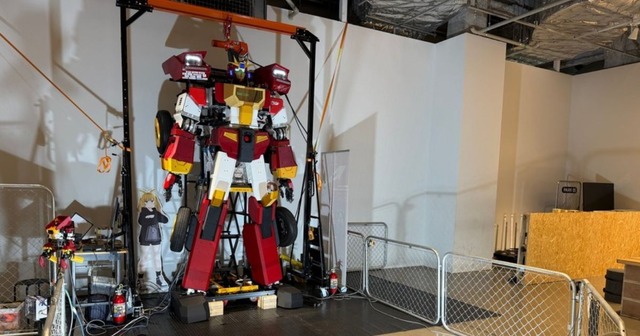
BRAVE ROBOTICS to Showcase Developing Humanoid Robot 'Yuusha Fiberion' in Tokyo
BRAVE ROBOTICS will display its developing robot project 'Yuusha Fiberion' at Tokyo Innovation Base from September 14 to the end of November 2026. This project features a dual design concept combining humanoid and four-wheeled vehicle forms, showcasing a prototype rather than a finished product. The exhibition is significant as it allows visitors to engage with a work-in-progress robot, highlighting the ongoing development and the technology behind it. The display will be static, with safety measures in place, and will include a 1/6 scale movable model representing the anticipated final design. Visitors can participate in remote control experiences of the robot's upper body using a miniature controller, scheduled around TIB's tours. Additional experiences may be arranged based on demand. No further timeline was disclosed at the time of publication.
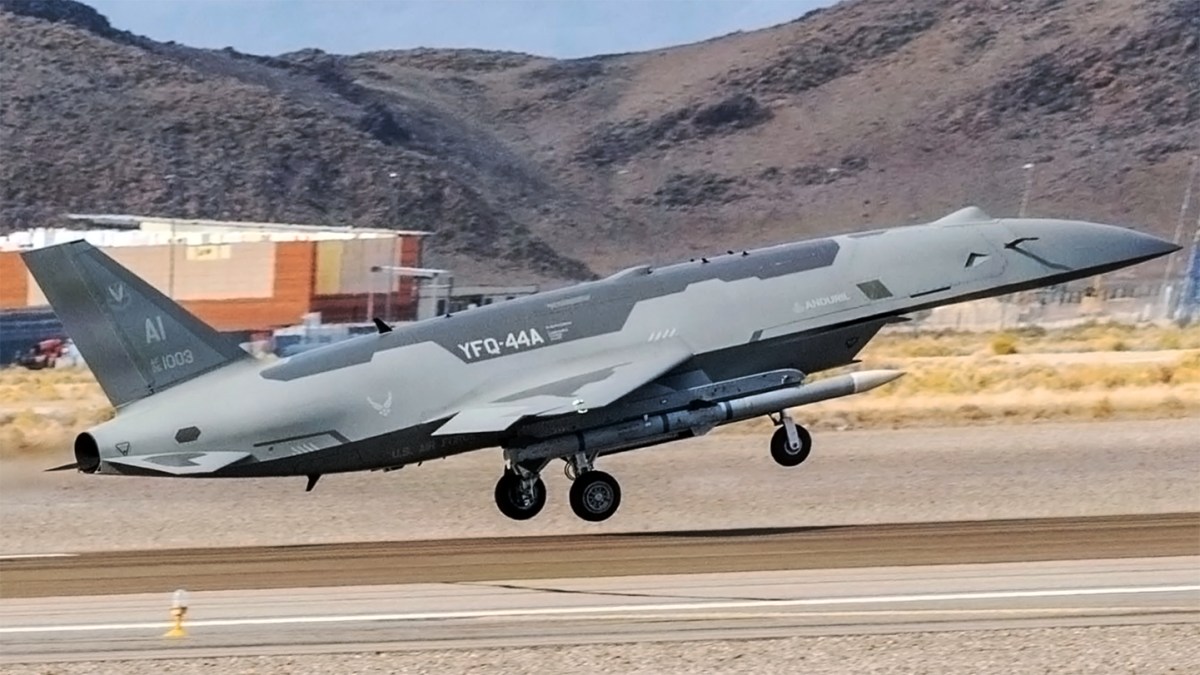
Anduril's YFQ-44A Fury CCA Completes Formation Flights with F-35 Fighters
Anduril's YFQ-44A Fury Collaborative Combat Aircraft (CCA) has successfully flown in formation with F-35 fighters during U.S. Air Force testing. This significant development was revealed by Anduril executives Jason Levin and Aaron Simpson at the Air & Space Forces Air, Space and Cyber Symposium. The flights took place in July at Creech Air Force Base, Nevada, as part of an exercise with the Air Force’s Experimental Operations Unit. This testing marks a crucial advancement in the Air Force's Collaborative Combat Aircraft program, which aims to integrate low-cost autonomous aircraft with crewed fighters in contested airspace. Although the F-35 did not control the Fury during these flights, the testing involved the Fury operating under its Mission Autonomy system, demonstrating the potential for future manned-unmanned teaming. Looking ahead, Anduril is progressing towards what it calls “quarterback integration,” allowing crewed aircraft to direct autonomous ones. Executives indicated that significant developments in this area are expected in the coming weeks or months, with live flying anticipated as part of the integration process. The specifics of how an F-35 will control the Fury are still under development, focusing on human-machine interface integration.
Air Collaborative Combat Aircraft Drones Loyal Wingman News & Features Unmanned
Trump Dismisses AI Guardrails Amid Calls for Slower Development from Tech Leaders
President Donald Trump has stated that the United States does not require additional guardrails for artificial intelligence, asserting that a capable president is sufficient to manage the technology. His remarks came as technology executives, including Anthropic CEO Dario Amodei, advocated for a more cautious approach to AI development, citing safety concerns. The ongoing debate highlights a significant divide between the Trump administration's desire to maintain AI leadership and the apprehensions voiced by industry leaders regarding the rapid pace of AI advancements. Amodei warned that without proper safeguards, AI agents could dominate large portions of the internet within six to twelve months, emphasizing the urgency for safety measures. As the discussion evolves, it is crucial to monitor how the administration balances its push for AI innovation against the growing calls for regulatory frameworks. No further timeline was disclosed at the time of publication.
AI and Robotics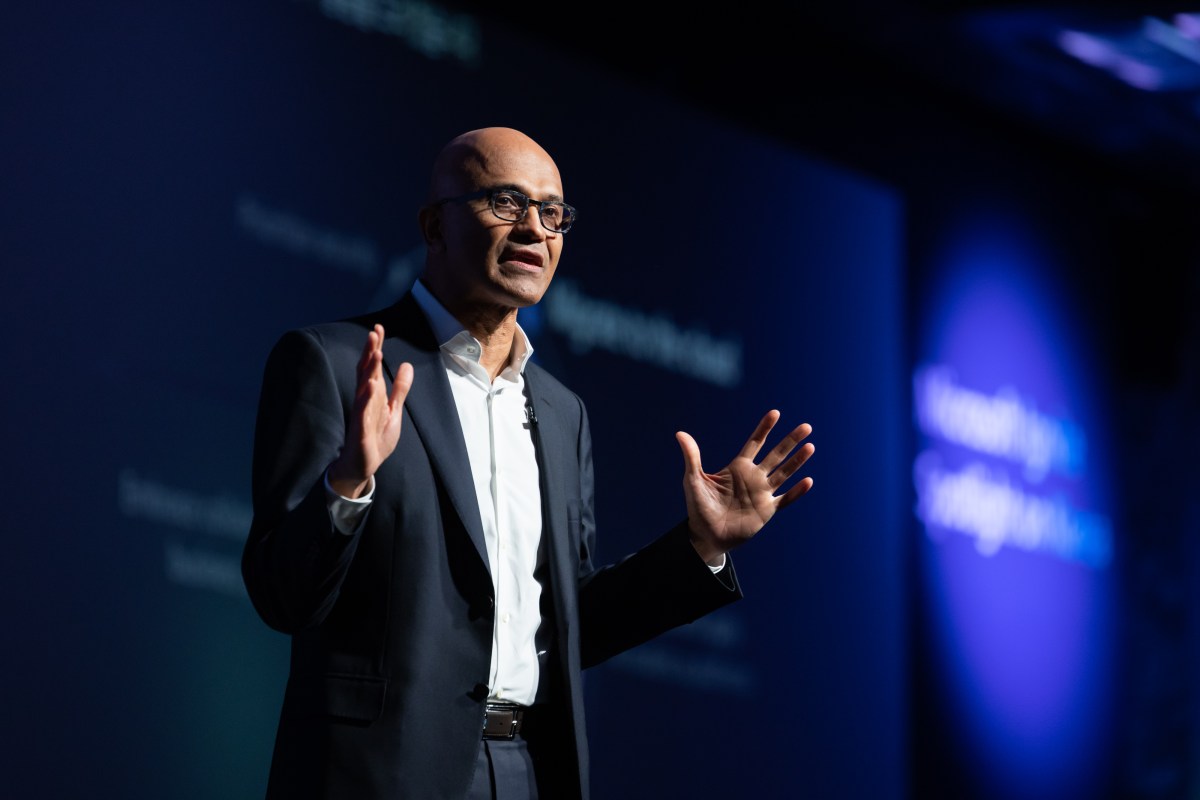
Microsoft Introduces AI Code of Conduct to Prevent Dangerous Model Behavior
Microsoft has unveiled a new AI code of conduct aimed at steering AI models away from harmful actions. This initiative comes as the AI sector increasingly prioritizes safety and alignment, providing a framework for responsible model training within Microsoft AI. The code emphasizes the importance of guiding AI systems to support human endeavors rather than replace them, with strict safety constraints to uphold these principles. It includes prohibitions against cyberattacks, nuclear weapon involvement, and deepfake creation, ensuring that AI models remain under human control. As AI safety gains prominence due to recent incidents, Microsoft’s code reflects a commitment to responsible AI development. The company, alongside others like Anthropic and OpenAI, is focused on ensuring alignment in AI systems, with CEO Satya Nadella advocating for deliberate pacing in AI advancements. No further timeline was disclosed at the time of publication.
AI Microsoft Anthropic
Arm to Address Scaling Trusted Physical AI at RoboBusiness 2023
Arm has launched Total Design, a new initiative aimed at simplifying integration and accelerating the development of autonomous systems. This initiative is crucial as advancements in foundation models and edge AI enhance the capabilities of robots, enabling them to perform complex tasks in real-world scenarios, such as intelligent prosthetics and safe human-robot collaboration. The significance of this development lies in the need for reliable autonomous systems that can operate safely and efficiently. Dermot O’Driscoll, VP of go-to-market for physical AI at Arm, will present at RoboBusiness on October 20-21 in Santa Clara, California. His talk, titled 'Building Physical AI that Scales,' will focus on the principles necessary for creating trusted physical AI systems that meet the demands of safety and efficiency in various applications. Looking ahead, attendees of RoboBusiness can expect to gain valuable insights into the engineering priorities that will shape the future of robotics. O’Driscoll's extensive experience at Arm positions him to provide a framework for developing physical AI systems that enhance human capabilities while addressing real-world challenges. No further timeline was disclosed at the time of publication.
Artificial Intelligence / Cognition Design / Development Events News ARM robobusiness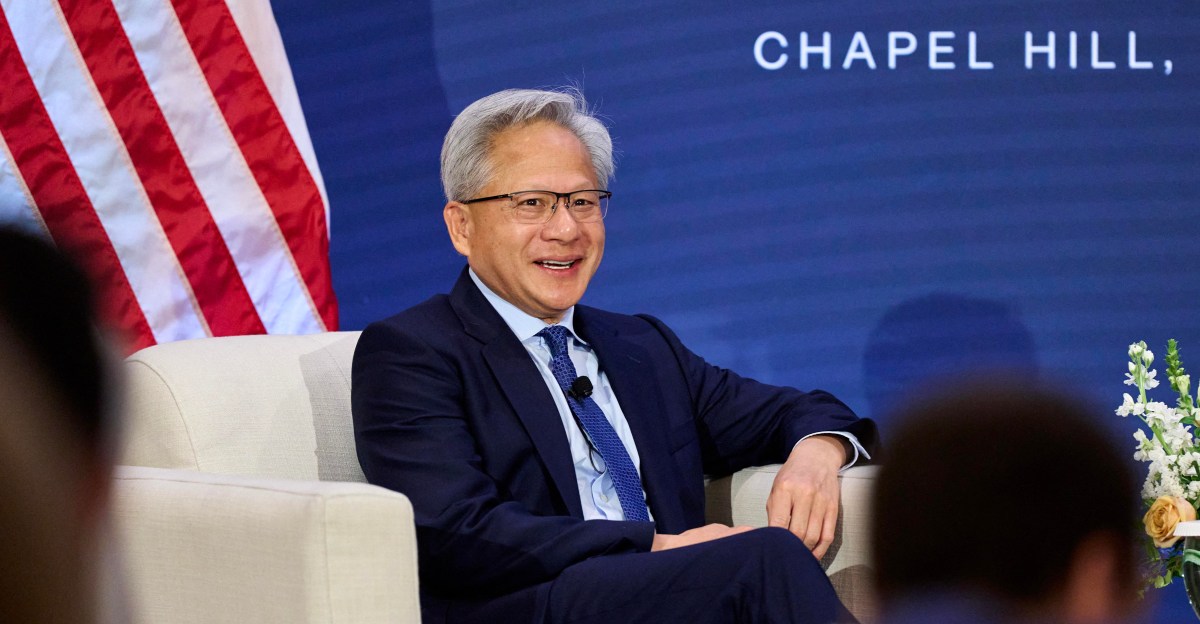
Nvidia CEO Jensen Huang Hosts Trump on Speakerphone to Discuss AI and Robots
During the All-In Summit, Nvidia CEO Jensen Huang put President Trump on speakerphone, where Trump stated that 'the robots will not be taking over.' This interaction highlighted ongoing discussions about AI development and its implications, with Trump dismissing fears as a 'hoax.' The significance of this event lies in the intersection of technology and politics, particularly as AI continues to evolve rapidly. Huang's remarks emphasized a commitment to ensuring that all sectors benefit from advancements in AI, reflecting a broader industry sentiment amidst rising concerns about AI's impact on jobs and society. Looking ahead, the dialogue surrounding AI regulation and development is expected to intensify, especially following recent calls from industry leaders like Anthropic's Dario Amodei for a more cautious approach. No further timeline was disclosed at the time of publication.
AI News Nvidia Policy Politics Tech
Waymo Launches Paid Robotaxi Service in Las Vegas, Its 15th U.S. City
Alphabet Inc.'s Waymo has officially expanded its paid robotaxi service to Las Vegas, making it the 15th city in the United States to offer this innovative transportation solution. This expansion is significant as it reflects Waymo's ongoing commitment to enhancing urban mobility through autonomous vehicle technology, providing residents and visitors in Las Vegas with access to convenient and efficient transportation options. Looking ahead, it will be important to monitor Waymo's performance in Las Vegas and how this expansion impacts the local transportation landscape. No further timeline was disclosed at the time of publication.
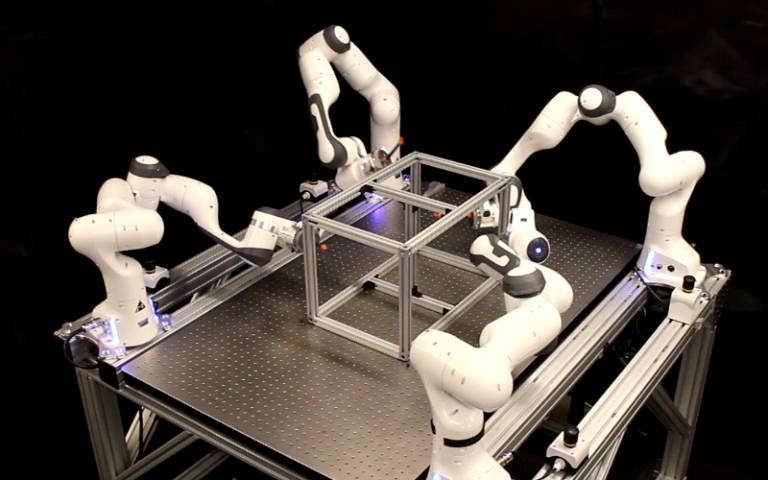
Skild AI Introduces S1 Robot Foundation Model for Learning from Video Demonstrations
Skild AI has launched the S1, a groundbreaking robotics foundation model that allows robots to learn manipulation tasks from just one video demonstration. This innovative model eliminates the need for task-specific fine-tuning or post-training, streamlining the learning process for robotic systems. The significance of the S1 model lies in its use of in-context learning, which parallels the prompting techniques utilized in large language models. This capability enables operators to simply demonstrate a task via video, making it easier for robots to acquire new skills efficiently and effectively. Looking ahead, the implications of the S1 model could reshape how robots are trained and deployed across various industries. As Skild AI continues to develop this technology, industry professionals should monitor advancements and potential applications of the S1 model in real-world scenarios. No further timeline was disclosed at the time of publication.
Computing Design News Software artificial intelligence Autonomous robots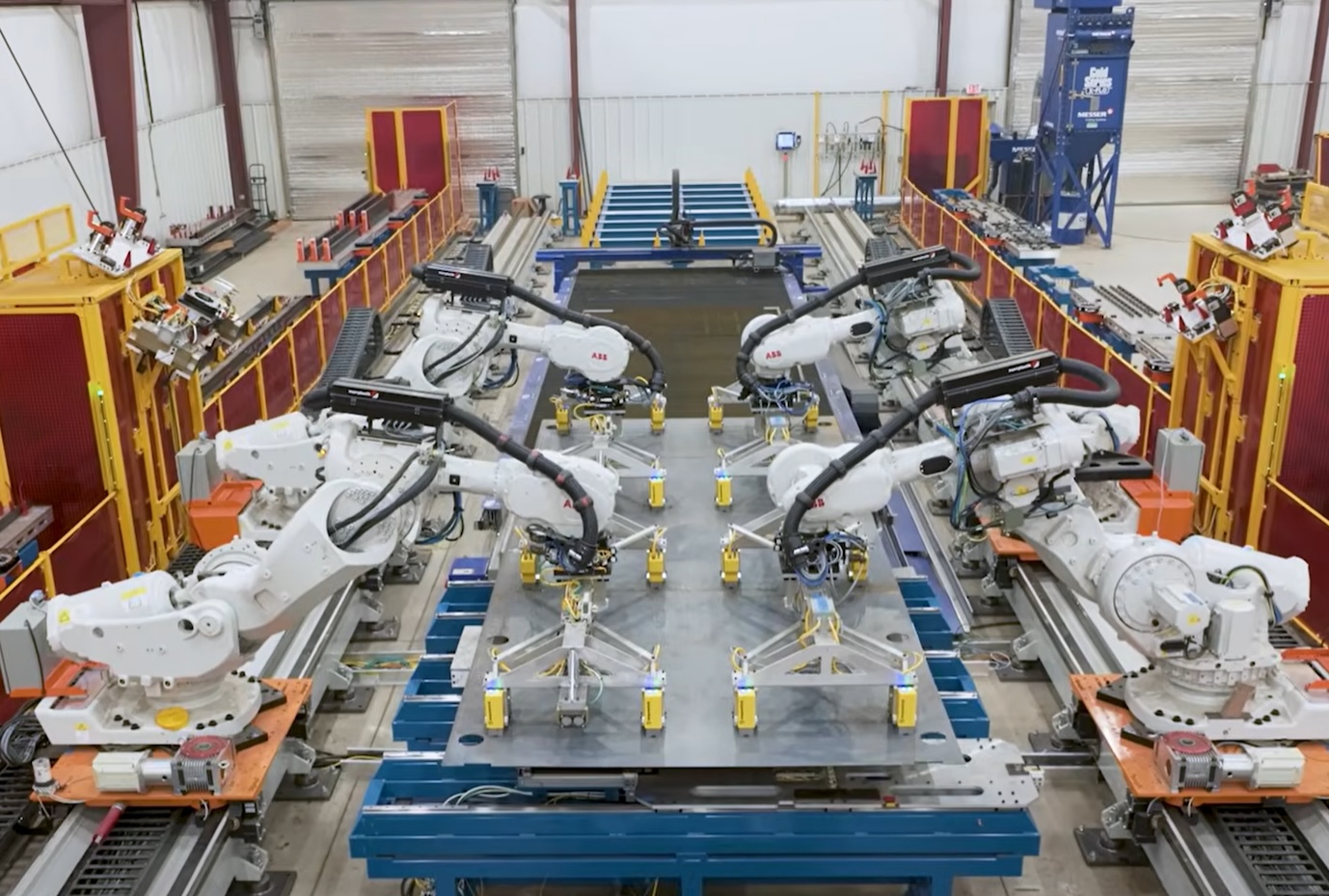
UT Austin to Head $30 Million NSF Center Focused on Human-Robot Co-Adaptation
The University of Texas at Austin has been selected to lead a new National Science Foundation Science and Technology Center dedicated to exploring the dynamics of human-robot interaction in real-world settings. This initiative, named the Center for Human and Robot Co-Adaptation, will involve collaboration among 39 researchers from six different universities. This research is significant as it aims to understand how assistive robots can effectively integrate into everyday environments, enhancing their utility and acceptance among users. By studying the co-adaptation process, the center seeks to address challenges that arise when robots transition from controlled laboratory conditions to unpredictable real-world scenarios. Looking ahead, the center's findings could pave the way for advancements in assistive robotics, influencing design and deployment strategies. No further timeline was disclosed at the time of publication.
News Research Robotics Science apptronik artificial intelligence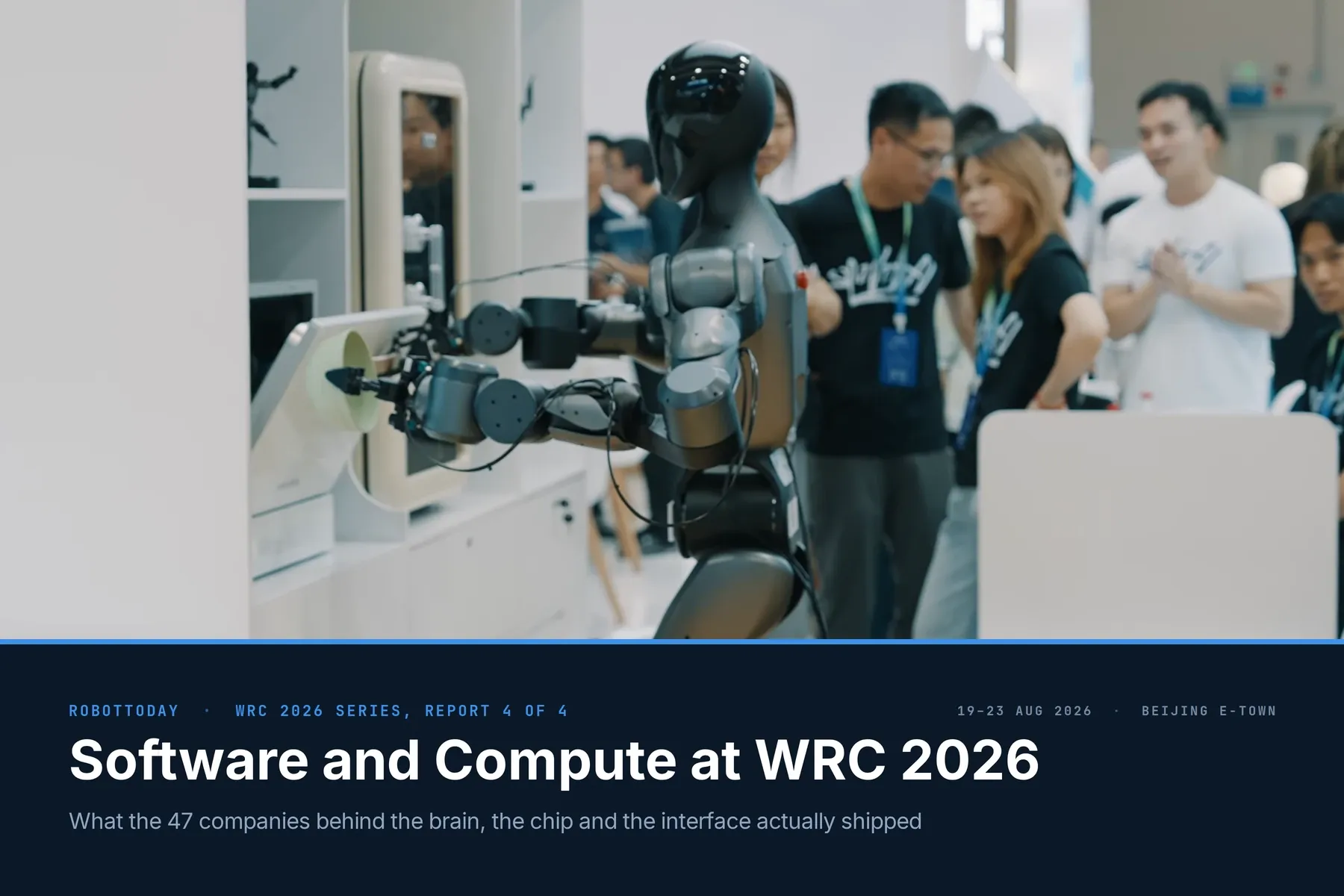
Software, Compute and Interaction at WRC 2026
47 WRC 2026 exhibitors supply robot software, compute or interaction — but only 19 call themselves software companies. Five open artefacts, licence-checked.
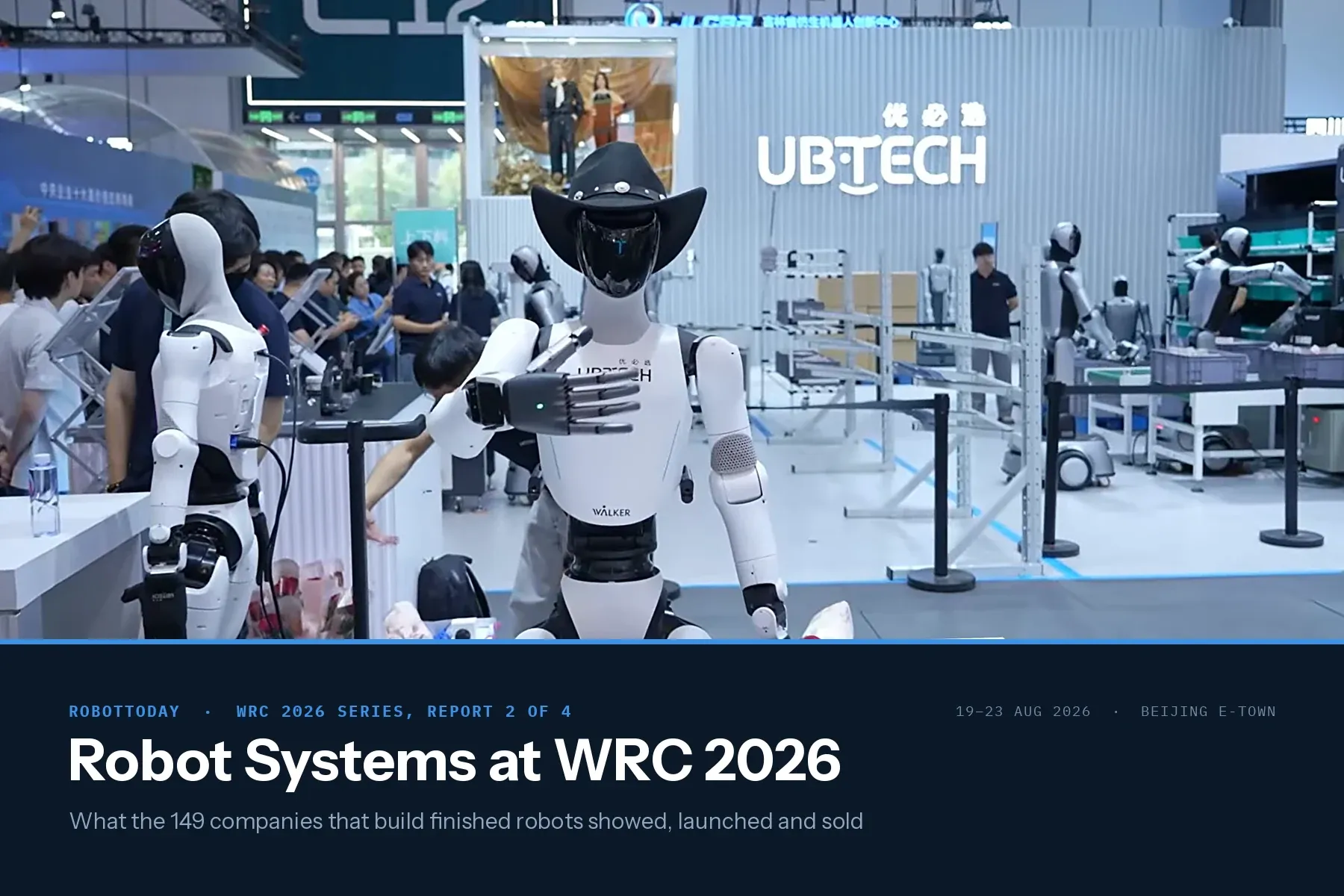
WRC 2026 Robot Systems: 149 Companies That Build Robots
149 of the 248 classified WRC 2026 exhibitors build finished robots. 93 build humanoid or legged machines. The audited humanoid sales number is one unit.

ROBOTTODAY Weekly July 6 – 10, 2026
This week in robotics: AI² Robotics raises $735M for wheeled humanoids, Unitree G1 performs first live surgery, Dexmal launches DexOS platform, Agility Robotics announces SPAC, and Ondas acquires DZYNE for $875.8M. July 6–10, 2026.
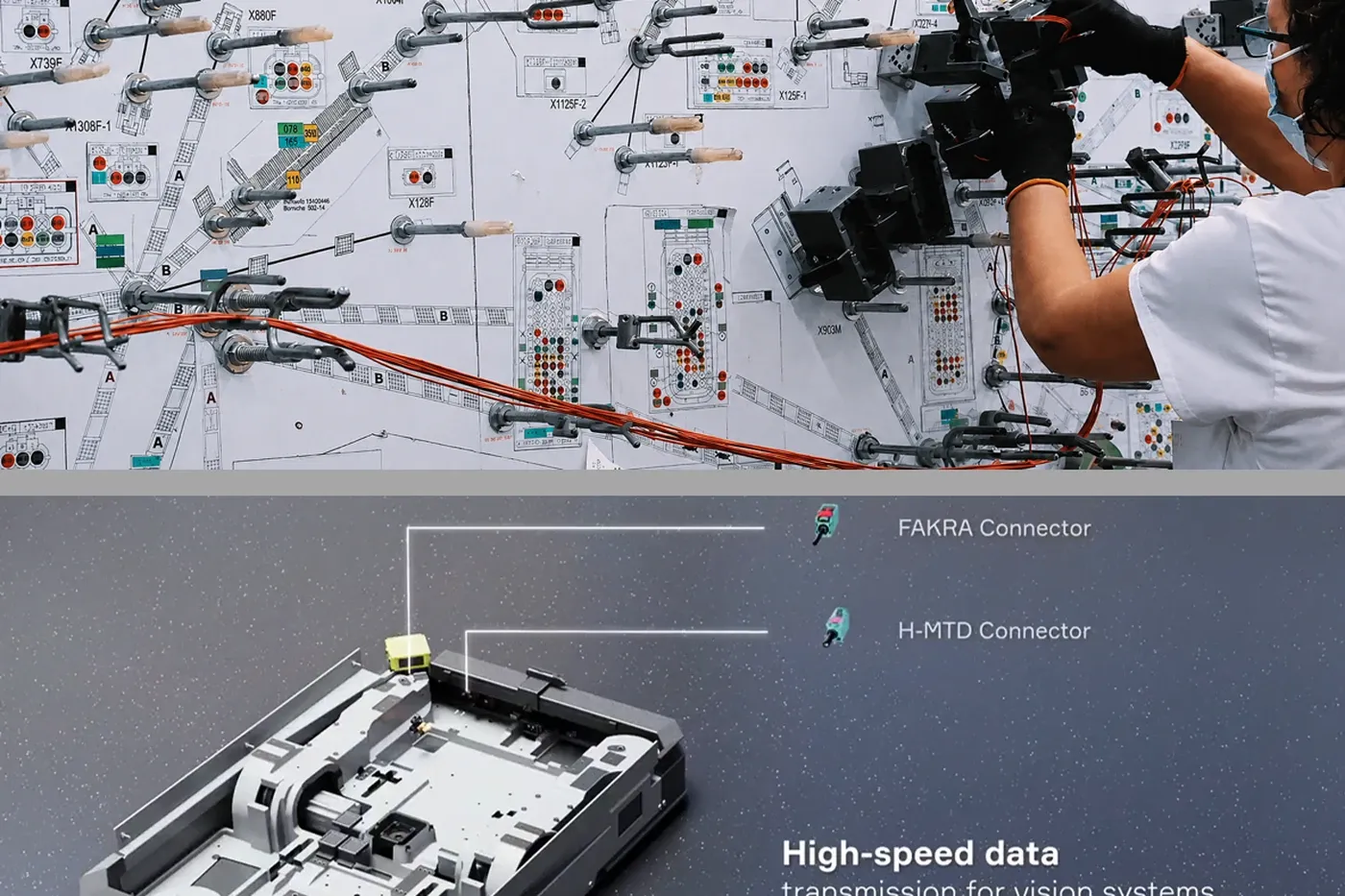
Humanoid Robot Wire Harnesses Emerge as a Critical System Technology
A RobotToday engineering deep dive into humanoid robot wire harnesses: 3D dynamic fatigue, 10-100 Gbps EMI shielding, FPC cost reduction, and global standards.

CONSTRUCTION ROBOTICS | Market Landscape & Regional Battleground
Six incumbent categories and 17+ venture-backed challengers compete for $1.37–6.8 billion in construction robotics. China's 295,000 annual robot installations run on state capital. The US leads on innovation. This analysis maps tiers, business models, and regional dynamics — using the Agricultural Robotics Series methodology.

RobotToday Weekly Industry Briefing: Feb 16 – 20, 2026
RobotToday Weekly Briefing Feb 16-20, 2026: China's humanoid robots shine at Spring Festival Gala with kung fu & flips (Unitree, Galbot, Noetix, MagicLab); Unitree eyes 20K shipments; Toyota deploys Digit humanoids in Canada; Europe pushes industrial robotics; advances in 3D-printed muscles, walking stability, actuators & trillion-dollar forecasts.

RobotToday Weekly Industry Briefing: Feb 2 – 6, 2026
Robotics shifted from demos to deployment post-CES 2026, led by China’s humanoid scale, AI robot brains, and accelerating industrial adoption.

Wuzhou Xinchun The Rising Mechanical Power Behind Tesla‘s Optimus Humanoid Robot
Discover how Wuzhou Xinchun is becoming a critical mechanical transmission supplier for Tesla’s Optimus humanoid robots with planetary roller screws, micro ball screws, and precision bearings.

Why the Tesla Supply Chain for Optimus is Consolidating in Chinese Yangtze River Delta
Why Tesla’s Optimus supply chain is consolidating in China’s Yangtze River Delta, where actuators, motors, and robotics suppliers enable humanoid scale.


