


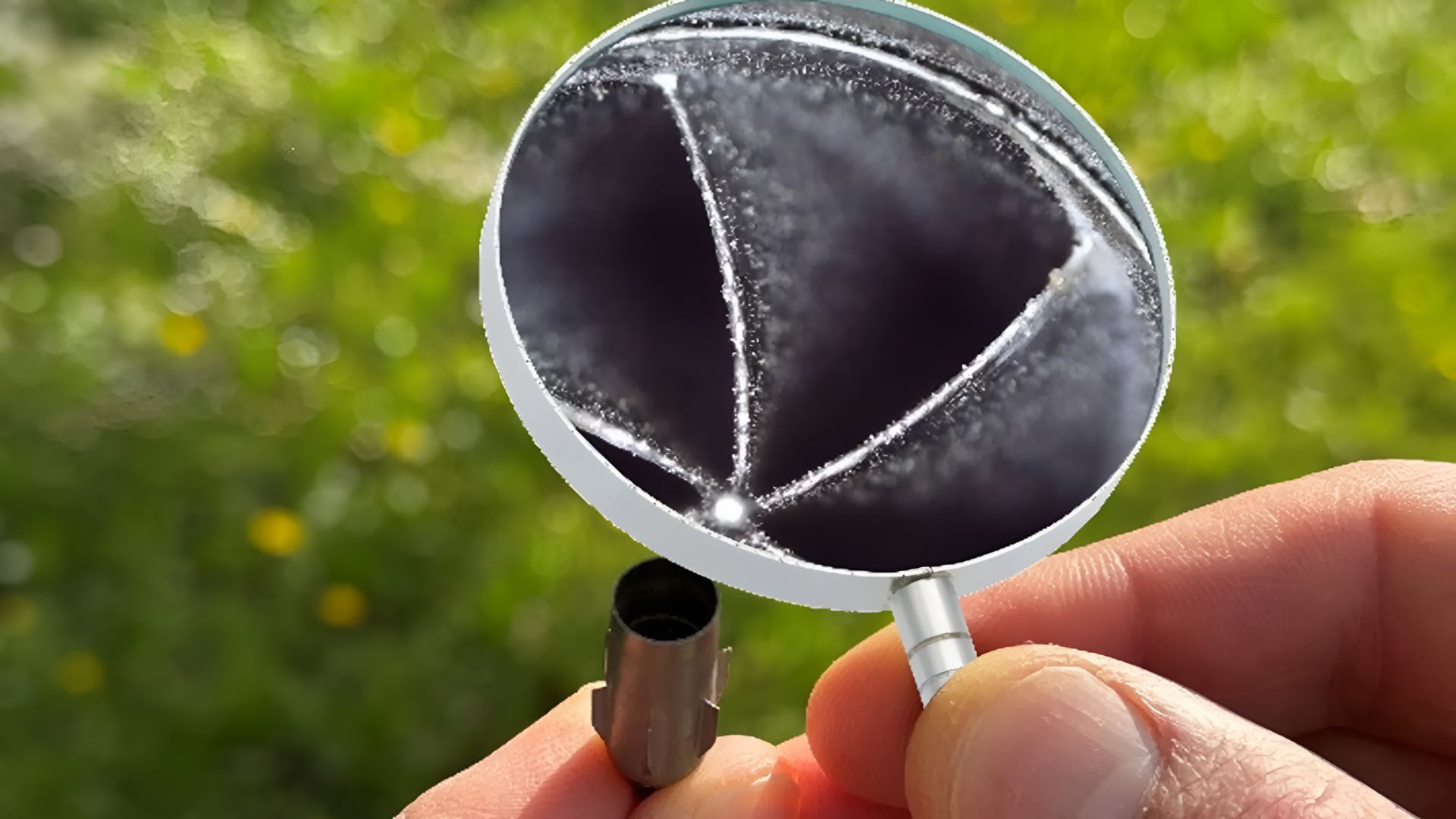
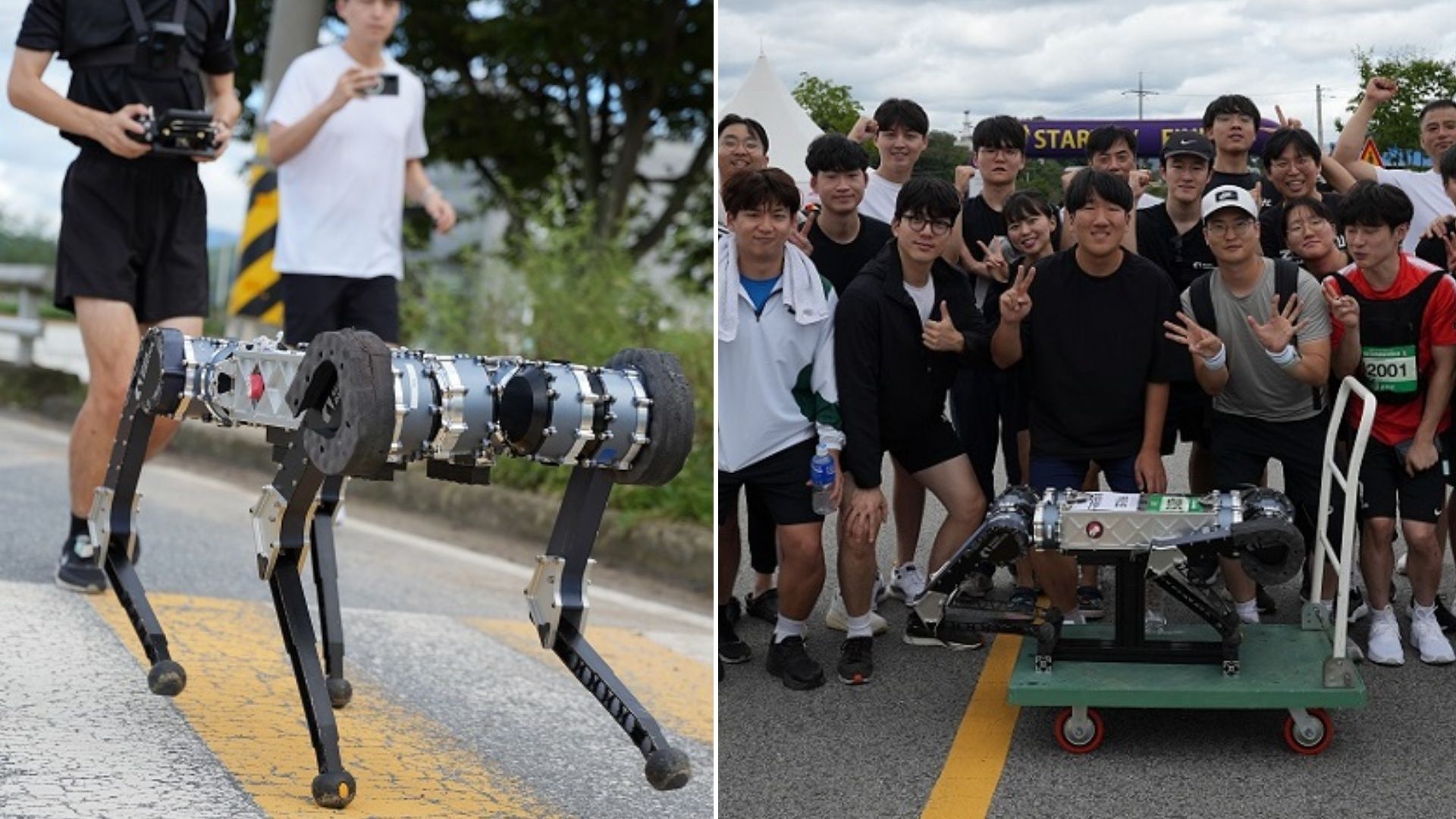
Researchers at Seoul National University of Science and Technology (SEOULTECH) have created porous 3D-printed feet that enable quadruped robots to walk more efficiently, reducing battery power consumption by up to 6.2 percent. These lightweight feet, made from triply periodic minimal surface (TPMS) structures, absorb and release impact energy, easing the burden on the robot's motors.
This innovation is significant as quadruped robots are increasingly utilized in various sectors, including inspection, logistics, and search and rescue. Traditional quadruped designs consume more energy than wheeled robots due to the constant motor-driven leg movements required for walking. The new TPMS feet design addresses this issue, enhancing efficiency while maintaining stable locomotion.
Looking ahead, the integration of deep reinforcement learning with the TPMS feet presents a promising avenue for further advancements in robotic mobility. The AI controller optimizes the robot's gait to synchronize motor movements with the energy stored in the feet, minimizing unnecessary motor effort. No further timeline was disclosed at the time of publication.
Editor's Note
The development of energy-efficient components for quadruped robots is crucial as industries increasingly adopt these technologies for various applications. The combination of advanced materials and AI-driven control systems could significantly enhance operational efficiency and reduce energy costs, making quadruped robots more viable for widespread use in demanding environments.






























Leave a comment