

Rainbow Robotics
"Building the technology for a future where humans and robots thrive together"
Korean robotics maker building collaborative robots, quadrupeds, dual-arm manipulators and HUBO humanoids from KAIST-originated technology.
Contact Rainbow Robotics
WEBSITE
https://www.rainbow-robotics.comPHONE
+82 44 860 9600HEADQUARTERS
Korea, Republic of (South)

Company Facts
Founded
2011
Primary Role
Manufacturer
Company Size
-
Primary Region
Asia-Pacific
Annual Sales
-
Funding Stage
Public
Funding Total
-
Certifications & Memberships
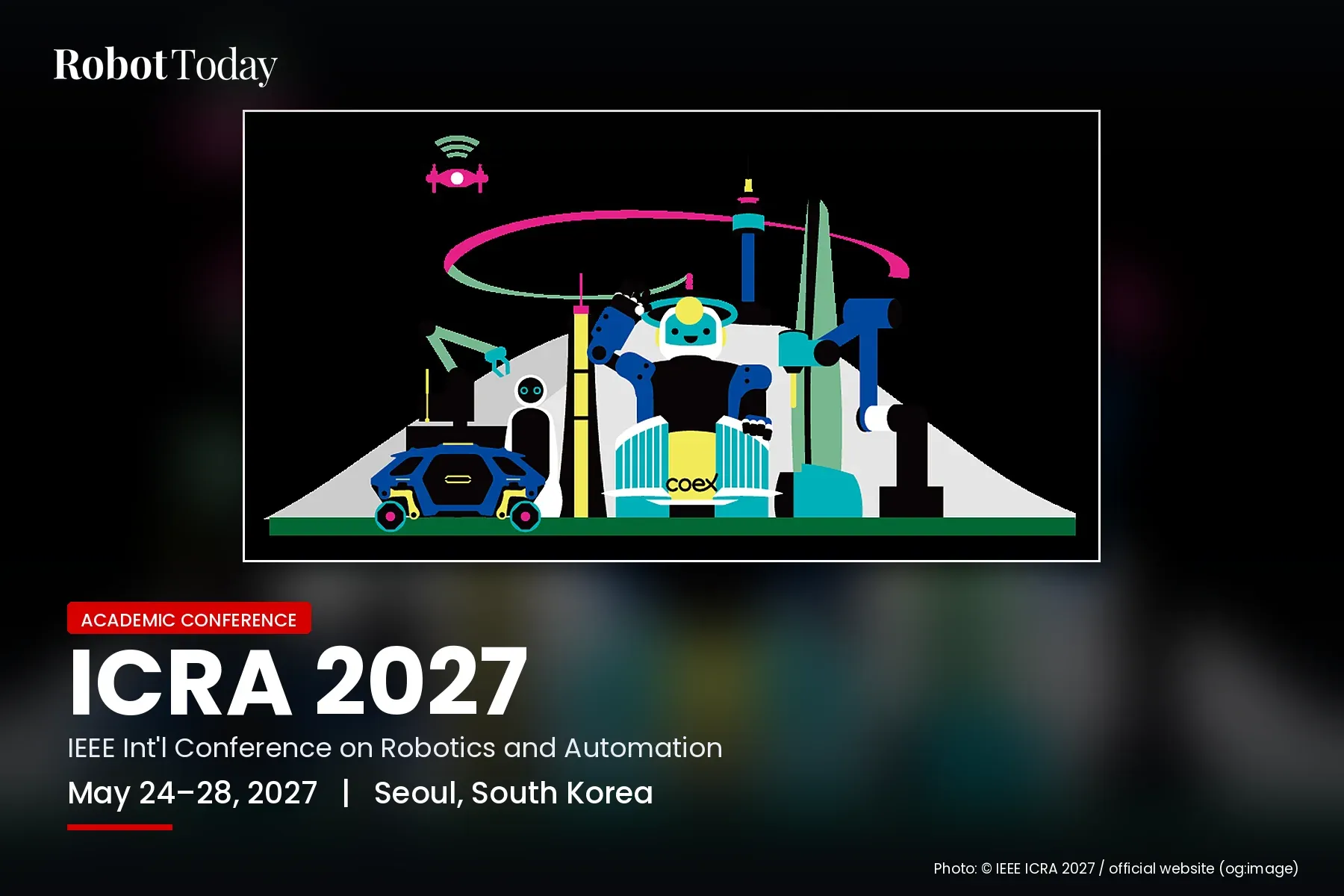
ICRA 2027 Seoul: May 24–28 | Robotics and Automation
ICRA 2027, the IEEE flagship robotics conference, runs May 24–28, 2027 at COEX in Seoul: theme, chairs, deadlines and expected scale.

IROS 2026 Closing Briefing — Pittsburgh, Sep 27–Oct 1
IROS 2026 closes in Pittsburgh with 1,900+ papers and 186 exhibitor listings. Humanoids, dexterous hands, tactile sensing and robot data led the show.
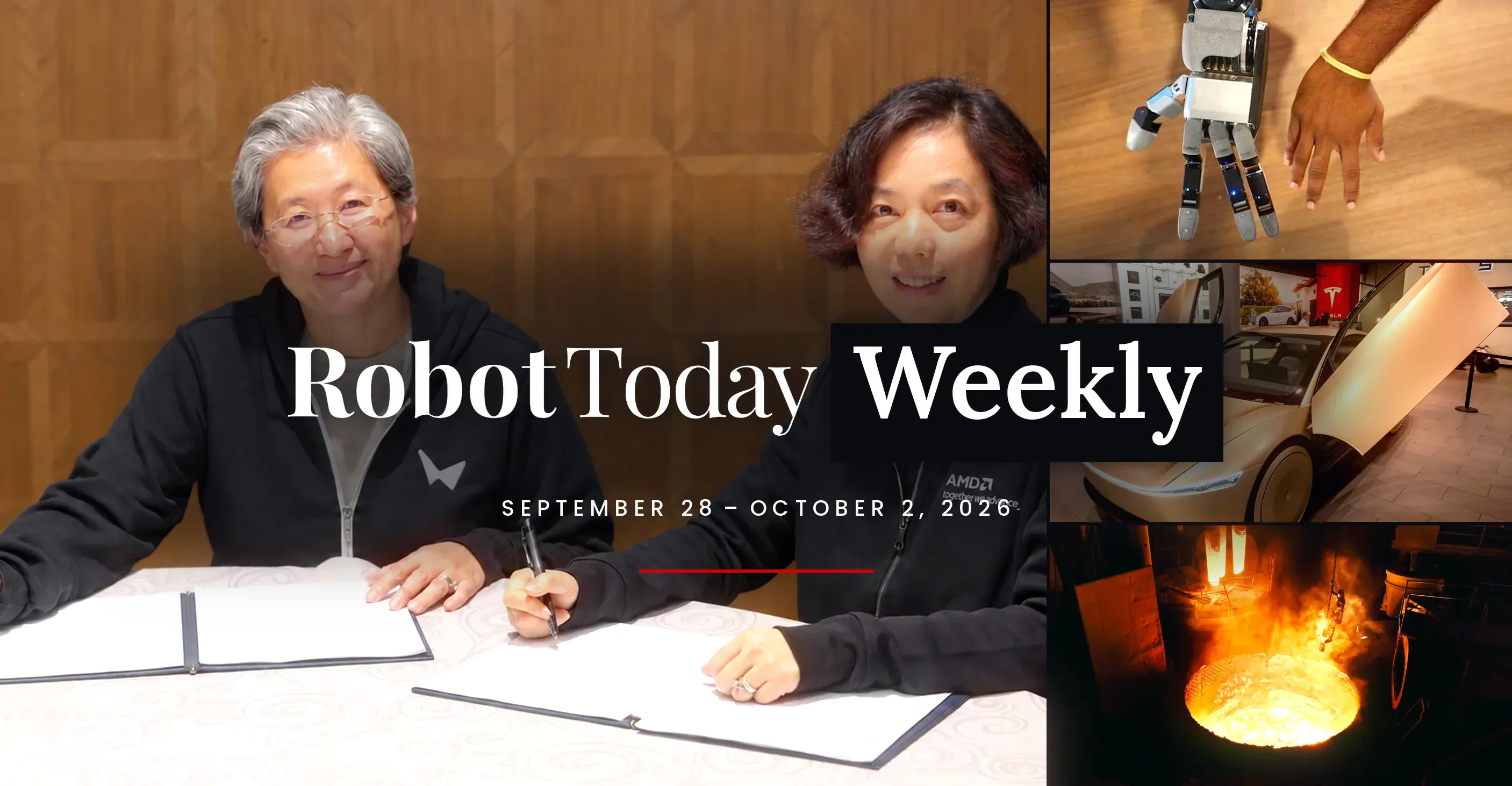
RobotToday Weekly September 28 – October 2, 2026
AMD buys World Labs for $8.2 billion, Tesla lines up $30 billion in credit, Boston Dynamics reveals a new Atlas hand, Figure melts its F.02 fleet, and IDC counts 25,000 humanoids shipped in H1.

RobotToday Weekly September 21 – 25, 2026
Cognex buys RealSense, Qualcomm acquires PickNik, the IFR counts 5 million factory robots, AGIBOT deploys 300 robots at Chimelong, and Tekever raises $580 million.

E Tech Group Enhances U.S. Collaborative Robotics Offerings with Rainbow Robotics Partnership
E Tech Group has announced a new Authorized System Integrator Agreement with Rainbow Robotics, expanding its collaborative robotics portfolio in the U.S. This agreement includes the addition of NSF-certified collaborative robots suitable for laboratory, life sciences, and food & beverage applications. The partnership is significant as it positions E Tech Group, recognized as the 2025 System Integrator of the Year and a Platinum-certified Rockwell Automation Partner, to better serve its customers with advanced robotic solutions. The inclusion of Rainbow Robotics' products enhances E Tech Group's capabilities in the industrial automation sector. Looking ahead, E Tech Group will act as a Servicing System Integrator for Rainbow Robotics' collaborative robot lineup. No further timeline was disclosed at the time of publication.

RobotToday Weekly September 14 – 18, 2026
Toyota weighs 400,000 factory robots, SoftBank buys Hyundai's Robotics and AI Institute, Agility unveils Digit 5, Figure's Helix 2.5 generalises to 30 homes, and August robotics funding hits $4.87 billion.
Rainbow Robotics Faces US Shipment Delays Amid New Restrictions on Advanced Robots
Rainbow Robotics, a subsidiary of Samsung Electronics, has paused shipments of its RB-Y1 mobile humanoid robot to the US due to new restrictions on foreign-made advanced robots. This halt is expected to impact near-term sales, but the company anticipates securing conditional approval to resume exports. The recent regulations, implemented by the US Federal Communications Commission, require foreign-produced advanced robotic devices to obtain Conditional Approval from the Department of War before being sold in the US. This measure is part of a broader effort to mitigate security risks associated with Chinese technology, affecting not only Chinese manufacturers but also Korean companies like Rainbow Robotics. Looking ahead, Rainbow Robotics is preparing a US manufacturing and investment plan to comply with the approval process. The company believes that if Chinese competitors face increased barriers, it could create opportunities for them in the US market. No further timeline was disclosed at the time of publication.
All News
Samsung Medical Center Performs First Surgery with Humanoid Robots Assisting Surgeons
On September 16, Samsung Medical Center in Seoul conducted a simulated surgery with two humanoid robots assisting a surgical team. The robots, dressed in surgical attire, successfully collaborated with the lead surgeon, Professor Woo Nam-ki, by retrieving and delivering surgical instruments upon request. This marks a significant advancement in robotic assistance in surgery, showcasing the potential for robots to work alongside human medical professionals. The importance of this development lies in its potential to address staffing challenges in hospitals, particularly in smaller facilities where skilled surgical assistants may be scarce. Professor Jung Yong-ki emphasized that if a robot can effectively replace a human assistant, it could lead to cost-effective solutions for maintaining surgical operations around the clock. The robots demonstrated a 100% success rate in grasping surgical instruments and a 98.7% success rate in instrument delivery, highlighting their reliability in the operating room. Looking ahead, the project is set to progress with plans for commercialization led by Rainbow Robotics and AIDIN ROBOTICS. The first clinical trials are expected to begin in 2029, starting with low-risk endoscopic tasks before expanding to more complex procedures. The ongoing development of AI capabilities, including tactile feedback and predictive analytics, will further enhance the robots' performance in surgical environments.
Humanoid Robots Surgical Robotics AI in Healthcare Medical Technology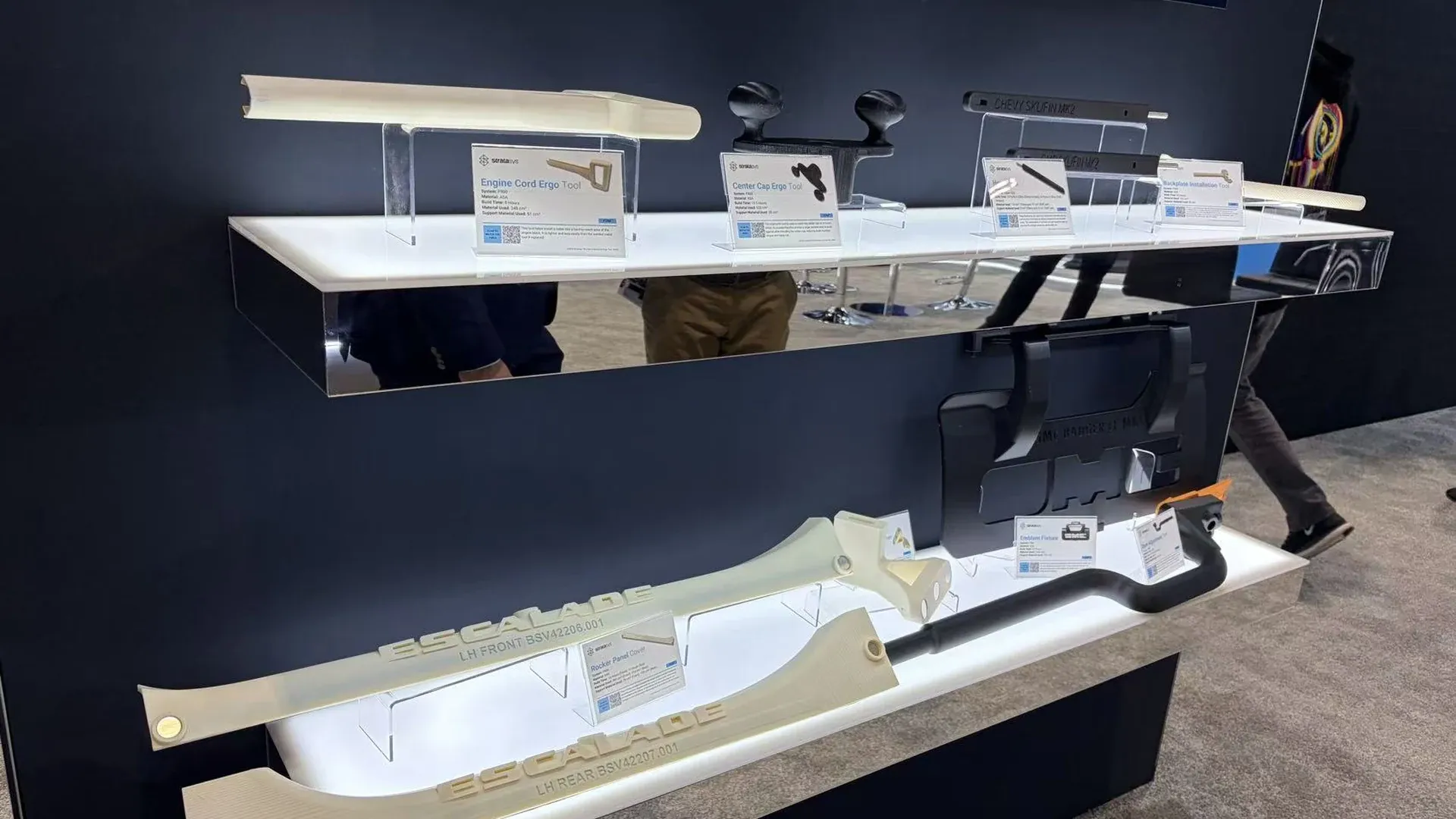
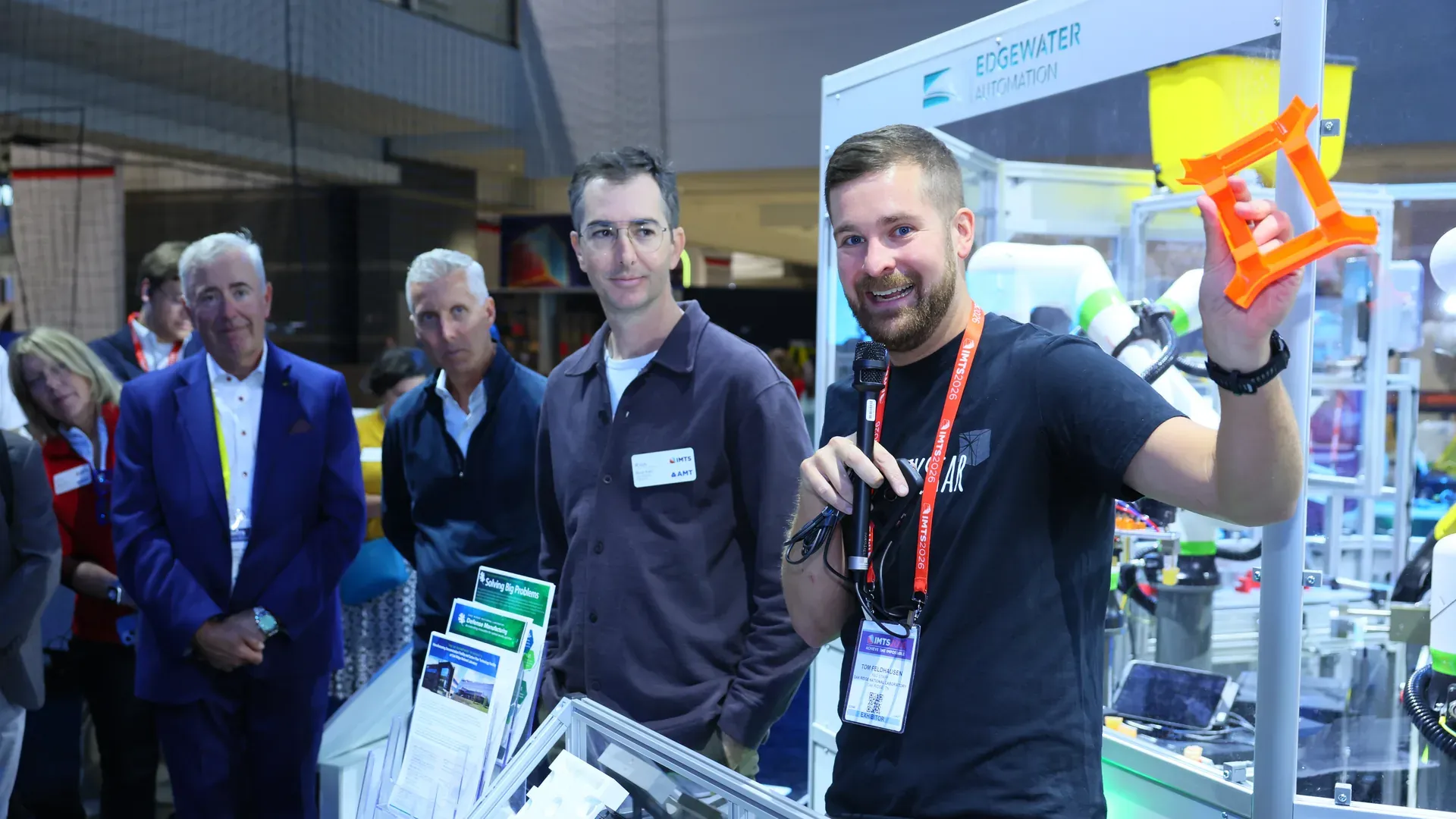
Stratasys at IMTS 2026: GM Scales Additive to 20+ Plants
Stratasys is rolling additive out across 20+ GM plants while Toyota prints robot grippers. Booth build data, the F870, and where the cost case breaks.
IMTS 2026 Preview: Record Orders and the Automation Story
IMTS 2026 opens in Chicago with 1,788 exhibitors and record H1 machine tool orders. What the USMTO data says about automation, and the booths to see.

ROBOTTODAY WEEKLY September 7 – 11, 2026
This week in robotics: JD.com plans to deploy three million robots across its logistics network, XPeng commissions its IRON humanoid production line, FANUC and Google launch an AI arc-welding agent, and Unitree shares fall 53% from their post-IPO high. September 7–11, 2026.

Why Pittsburgh Compressed 12 Events Into One Week | StartUP PGH 2026
Pittsburgh companies raised $2.29 billion last year, but the region's own investors have just $23.2 million left to deploy, less than one average deal. StartUP PGH 2026, opening September 14 with 250-plus robotics exhibitors and 65-plus pitching startups, is built to bring outside investors to town.
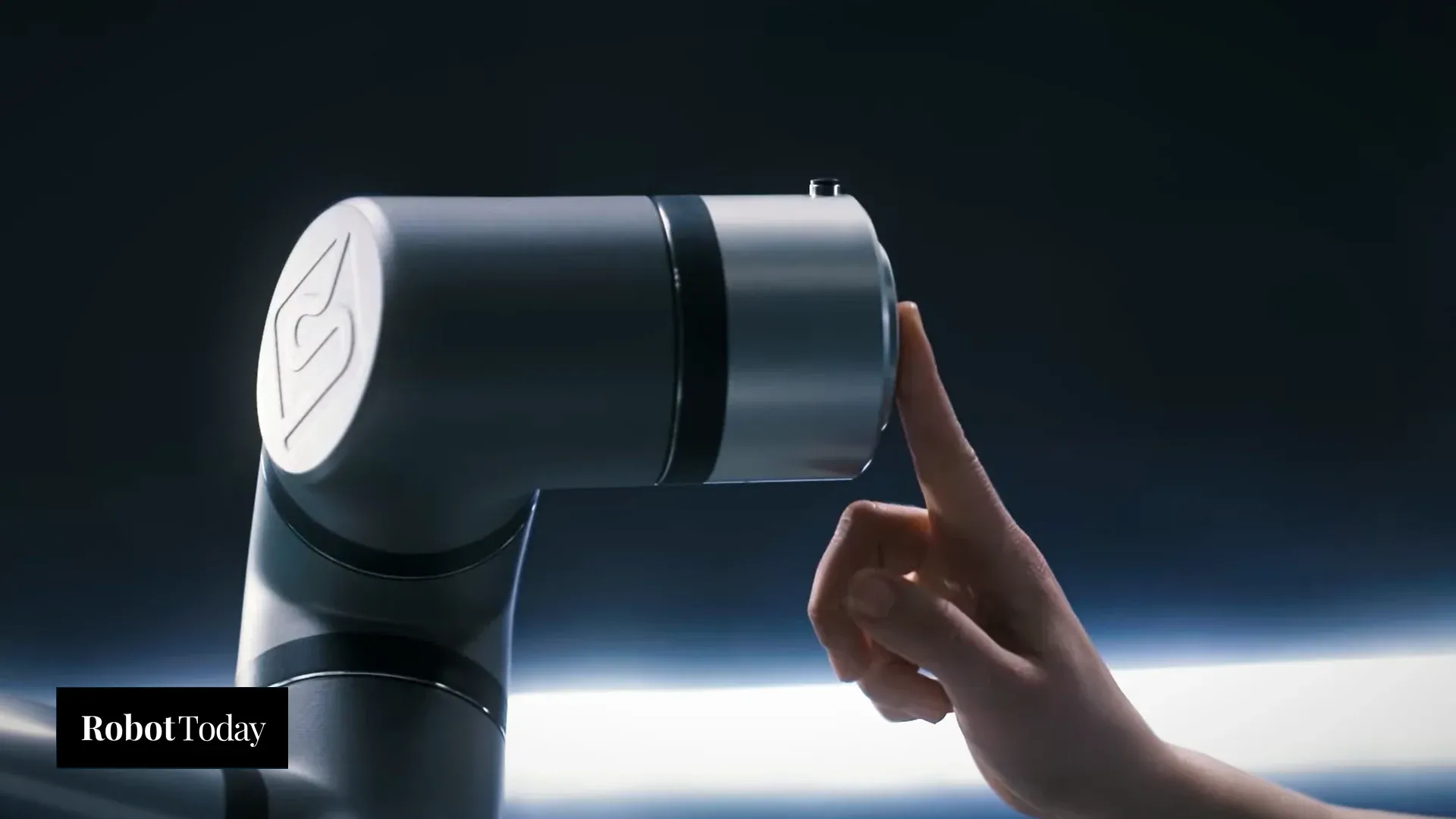
Teradyne’s IP Offensive and the Next Phase of Cobot Competition
Teradyne Robotics filed two European IP actions against Chinese cobot makers Elite Robots and JAKA within six months of 2026. This briefing maps the timeline, the differences between the cases, each side’s position, and what it signals about collaborative robot market competition.

Samsung Advances Humanoid Robot Development with RX Unit and AI World Models
Samsung Electronics is accelerating the development of its proprietary humanoid robot by integrating internal manufacturing data, custom hardware, and foundation AI models into a centralized initiative. Reports indicate that this effort operates independently from Rainbow Robotics, where Samsung holds a significant stake, and has reached an advanced development stage, potentially surpassing existing domestic platforms in operational capability. This development is significant as South Korea's major conglomerates, including LG and Hyundai, are competing for leadership in physical AI. Samsung's strategy involves leveraging its extensive industrial capabilities to create a comprehensive robotics ecosystem. The company is pursuing a dual-track approach, focusing on a proprietary humanoid platform designed for high-precision manufacturing, while also investing in advanced actuator technologies to enhance performance. Looking ahead, Samsung is developing a multi-layered AI architecture based on its Gauss AI model, which includes specialized world models for simulating physical actions. To support this, a dedicated Data Factory will be established at its Gumi manufacturing complex to gather sensor and workflow data, enabling effective simulation-to-real pipelines. No further timeline was disclosed at the time of publication.
South Korea Samsung
Samsung Advances Humanoid Robot Development with Cost-Effective Actuator Technology
Samsung Electronics has been developing a humanoid robot internally for several years, distinct from its Robotics eXperience division and Rainbow Robotics subsidiary. Reports indicate that this confidential project has reached an advanced stage, potentially outperforming domestic competitors. The company is leveraging motor technology from its home-appliance sector to create actuators, which represent a significant portion of production costs. This development is crucial as humanoid robots are anticipated to become a major industry, driven by advancements in AI and robotics. Samsung's strategy includes a substantial investment in Rainbow Robotics, enhancing its position in the sector. The in-house humanoid robot is expected to benefit from Samsung's extensive manufacturing capabilities, which could lead to reduced costs and improved efficiency compared to competitors. Looking ahead, Samsung's humanoid robotics initiative encompasses not only hardware but also AI systems aimed at enhancing robot performance. The company is developing advanced models like Gauss and Shallow-π, which optimize decision-making and task execution. No further timeline was disclosed at the time of publication.
AI and Robotics
Samsung Evaluates Acquisition of International Robotics Startups for Humanoid Robot Development
On July 30, Samsung Electronics publicly announced its evaluation of acquiring overseas robotics startups to accelerate its development and commercialization in the humanoid robot and PhysicalAI sectors. This follows the establishment of the RX (RoboticseXperience) robotics division, which reports directly to CEO Kim Tae-joon, and the appointment of Lee Dong-gun, former head of robotics strategy at Hyundai, to lead this initiative. Samsung's strategy includes setting up research and development centers in key robotics markets such as the United States, China, and Japan. The company has increased its stake in South Korea's Rainbow Robotics to 35%, becoming its largest shareholder, and plans to invest in U.S.-based PhysicalAI company Skild AI by 2025. With a total investment of approximately 19 trillion won in the Gyeongnam region, Samsung aims to establish a humanoid robot production base in Gimhae. As the RX division becomes operational, market expectations suggest that Samsung will significantly accelerate its equity investments and acquisitions in high-quality global robotics startups, focusing on core technologies such as dexterous hands, foundational robot models, and autonomous navigation.
Humanoid Robots Robotics Startups Physical AI R&D Centers Investment Strategy
Samsung's Strategic Approach to Next-Generation Robotics Unveiled
Samsung is methodically preparing for its entry into next-generation robotics, focusing on a structured strategy rather than flashy demonstrations. The South Korean conglomerate views robotics as the culmination of decades of investments in electronics, semiconductors, AI, and IoT, positioning itself as a potential leader in the upcoming industrial revolution. The company's extensive background in autonomous mobility, sensors, computer vision, and intelligent assistants highlights its commitment to creating an ecosystem where robots seamlessly integrate into the existing digital environment. Samsung's vertical integration allows it to produce essential components for modern robotics, giving it a strategic advantage in a sector reliant on external suppliers. Samsung's approach emphasizes enhancing user experiences through existing applications rather than developing robots first. The introduction of Ballie, a mobile assistant designed to interact with smart home devices, exemplifies this philosophy. The partnership with Rainbow Robotics further accelerates Samsung's robotics capabilities, leveraging expertise in bipedal locomotion and autonomous mobile robots, signaling a significant shift in the company's technological landscape.
À la une IA Industrie Robotique AMR Ballie
Samsung Launches CEO-Led Robotics Division to Drive Commercialization Efforts
Samsung Electronics announced the establishment of a new robotics business division, RX (Robotics eXperience), led by CEO Roh Tae-moon. This division consolidates various robotics initiatives previously managed separately, focusing on long-term strategy and commercialization. Key hires include Lee Dong-gun, who will lead the robotics strategy team, along with two academic experts in autonomous systems and robotic dexterity. The formation of the RX division is significant as it reflects Samsung's commitment to developing robots as a commercial business amid challenges in other sectors. Analysts suggest that the mobile division may have experienced its first quarterly loss, prompting the company to seek growth opportunities in robotics. The division aims to innovate in areas such as dexterous robotic hands, which are crucial for humanoid functionality and represent a significant cost factor in robotics development. Looking ahead, Samsung plans to invest in its robotics capabilities at its Seoul R&D Campus and establish further research bases in the United States, China, and Japan. The RX division's efforts will build on Samsung's recent investment in Rainbow Robotics, enhancing its position in the humanoid robotics market. No further timeline was disclosed at the time of publication.
All News
Samsung-backed 7 DOF robot is learning to work inside a giant e-commerce warehouse
A mobile robot created by Rainbow Robotics, a company under Samsung's control, has commenced testing operations within Coupang's facilities. This initiative, which began recently, aims to enhance the efficiency of logistics and delivery processes in the rapidly growing e-commerce sector. The collaboration between Rainbow Robotics and Coupang reflects a broader trend of integrating advanced robotics into supply chain management, driven by the increasing demand for faster and more reliable delivery services. The testing phase will assess the robot's capabilities in navigating the complex environments of Coupang's warehouses, potentially paving the way for wider adoption of robotic solutions in the industry.
AI and Robotics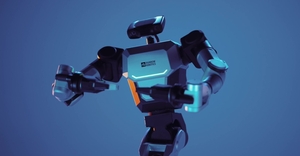
Samsung's Rainbow Robotics pilots warehouse robot at Coupang
Rainbow Robotics, a subsidiary of Samsung Electronics, has deployed its mobile dual-arm robot, RB-Y1, at a Coupang fulfillment center as part of a trial to assess the robot's capabilities in warehouse operations. The testing, reported by ETNews, focuses on the robot's reliability and efficiency in sorting and moving goods. Should the RB-Y1 demonstrate satisfactory performance, it could lead to a significant order from Coupang. The trial is part of ongoing efforts to enhance automation in e-commerce logistics.
All News

