


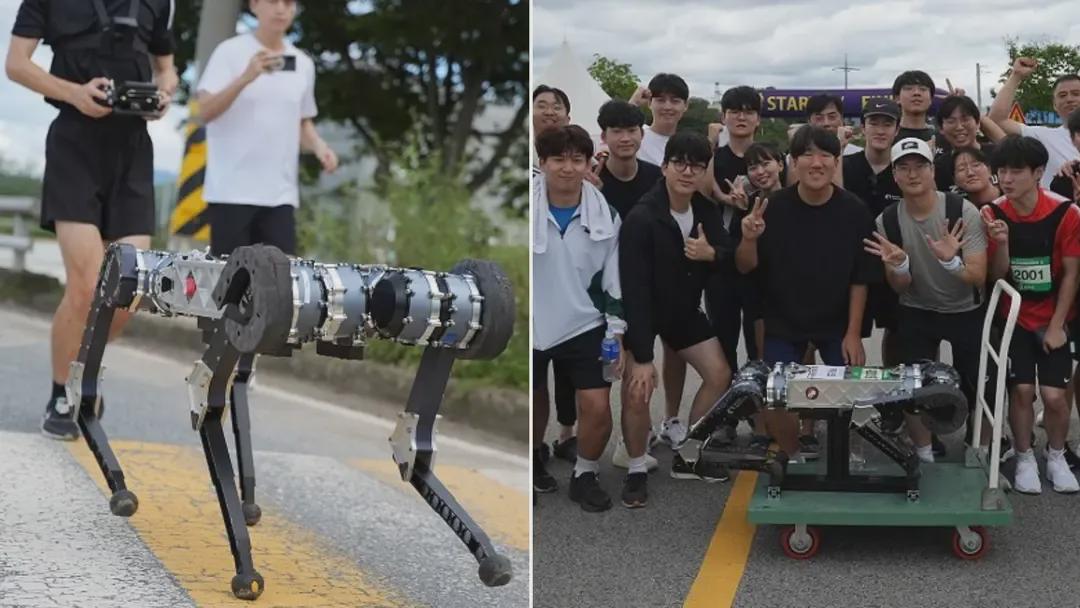
A research team from Seoul Tech has created a flexible, 3D-printed footpad for four-legged robots that can absorb and release energy, enhancing efficiency. This design enables robots to save between 1.4% to 6.2% of energy during movement, presenting a viable alternative to conventional energy recovery techniques.
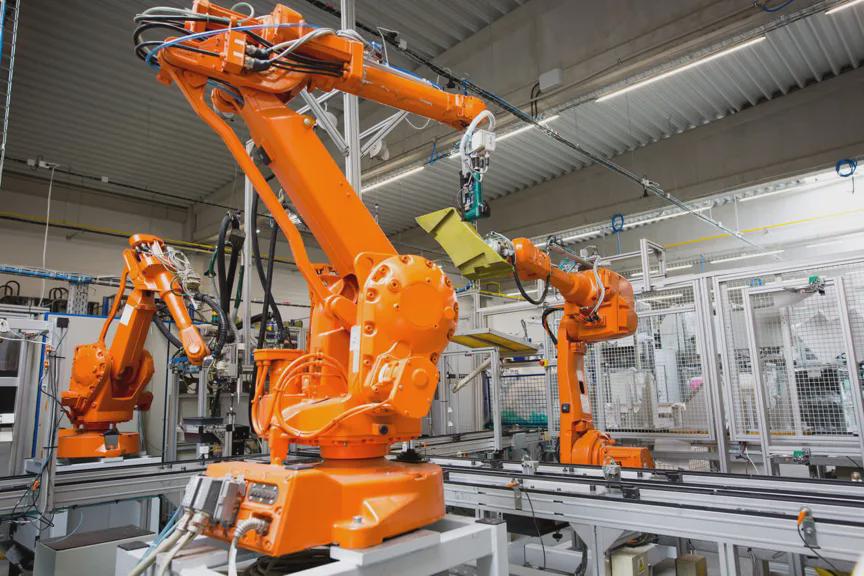
The significance of this development lies in its potential to improve the operational efficiency of robotic systems, particularly in applications such as inspection and logistics. The integration of an AI controller further optimizes the robot's gait, expanding its operational range and effectiveness in various tasks.
Looking ahead, the focus will be on the practical applications of this technology in real-world scenarios. No further timeline was disclosed at the time of publication.
Editor's Note
The advancement of energy-efficient technologies in robotics is crucial for enhancing operational capabilities and reducing energy consumption. As industries increasingly adopt automation, innovations like the 3D-printed footpad from Seoul Tech could play a significant role in optimizing performance and sustainability in robotic applications.


























Leave a comment