Microlay SLA Systems
Spanish maker of professional SLA and DLP 3D printers for dental labs and clinics, founded 2013 in Madrid; pioneer of low-cost SLA kit printing in Europe.
Contact Microlay SLA Systems
WEBSITE
https://microlay.comPHONE
+34 913 485 529HEADQUARTERS
Spain


Company Facts
Founded
2013
Primary Role
Manufacturer
Company Size
-
Primary Region
Europe
Annual Sales
-
Funding Stage
-
Funding Total
-
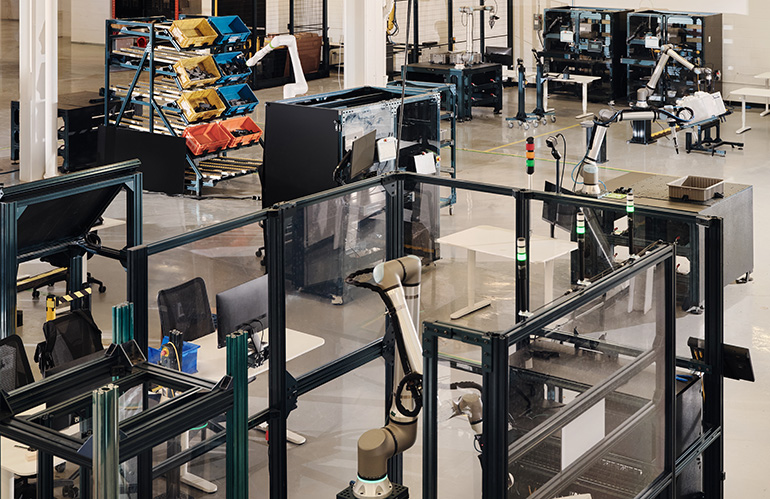
Vention Launches New Physical AI Lab in Montreal to Enhance Manufacturing Robotics
Vention Inc. has inaugurated its Physical AI Lab in Montreal, focusing on robotic manipulation in manufacturing. This facility aims to generate high-quality data essential for training AI models that control next-generation robots. According to CEO Etienne Lacroix, the lab leverages Vention's extensive experience with hundreds of robot cells to enhance the capabilities of physical AI. The establishment of the lab is significant as it addresses the growing demand for reliable and economical automation solutions in manufacturing. Vention's technology stack, which includes hardware, software, and physical AI, has already been deployed in over 28,000 machines globally, including in 90 of the Fortune 500 companies. The lab's unique approach combines academic research with real-world production challenges, allowing for rapid advancements in AI capabilities. Looking ahead, Vention aims to validate new AI capabilities against the practical requirements of production lines, with a focus on complex manufacturing tasks. No further timeline was disclosed at the time of publication. The integration of industry feedback into the research process is expected to accelerate the development of effective automation solutions.
Arms / Manipulators Artificial Intelligence Artificial Intelligence / Cognition Assembly Automotive Cameras / Imaging / Vision
Inbolt's Robotics Solutions Address Precision Challenges in Electronics Manufacturing
Inbolt is addressing the growing need for automation in electronics manufacturing, particularly in the assembly of complex data center infrastructure. With their control platform, which includes CAD-based programming and real-time control, Inbolt has installed over 200 robot arms across more than 100 factories, powering over 40 million robot cycles last year. The shift towards AI server racks has created a demand for more precise robotic solutions, as traditional manual assembly methods struggle with the complexities of modern electronics. Inbolt's technology aims to increase automation from 20-30% to 90%, focusing on the precision required for tasks like screw driving and cable routing, which are critical in preventing costly errors. As the electronics industry evolves, Inbolt's advancements in robotics will be crucial for meeting the challenges of high-voltage safety and ergonomic handling. The ability to adapt to frequent design changes and maintain high precision will be key factors to watch in the future of electronics assembly automation.

Vention Launches Leading Physical AI Lab in Montreal for Industrial Robotics Advancement
Vention has inaugurated Canada's premier Physical AI and industrial robotics lab in Montreal, aimed at enhancing robotic manipulation through the integration of advanced AI research into scalable manufacturing solutions. This initiative is significant as it focuses on applied manufacturing use cases, industrial data collection, and the development of post-training foundation models for robotics, leveraging existing intellectual property while generating new innovations. Looking ahead, stakeholders should monitor the lab's progress in bridging AI research with practical manufacturing applications. No further timeline was disclosed at the time of publication.
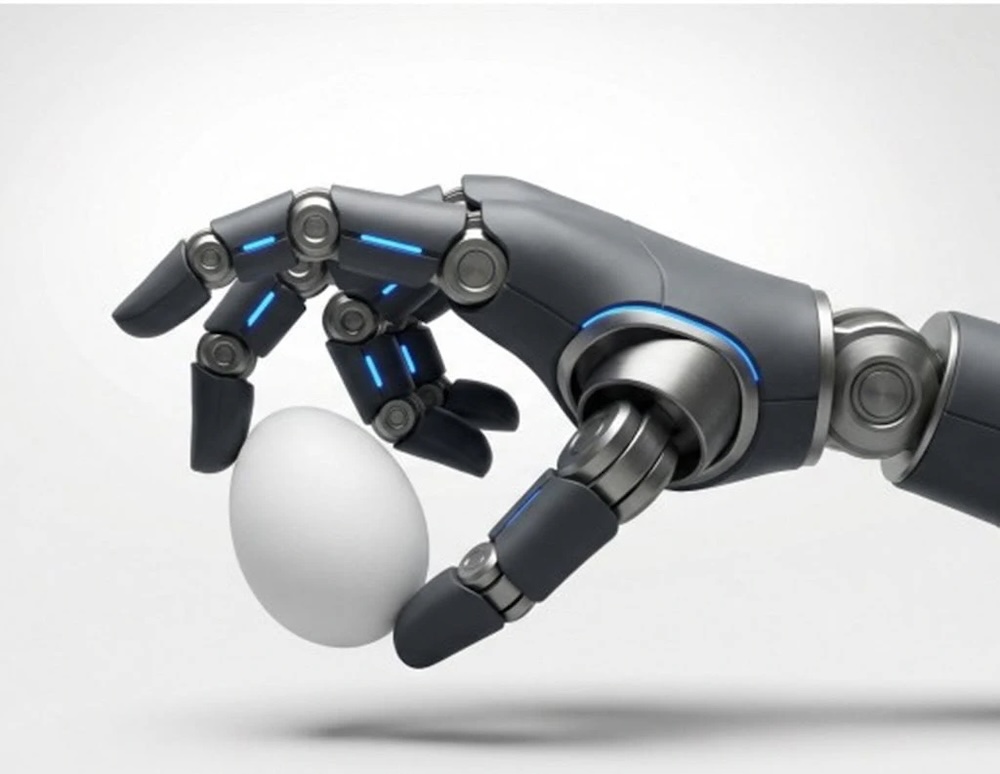
Challenges in Humanoid Robotics: Balancing AI and Hardware Limitations
Andreas Friedrich, Managing Director of Technology & Strategy at Allegro MicroSystems, will present at RoboBusiness on October 20-21 in Santa Clara, focusing on advancements in robotic actuation technology. As humanoid robots evolve, accommodating the necessary hardware for movement becomes increasingly complex due to stringent size and weight constraints. The integration of artificial intelligence has enhanced humanoid robots' ability to perceive their environment and make decisions. However, translating these decisions into smooth and safe physical actions poses significant engineering challenges, especially as these robots transition from prototypes to operational machines that work alongside humans. The ongoing development of AI is crucial, but the physical limitations of humanoid robots will ultimately dictate how effectively this intelligence can be utilized. The shift towards higher voltage power architectures in humanoids illustrates the intricate relationship between electrical and mechanical design, highlighting the need for innovative solutions to overcome these challenges.
Artificial Intelligence / Cognition Design / Development Humanoids News
Productive Robotics Launches Tregaskiss Tough Gun I.C.E. Torch for Blaze Welding Systems
Productive Robotics has unveiled the Tregaskiss Tough Gun I.C.E. (Integrated Cooling Enhancer) torch, designed specifically for its 7-axis Blaze robotic welding systems. This new option aims to mitigate heat-related consumable failures that can occur during automated welding processes with high duty cycles. The introduction of the I.C.E. torch is significant as it addresses a common challenge in robotic welding—overheating of consumables. By enhancing cooling capabilities, Productive Robotics aims to improve the reliability and efficiency of its Blaze systems, which are increasingly utilized in demanding industrial applications. Looking ahead, the adoption of the Tregaskiss Tough Gun I.C.E. torch could lead to broader implementation of Productive Robotics' solutions in sectors requiring robust welding capabilities. No further timeline was disclosed at the time of publication.

China Achieves First AI-Guided Surgery for Congenital Heart Disease Using Intelligent Robotics
Recently, a medical team in China completed the world's first AI ultrasound robot-assisted interventional procedure for congenital heart disease. Conducted by the Cardiovascular Medicine Department of the Sixth Medical Center of the PLA General Hospital, this surgery marks a significant milestone in the clinical application of intelligent technology in healthcare. This breakthrough is crucial as it signifies the integration of artificial intelligence into one of the most critical aspects of surgical procedures: interpreting images, assessing positions, and aiding doctors in formulating operational plans. Traditionally, cardiovascular interventions heavily relied on physician experience, particularly in complex cases where accurate understanding of heart structure changes is essential. Looking ahead, the focus may shift from merely achieving higher precision with robotic arms to whether robots can comprehend medical images, analyze patient conditions, and adapt strategies in real-time. The integration of AI models, medical imaging, and robotic control systems will be vital for advancing surgical capabilities, especially in areas lacking experienced specialists.
AI in Healthcare Surgical Robotics Medical Imaging Cardiovascular Surgery
Challenges in Implementing Predictive Maintenance for Robot Fleets
Many predictive maintenance initiatives in robotics face a common hurdle: after installing sensors and training models, progress often halts. The anomaly score generated by these systems does not equate to actionable decisions, leading to a gap in the maintenance process. Without a technician assigned, confirmation of spare parts availability, and scheduling for repairs, the potential benefits of predictive maintenance remain unrealized. This issue is significant as it highlights the limitations of current predictive maintenance strategies in robotics. The inability to transition from data insights to actionable work orders can lead to increased downtime and inefficiencies in robot fleet management. Organizations investing in predictive maintenance technologies must address these operational challenges to fully leverage their investments and enhance productivity. Looking ahead, it will be crucial for companies to develop streamlined processes that connect predictive maintenance insights with practical maintenance actions. No further timeline was disclosed at the time of publication, but advancements in this area could lead to more effective management of robotic systems and improved operational efficiency.
Artificial Intelligence Computing Factories Internet asset management condition monitoring
China’s Dexterous Hand Industry, 2026 Part 3 — The Players
Five vendor archetypes, MIR’s composite top ten, eight company profiles and six field deployments — every firm linked to the RobotToday supplier directory.
Pressure Sensors Enhance Robotic Gripping Accuracy and Interaction Control
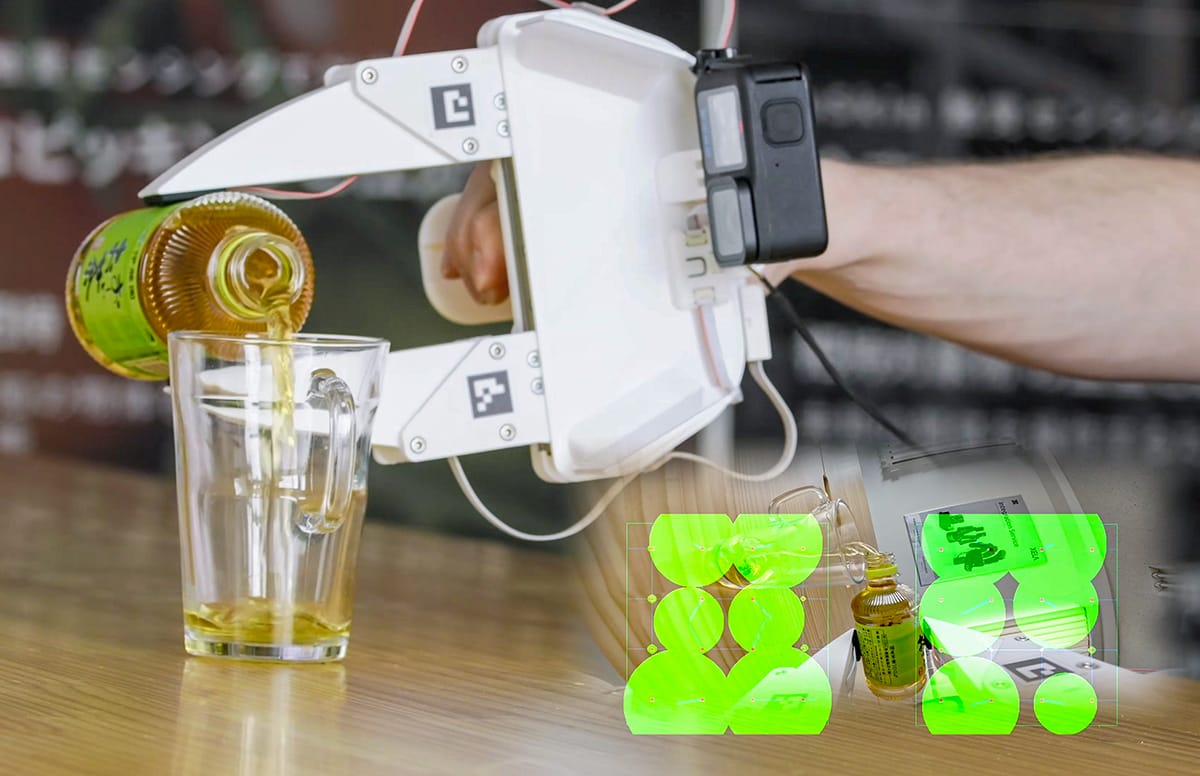
The integration of pressure sensors into robotic grippers, such as the UMI gripper from XELA Robotics, significantly improves gripping accuracy. Unlike traditional methods that rely solely on motor current and position, pressure sensors provide critical real-time data on contact interactions, enabling better control during gripping tasks. This advancement is particularly crucial in industrial applications like bin picking and mixed-part handling, where the nature of contact can vary widely. By measuring distributed mechanical stress at the contact interface, pressure sensors allow for a nuanced understanding of how different materials respond to gripping forces, thus enhancing the reliability of robotic operations. Looking ahead, the continued development of pressure sensing technology in robotic systems will likely lead to more sophisticated interaction controls. No further timeline was disclosed at the time of publication.
End Effectors / Grippers Grippers Human Robot Interaction / Haptics News Sensors / Sensing Systems
AI Framework PACMAN Enables Rapid Control of Fusion Plasma at Princeton Lab
Researchers at the U.S. Department of Energy's Princeton Plasma Physics Laboratory and Princeton University have developed PACMAN, an AI software framework that controls fusion plasma faster than human operators can react. This innovation is crucial as fusion systems can experience instabilities in mere milliseconds, making human intervention impractical. The PACMAN framework allows for real-time decision-making while ensuring safety protocols are upheld, with human operators setting the system's objectives. This capability is vital for maintaining the stability of fusion reactions, which rely on precise adjustments to heating equipment and magnetic fields to keep plasma conditions optimal. The initial tests of PACMAN were conducted in five experiments, demonstrating its effectiveness in managing fusion plasma. As researchers continue to explore practical fusion energy solutions, the integration of multiple AI models within PACMAN represents a significant advancement in the field. No further timeline was disclosed at the time of publication.
China’s Dexterous Hand Industry, 2026 Part 2 — The Technology
Linkage, tendon, direct drive or hybrid — and why hardware is converging while the DL1–DL5 manipulation scale decides who wins. Part 2 of 3.
China’s Dexterous Hand Industry, 2026 Part 1 — The Demand Picture
MIR Databank puts China dexterous hand shipments above 30,000 units in 2026, yet only 3.5% of 2025 demand came from factory production. Part 1 of 3.

Exploring the Role of FPGAs in Enhancing Physical AI Security
In Episode 260 of The Robot Report Podcast, Eric Sivertson, vice president of security at Lattice Semiconductor, discusses the significance of FPGAs in physical AI security. He highlights how these field-programmable gate arrays are crucial for building safe and secure robots, emphasizing their role in enhancing trust in embedded systems. The conversation underscores the growing importance of security in robotics, particularly as the industry shifts towards more advanced AI applications. Sivertson's extensive experience in developing technologies for security and connectivity positions him to provide valuable insights into the challenges and opportunities within this sector. Listeners should pay attention to the evolving landscape of physical AI security and the potential for FPGAs to serve as foundational elements in safeguarding robotic systems. No further timeline was disclosed at the time of publication.
Artificial Intelligence Autonomous Mobile Robots (AMRs) Humanoids Manufacturing Markets / Industries Microprocessors / SoC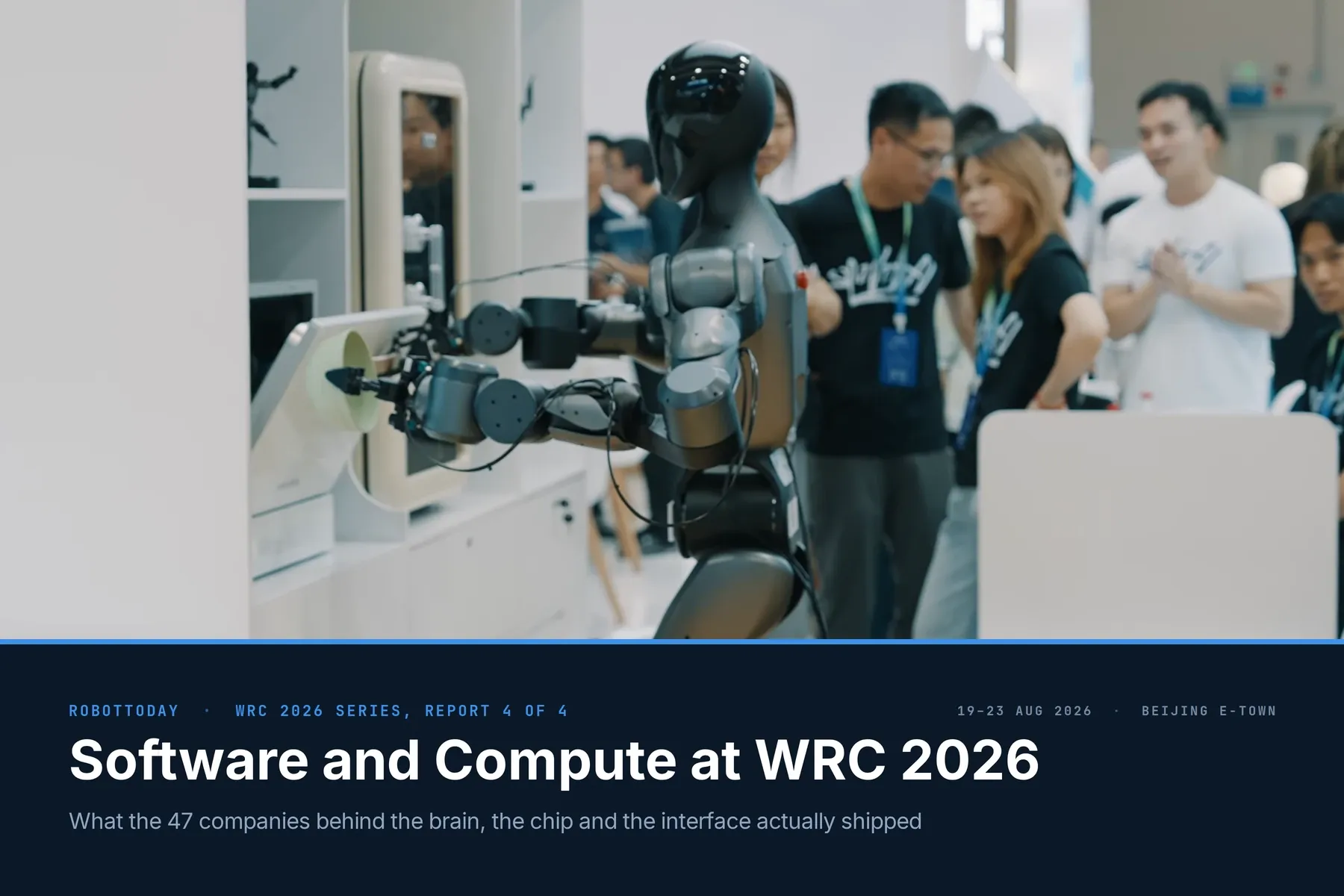
Software, Compute and Interaction at WRC 2026
47 WRC 2026 exhibitors supply robot software, compute or interaction — but only 19 call themselves software companies. Five open artefacts, licence-checked.
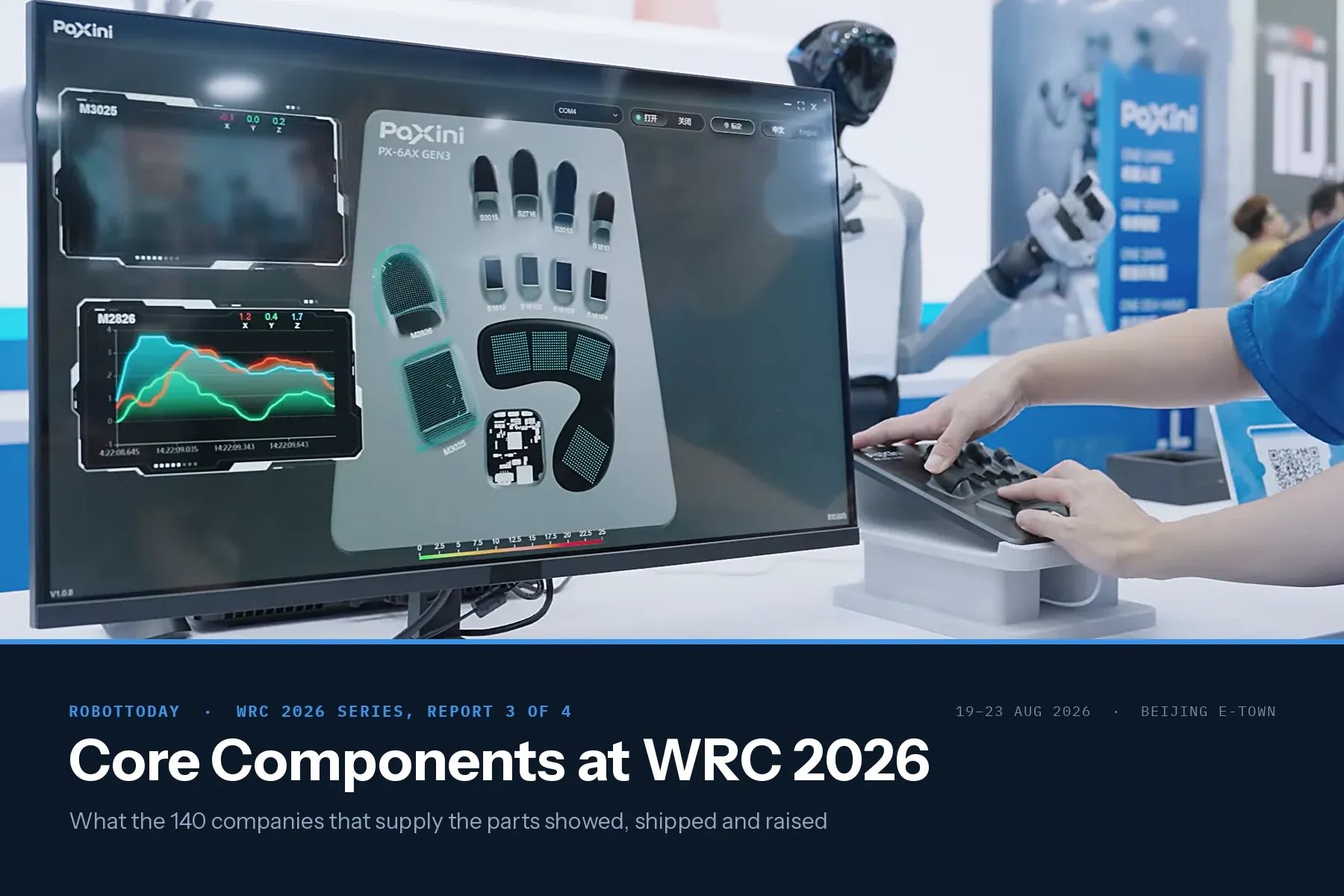
WRC 2026 Core Components: 137 Robot Parts Suppliers
The third report in the WRC 2026 series. Report 1 mapped all 248 exhibitors by category and Report 2 covered the 139 that build finished robots. This one covers the 137 that build what goes inside them.
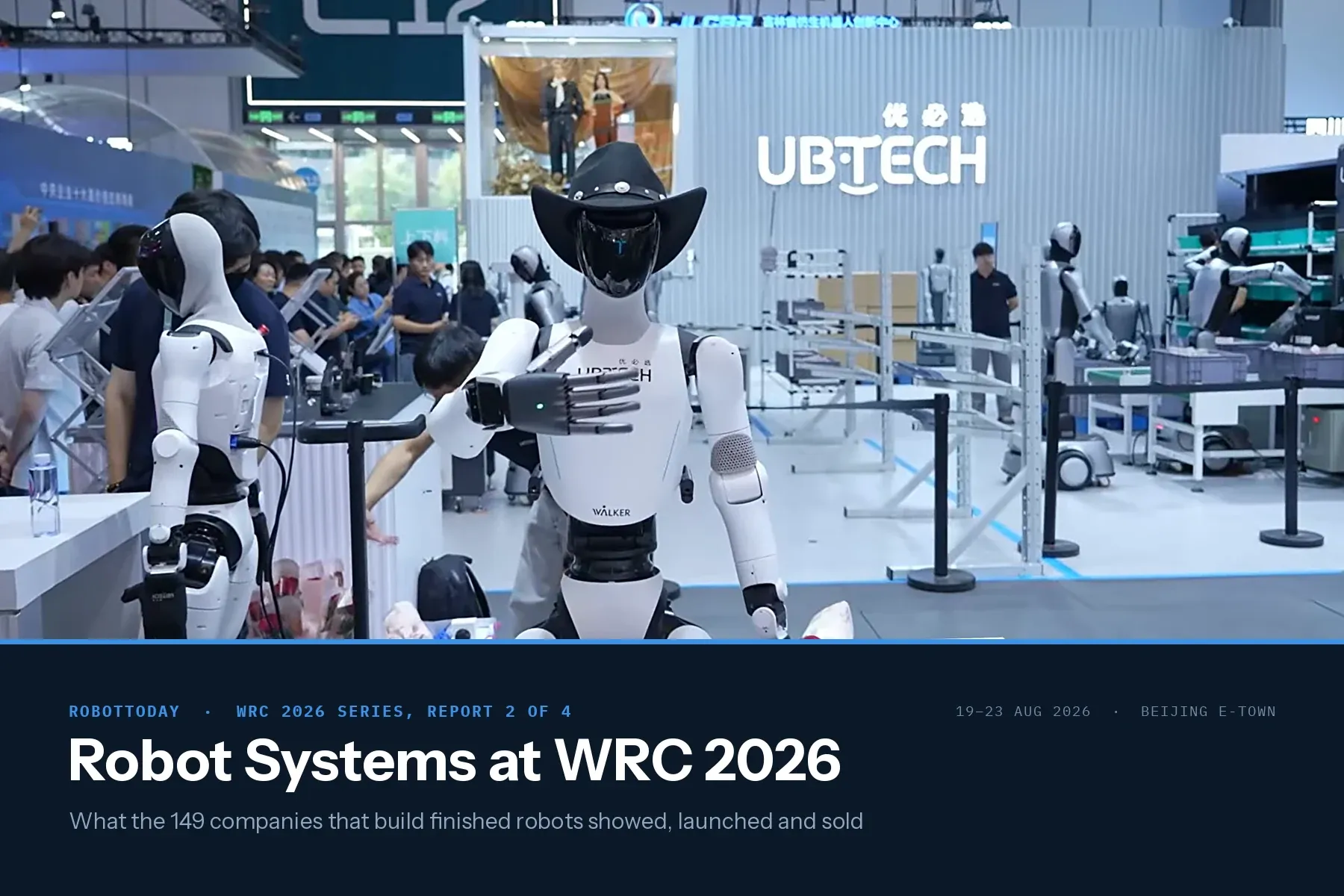
WRC 2026 Robot Systems: 149 Companies That Build Robots
149 of the 248 classified WRC 2026 exhibitors build finished robots. 93 build humanoid or legged machines. The audited humanoid sales number is one unit.

ROBOTTODAY Weekly August 10 – 14, 2026
Your weekly robotics briefing: Unitree's IPO is swamped by retail demand, the US puts 100% tariffs on imported drones, LG and Nvidia commit to a 2027 humanoid, and Uber and Pony.ai bring 2,000 robotaxis to Europe.

Inside Saga Robotics: UVC Light vs. Crop Disease
Saga Robotics CPO Damian Flynn on the Thorvald platform's UVC treatment system, its jump from UK strawberries to California wine grapes, and why he's “incredibly bullish” on applying automation and robotics into industries “most chaotic environment.”
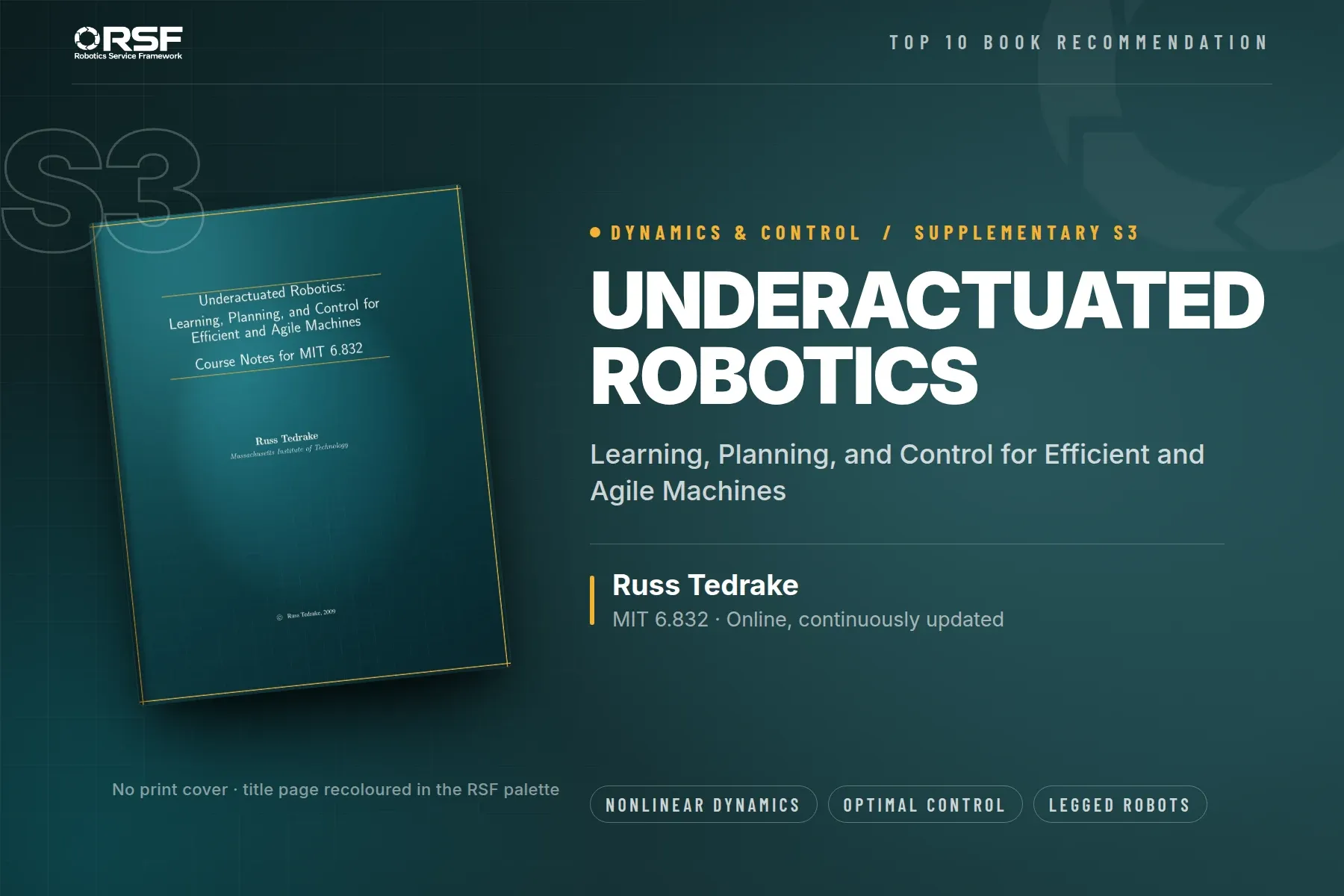
Underactuated Robotics Russ Tedrake — RSF Specialist Shelf · Book S3 of 6
Legged robots fall over for control reasons, not mechanical ones. Tedrake's free MIT 6.832 notes explain why, and what a controller must do about it.

ROBOTTODAY Weekly July 27 – 31, 2026
Your weekly robotics briefing: the US bans imports of Chinese humanoid robots, Google DeepMind unveils Gemini Robotics 2, Unitree pushes toward its Shanghai IPO, and Amazon's Zoox wins approval for paid robotaxi rides.