


DiDi Global Inc. 滴滴出行
China's largest ride-hailing platform and L4 autonomous driving developer, operating robotaxi services globally since 2012.
Contact DiDi Global Inc.
WEBSITE
https://www.didiglobal.comPHONE
+86 10 83043181HEADQUARTERS
China

Company Facts
Founded
2012
Primary Role
Software/Algorithm
Company Size
-
Primary Region
Asia-Pacific
Annual Sales
-
Funding Stage
-
Funding Total
-
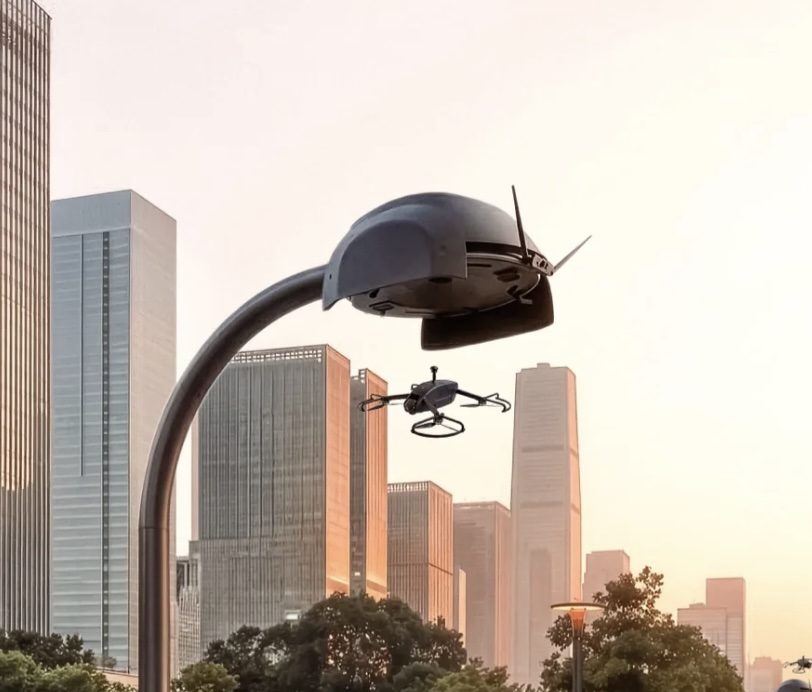
FCC Approves Exemption for Dronus K500L Drone System from Covered List
The Federal Communications Commission (FCC) has granted an exemption from its Covered List for Dronus S.p.A.'s K500L Uncrewed Aircraft System and Nest V2 docking station. This decision, announced on October 2, 2026, highlights the effectiveness of the FCC's Conditional Approval process for UAS manufacturers, allowing foreign-made products to be exempted under specific conditions. This exemption is significant as it demonstrates the FCC's willingness to adapt its regulations to support the drone industry while addressing national security concerns. The Department of War's Conditional Approval indicates that these products do not pose an unacceptable risk, allowing Dronus to continue operations without being listed on the Covered List, which was expanded to include foreign-produced UAS in December 2025. Looking ahead, Dronus must adhere to its onshoring plan and comply with updated product vetting to maintain its exemption. The FCC's evolving framework for Conditional Approvals provides a pathway for foreign drone manufacturers to navigate new supply-chain rules, emphasizing the importance of meeting federal security requirements while pursuing production onshore.
Drone Manufacturing Drone News Drone News Feeds Dual Use News Products
Astribot T1 Showcased at IROS 2026 with Diverse Applications in Logistics and Service
On October 3, 2026, Astribot showcased its humanoid robot, Astribot T1, at IROS 2026 in Pittsburgh, USA, releasing a video summarizing its applications. The video highlights three key use cases: Efficient Training, Rapid Deployment, and Long-Horizon Execution. These applications demonstrate the robot's capabilities in logistics sorting, where it can collect necessary data in just 10 hours, and in service tasks like autonomously serving popcorn while engaging in voice interaction. The robot's base model, Lumo-2, is designed for high-speed ball catching, showcasing its advanced World Action Model for accurate predictions. The T1 is priced starting at $18,000, and the company emphasizes its vision of "AI That Grows by Doing." No further timeline was disclosed at the time of publication.
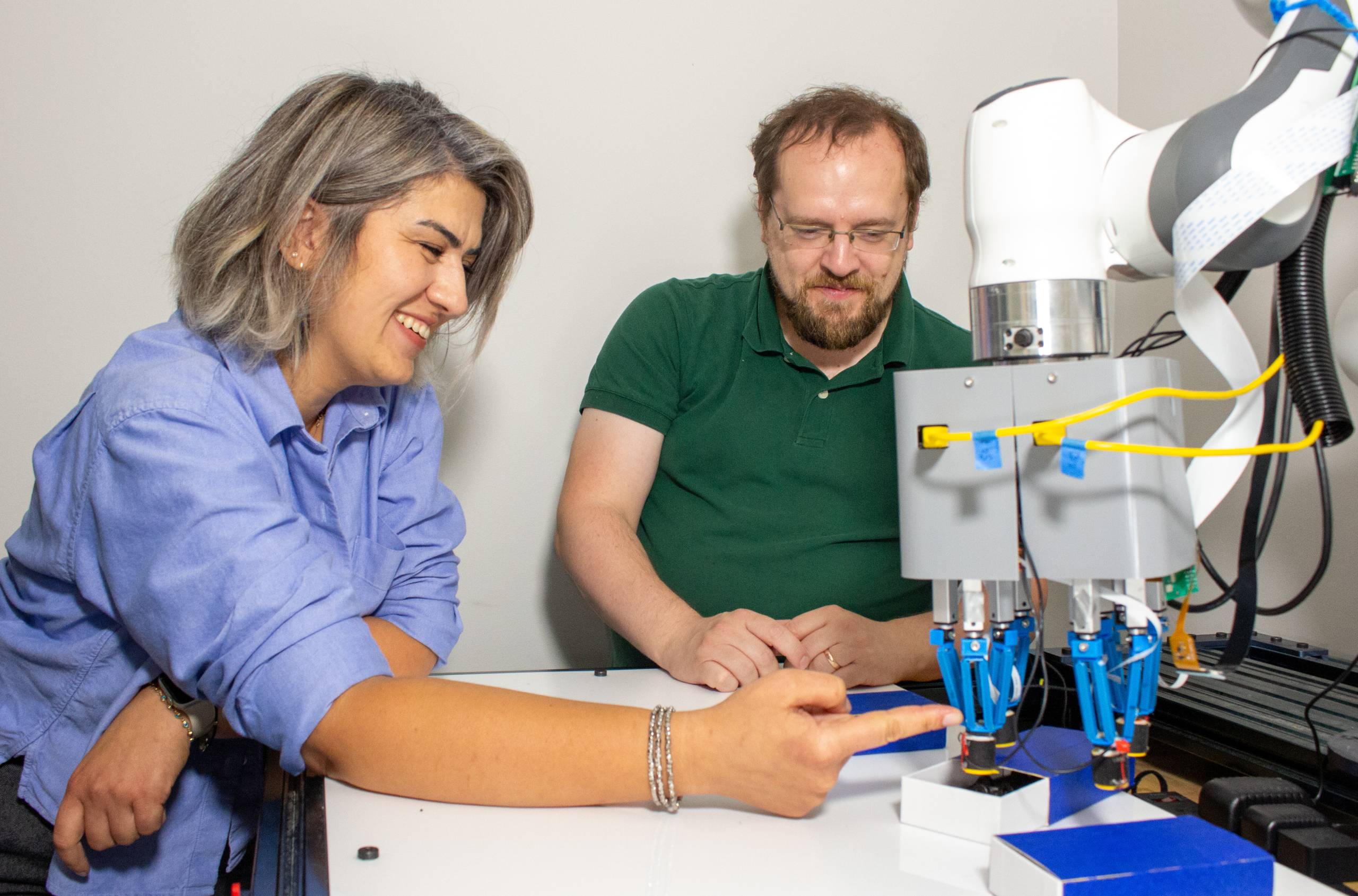
Carnegie Mellon Researchers Develop Innovative Robotic Fingertips for Delicate Manipulation
Researchers at Carnegie Mellon University's Kenneth C. Griffin School of Computer Science have designed a new type of robotic fingertip that integrates multiple senses to handle delicate objects. This innovation aims to enhance the capabilities of robotic home assistants, enabling them to perform tasks like picking up small items such as pills, which are challenging to grasp without damage. The significance of this development lies in its potential to improve dexterity in robotics, a critical area of research. According to Oliver Kroemer, an associate professor at the Robotics Institute, fine manipulation remains a significant challenge in the field. The new fingertips, inspired by human anatomy, are cost-effective and versatile, costing less than $100 each, compared to $800 for similar devices made from commercial products. Looking ahead, the research team plans to further enhance the robotic hand's capabilities by expanding the sensing technology beyond the fingertips. Their work was recently presented at the 2026 Intelligent Robots and Systems Conference in Pittsburgh, highlighting the ongoing advancements in robotic manipulation and the potential for future applications in home assistance.
Research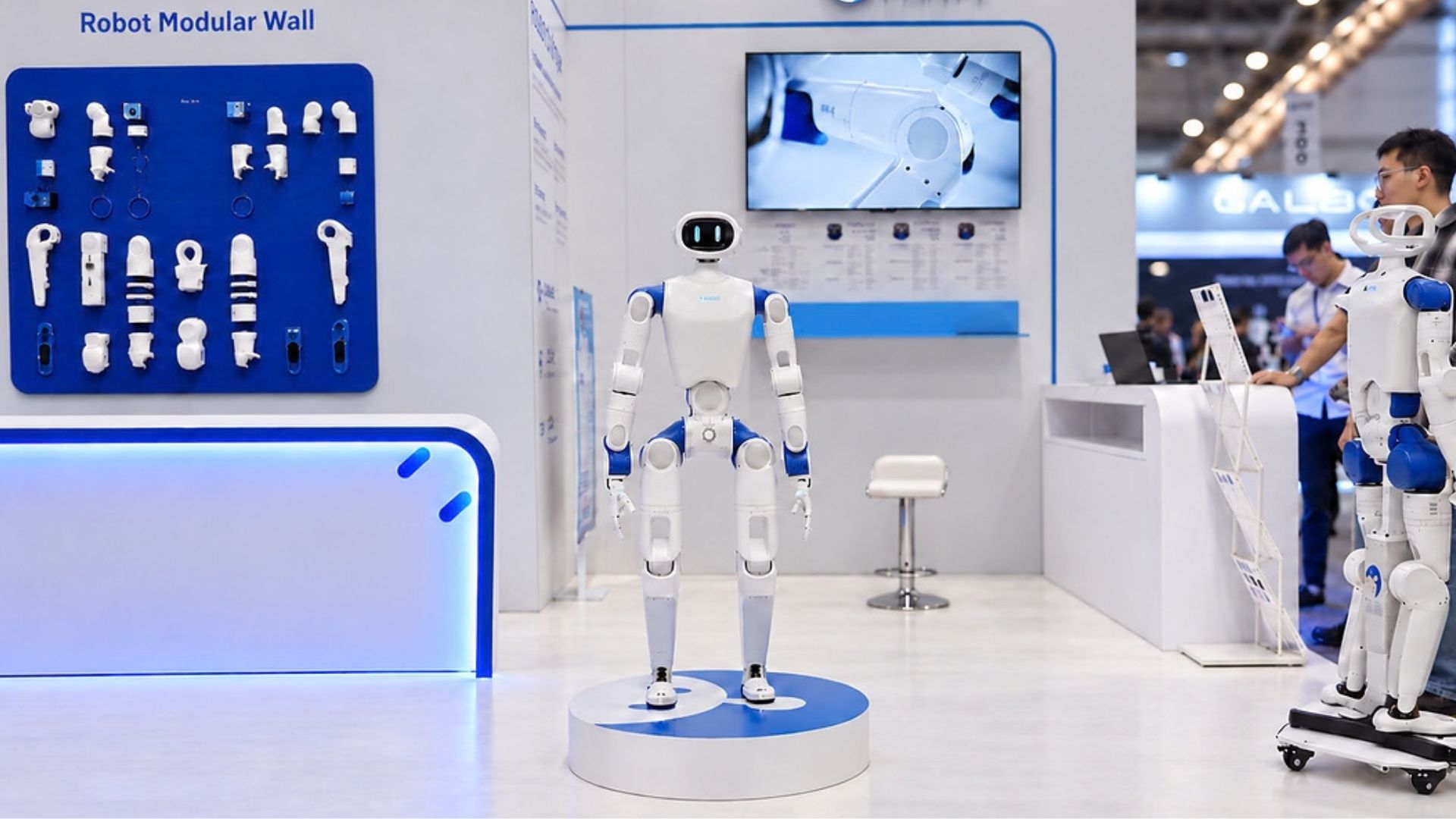
RoboParty Unveils RP1 Humanoid Robot for Open-Source Robotics Research
Chinese robotics company RoboParty has introduced the RP1, a full-stack open-source humanoid robot aimed at advancing robotics research, education, and embodied AI development. The robot was showcased at the 2026 IEEE/RSJ International Conference on Intelligent Robots and Systems (IROS 2026) on September 28, marking its global debut. RP1 is designed to provide researchers and developers with access to a high-performance humanoid system, following the company's earlier RPO project launched in January 2026. The RP1 features dynamic stability demonstrated through an interactive “Kick Me” display, allowing visitors to test the robot's balance and recovery capabilities. This is supported by PartyOS, RoboParty’s open research platform, which integrates the UFO framework for unsupervised reinforcement learning. The robot's design emphasizes a full-stack approach, integrating hardware, actuator modules, and AI algorithms into a cohesive development system, enabling comprehensive testing and collaboration in humanoid robotics. Looking ahead, RoboParty aims to progressively open its motion-control systems and training tools, fostering reproducible research and algorithm development. The RP1 is built to support demanding movements with a peak joint torque of 160 Nm, leveraging technologies from previous projects to enhance its capabilities in dynamic humanoid robotics. No further timeline was disclosed at the time of publication.
AI and Robotics
Extend Robotics Secures £2.6M Funding to Enhance Outcome-Based Robotics Services
Extend Robotics has successfully raised £2.6 million in pre-Series A funding to advance its Result-as-a-Service model, enabling manufacturers to pay for robotic work completed rather than purchasing robots outright. This funding, led by Skyworks Venture Capital Fund with participation from Neo Venture Europe and Zip Capital, will facilitate the company's expansion across the U.K. and Europe, as well as the development of a distributed remote-operator network. Extend's AMAS platform integrates immersive teleoperation with AI assistance, currently serving 35 subscription customers across various sectors including agriculture and manufacturing. Looking ahead, Extend Robotics aims to leverage its funding to enhance its service offerings and expand its customer base. The company is focused on addressing manufacturing challenges that are difficult to automate with traditional systems, particularly in high-mix production and hazardous environments. No further timeline was disclosed at the time of publication.
AI Funding & Investment Physical AI AI Extend Robotics industrial robotics Pre-A financing
Safeworld Launches to Address Safety Challenges of Generative AI Robots
Safeworld, founded by Dr. Ding Zhao and his team, aims to tackle the unpredictability of generative AI in robotics. With over $12 million in seed funding, the company focuses on creating safety standards for robots operating in unstructured environments. Their approach involves simulating real-world scenarios to evaluate robotic control systems and ensure safety in diverse settings. The importance of Safeworld's mission lies in the growing integration of robots in everyday environments, where safety incidents could have serious consequences. As noted by Jonathan Lai of a16z Speedrun, establishing safety standards now is crucial to prevent potential accidents involving robots and humans. The company's innovative simulations will help identify risks and improve trust in robotic systems. Looking ahead, Safeworld's collaboration with companies like Gritt Robotics highlights the industry's need for third-party validation of safety measures. As robots become more prevalent, the challenge of ensuring their safe operation in unpredictable human environments will be critical. No further timeline was disclosed at the time of publication.
AI Exclusive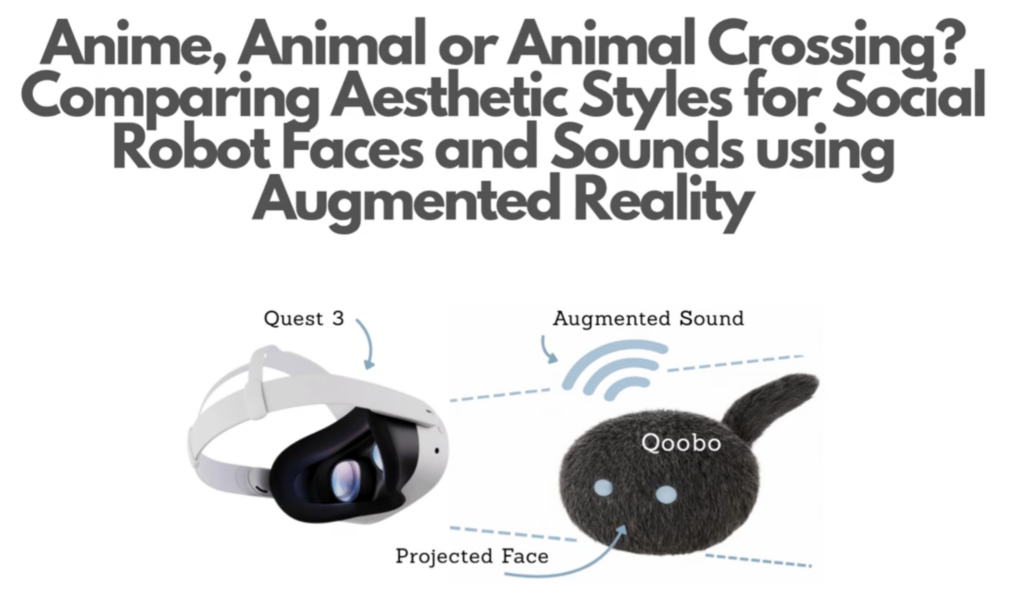
University of Glasgow Research Aims to Enhance Social Robot Design with Emotional Appeal
Researchers from the University of Glasgow have conducted a study to improve the design of social robots, focusing on their emotional appeal. By utilizing augmented reality, they tested various combinations of faces and voices on the Qoobo robot, which has a cushion-like body and a swinging tail. The findings suggest that animal-like and anime-inspired designs resonate well with users, enhancing the robots' ability to convey emotions. This research is significant as it addresses the lack of systematic studies in the design of social robots, which are increasingly used to provide companionship and alleviate feelings of loneliness, especially among older adults. The study indicates that aesthetic choices can greatly influence user engagement and emotional connection, paving the way for more personalized and appealing robotic companions. Looking ahead, the insights gained from this research could lead to the development of customizable social robots that adapt their appearances to meet individual user preferences. The team plans to further explore the implications of their findings on future social robot designs, although no specific timeline for future developments was disclosed at the time of publication.
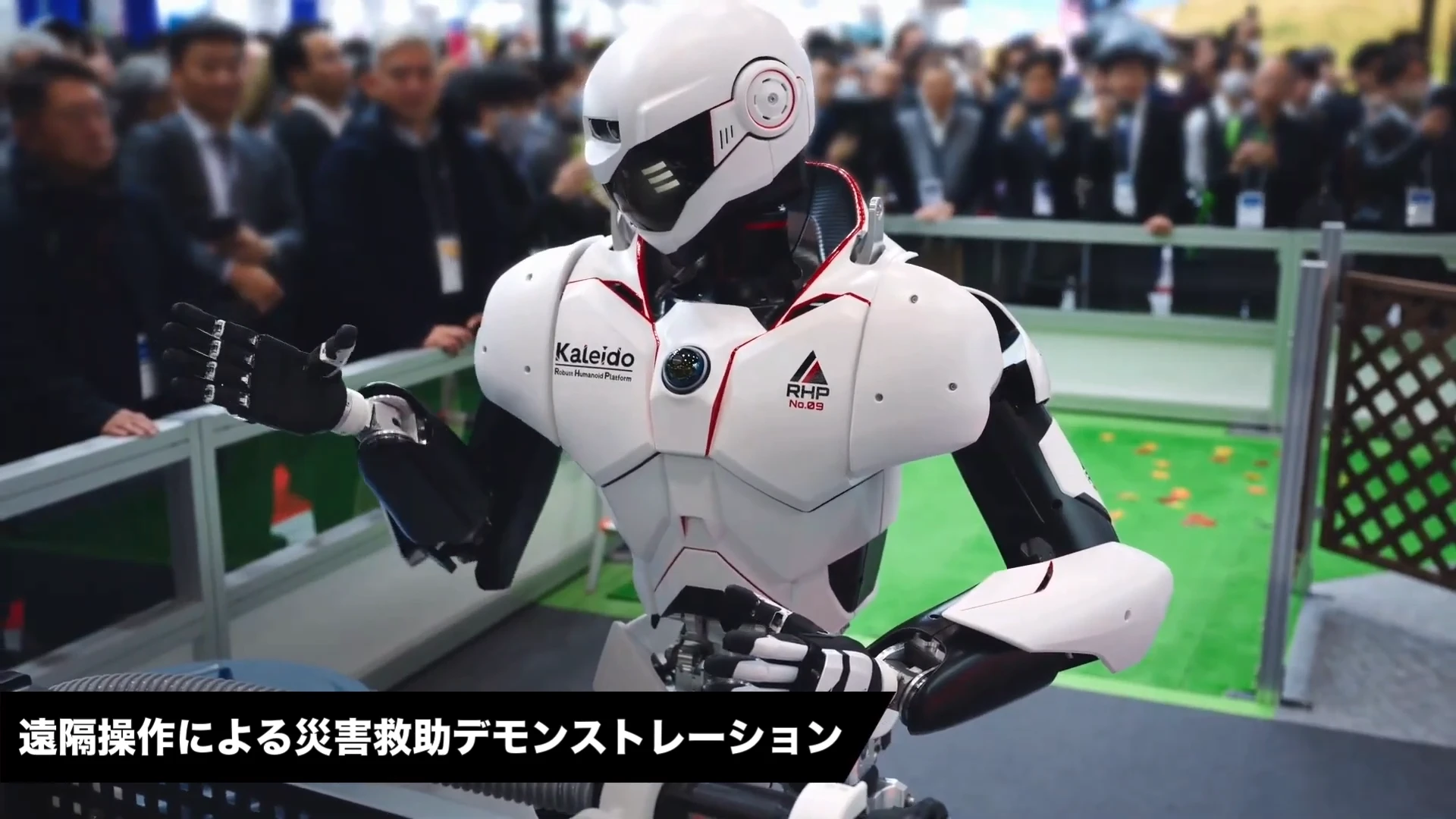
Kawasaki to Deploy Noetra-Enhanced Kaleido Humanoid by 2030 with Gradual Autonomy Expansion
Kawasaki Heavy Industries plans to integrate Noetra’s Japanese physical AI platform into its Kaleido humanoid, aiming for a rollout as early as 2030. Kaleido will be the first to utilize Noetra’s technology, which will initially operate through a combination of remote human control and AI, gradually increasing its autonomous capabilities as Noetra’s platform evolves. The significance of this development lies in the phased approach to autonomy, with initial tasks focused on simpler operations such as patrolling and moving parts. While the goal is full autonomy, the rollout will begin with a hybrid model. Kawasaki’s roadmap indicates that remote-assisted work is expected around 2030, with full autonomous operation targeted for 2040, although the Noetra report does not confirm that all tasks will be autonomous at launch. Looking ahead, Kawasaki's collaboration with Noetra and NVIDIA aims to enhance the complexity and precision of autonomous movements. The company envisions deploying tens of thousands of robots across various applications by 2040, indicating a broader ambition beyond just humanoids, which will be crucial to watch in the coming years.
Kawasaki Japan
Panasonic Aims for Humanoid Robot Production by 2029, Emphasizing Battery Safety
Panasonic Holdings has announced its intention to develop humanoid robots, with production slated to begin by 2029, as stated by Chief AI Officer Akira Sakakibara. The company plans to target factory production lines and warehouses, although the project is still in its early stages. Research and development on necessary AI models and technologies has commenced, but specific achievements remain undisclosed. The significance of this initiative lies in Panasonic's focus on battery safety, which Sakakibara believes is crucial for overcoming barriers to the adoption of humanoid robots. He noted that Panasonic Energy's batteries have not been linked to serious fire incidents, positioning the company to potentially lead in safer humanoid robotics. Panasonic's existing components for humanoid robotics, such as power-management devices and sensors, provide a solid foundation for this new venture. Looking ahead, the next milestone to observe will be the unveiling of a robot design or a working demonstration that showcases the capabilities of the planned humanoids. No further timeline was disclosed at the time of publication.
Panasonic Japan
SafeWorld Emerges from Stealth with $12.2M Funding to Enhance Robot Safety Systems
SafeWorld, an AI lab focused on robot safety simulation technologies, has officially launched after securing $12.2 million in seed funding. The funding was co-led by Shine Capital and a16z Speedrun, with participation from Box Group, Carnegie Mellon University Endowment, Innovation Endeavors, SV Angel, and other prominent investors. The importance of SafeWorld's work lies in its collaboration with multiple Fortune 50 companies to test and validate robotic systems' safety. Their platform offers essential safety testing and simulation software, enabling enterprises to assess and implement robotic solutions in a safe and responsible manner. Looking ahead, SafeWorld's innovative approach to robot safety could significantly impact the deployment of robotic systems across various industries. No further timeline was disclosed at the time of publication.

ROBOTTODAY WEEKLY September 7 – 11, 2026
This week in robotics: JD.com plans to deploy three million robots across its logistics network, XPeng commissions its IRON humanoid production line, FANUC and Google launch an AI arc-welding agent, and Unitree shares fall 53% from their post-IPO high. September 7–11, 2026.
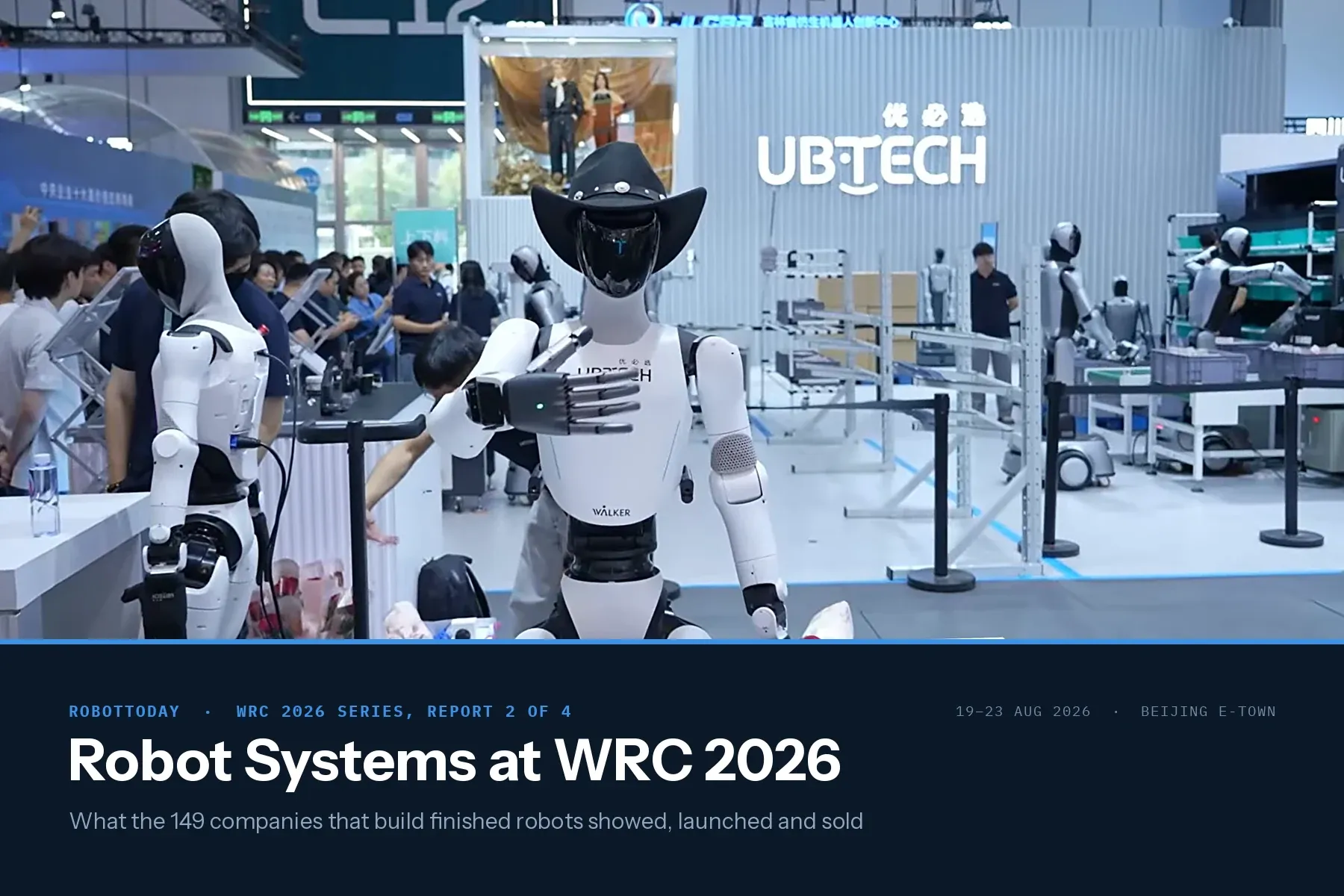
WRC 2026 Robot Systems: 149 Companies That Build Robots
149 of the 248 classified WRC 2026 exhibitors build finished robots. 93 build humanoid or legged machines. The audited humanoid sales number is one unit.

ROBOTTODAY Weekly July 20 – 24, 2026
Your weekly robotics briefing: AGIBOT unveils four new robots at WAIC 2026, the NDAA bars Chinese humanoids from the U.S. military, SoftBank eyes Gravis Robotics for its Roze vehicle, and Anduril reveals its Thunder autonomous attack tiltrotor at Farnborough.

FUTURE WARFARE | The Geopolitical Competitive Landscape
Military robotics is no longer a U.S.-centric story. Global defence spending crossed $2.75 trillion in 2026; defence-tech VC hit a record $49.1 billion in 2025; and a multipolar robotics order is crystallising in real time — with China’s 15th Five-Year Plan institutionalising civil-military fusion, Europe’s €381 billion defence budget financing its own AI champions, and Turkey and Israel reshaping the export market with affordable, combat-proven systems. Part Five of the Future Warfare Series maps the country-by-country competitive landscape, the collapsing regulation race, and the investment forces reshaping who builds — and who controls — the autonomous weapons of the next decade.

FUTURE WARFARE | Cross-Domain Integration - Integration How Land, Sea, Air and Software Are Converging Into a Single Kill Chain
Cross-domain robotics is reshaping modern warfare as drones, UGVs, AI targeting systems, and autonomous logistics converge into a single networked kill chain across land, sea, air, and software.

GLOBAL ROBOTICS INDUSTRY Comprehensive Sector Overview
A comprehensive global robotics industry overview for 2025, analyzing 14 key market segments — from industrial and humanoid robots to logistics AMRs, military systems, and service robots — with expert market sizing, US case studies, five-year forecasts, and bilingual English-Chinese analysis for executives and investors.

ROBOTTODAY Weekly April 5 – 11, 2026
This week in robotics: UniX AI’s Panther becomes the first household humanoid in real deployment, Hyundai reveals a mass-production factory robot, ShengShu raises $293M for physical AI, and Spirit AI closes $420M in 30 days. April 5–11, 2026.
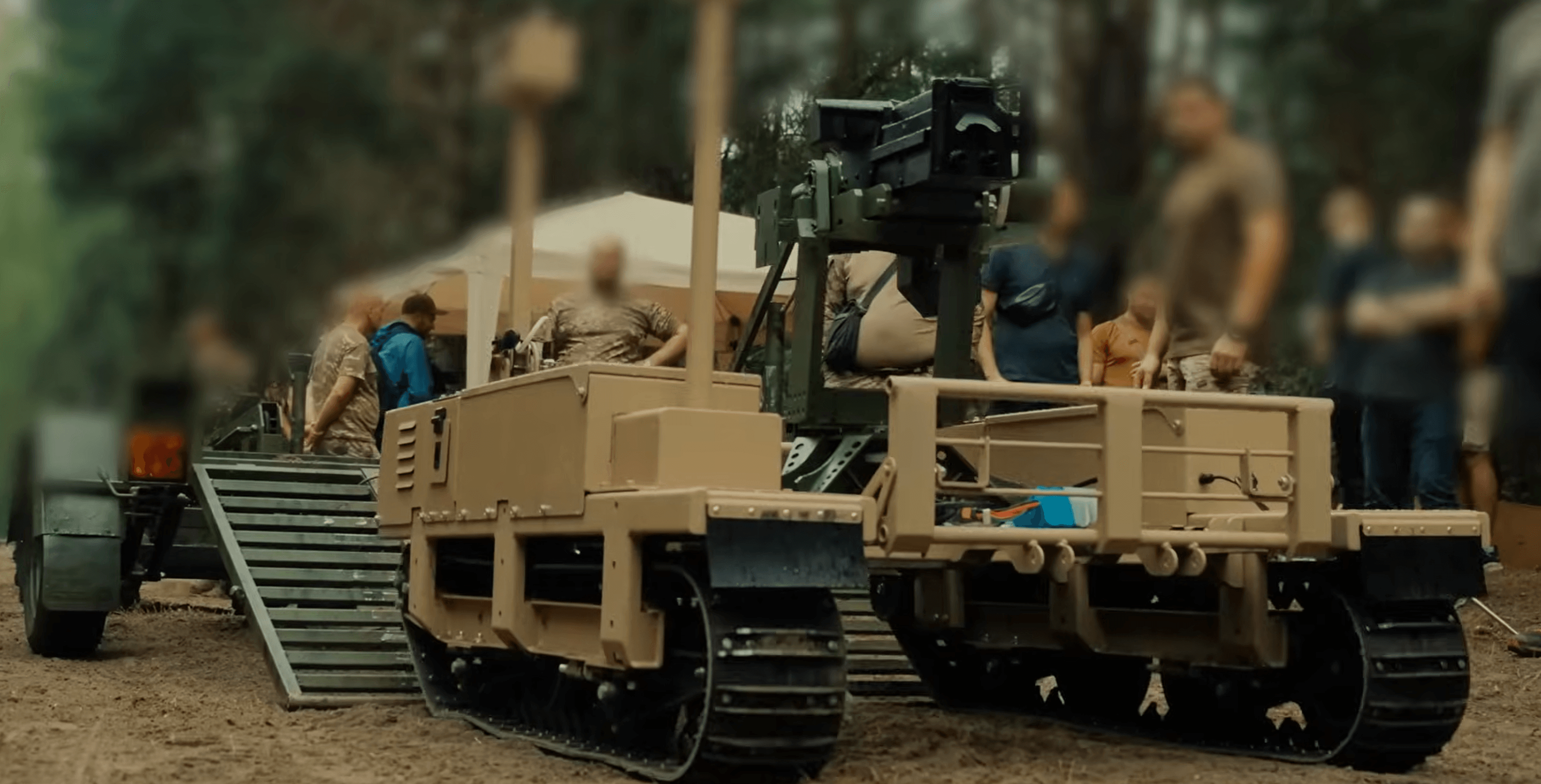
FUTURE WARFARE | Land - Unmanned Ground Vehicles — From Logistics Mules to Front-Line Robots
Ukraine fielded 15,000 unmanned ground vehicles in 2025 — surpassing its own procurement targets by over 100 percent. A single UGV held a front-line position for 45 days. Up to 90 percent of supplies to Pokrovsk now move by robot, not truck. The U.S. Army cancelled its $3 million Robotic Combat Vehicle and is starting over. China is deploying $3,000 robot dogs in PLA urban-warfare exercises. This article maps the emerging UGV battlefield — from Ukraine’s garage-built logistics fleet to the Pentagon’s stalled combat-vehicle ambitions, and from Ghost Robotics’ Vision 60 to the quadruped proliferation problem no treaty has yet addressed.

EU Bets €1.5B on Drones and AI: Inside EDIP's 2026–2027 Defence Industry Programme
The EU's €1.47 billion European Defence Industry Programme (EDIP) 2026–2027 targets drones, counter-UxS systems, AI-enabled autonomy, and loitering munitions across six major funding calls — allocating over €232 million directly to unmanned systems and related electronics supply chains.
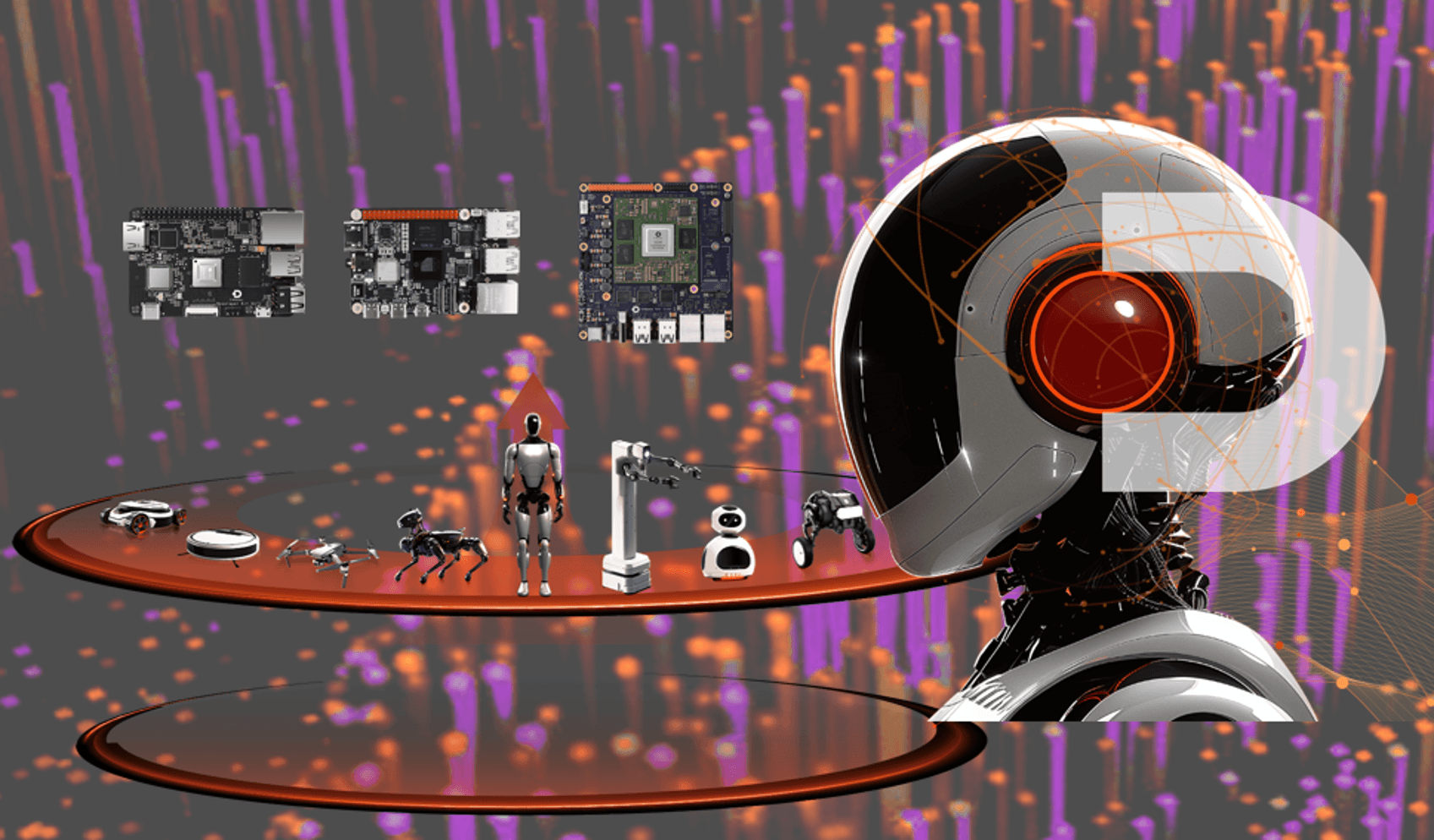
D-Robotics: China’s Embodied AI Chip Platform for Humanoid and Service Robots
D-Robotics closes $120M Series B1 to advance its chip, OS, and algorithm platform for humanoid robots, drones, and service robots—positioning itself as the infrastructure backbone of the embodied intelligence industry.


