

Industry Briefing
A single destination for timely, editor-curated robotics news from around the world.
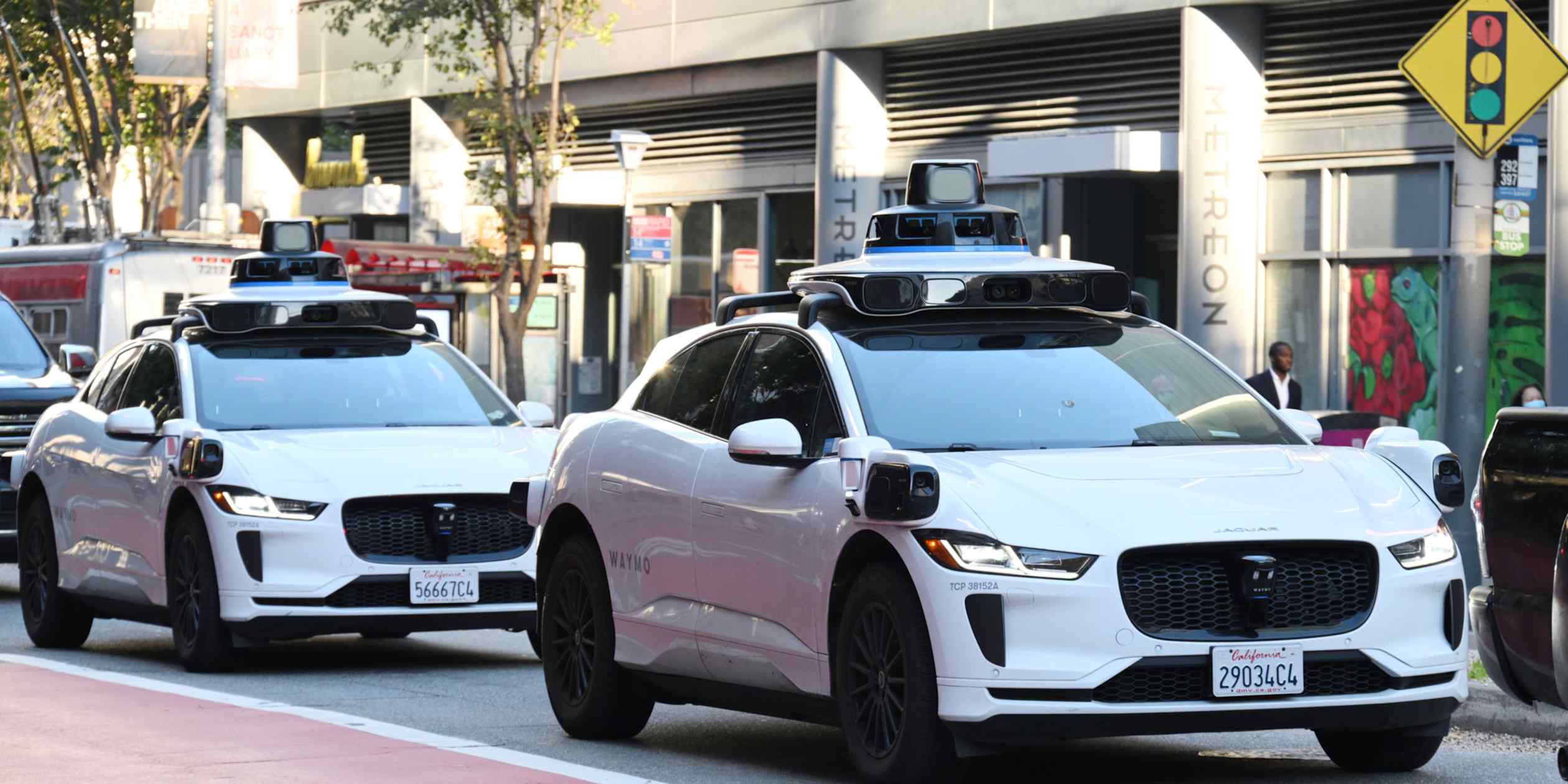
Itochu and Aioi Nissay Dowa to Launch Robotaxi Insurance for US Market
Itochu and Aioi Nissay Dowa Insurance are collaborating to create insurance products tailored for self-driving taxis, targeting the U.S. market. They aim to initiate sales as early as fiscal 2027, addressing a growing need in the emerging robotaxi sector. This partnership is significant as it seeks to penetrate an undeveloped market for robotaxi insurance, which is becoming increasingly relevant with the rise of autonomous vehicles. Waymo has already deployed robotaxis in 15 American cities, indicating a demand for specialized insurance solutions in this area. Looking ahead, the focus will be on how these insurance products will be structured and the regulatory challenges they may face in the U.S. No further timeline was disclosed at the time of publication.
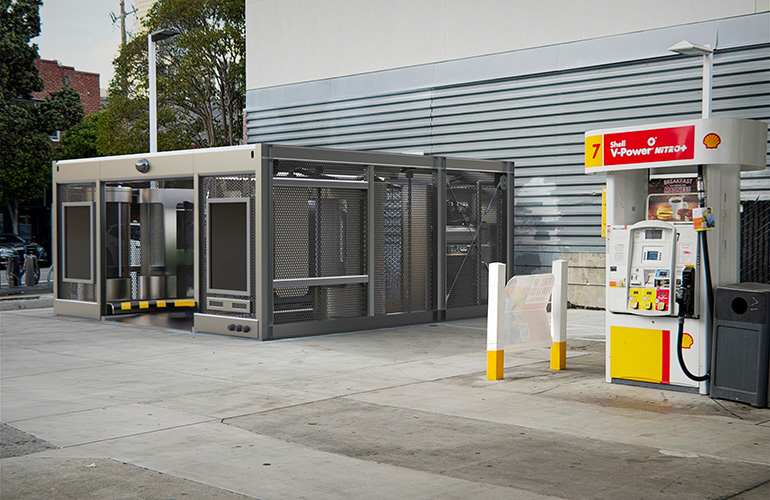
Scaling Robotaxis: Challenges from 14 Cities to 15,000 Operational Areas
Waymo has successfully logged over 220 million autonomous miles, achieving a significant reduction in serious injury crashes compared to human drivers. With around half a million paid rides weekly, Waymo is expanding its operations from 14 cities, raising the question of how to scale robotaxi services to over 15,000 locations like Uber. The challenge lies in the operational logistics of robotaxis, particularly the need for cleaning and reset stations. Each reset can take approximately two hours, and data indicates that only 54% of Waymo's reported miles carried passengers. This inefficiency highlights the difficulties in scaling operations to meet the demands of thousands of cities, where the infrastructure for servicing robotaxis is often lacking. Future developments will need to address the scarcity of suitable land for depots, the lengthy regulatory processes for establishing charging sites, and the unique urban layouts of different cities. Without solutions to these logistical hurdles, scaling robotaxis to a larger operational footprint may remain a significant challenge.
News Opinion Self-Driving Vehicles Transportation Aseon Labs Lucid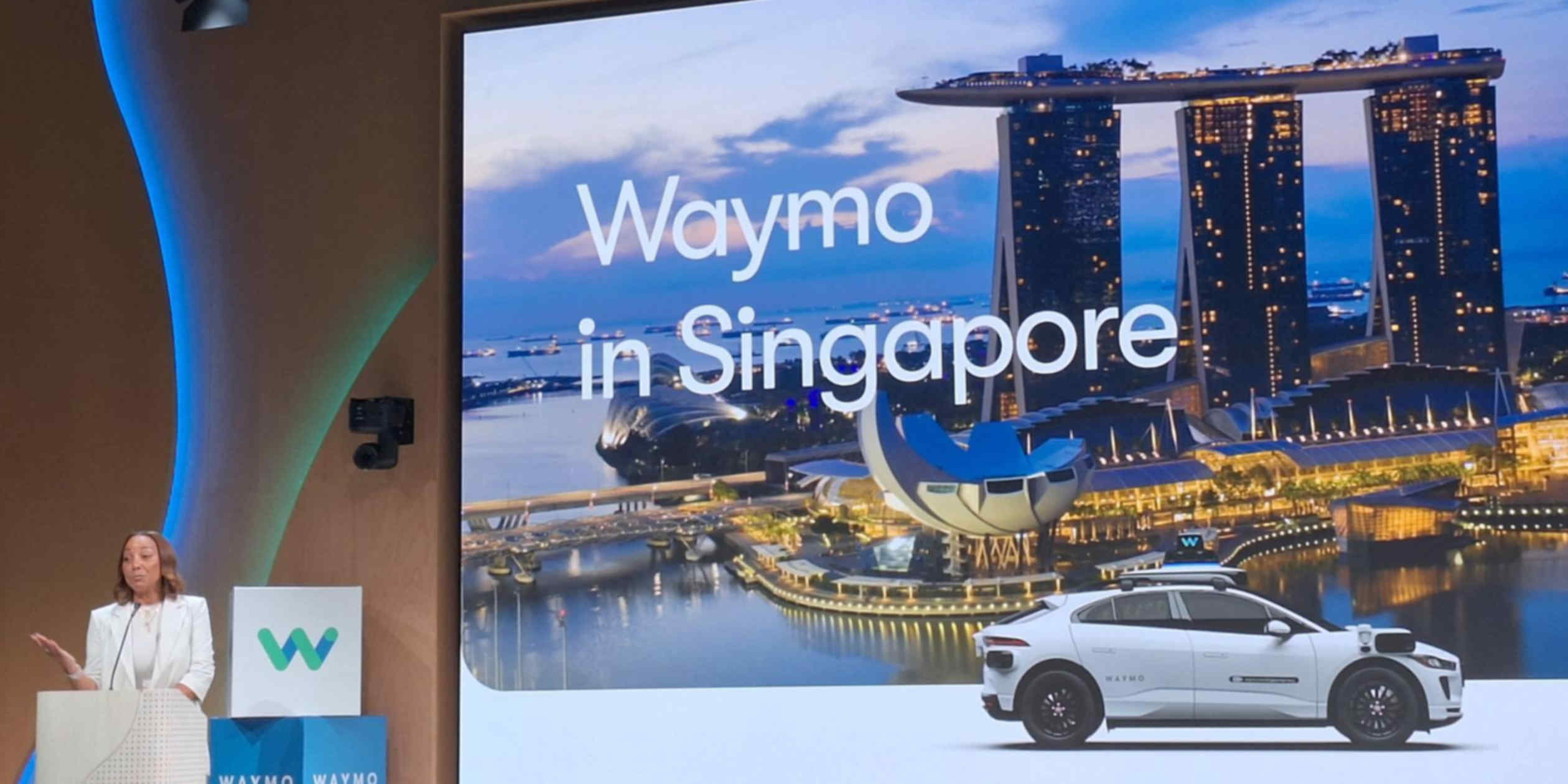
Waymo Plans to Launch Robotaxi Service in Singapore by 2028 Amid Growing Competition
Waymo, the U.S.-based robotaxi operator, has announced its intention to enter the Singapore market in 2028, marking its first venture into Southeast Asia. This move comes as the company aims to compete in a mobility landscape that is currently led by local firms such as Grab and ComfortDelGro. The introduction of Waymo's robotaxis is significant as it highlights the increasing competition in the autonomous vehicle sector within Singapore. Local players are already expanding their driverless trials, indicating a robust market for autonomous transportation solutions. Waymo's entry could potentially reshape the dynamics of the mobility market in the region. Looking ahead, stakeholders will be keen to observe how Waymo's deployment plans unfold in Singapore and how they will integrate with existing services. No further timeline was disclosed at the time of publication.

Pony AI Faces Stock Challenges Amid Regulatory Uncertainty in Robotaxi Sector
Pony AI's stock has struggled in 2026, with unclear reasons behind its poor performance. The company is facing challenges as regulatory uncertainty looms over the robotaxi market, particularly following Baidu's recent mishap that has raised concerns in China. This situation is significant as it highlights the vulnerabilities within the autonomous vehicle sector, especially for companies like Pony AI that are heavily invested in robotaxi technology. The regulatory landscape is critical for the success of such innovations, and any setbacks can impact investor confidence and market dynamics. Looking ahead, it will be important to monitor how Pony AI navigates these challenges and whether it can regain investor trust. No further timeline was disclosed at the time of publication.
PONY Richard Durant
Waymo to Launch Paid Robotaxi Service in Singapore by 2028
Waymo has announced plans to introduce its paid robotaxi service in Singapore by 2028. This initiative marks a significant step in the company's ongoing expansion efforts, both domestically and internationally, as it seeks to broaden its footprint in the autonomous vehicle market. The introduction of Waymo's robotaxi service in Singapore is noteworthy as it highlights the growing global interest in autonomous transportation solutions. By entering this market, Waymo aims to leverage Singapore's advanced infrastructure and regulatory environment, which are conducive to the deployment of innovative mobility services. As Waymo prepares for this launch, industry observers will be keen to monitor the developments in regulatory approvals and technological advancements that will support the rollout of the service. No further timeline was disclosed at the time of publication.
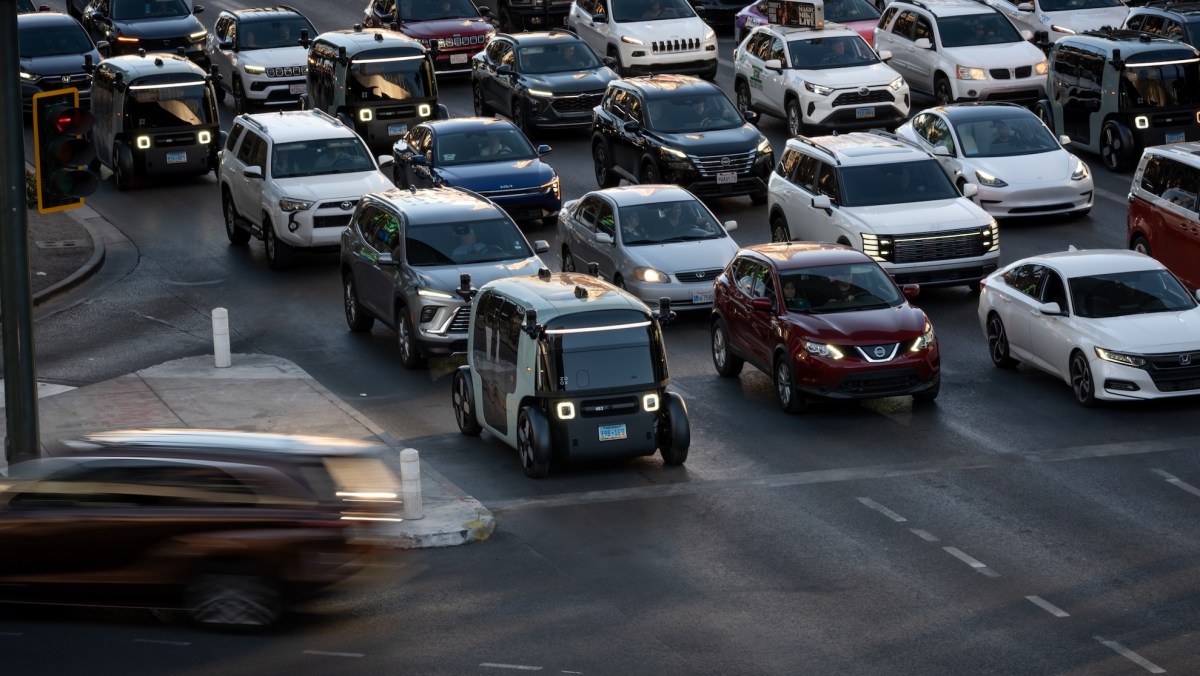
Zoox's 100-Robotaxi Limit in Nevada Set to Expire, Enabling Fleet Expansion
Zoox, the Amazon-owned company, is poised to expand its fleet of custom-built robotaxis in Las Vegas as a regulatory cap limiting its operations to 100 vehicles is set to expire on September 25. This change, confirmed by both the Nevada Transportation Authority and a Zoox spokesperson, allows for greater flexibility in scaling its commercial services amid increasing competition from other companies like Waymo, Tesla, and Uber. The expiration of the 100-vehicle limit is significant as it comes at a time when the demand for autonomous ride-hailing services is rising. Zoox currently operates approximately 100 robotaxis across four U.S. cities, with the majority in Las Vegas and San Francisco. The company recently began charging for rides in Las Vegas after receiving a temporary exemption from federal safety standards, which is crucial given its unique vehicle design that lacks traditional controls. Looking ahead, Zoox plans to gradually increase its fleet size to meet the growing demand in Las Vegas and other markets. However, it remains to be seen how quickly the company will capitalize on this regulatory change. With competitors like Waymo already launching services in the area, the race to dominate the robotaxi market in Las Vegas is intensifying.
Transportation zoox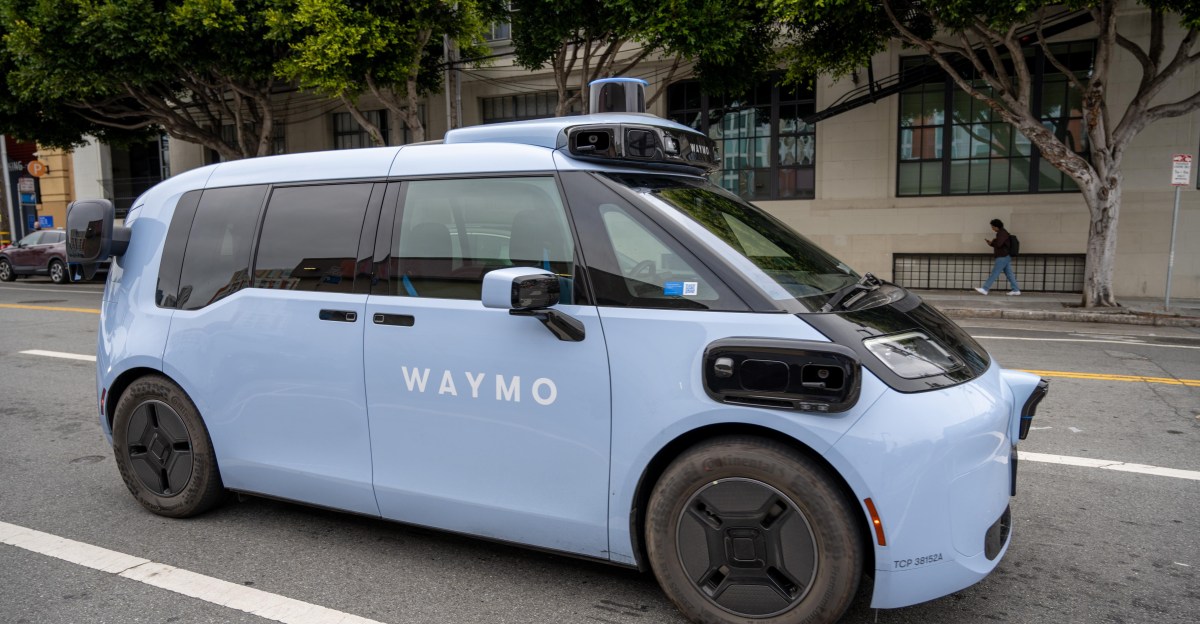
Waymo Plans to Launch Robotaxi Service in Singapore by 2028
Waymo, the Alphabet-owned company, has announced its intention to launch a commercial robotaxi service in Singapore by 2028. The company will begin deploying its vehicles to Singapore in the coming months to prepare for mapping and autonomous testing, which will involve human safety drivers in 2027. This expansion into Singapore is significant as the city-state is recognized for its advanced transportation ecosystem and has already approved various autonomous vehicle initiatives. Waymo's entry into this market aligns with its strategy to expand internationally, following plans to introduce robotaxi services in London by the end of 2026 and Tokyo in 2027. As Waymo prepares for its Singapore launch, it must secure approval from the Land Transport Authority (LTA) and complete safety assessments at the Centre of Excellence for Testing and Research (CETRAN). No further timeline was disclosed at the time of publication.
Autonomous Cars News Transportation Waymo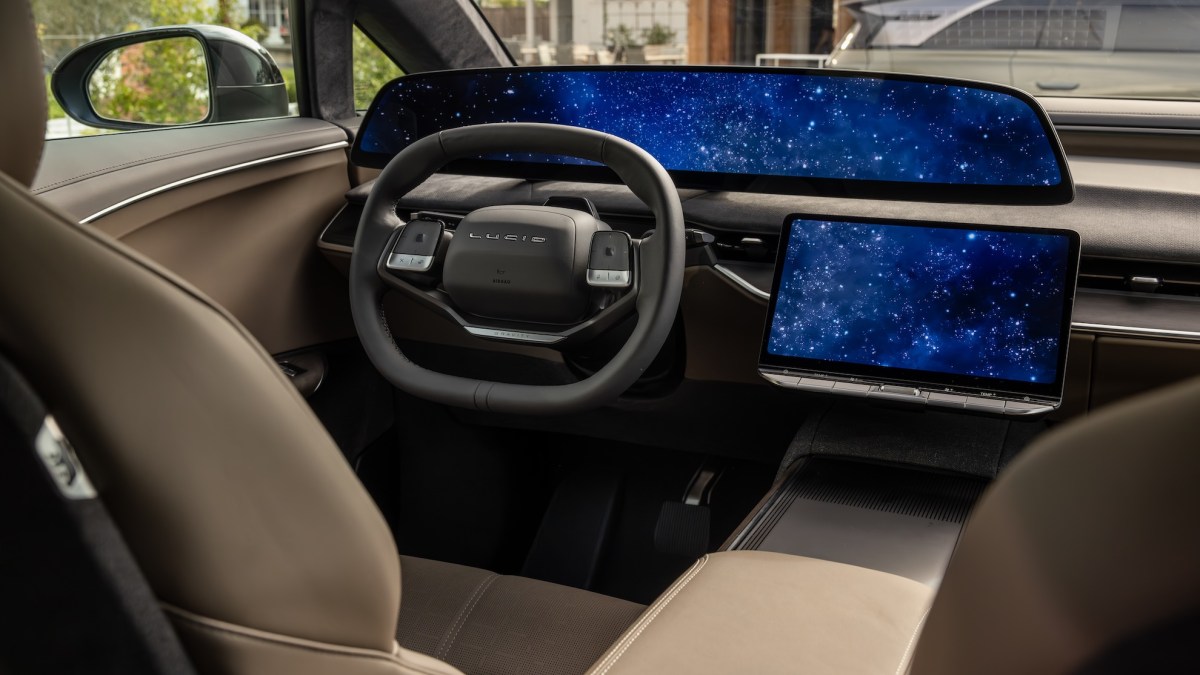
Lucid Motors Partners with Bolt to Explore Robotaxi Deployment in Europe
Lucid Motors has announced a partnership with Bolt, a European mobility platform, to potentially introduce robotaxis in Europe. Bolt aims to deploy at least 25,000 fully autonomous vehicles based on Lucid's upcoming mid-size electric vehicle architecture, which is designed to be smaller and more affordable than current models. This partnership is significant as it follows a restructuring at Lucid Motors, led by new CEO Silvio Napoli, who has made substantial workforce reductions and delayed the launch of its mid-size platform to the second half of 2027. The collaboration with Bolt marks a strategic move for Lucid as it seeks to enter the robotaxi market, which Napoli believes could yield higher profit margins compared to traditional retail. Looking ahead, Bolt envisions a fleet of 100,000 autonomous vehicles by 2035, although no specific timeline for deployment has been disclosed. The two companies will collaborate on developing an autonomous driving system-ready vehicle platform, utilizing Nvidia's Hyperion architecture for compute and sensing capabilities. No further timeline was disclosed at the time of publication.
Transportation Bolt Mobility Lucid Motors robotaxis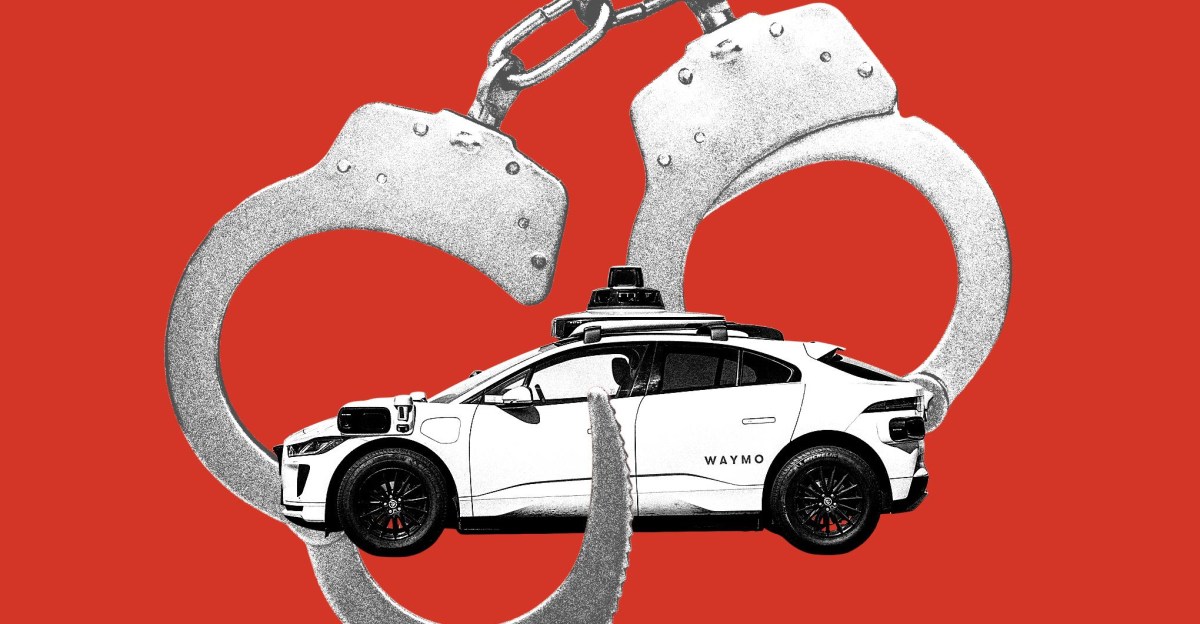
Waymo Alerts Police After Detecting Firearm in Robotaxi, Raising Privacy Concerns
Waymo reported a firearm detection during a ride, leading to the arrest of two teenagers. This incident highlights significant privacy issues surrounding autonomous vehicles. The company stated that it detected a violation of its terms of service and contacted law enforcement, raising questions about the extent of surveillance in robotaxis. The event underscores the ongoing debate about privacy in autonomous vehicles, particularly regarding what data they collect and how it is used. Waymo's vehicles, equipped with numerous cameras, have previously been involved in law enforcement inquiries, prompting concerns about the potential misuse of recorded footage. The recent incident illustrates the proactive role Waymo's technology plays in alerting authorities, rather than merely responding to police requests for footage. Looking ahead, the implications of this incident may lead to increased scrutiny of privacy regulations in autonomous vehicle operations. As Waymo continues to develop its technology, stakeholders will be watching closely to see how the company addresses privacy concerns and the transparency of its surveillance practices. No further timeline was disclosed at the time of publication.
Autonomous Cars Law Policy Privacy Report Tech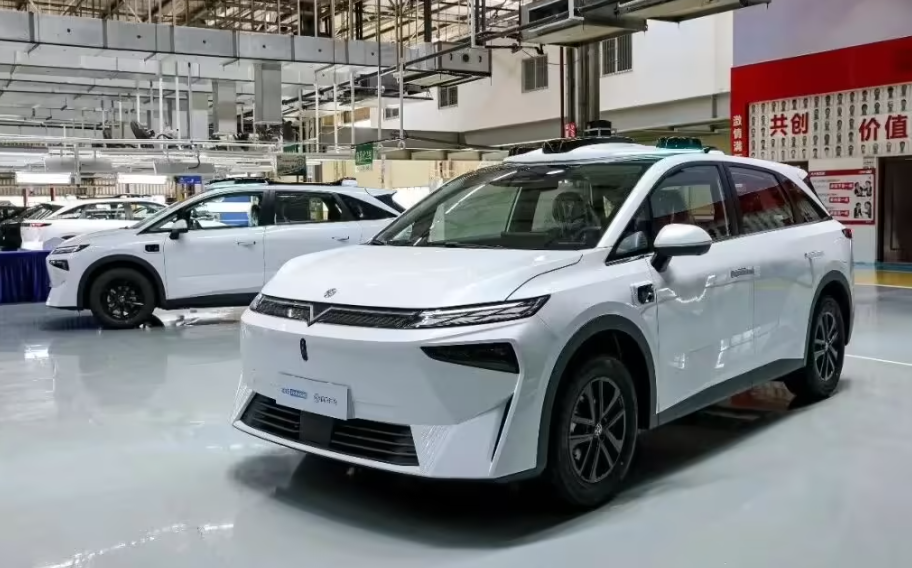
Hello Robotaxi Secures $100 Million Funding, Valuation Approaches $3 Billion
Hello Robotaxi, through Shanghai Zufu Intelligent Technology Co., Ltd., has successfully raised approximately $100 million in a new financing round. This funding round was led by Shanghai Guotou Venture Capital, with additional participation from Minhang Jintou and China Creation Ventures, resulting in a post-money valuation nearing $3 billion. This funding is significant as it will support ongoing research and development efforts, including the establishment of a large-scale GPU computing cluster, the development of end-to-end AI models, and the enhancement of a high-quality data supply chain. The financial backing reflects the growing interest and investment in autonomous driving technologies. Looking ahead, Hello Robotaxi's first mass-produced Level 4 vehicle, the HR1, commenced production in July and has already exceeded 100 units. Observers should watch for further advancements in their autonomous driving technology and potential future funding rounds to support their ambitious goals.
News Feed
Tesla's Cybercab Launch Underwhelms, Leaving Waymo Dominant in Robotaxi Market
Tesla, Inc. (NASDAQ:TSLA) launched its Cybercab on September 3 in Austin, Texas, but the event fell short of expectations, leading to a quick decline in stock value. The company showcased a brief video of the two-seat, steering-wheel-free vehicle, but investors were left wanting more details on deployment and regulatory compliance. The lack of substantial updates has raised concerns about Tesla's competitiveness in the robotaxi sector, where Alphabet's Waymo currently leads with over 4,000 autonomous vehicles and 500,000 rides per week. Analysts expressed disappointment in the Cybercab launch, with some predicting a slow rollout in Austin, while others noted the potential for Tesla's manufacturing capabilities to eventually catch up. Looking ahead, the NHTSA's ongoing audit of Tesla's self-certification for the Cybercab could impact the company's expansion plans. Investors are advised to monitor this regulatory review closely, as the profitability challenges faced by all players in the robotaxi market, including Waymo, remain unresolved. No further timeline was disclosed at the time of publication.
Waymo Set to Launch Driverless Robotaxi Services in Tokyo Next Year
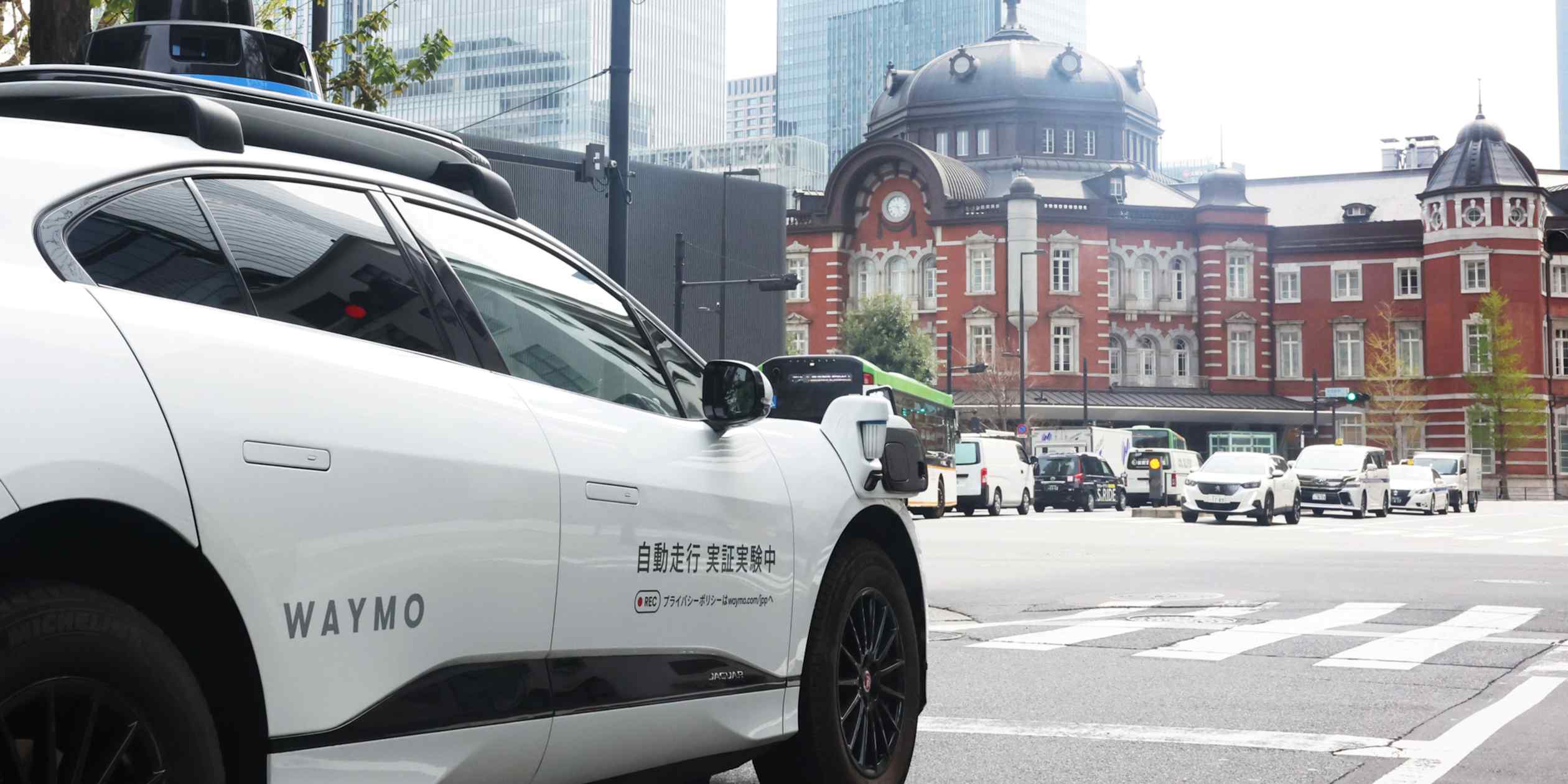
Waymo has announced plans to initiate commercial driverless taxi services in Tokyo in 2027. This move marks a significant advancement in autonomous driving technology within Japan, a market that presents unique challenges such as regulatory hurdles and established industry practices. The introduction of Waymo's robotaxi service is crucial for the evolution of autonomous transportation in Japan, which has been collaborating with local transportation companies since late 2024. The success of this initiative could pave the way for broader adoption of self-driving vehicles in the region. As Waymo prepares for this launch, industry stakeholders will be closely monitoring the regulatory landscape and public reception. No further timeline was disclosed at the time of publication.
Waymo Launches Public Robotaxi Service in Las Vegas Following Regulatory Approval
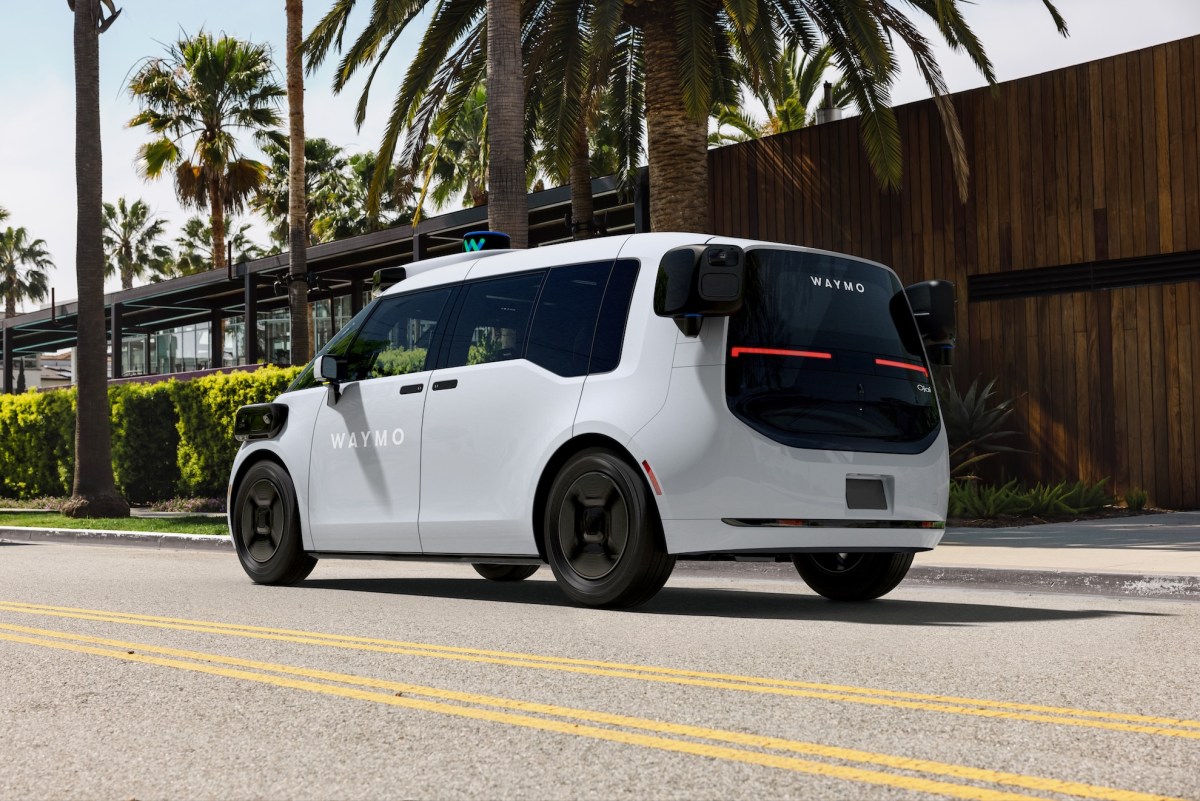
Waymo has officially launched its robotaxi service for the public in Las Vegas, shortly after receiving final approval from Nevada transportation regulators. The service will initially be available to select riders, utilizing a fleet of new Ojai minivan robotaxis in a designated area of Las Vegas, including the Strip and Boulder Junction. This launch is significant as it marks Waymo's 15th market, intensifying competition with other companies like Tesla and Motional, which are also planning to introduce commercial robotaxi services in the area. Waymo's strategy involves gradually expanding its service area and fleet, with expectations to open access to the general public within a month or two. Looking ahead, Waymo has been authorized to operate up to 1,000 autonomous vehicles in Clark County over the next year. As the robotaxi market evolves, it will be crucial to monitor how Waymo's service scales and how it competes against rivals like Zoox, which is already operational in Las Vegas. No further timeline was disclosed at the time of publication.
Transportation autonomous vehicles Waymo robotaxis
Waymo Launches Paid Robotaxi Service in Las Vegas, Its 15th U.S. City
Alphabet Inc.'s Waymo has officially expanded its paid robotaxi service to Las Vegas, making it the 15th city in the United States to offer this innovative transportation solution. This expansion is significant as it reflects Waymo's ongoing commitment to enhancing urban mobility through autonomous vehicle technology, providing residents and visitors in Las Vegas with access to convenient and efficient transportation options. Looking ahead, it will be important to monitor Waymo's performance in Las Vegas and how this expansion impacts the local transportation landscape. No further timeline was disclosed at the time of publication.
Lyft Partners with Waymo to Launch Robotaxi Services in Nashville
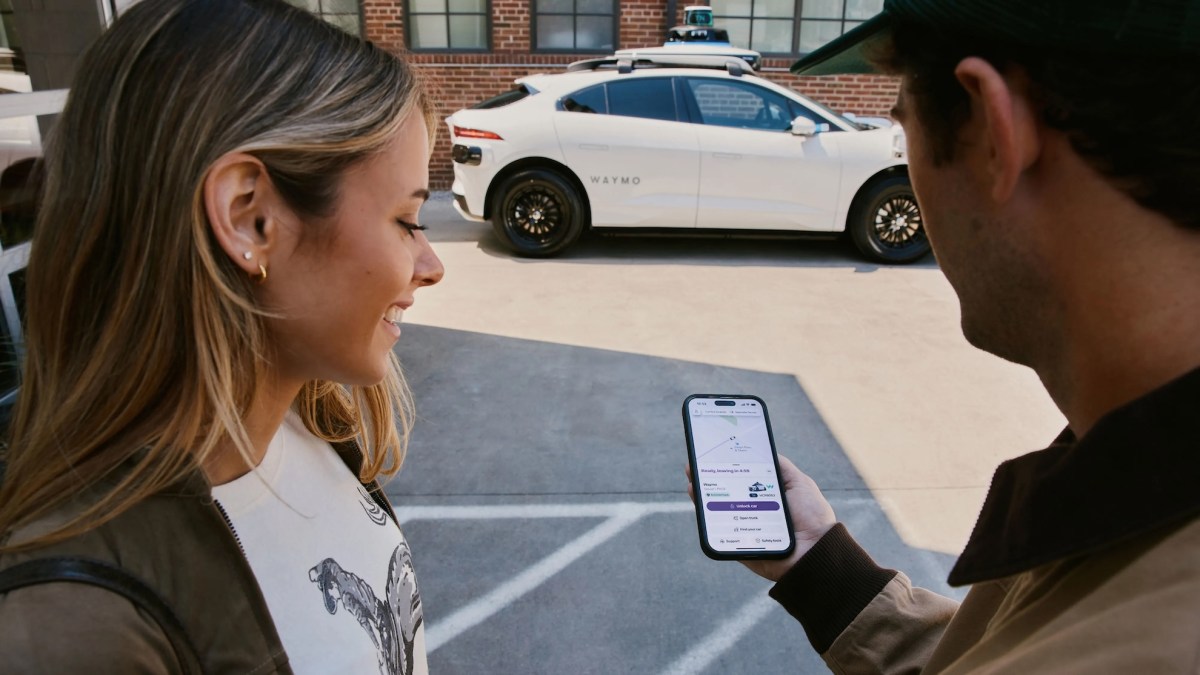
Lyft, Inc. has initiated the offering of Waymo's fully autonomous robotaxi rides via its app in Nashville, marking a significant step in their partnership. This collaboration allows Lyft users to access Waymo vehicles without additional costs, enhancing Lyft's role in the autonomous vehicle ecosystem through its Flexdrive subsidiary, which will manage the operational aspects of Waymo's fleet. This partnership is crucial for Lyft as it seeks to strengthen its position in the evolving ride-hailing industry, which is increasingly leaning towards autonomous solutions. By leveraging Waymo's technology, Lyft can avoid the heavy costs associated with developing its own robotaxi capabilities while still providing essential services like customer access and fleet management. Looking ahead, the success of this initiative in Nashville could pave the way for Lyft to expand its role in the autonomous vehicle market. However, the limited initial rollout and the potential for Waymo to prioritize its own platform pose risks to Lyft's long-term strategy. The effectiveness of this partnership will be closely monitored as it could redefine Lyft's operational model and revenue streams in the future.
Lyft Partners with Waymo to Launch Robotaxi Services in Nashville
Lyft has achieved a significant milestone by integrating Waymo robotaxis into its app in Nashville. This partnership allows Lyft to manage fleet services, vehicle maintenance, and depot operations through its subsidiary Flexdrive, enabling customers to hail Waymo robotaxis via both the Waymo and Lyft apps based on availability. This development is crucial as it marks Lyft's first foray into commercial robotaxi services utilizing driverless vehicles without human operators. Previously, Lyft had invested heavily in its own autonomous vehicle technology but shifted focus after selling its AV unit to Toyota’s Woven Planet Holdings for $550 million in 2021. The company is now looking to expand its AV partnerships internationally, particularly in markets like London. Looking ahead, Lyft aims to diversify its robotaxi offerings and enhance its partnerships with Waymo and Baidu. Lyft's executive vice president of growth, Jeremy Bird, indicated that 2026 will be pivotal for the company as it explores international markets where it can implement a hybrid network of autonomous and human-driven vehicles. No further timeline was disclosed at the time of publication.
Transportation Ford Lyft Waymo robotaxis techcrunch mobility
JPMorgan Projects $320 Billion in Tesla Robotaxi Revenue by 2035, Mostly for Tesla Fleet
JPMorgan has projected that Tesla's robotaxi revenue could reach approximately $320 billion by 2035, with around $314 billion generated from a Tesla-owned fleet rather than individual vehicle owners. This shift in revenue expectations indicates a significant change in the business model, moving away from the idea of passive income for owners participating in a shared ride network. This analysis is crucial as it reframes the robotaxi opportunity for Tesla (NASDAQ:TSLA) as a capital-intensive mobility operator, similar to Waymo, rather than an asset-light software platform. The report highlights that Tesla is expected to retain most of the ride revenue, which could impact the financial outlook for individual vehicle owners who anticipated earning from the Tesla Network. Looking ahead, the success of this model will depend on Tesla's ability to scale Cybercab production, reduce operating costs, and secure widespread regulatory approvals. No further timeline was disclosed at the time of publication.
Amazon's Zoox Expands Robotaxi Service in San Francisco, Competing with Waymo and Tesla
Amazon.com Inc.'s Zoox is entering the competitive robotaxi market in San Francisco, directly challenging Waymo and Tesla. The company has received a federal exemption to deploy up to 2,500 purpose-built robotaxis annually for two years, although its service operates under California's driverless pilot program. This expansion is significant as San Francisco is a key market for autonomous vehicles, where Waymo has established a substantial fleet. Zoox's service area has quadrupled since its initial launch, but it still trails Waymo in fleet size and operational footprint, highlighting the competitive landscape. Looking ahead, Zoox's ability to scale its service will depend on securing necessary regulatory approvals in California. The robotaxi market is projected to grow significantly, with ride-hailing revenue expected to rise sharply by 2031, indicating a promising future for autonomous mobility despite current challenges for Zoox.

Amazon and Alphabet Expand Robotaxi Operations into New Cities Amid Growing Competition
Amazon.com, Inc.'s Zoox and Alphabet Inc.'s Waymo are expanding their robotaxi services into new cities, with Zoox mapping in Houston and San Diego, and Waymo starting public rides in Denver, San Diego, and Tampa. This expansion marks a significant step in their efforts to establish larger autonomous ride-hailing networks. The move is crucial as it demonstrates operational progress for both companies, although neither has disclosed potential revenue from these new markets. Zoox's phased approach allows it to gather local road data before launching its driverless robotaxis, while Waymo's existing paid services in multiple cities position it ahead in the commercial development of autonomous ride-hailing. Looking ahead, the competition between Zoox and Waymo could accelerate advancements in driverless transportation. Waymo's plans for international expansion into Munich by late 2027 further highlight the growing landscape of robotaxi services. However, the economic sustainability of these operations remains uncertain, and both companies will need to attract paying riders to achieve long-term success.

Pony.ai and Verne Launch Fully Driverless Robotaxi Tests in Zagreb, Croatia
Pony.ai and Verne have initiated fully driverless robotaxi tests in Zagreb, Croatia, eliminating the onboard safety operator. The tests cover a 22-kilometer route connecting Verne’s headquarters to Zagreb Airport, utilizing Pony.ai’s seventh-generation Level 4 robotaxi equipped with NVIDIA DRIVE AGX technology. This development is significant as it marks a European first for fully driverless passenger rides, following a partnership announcement with Uber for a commercial robotaxi service. Since the service's launch in April, the fleet has completed over 200,000 kilometers and received an average passenger rating of 4.7 out of 5, indicating strong customer acceptance. Looking ahead, Pony.ai plans to expand the driverless routes in Zagreb over the coming months, aiming to cover the entire operational area in the city. The company is targeting a global fleet of over 3,500 robotaxis by the end of 2026, with a deployment pipeline exceeding 4,000 vehicles, including significant plans with Uber across Europe.
AI AI Funding & Investment Robotics autonomous driving autonomous rides China
NVIDIA Technologies Powering the Global Robotaxi Market's Growth to $400 Billion by 2035
The global robotaxi market is anticipated to reach $400 billion by 2035, with over 6 million commercial vehicles expected to operate as driverless fleets. This growth signifies physical AI's first commercial breakthrough, as these fleets navigate some of the world's busiest streets. Scaling a robotaxi fleet presents significant computing challenges, requiring consistent, safe performance across thousands of vehicles. NVIDIA's open platform for AI training, simulation, and safety validation is crucial in meeting these demands, providing developers with the necessary tools to ensure reliable operation across their fleets. As robotaxi programs evolve, they will increasingly leverage NVIDIA's technologies, including the DGX systems for training driving models and the Omniverse and Cosmos platforms for simulating real-world scenarios. The focus will be on optimizing models for diverse driving conditions and enhancing the capabilities of autonomous vehicles. No further timeline was disclosed at the time of publication.
Lyft Launches Waymo Robotaxi Services in Nashville, Expanding Driverless Offerings
Lyft Inc. has commenced the provision of Waymo robotaxi rides in Nashville, making it the second city in the United States to feature these driverless services. This initiative highlights Lyft's efforts to enhance its competitive edge in the autonomous vehicle market. The introduction of Waymo's robotaxi rides is significant as it allows Lyft to expand its service offerings and potentially attract more users who are interested in autonomous transportation. This move comes as Lyft seeks to catch up with its main competitor, Uber Technologies Inc., which has been a leader in the ride-hailing industry. Looking ahead, it will be important to monitor how Lyft's integration of Waymo's technology impacts its market share and user adoption rates in Nashville and beyond. No further timeline was disclosed at the time of publication.

Travis Kalanick's Atoms Plans to Enter Robotaxi Market Following $1.7 Billion Funding
Travis Kalanick's Atoms has announced a significant $1.7 billion funding round led by Andreessen Horowitz, indicating ambitious plans for the autonomous vehicle sector. Reports suggest that Atoms is gearing up for a hiring spree and potential acquisitions, aiming to establish itself as a key player in the robotaxi industry. Additionally, discussions with Uber about utilizing Atoms' robotaxi technology have taken place, highlighting the startup's strategic direction. The importance of this development lies in Atoms' potential to disrupt the autonomous vehicle landscape, especially given Kalanick's history with Uber and the ongoing evolution of ride-hailing services. The $100 million investment from Uber further underscores the interest in Atoms' technology and its implications for the future of transportation. While robotaxis are not the sole focus of Atoms, this initiative aligns with Kalanick's vision of addressing “unfinished business” in the mobility sector. Looking ahead, industry watchers should keep an eye on Atoms' hiring and acquisition activities, as well as its collaboration with Uber. The integration of Pronto, an autonomous mining startup, into Atoms' portfolio could also signal innovative advancements in their technology. No further timeline was disclosed at the time of publication.
Startups Transportation AI Travis Kalanick Uber atoms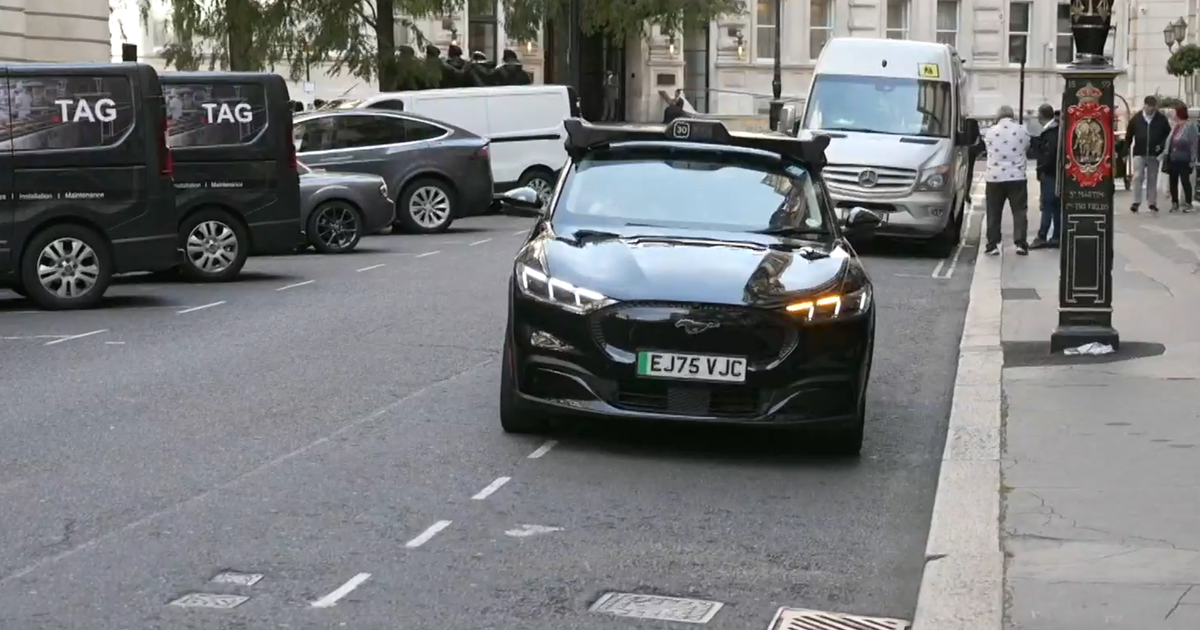
Uber Launches Robotaxis in London with Human Supervisors Amid Regulatory Challenges
Uber has introduced 15 autonomous Ford Mustang Mach-E vehicles in London, marking a significant milestone in urban mobility. This initiative, in collaboration with Wayve, faces regulatory hurdles as human supervisors are required on board due to current laws prohibiting full autonomy. The launch is crucial as it tests the capabilities of autonomous technology in a complex urban environment characterized by dense layouts and numerous roundabouts. Wayve's AI, which learns from diverse driving experiences, aims to navigate the challenges of London's unique road conditions, including a high volume of cyclists and pedestrians. Looking ahead, the project will continue to evolve as Uber and Wayve work towards achieving full autonomy. However, as of now, the robotaxis cannot service airport trips, and the presence of a supervisor remains a regulatory requirement. No further timeline was disclosed at the time of publication.
Wayve Partners with Uber to Launch Robotaxi Services in London
Self-driving startup Wayve has initiated robotaxi rides in London in collaboration with Uber, initially featuring safety drivers in the vehicles. This launch marks a significant step towards the company's goal of providing fully driverless services. Wayve's CEO, Alex Kendall, emphasized the importance of their end-to-end AI technology, which enables autonomous driving without the need for high-definition maps. This partnership with Uber is crucial as it not only showcases Wayve's innovative approach to self-driving technology but also highlights the growing interest in autonomous transportation solutions in urban settings. The collaboration aims to expand robotaxi services to additional global cities, reflecting the increasing demand for efficient and safe transportation options. Looking ahead, the focus will be on the development of fully autonomous rides and the potential for expansion into new markets. No further timeline was disclosed at the time of publication.

Uber Launches Supervised Robotaxi Service in London with Human Assistance
Uber has introduced a robotaxi service in London, allowing users to book rides in autonomous vehicles. However, each ride will still include a human driver in the front seat to ensure safety and compliance with local regulations. This development is significant as it marks a step towards the integration of autonomous vehicles into urban transportation. The presence of a human driver addresses safety concerns and regulatory requirements, which are critical for gaining public trust in self-driving technology. Looking ahead, it will be important to monitor how this supervised robotaxi service performs in London and whether it leads to further advancements in fully autonomous vehicle deployment. No further timeline was disclosed at the time of publication.

Zoox Launches Robotaxi Service to Las Vegas Airport, Competing with Traditional Ride-Hailing
Zoox has expanded its commercial robotaxi service in Las Vegas to include rides to and from Harry Reid International Airport, starting Thursday. This move marks a significant milestone for the Amazon-owned company, which has spent over a decade developing its unique self-driving robotaxi that operates without traditional controls. The expansion is crucial as it allows Zoox to tap into a key ride-hailing destination, enhancing its competitive edge over traditional services like Uber and Lyft. With federal safety regulators granting a temporary exemption for commercial operation, Zoox can deploy up to 2,500 vehicles, paving the way for increased operational capabilities and customer access. Looking ahead, Zoox's expansion to the airport positions it uniquely in the market, but competition is on the rise. Other companies, including Tesla, Uber, and Waymo, have recently received permits to operate commercial robotaxi services in Clark County, suggesting that the landscape for autonomous ride-hailing in Las Vegas will become increasingly crowded in the coming year.
Transportation autonomous ride-hail autonomous vehicles Las Vegas robotaxis zoox
Zoox and Waymo Accelerate Robotaxi Expansion in Competitive U.S. Market
Amazon.com, Inc.'s Zoox and Alphabet Inc.'s Waymo are intensifying their efforts in the robotaxi sector, with both companies expanding their testing and commercial services across multiple U.S. cities. Zoox plans to initiate testing in Houston and San Diego, increasing its operational presence to 12 locations, while Waymo is set to offer public rides in Denver, San Diego, and Tampa, expanding its footprint to 14 cities. This competition is significant as it highlights the race to commercialize autonomous ride-hailing services in the U.S. Zoox's recent regulatory approval to charge for rides marks a shift from free testing to paid services, potentially establishing a new revenue stream for Amazon. Meanwhile, Waymo's established commercial operations provide it with a first-mover advantage, allowing it to gather valuable data and enhance its technology. Looking ahead, the success of Zoox will depend on its ability to scale production and maintain operational efficiency, while also navigating the complexities of building purpose-built vehicles. Waymo's expansion into new markets, including planned testing in Munich for a potential launch in 2027, indicates its commitment to maintaining a competitive edge in the autonomous transportation landscape. No further timeline was disclosed at the time of publication.
Uber and Wayve Introduce Robotaxi Service in London to Rival Waymo
Uber and Wayve have launched a new robotaxi service in London, aiming to compete with Waymo's autonomous vehicle offerings. This initiative addresses the unique challenges posed by London's centuries-old road infrastructure, which differs significantly from the environments in Los Angeles and San Francisco. The introduction of this service is significant as it marks a strategic move by Uber and Wayve to expand their presence in the competitive autonomous vehicle market. By focusing on London, they are adapting to the specific urban landscape and regulatory environment, which could set a precedent for future robotaxi services in other historic cities. Looking ahead, industry observers will be keen to see how this service performs in the complex driving conditions of London. No further timeline was disclosed at the time of publication, but the success of this initiative could influence the broader adoption of autonomous vehicles in urban areas worldwide.

Uber Launches First Robotaxi Service in London, Outpacing Waymo
Uber has successfully launched the first commercial robotaxi service in London, surpassing Waymo in this milestone. The service utilizes autonomous driving technology developed by Wayve, a UK startup, and will initially include human safety drivers in the vehicles. This launch marks a significant step for Uber as it explores the demand for driverless ride-hailing services outside the US and China. The introduction of Uber's robotaxi service is crucial as it sets the standard for the robotaxi experience for Londoners. With Wayve's innovative AV2.0 system, which does not rely on traditional lidar or geofencing, the service aims to adapt to various driving conditions and environments. This approach positions Wayve similarly to Tesla, which also avoids lidar in its autonomous vehicles. Looking ahead, Waymo plans to launch its own robotaxi service in London by the end of the year, while Lyft is collaborating with Baidu to establish a robotaxi service in the Brent neighborhood. The competition in the robotaxi sector is heating up, and the performance of Uber's service will be closely monitored as it unfolds.
Autonomous Cars News Ride-sharing Transportation Uber
Elon Musk's Tesla Cybercab Launches Robotaxi Service in Austin, Texas
Tesla is set to launch its Cybercab as part of its robotaxi service in Austin, Texas, nearly two years after Elon Musk first introduced the concept. This stripped-down, camera-only vehicle aims to revolutionize Tesla's approach to autonomy, relying solely on cameras instead of multiple sensors used by competitors. The significance of this launch lies in Musk's bold bet on a simplified autonomous driving system, which he believes will lead to robotaxi success. However, the Cybercab's lack of traditional controls raises safety concerns, as it will operate without human fallback in case of system failures, placing full legal responsibility on Tesla. As the Cybercab begins public rides, industry observers will closely monitor its performance and safety. Musk's unconventional philosophy challenges the prevailing belief that more sensors equate to greater safety, and the outcome of this venture could reshape the future of autonomous vehicles.
Autonomous Cars Electric Cars Elon Musk Tech Tesla Transportation
Waymo Expands Robotaxi Service to Denver, San Diego, and Tampa, Increasing Fleet Size
Waymo has launched its robotaxi service in Denver, San Diego, and Tampa, marking the company's expansion to 14 U.S. cities. The rollout will occur gradually, inviting riders over time while increasing the fleet of self-driving vehicles, which now exceeds 4,000 units, including Jaguar I-Pace hatchbacks and the new Ojai minivan. This expansion is significant as it solidifies Waymo's position as a leader in the U.S. robotaxi market, especially as competitors like Tesla ramp up their own services. Waymo's strategic approach involves thorough mapping and testing before allowing public access, ensuring compliance with local regulations, which can vary significantly across states. Looking ahead, Waymo's growth trajectory appears robust, with plans to launch services in international markets such as London and Munich. The company is also set to operate up to 1,000 autonomous vehicles in Clark County, Nevada, further enhancing its service capabilities and fleet size in the coming year.
Transportation autonomous vehicles Waymo
Waymo Launches Paid Robotaxi Services in Denver, San Diego, and Tampa
Waymo is set to introduce paid robotaxi rides in Denver, San Diego, and Tampa, Florida. This expansion increases the total number of U.S. cities with access to its driverless ride-hail service to 14. The move is significant as it demonstrates Waymo's commitment to scaling its autonomous vehicle technology and enhancing urban mobility options. By entering these new markets, Waymo aims to provide convenient transportation solutions while further validating the viability of its driverless services. Looking ahead, industry observers will be keen to monitor the performance and public reception of Waymo's robotaxi services in these cities. No further timeline was disclosed at the time of publication.

The Human Cost of Robotaxis: Injuries Reported Among Waymo and Zoox Test Drivers
Recent investigations reveal that test drivers for Waymo and Zoox sustained over two dozen injuries in 2024 and 2025 due to sudden movements of autonomous vehicles. Injuries included whiplash, leading to extended recovery times for affected workers. This raises concerns about the safety of test drivers in the autonomous vehicle sector. The findings highlight a hidden human cost associated with the development of autonomous vehicle technology, challenging the narrative that robotaxis will solely enhance road safety. While proponents argue for the benefits of reduced crash incidents, the injuries sustained by test drivers indicate that the transition to autonomous driving may come with significant risks for those involved in the testing process. Looking ahead, it remains to be seen whether other autonomous vehicle developers face similar issues, as they may not be subject to the same reporting requirements as Waymo and Zoox. No further timeline was disclosed at the time of publication.
Transportation Waymo robotaxis techcrunch mobility
Former Lyft Drivers Transition to Fleet Operations for Waymo Robotaxis in Nashville
Former Lyft drivers in Nashville are finding new opportunities in the autonomous vehicle sector by working with Waymo's robotaxi fleet. Jonathan Baines, a former Lyft driver, now oversees operations at a facility run by Lyft's Flexdrive subsidiary, ensuring the robotaxis are ready for passengers. This shift highlights the evolving job landscape as automation increases, with roles transitioning from driving to supporting autonomous technology. The transition of former drivers to fleet operations is significant as it reflects a broader trend in the workforce adapting to advancements in AI and automation. Research from Goldman Sachs indicates that jobs with potential for AI augmentation have seen a growth of approximately 9,000 positions monthly, suggesting that while some driving jobs may decline, new opportunities in tech support are emerging. Looking ahead, the demand for roles that support autonomous vehicles is expected to grow, as these technologies require human oversight for maintenance and readiness. No further timeline was disclosed at the time of publication.
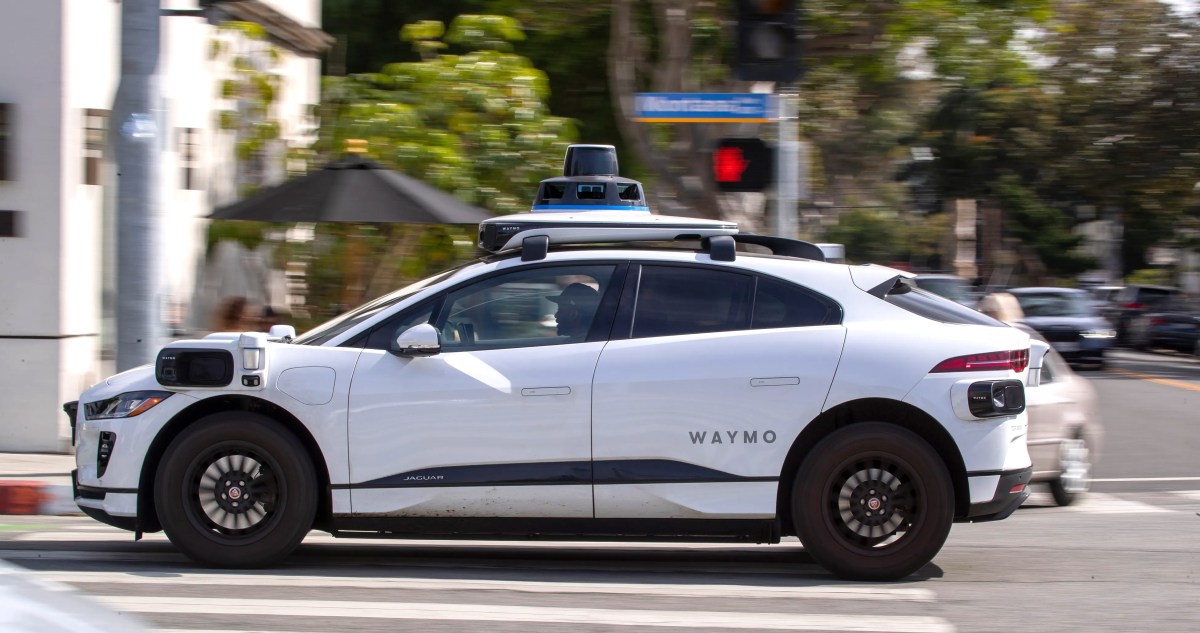
Waymo and Zoox Test Drivers Report Injuries Amid Robotaxi Expansion
The scaling of robotaxis by Waymo and Zoox has resulted in over two dozen injuries among test drivers in 2024 and 2025, primarily due to sudden braking and movements. According to data reviewed by TechCrunch, these incidents include sprains, strains, and whiplash, with some drivers sidelined for extended periods. This situation highlights the hidden human cost associated with the rapid deployment of autonomous vehicles. Transdev reported 16 injuries linked to Waymo's operations in three cities, while Zoox noted up to eight injuries from similar incidents. The Occupational Safety and Health Administration (OSHA) requires greater disclosure from companies in higher-hazard industries, which is why these injuries are documented. Looking ahead, it remains unclear if new injuries have occurred in 2026, as OSHA data is submitted annually. Sources indicate that injuries at Zoox are ongoing, with contractors reporting continued hard-braking issues. Both companies emphasize their commitment to safety but have not provided detailed responses regarding the injuries reported.
Transportation autonomous vehicles avs Exclusive robotaxis Waymo
Pony AI Reports 691% Surge in Robotaxi Revenue Amid Fleet Expansion
On August 18, Pony AI (NASDAQ:PONY) announced a remarkable 691% year-over-year increase in robotaxi revenue, reaching $12.1 million in its second-quarter earnings call. Total revenue also saw a significant rise of 68.8%, totaling $36.2 million. Despite ongoing losses, the company is experiencing a reduction in losses while expanding its fleet and international partnerships. The surge in robotaxi fares, which grew 849.3% year-over-year, indicates a robust acceleration in the business, supported by a fleet of 1,975 robotaxis as of June 30, 2026. Pony AI aims to exceed 3,500 vehicles by year-end, utilizing a joint deployment model that enhances capital efficiency. Positive unit economics were reported in Guangzhou and Shenzhen, aided by the PonyWorld 2.0 simulation system. Looking ahead, Pony AI's growth trajectory is tempered by rising capital expenditures and a significant operating loss of $65.7 million for the quarter. While the company is scaling internationally, concerns about cash burn and unrecoverable investments remain. No further timeline was disclosed at the time of publication.
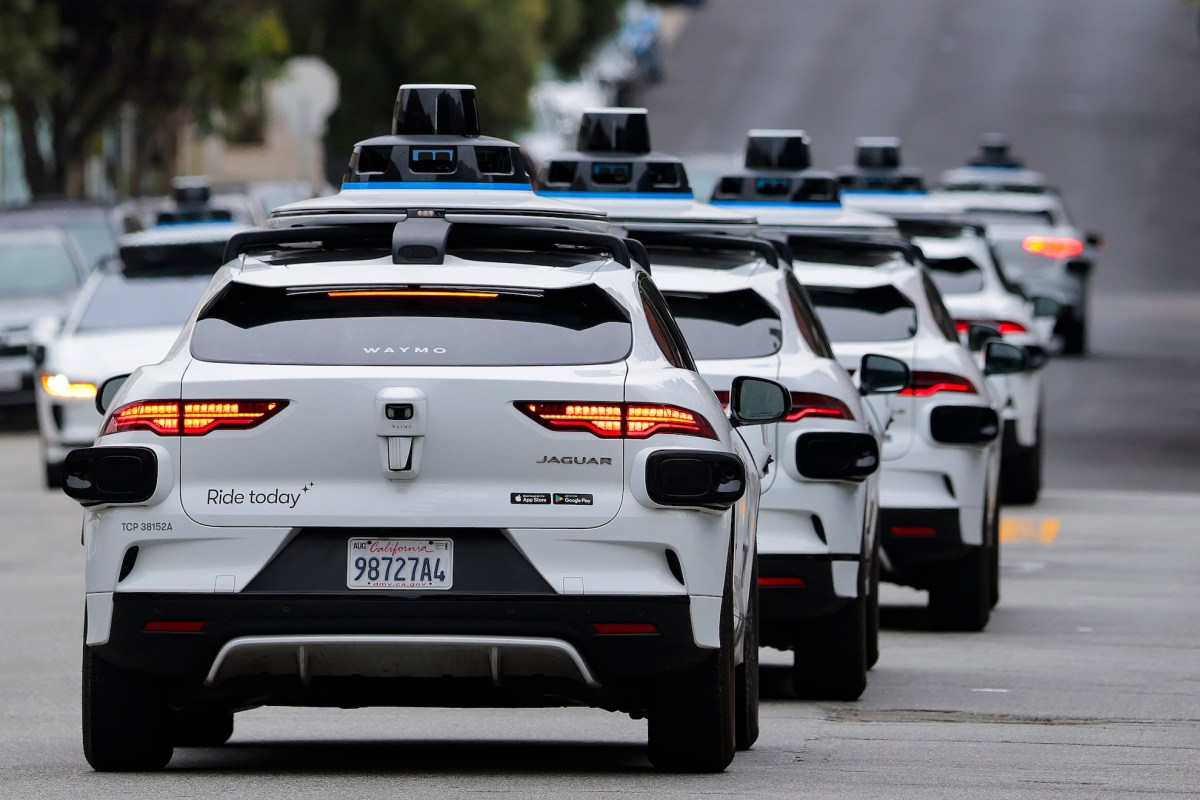
Waymo Plans to Launch Robotaxi Service in Munich by 2027
Waymo announced its intention to introduce a robotaxi service in Munich, following the establishment of a local entity in Germany. The company must navigate mapping, testing, and regulatory challenges before commencing commercial operations. Initially, Waymo will manually drive vehicles to map Munich's streets, followed by testing autonomous vehicles with human safety drivers. The significance of Waymo's entry into Germany lies in the country's pioneering legal framework for Level 4 autonomous driving, established over five years ago. This framework has positioned Germany as a key location for autonomous vehicle testing, attracting various companies, including Mobileye and Volkswagen, which currently hold testing permits. Waymo is collaborating with Germany's Federal Motor Transport Authority and local officials to secure the necessary approvals for commercial operations. Looking ahead, Waymo anticipates launching limited robotaxi services by the end of 2027, eventually expanding to all riders upon receiving regulatory clearance. The company is also preparing to compete in other markets, such as London, where it plans to launch a commercial service in 2026, facing competition from local startups and established partners.
Transportation robotaxis Waymo wayve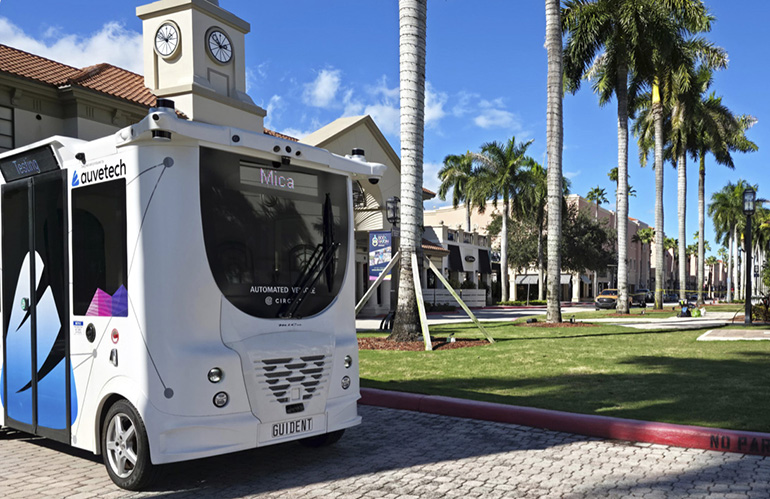
Guident Emphasizes Human Oversight for Safety in Growing Robotaxi Fleets
Guident Corp. launched its autonomous shuttle service in Boca Raton, Florida, in November 2025, highlighting the importance of human oversight in robotaxi operations. As self-driving vehicle companies like Zoox Inc. begin commercial services, Guident's GuideOn platform aims to enhance safety through AI, remote monitoring, and teleoperation. The company operates six remote monitoring centers and has extended its partnership with Coastal Waste & Recycling, indicating a commitment to expanding its technology in various locations. The significance of Guident's approach lies in its focus on integrating human oversight with autonomous systems, ensuring that safety is prioritized as fleets grow. CEO Harald Braun emphasized that human-in-the-loop architectures do not require constant manual control but rather provide assistance when autonomous systems face challenges. This scalable oversight model allows for effective management of autonomous vehicles while maintaining safety standards in the absence of federal regulations. Looking ahead, Guident's strategy of combining AI-driven monitoring with human intervention could set a precedent for the future of autonomous mobility. As the robotaxi market evolves, the effectiveness of this model will be crucial in addressing safety concerns and enhancing public trust in autonomous technologies. No further timeline was disclosed at the time of publication.
Artificial Intelligence Automotive Autonomous Mobile Robots (AMRs) Mobility / Navigation News Safety & Security
Tesla's Robotaxi Faces Delays and Glitches, Leaving Riders Stranded
Tesla's Robotaxi experienced significant delays, running an hour late and missing scheduled pickups, which resulted in riders being stranded. This incident highlights the challenges faced by autonomous vehicle technology in real-world applications, particularly in ensuring reliability and timely service. The implications of these glitches are substantial for Tesla and the broader autonomous vehicle industry. As companies strive to develop reliable self-driving technology, incidents like this can impact consumer trust and regulatory scrutiny. The ability to deliver consistent service is crucial for the adoption of autonomous vehicles in urban environments. Looking ahead, it will be important to monitor Tesla's response to these issues and any improvements made to their Robotaxi service. The company's approach to addressing reliability and performance challenges will be critical in shaping the future of autonomous transportation. No further timeline was disclosed at the time of publication.
AI and Robotics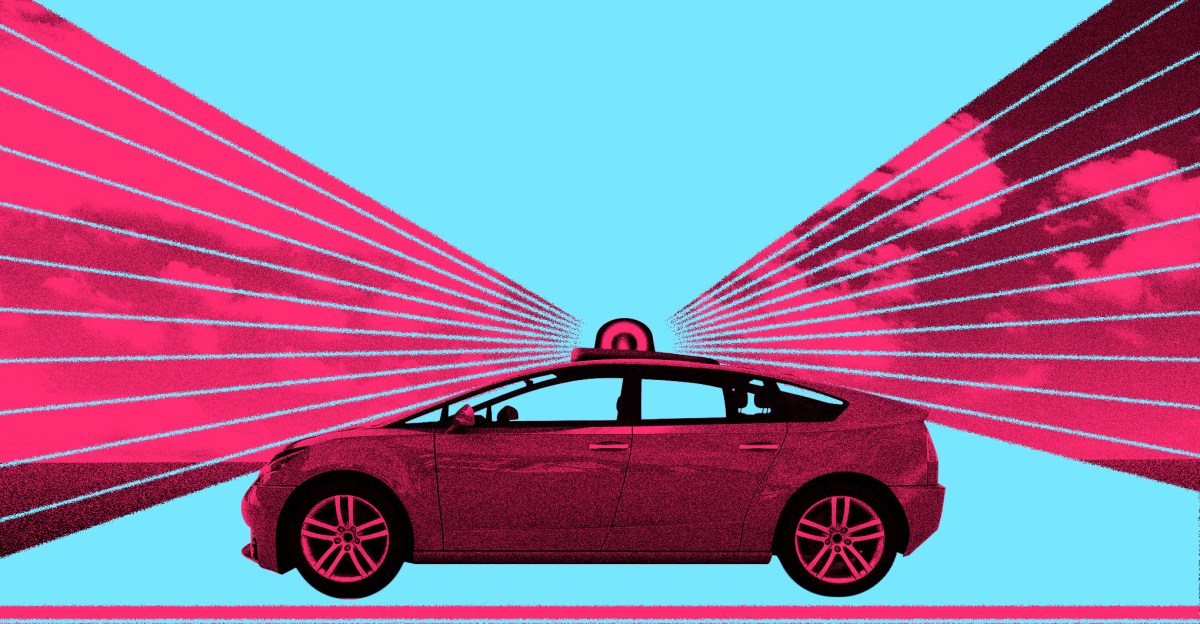
Robotaxis Expand on Roads Amid Intensifying Regulatory Challenges
The deployment of robotaxis is increasing, but regulatory challenges are mounting. In New York, Governor Kathy Hochul retracted a proposal for driverless robotaxis due to opposition from taxi drivers and unions, leaving commercial driverless services illegal. In Washington, D.C., labor unions are contesting legislation to legalize robotaxis, while San Francisco's Mayor Daniel Lurie calls for stricter regulations following traffic disruptions caused by Waymo's vehicles. The growing presence of robotaxis raises significant questions about safety and regulation. Policymakers are now faced with determining the pace of fleet expansion and the necessary proof companies must provide before scaling operations. Waymo leads the market with over 3,500 vehicles in 11 cities, while Zoox has begun paid rides in Las Vegas and testing in 10 cities. Tesla is also advancing its rollout with plans for its Cybercab. Despite the political focus, robotaxis still represent a small fraction of the U.S. ride-hailing market, with Waymo providing 500,000 rides weekly compared to Uber's 40 million daily trips. The visibility of robotaxis often overshadows their market impact, especially when operational issues arise during critical situations.
Autonomous Cars Electric Cars Policy Report Tesla Transportation
Waymo Advances Robotaxi Goals with Custom 5 nm Chip for Self-Driving System
Waymo has made significant strides in its robotaxi expansion, recently launching its sixth-generation Ojai robotaxi for riders in Los Angeles, Phoenix, and San Francisco. This next-gen vehicle is designed to be more cost-effective in terms of production, operation, and maintenance, which is essential for the company's profitability aspirations. A key component of this advancement is Waymo's custom 5 nm ASIC chip, engineered to process vast amounts of data from the Ojai's 13 high-fidelity cameras. The chip boasts over 1,000 TOPS of computing performance, comparable to Nvidia’s DRIVE AGX Thor processor, enhancing the system's efficiency and performance in complex urban environments. Waymo's collaboration with partners like AMD, Micron, and Nvidia underscores its commitment to innovation in self-driving technology. As the company continues to refine its systems, attention will be on how these developments impact the competitive landscape of autonomous vehicles and the ongoing investigation into potential security risks associated with lidar sensors from China.
Transportation Tesla Uber Waymo wayve robotaxis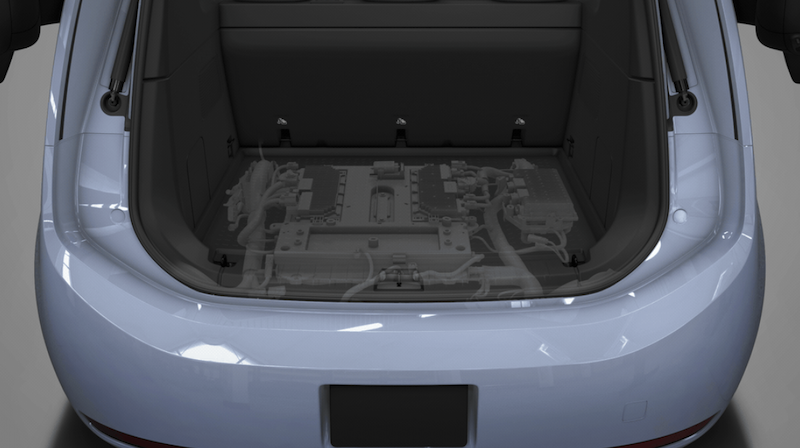
Waymo Unveils Nvidia-Powered Computing System for Enhanced Robotaxi Performance
Waymo has disclosed new technical specifications of its onboard computing system that powers its autonomous driving technology. This system features a custom-built 5 nm ASIC that delivers over 1,000 TOPS of machine learning performance, designed to operate under challenging conditions encountered by its autonomous vehicles. The significance of this development lies in its ability to provide millisecond-level response times, which are crucial for the Waymo Driver's complete driving task. Unlike traditional driver-assistance systems, the Waymo Driver operates independently, necessitating a robust computing architecture that ensures low latency, reliability, and redundancy based on insights from over 200 million miles of autonomous driving. Looking ahead, Waymo has scaled its computing power by 20 times in the last eight years, focusing on ultra-low latency to enhance responsiveness in complex environments. The company emphasizes the importance of reducing “pixels-to-actuation” latency to achieve fast decision-making capabilities, which will be critical as it expands its commercial robotaxi operations.
Autonomous Vehicles Computing Features accelerated computing amd artificial intelligence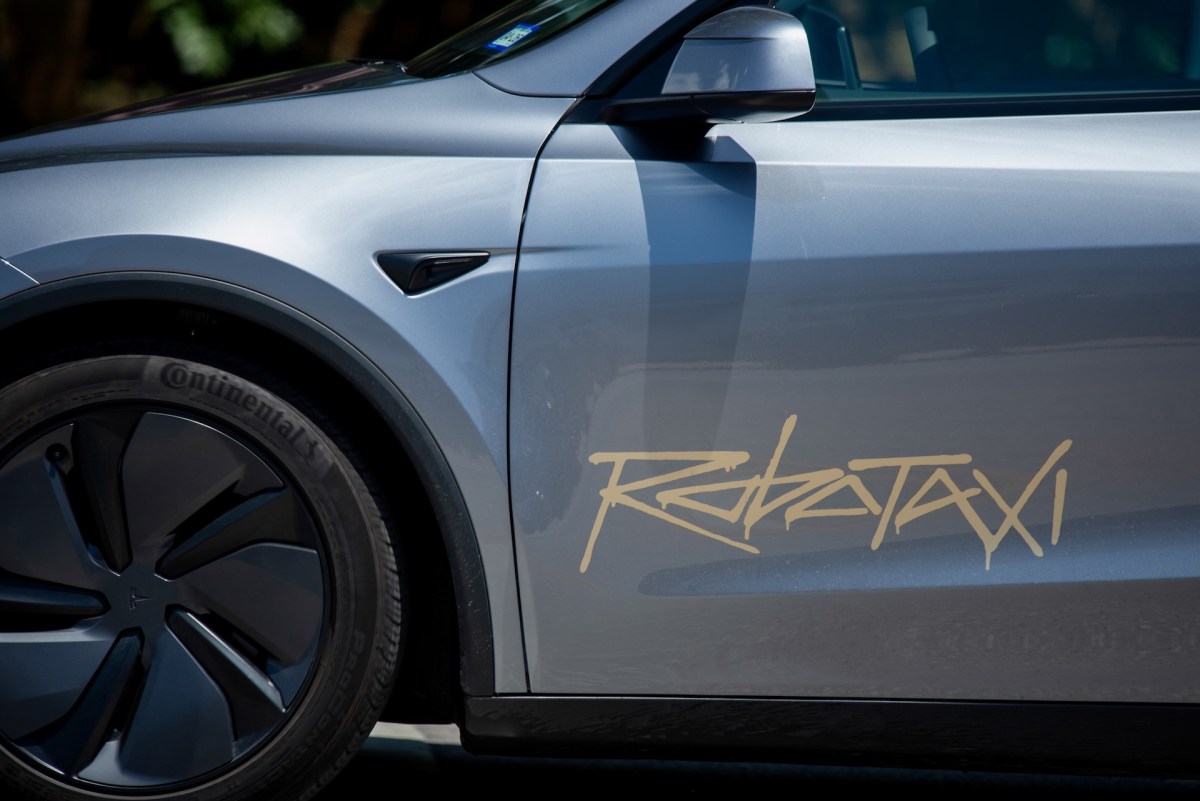
Nevada Approves Tesla, Uber, and Waymo to Launch 8,000 Robotaxis in Clark County
The Nevada Transportation Authority has granted permits to Tesla, Uber, and Waymo to operate commercial robotaxi services in Clark County, allowing for the deployment of up to 8,000 robotaxis over the next year. Tesla can deploy 5,000 vehicles, while Waymo and Uber are each permitted to operate 1,000. This development is significant as it positions Clark County, particularly Las Vegas, as a competitive landscape for robotaxi services. The deployment could transform the local workforce, creating new jobs for vehicle maintenance and operation, while also threatening traditional taxi and gig economy jobs. Looking ahead, the actual rollout of these robotaxis remains uncertain, with Tesla's Cybercab chief engineer suggesting that the company may only reach 2,500 vehicles within the year. The debate continues over the impact of robotaxis on the transportation industry, with concerns about market saturation and roadway congestion raised by local taxi representatives.
Transportation Motional Tesla Uber Waymo zoox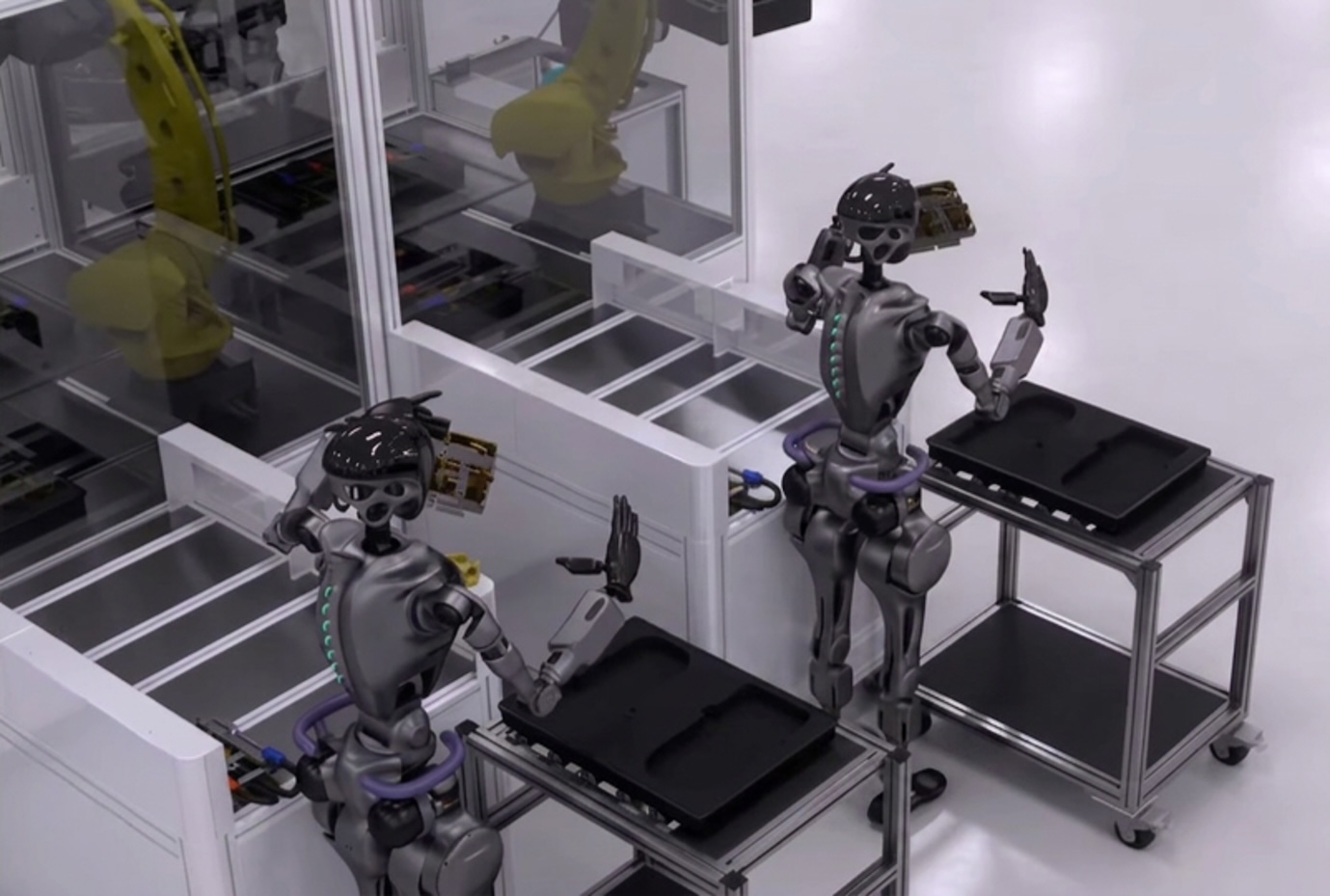
Waymo Develops Custom Chip to Enhance Robotaxi Performance and Supply Diversity
Alphabet Inc.'s Waymo has announced the development of a custom chip aimed at enhancing the performance of its robotaxis. This initiative marks a significant step for Waymo as it seeks to reduce reliance on third-party chip suppliers, notably Nvidia Corp. The introduction of this custom chip is crucial for Waymo's strategy to optimize its autonomous vehicle technology. By diversifying its chip supply, Waymo aims to ensure better control over its hardware, which is essential for the efficient operation of its robotaxi fleet. Looking ahead, industry observers will be keen to see how this new chip impacts the performance of Waymo's robotaxis and whether it leads to further advancements in autonomous driving technology. No further timeline was disclosed at the time of publication.
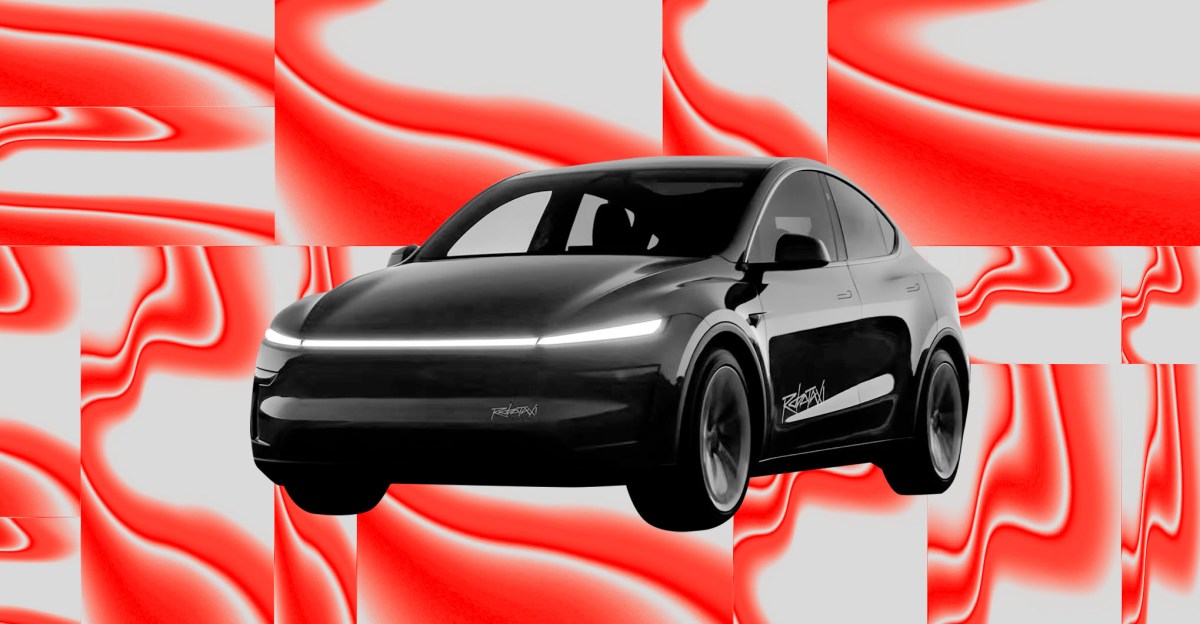
Tesla Robotaxis Achieve Fully Unsupervised Operation in Austin Ahead of Cybercab Launch
In a significant development, all 170 Tesla Robotaxi rides in Austin have been reported as unsupervised over the past two weeks, according to Robotaxi Tracker. This marks a pivotal moment seven months after Elon Musk announced the transition to driverless operations in the city. The data indicates a notable increase in unsupervised rides, with 54 different vehicles participating. The implications of this shift are substantial as Tesla prepares to launch its Cybercab, a purpose-built robotaxi designed without traditional controls. The ability to operate vehicles without human safety monitors is crucial for the successful rollout of the Cybercab, which is expected to debut in Austin soon. This transition reflects a broader trend, with similar increases in unsupervised Robotaxis observed in Dallas and Houston. Looking ahead, the rapid scaling of Tesla's Robotaxi program, as mentioned by Musk during the latest earnings call, raises questions about future vehicle deployment and city expansions. No further timeline was disclosed at the time of publication.
Autonomous Cars Electric Cars News Tesla Transportation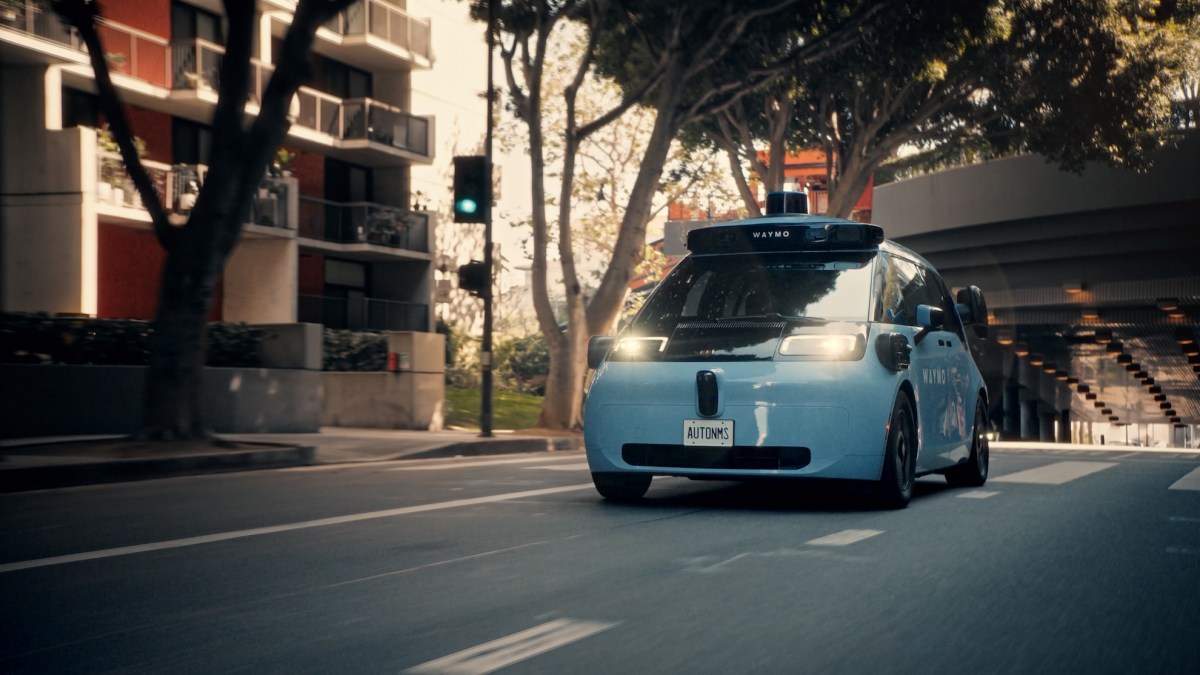
Waymo Launches Next-Gen Ojai Robotaxi for Riders in Los Angeles, Phoenix, and San Francisco
Waymo has officially opened its next-generation robotaxi, the Ojai, to all riders in Los Angeles, Phoenix, and San Francisco. This marks a significant step for the Alphabet company as it aims to expand its fleet with vehicles that are more cost-effective to build, operate, and maintain. Currently, Waymo has approximately 300 Ojai robotaxis in its commercial fleet, with plans to introduce the vehicle in Denver, Las Vegas, and San Diego later this year. The introduction of the Ojai is crucial for Waymo's long-term strategy to achieve mass scale and profitability. The Ojai features Waymo's sixth-generation self-driving system, which is designed to be modular and compatible with various vehicle types. Additionally, it includes a redesigned user interface and Google’s Gemini AI, enhancing the rider experience. The Ojai is based on a minivan produced by Zeekr, a subsidiary of Geely Holding Group, and aims to be both attractive and durable for frequent use. Looking ahead, Waymo is projected to import 5,000 Ojai vehicles to the United States by the end of 2026, significantly increasing its fleet size compared to the existing Jaguar I-Pace. However, the company faces challenges due to U.S. tariffs on imported vehicles, which impact overall costs. No further timeline was disclosed at the time of publication.
Transportation robotaxis Waymo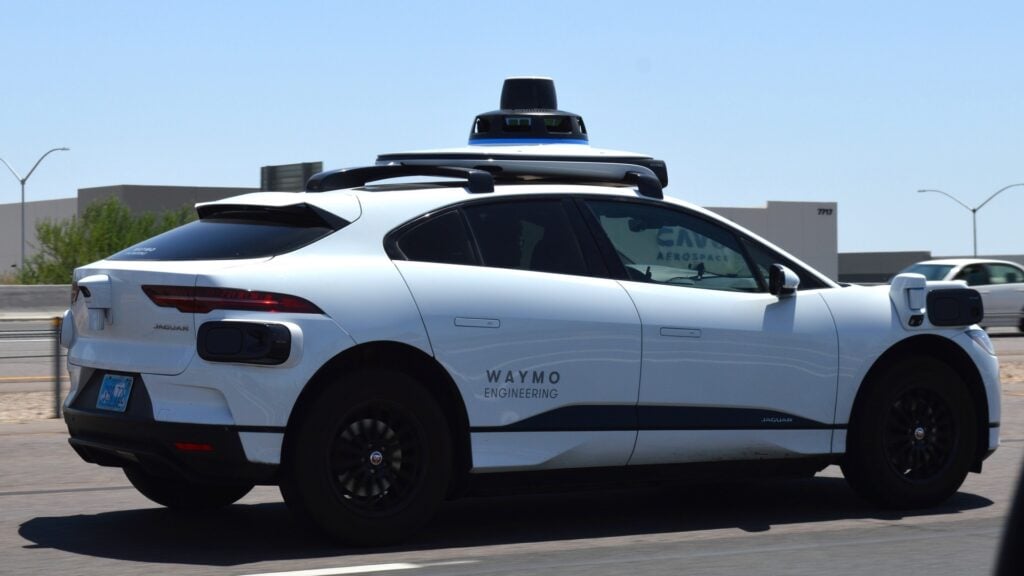
Waymo Secures California Approval for Expanded Robotaxi Services in Major Cities
Alphabet Inc.'s Waymo has received approval from the California Public Utilities Commission (CPUC) to significantly expand its driverless ride-hailing services across the San Francisco Bay Area and Los Angeles, while also introducing services in Sacramento and San Diego. This expansion is set to be gradual and will adhere to a safety framework established by the company. The approval, granted on August 14, builds on an earlier operating domain expansion approved by the California DMV in November. While the application received support from various advocates, it faced objections from San Diego's Metropolitan Transit System regarding potential disruptions to local transit and taxi services. However, CPUC staff determined these objections were insufficient to block the expansion. Waymo has been preparing for its Sacramento launch since February and had previously indicated plans for San Diego by 2026. As Waymo continues to lead in the autonomous ride-hailing market, it currently facilitates over 500,000 fully autonomous electric trips weekly and has logged more than 220 million autonomous rider-only miles. No further timeline was disclosed at the time of publication.

Pony AI Reports Record Robotaxi Sales as Revenue Increases by 69%
Pony AI Inc. has achieved a record high in robotaxi sales, which now represent one-third of its total revenue. This significant growth reflects the company's successful expansion and increasing demand for its autonomous vehicle services. The surge in robotaxi sales is crucial for Pony AI as it highlights the growing acceptance and reliance on autonomous transportation solutions. With a 69% increase in revenue, the company is positioning itself as a leader in the autonomous vehicle market, capitalizing on the global shift towards smart mobility. Looking ahead, it will be important to monitor Pony AI's continued growth and expansion efforts, particularly in international markets. No further timeline was disclosed at the time of publication.

Pony.ai and Uber to Introduce 2,000 Robotaxis Across Europe
Pony.ai, a Chinese autonomous vehicle manufacturer, and Uber have announced plans to deploy 2,000 robotaxis in four European cities as part of their expanded partnership. This initiative highlights the increasing ambitions of both companies to establish a foothold in the emerging robotaxi market. The collaboration is significant as it showcases the strategic alliance between Pony.ai and Uber, which has previously partnered with over 30 autonomous vehicle firms. The companies aim to leverage their combined strengths, with Pony.ai providing the autonomous technology and Uber offering its extensive ride-hailing platform, although specific deployment timelines and city names remain undisclosed. Looking ahead, the partnership's joint-deployment model is expected to facilitate commercial scaling, with local providers managing fleet operations. As both companies continue to develop their robotaxi services, industry stakeholders will be keen to monitor the phased rollout and any forthcoming announcements regarding specific launch locations.
Transportation Pony.ai robotaxis UberRobotics needs a service framework.
RSF defines a common language for robot service capability, lifecycle operations, certification pathways, and service-provider networks.
Join the RobotToday community on LinkedIn
Daily robotics news, in-depth analysis, conference highlights, and discussions with professionals worldwide.







