

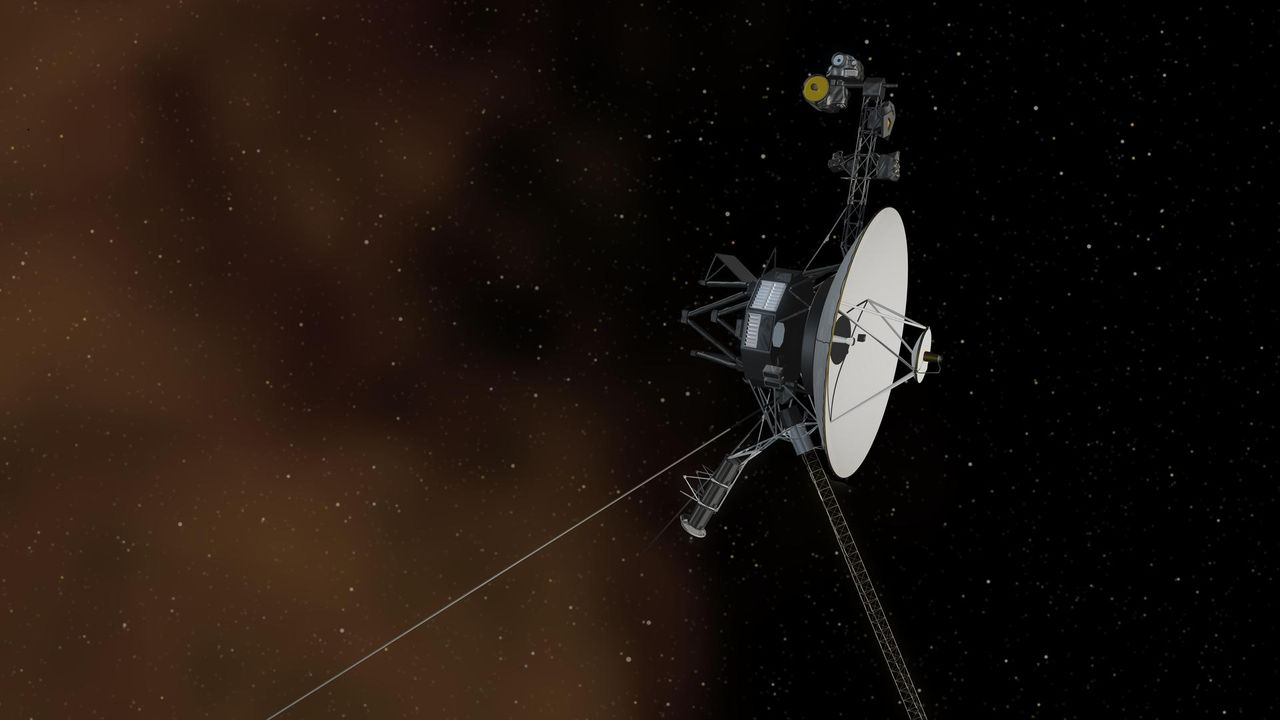
NASA's Katalyst Space robot, designed to elevate the Neil Gehrels Swift Observatory to a higher orbit, is currently tumbling out of control. This mission marks NASA's first collaboration with a private company for such an operation, aimed at extending the observatory's operational lifespan beyond its initial expectations.
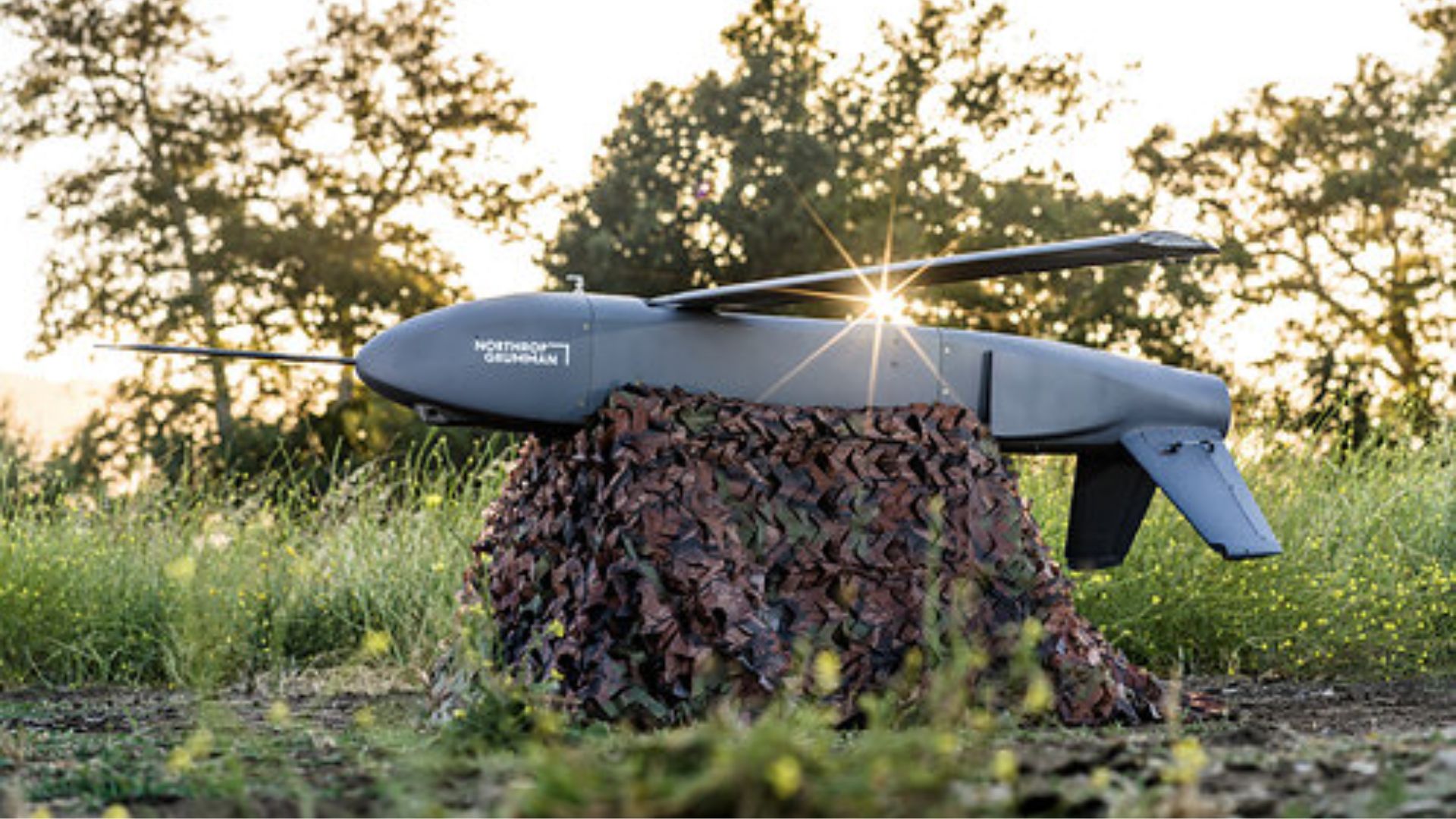
The Swift Observatory, launched in 2004, is crucial for observing transient cosmic events. However, the LINK spacecraft, which was launched on July 3 aboard a Northrop Grumman Pegasus rocket, has encountered significant control issues, including the failure of two of its three reaction wheels. This has complicated communication efforts as the spacecraft spins away from Earth.
Flight controllers are actively working to stabilize the LINK spacecraft using alternative thrusters, and initial efforts have shown positive results. As Katalyst's mission progresses, the focus will be on recovering the spacecraft to ensure the Swift Observatory can continue its vital work in astrophysics. No further timeline was disclosed at the time of publication.
Editor's Note
The challenges faced by Katalyst Space highlight the complexities of integrating private sector capabilities into NASA's missions. As the demand for satellite servicing and space exploration grows, the ability to quickly develop and deploy solutions will be critical. This incident underscores the risks associated with rapid development cycles in aerospace technology.




























Leave a comment