Industry Briefing
A single destination for timely, editor-curated robotics news from around the world.
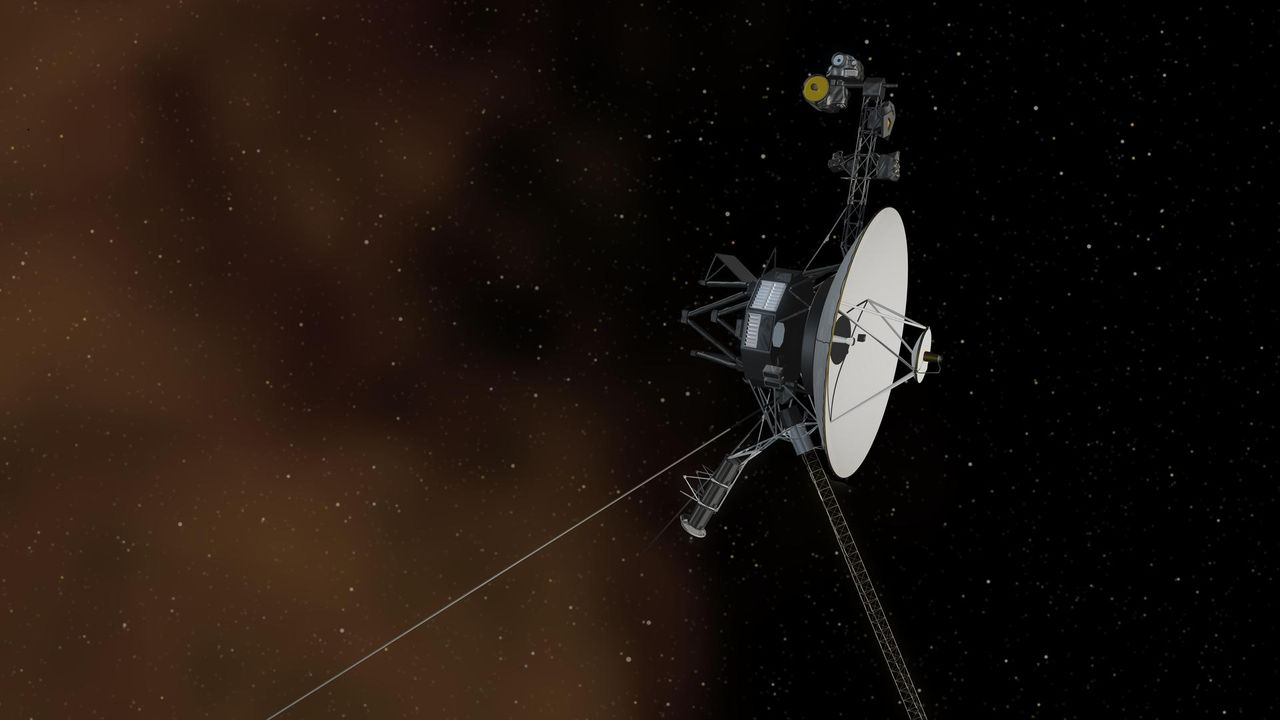
NASA's Voyager 1 Launches on September 5, 1977, for Interstellar Exploration
On September 5, 1977, NASA launched Voyager 1 from Cape Canaveral, Florida, marking the beginning of its journey through deep space. Initially tasked with exploring the outer planets, Voyager 1 flew by Jupiter and Saturn in 1979 and 1980 before heading out of the solar system, ultimately becoming the first spacecraft to reach interstellar space in 2012. The significance of Voyager 1 lies in its role as a pioneering mission in space exploration, carrying a golden record intended for any potential intelligent life it may encounter. This spacecraft is not only an icon of NASA's long-lasting missions but also holds the record as the farthest human-made object from Earth, currently located 15.9 billion miles away. Looking ahead, Voyager 1 is expected to encounter another star system in approximately 40,000 years. Despite its distance, the spacecraft continues to collect data, although power limitations have led to the shutdown of some instruments, including its low-energy charged particles experiment earlier this year to conserve energy.
Space Exploration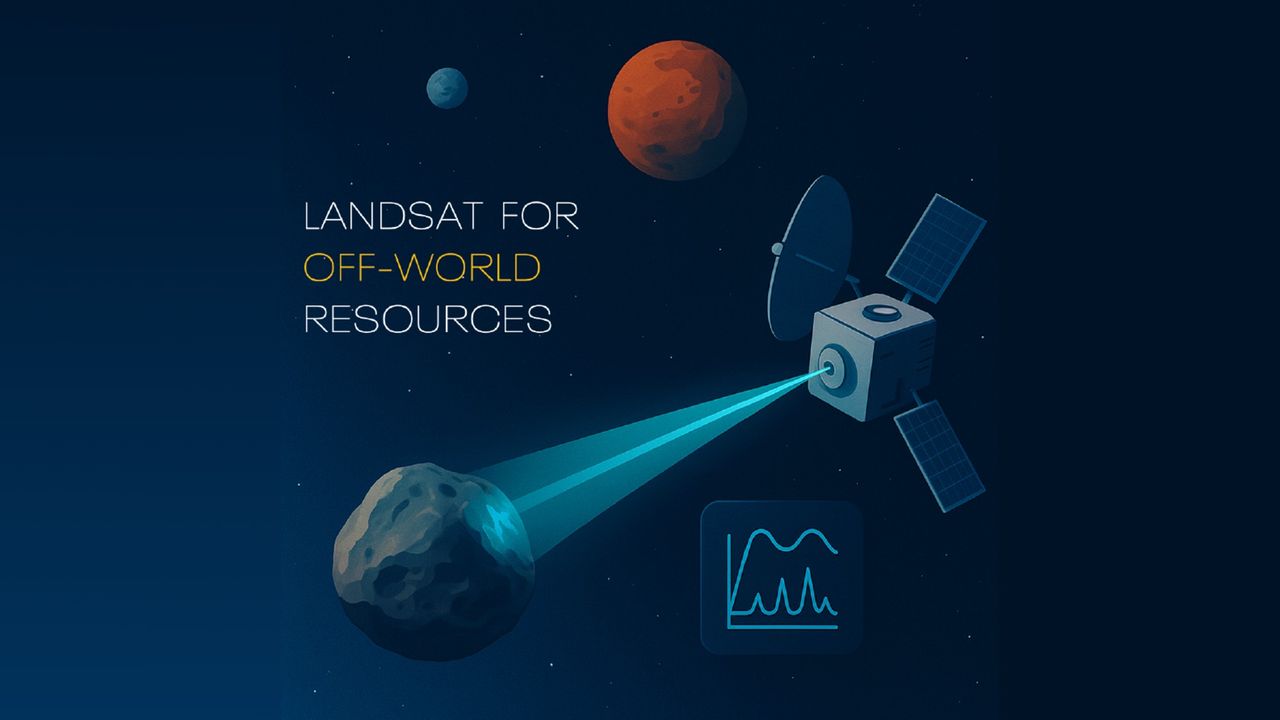
NASA's 'Slingshot' Project Aims to Map Minerals on Celestial Bodies for Future Exploration
NASA has initiated a project named 'Interworld Slingshot Resource Surveys' to explore mineral mapping on celestial bodies, including the moon. This initiative aims to replicate the success of the Landsat satellites, which have been monitoring Earth for over 50 years, by providing crucial mineral intelligence for future lunar missions. The significance of this project lies in its potential to enhance the United States' lunar ambitions, particularly in securing access to valuable resources like helium-3. By scouting for minerals before establishing a lunar base, NASA hopes to mitigate risks associated with space mining and exploration, as highlighted by principal investigator Pablo Sobron. As the project progresses, it will focus on testing Raman spectroscopy from significant distances, which poses challenges due to the faint nature of Raman scattering. The initial Phase 1 funding of up to $175,000 will support studies on photon detection and spacecraft technology, with hopes of advancing to Phase 2 funding for further development. No further timeline was disclosed at the time of publication.
Technology
NASA's CADRE Mission to Test Autonomous Rovers for Lunar Exploration
NASA is set to launch the Cooperative Autonomous Distributed Robotic Exploration (CADRE) mission, sending three small rovers to the Moon in late 2026. These rovers will autonomously explore a designated area, coordinating tasks and electing a leader without human intervention. This mission aims to assess the feasibility of operating multiple autonomous rovers on the lunar surface, which is crucial for future explorations, especially at the lunar South Pole where water ice could support a lunar economy. The significance of the CADRE mission lies in its potential to revolutionize lunar exploration. By testing the rovers' ability to operate independently, NASA hopes to establish a framework for sustained lunar operations that do not require constant oversight from Earth. This capability is essential for future missions that aim to utilize lunar resources, such as ice for propellant and life support, which could pave the way for a more extensive lunar economy. Looking ahead, the success of the CADRE mission could lead to further advancements in autonomous robotic systems for space exploration. As the rovers face challenges such as communication disruptions and harsh lunar conditions, their performance will provide valuable insights into the development of resilient robotic teams capable of operating in remote environments. No further timeline was disclosed at the time of publication.

NASA's Pioneer 11 Becomes First Spacecraft to Fly by Saturn on September 1, 1979
On September 1, 1979, NASA's Pioneer 11 made history as the first spacecraft to fly by Saturn. Launched in 1973, it initially aimed to explore the asteroid belt and Jupiter before using Jupiter's gravity to reach Saturn. During its closest approach, Pioneer 11 was approximately 13,000 miles above Saturn's cloud tops, navigating through the planet's rings to assess their safety for future missions. The significance of Pioneer 11's mission lies in its groundbreaking discoveries, including several moons, a new ring, and evidence of Saturn's magnetic field. This mission was crucial for paving the way for NASA's Voyager probes, which were set to explore the outer planets. Pioneer 11's successful trajectory and data collection provided essential insights into Saturn's atmosphere, primarily composed of liquid hydrogen, and its moon Titan, which it photographed in detail. Looking ahead, the legacy of Pioneer 11 continues to influence space exploration. Its findings not only enhanced our understanding of Saturn but also set the stage for subsequent missions to Uranus and Neptune. No further timeline was disclosed at the time of publication.
Space Exploration
NASA's Roman Space Telescope Successfully Launched Aboard SpaceX Falcon Heavy
NASA's Nancy Grace Roman Space Telescope was successfully launched aboard SpaceX's Falcon Heavy on August 30, 2023, at 07:26:49 a.m. EDT from Kennedy Space Center. This mission aims to position the telescope nearly 1 million miles from Earth, enabling it to capture unprecedented views of the universe and study phenomena such as dark matter and dark energy. The launch is significant as it marks a new era in astronomical discovery, with the Roman Space Telescope expected to provide the widest views of the universe ever captured. The precise timing of the launch was crucial, as it was an 'instantaneous' launch window, requiring exact timing to ensure proper orbital delivery and optimal viewing conditions for photographers. Looking ahead, the Roman Space Telescope's mission will likely lead to groundbreaking discoveries in astrophysics. No further timeline was disclosed at the time of publication, but the anticipation surrounding its findings continues to grow among the scientific community and space enthusiasts alike.
Launches & Spacecraft Space Exploration
WSU Researchers Use AI to Optimize 3D Printing of NASA's GRCop-42 Alloy
Researchers at Washington State University have leveraged artificial intelligence to discover a more efficient and cost-effective method for 3D printing GRCop-42, a high-performance metal alloy developed by NASA. This breakthrough allows for the use of common commercial printers, which previously struggled with the alloy's complex printing requirements. The significance of this advancement lies in its potential to democratize access to GRCop-42 printing, making it feasible for a wider range of industries beyond aerospace. The alloy's unique properties, including high thermal conductivity and strength at extreme temperatures, are essential for applications such as liquid rocket engine combustion chambers. Looking ahead, the AI strategy developed by the WSU team could be applied to other scientific challenges involving vast experimental possibilities, such as drug discovery. No further timeline was disclosed at the time of publication.
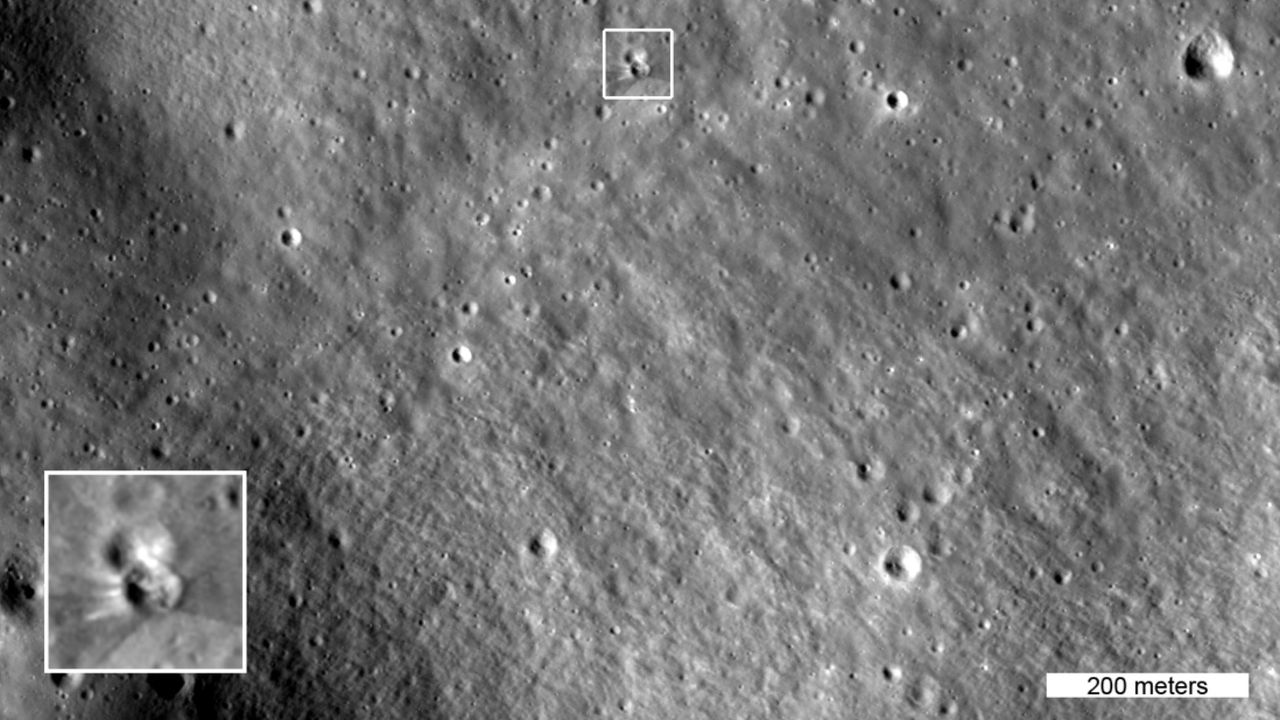
NASA's Lunar Reconnaissance Orbiter Captures Impact Site of SpaceX Falcon 9 on Moon
NASA's Lunar Reconnaissance Orbiter (LRO) has successfully imaged the impact site of the Falcon 9 upper stage that collided with the moon on August 5. The spacecraft captured detailed photos of the newly formed crater near Einstein Crater, measuring approximately 60 feet wide and less than 10 feet deep, shortly after the incident. This event is significant as it highlights the ongoing interactions between space debris and celestial bodies, as well as the capabilities of lunar observation technology. The LRO's high-resolution camera system, LROC, provided various angles of the impact site, revealing distinct ejecta patterns and surface alterations caused by the collision. Looking ahead, researchers will continue to analyze the crater and its features, with insights potentially informing future lunar missions. The LRO's imaging efforts were complemented by data from the Korea Pathfinder Lunar Orbiter, which previously identified the impact site, showcasing international collaboration in lunar exploration. No further timeline was disclosed at the time of publication.
The moon Astronomy Solar System
NASA Supports Development of SPARK Aerobots for Exploring Titan's Caves
NASA is funding the development of spherical 'Aerobots' known as SPARK, designed for exploring the caves of Titan, Saturn's moon. These small flying vehicles aim to navigate Titan's unique hydrocarbon terrain, which is challenging for traditional rovers. Project lead Daniel Drew from the University of Hawaii at Mānoa indicated that SPARK is currently in a nine-month Phase 1 grant, with further development needed before potential deployment. The significance of SPARK lies in its innovative use of ion propulsion technology, which could enhance exploration capabilities in Titan's icy conditions. Drew's design promises improved maneuverability and persistence, potentially allowing for extensive cave exploration similar to the Ingenuity helicopter's success on Mars. The timeline for SPARK's readiness remains uncertain, especially in relation to NASA's Dragonfly mission, targeted for a 2028 launch. Looking ahead, the development of SPARK could revolutionize our understanding of Titan's geology and atmosphere. As the project progresses through its phases, the potential for late-mission additions to Dragonfly may arise, depending on any delays. Drew's ongoing research into electrohydrodynamic propulsion could pave the way for future advancements in aerial exploration technologies on other celestial bodies.
Technology
NASA to Host 'Max Power' Aerospace Expo at Kennedy Space Center This November
NASA has announced a two-day aerospace exposition named 'Max Power' scheduled for November 7 and 8 at Kennedy Space Center in Florida. The event is expected to attract fans of the show 'The Simpsons,' as the title references a famous pseudonym used by Homer Simpson. The expo will feature immersive experiences, including air shows, skydiving stunts, and technology demonstrations. The significance of the 'Max Power' expo lies in its aim to engage the public with aerospace technology and space exploration. Attendees will have the opportunity to meet astronauts and participate in talks led by NASA experts. NASA Administrator Jared Isaacman, who is also a private astronaut, plans to take part in the air show, highlighting the event's focus on interactive and educational experiences. Looking ahead, Isaacman indicated that 'Max Power' is intended to be the first of many similar events, suggesting a commitment to ongoing public engagement in aerospace activities. No further timeline was disclosed at the time of publication.
Space Exploration
HEBI Robotics Secures NASA Contract to Create Compact Actuators for Small Satellites
HEBI Robotics has received a Phase I contract from NASA’s Small Business Innovation Research program to develop compact robotic actuators for small satellites. This initiative aims to design miniature actuators capable of generating significant force while fitting within the constraints of spacecraft, particularly CubeSats, where space and weight are critical factors. The significance of this project lies in its potential to address the limitations of existing robotic hardware, which is often too large or lacks the necessary flexibility for advanced operations. As the commercial space industry grows, there is an increasing demand for affordable and reliable robotic systems that can perform effectively in harsh environments, as highlighted by HEBI Robotics’ director of hardware, Andrew Willig. Looking ahead, the contract, funded through NASA’s SBIR Ignite program, will extend through December 2026. HEBI Robotics plans to explore various motor and gearbox designs to create a compact actuator suitable for space missions, while also considering applications in industrial and field robotics, leveraging technology that can withstand extreme conditions.
Components News Space actuators aerospace commercial space
HEBI Robotics Secures NASA SBIR Grant to Accelerate Miniaturized Actuator Development
HEBI Robotics has announced the acquisition of a NASA Small Business Innovation Research (SBIR) Phase I contract aimed at advancing its miniaturized high torque density modular actuators. This initiative targets applications in SmallSats and challenging environments, responding to the growing demand for affordable and versatile robotic systems in commercial space endeavors. The significance of this contract lies in its potential to enhance the flexibility and reliability of actuation hardware in space-limited environments, such as CubeSats. HEBI aims to bridge the gap between low-cost hobby servos and expensive custom-designed space robotics, ensuring ruggedness without sacrificing performance, as emphasized by Andrew Willig, HEBI’s director of hardware. Looking ahead, the Phase I award is set to continue until December 2026, allowing HEBI to explore innovative actuation solutions. The company also plans to further develop its existing actuation hardware, making it suitable for both space and terrestrial applications, thereby appealing to a broader market seeking modular actuation solutions for demanding environments.
Actuators / Motors / Servos Aerospace Markets / Industries Motion Control News Hebi Robotics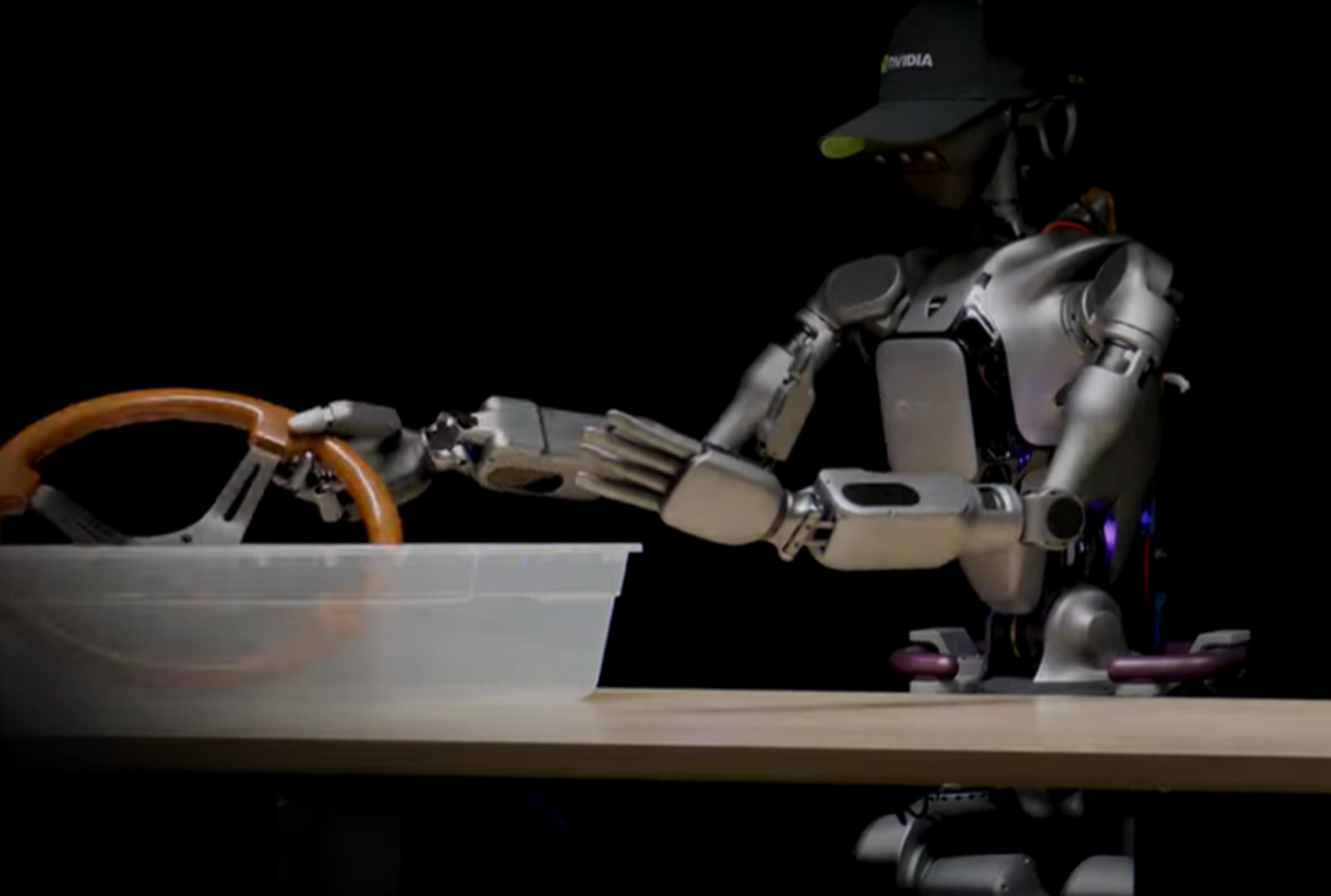
NASA's Katalyst Space Robot for Telescope Lift Faces Control Issues in Orbit
NASA's Katalyst Space robot, designed to elevate the Neil Gehrels Swift Observatory to a higher orbit, is currently tumbling out of control. This mission marks NASA's first collaboration with a private company for such an operation, aimed at extending the observatory's operational lifespan beyond its initial expectations. The Swift Observatory, launched in 2004, is crucial for observing transient cosmic events. However, the LINK spacecraft, which was launched on July 3 aboard a Northrop Grumman Pegasus rocket, has encountered significant control issues, including the failure of two of its three reaction wheels. This has complicated communication efforts as the spacecraft spins away from Earth. Flight controllers are actively working to stabilize the LINK spacecraft using alternative thrusters, and initial efforts have shown positive results. As Katalyst's mission progresses, the focus will be on recovering the spacecraft to ensure the Swift Observatory can continue its vital work in astrophysics. No further timeline was disclosed at the time of publication.
Space NASA
Katalyst Space Technologies Develops Space Tug in Nine Months to Save NASA Telescope
Katalyst Space Technologies, a startup based in Arizona, has developed a space tug named LINK within nine months to rescue NASA's Swift Observatory, which is at risk of re-entering Earth's atmosphere. The telescope, valued at approximately $500 million, has been descending rapidly due to solar activity, and without intervention, it is expected to fall in October 2023. The significance of this mission extends beyond the Swift Observatory. If successful, it will demonstrate that commercial spacecraft can capture government satellites without pre-designed interfaces, a capability that could also be crucial for the Hubble Space Telescope, which is facing similar orbital decay. Katalyst's efforts highlight the growing need for on-orbit servicing as Earth's orbit becomes increasingly congested with space debris. The LINK spacecraft, weighing about 425 kilograms and equipped with three robotic arms and ion thrusters, is currently en route to the Swift Observatory. The team will spend weeks checking LINK's systems before approaching the satellite to devise a safe capture plan. If all goes well, the Swift Observatory may resume its cosmic observations by September 2023.
Space Robotics Satellite Rescue Commercial Spaceflight Space Debris Management
NASA's Juno Probes Io's Subsurface Heat, Revealing Insights into Volcanic Activity
NASA's Juno spacecraft has successfully measured temperatures beneath the surface of Jupiter's moon Io, marking the first time scientists have glimpsed the hidden heat that drives its intense volcanic activity. During close flybys in late 2023 and early 2024, Juno's Microwave Radiometer (MWR) instrument probed depths of two to six meters, uncovering temperature increases of over 40 degrees Fahrenheit just below the surface. This groundbreaking discovery has significant implications for understanding volcanic processes on Earth. Scott Bolton, Juno's principal investigator, noted that similar MWR techniques could reveal subsurface temperature gradients near terrestrial volcanoes, enhancing our knowledge of how they function. The findings also indicated that Io's surface is largely smooth and covered with low-density materials, suggesting a continuous resurfacing process driven by volcanic activity. Looking ahead, the insights gained from Juno's observations could improve eruption forecasting on Earth and enhance our understanding of tidal heating across the cosmos. The techniques used could also aid in the exploration of icy moons like Europa and Ganymede, where subsurface oceans may exist, potentially harboring conditions suitable for life. No further timeline was disclosed at the time of publication.
Jupiter Astronomy Solar System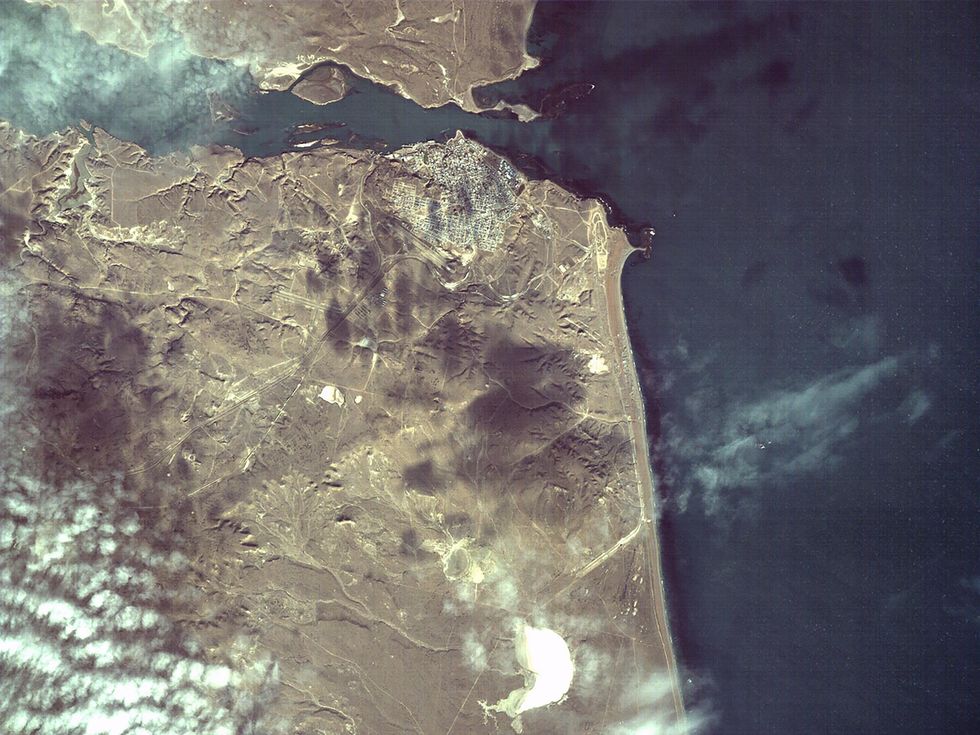
NASA Demonstrates Google’s Gemma Large Language Model in Space with NAVI-Orbital
NASA's Jet Propulsion Laboratory has successfully sent Google's Gemma 3 to space, marking the first in-orbit demonstration of a vision-language model analyzing satellite imagery. The NAVI-Orbital system utilized Gemma 3 to interpret images from Loft Orbital's YAM-9 satellite, showcasing a new method for scientists to interact with spacecraft through natural language prompts. This advancement is significant as it allows researchers to bypass traditional structured commands, enabling more intuitive communication with satellites. Juan M. Delfa from NASA highlighted that this shift could enhance how scientists engage with space missions, potentially streamlining operations and improving data analysis. Looking ahead, the implications of NAVI-Orbital extend beyond image analysis. The system could revolutionize satellite operations by enabling real-time data interpretation and reporting, which is crucial for applications like wildfire detection. No further timeline was disclosed at the time of publication.
Nasa Image-analysis Llms Satellite-imagery Google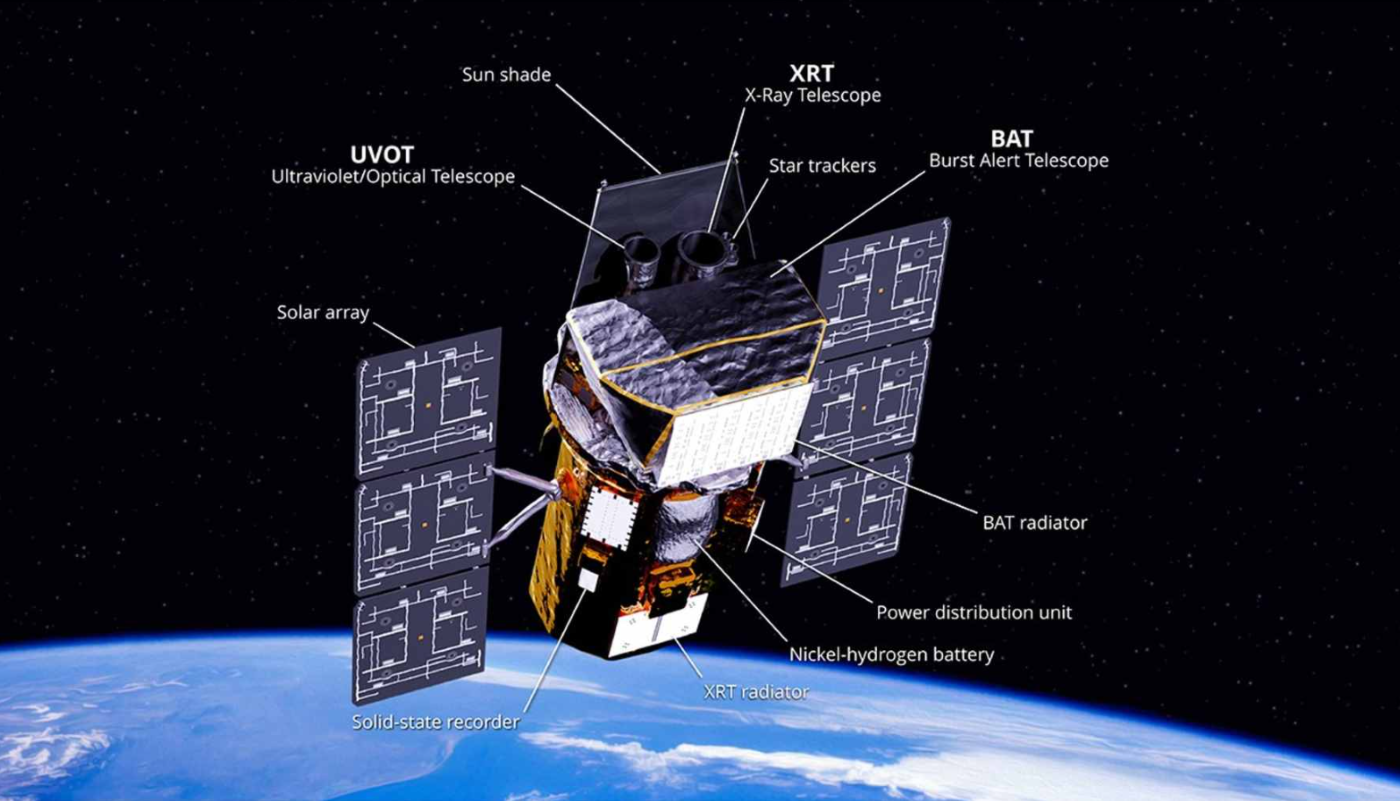
Katalyst Space Technologies Launches Space Tug to Save NASA's Swift Observatory
Katalyst Space Technologies, a startup based in Arizona, has developed a space tug named LINK to rescue NASA's Swift Observatory, which is at risk of re-entering the atmosphere. Launched on July 3 aboard a Northrop Grumman Pegasus XL rocket, LINK aims to prevent the $500 million satellite from burning up in October due to accelerated orbital decay caused by solar activity. The Swift Observatory has been a vital asset for NASA since its launch in 2004, providing rapid responses to astronomical events. However, its orbit has deteriorated from approximately 600 kilometers to about 360 kilometers. Katalyst was awarded a $30 million contract in September 2025 to design and launch LINK within ten months, compressing a typical two to three-year testing cycle into weeks. The mission's success could demonstrate that commercial spacecraft can capture government satellites without designated docking interfaces, which is crucial for future missions, including potential interventions for the Hubble Space Telescope. As space becomes increasingly congested with debris, the ability to repair satellites rather than discard them is becoming essential.
Space Robotics Satellite Rescue Commercial Spaceflight NASA Technology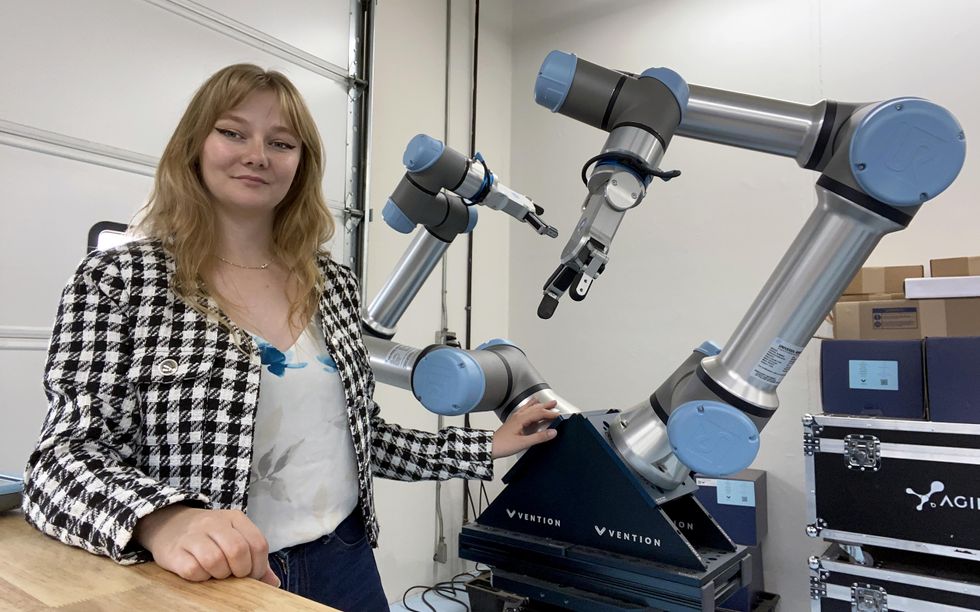
Graduate Student Develops NASA Robot Assembly Algorithm for Satellite Antennas
Sarah Downs, a graduate student at Texas A&M University, has developed an algorithm for NASA that enables robots to assemble satellites in space. This algorithm addresses the classic peg-in-hole problem by allowing robots to insert antennas accurately into designated spots. Downs's work is significant as it enhances the capabilities of robots operating in the challenging environment of outer space. The importance of Downs's research lies in its potential to improve satellite assembly processes, which are critical for space missions. By creating a robot that can perform tasks without relying on vision systems, Downs addresses the challenges posed by the harsh conditions of space where cameras may fail. This innovation could lead to more reliable and efficient satellite deployment in future missions. Looking ahead, Downs plans to continue her research on satellite assembly and manipulation at a larger scale. As she progresses in her Ph.D. studies, her work will likely contribute to advancements in robotics that could transform how satellites are constructed and maintained in orbit. No further timeline was disclosed at the time of publication.
Type-ti Ieee-member-news Robots Nasa Student-member Satellites
NASA's Ranger 1 Launch on August 23, 1961, Ends in Low-Earth Orbit Failure
On August 23, 1961, NASA launched the Ranger 1 robotic spacecraft as part of its Ranger program aimed at testing technologies for future lunar missions. The primary objective of Ranger 1 was to assess the spacecraft's performance and study the Earth's surrounding particles and fields. Unfortunately, a malfunction caused the rocket's engine to shut down prematurely, preventing Ranger 1 from reaching its intended high orbit of 37,000 by 684,000 miles. The failure to achieve its mission highlights the challenges of space exploration, as Ranger 1 remained in low-Earth orbit before re-entering the atmosphere on August 30 and being incinerated. Despite the setback, the mission contributed valuable lessons to the field of aerospace engineering, reinforcing the notion that failures can lead to significant advancements in technology and problem-solving. Looking ahead, the legacy of Ranger 1 serves as a reminder of the complexities involved in space missions. While no further timeline was disclosed at the time of publication, the experiences gained from such failures continue to shape the future of space exploration and innovation.
Space Exploration
NASA's SPARK Project Aims to Deploy Ion-Powered Aerobots in Titan's Caves
NASA is funding the SPARK project, which aims to deploy swarms of silent, spherical aerobots to explore the underground caves of Titan, Saturn's largest moon. Led by Daniel Drew from the University of Hawaii at Mānoa, the project utilizes electrohydrodynamic (EHD) propulsion, allowing for maneuverability without disturbing the delicate surface layers. This initiative is significant as it seeks to navigate Titan's unique karst terrain, characterized by liquid methane lakes and intricate underground channels. The EHD thrusters are expected to be over 100 times more power-efficient on Titan than on Earth, making them suitable for long-duration missions in harsh environments. Looking ahead, while the timeline for the SPARK aerobots' deployment remains uncertain, the project holds promise for revolutionizing cave exploration on Titan, similar to how the Ingenuity helicopter has advanced Mars exploration. The development of these aerobots could open new avenues for understanding extraterrestrial environments.
Space
NASA Funds Innovative Project for Robotically Assembled Metamaterial Radars in Space
NASA is funding a novel initiative to explore the construction of large radar antennas in space using robots and modular metamaterials. This project, led by Duke University's David Smith, is part of the 2026 NASA Innovative Advanced Concepts (NIAC) Phase I study, titled Robotically Assembled Electromagnetic Metamaterials for Long-Range Space Situational Awareness. The significance of this project lies in its potential to enhance space surveillance capabilities. Current ground-based radars, like the upgraded Space Fence, can track objects as small as four inches in low Earth orbit, but monitoring smaller objects or those at greater distances poses challenges. By assembling radar components in space, the project aims to overcome the limitations of traditional antennas that must survive launch constraints. Looking ahead, the project will focus on the feasibility of using metamaterials as building blocks for a large electromagnetic aperture. NASA plans to investigate metamaterial designs through numerical modeling while considering the robotic assembly techniques demonstrated by the ARMADAS project. No further timeline was disclosed at the time of publication.
Space
NASA's Perseverance Rover Captures Earth Behind Phobos in Rare Occultation Event
NASA's Perseverance rover recently observed a rare occultation event, where Earth briefly disappeared behind Mars' moon Phobos. This occurrence was captured on July 2, 2026, during the 1,907th Martian day of the rover's mission, using its Mastcam-Z instrument to take nine composite images of the event. This event is significant as it highlights the unique observational capabilities of the Perseverance rover and the intricate planning required to capture such moments. Mark Lemmon, a co-investigator at the Space Science Institute, noted that while Phobos crosses the Martian sky three times daily, aligning Earth directly behind it is a rare occurrence that necessitates both planning and luck. Looking ahead, Perseverance continues to explore Mars and document its moons, having previously recorded Phobos passing in front of the sun, creating a Martian solar eclipse. No further timeline was disclosed at the time of publication.
Mars Rovers Space Exploration Missions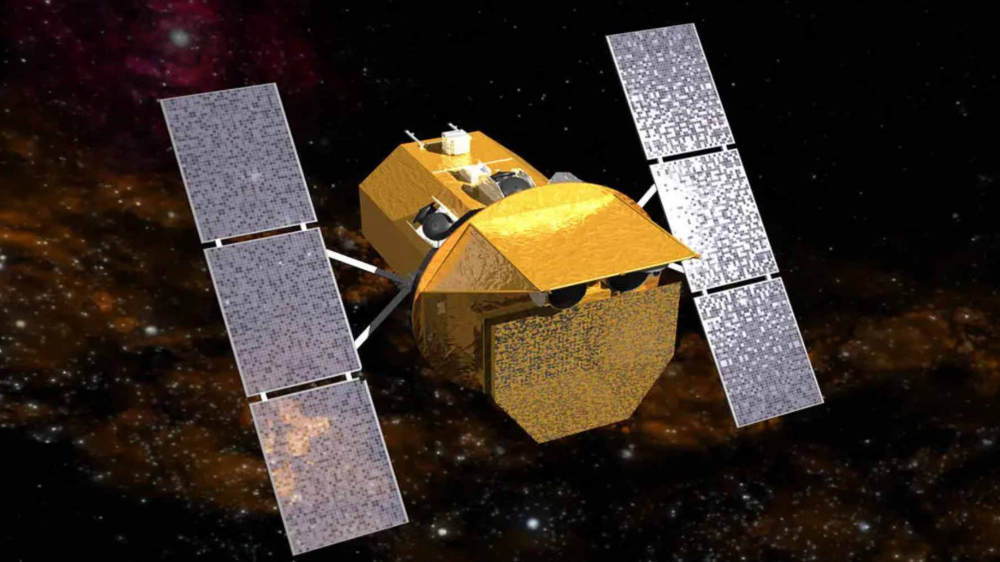
Katalyst Space Technologies Launches LINK to Save Aging NASA Space Telescope
On July 3, Katalyst Space Technologies launched its robotic spacecraft LINK from an aircraft at approximately 40,000 feet over the Pacific Ocean, targeting NASA's Neil Gehrels Swift Observatory. The $500 million satellite is descending towards Earth at an accelerated rate and is expected to re-enter the atmosphere as early as October if no intervention occurs. The Swift Observatory, operational since 2004, has been NASA's 'first responder' to cosmic events, capable of rapidly observing gamma-ray bursts. However, solar activity has caused the Earth's atmosphere to expand, leading to a rapid decay in the satellite's orbit from about 600 kilometers to approximately 360 kilometers. In September 2025, NASA awarded Katalyst a $30 million contract to complete the design and launch process within ten months. If successful, this mission will demonstrate that commercial spacecraft can capture a government satellite without a designated docking interface. This capability is crucial for the Hubble Space Telescope, which is also experiencing orbital decay. The Swift Observatory has paused scientific observations to conserve its orbit, and if all goes well, it may resume scanning the universe in September. The LINK mission highlights the growing issue of space debris and the need for satellite maintenance rather than treating them as disposable assets.
Space Robotics Satellite Recovery Commercial Spaceflight Space Debris Management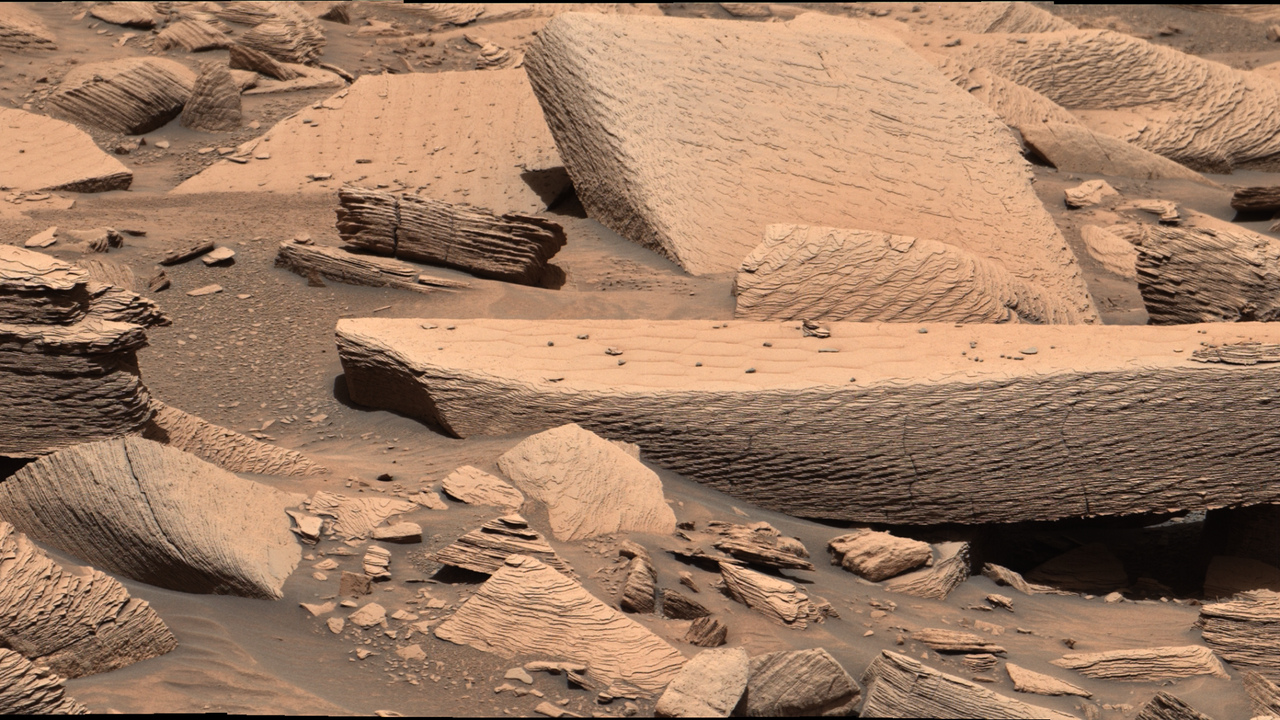
NASA's Curiosity Rover Reveals Evidence of Ancient Sandstorms on Mars
NASA's Curiosity rover has discovered signs of ancient sandstorms on Mars, indicating that the planet's environment was vastly different billions of years ago. Researchers believe that ancient Mars had a thicker atmosphere, flowing rivers, and large lakes, contrasting sharply with its current barren landscape. The rover's observations, particularly in a region called 'Jawbone Canyon,' show the aftermath of a significant sandstorm that created rippled rock formations from intense winds. This discovery is crucial as it enhances our understanding of Mars' geological history and the planet's potential to have supported life. The findings were detailed in a study published in the journal Geology, highlighting the importance of the Curiosity rover's ongoing mission. The image captured in 2024 serves as a reminder of the long history of Mars exploration, which began with NASA's Viking 1 lander 50 years ago, marking a significant milestone in planetary science. Looking ahead, researchers will continue to analyze data from Curiosity and other rovers like Perseverance to further explore Mars' ancient climate and geological processes. No further timeline was disclosed at the time of publication.
Mars Astronomy Solar System
NASA Astronaut Captures Stunning Glacial Flow in the Himalayas from Space
NASA astronaut Jessica Meir captured a remarkable image of glaciers flowing down the northern slopes of the Himalayas from the International Space Station. This breathtaking view highlights the vastness of the mountain range, which separates Nepal from China's Tibetan Plateau and features over 110 peaks exceeding 24,000 feet in elevation. The Himalayas, spanning five countries and approximately 1,500 miles wide, provide a unique perspective on glacial movement that is not visible from the ground. This imagery underscores the significance of space in enhancing our understanding of climate change, particularly as rising temperatures impact glacial dynamics and sea levels. Researchers can utilize this data to better comprehend how glaciers melt and move, which is crucial for preparing to protect our planet and its ecosystems. No further timeline was disclosed at the time of publication.
Earth Astronomy Solar System
NASA and Rice University Launch Open-Source Simulator for Space Robotics Research
Rice University and NASA have introduced the iMETRO Dynamic Simulation, the first open-source platform for developing robots for spacecraft and habitats. Unveiled at the 2026 IEEE International Conference on Robotics and Automation in Vienna, this simulator creates a digital twin of NASA's iMETRO facility, enabling global researchers to test intravehicular robotic systems in a virtual setting. This platform is significant as it broadens access to advanced space robotics research, facilitating innovation for future human space missions. It focuses on robot manipulators that assist with maintenance and logistics tasks, which are crucial for reducing astronaut workloads during extended missions. The simulator features an eight-degree-of-freedom robotic manipulator model and supports ROS 2 and MuJoCo, enhancing usability and compatibility for developers. Looking ahead, the iMETRO Dynamic Simulation aims to maximize astronaut productivity by automating routine tasks, allowing crew members to focus on scientific exploration. The research team successfully demonstrated the simulator's capabilities by transferring a robotic application from simulation to the physical facility in under a day. No further timeline was disclosed at the time of publication.
AI and Robotics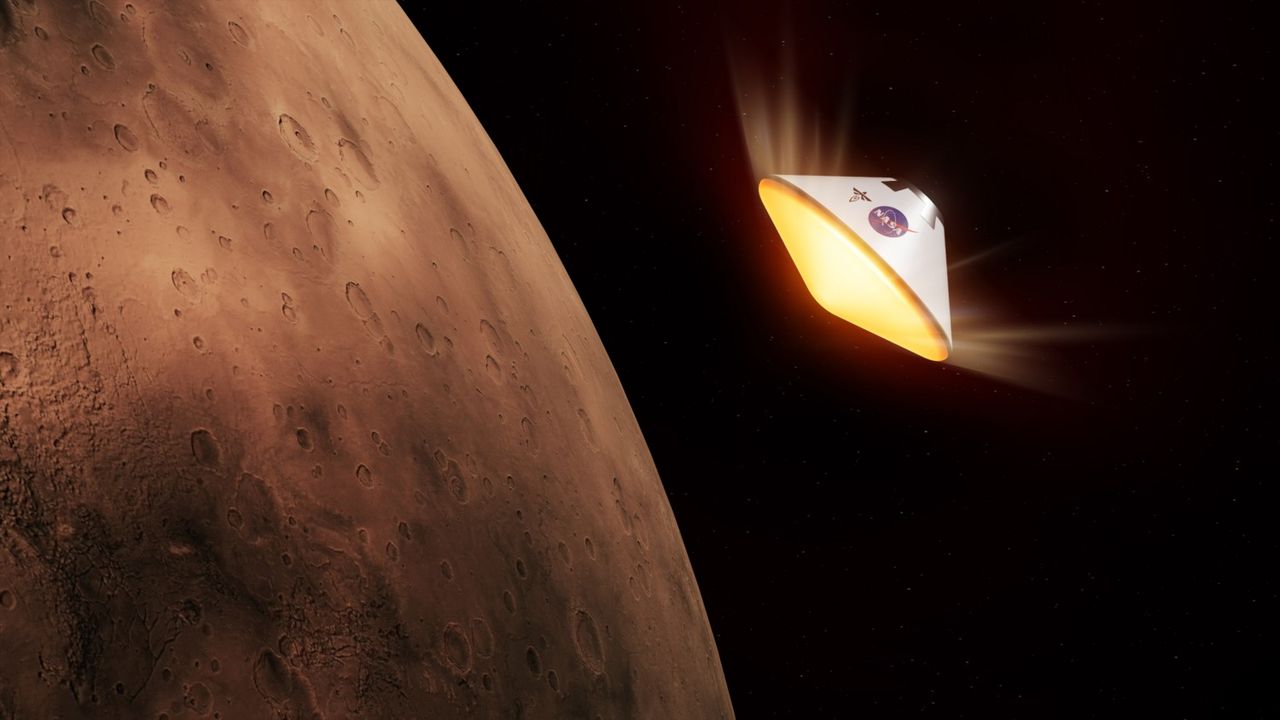
NASA begins funding hardware for 'Skyfall' Mars helicopter mission
NASA is advancing its nuclear-powered mission to Mars by selecting Firefly Aerospace to design and manufacture the protective aeroshell for the Skyfall spacecraft. This critical component will safeguard the descent stage as it enters the Martian atmosphere. The collaboration marks a significant step in ensuring the spacecraft's safe landing on the Red Planet, as it prepares for its upcoming mission. The decision underscores NASA's commitment to innovative technologies in space exploration, particularly in the context of future manned missions to Mars.
Missions Space Exploration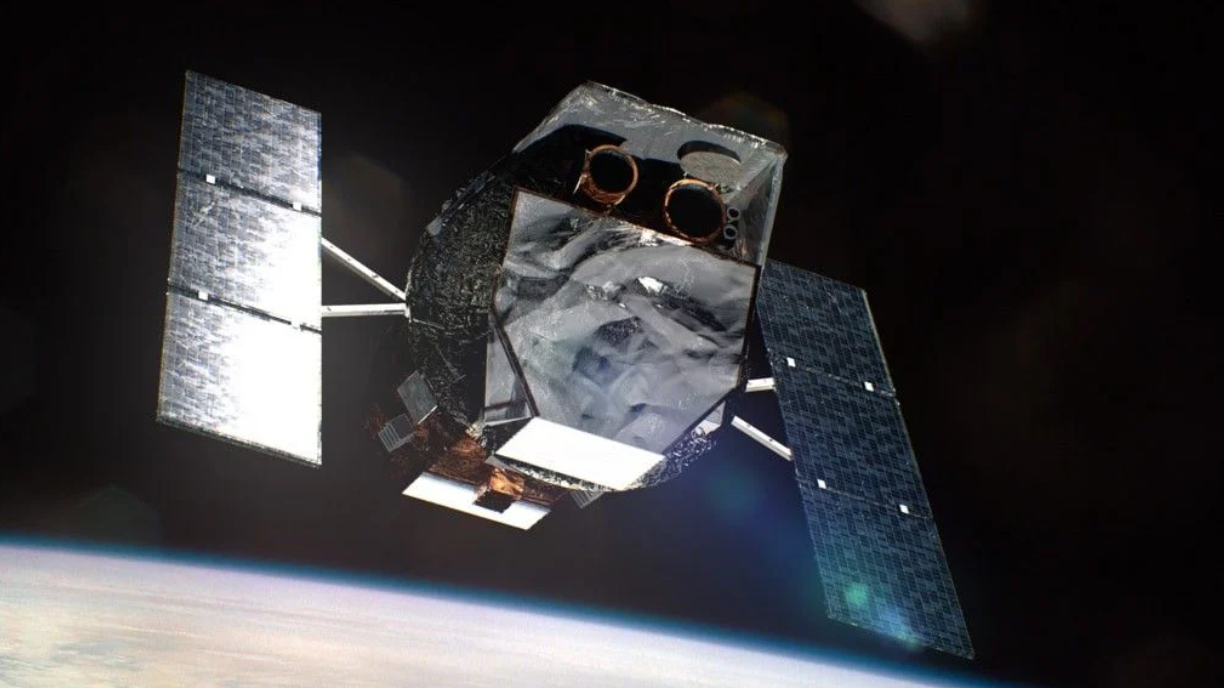
Three-Arm Robot to Rescue NASA's $500 Million Telescope in Space
Katalyst Space Technologies, a startup, has unveiled a three-arm robot spacecraft named LINK, designed to rescue NASA's Swift Observatory, which is currently at risk of re-entering the atmosphere and burning up. The initiative is backed by a $30 million contract and aims to capture and reposition the telescope into a safer orbit. This mission represents a notable advancement in space maintenance technology and underscores the intensifying competition in satellite servicing between the United States and China.
Space Robotics Satellite Servicing Aerospace Technology NASA Space Exploration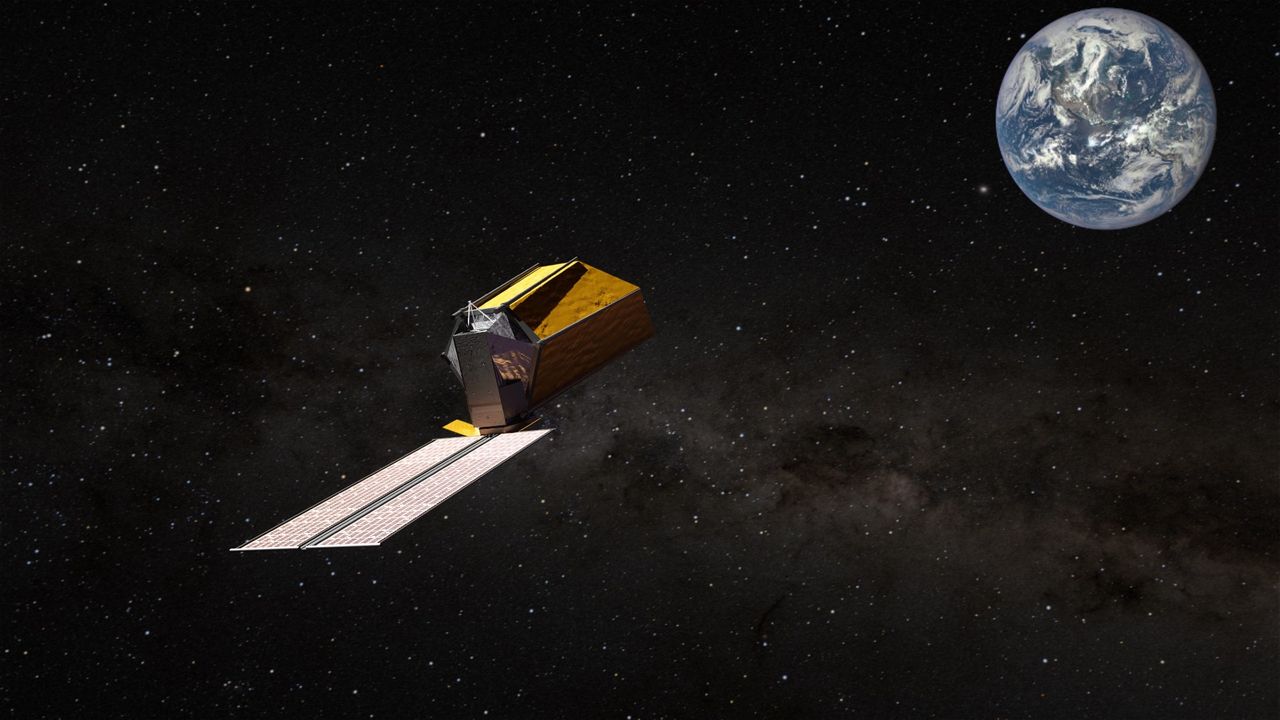
NASA will have to find a way to service its new alien-hunting space telescope
NASA is advancing its exploration of space with the development of the Habitable Worlds Observatory, where robots are set to play a crucial role in its operations. This initiative, which showcases the integration of robotics in space missions, aims to enhance our understanding of potentially habitable planets beyond Earth. The observatory is expected to be operational in the coming years, with significant milestones anticipated in the near future. By employing robotic technology, NASA seeks to conduct complex tasks that will facilitate the search for life-sustaining environments in the universe. This innovative approach not only underscores NASA's commitment to exploring new frontiers but also highlights the growing reliance on automation in scientific research and exploration.
Space Exploration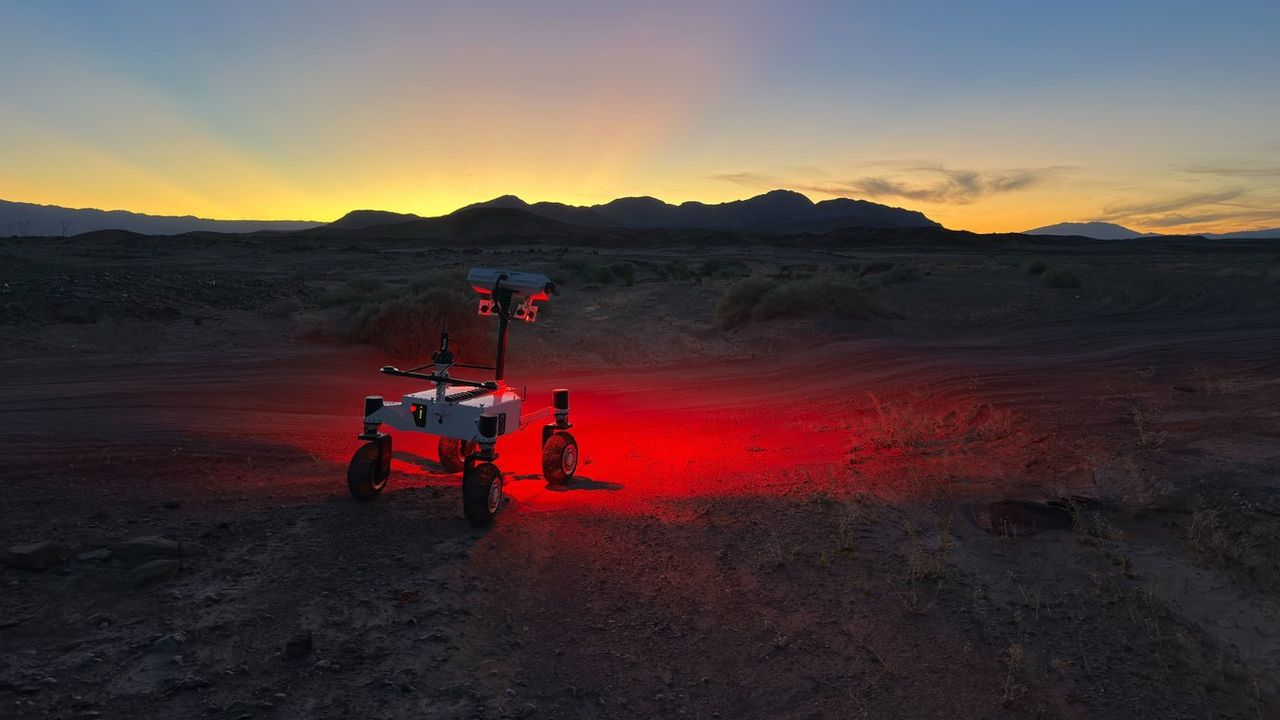
NASA tests advanced new Mars rover prototype in the California desert (video)
NASA scientists are advancing the development of autonomous robotic technology with a new rover prototype designed to enhance navigation on challenging terrains. This innovative rover is being tested to improve its ability to think independently and maneuver through difficult lunar and Martian landscapes that have previously posed significant obstacles for older models. The initiative aims to equip future missions with more capable rovers that can adapt to unpredictable environments, thereby increasing the efficiency and success of exploration efforts on other celestial bodies. The ongoing research and testing are part of NASA's broader strategy to enhance robotic capabilities for upcoming space missions.
Space Exploration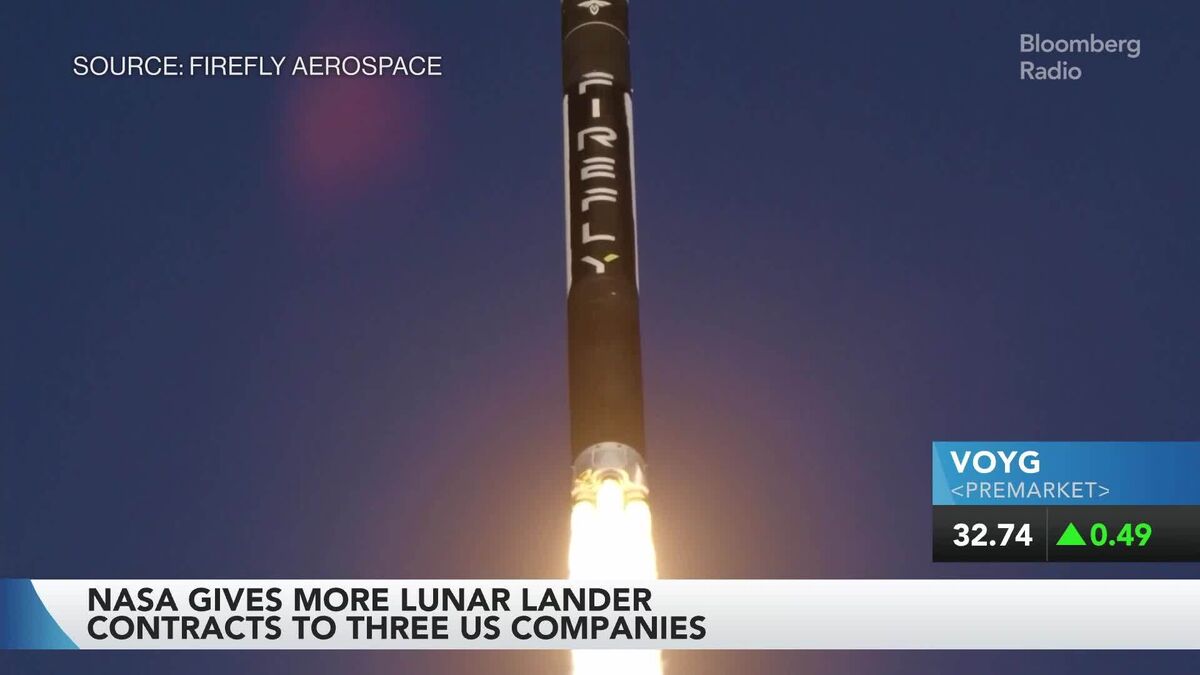
Meta Cloud Business; NASA Lunar Lander Contracts | Stock Movers
Shares of several space companies, including FireFly Aerospace, Intuitive Machines, and Voyager Technologies, experienced significant movement following NASA's announcement that it has selected these firms to send robotic landers to the moon. This initiative is part of NASA's broader goal to establish a lunar base by the end of the decade. The agency awarded contracts to Astrobotic Technology Inc., Firefly Aerospace Inc., and Intuitive Machines Inc. for this lunar mission. In the consumer goods sector, General Mills saw its stock rise after reporting fourth-quarter profits that surpassed Wall Street expectations, driven by increased pricing strategies. Meanwhile, Meta Platforms Inc. gained traction on the stock market amid reports that the company is planning to launch a cloud infrastructure business aimed at providing access to AI computing power and models. Additionally, Meta is exploring the possibility of offering access to its "raw" computing capacity, as indicated by sources familiar with the company's plans.
NYS:GIS NMS:SPCX NAS:LUNR NMS:META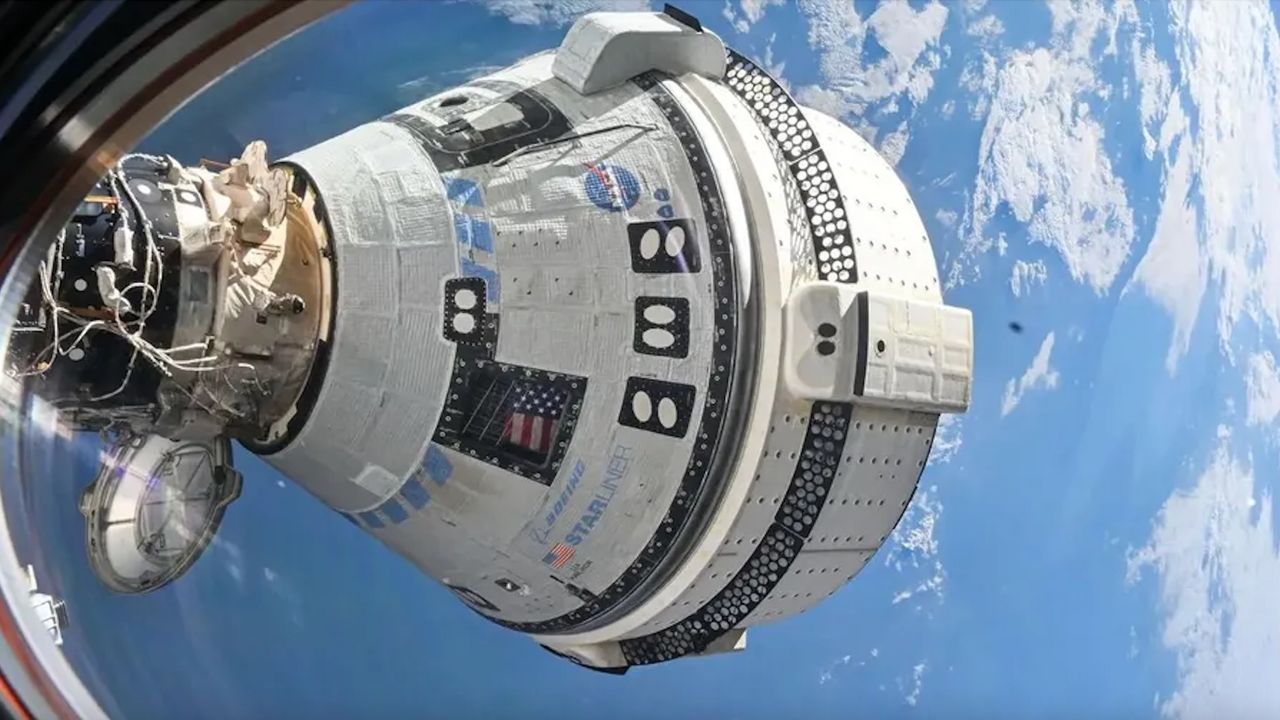
NASA audit puts Boeing's Starliner under an even bigger microscope: When will it fly astronauts again?
A recent audit by NASA highlights the agency's need to secure additional astronaut flights to the International Space Station (ISS) by 2030, primarily due to ongoing challenges with Boeing's Starliner spacecraft. The report underscores concerns regarding the spacecraft's development and operational readiness, which have prompted NASA to reassess its current flight schedule and capabilities. As the agency aims to maintain a continuous human presence in low Earth orbit, the findings emphasize the urgency of addressing these issues to ensure reliable transportation for astronauts. The audit serves as a critical reminder of the complexities involved in space missions and the importance of robust partnerships with commercial providers like Boeing.
Human Spaceflight Space Exploration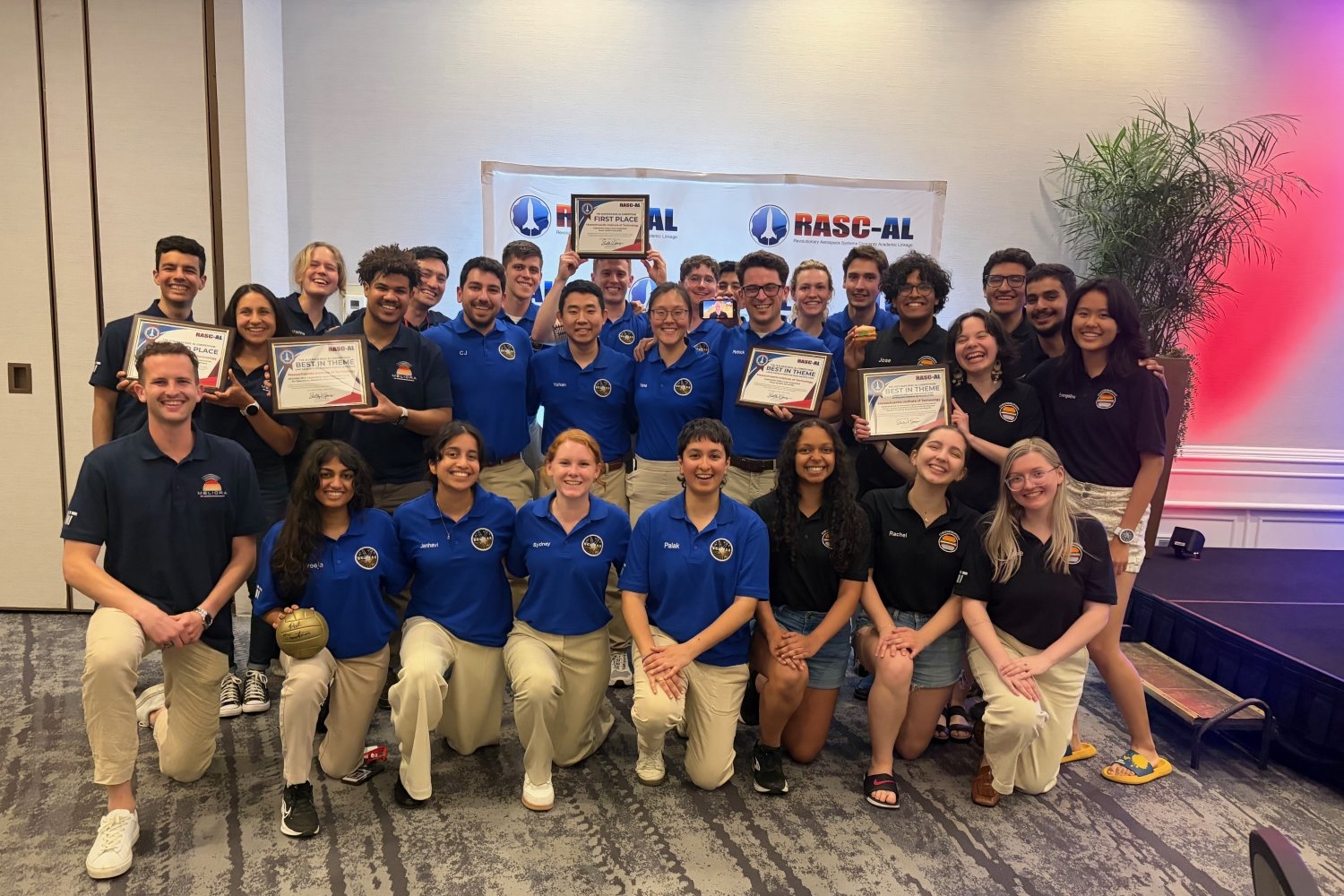
MIT student teams win top honors in NASA competition
Three teams from the Massachusetts Institute of Technology (MIT) achieved remarkable success in the 2026 NASA RASC-AL Competition, securing five prestigious awards for their innovative designs aimed at supporting lunar bases and future Mars missions. This competition, which focuses on developing critical technologies for space exploration, highlights the importance of advanced engineering and creative problem-solving in addressing the challenges of extraterrestrial habitats. The event took place recently, showcasing the efforts of students and faculty who are dedicated to pushing the boundaries of space science and exploration. The recognition of these teams underscores MIT's commitment to fostering cutting-edge research and development in aerospace technology, paving the way for future missions that could expand human presence beyond Earth.
School of Engineering MIT Sloan School of Management Aeronautical and astronautical engineering EAPS Electrical engineering and computer science (EECS) Nuclear science and engineering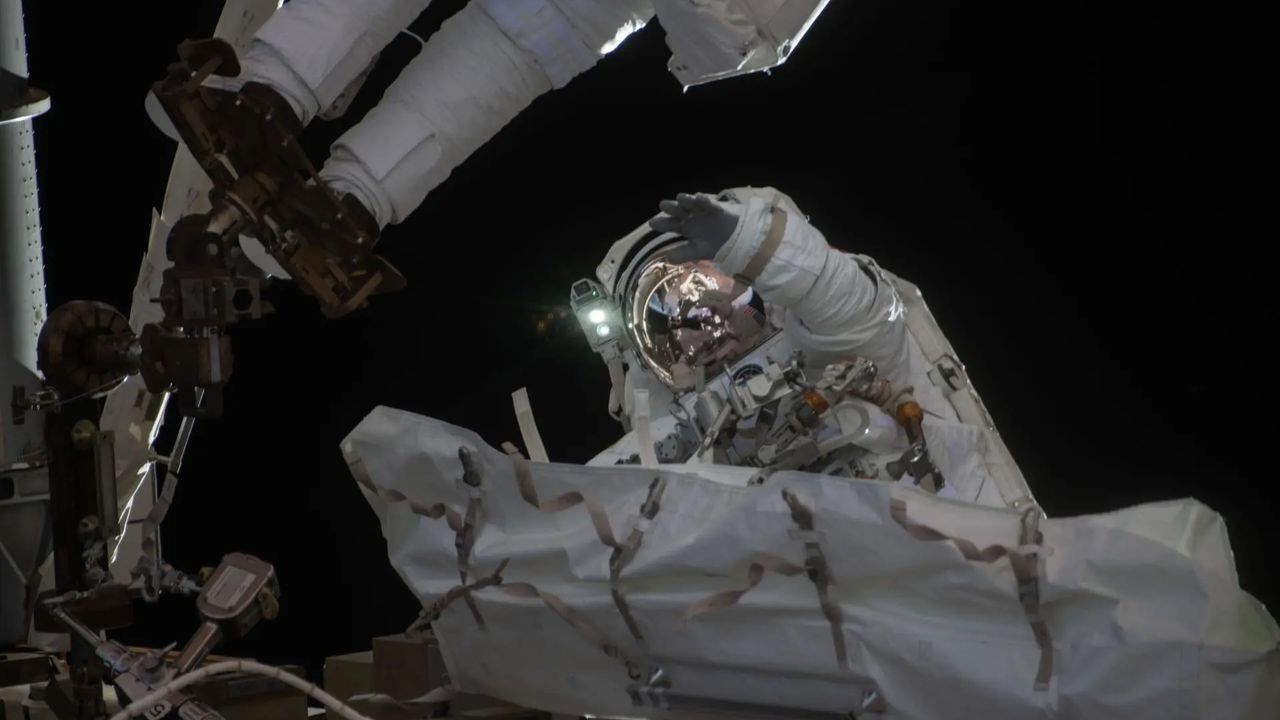
Watch 2 NASA astronauts fix ISS' huge robotic arm during June 30 spacewalk
NASA astronauts Chris Williams and Jessica Meir are scheduled to conduct a spacewalk on Tuesday, June 30, to repair the Canadarm2 on the International Space Station. This critical maintenance task is essential for ensuring the functionality of the robotic arm, which plays a vital role in various operations aboard the station. The spacewalk will be broadcast live, allowing viewers to witness the astronauts as they work in the unique environment of space.
International Space Station Space Exploration Missions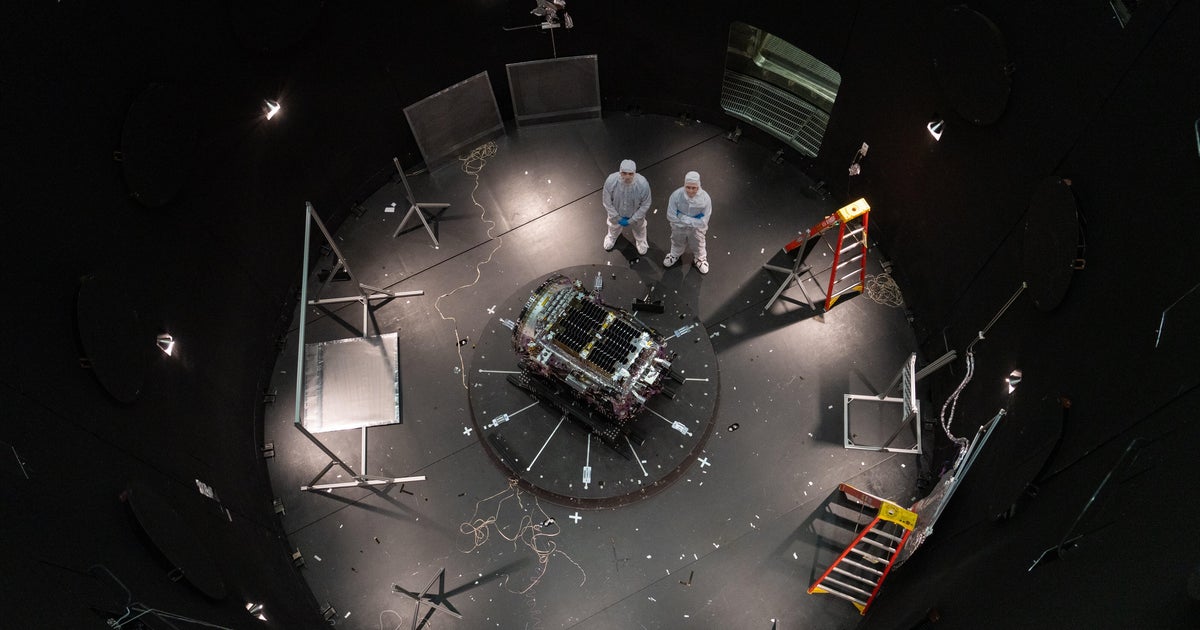
NASA prepares to launch rescue to save telescope from falling to Earth
A $30 million salvage operation is set to commence this week, featuring the launch of a robotic lifesaver designed to assist in recovery efforts. The initiative aims to address the challenges posed by recent maritime incidents, reflecting a growing commitment to enhancing safety and efficiency in salvage operations. The deployment of advanced technology underscores the urgency of the situation and the need for innovative solutions in maritime recovery. As the operation unfolds, stakeholders are hopeful that the robotic system will significantly improve the chances of successful salvage and recovery.
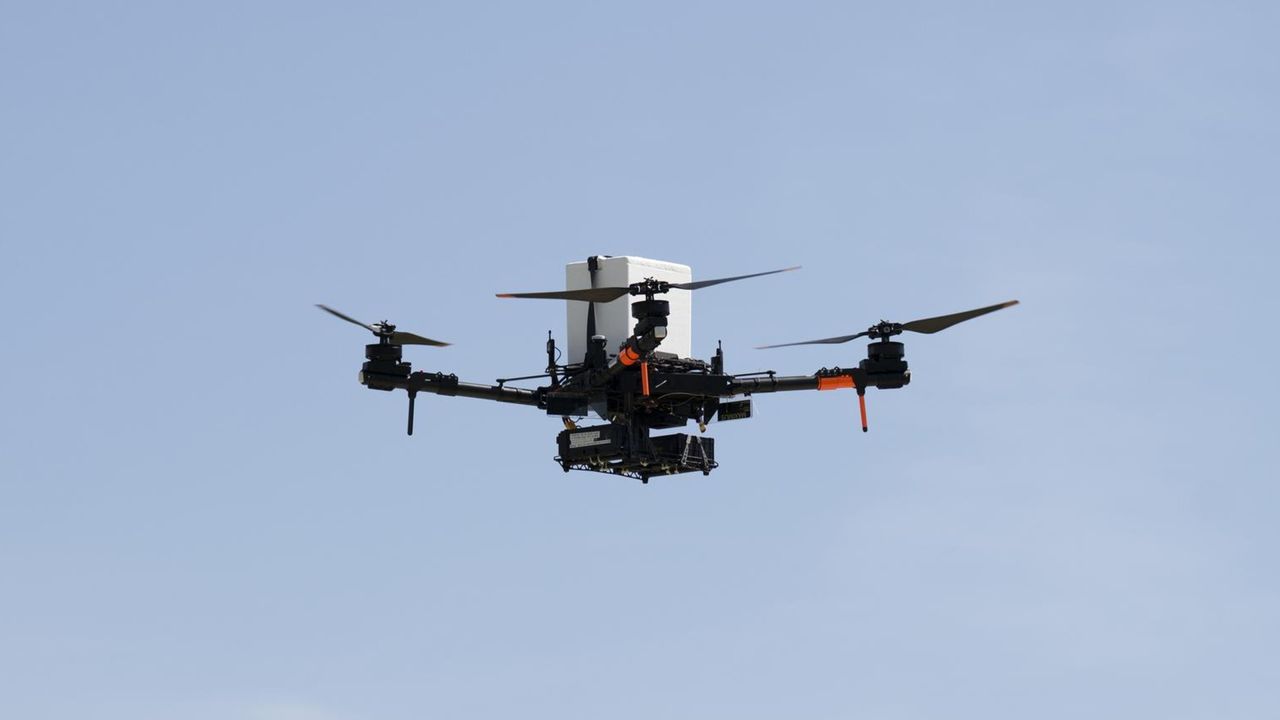
NASA used a drone to deliver a human kidney. Is this the future of transplant transport?
A drone successfully flew beyond the line of sight to transport a kidney deemed unsuitable for organ transplant, marking a significant step in testing the feasibility of drone deliveries for medical purposes. This innovative trial aims to explore the potential for drones to expedite the delivery of organs and other medical supplies to patients in need. Conducted recently, the test highlights advancements in drone technology and its application in healthcare logistics. By demonstrating the capability to navigate and deliver even when out of sight, researchers are investigating how such methods could enhance the efficiency of organ transportation, ultimately improving patient outcomes.
Technology
NASA's AstroPix Technology Demonstration to Advance Next-Generation Gamma-Ray Detection
NASA is set to conduct an in-orbit demonstration of its innovative AstroPix gamma-ray sensor, a cutting-edge pixel-based detector designed to enhance the study of gamma-ray bursts and active galaxies. This significant event is scheduled to take place in the near future as part of NASA’s ongoing efforts to advance astrophysical research. The AstroPix sensor aims to provide unprecedented insights into cosmic phenomena, which could deepen our understanding of the universe. By utilizing this advanced technology in space, NASA hopes to gather critical data that will inform future missions and studies in astrophysics. The demonstration marks a pivotal step in harnessing new detection methods to explore the mysteries of high-energy astrophysical events.
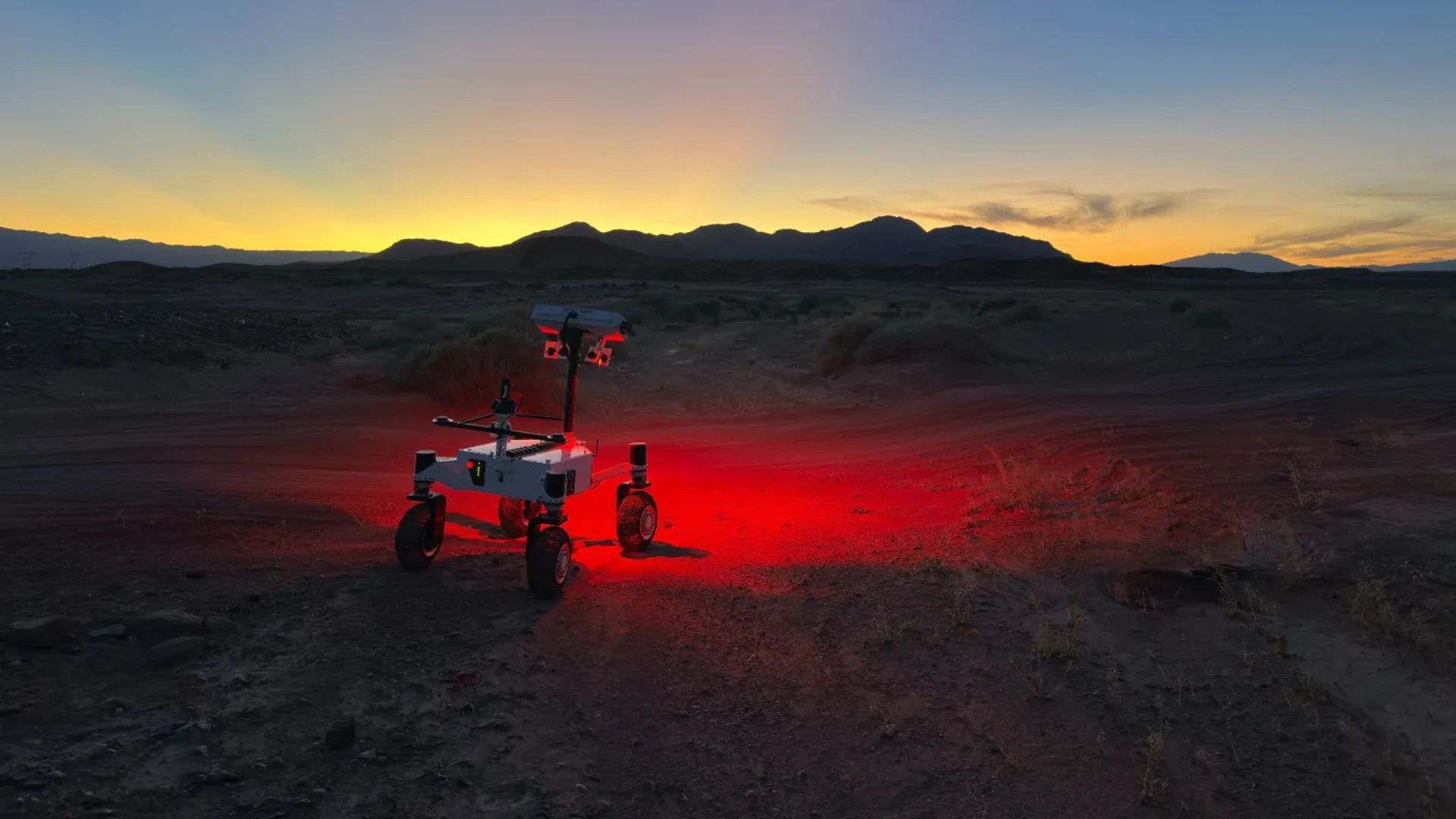
NASA’s new prototype rover completes 16-mile autonomous desert trek
NASA's Jet Propulsion Laboratory (JPL) has unveiled an innovative prototype, a four-wheeled vehicle measuring four feet in length, engineered for high-speed and long-distance travel. This development, announced recently, aims to enhance exploration capabilities on planetary surfaces, potentially paving the way for future missions to Mars and beyond. The vehicle's design incorporates advanced technology to navigate challenging terrains efficiently, addressing the need for faster and more reliable transportation in extraterrestrial environments. By leveraging cutting-edge engineering and robotics, JPL seeks to overcome the limitations of current exploration vehicles, ensuring that future missions can cover greater distances in shorter timeframes. The prototype is a significant step forward in NASA's ongoing efforts to expand human presence in space and improve the tools available for scientific discovery.
AI and Robotics
Astrobotic unveils Griffin-1, NASA’s Moon Base lander with 1,377-lb payload, for 2026
Astrobotic has officially introduced its Griffin-1 lunar lander, which has been chosen by NASA for future lunar missions. The unveiling took place during a recent event, showcasing the lander's advanced technology and design aimed at facilitating exploration and research on the Moon. This selection is part of NASA's broader Artemis program, which seeks to return humans to the lunar surface and establish a sustainable presence there. The Griffin-1 is expected to play a crucial role in delivering payloads to the Moon, supporting scientific experiments and technology demonstrations. Astrobotic's commitment to lunar exploration underscores the growing interest in space commercialization and international collaboration in scientific endeavors.
Space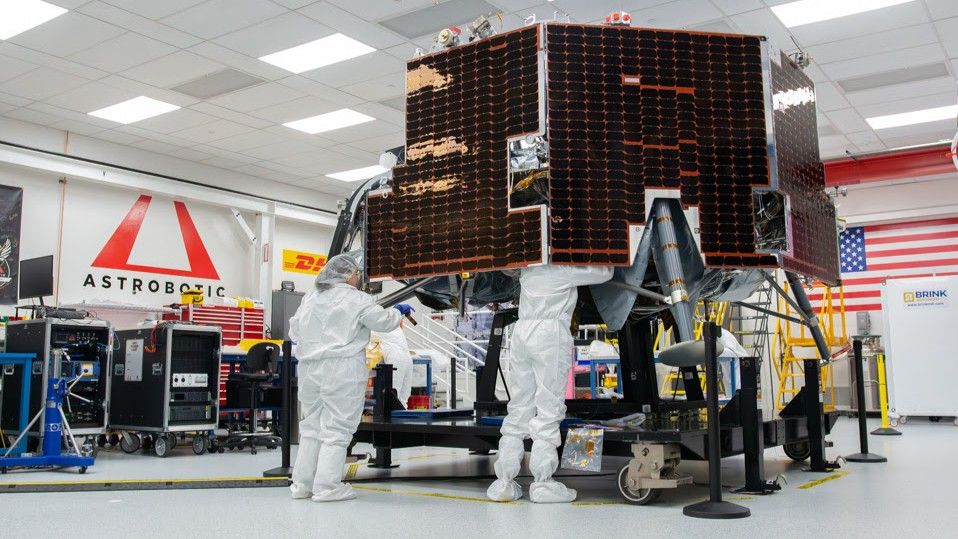
Astrobotic unveils Griffin-1 lunar lander for NASA Moon Base mission
Astrobotic has announced the launch of its latest lunar lander, Griffin-1, which is set to deliver one of the heaviest payloads to the moon's surface. This significant development was revealed recently, highlighting Astrobotic's ongoing commitment to advancing lunar exploration. The mission aims to support various scientific and commercial endeavors on the moon, showcasing the potential for future lunar activities. The Griffin-1 lander is expected to play a crucial role in expanding our understanding of the lunar environment and facilitating further exploration initiatives.
Space Exploration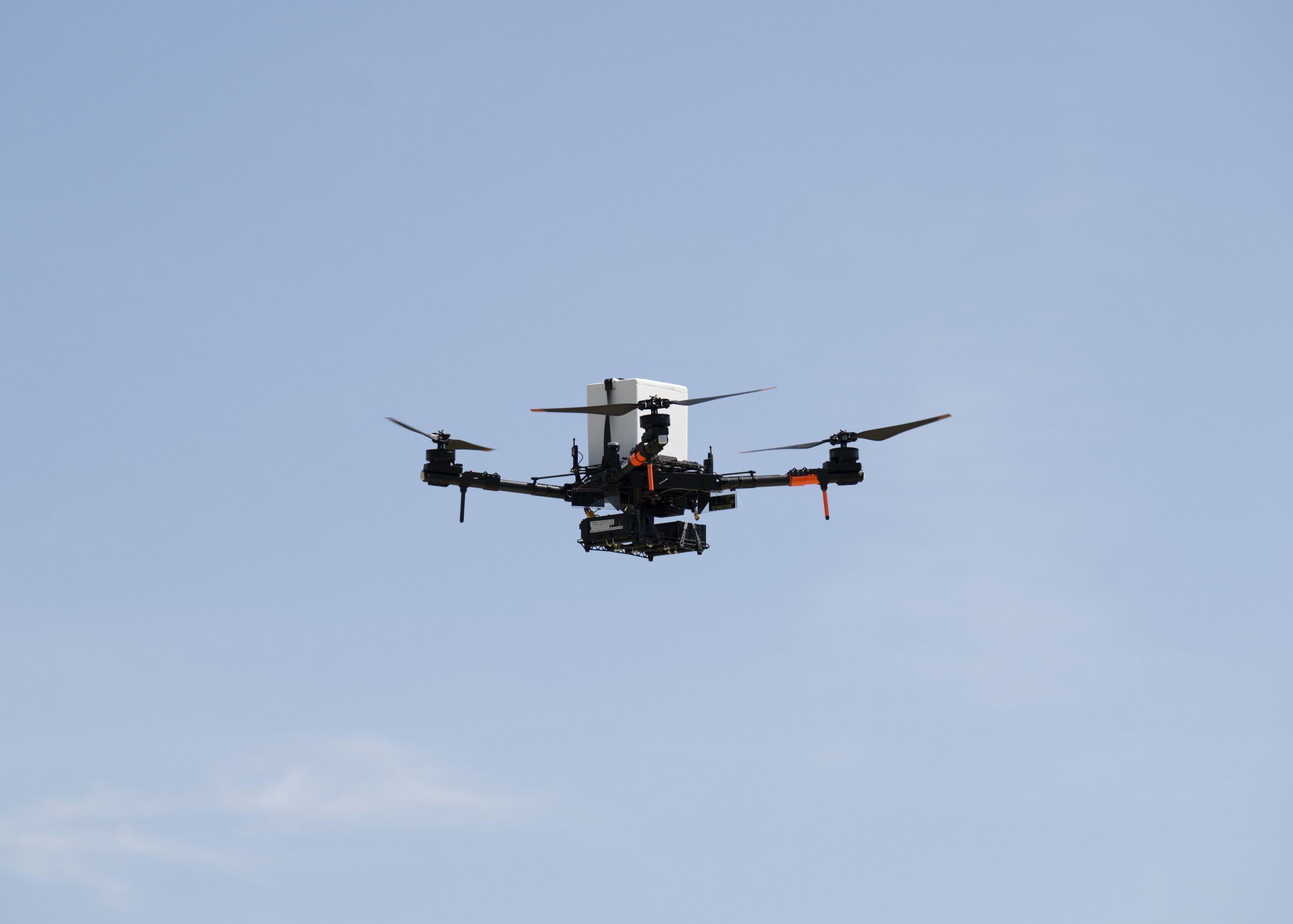
NASA, UNOS and LifeNet Complete Successful BVLOS Drone Flights Carrying Human Kidneys
A groundbreaking study involving the United Network for Organ Sharing (UNOS), NASA Langley Research Center, and LifeNet Health has successfully demonstrated the transportation of human kidneys via drone beyond visual line of sight (BVLOS). This significant advancement in transplant logistics was achieved through a collaborative research effort aimed at exploring innovative methods for organ delivery. The successful flights represent a promising step forward in enhancing the efficiency and speed of organ transportation, potentially improving outcomes for transplant patients. The research highlights the role of drone technology in addressing logistical challenges in the medical field, particularly in urgent situations where timely organ delivery is critical.
Applications BVLOS Drone News Drone News Feeds Healthcare Medical Delivery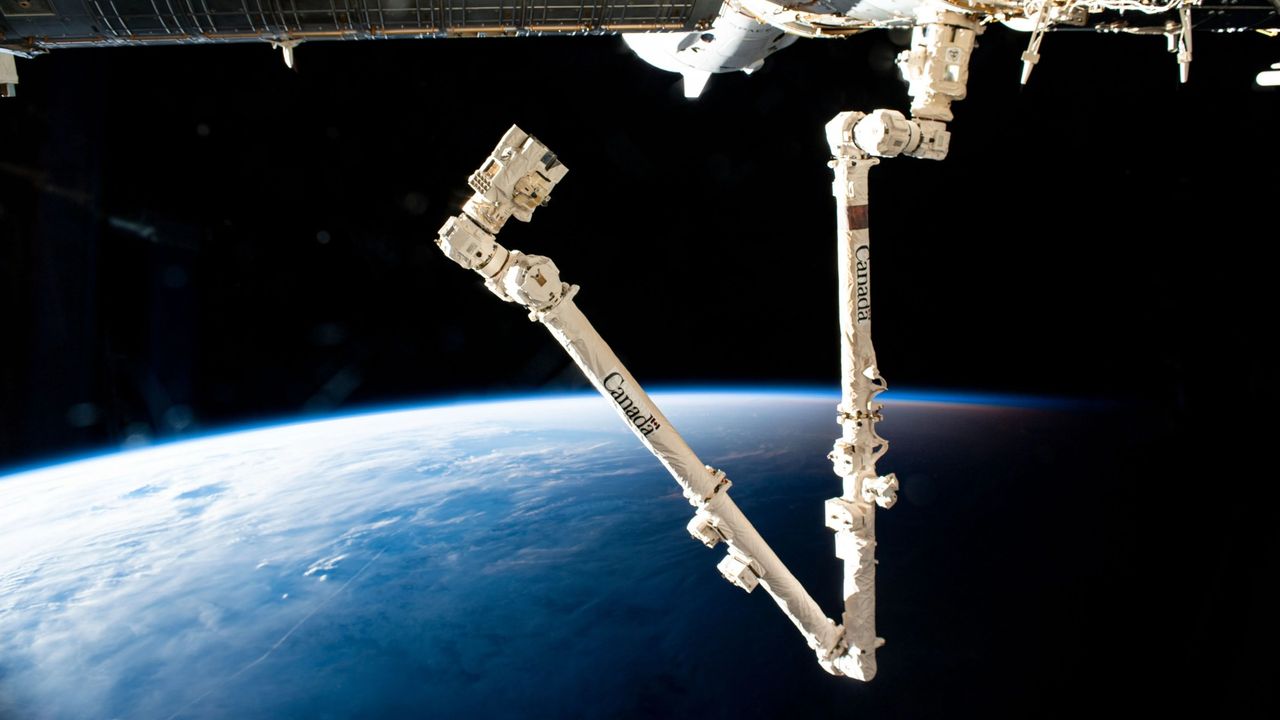
The critical robot arm on the ISS isn't working properly, but NASA has a plan to fix it
In May, a section of the Canadarm2 robotic arm on the International Space Station (ISS) sustained damage, prompting the need for repairs by astronauts. The repairs are scheduled to take place no earlier than June 30. Fortunately, a spare part is already available on the station, which will facilitate the repair process. The incident highlights the ongoing maintenance challenges faced by the ISS as it continues to support various scientific missions in low Earth orbit.
International Space Station Space Exploration Missions
NASA robotic tech demonstration will advance prototype gamma-ray detectors
NASA has announced the development of a new gamma-ray sensor named AstroPix, which will be utilized in a robotic arm demonstration during the agency's Fly Foundational Robots mission. This mission is scheduled for launch in late 2027. The introduction of AstroPix aims to enhance the capabilities of robotic systems in space exploration, particularly in detecting and analyzing gamma-ray emissions. By integrating this advanced technology, NASA seeks to improve the understanding of cosmic phenomena and contribute to future scientific discoveries beyond Earth. The demonstration will showcase the sensor's functionality and effectiveness in a space environment, marking a significant step forward in robotic exploration.
Robotics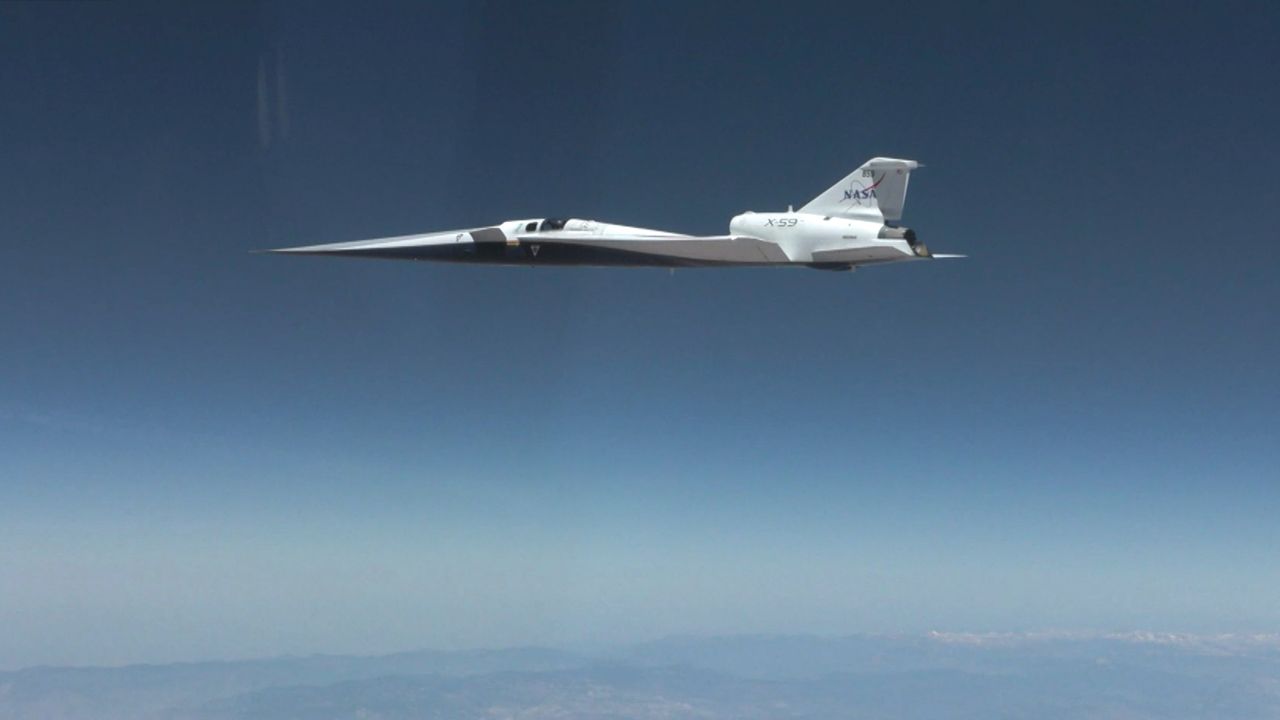
Going supersonic! NASA's X-59 jet breaks sound barrier for the 1st time
NASA's X-59 jet successfully broke the sound barrier for the first time on June 5, achieving a top speed of approximately Mach 1.1. This milestone marks a significant advancement in aerospace technology, as the X-59 is designed to explore the potential for quiet supersonic travel. The flight took place during a test mission aimed at gathering data on the aircraft's performance and the impact of supersonic flight on communities below. By developing the X-59, NASA aims to pave the way for future commercial supersonic flights that minimize noise pollution, addressing a major concern that has historically limited supersonic travel. The successful test flight demonstrates the effectiveness of the innovative design and engineering efforts behind the X-59 project.
Aerospace Technology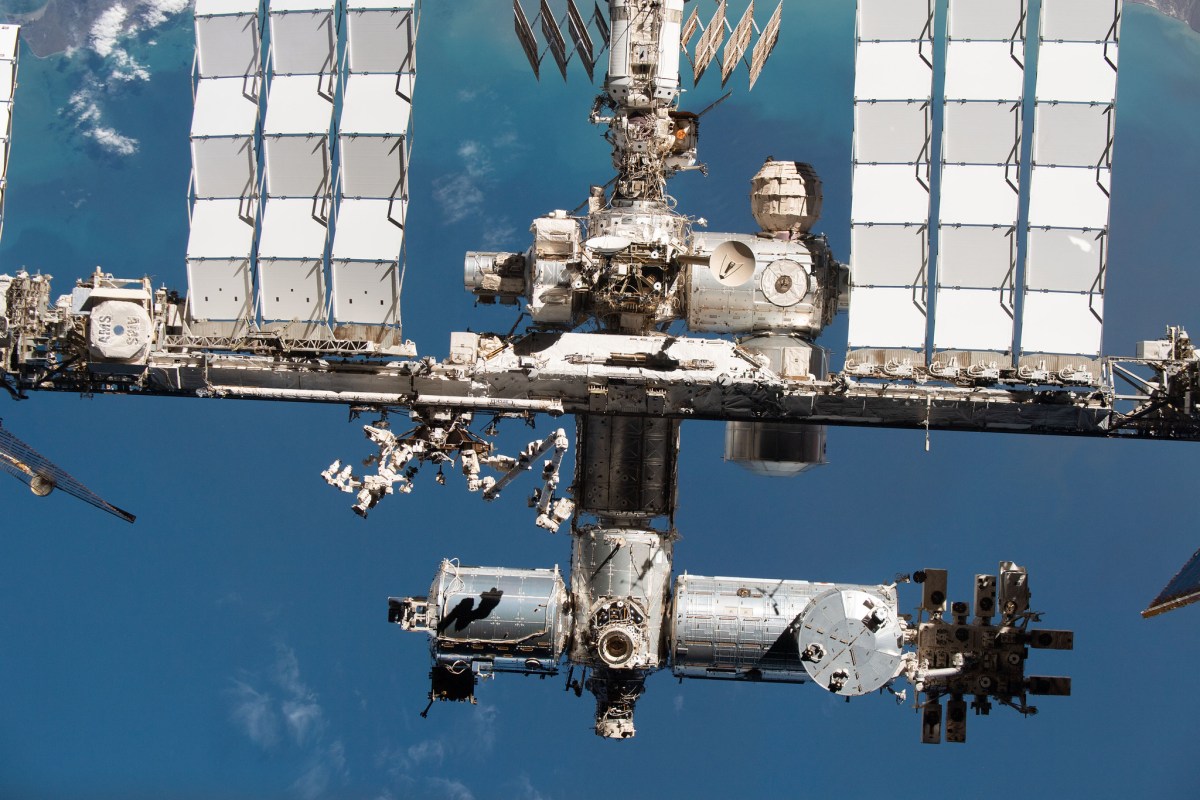
NASA briefly sheltered space station astronauts in SpaceX’s Dragon due to leaks
The Russian space agency Roscosmos has reported the discovery of new leaks in the Russian service module of the International Space Station (ISS). This announcement comes as part of ongoing monitoring and maintenance efforts to ensure the integrity and functionality of the module, which plays a crucial role in supporting the ISS's operations. The leaks were identified during routine inspections, prompting immediate attention from engineers and scientists. The agency has not specified the exact timing of the discovery but emphasized the importance of addressing these issues to maintain the safety and stability of the space station. This development underscores the challenges faced in maintaining aging space infrastructure and highlights the need for continued vigilance in space exploration efforts.
Space crew dragon Dragon international space station NASA SpaceX
NASA's X-59 jet is ready to break the sound barrier for the 1st time this month
NASA's X-59 jet is set to achieve a significant milestone with its first supersonic flight scheduled for this month. The agency has been preparing for this moment, aiming to break the sound barrier and gather crucial data on supersonic travel. This flight marks a pivotal step in NASA's efforts to develop quieter supersonic aircraft, which could revolutionize air travel by reducing the disruptive sonic boom associated with breaking the sound barrier. The successful flight of the X-59 will not only demonstrate advanced aeronautical technology but also pave the way for future commercial supersonic flights, potentially transforming the aviation industry.
Aerospace Technology
NASA Satellites Track Harmful Algae With AI
NASA has developed an artificial intelligence tool that utilizes satellite data to detect harmful algal blooms, a significant environmental concern for coastal communities. This innovative technology aims to enhance response times and improve protective measures for both local economies and ecosystems. By analyzing satellite imagery, the AI can quickly identify the presence of these blooms, which can pose health risks to marine life and humans alike. The initiative is part of NASA's broader commitment to leveraging advanced technology for environmental monitoring and public safety. As coastal areas increasingly face the challenges posed by climate change and pollution, this tool represents a proactive approach to safeguarding vulnerable regions.

'For All Mankind' star Wrenn Schmidt on her character's journey from NASA's mission control to the slammer (interview)
A recent report highlights the transformative experiences of inmates in correctional facilities, particularly focusing on one individual who has developed a newfound appreciation for Dolly Parton's music. The report suggests that the extended time spent in jail has allowed her to explore various forms of entertainment and self-reflection, leading to significant personal growth. This change is emblematic of how incarceration can provide individuals with the opportunity to engage with different cultural influences and reassess their lives. The insights were shared in a discussion about the broader implications of prison life on personal development, emphasizing the potential for rehabilitation through exposure to diverse experiences.
Space Movies & Shows Entertainment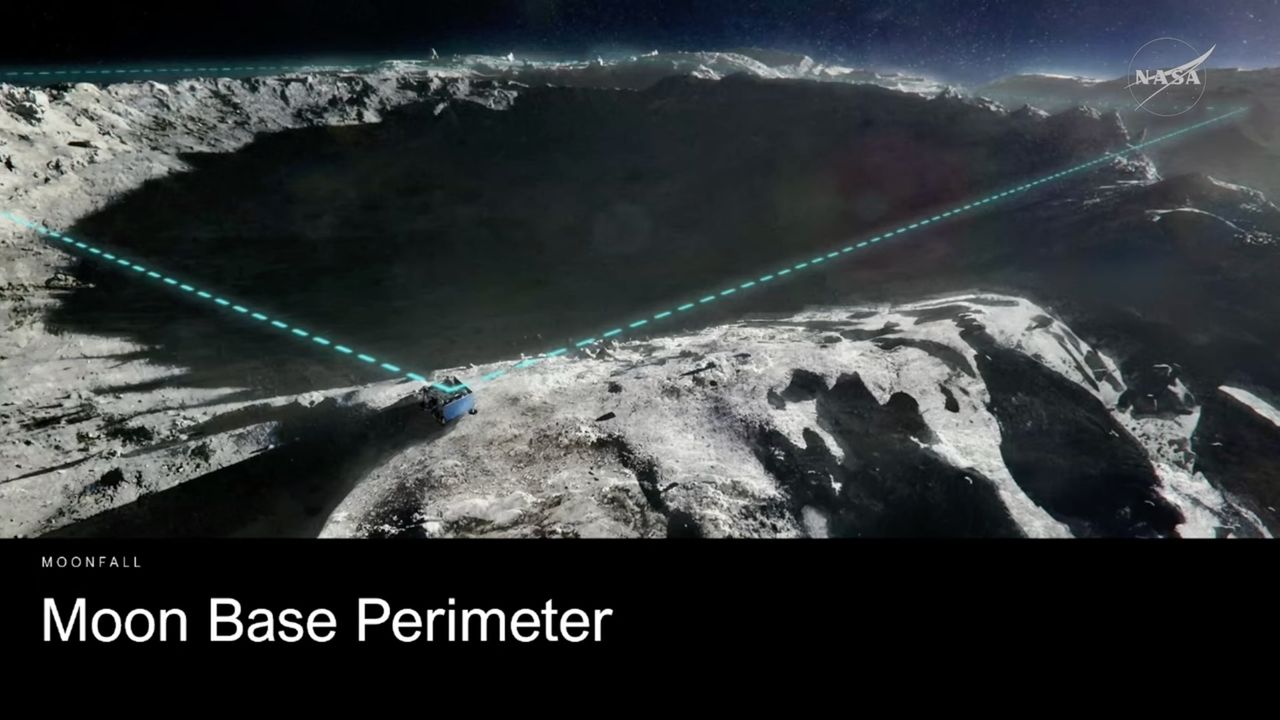
Artemis moon base will cover 'hundreds of square miles' with hopping drones and new lunar rovers, NASA says
NASA has announced ambitious plans for a moon base that will span hundreds of square miles, with the potential use of scout drones to monitor its perimeter. To kickstart this initiative, the agency has awarded contracts totaling $1 billion. This funding aims to facilitate the development and construction of the lunar facility, which is part of NASA's broader strategy to establish a sustainable human presence on the Moon. The contracts were awarded recently, marking a significant step forward in lunar exploration efforts. The project is expected to enhance scientific research and pave the way for future missions to Mars and beyond.
The moon Astronomy Solar System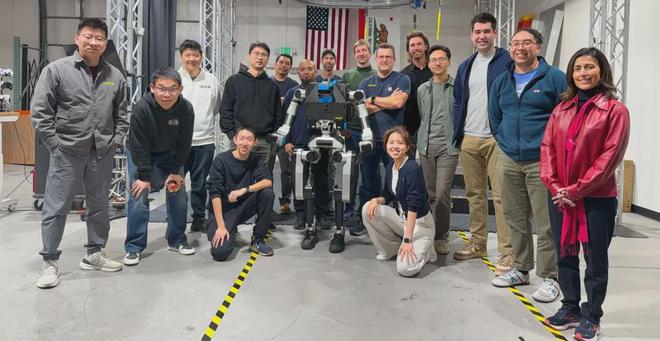
Silicon Valley Startup Launches Humanoid Robot Company! Commercial Deployment Achieved in 18 Months with Orders from Apple, SpaceX, and NASA!
Noble Machines, a California startup established by former engineers from Apple, SpaceX, and NASA, has announced the successful deployment of its first industrial humanoid robot, Moby, in a remarkable timeframe of just 18 months. Moby is engineered to operate in challenging industrial settings, featuring advanced load handling capabilities and adaptability. The introduction of this robot is intended to improve safety and efficiency in heavy industry, addressing the growing demand for automation in such environments.
Humanoid Robots Industrial Automation AI Robotics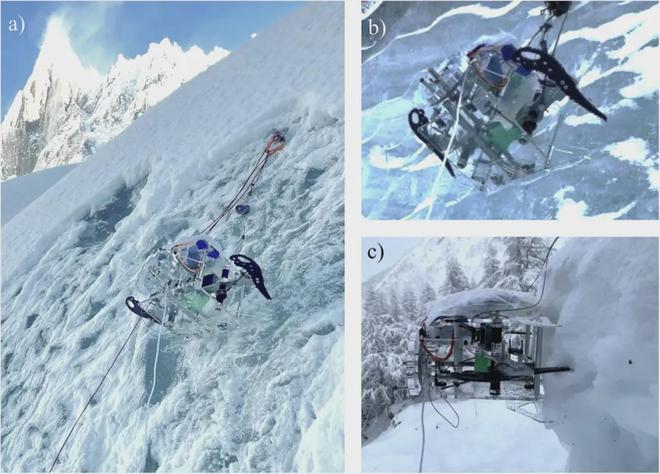
NASA Collaborates with UC Berkeley to Develop a Low-Pressure Ice Anchoring Robot
NASA, in collaboration with UC Berkeley, has developed an innovative ice anchoring robot designed to navigate icy terrains with low pressure and energy consumption. This robot, inspired by the techniques of human ice climbers, features a dual ice axe mechanism that enables it to establish secure anchor points on ice surfaces. The technology aims to facilitate exploration on celestial bodies such as Europa, one of Jupiter's moons, which is believed to have a subsurface ocean. The project represents a significant advancement in robotic exploration, potentially enhancing our ability to study distant icy environments in the future.
Robotics Space Exploration Ice Climbing Technology Low Energy SystemsRobotics needs a service framework.
RSF defines a common language for robot service capability, lifecycle operations, certification pathways, and service-provider networks.
Join the RobotToday community on LinkedIn
Daily robotics news, in-depth analysis, conference highlights, and discussions with professionals worldwide.