

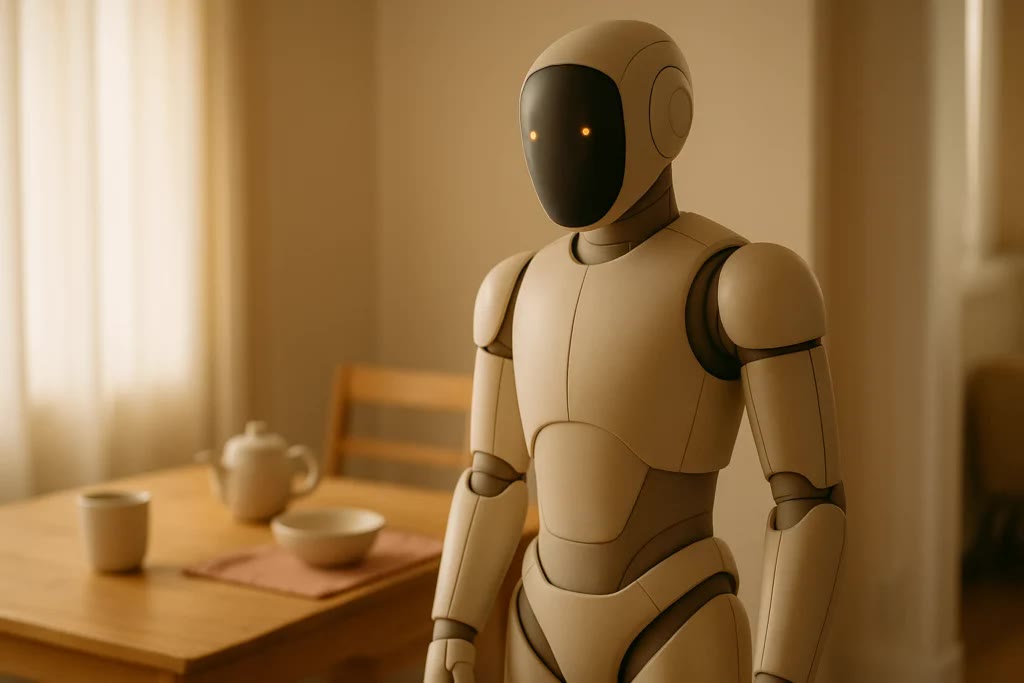
Humanoid robots are increasingly being considered for warehousing applications, but users must evaluate their five-year total ownership costs, according to Jonathan Sp, co-founder of RobixOne. While the initial purchase price may seem manageable, the total cost of ownership often exceeds 1.6 times the list price when factoring in service, repairs, and energy costs.
The importance of understanding these costs is critical as downtime can significantly impact throughput in distribution centers. Humanoids currently function as supervised assistants, requiring proper mapping and task management, which complicates their deployment. Businesses must assess whether humanoids can effectively handle narrow, repeatable tasks before committing to their use.
Looking ahead, companies should focus on the long-term economic viability of humanoids versus traditional labor and automation solutions. Key questions regarding total costs, maintenance, and performance metrics should be addressed before making capital expenditures. No further timeline was disclosed at the time of publication.
Editor's Note
As the demand for automation in warehousing grows, understanding the total cost of ownership for humanoid robots becomes essential for decision-makers. This evaluation not only impacts budget considerations but also influences operational efficiency and workforce dynamics. Companies must weigh the benefits of humanoids against established automation solutions to ensure optimal investment.
Copyright Notice
This briefing is an independently written summary based on publicly available reporting and is provided for industry information and news discovery. The original report and source publication are credited and linked where applicable. RobotToday does not claim ownership of third-party source material.
Rights concerns? If you believe any material in this briefing infringes your copyright or other rights, please contact [email protected] with the relevant URL and details. We will review the matter and take appropriate action where warranted.































Leave a comment