


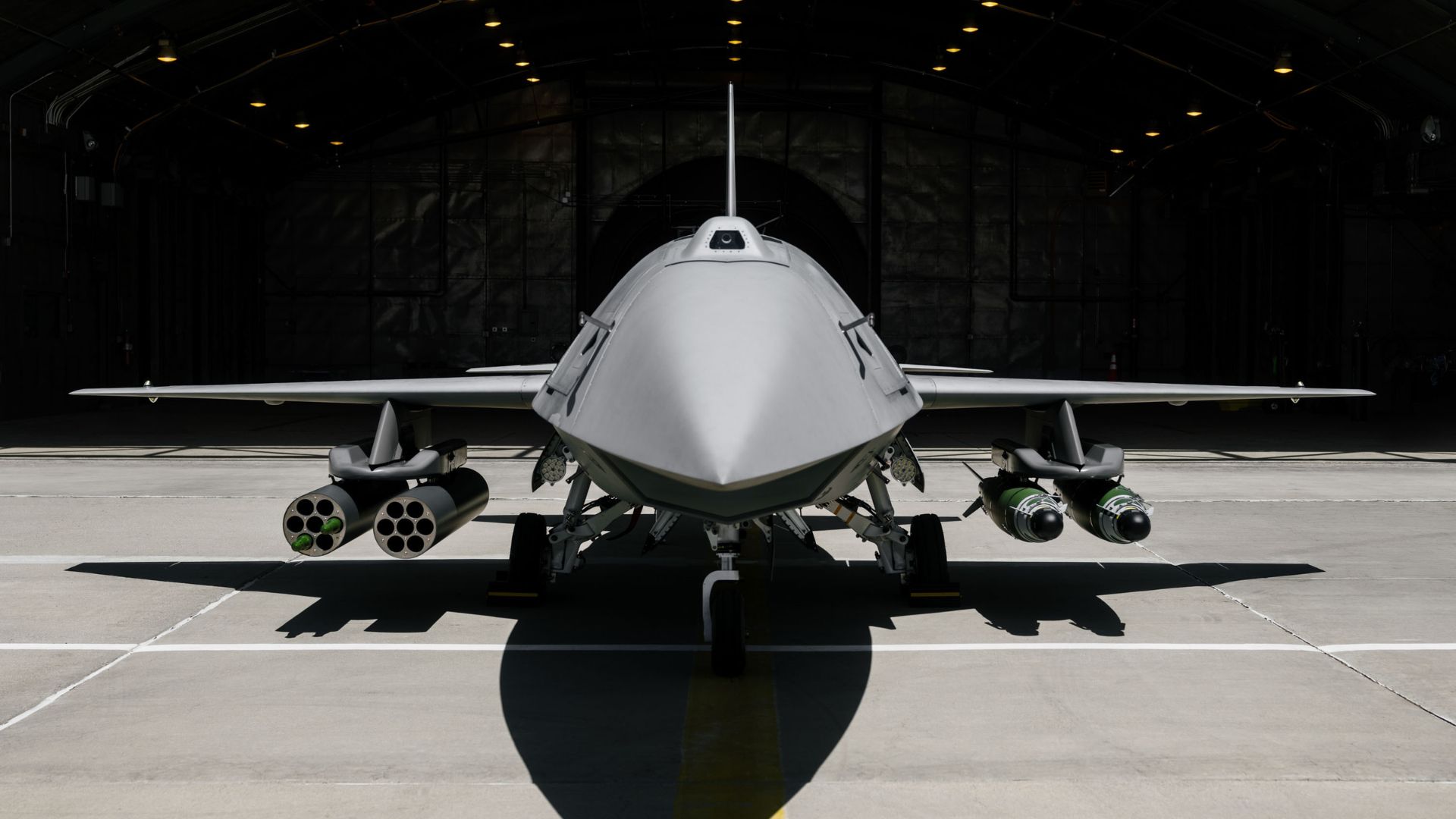
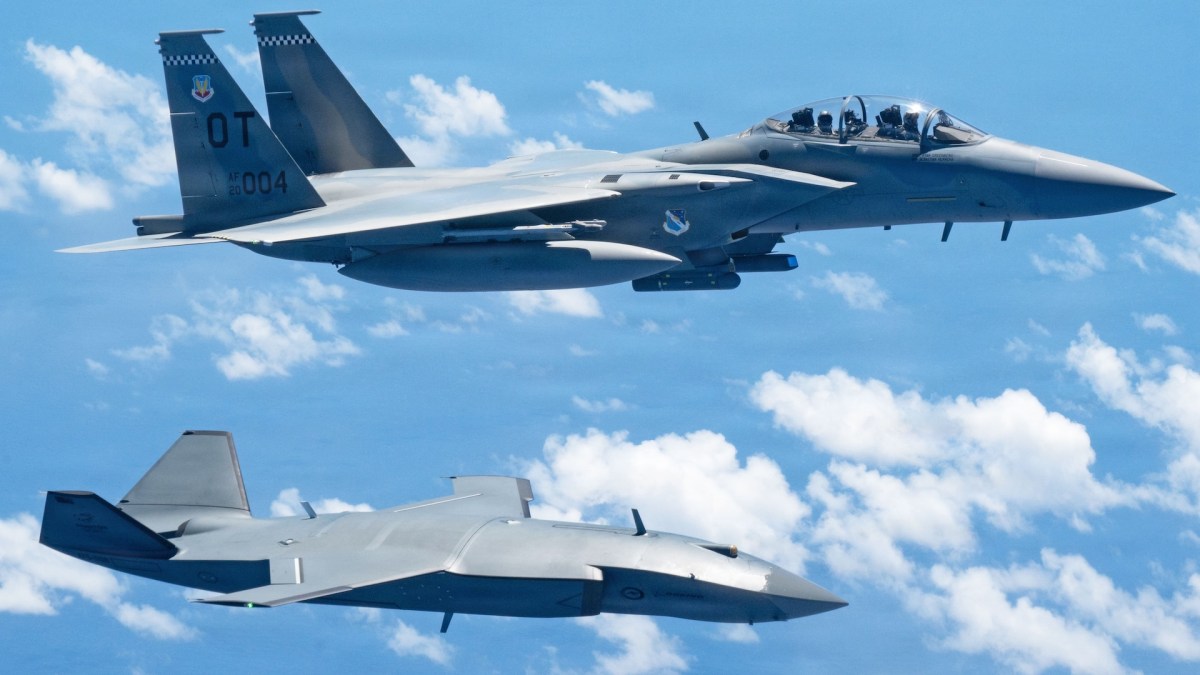
Airborne intelligence, surveillance, and reconnaissance (ISR) are crucial for achieving information superiority in modern warfare. As threats evolve, the integration of drone technology and satellite capabilities is essential for effective information gathering and sharing. The US Air Force plans to accelerate its Massed Modular Aircraft (MMA) program, aiming to deploy 100 drones by 2029 and 500 by 2032, significantly increasing its ISR capabilities.
The importance of ISR extends beyond traditional airborne platforms, as the US military recognizes the need for space-based ISR and counter-satellite strategies. The US Space Force Delta 7 is tasked with monitoring adversarial activities and analyzing threats, particularly from nations like Russia and China, which are enhancing their own ISR capabilities in space. This evolving landscape underscores the necessity for the US to maintain its information advantage in all domains of warfare.
Looking ahead, the focus will be on the standardization of control interfaces for drone operations, as emphasized by Lt. Gen. Christopher Niemi. The US Marine Corps is also developing its own ISR capabilities, aiming for a common controller software solution. No further timeline was disclosed at the time of publication.
Editor's Note
The integration of drones and satellite technology is reshaping ISR capabilities, highlighting the need for standardized control systems. As military operations increasingly rely on advanced ISR, the competitive landscape will evolve, necessitating continuous innovation and collaboration with industry partners. The focus on space-based ISR further emphasizes the strategic importance of maintaining information dominance in modern warfare.


























Leave a comment