


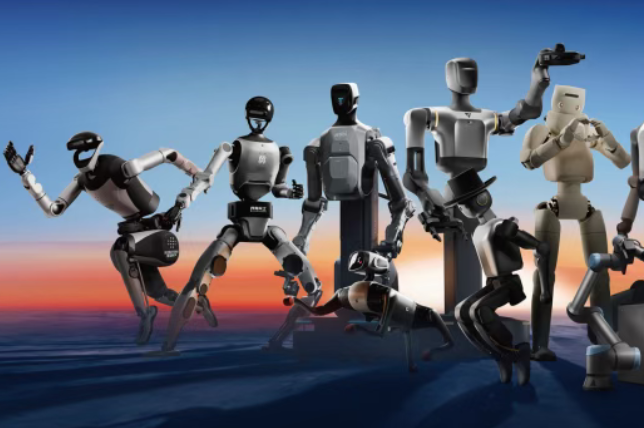
The Digital DNA project, launched by the organization 'Veterans for America' in July 2026, proposes a radical concept of preserving loved ones in robotic forms for up to 500 years. By utilizing a tactile suit equipped with 40 sensors, the project aims to record an individual's movements, physiological responses, and behaviors to create a 'digital DNA' profile that can be transferred to humanoid robots or holograms.
This initiative raises significant ethical questions regarding identity and memory, as the digital replicas created would not possess consciousness or true memories, but rather mimic human behavior. The project is part of a larger plan called 'QAIAx,' which envisions the establishment of 300 'micro-cities' managed predominantly by AI and robots, ultimately accommodating one million residents.
The pricing for this 'immortality' service is substantial, with costs reaching up to $1 million for a 500-year preservation. While the project has been registered on ClinicalTrials.gov, its claims remain unverified. The Digital DNA project challenges the boundaries of robotics, pushing discussions from mere productivity to profound questions about human identity and the implications of technological advancements.
Editor's Note
The Digital DNA project represents a significant shift in the conversation around robotics and human identity. As technology continues to evolve, the implications of creating digital replicas of individuals raise critical ethical considerations. Stakeholders in the robotics and AI sectors must navigate these complexities as they explore the potential of such innovations in society.

























Leave a comment