


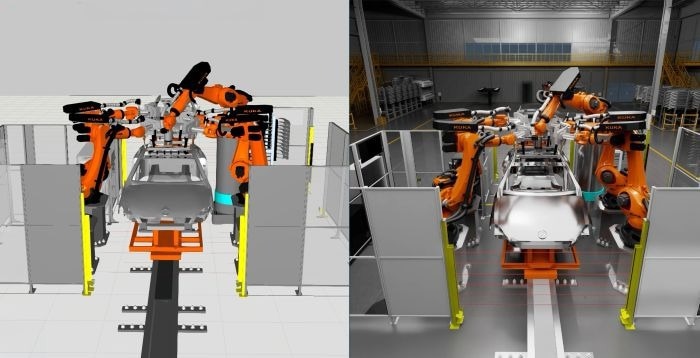
Delta has improved its production line digital twins by integrating AI technology, which significantly enhances simulation precision and efficiency. This advancement is crucial for smart manufacturing as it allows for more accurate modeling of production processes, ultimately leading to better operational outcomes.
The integration of NVIDIA's Defect Image Generation skill has enabled Delta to reduce the development time for defect detection models for new products from three months to just two weeks. This reduction in time is vital for manufacturers looking to quickly adapt to market demands and improve product quality.
Looking ahead, it will be important to monitor how Delta continues to leverage AI in its smart manufacturing solutions and the impact of these technologies on overall production efficiency. No further timeline was disclosed at the time of publication.
Editor's Note
Delta's advancements in AI-enhanced digital twins and defect detection reflect a broader trend in the manufacturing sector towards integrating intelligent technologies. This shift is essential for companies aiming to improve efficiency and reduce time-to-market for new products. As AI continues to evolve, its adoption in manufacturing processes will likely accelerate, influencing competitive dynamics.
Copyright Notice
This briefing is an independently written summary based on publicly available reporting and is provided for industry information and news discovery. The original report and source publication are credited and linked where applicable. RobotToday does not claim ownership of third-party source material.
Rights concerns? If you believe any material in this briefing infringes your copyright or other rights, please contact [email protected] with the relevant URL and details. We will review the matter and take appropriate action where warranted.
































Leave a comment