


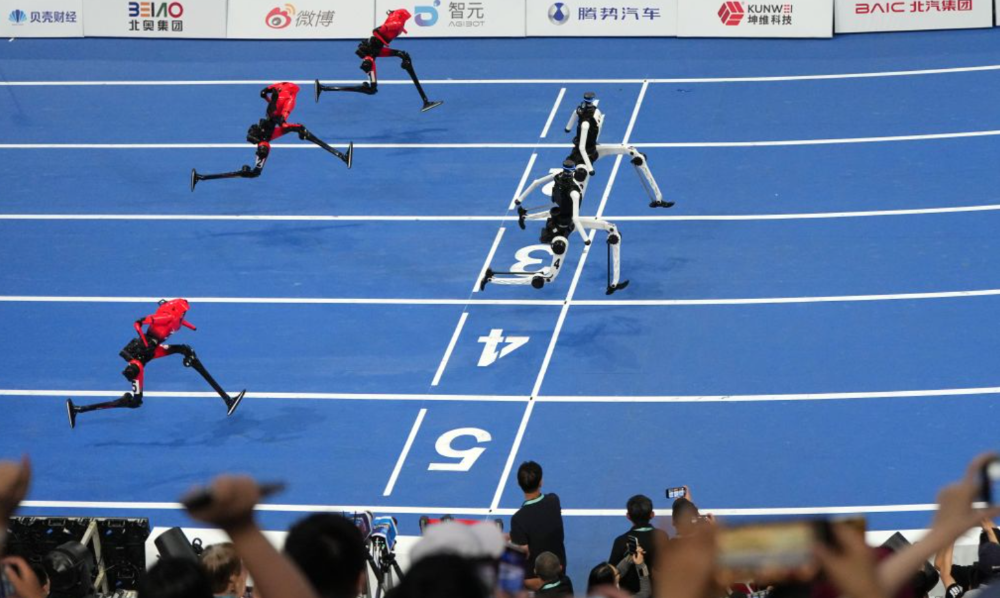
In late July, the RoboCup 2026 concluded in Incheon, South Korea, where Tsinghua University's THMOS team triumphed, defeating their opponent 6-2 to claim the humanoid robot soccer championship. This victory marks the team's second consecutive championship win, showcasing the advancements in robotics and artificial intelligence in competitive sports.
The significance of this achievement lies in the integration of sports and technology, with humanoid robots serving as a testing ground for embodied intelligence. The competition featured 364 teams from 45 countries, highlighting the growing intensity of robotics competitions over the past decade. The dominance of Chinese hardware platforms, particularly from Booster Robotics, played a crucial role in the success of multiple teams.
Looking ahead, the evolution of humanoid robots in soccer suggests a future where these machines may rival human athletes. With over 700 humanoid robots shipped globally and partnerships with more than 70 educational and research institutions, Booster Robotics is positioned to lead in this innovative field. No further timeline was disclosed at the time of publication.
Editor's Note
The success of the Tsinghua THMOS team at the RoboCup highlights the increasing convergence of robotics and competitive sports. As humanoid robots become more capable, they not only challenge traditional notions of athleticism but also drive advancements in AI and robotics technologies. This trend is likely to influence investment and development strategies within the robotics sector.




























Leave a comment