


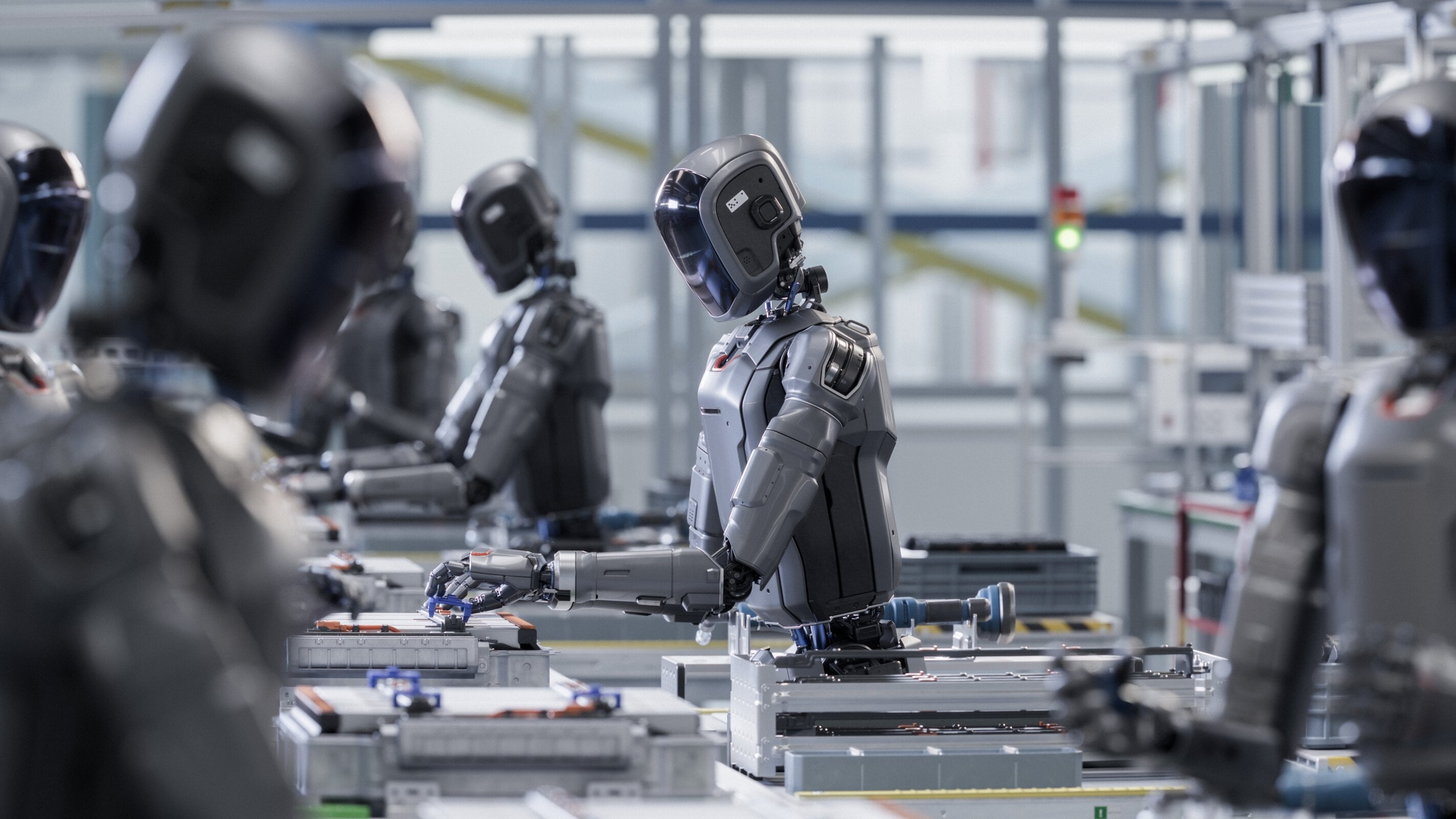
At BMW's Spartanburg factory in South Carolina, humanoid robots are actively sorting parts on the production line as part of a ten-year 'Physical AI' experiment. This initiative aims to transform the facility, which employs over 11,000 staff and produces more than 400,000 vehicles annually, into a global automotive manufacturing showcase.
The significance of this experiment lies in its potential to reshape the manufacturing workforce. The Figure 02 robot, deployed for an 11-month trial, assisted in producing over 30,000 BMW X3 vehicles by handling more than 90,000 metal parts with high precision. According to Brett Adcock, CEO of Figure AI, the deployment demonstrates that humanoid robots can be valuable assets in creating a flexible and reliable manufacturing labor force.
Looking ahead, the upgraded Figure 03 robot is set to take on more complex logistics sorting tasks, requiring advanced operational and decision-making capabilities. With a cost of $25 per hour, Figure 03 is part of BMW's broader $1.7 billion investment in expanding the Spartanburg plant and establishing a new battery factory, which will support the production of the iX5 electric vehicle by the end of 2026.
Editor's Note
The integration of humanoid robots into BMW's manufacturing processes highlights a significant shift towards automation in the automotive industry. This move not only enhances operational efficiency but also reflects the growing trend of utilizing advanced robotics to address labor challenges. As companies invest in such technologies, the competitive landscape in manufacturing is likely to evolve, emphasizing the importance of adaptability and innovation.























Leave a comment