

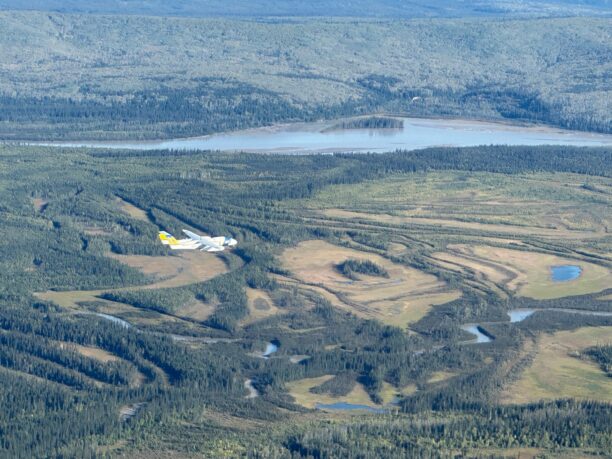
The Alaska Center for Unmanned Aircraft Systems Integration (ACUASI) successfully conducted a test flight carrying chilled human blood samples over a distance of 1,000 kilometers for the International Testing Agency (ITA). This 8-hour, 47-minute round trip from Nenana aimed to assess the viability of long-range drones in transporting biological samples without degradation.
This initiative is significant as it explores the potential of unmanned aircraft to enhance the efficiency of medical sample transport, particularly in remote areas. The ITA's interest in utilizing drones stems from their ability to cover greater distances at lower costs compared to traditional crewed aircraft, which could revolutionize the logistics of anti-doping efforts and medical testing.
Looking ahead, the results from this test could pave the way for broader applications of drone technology in healthcare and research. ACUASI's capabilities, combined with the operational efficiency demonstrated during this flight, suggest a promising future for drone-assisted medical logistics, especially in underserved communities in Alaska and beyond. No further timeline was disclosed at the time of publication.
Editor's Note
The successful test flight by ACUASI highlights the growing interest in drone technology for medical logistics, particularly in remote regions. As organizations seek to enhance supply chain efficiency, the integration of unmanned aircraft for transporting biological samples could significantly impact healthcare delivery and emergency response capabilities. This development aligns with ongoing trends in automation and intelligent manufacturing within the healthcare sector.
































Leave a comment