Seasats
"Ocean Autonomy That Works"
San Diego maker of small uncrewed surface vessels: the hand-launched Lightfish runs six months and 8,000 nm; Quickfish does 35+ knots.
Contact Seasats
WEBSITE
https://www.seasats.com/HEADQUARTERS
United States


Company Facts
Founded
-
Primary Role
Manufacturer
Company Size
employees 10-50
Primary Region
North America
Annual Sales
-
Funding Stage
Early-Stage VC
Funding Total
$ 40,000,000

Seasats Secures $24 Million in Orders for Lightfish USVs to Enhance Military Surveillance
Seasats, based in New Zealand, has reported securing $24 million in funded orders for its Lightfish unmanned surface vessel (USV) in August and early September. These orders include boats for the US Navy and Marine Corps, indicating a rising demand for small, long-endurance USVs among military users. The Lightfish, an 11-foot solar-powered drone boat, is designed for Intelligence, Surveillance, and Reconnaissance (ISR) missions. Its ability to operate autonomously for extended periods allows military forces to monitor vast maritime areas without deploying crewed vessels, thus providing a cost-effective solution for persistent maritime awareness. Looking ahead, Seasats aims to expand its offerings through its robot-as-a-service (RaaS) model, which allows military customers to utilize the USVs without the need for extensive maintenance and training infrastructure. No further timeline was disclosed at the time of publication.
Innovation Military
WRC 2026 Robot Systems: 149 Companies That Build Robots
149 of the 248 classified WRC 2026 exhibitors build finished robots. 93 build humanoid or legged machines. The audited humanoid sales number is one unit.

WRC 2026 Exhibitor Map: 248 Robotics Companies Mapped
We classified 248 WRC 2026 exhibitors with the RobotToday taxonomy. Motion & Actuation leads at 75 companies, Humanoid at 72, and compute stays thin at 12. (Modified 2026-08-27)
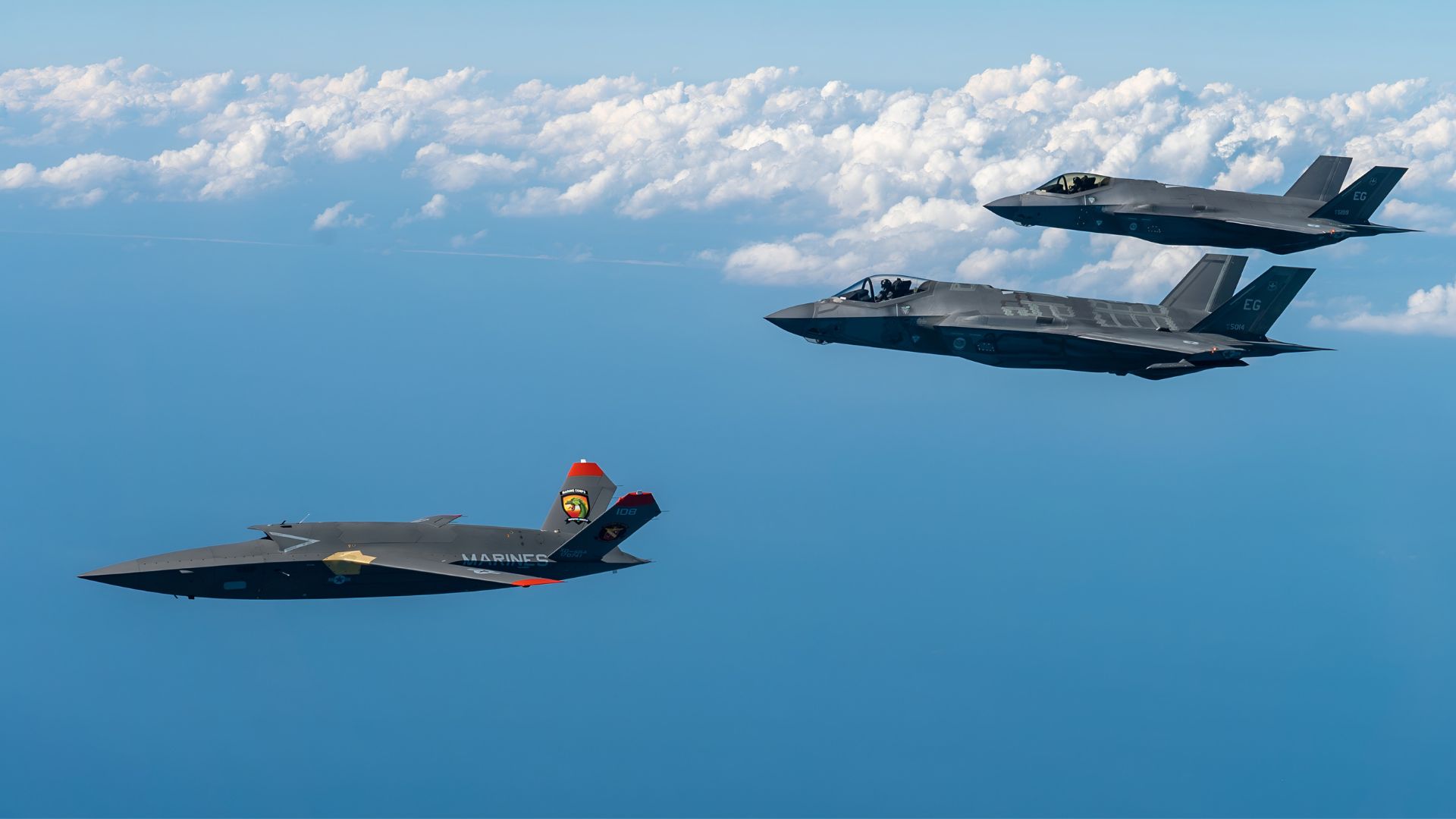
Kratos Defense's Valkyrie Drone Completes Successful Flight with F-35 Fighters
The US military is advancing towards integrating uncrewed aircraft with advanced fighter jets, specifically the F-35 and F/A-18. Kratos Defense & Security Solutions has showcased its XQ-58A Valkyrie drone's capabilities during a recent flight test in Southern California, where it successfully operated alongside Marine Corps fighters. This demonstration is significant as it highlights the potential for autonomous aircraft to enhance mission capabilities in contested airspaces. The Valkyrie's successful launch from a zero-length system and its ability to transition control between different systems underscore the importance of interoperability in military operations. Looking ahead, Kratos plans to scale production of the Valkyrie, aiming for over 150 unmanned aircraft systems by 2026. The ongoing collaboration with Northrop Grumman for the MUX TACAIR program will further adapt the Valkyrie for advanced missions, emphasizing the need for open-architecture systems in modern military aviation.
Military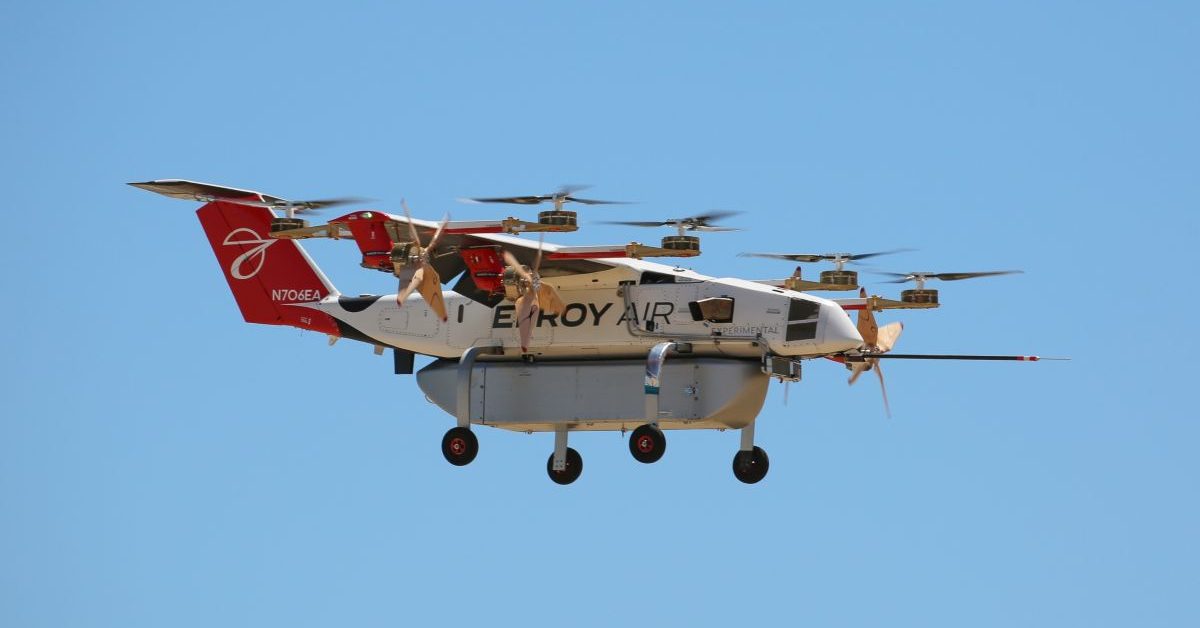
Elroy Air Receives $46 Million from US Army for Advanced Heavy-Lift Drone Development
Elroy Air has secured a $46 million multi-year contract from the US Army to enhance its autonomous hybrid-electric VTOL cargo drone, the Chaparral. This contract aims to improve the drone's capabilities in challenging military environments, focusing on modular cargo delivery and operational efficiency alongside troops. The significance of this contract lies in its alignment with the Army's emphasis on 'contested logistics,' ensuring supply continuity amid disruptions. Elroy Air's Chaparral drone, capable of carrying over 500 pounds, is designed for operations without fixed infrastructure, making it ideal for remote or damaged locations. Looking ahead, Elroy Air plans to start manufacturing the Chaparral in the US later this year, partnering with Kratos Defense & Security Solutions. While the current focus is military, the company also aims to expand the drone's applications in commercial logistics and disaster response, indicating a broader market potential for autonomous cargo delivery.
News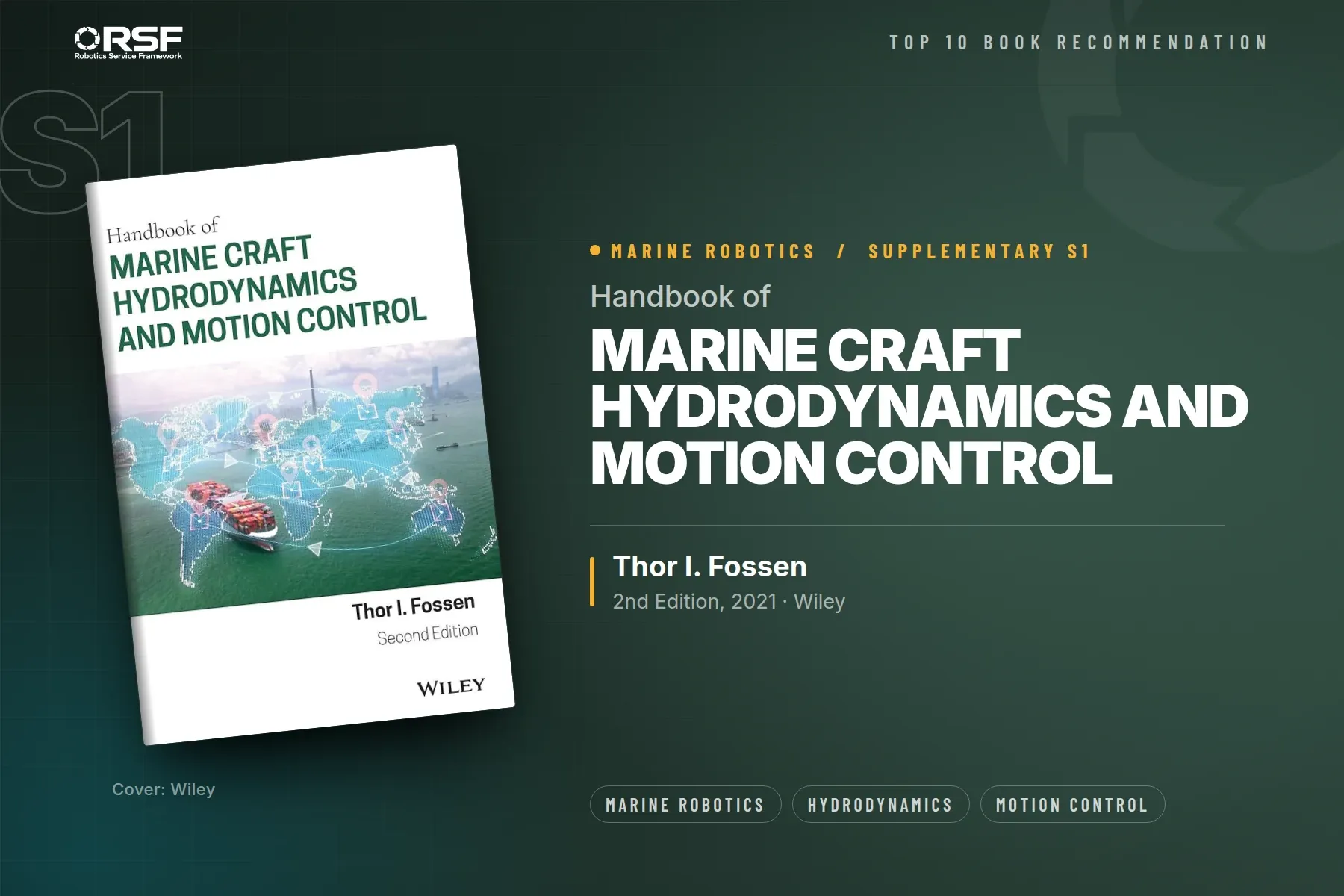
Handbook of Marine Craft Hydrodynamics and Motion Control Thor I. Fossen — RSF Specialist Shelf · Book S1 of 6
Added mass, wave loading, DVL navigation: the marine GNC reference for USV, ROV and AUV service engineers. The hardest book on the RSF list, 5/5.
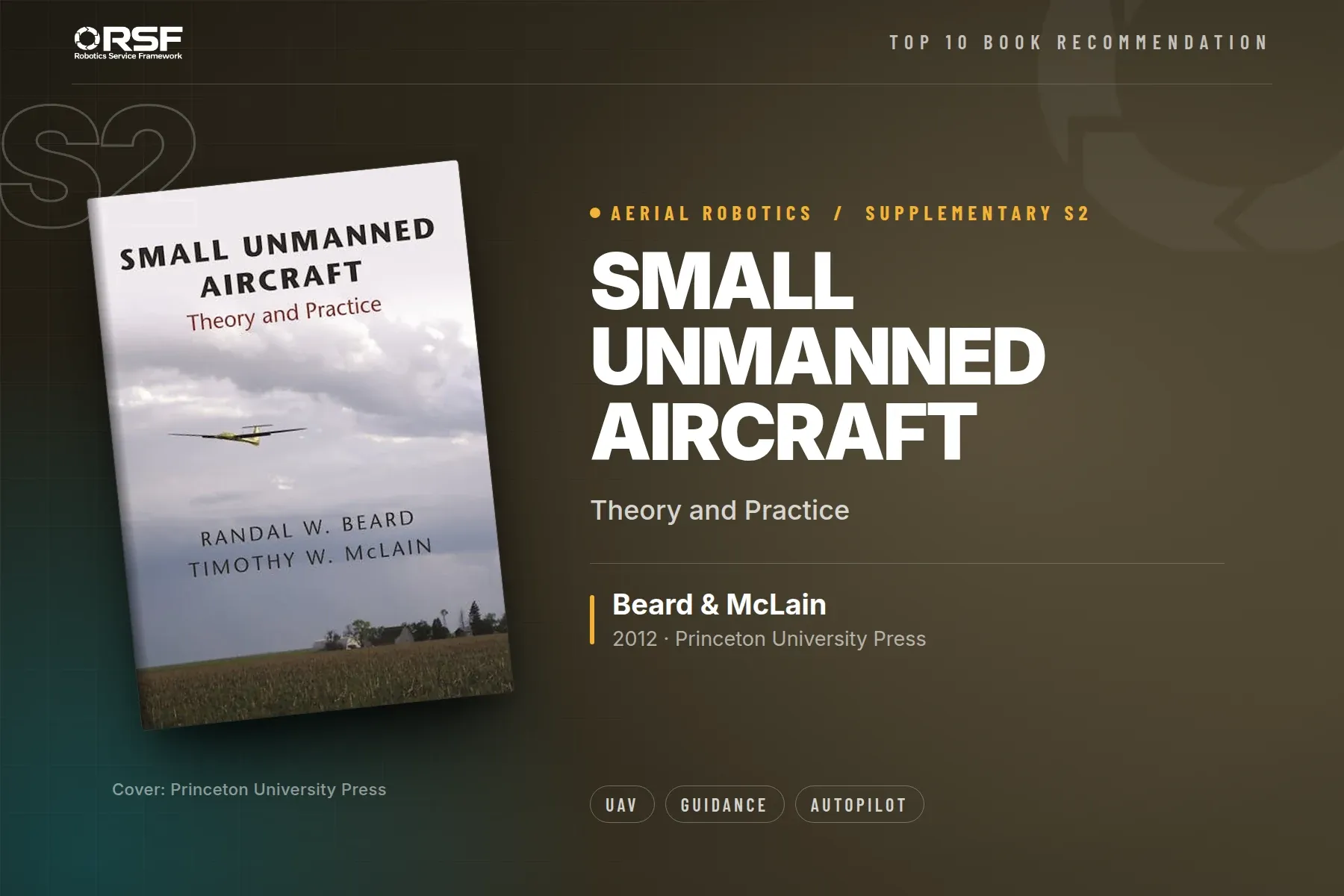
Small Unmanned Aircraft: Theory and Practice Beard & McLain — RSF Specialist Shelf · Book S2 of 6
Beard & McLain derive the fixed-wing autopilot the RSF Top 10 never does: successive loop closure on roll, pitch, altitude and airspeed. 4/5.
Seasats' Lightfish USV Encounters Chinese Destroyer, Raising Engagement Rule Concerns
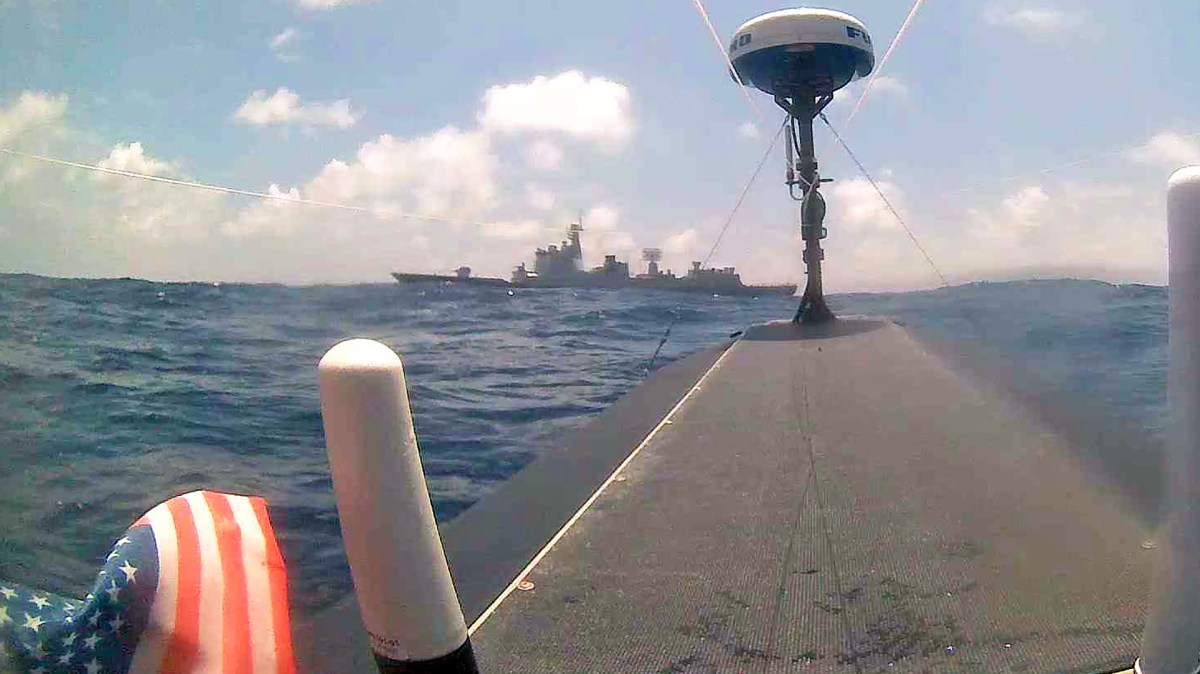
A Lightfish uncrewed surface vessel (USV) owned by Seasats had a notable encounter with a Chinese Type 052D guided missile destroyer near the Philippines. The incident, reported by Reuters, occurred approximately 73 miles northeast of Luzon Island, highlighting the increasing presence of USVs in strategic maritime areas. This encounter underscores the potential risks posed by USVs to advanced naval vessels, raising critical questions about the rules of engagement for navies and merchant ships operating in contested regions. The Luzon Strait, a vital waterway, could become a focal point for future conflicts, particularly in the context of tensions surrounding Taiwan. The Lightfish USV, which can operate for extended periods thanks to its solar-powered hybrid system, tracked the Chinese destroyer from a distance of about 10 nautical miles. While the destroyer took evasive action upon noticing the USV, the intent behind the encounter remains unclear. No further timeline was disclosed at the time of publication.
Sea Destroyers Navies People's Liberation Army Navy (China) Unmanned Surface Vessels (USVs)
Kratos announces Oklahoma plant expansion to boost jet drone production
Kratos Defense & Security Solutions has expanded its manufacturing campus in Oklahoma City with the addition of more than 100,000ft2 of production and assembly space.
News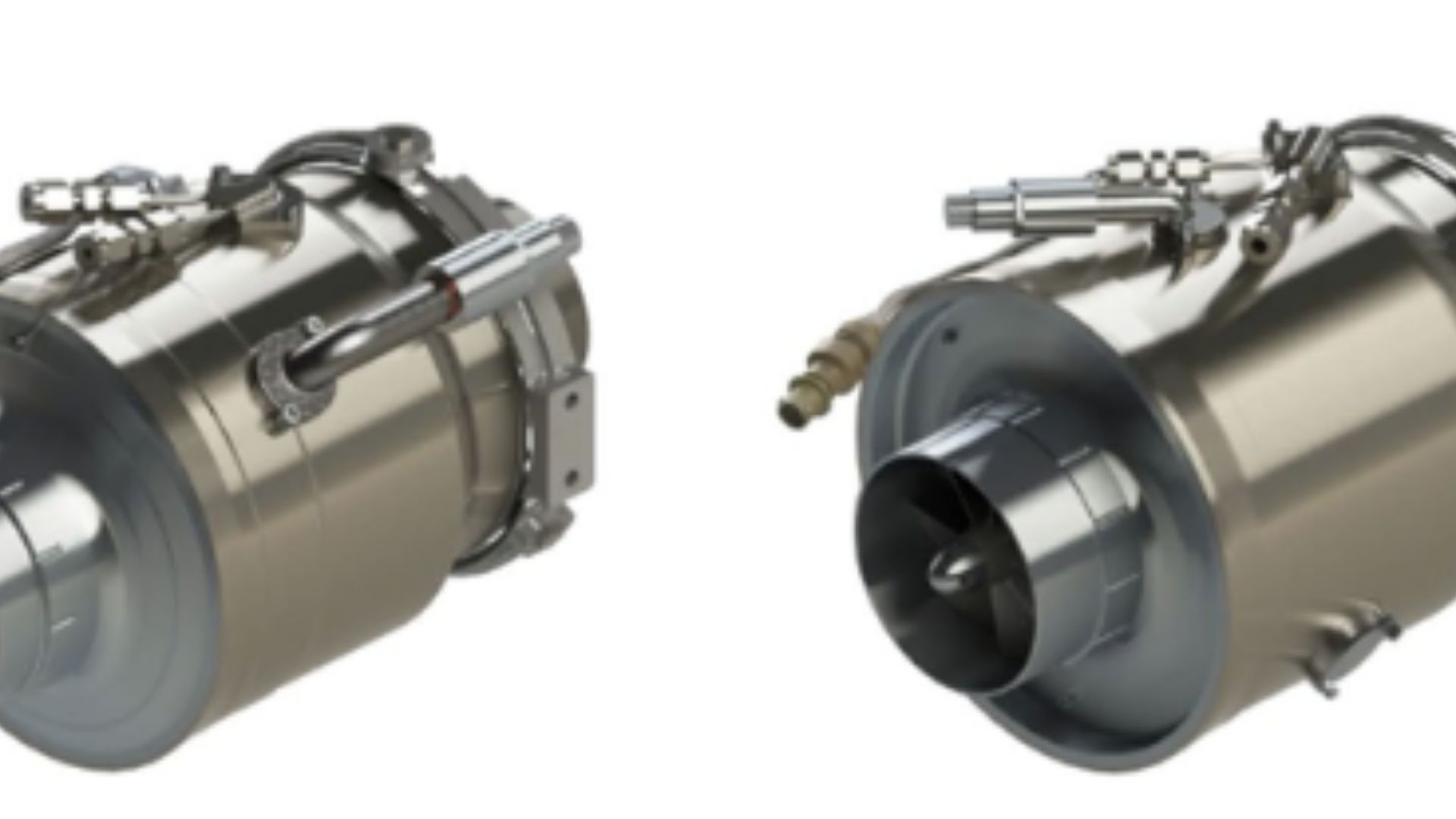
Kratos to upscale engine production to 3000 units for powering one way attack drones
Kratos Defense & Security Solutions is significantly increasing its manufacturing capacity for the Spartan family of unmanned aerial vehicles (UAVs) to meet growing demand. This strategic move comes as the company aims to enhance its production capabilities in response to heightened interest from both military and commercial sectors. The expansion is set to take place at Kratos' facilities in California, with plans to streamline operations and implement advanced technologies to boost efficiency. The decision to ramp up production is driven by the rising need for advanced drone systems, which are increasingly being utilized for surveillance, reconnaissance, and various defense applications. By enhancing its manufacturing capabilities, Kratos seeks to solidify its position as a leader in the UAV market and ensure timely delivery of its products to clients.
News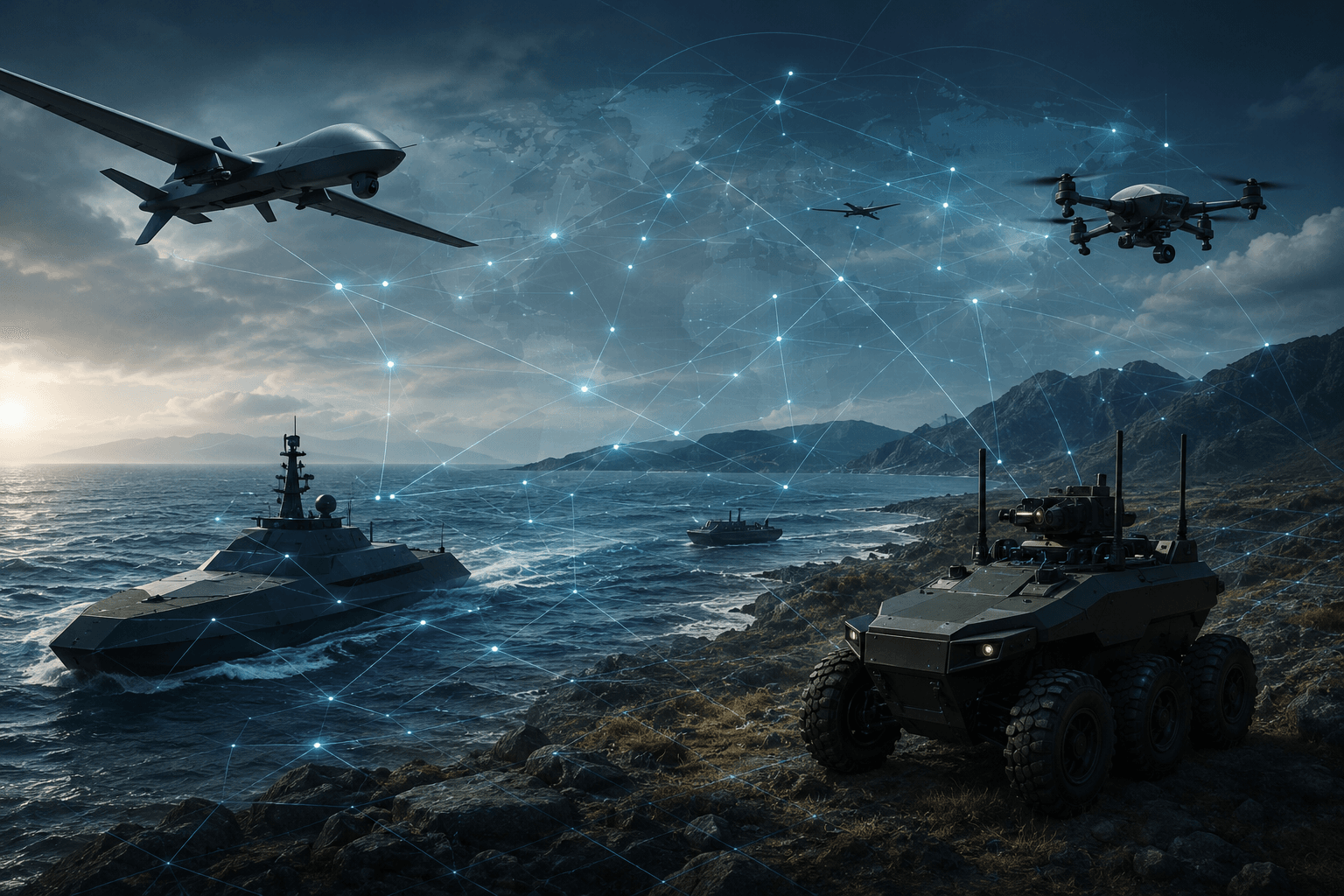
FUTURE WARFARE | Cross-Domain Integration - Integration How Land, Sea, Air and Software Are Converging Into a Single Kill Chain
Cross-domain robotics is reshaping modern warfare as drones, UGVs, AI targeting systems, and autonomous logistics converge into a single networked kill chain across land, sea, air, and software.

GLOBAL ROBOTICS INDUSTRY Comprehensive Sector Overview
A comprehensive global robotics industry overview for 2025, analyzing 14 key market segments — from industrial and humanoid robots to logistics AMRs, military systems, and service robots — with expert market sizing, US case studies, five-year forecasts, and bilingual English-Chinese analysis for executives and investors.
FUTURE WARFARE | Air - Collaborative Combat Aircraft, Drone Motherships & the Autonomy Race Above the Battlefield
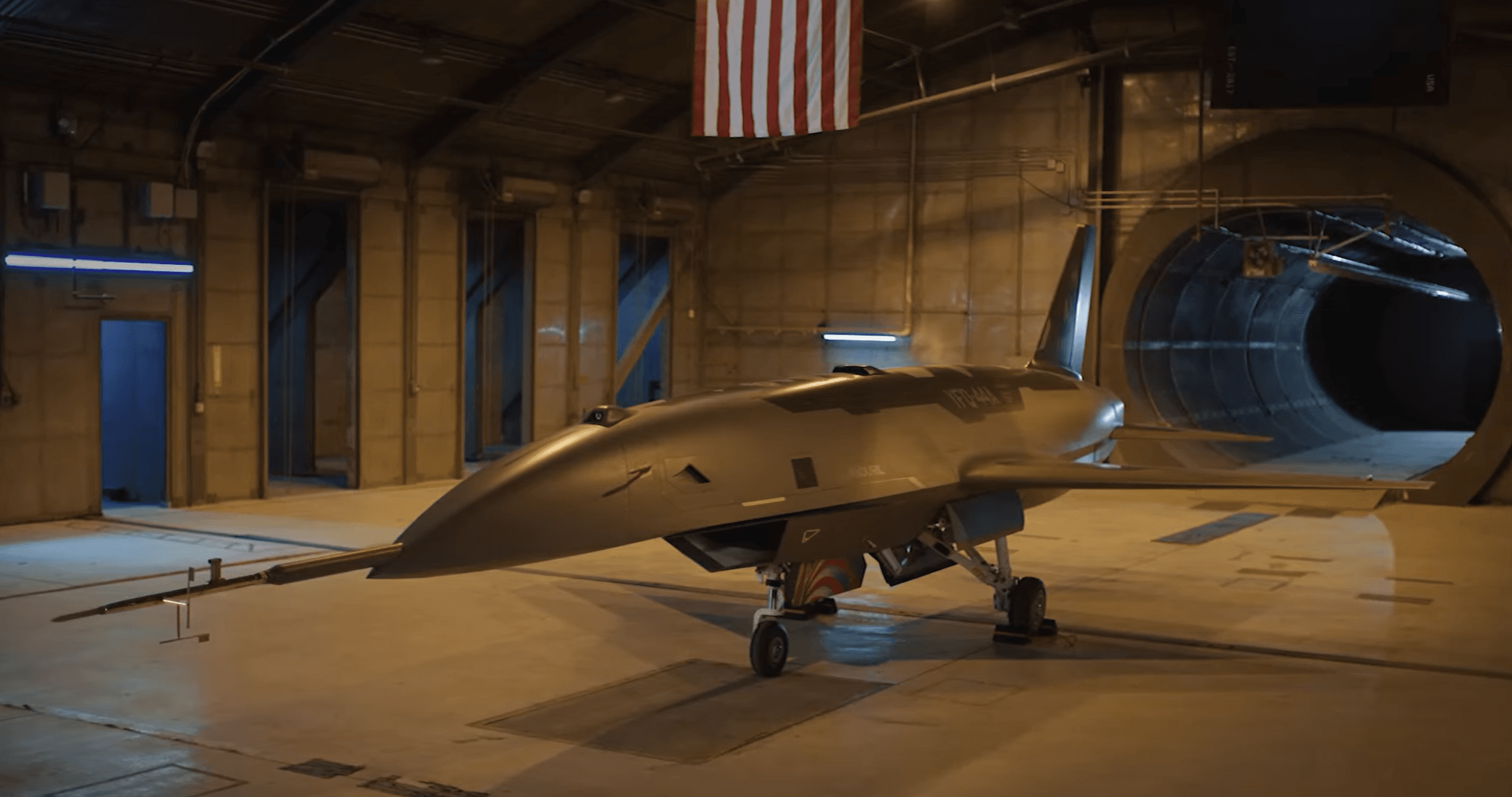
Anduril’s YFQ-44A Fury flew its first semi-autonomous mission on 31 October 2025 — 556 days from contract to flight. By February 2026 it was carrying live missiles and swapping autonomy software mid-flight. China’s Jiutian drone mothership flew on 11 December 2025, capable of releasing over 100 loitering munitions from its internal bay at 15,000 metres. And the U.S. Air Force is standing up its second experimental one-way attack drone unit for mid-2026. This article maps the most consequential aerial autonomous systems competition in history: the CCA programme that will determine U.S. air dominance in the 2030s, the Valkyrie’s surprising rebirth, the A-GRA open-architecture breakthrough, and the Chinese drone mothership that has no Western equivalent.
FUTURE WARFARE | Sea - Autonomous Surface Vessels & Unmanned Underwater Vehicles — The Hybrid Fleet Takes Shape
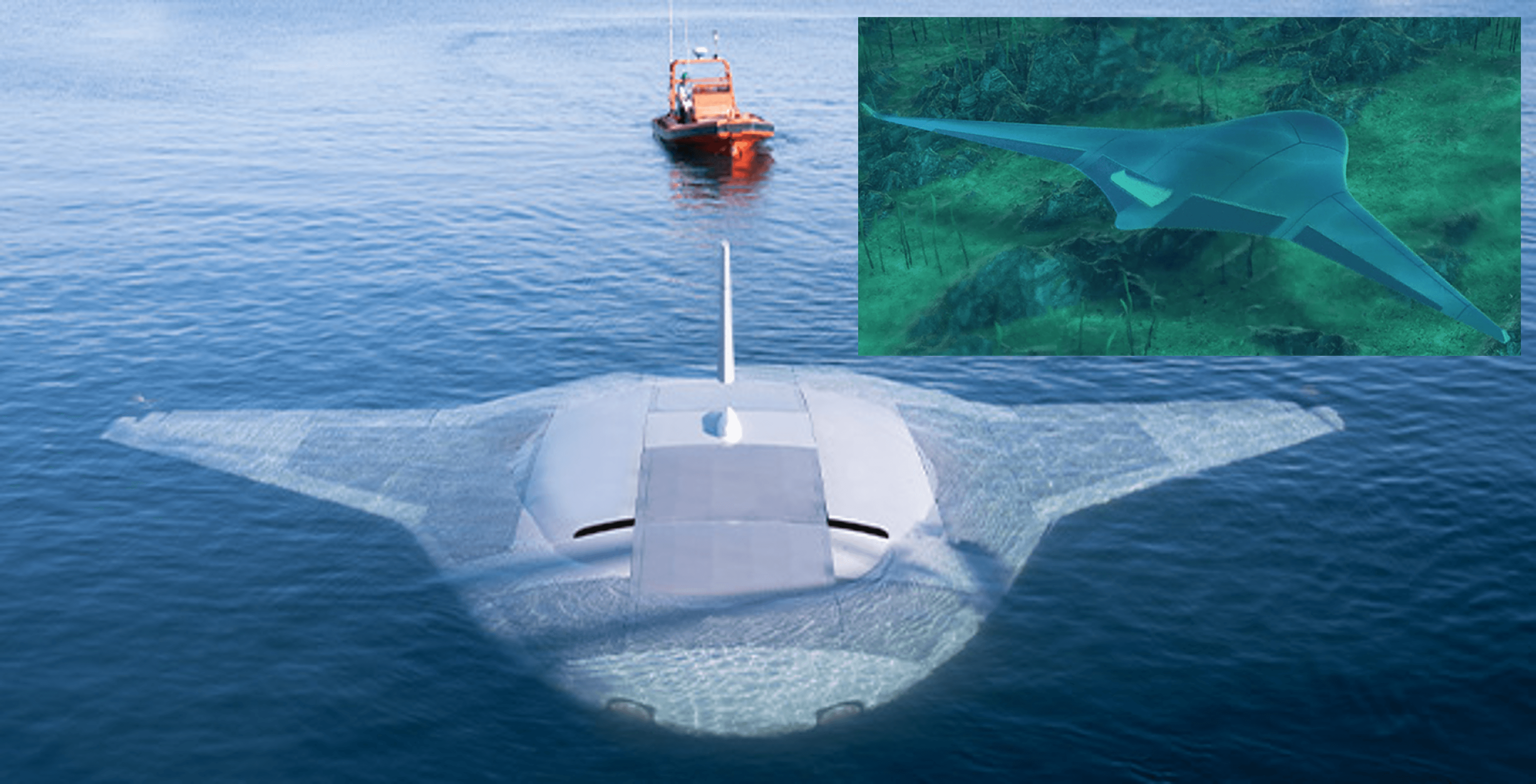
Ukraine’s ‘Sub Sea Baby’ autonomous torpedo struck a Russian Kilo-class submarine inside Novorossiysk harbour in December 2025 — the first confirmed underwater drone attack on a submarine in history. The U.S. Navy is requesting $5.3 billion for unmanned maritime systems in FY2026, a 70 percent year-on-year increase. Saronic Technologies went from prototype to $392 million production contract in under 12 months. And DARPA’s Manta Ray XL-UUV completed full-scale sea trials. This article maps the maritime autonomous systems revolution — from Ukraine’s improvised Black Sea fleet to the Pentagon’s hybrid manned–unmanned force of the 2030s, and from Saronic’s Franklin, Louisiana shipyard to Boeing’s 85-tonne robot submarine.
FUTURE WARFARE | Land - Unmanned Ground Vehicles — From Logistics Mules to Front-Line Robots
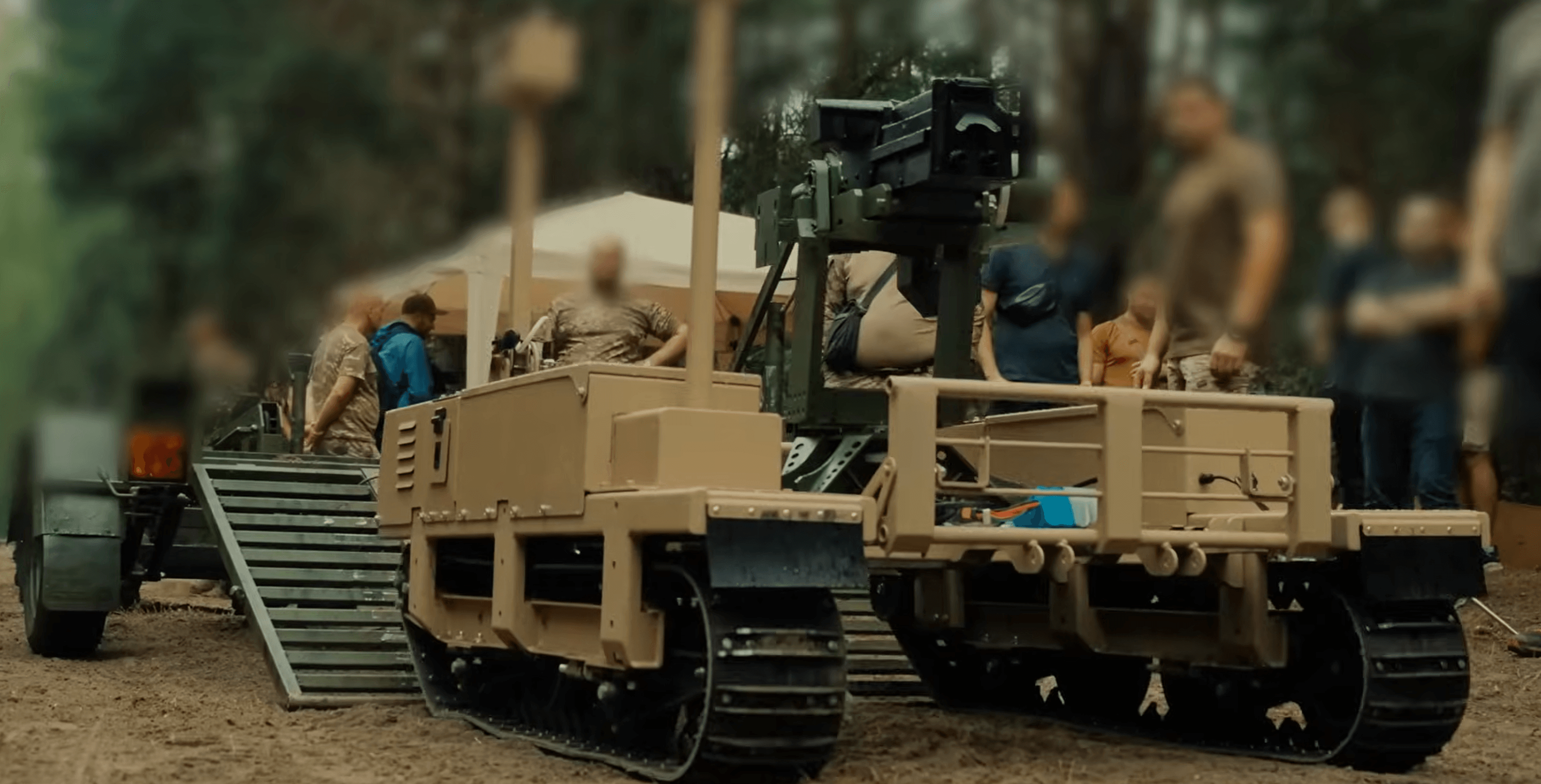
Ukraine fielded 15,000 unmanned ground vehicles in 2025 — surpassing its own procurement targets by over 100 percent. A single UGV held a front-line position for 45 days. Up to 90 percent of supplies to Pokrovsk now move by robot, not truck. The U.S. Army cancelled its $3 million Robotic Combat Vehicle and is starting over. China is deploying $3,000 robot dogs in PLA urban-warfare exercises. This article maps the emerging UGV battlefield — from Ukraine’s garage-built logistics fleet to the Pentagon’s stalled combat-vehicle ambitions, and from Ghost Robotics’ Vision 60 to the quadruped proliferation problem no treaty has yet addressed.
RS Aqua Announces Strategic Partnership with US -based Seasats to Bring Autonomous Surface Vehicles to UK and Ireland Defence Market
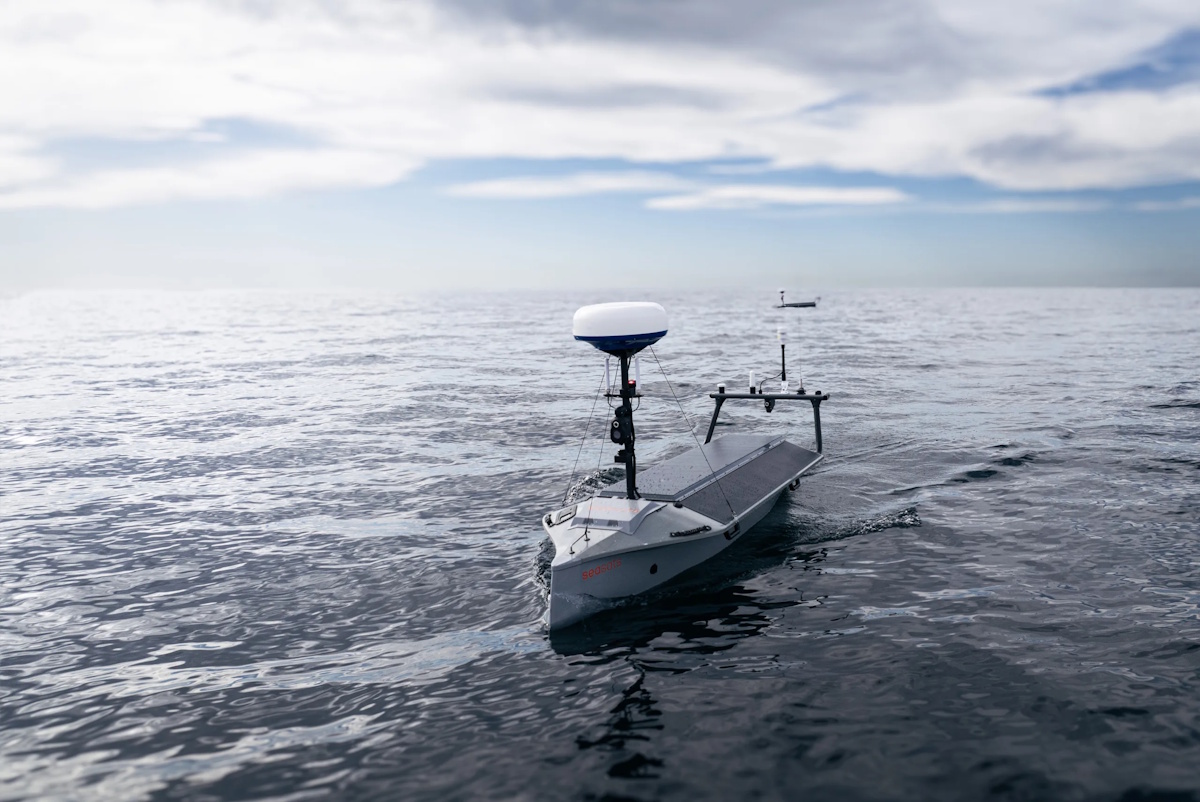
RS Aqua has formed a strategic partnership with Seasats, a developer of unmanned surface vehicles (USVs) based in San Diego, to launch a new range of security platforms tailored for the defense market in the United Kingdom and Ireland. This collaboration aims to enhance maritime security capabilities in these regions, responding to an increasing demand for advanced surveillance and operational solutions. The partnership is expected to leverage Seasats' innovative technology and RS Aqua's established presence in the UK and Ireland to effectively address the evolving security challenges faced by defense sectors.
rs aqua
Kraken Robotics Revenue Surges as the Global USV Market Accelerates
Kraken Robotics posts record revenue growth as subsea sensing and autonomy demand surges, highlighting strong momentum in the global USV market.
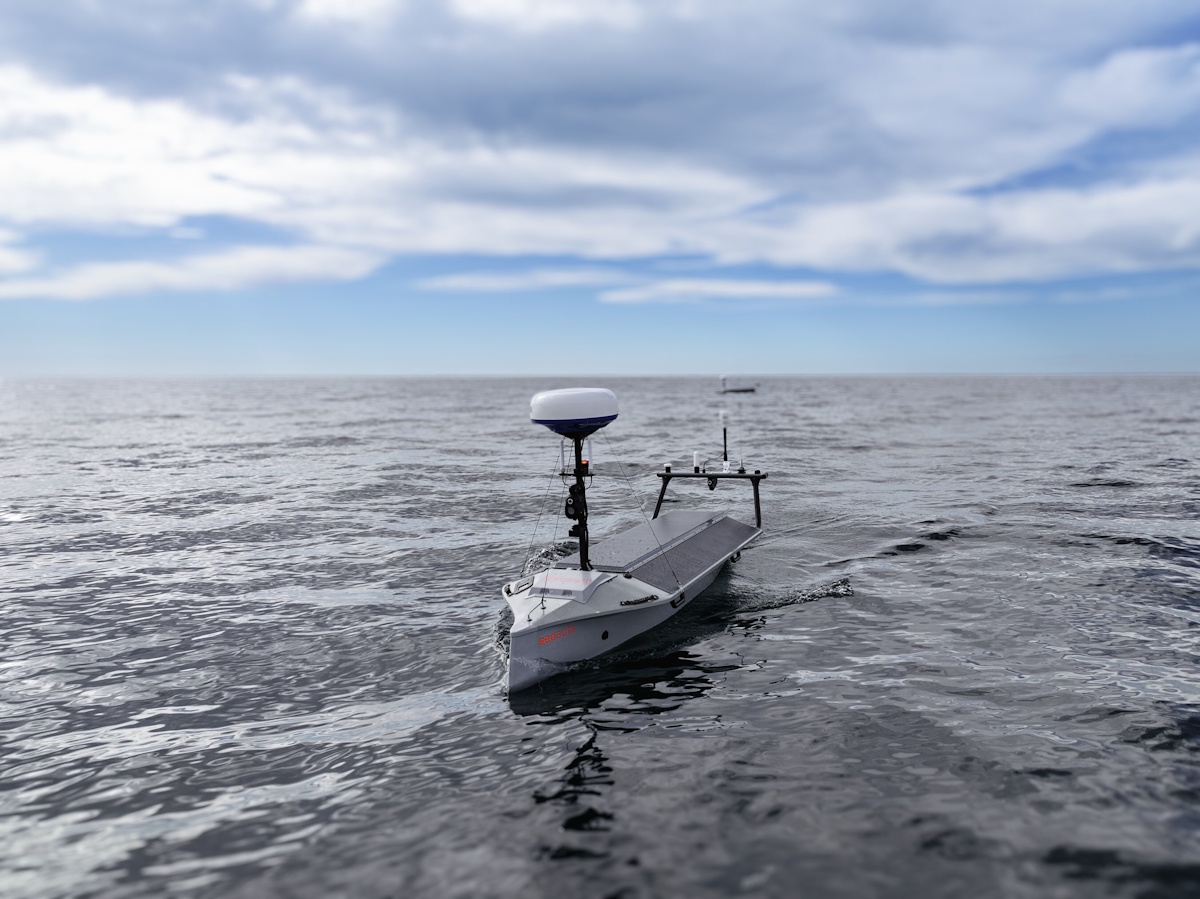
Seasats Awarded $89M U.S. Navy SBIR Phase 3 IDIQ Contract, Building on Series of Operational Milestones
Seasats, a prominent designer and manufacturer of unmanned surface vehicles (USVs), has secured an $89 million contract under the Small Business Innovation Research (SBIR) Phase 3 Indefinite Delivery Indefinite Quantity (IDIQ) program from the Naval Information Warfare Center Atlantic. This contract aims to bolster the Marine Corps' efforts in developing and deploying USVs. The award reflects Seasats' significant progress and increasing involvement in enhancing maritime autonomy, following a series of recent achievements that underscore the company's capabilities in this evolving field.
seasats contract award u.s. navy
Seasats Introduces the Lightfish Security System: A Cost-Effective, Modular ASV for Persistent Maritime Domain Awareness
Seasats, a U.S. company specializing in autonomous maritime systems, has unveiled its latest innovation, the Lightfish Security System. This advanced autonomous surface vehicle (ASV) is engineered to enhance intelligence, surveillance, and reconnaissance (ISR) capabilities across various environments, including coastal areas, harbors, and open oceans. The launch of the Lightfish Security System aims to address the growing demand for persistent maritime monitoring and security solutions. By integrating cutting-edge technology, Seasats seeks to provide a reliable tool for maritime operations, ensuring enhanced safety and operational efficiency in critical areas.
seasats lightfish security system modular asv persistent maritime domain awareness
Seasats Secures Funding to Accelerate Growth of Autonomous Maritime Solutions
Seasats, a San Diego-based company specializing in autonomous surface vehicles (ASVs), has secured $10 million in a strategic funding round led by Shield Capital, a Silicon Valley venture capital firm focused on dual-use technologies that enhance national security. The funding round also attracted investments from Aero X Ventures, Techstars, and other contributors. This financial boost will support Seasats' efforts to expand its maritime autonomy solutions globally, positioning the company for significant growth in the evolving market of autonomous maritime technology.