
-
Website: https://www.americanunmannedsystems.com
-
Email: [email protected]
PO Box 113380
Stamford, Connecticut 06901


American Unmanned Systems manufactures the Guardian unmanned helicopter UAS for military ISR missions. The platform supports multi-payload configurations including EO/IR sensors, threat detection, firefighting, and search and rescue, enabling manned-unmanned teaming operations.
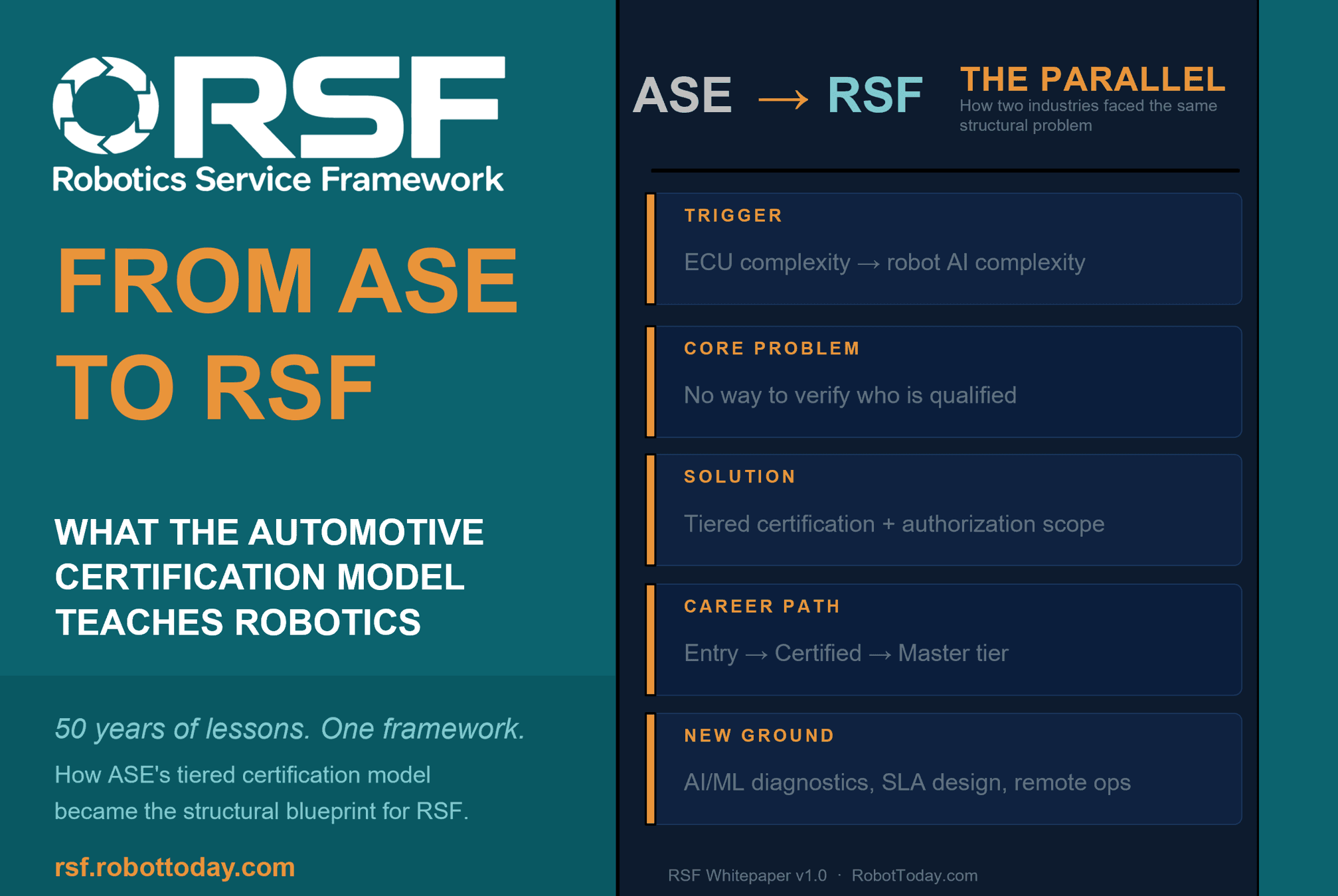
RSF defines a common language for robot service capability, lifecycle operations, certification pathways, and service-provider networks.
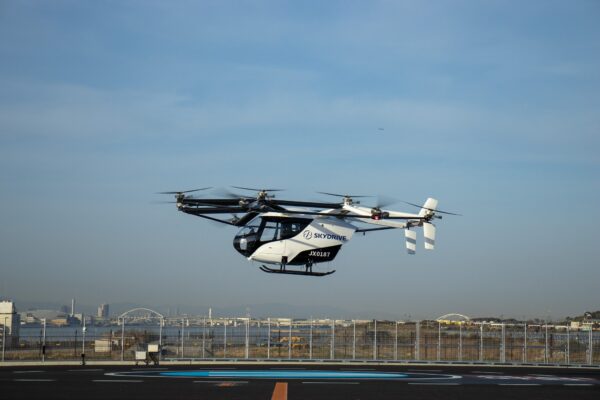
SkyDrive Inc. successfully conducted two demonstration flights of its SD-05 eVTOL aircraft in Yamaguchi Prefecture on July 13, 2026. These flights were part of a test aimed at showcasing the aircraft's potential for tourism, with a commercial launch planned for 2028. The flights simulated a scenic tour over the Seto Inland Sea, highlighting the seamless transition from ground transport to air travel. The significance of these flights lies in their demonstration of SkyDrive's commitment to urban air mobility and tourism integration. Witnessed by notable figures including Yamaguchi Prefecture's governor and the president of Suzuki Motor Corporation, the flights operated autonomously, emphasizing safety and efficiency. The successful execution of these flights marks a critical step toward the company's goal of launching commercial eVTOL services by 2028. Looking ahead, SkyDrive aims to enhance its eVTOL infrastructure further, with plans to collaborate with rail partners for integrated travel solutions. While tourism is a primary focus, the company envisions broader applications of eVTOL technology, including disaster relief and emergency medical services. No further timeline was disclosed at the time of publication.
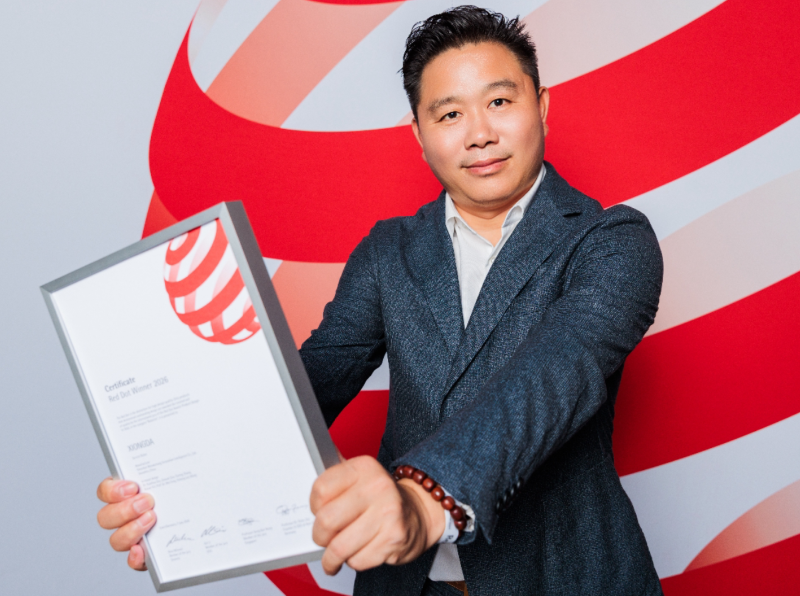
Advanced Air Mobility Drone News Drone News Feeds Japan Drone Industry Japan Drone News NewsThe Shenzhen-based company, Wandachang Innovation Intelligent Co., has won the prestigious Red Dot Award for its Panda-inspired meal delivery robot, known as Xiong Da. This recognition highlights the robot's unique design that embodies Eastern aesthetics, setting it apart in a market often dominated by minimalist technology. The significance of this award lies in its affirmation of Wandachang's commitment to blending cultural heritage with advanced robotics. The Xiong Da robot features a bionic design inspired by the giant panda, integrating a SLAM positioning system and multi-sensor technology for efficient navigation in narrow spaces. This innovative approach positions the robot as not just a tool, but a companion that resonates emotionally with users. Looking ahead, Wandachang aims to expand its intelligent service system for healthcare and wellness, leveraging its award-winning design to tell the story of Chinese manufacturing on a global stage. No further timeline was disclosed at the time of publication.
Robotics Product Design Cultural Aesthetics Healthcare TechnologyHospitals are increasingly adopting automation to enhance care delivery by integrating software for administrative tasks, utilizing robots for logistics, and deploying AI for documentation and scheduling. These advancements aim to reduce waiting times and streamline workflows, allowing clinical teams to focus more on patient care. However, despite these technological improvements, healthcare automation faces a significant limitation: the availability of physicians. Even with optimized back-office operations and improved information flow, the system can falter if the right doctors are not present in necessary specialties and locations, leading to delays in patient care. As automation becomes a standard part of hospital operations, the challenge of matching physician availability with patient demand intensifies. The reliance on robotic process automation (RPA) to alleviate administrative burdens highlights the need for a balanced approach that addresses both technological and human resource constraints in healthcare delivery. No further timeline was disclosed at the time of publication.
Automation Health artificial intelligence automation digital health healthcare automationWTWH Media, the parent company of The Robot Report, has officially rebranded as Arrowfly. This change reflects its evolution from a specialized trade publisher to a comprehensive B2B media, events, and marketing entity. Arrowfly aims to connect hard-to-reach professional decision-makers with trusted journalism and industry intelligence across three key sectors: Engineering, Healthcare and Life Sciences, and Food, Retail, and Hospitality. The rebranding is significant as it positions Arrowfly to better serve professionals through its extensive portfolio, which includes over 40 vertical media brands and more than 45 industry events. The company emphasizes that while its name and visual identity have changed, its commitment to editorial independence and community engagement remains steadfast. This transformation is designed to strengthen the connections within its professional networks and enhance the overall experience for its audience. Looking ahead, Arrowfly is poised for growth and expansion, with a focus on maintaining the trust it has built over the years. The leadership, including CEO Matt Logan, highlights the importance of editorial authority and community reliance in driving decision-making. No further timeline was disclosed at the time of publication.
Business Resources News Press Release Arrowfly WTWH WTWH MediaRobotics and automation are transforming various sectors, including manufacturing, healthcare, and logistics. While these technologies enhance efficiency and reduce costs, they still require human intervention for troubleshooting. Nearshore call centers have emerged as essential support systems, providing real-time assistance for complex technical issues that automated systems cannot resolve. As businesses increasingly adopt automation, the need for effective customer support becomes critical. Nearshore call centers offer a cost-effective solution, delivering high-quality support that enhances customer experience. These centers facilitate smoother communication and faster response times due to their proximity and cultural familiarity, ensuring that customers receive the personalized assistance they need when unexpected issues arise. Looking ahead, companies must balance operational efficiency with customer satisfaction. The role of nearshore call centers will continue to be vital in maintaining service standards, offering multilingual support, and ensuring that customers can easily access help. No further timeline was disclosed at the time of publication.
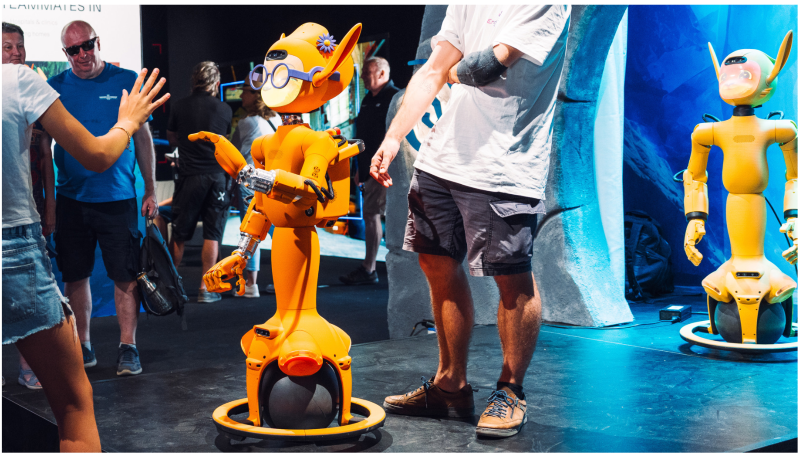
Business Communications artificial intelligence automation business automation contact centersAt the Goodwood Cricket Ground, a fox-eared robot on roller skates greeted visitors without imitating humans or threatening to replace them, showcasing its unique identity. This event, part of the FOS Future Lab's Intelligent Systems Zone, featured three exhibitors presenting diverse answers to the question of what intelligent machines should do for humanity. One Sheffield startup, led by Raspberry Pi co-founder Liz Upton, demonstrated a method for programming robots using simple English. A robotic arm responded to natural language commands, with COO Eleanor Tang-Smith emphasizing the goal of making robots perform tasks that humans find tedious. Meanwhile, a large screen displayed a real-time reconstruction of Goodwood's famous Taylor Garage, merging digital and physical worlds seamlessly. The fox-eared robotic dogs, designed in Paris, avoided the 'uncanny valley' by engaging with humans through expressive features. They are already in use in hospitals and airports for tasks like transporting and assisting, allowing humans to focus on more urgent matters. The event highlighted three approaches to human-robot interaction, emphasizing the importance of language, vision, and gestures in redefining the interface between humans and machines.
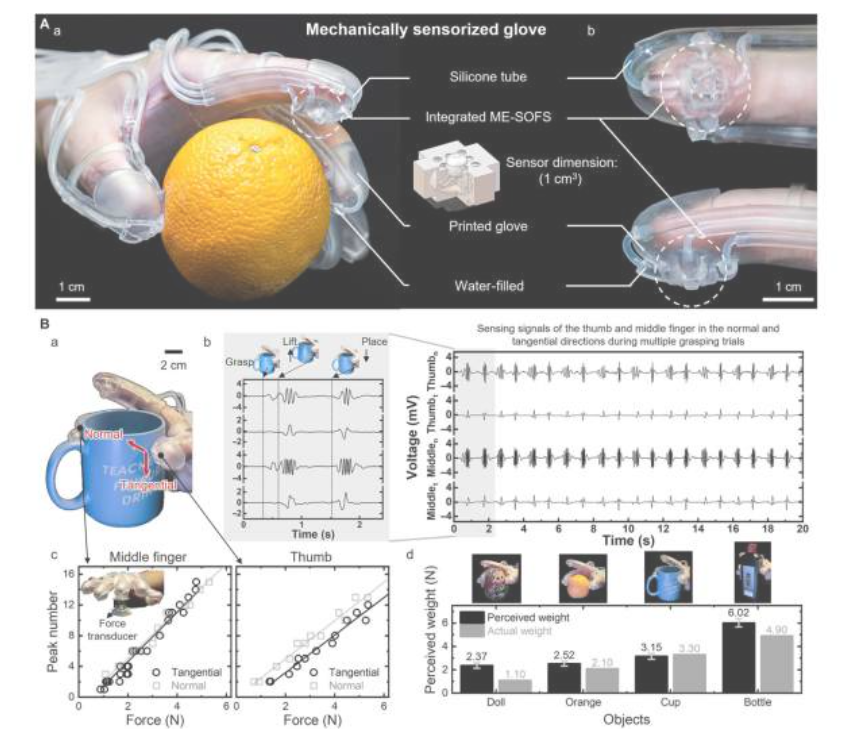
Robotics AI Spatial Computing Human-Robot InteractionA research team from the National University of Singapore has introduced a groundbreaking soft force sensor called ME-SOFS, which converts touch into fluid-driven motion without any electronic components. This innovative sensor features a 3D-printed soft porous structure with a central pillar connected to five fluid-filled chambers. When pressure is applied, the pillar tilts, compressing the corresponding chamber and driving fluid to actuators, enabling the detection of forces in multiple directions. The significance of ME-SOFS lies in its ability to operate without electronic interference, making it ideal for applications in medical training and elderly care. The sensor can generate readable signals through integrated magnets and coils, allowing it to measure force without external power. This technology has been successfully demonstrated in a soft glove that detects grip strength and predicts object weight, as well as in a tactile feedback system that enables operators to control robotic arms through force feedback. Looking ahead, the ME-SOFS sensor demonstrates robust performance under extreme conditions, such as high temperatures and underwater pressures. Its unique design allows it to function effectively in various environments, making it a valuable tool for soft robotics that require safe interaction with humans. No further timeline was disclosed at the time of publication.
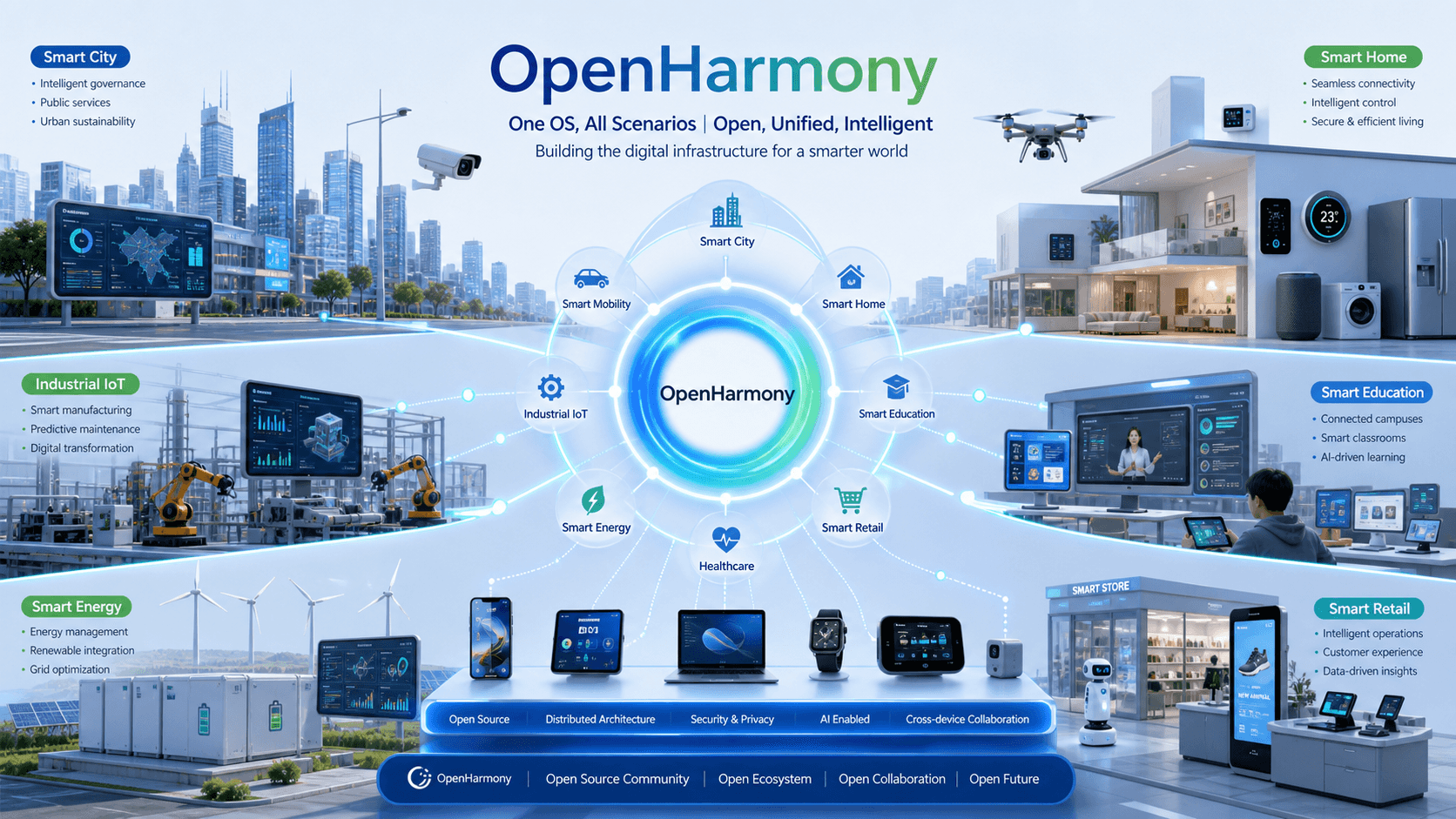
Soft Robotics Fluid Sensors Mechanical Systems Robotics TechnologyOpenHarmony has reached significant milestones, surpassing 13,000 contributors and 140 million lines of code, while powering 1.3 billion devices in its ecosystem. This growth is pivotal for driving digital transformation across various sectors, including mining, power, healthcare, and government services. The expansion of OpenHarmony's ecosystem highlights its role in facilitating technological advancements and improving operational efficiencies in industries that are critical to modern society. With its extensive codebase and contributor network, OpenHarmony is positioned to influence the future of digital infrastructure. Looking ahead, stakeholders should monitor how OpenHarmony continues to evolve and adapt to the needs of diverse industries. No further timeline was disclosed at the time of publication.
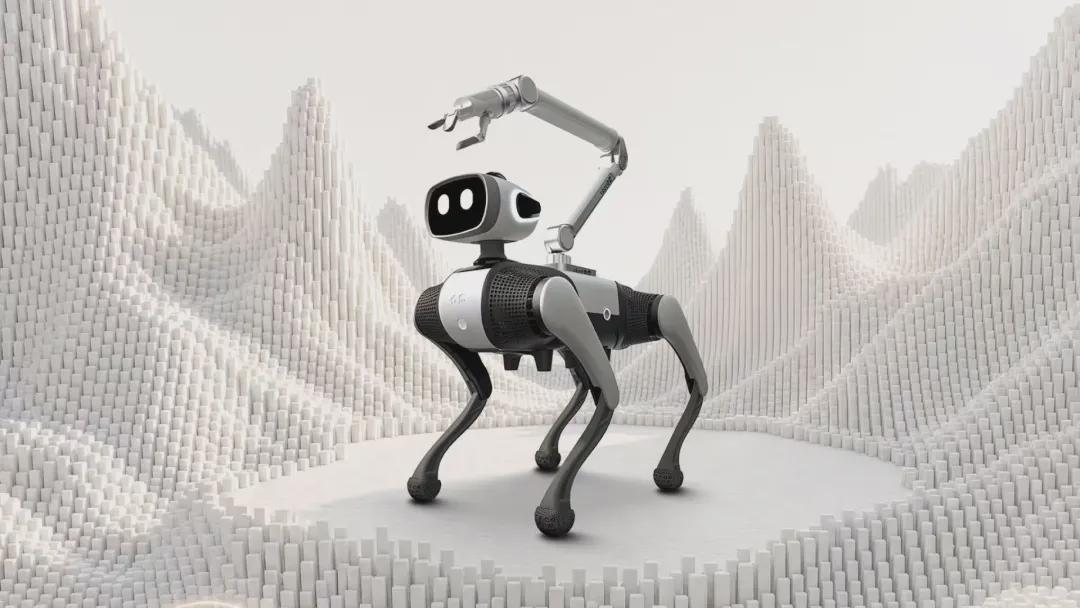
TechnologyVbot has introduced the Daitou EDU, a quadruped robot development platform designed for real-world applications. Unlike traditional robots that focus on speed and agility, the Daitou EDU emphasizes the importance of practical use cases in various sectors, such as property management and healthcare. The significance of the Daitou EDU lies in its advanced capabilities, including 128 TOPS edge computing power, integrated perception hardware, and autonomous mobility features. This platform allows developers to create applications without starting from scratch, addressing the gap between robotic capabilities and practical applications in diverse environments. Looking ahead, the Daitou EDU represents a shift in the robotics industry towards creating adaptable robots that can be redefined for multiple scenarios. As developers begin to leverage its features, the potential for innovative applications in various fields will expand, raising questions about the future roles of robots in everyday life.
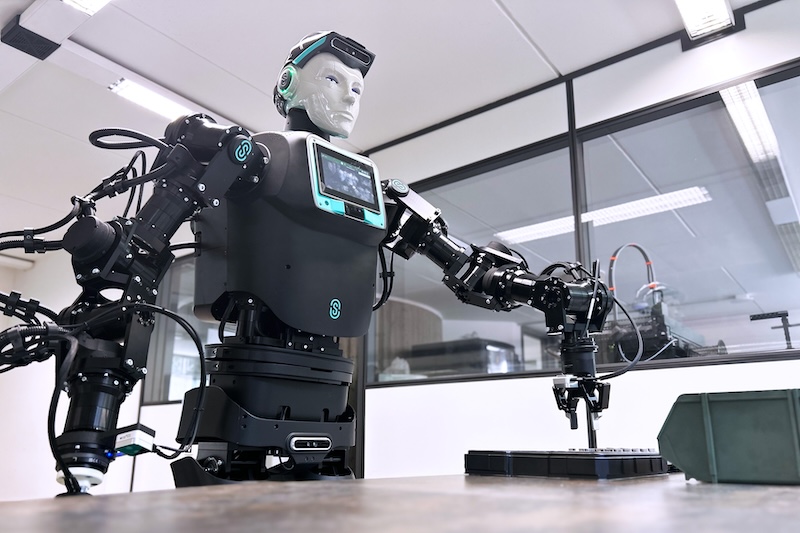
Quadruped Robots Robotics Development Embodied Intelligence AI ApplicationsOversonic Robotics, an Italian cognitive robotics firm known for RoBee, has announced a strategic investment from STMicroelectronics, Fondazione ENEA Tech Biomedical, and SpotInvest. This investment aims to accelerate Oversonic's industrial, technological, and international growth, particularly in the cognitive humanoid robotics sector. The involvement of STMicroelectronics, a leader in semiconductors, is expected to bolster Oversonic's technological advancements and support its expansion into the U.S. market. The partnership will enhance the development of RoBee, the first certified cognitive humanoid robot designed for complex environments, and facilitate applications in manufacturing and healthcare. Looking ahead, Oversonic plans to focus on expanding its technological platform and applications while strengthening its team and industrial capacity. The company views the U.S. as a key market for its cognitive humanoid robotics, aiming for significant growth in both commercial and industrial sectors. No further timeline was disclosed at the time of publication.
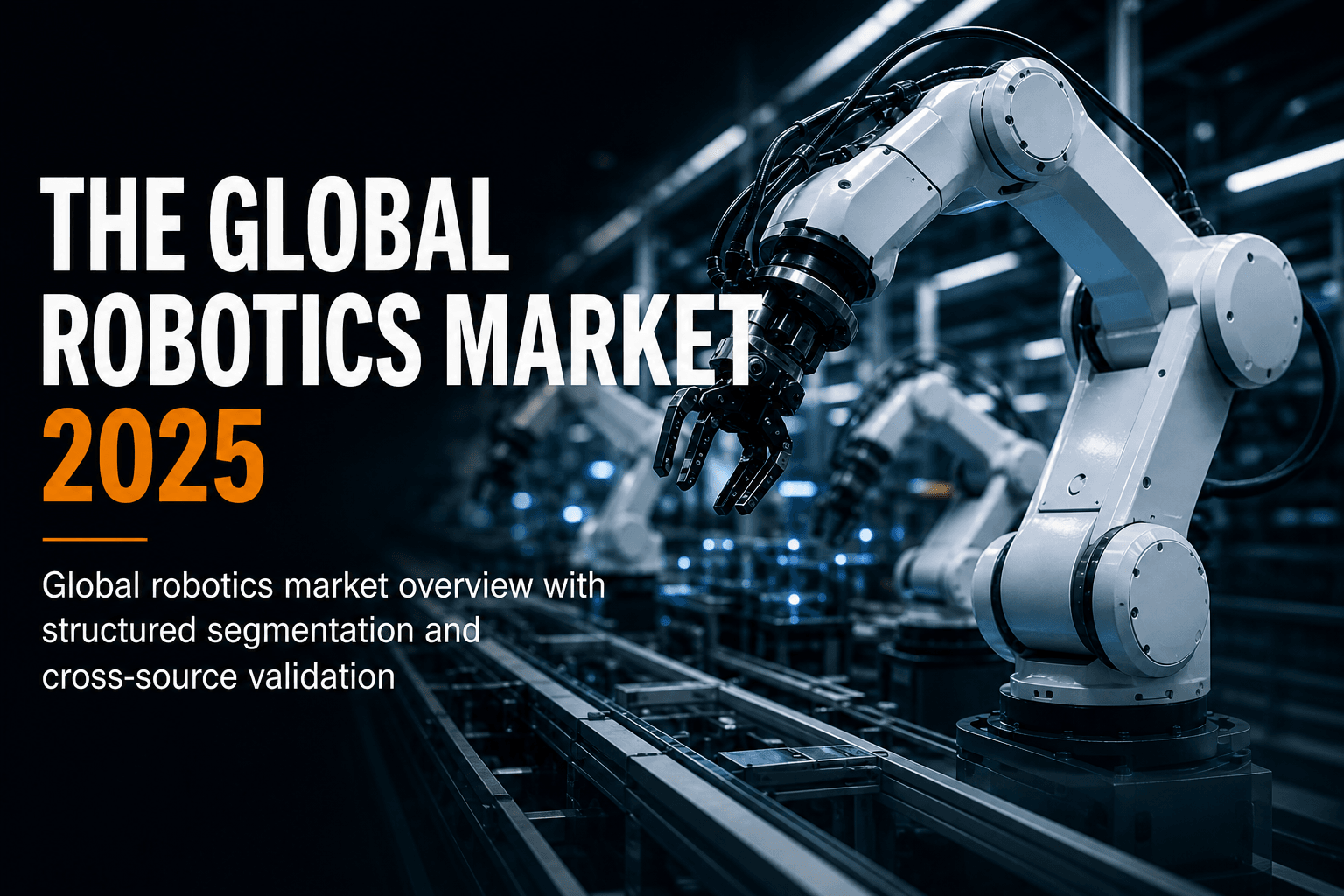
Humanoids News artificial intelligence automation cognitive robotics deep techA comprehensive global robotics industry overview for 2025, analyzing 14 key market segments — from industrial and humanoid robots to logistics AMRs, military systems, and service robots — with expert market sizing, US case studies, five-year forecasts, and bilingual English-Chinese analysis for executives and investors.
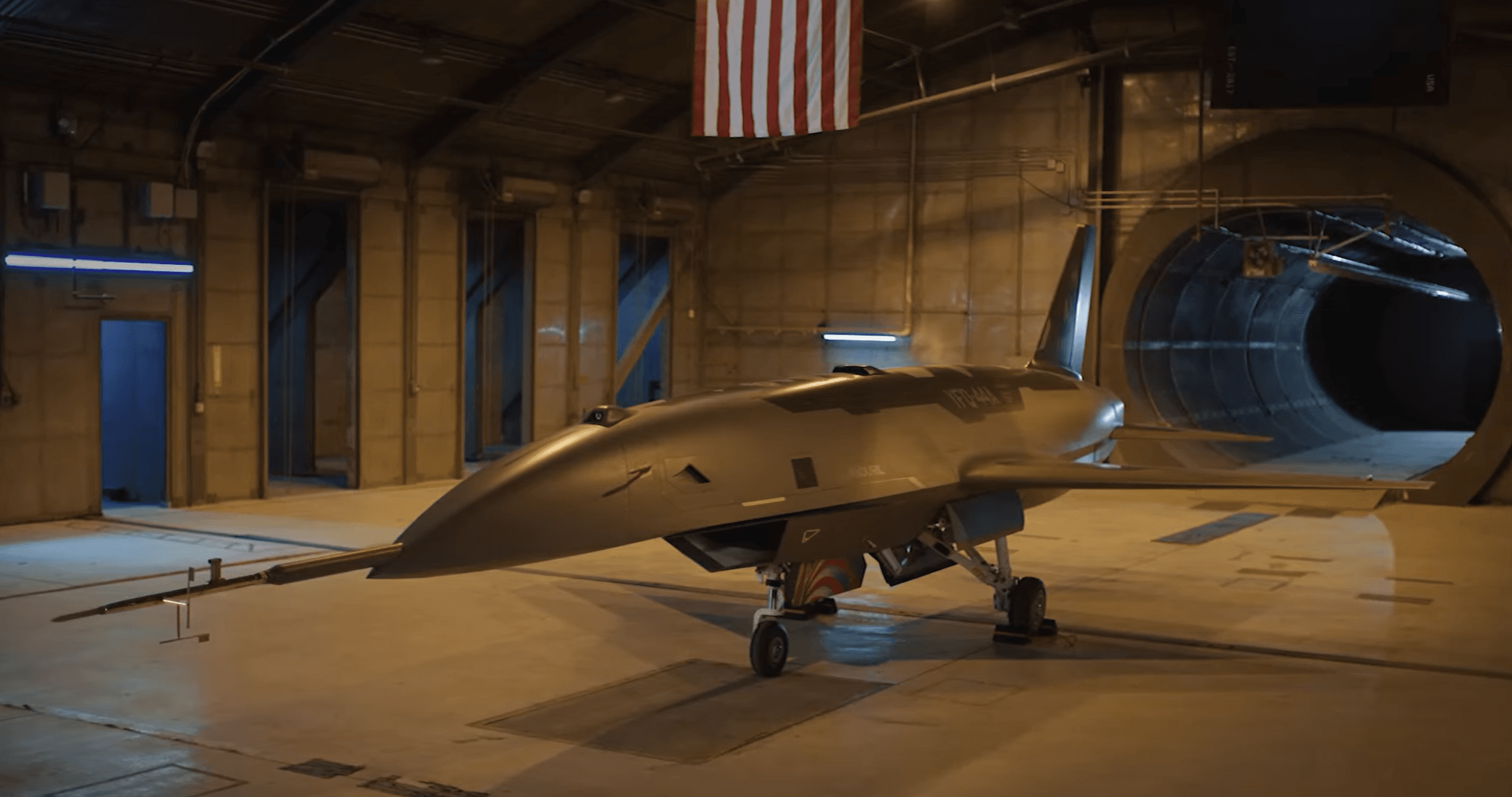
Anduril’s YFQ-44A Fury flew its first semi-autonomous mission on 31 October 2025 — 556 days from contract to flight. By February 2026 it was carrying live missiles and swapping autonomy software mid-flight. China’s Jiutian drone mothership flew on 11 December 2025, capable of releasing over 100 loitering munitions from its internal bay at 15,000 metres. And the U.S. Air Force is standing up its second experimental one-way attack drone unit for mid-2026. This article maps the most consequential aerial autonomous systems competition in history: the CCA programme that will determine U.S. air dominance in the 2030s, the Valkyrie’s surprising rebirth, the A-GRA open-architecture breakthrough, and the Chinese drone mothership that has no Western equivalent.
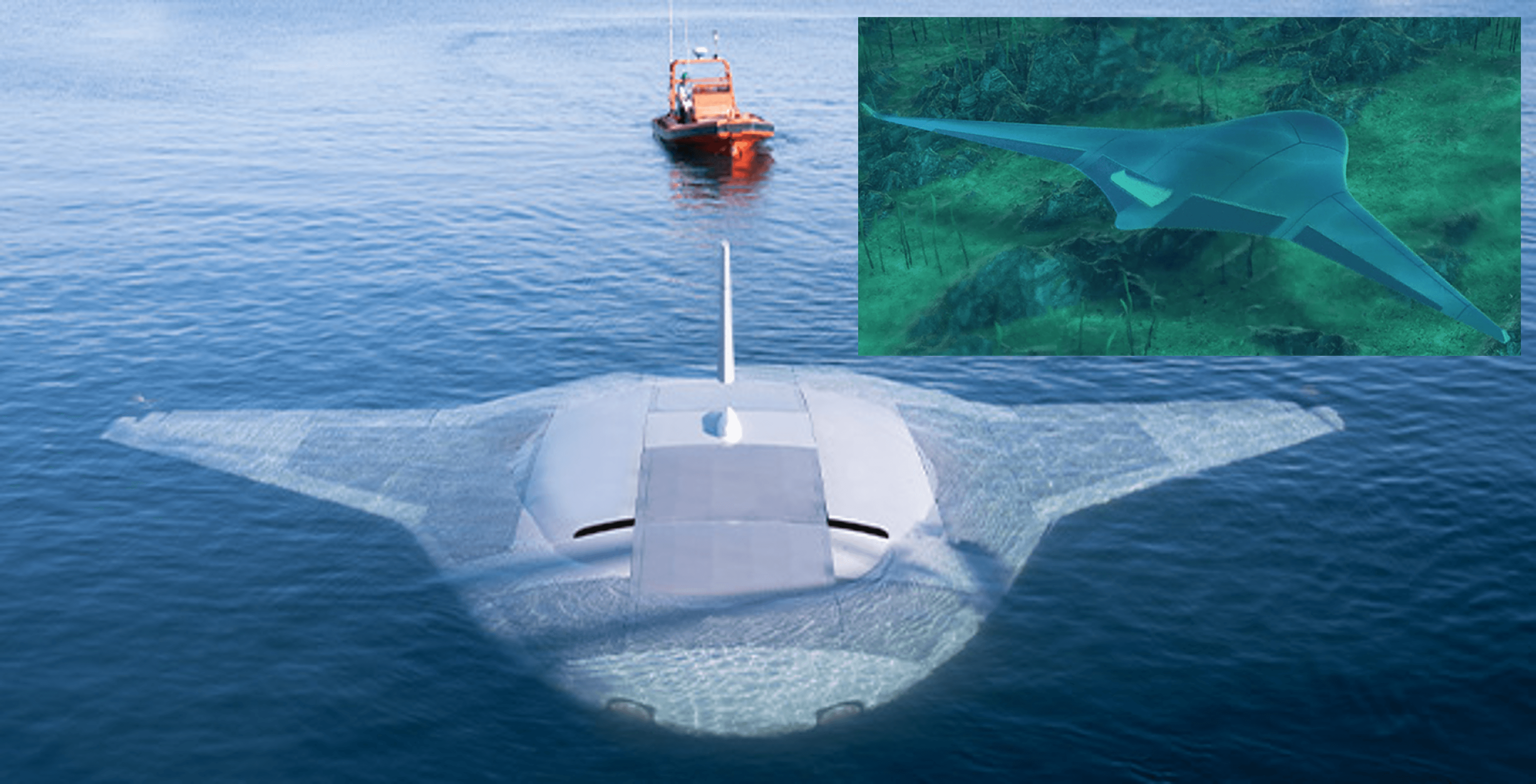
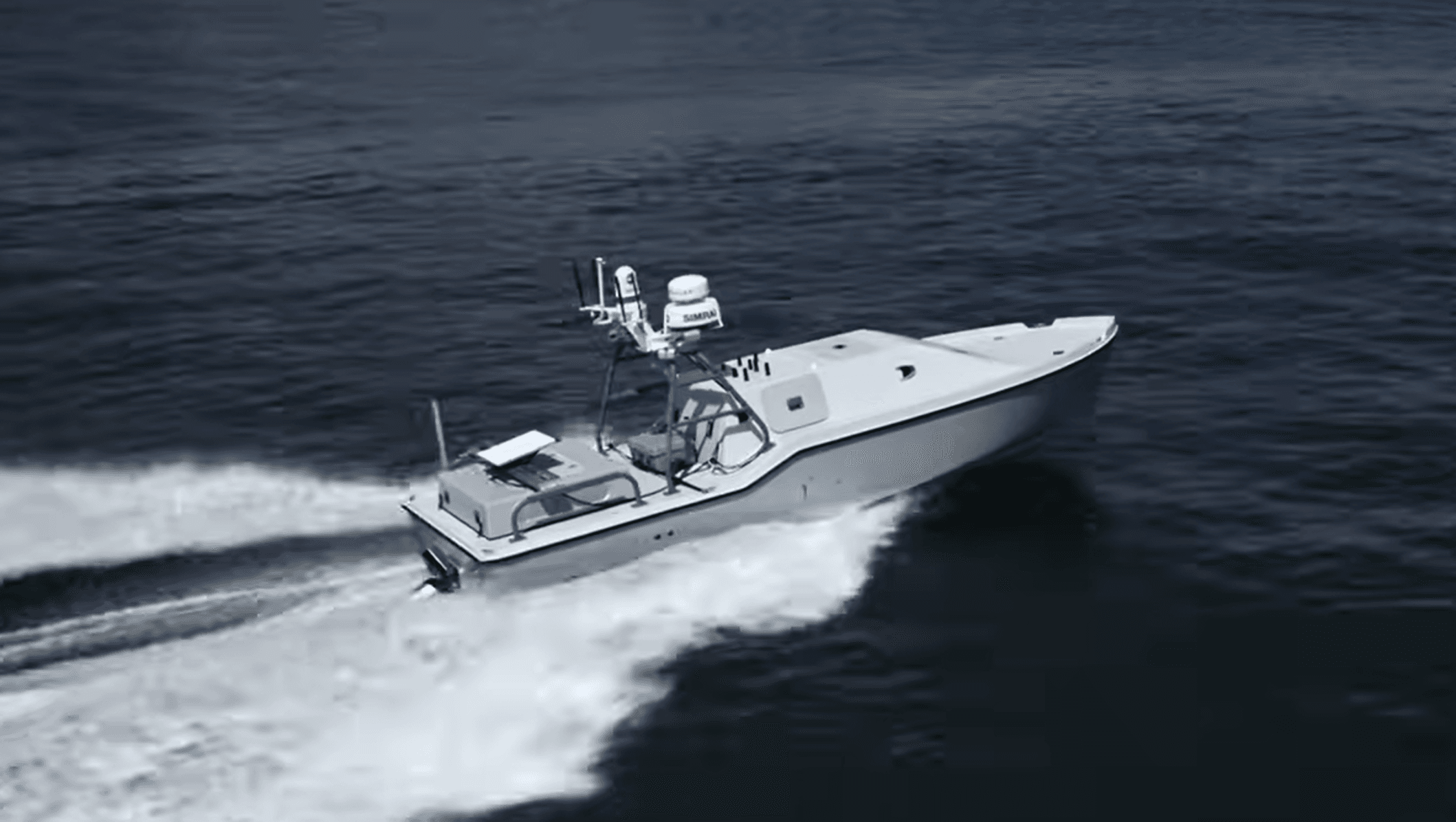
Ukraine’s ‘Sub Sea Baby’ autonomous torpedo struck a Russian Kilo-class submarine inside Novorossiysk harbour in December 2025 — the first confirmed underwater drone attack on a submarine in history. The U.S. Navy is requesting $5.3 billion for unmanned maritime systems in FY2026, a 70 percent year-on-year increase. Saronic Technologies went from prototype to $392 million production contract in under 12 months. And DARPA’s Manta Ray XL-UUV completed full-scale sea trials. This article maps the maritime autonomous systems revolution — from Ukraine’s improvised Black Sea fleet to the Pentagon’s hybrid manned–unmanned force of the 2030s, and from Saronic’s Franklin, Louisiana shipyard to Boeing’s 85-tonne robot submarine.
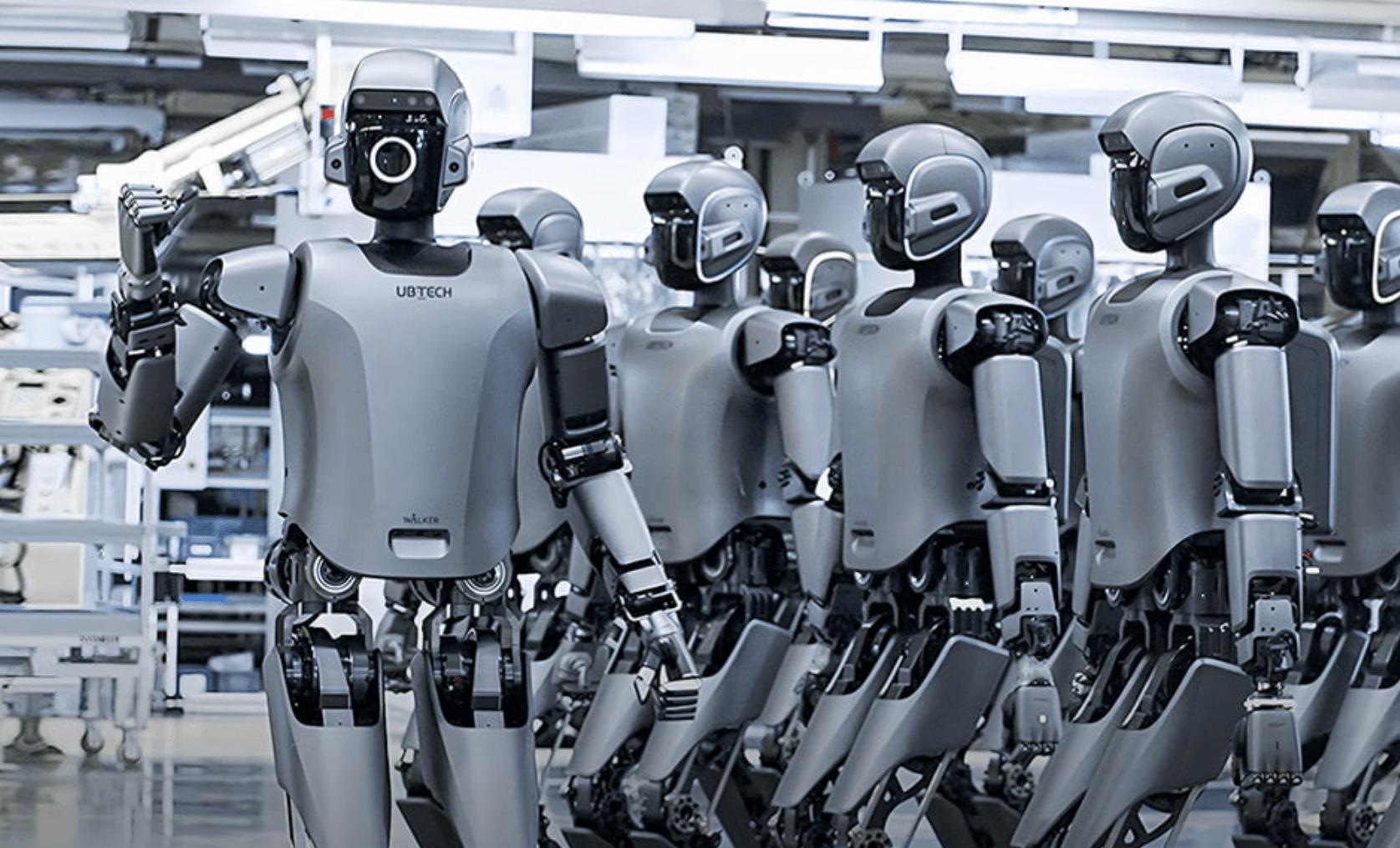
A bipartisan U.S. bill targets Chinese humanoid and autonomous robots in federal procurement. We analyse the supply chain, investor, and geopolitical implications for both China and U.S. robotics markets.
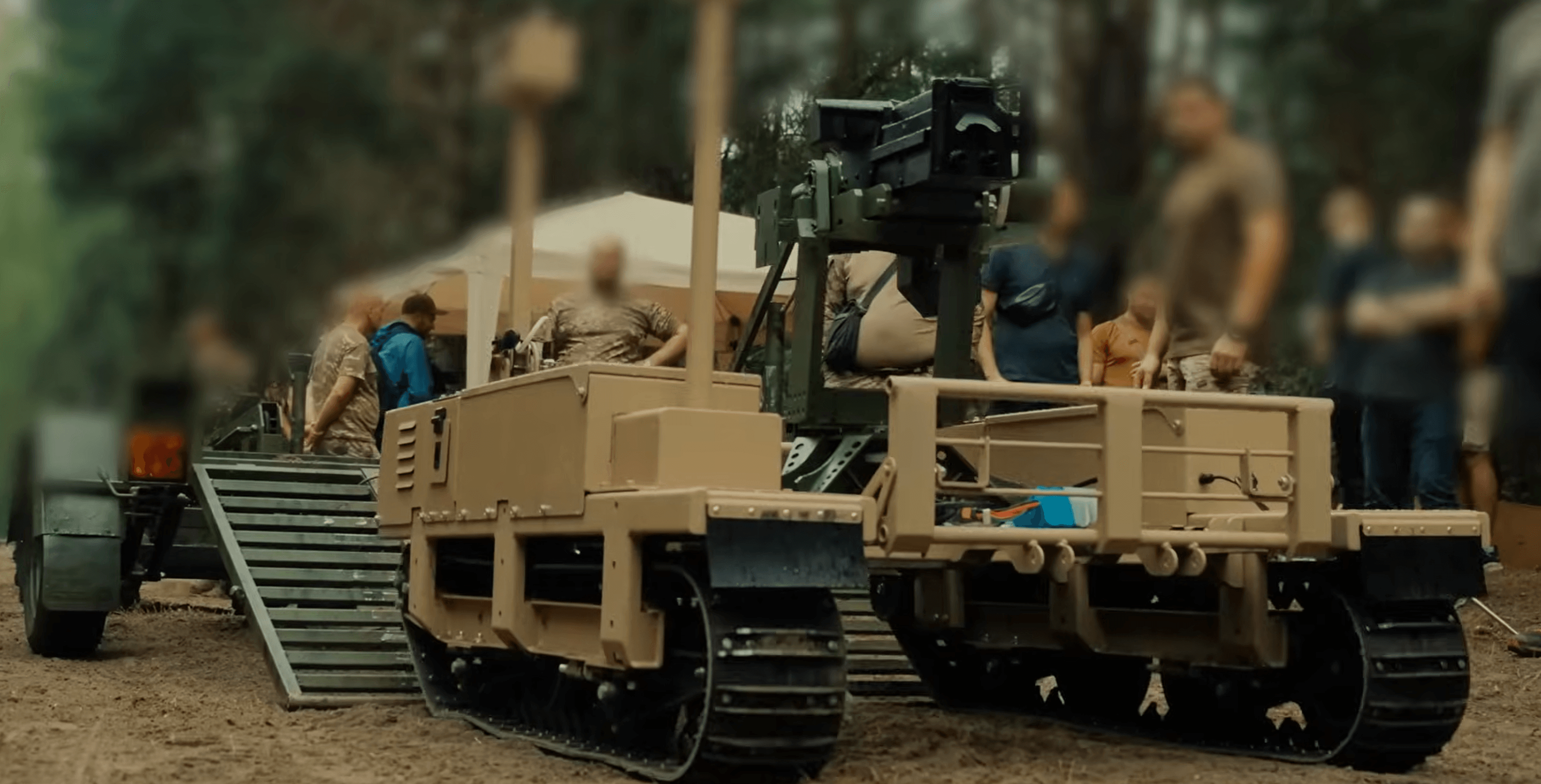
Ukraine fielded 15,000 unmanned ground vehicles in 2025 — surpassing its own procurement targets by over 100 percent. A single UGV held a front-line position for 45 days. Up to 90 percent of supplies to Pokrovsk now move by robot, not truck. The U.S. Army cancelled its $3 million Robotic Combat Vehicle and is starting over. China is deploying $3,000 robot dogs in PLA urban-warfare exercises. This article maps the emerging UGV battlefield — from Ukraine’s garage-built logistics fleet to the Pentagon’s stalled combat-vehicle ambitions, and from Ghost Robotics’ Vision 60 to the quadruped proliferation problem no treaty has yet addressed.
Saronic Technologies closes a $1.75B Series D led by Kleiner Perkins at a $9.25B valuation to scale autonomous surface vessel production and revitalize U.S. naval shipbuilding capacity.
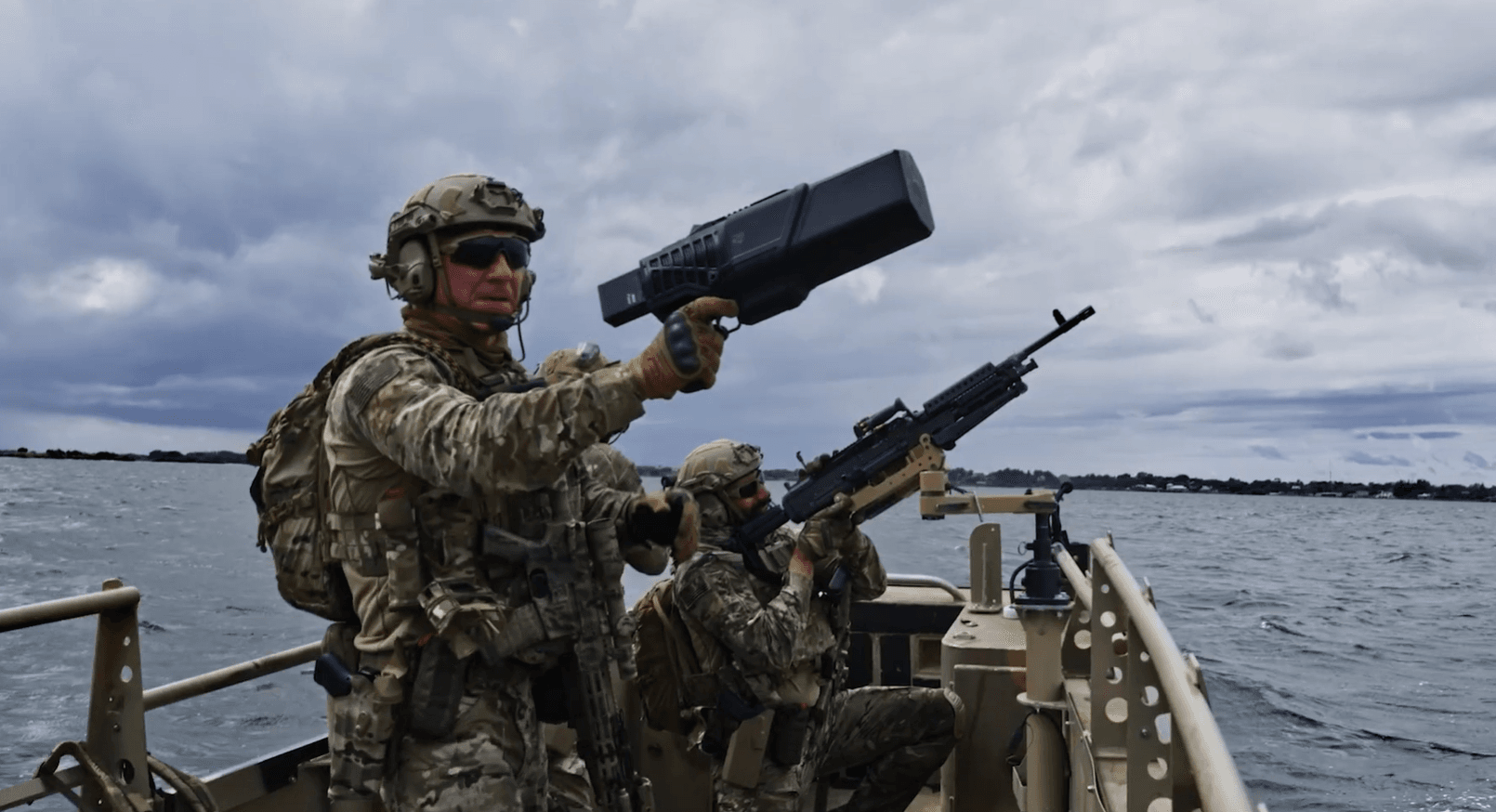
The global counter-drone (C-UAS) sector is scaling fast. New EU and US factories, an ․87M US Army contract, and the 2026 FIFA World Cup deployment mark a turning point for autonomous anti-drone technology. Read RobotToday’s March 2026 briefing.
How the cost equation of modern warfare has inverted: a $500 AI-guided drone now rivals a $2 million precision missile in tactical effect. Part One of the Future Warfare Series examines the unit economics, supply chain realities, and venture capital forces reshaping defence procurement — from Ukraine's 1.7 million FPV drones to Anduril's $30 billion factory-as-weapon bet.
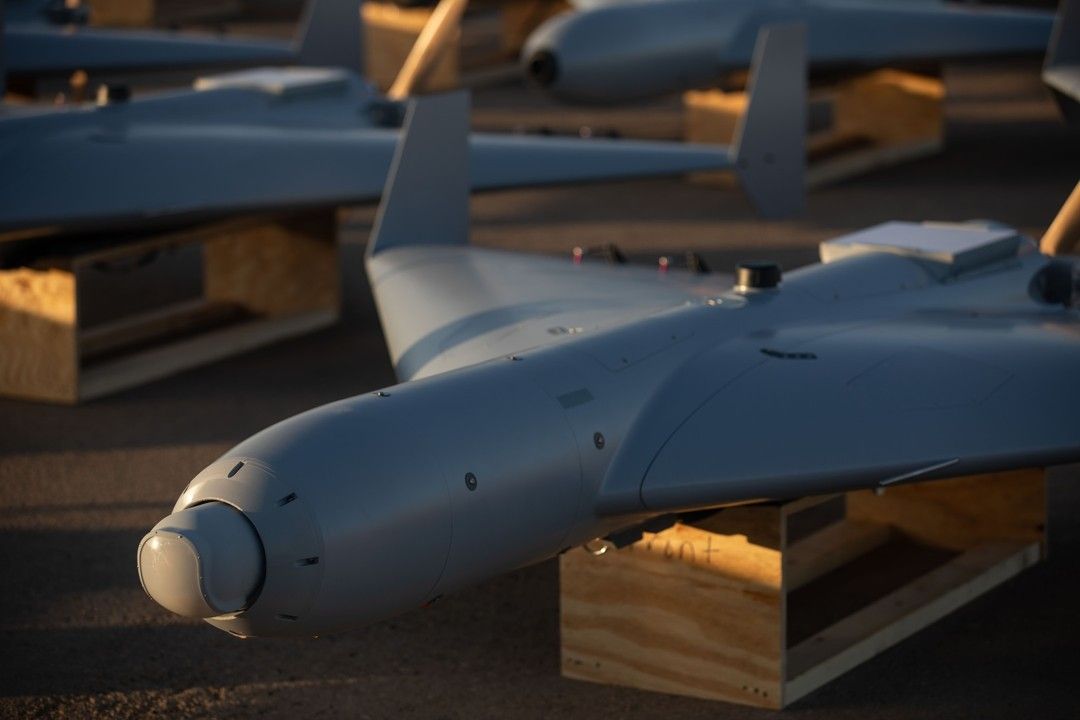
The LUCAS drone debuted in Operation Epic Fury (Feb 28, 2026). Analysis covers confirmed specs, operational role, swarm integration, and implications for autonomous strike systems.
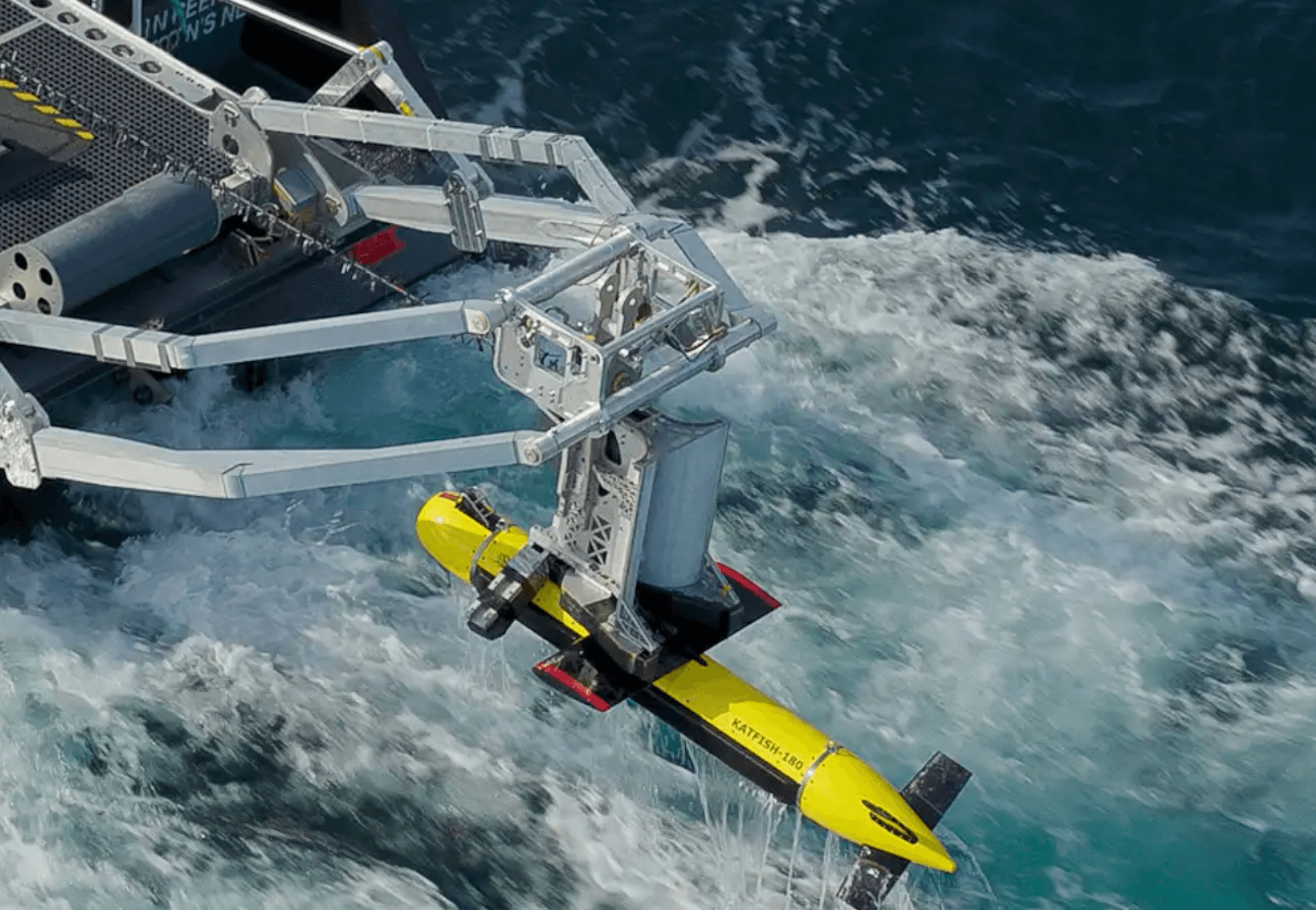
Kraken Robotics posts record revenue growth as subsea sensing and autonomy demand surges, highlighting strong momentum in the global USV market.







Leave a comment