

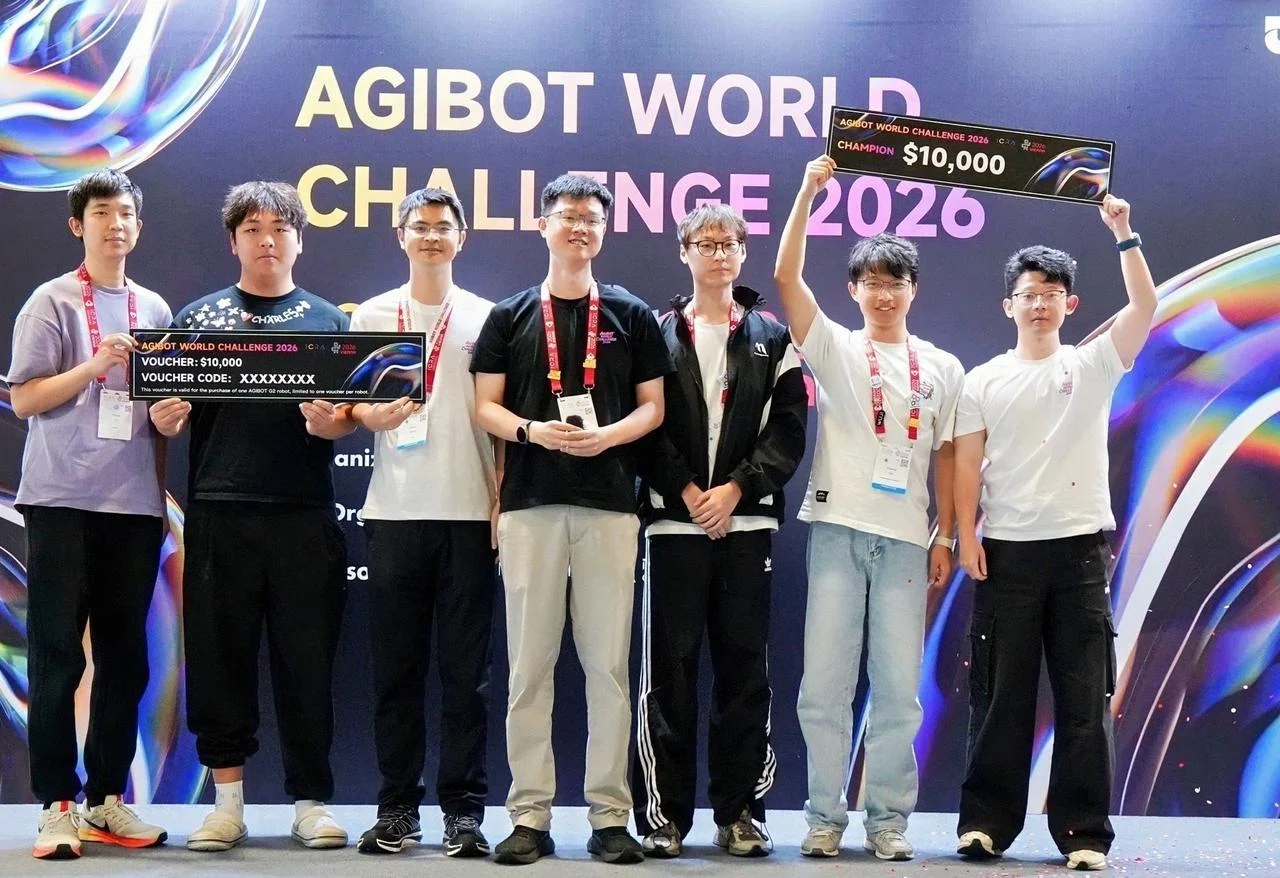
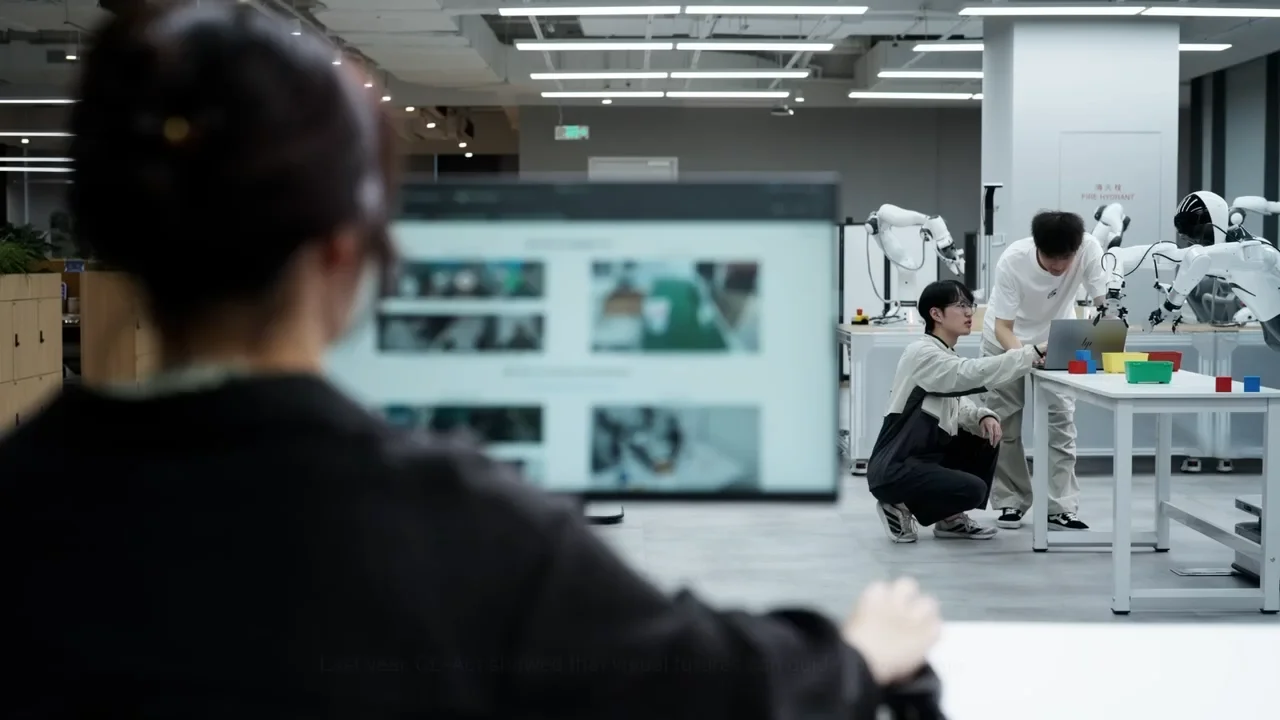
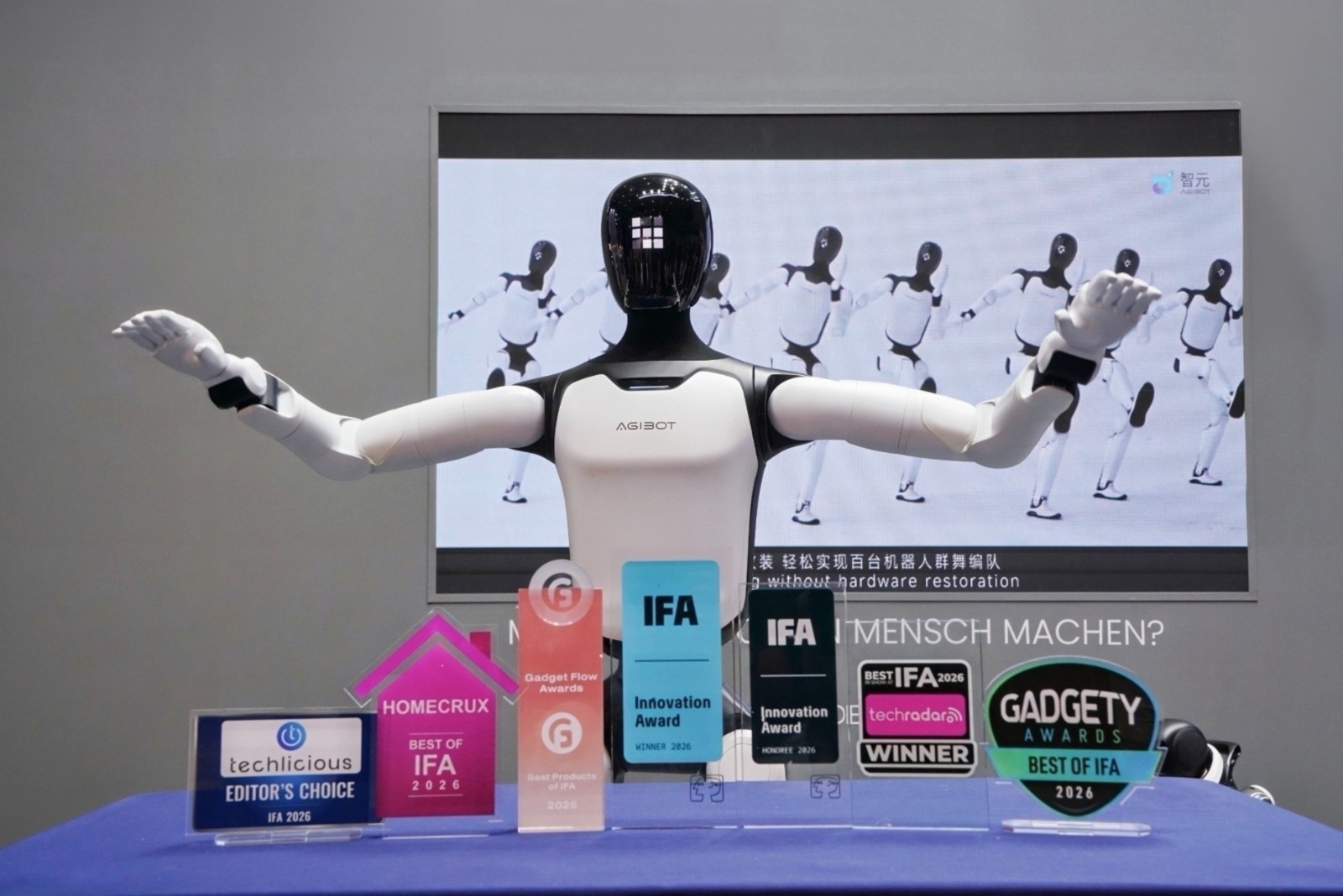
At the 2026 IEEE International Conference on Robotics and Automation (ICRA) in Vienna, AGIBOT hosted the AGIBOT World Challenge, addressing the challenges of transitioning AI from simulation to physical hardware. The event attracted 526 teams from 27 countries, emphasizing the industry's shift towards real-world validation of machine learning models.
The competition featured two tracks: Reasoning to Action (R2A) and World Model (WM). The R2A track expanded its focus to encompass the entire pipeline from scene understanding to task execution, while the WM track evaluated systems on their predictive capabilities in dynamic environments. Team PrismBot from vivo won the R2A track, while NeoVerse-ABot secured first place in the WM track, showcasing advanced forecasting skills.
A notable aspect of the finals was the supermarket benchmark track, which required teams to navigate a realistic retail environment. This challenge highlighted the need for algorithms to manage complex physical interactions. The competition underscored AGIBOT's commitment to deploying its software and hardware ecosystem, marking 2026 as a pivotal year for advancements in embodied AI.
Editor's Note
The AGIBOT World Challenge illustrates a significant trend in robotics, where the focus is shifting from theoretical models to practical applications in real-world settings. This transition is crucial for industries looking to adopt AI-driven solutions that can operate effectively in unpredictable environments. The emphasis on physical validation may influence future investments and development strategies in the robotics sector.




















Leave a comment