Search Result for: https://www.space.com/astronomy/mars/scientists-want-to-send-a-roly-poly-robot-filled-with-dandelion-drones-to-investigate-hidden-tunnels-on-mars

NVIDIA Stockholder Meeting Set for June 24; Individuals Can Participate Online
NVIDIA has announced that its 2026 Annual Meeting of Stockholders will be conducted online on June 24, 2026, at 9 a.m. PT. The virtual meeting will be accessible to shareholders via the dedicated website, https://www.virtualshareholdermeeting.com/NVDA2026. This decision reflects the company's commitment to providing a convenient platform for stockholders to engage with corporate governance and participate in discussions regarding the company's future.
Lockheed pitches HIMARS for France, with 18-month timeline offer
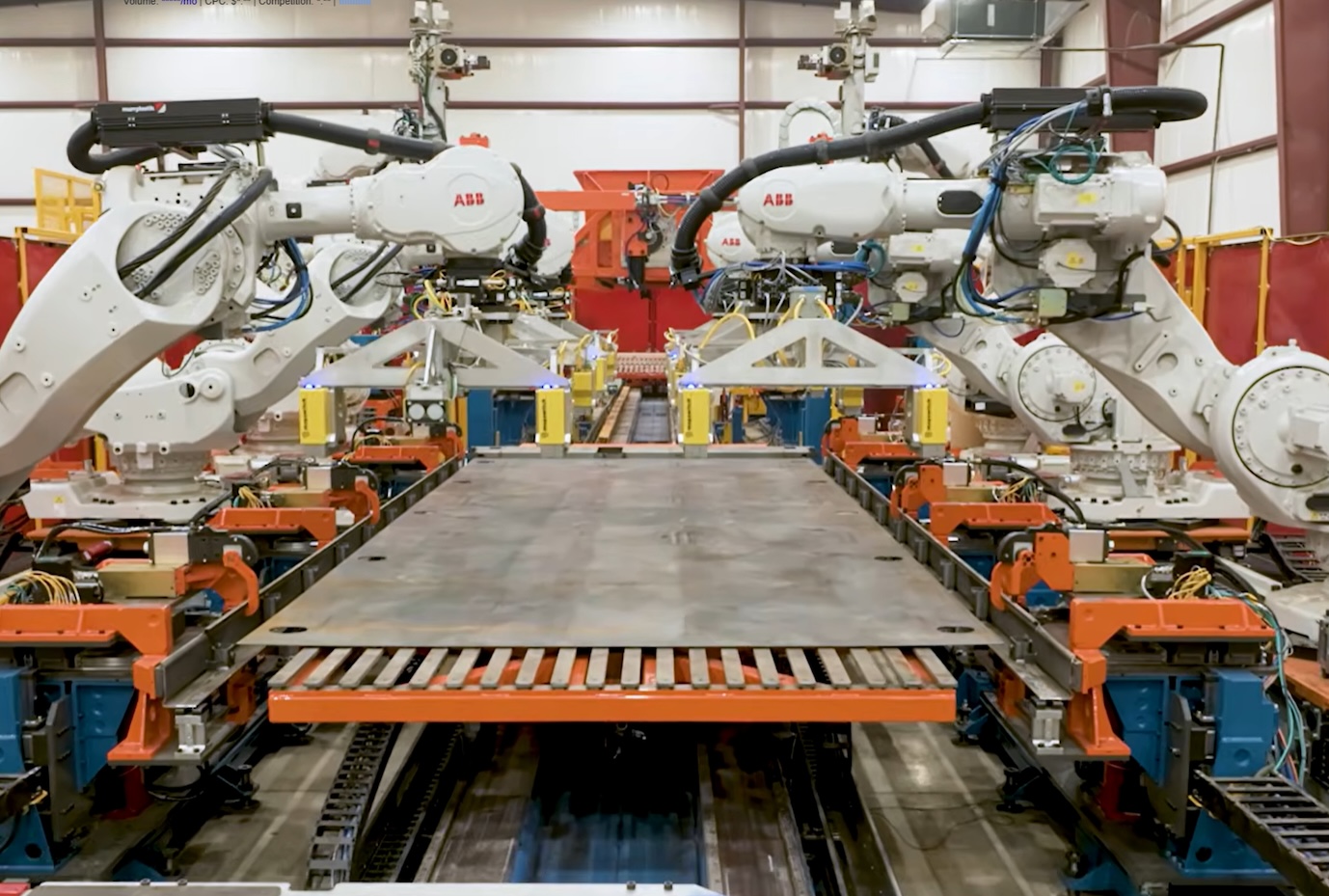
France has announced a significant investment of around €600 million ($692 million) aimed at modernizing its military capabilities by replacing outdated LRU launchers. This funding decision reflects the country's commitment to enhancing its defense infrastructure in response to evolving security challenges. The initiative is part of a broader strategy to ensure that France maintains a competitive edge in military technology. The allocation is expected to facilitate the development and deployment of advanced systems that can better meet the demands of contemporary warfare. The modernization project is set to take place over the coming years, with the French government emphasizing the importance of maintaining robust defense capabilities in an increasingly complex global landscape.
How JPL Keeps the 13-Year-Old Curiosity Rover Doing Science
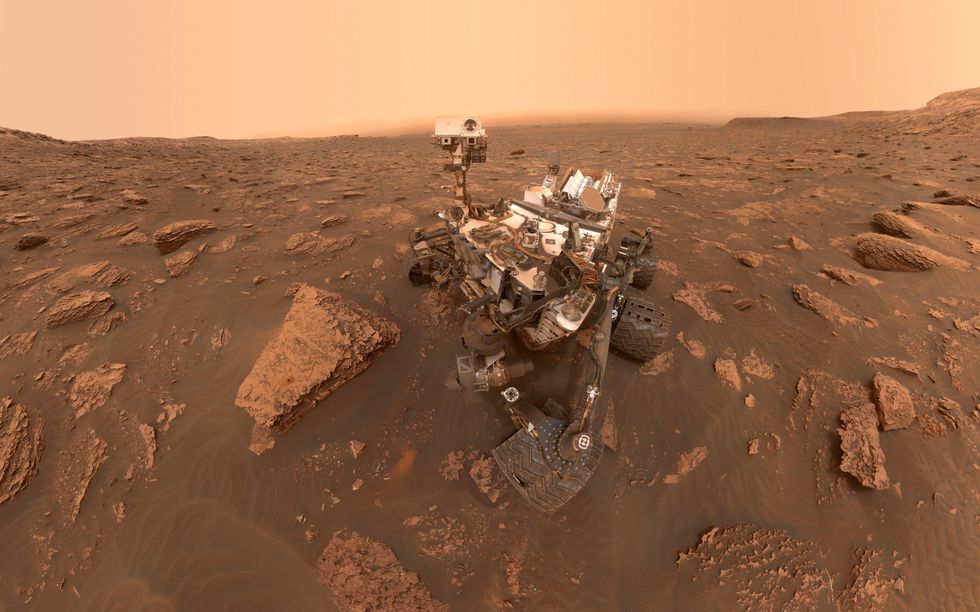
The Curiosity rover, which has been exploring Mars for 13 years, continues to operate effectively despite the challenges of its hostile environment. Since its successful landing in August 2012 at the Jet Propulsion Laboratory (JPL) in Pasadena, California, Curiosity has traveled nearly 37 kilometers, drilled into 42 rocks, and captured approximately 763,000 images. JPL engineers, including assistant team chief Alexandra Holloway, have implemented ongoing software updates and innovative solutions to keep the rover functional, even as it faces wear and diminishing power. Holloway highlighted the rover's longevity, attributing it to robust engineering and continuous maintenance efforts. While Curiosity and the younger Perseverance rover share similar hardware, Perseverance features additional capabilities for autonomous navigation, reflecting their distinct mission objectives. Curiosity's operational challenges include wheel wear from sharp rocks and power consumption from its nuclear source, which decreases over time. Engineers have developed strategies to optimize power usage, such as reducing computer activation time and parallel processing tasks. Looking ahead, Holloway noted that while Curiosity's arm may eventually fail, the rover still possesses valuable remote sensing instruments that will contribute to future Mars exploration. With its power source expected to remain viable through at least 2035, Curiosity's mission continues to yield significant scientific insights, paving the way for future missions.
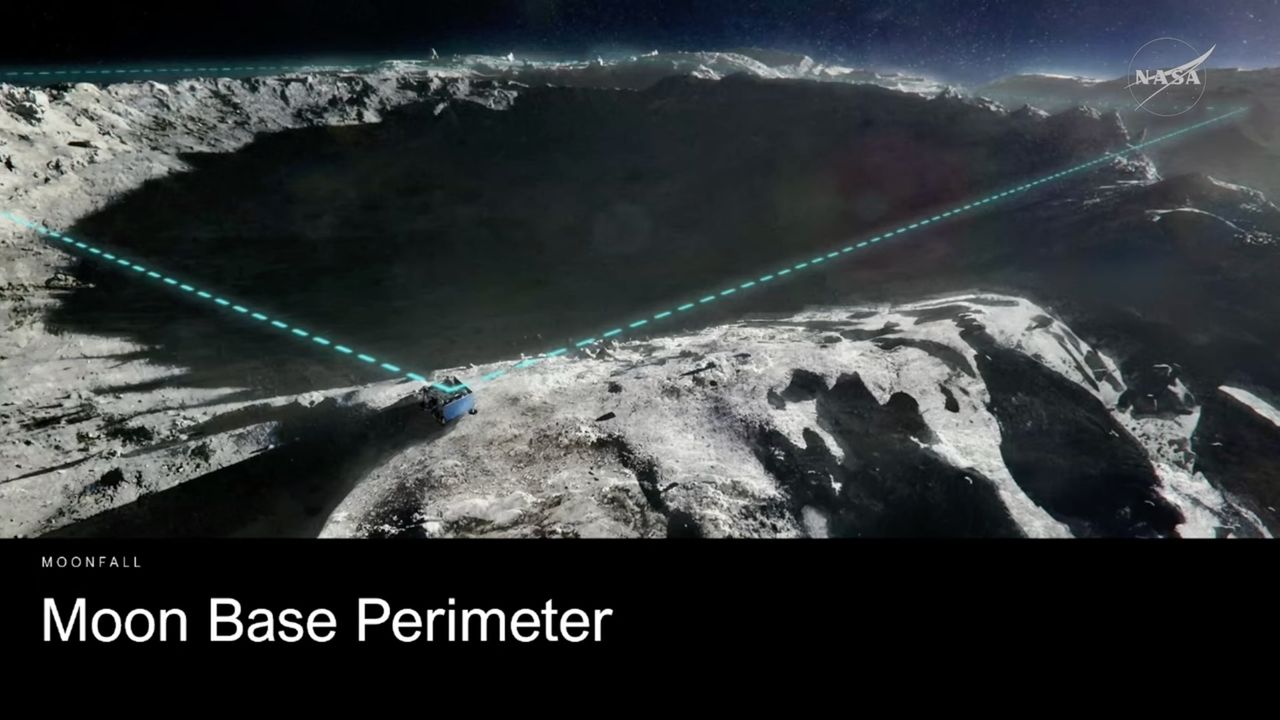
Artemis moon base will cover 'hundreds of square miles' with hopping drones and new lunar rovers, NASA says
NASA has announced ambitious plans for a moon base that will span hundreds of square miles, with the potential use of scout drones to monitor its perimeter. To kickstart this initiative, the agency has awarded contracts totaling $1 billion. This funding aims to facilitate the development and construction of the lunar facility, which is part of NASA's broader strategy to establish a sustainable human presence on the Moon. The contracts were awarded recently, marking a significant step forward in lunar exploration efforts. The project is expected to enhance scientific research and pave the way for future missions to Mars and beyond.
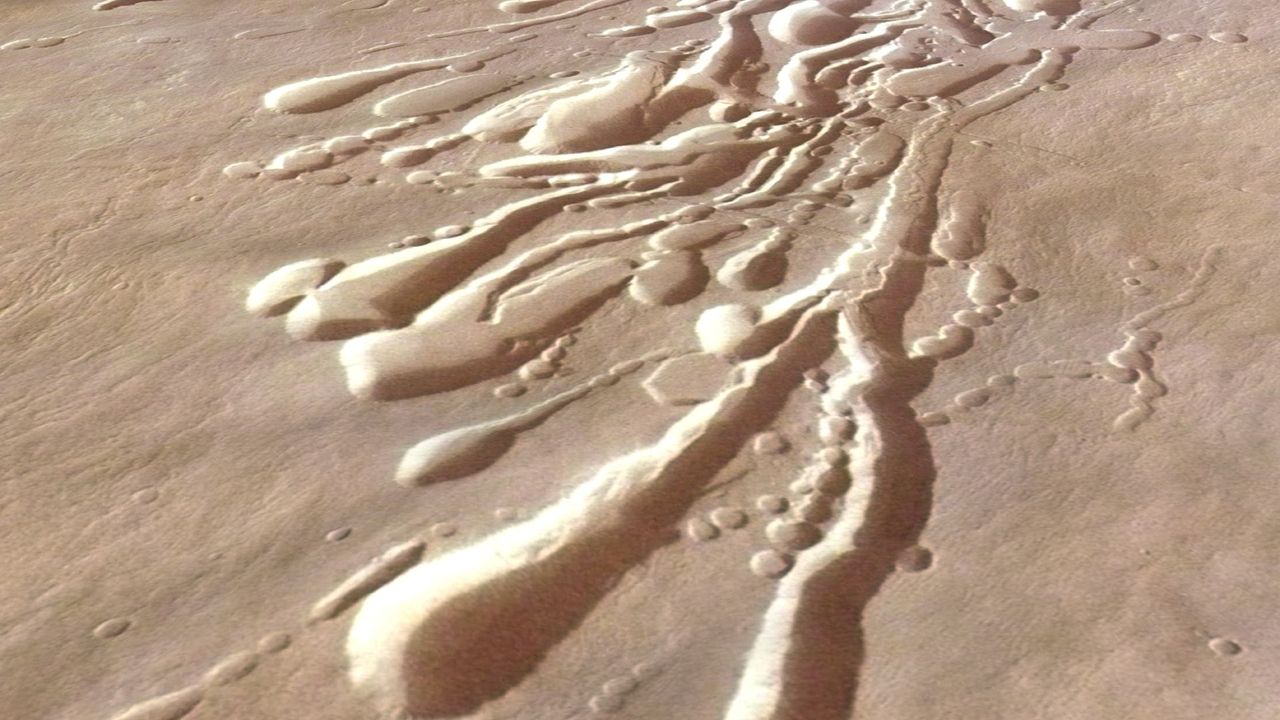
Scientists want to send a roly-poly robot filled with 'dandelion drones' to investigate hidden tunnels on Mars
Engineers are exploring the innovative approach of biomimicry to design the next generation of robots intended for Mars exploration. This trend, gaining momentum in recent months, aims to enhance the efficiency and adaptability of robotic systems in the challenging Martian environment. By studying and emulating the survival strategies of various organisms on Earth, researchers believe they can develop robots that are better equipped to navigate the planet's rugged terrain and extreme conditions. The initiative reflects a growing recognition of nature's solutions as a source of inspiration for engineering challenges in space exploration. As the timeline for future Mars missions approaches, the integration of biomimetic principles could play a crucial role in advancing robotic technology, ultimately aiding in the quest for knowledge about the red planet.
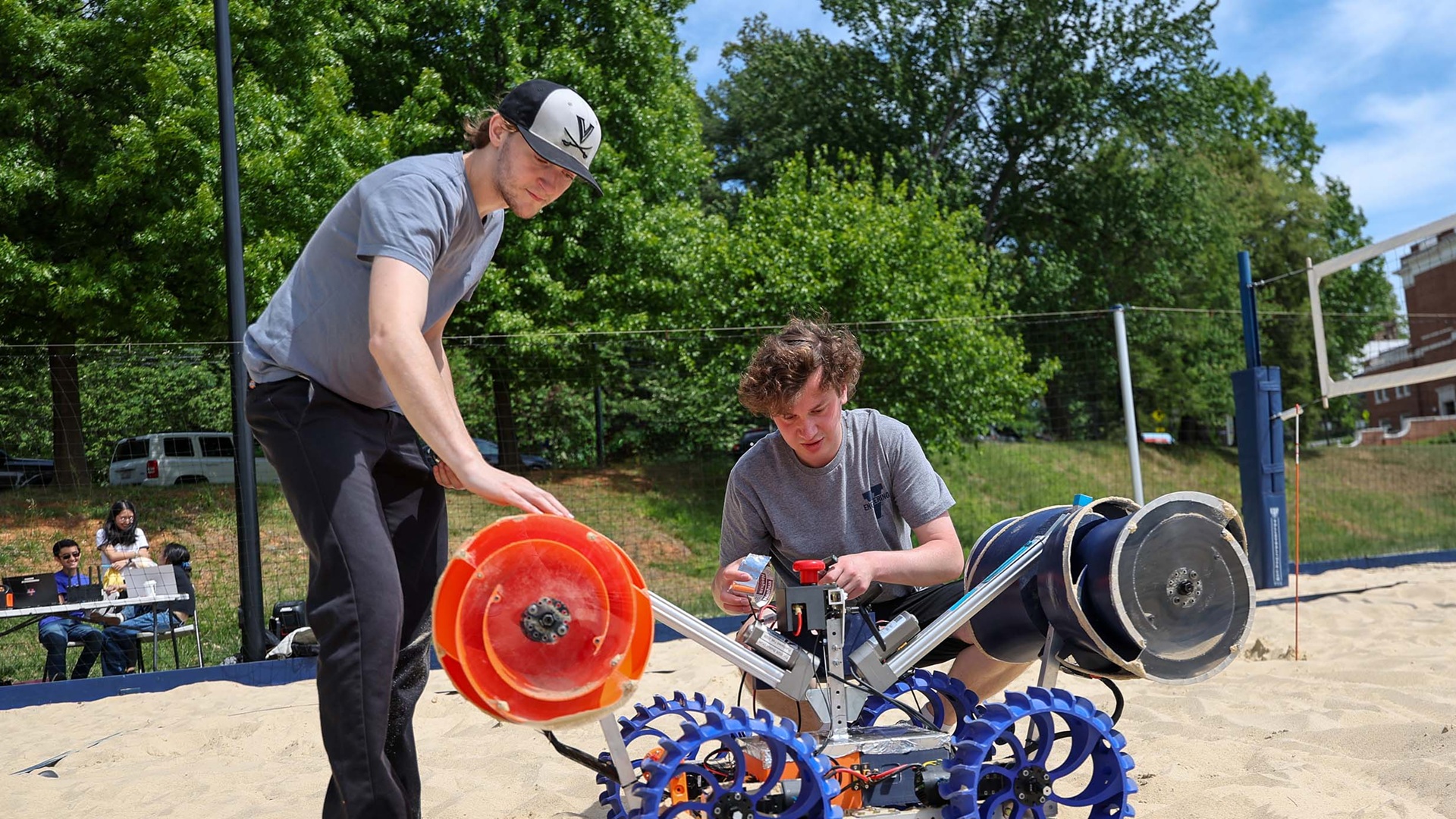
NASA tests 80-pound student-built robot designed to mine soil for Artemis moon bases
Students at the University of Virginia are developing innovative robots aimed at mining lunar soil and constructing habitats on the Moon. This ambitious project, which began in early 2023, is part of a broader initiative to explore sustainable living on extraterrestrial bodies. The students are motivated by the potential for lunar resources to support future space missions and the possibility of establishing a human presence beyond Earth. The team is utilizing advanced engineering techniques and collaborating with experts in robotics and space exploration to create machines capable of operating in the harsh lunar environment. Their work includes designing robots that can autonomously navigate the Moon's surface, extract regolith, and assemble structures using the mined materials. This initiative not only enhances the students' practical skills in engineering and robotics but also contributes to the growing field of space exploration, as NASA and other space agencies look to the Moon as a stepping stone for future missions to Mars and beyond. The project is expected to culminate in a demonstration of the robots' capabilities in simulated lunar conditions later this year.
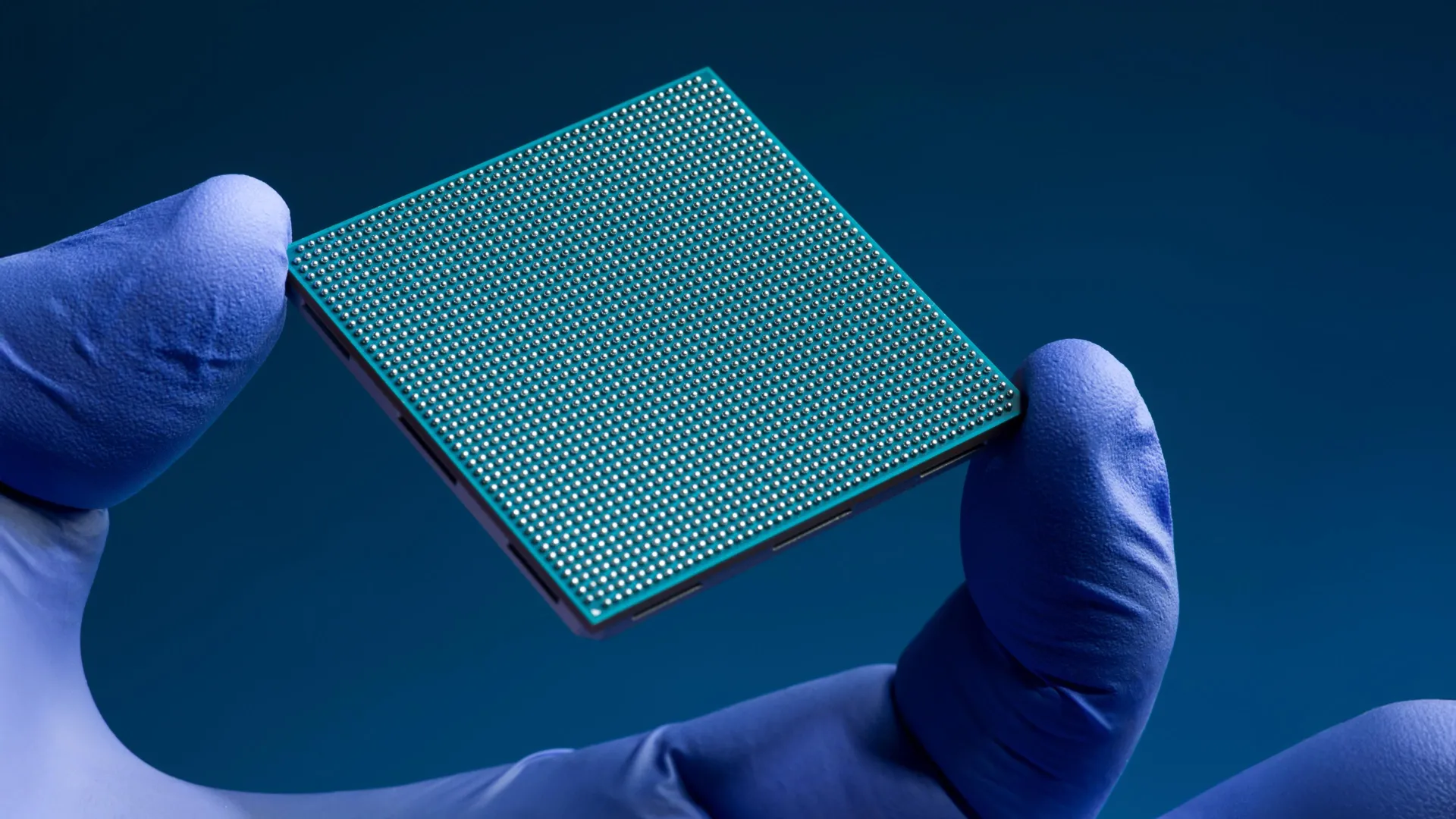
NASA’s new AI space chip could let spacecraft think for themselves
NASA is currently conducting tests on an advanced space computer chip designed to enhance the autonomy of spacecraft in deep space. This radiation-hardened processor has demonstrated performance capabilities that exceed current spaceflight computers by hundreds of times. The rigorous testing simulates the extreme conditions of space, ensuring the chip's resilience. This innovative technology aims to facilitate the development of AI-powered spacecraft, accelerate scientific discoveries, and optimize missions to the Moon and Mars. By improving the operational independence of spacecraft, NASA seeks to enhance exploration efforts and expand our understanding of the cosmos.
NASA’s Perseverance rover has driven over 20 miles across Mars in five years
NASA's Perseverance rover has successfully traversed over 20 miles (32 kilometers) on the Martian surface since its landing in February 2021. This milestone marks a significant achievement in the mission aimed at exploring the planet's geology and searching for signs of past microbial life. The rover, equipped with advanced scientific instruments, has been conducting experiments and collecting samples that may eventually be returned to Earth for further analysis. Perseverance's journey has taken it through diverse terrains, providing valuable data that enhances our understanding of Mars' history and climate. The ongoing exploration is part of NASA's broader efforts to prepare for future human missions to the Red Planet.
Drone startup uses inflatable ‘marshmallow’ wing design to boost safety, efficiency
The drone logistics sector is increasingly focused on developing faster and more robust aircraft designed for substantial deliveries. This shift comes in response to the growing demand for efficient and timely transportation solutions in various industries. As companies seek to enhance their delivery capabilities, innovations in drone technology are being prioritized to meet these needs. The advancements aim to streamline operations and reduce delivery times, particularly in urban areas where traditional logistics face challenges. By leveraging cutting-edge technology, the industry is positioning itself to revolutionize the way goods are transported, ultimately improving service for consumers and businesses alike.
ROKAE Robotics and NTU MARS Lab Launch Joint Embodied Intelligence Innovation Center
ROKAE Robotics has partnered with the Multimodal Embodied AI and Robotic Systems (MARS) Lab at Nanyang Technological University (NTU) in Singapore to launch the Embodied Intelligence Innovation Center. This initiative aims to advance research and development in embodied intelligence, a field that combines robotics and artificial intelligence to create systems that can interact with the physical world in a more human-like manner. Dr. Jianfei Yang, an Assistant Professor at NTU and the Director of the MARS Lab, will lead the center as Principal Investigator. The collaboration reflects a growing interest in enhancing robotic capabilities and fostering innovation in AI technologies, with the center expected to play a pivotal role in this evolving landscape.
Inchworm-inspired robot uses 10 MeV-tolerant muscles to navigate Mars-like terrain
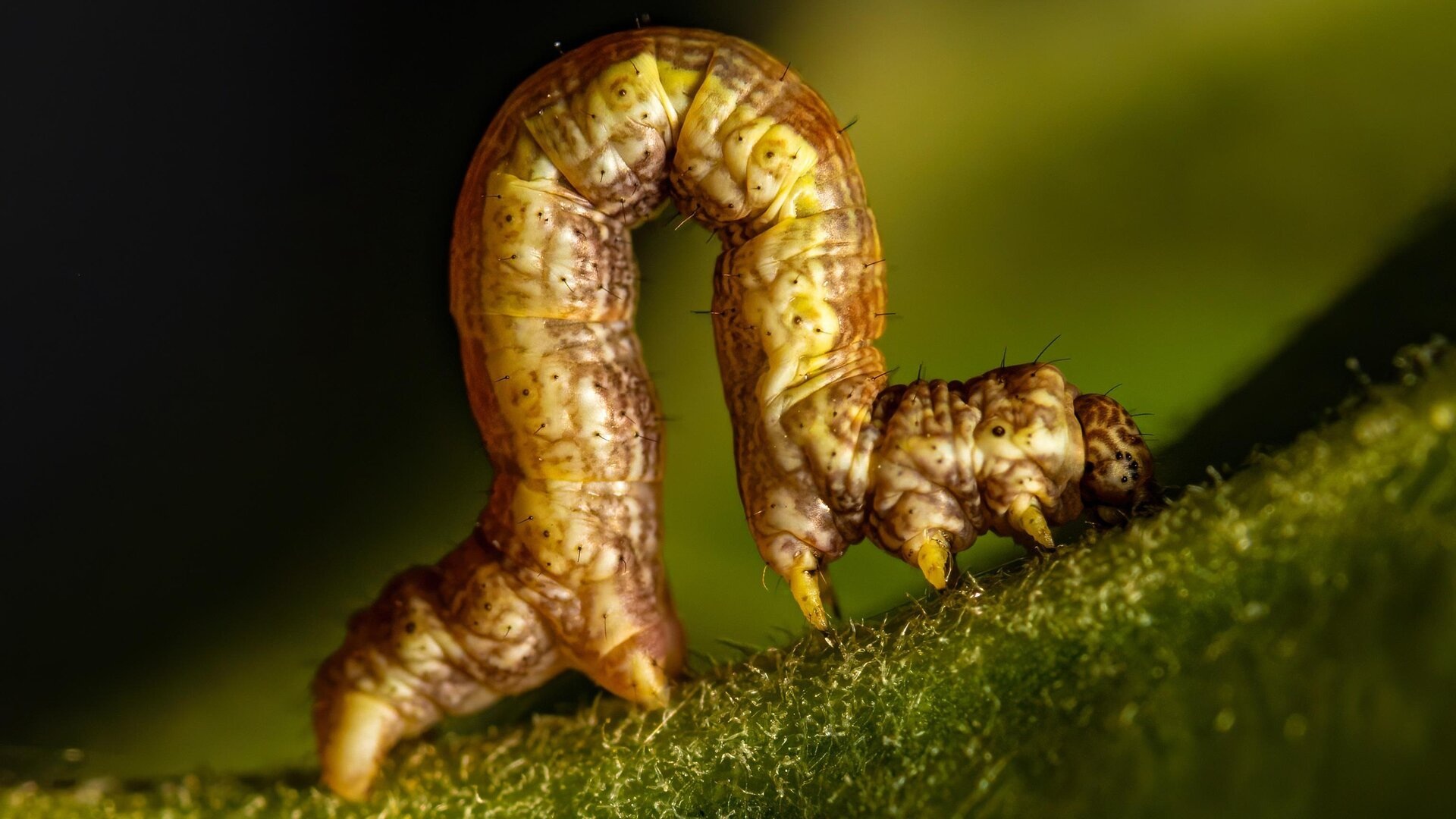
Researchers at the University of Gothenburg have developed an innovative soft robot inspired by the movement of inchworms. This breakthrough was announced on October 15, 2023, during a presentation at an international robotics conference in Gothenburg, Sweden. The team aims to create a versatile robotic system capable of navigating complex environments, which could have significant applications in fields such as search and rescue, environmental monitoring, and medical assistance. The motivation behind this project stems from the need for robots that can maneuver through tight spaces and uneven terrain, where traditional rigid robots often struggle. By mimicking the inchworm's unique locomotion, the researchers designed a soft robot that uses a series of flexible segments to propel itself forward, allowing for greater adaptability and safety in various settings. The development process involved extensive experimentation with materials and designs to achieve the desired flexibility and efficiency. The team utilized advanced engineering techniques to ensure the robot can perform tasks that require delicate handling, making it suitable for operations in sensitive environments. This innovative approach not only showcases the potential of bio-inspired robotics but also opens new avenues for future research in soft robotics, emphasizing the importance of nature as a source of inspiration for technological advancements.
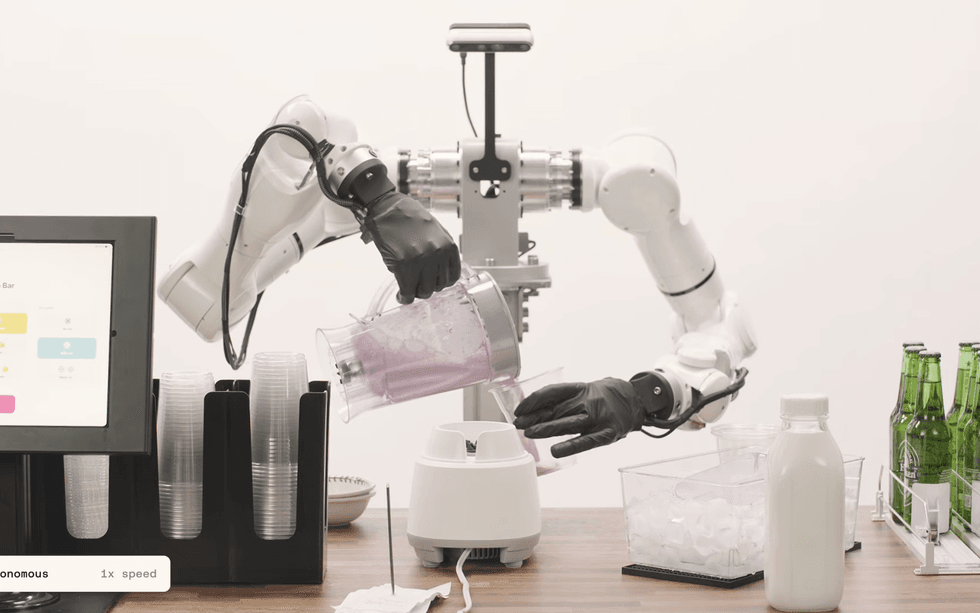
Video Friday: AI Gives Robot Hands Human-Like Dexterity
IEEE Spectrum robotics has released its weekly roundup of notable robotics videos, along with a calendar of upcoming robotics events scheduled for 2026. Key events include ICRA 2026 in Vienna from June 1-5, and the Summer School on Multi-Robot Systems in Prague from July 29 to August 4. Among the highlights is the introduction of GENE-26.5, an AI brain that enables robots to perform complex tasks such as cooking, conducting lab experiments, and playing the piano, showcasing significant advancements in robotic capabilities. Another featured robot, Labububot, is a unique creation that critiques social robots through its design, merging various pop culture elements into a single entity. In other developments, NASA's Jet Propulsion Laboratory is testing next-generation helicopter rotor blades on Mars, achieving speeds that exceed Mach 1 in a simulated Martian atmosphere. Additionally, Boston Dynamics is balancing commercial interests with robotics research through its Atlas robot, while the Robomechanics Lab has introduced Sally, a magnetic-wheeled robot designed for inspecting steel structures, capable of navigating challenging interior corners. These innovations reflect the ongoing evolution in robotics, driven by advancements in AI and engineering, as the field continues to explore new applications and capabilities.
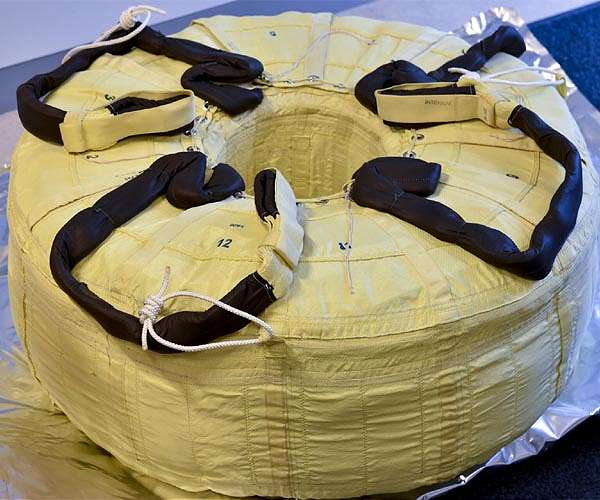
ExoMars Rosalind Franklin Parachute Baked Sterile at ESTEC Ahead of 2028 Mars Mission
A significant milestone has been achieved in the ExoMars mission, as a 35-meter diameter parachute designed to slow the Rosalind Franklin rover during its descent through Mars' atmosphere has successfully undergone heat sterilization. This critical process took place at the European Space Agency's technical center in the Netherlands and is essential for ensuring planetary protection. The sterilization of the 74-kilogram parachute is a key step as the mission prepares for its scheduled launch in 2028. The ExoMars program aims to explore the Martian surface and search for signs of past life, highlighting the importance of maintaining the integrity of the Martian environment.
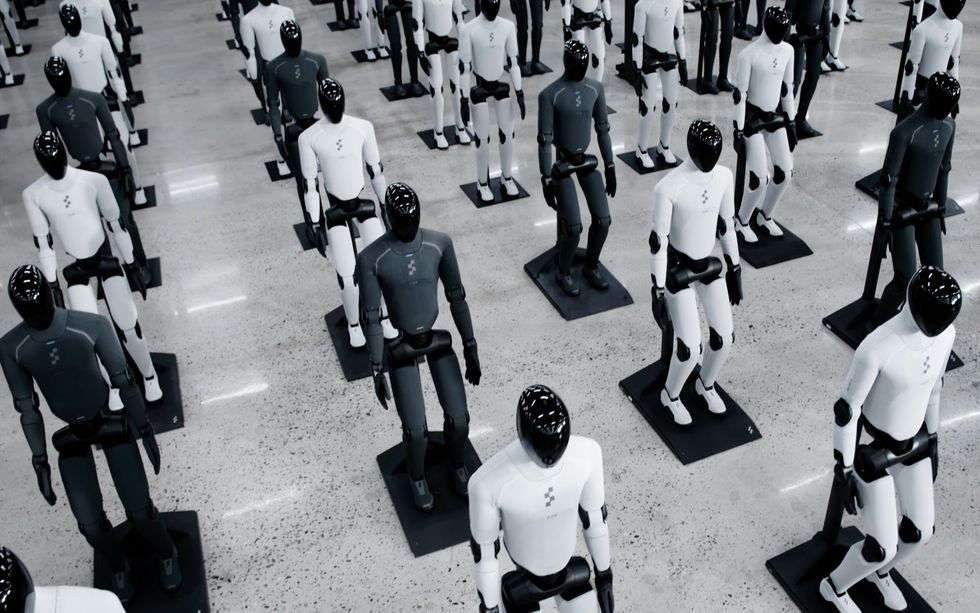
Video Friday: Figure, 1X Ramp Up Humanoid Robot Production
IEEE Spectrum robotics has released its weekly roundup of notable robotics videos and upcoming events, including major conferences like ICRA 2026 in Vienna and RSS 2026 in Sydney. A significant development in humanoid robotics has occurred with the opening of the NEO Factory in Hayward, California, which is now producing robots at a rate of 55 per week. This facility, which spans 58,000 square feet and employs over 200 staff, allows for complete in-house manufacturing, enhancing safety and efficiency. The first consumer robots are expected to ship in 2026, marking a pivotal step toward the realization of general-purpose home robots. In other news, NASA continues its exploration of Mars with two rovers, Perseverance and Curiosity, studying different geological eras of the planet. Meanwhile, the Chinese-made Unitree G1 humanoid robots are gaining traction in the U.S. tech landscape, being utilized by companies like OpenAI and Nvidia, raising questions about their implications for security and privacy. Additionally, advancements in robotics are showcased through various projects, including a surgical robot designed to streamline Neuralink implant procedures and a tactile-enabled humanoid manipulation system that enhances dexterity and stability in real-world tasks. As robotics technology evolves, experts are also exploring how autonomous systems make decisions in unpredictable environments, emphasizing the importance of AI in coordinating complex operations.
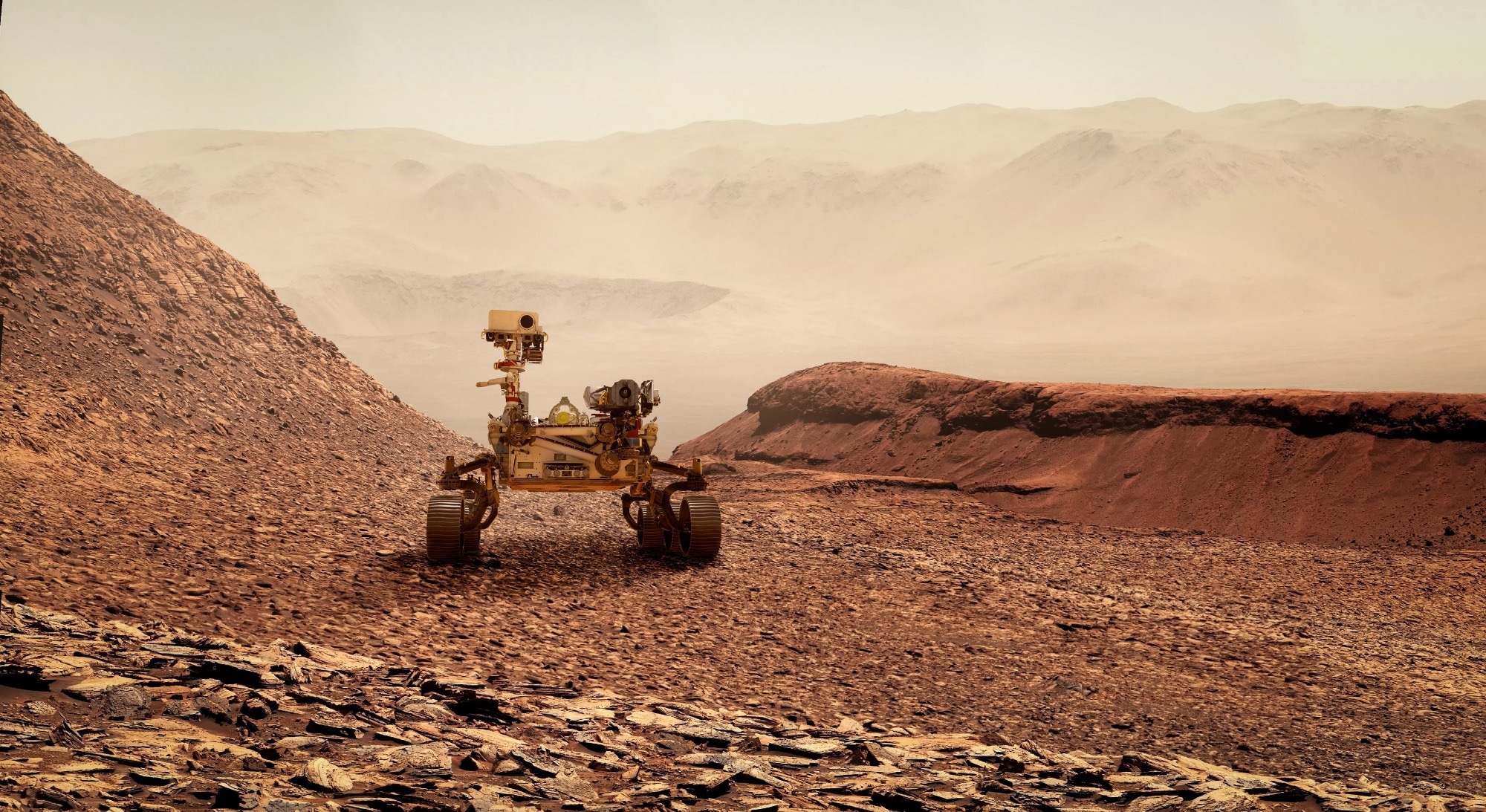
Mars Rover Experiment Unlocks Ancient Organic Molecules
NASA's Curiosity rover has made significant discoveries on Mars, revealing a variety of organic compounds within ancient claystones. This analysis, conducted during its ongoing mission, underscores the potential for past life on the planet and suggests that these organic materials could have been preserved over billions of years. The findings, which were released recently, enhance our understanding of Mars' geological history and its capacity to support life. By examining the claystones, scientists are piecing together clues about the planet's past environments and the conditions that may have allowed for the existence of life. This research not only fuels interest in Mars exploration but also raises important questions about the planet's habitability in its ancient past.
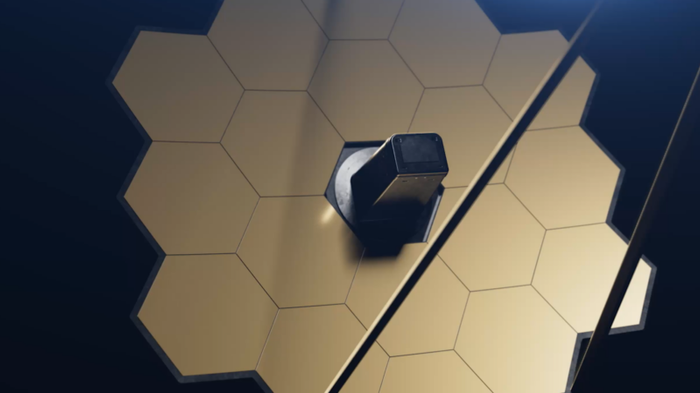
Making Sense of the Early Universe
On Spring Astronomy Day, astronomers are leveraging artificial intelligence (AI) and graphics processing units (GPUs) to manage and analyze the vast amounts of cosmic data generated by modern telescopes. This innovative approach is essential as the field of astronomy faces an unprecedented influx of information, making traditional methods of data analysis increasingly inadequate. By employing advanced AI algorithms and powerful GPU technology, researchers can efficiently process and interpret complex datasets, enabling them to uncover new insights about the universe. The event highlights the growing intersection of technology and science, showcasing how these tools are revolutionizing the way astronomers conduct their research and expand our understanding of cosmic phenomena.
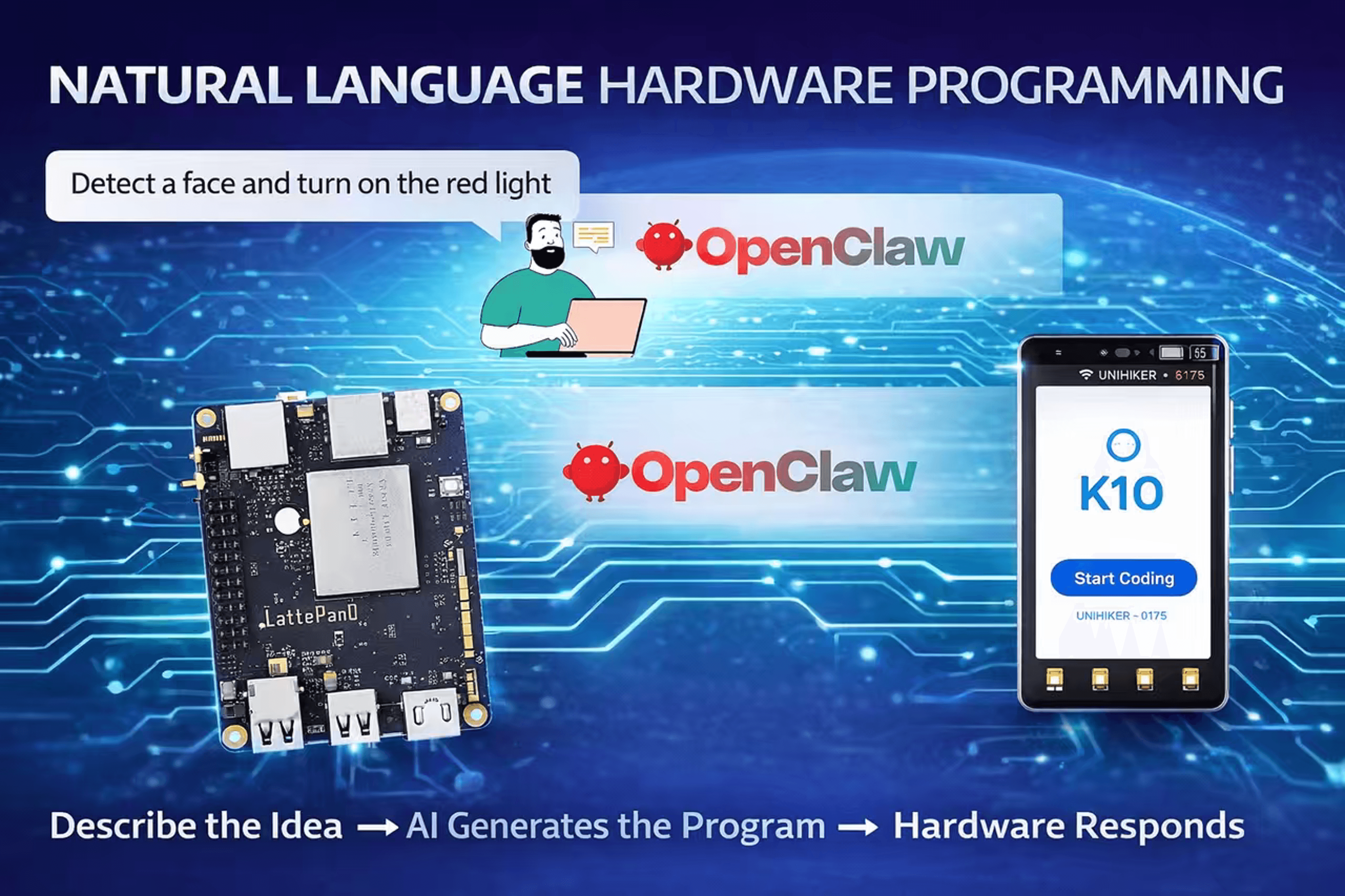
OpenClaw + UNIHIKER K10: Natural Language Hardware Programming in Minutes
Learn how OpenClaw enables natural language hardware programming on UNIHIKER K10, automating code generation, debugging, and deployment in minutes.
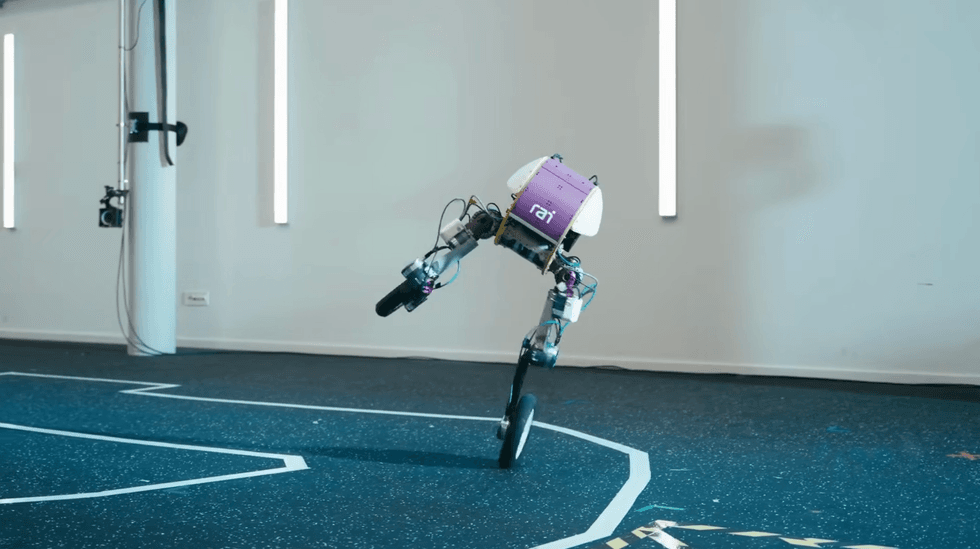
Video Friday: Beep! Beep! Roadrunner Bipedal Bot Breaks the Mold
IEEE Spectrum robotics has released its weekly roundup of notable robotics videos and events. Among the highlights is the introduction of "Roadrunner," a new bipedal wheeled robot prototype that can switch between various locomotion modes, designed for enhanced navigation. Weighing approximately 15 kg, it features symmetric legs that can adapt for obstacle avoidance and movement management. NASA has announced two ambitious missions: SkyFall, which will deploy next-generation helicopters on Mars to scout landing sites and map subsurface water ice, and MoonFall, aimed at preparing for future Artemis missions by sending drones to explore the lunar South Pole. These drones will operate independently for 14 Earth days, surveying challenging terrains. In research advancements, a team from MIT has developed Electrofluidic Fiber Muscles, a new class of soft and flexible artificial muscles for robots and wearables, promising improved agility and integration into textiles. Additionally, the open-source quadruped robot MEVIUS2 has been unveiled, capable of climbing stairs and steep slopes. Other innovations include a wristband from MIT that allows users to control a robotic hand through their own movements, and a cooking robot from Zhejiang Lab that autonomously processes ingredients and performs cooking tasks with high precision. The CMU Robotics Institute is set to host a seminar by Hadas Kress-Gazit from Cornell, focusing on the role of formal methods in robotics amidst the rise of big data.
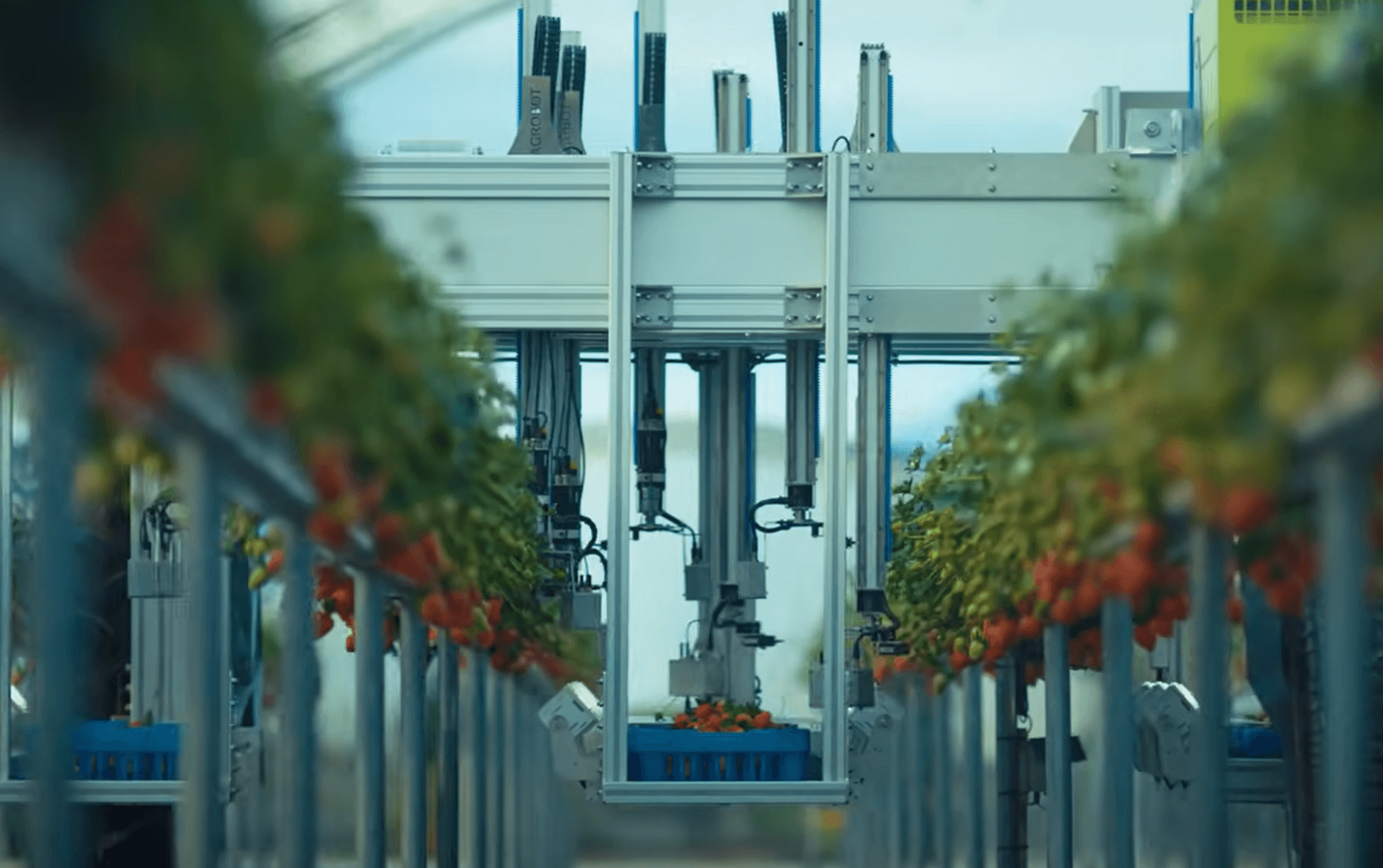
AGRICULTURAL ROBOTICS | Harvesting Robots: $6.9B Market
Harvesting robots hit $2.24B in 2024 and are targeting a $50B labor market at less than 5% penetration. Deep-dive: market data, 14 companies, economics, and 2030 outlook.
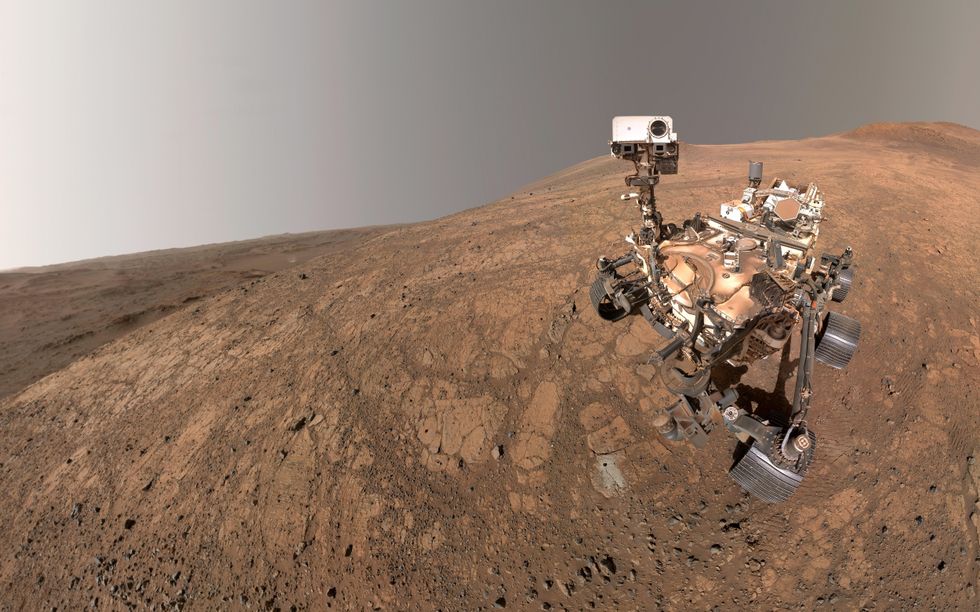
Perseverance Smashes Autonomous Driving Record on Mars
NASA's Perseverance rover has achieved a remarkable milestone in autonomous navigation on Mars, completing approximately 90% of its travels without human intervention since landing on February 18, 2021. As of October 28, 2024, the rover has driven over 30 kilometers (18.65 miles) and collected 24 samples, significantly surpassing the 6.2% autonomy rate of its predecessor, Curiosity. This advancement is largely attributed to its Enhanced Autonomous Navigation (ENav) algorithm, which allows the rover to analyze its surroundings and evaluate thousands of potential paths using limited computing power equivalent to an outdated iMac G3. The rover's journey has been guided primarily by images it captures, as high-resolution data from Mars Reconnaissance Orbiter is often insufficient for navigation. Despite challenges posed by the uncharted Martian terrain, ENav enables Perseverance to assess travel time and terrain roughness, running complex calculations only on the most promising paths. This strategic design has resulted in unprecedented levels of autonomous driving, including a record-setting 331.74 meters in a single Martian day on April 3, 2023. Masahiro "Hiro" Ono, a supervisor at NASA’s Jet Propulsion Laboratory, emphasizes the importance of advancing autonomous navigation for future space exploration, particularly as missions venture farther from Earth where communication delays become significant. The ongoing success of Perseverance highlights the critical role of automation in expanding the frontiers of space exploration.
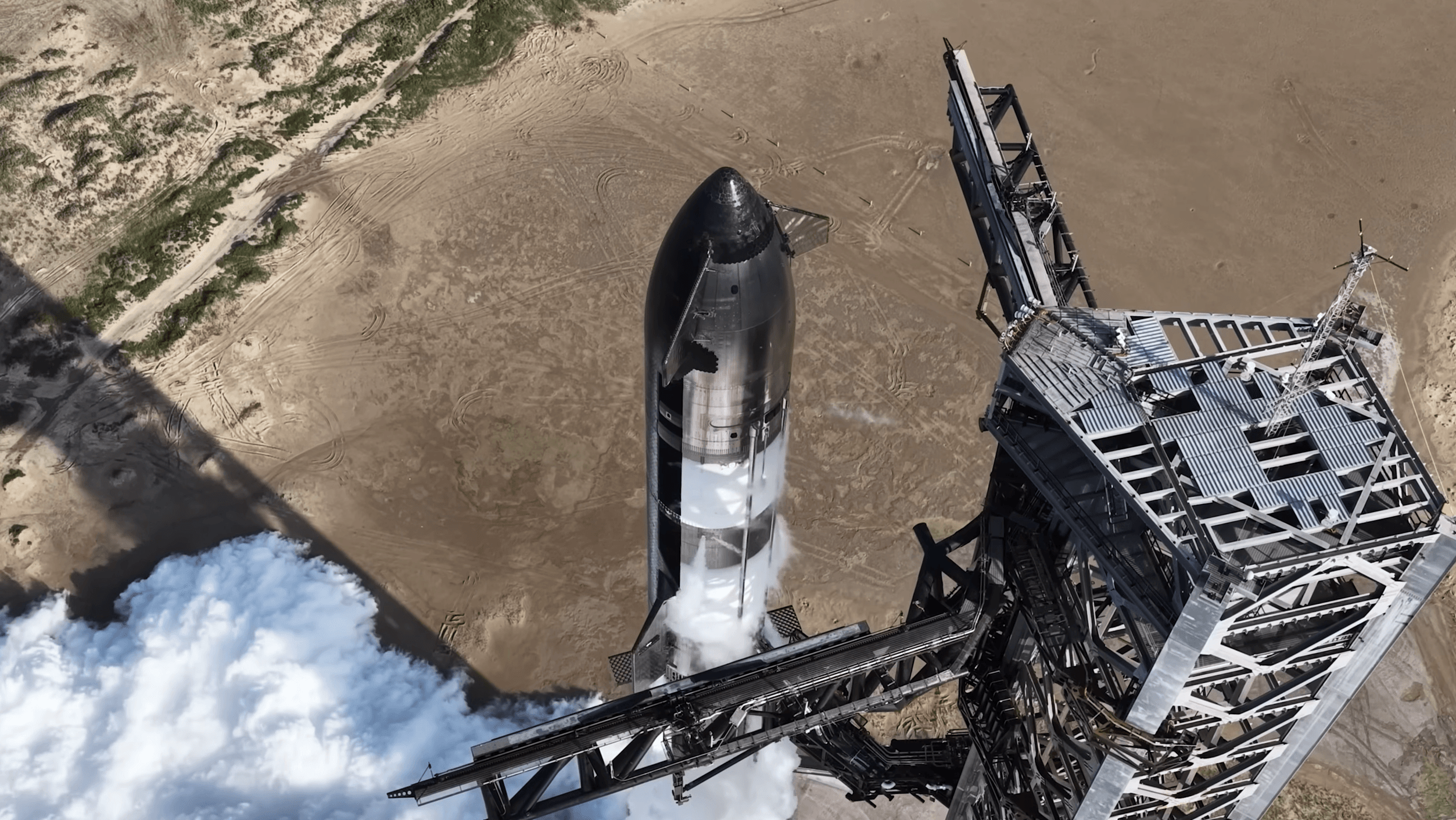
EXECUTIVE BRIEFING: The 2026 Space Robotics Landscape
Explore the definitive 2026 directory of 95+ space robotics leaders, covering orbital servicing, lunar rovers, and in-space manufacturing. Download the complete RobotToday reference guide to track the companies, funding, and technologies driving the $24B orbital economy.

Video Friday: Humanoid Robots Celebrate Spring
In the latest edition of Video Friday, IEEE Spectrum robotics highlights significant advancements in robotics and upcoming events. Among the featured developments, NASA's Perseverance rover has gained the ability to autonomously determine its location on Mars using a new technology called Mars global localization, which enhances its exploration capabilities. The rover utilizes an algorithm that compares panoramic images with orbital terrain maps, achieving location accuracy within 10 inches. Additionally, various robotics projects are showcased, including the progress of the Shiva robot in strawberry picking and the Corvus One for Cold Chain, designed to operate in extreme cold environments. The video series also includes insights into the rapid development of humanoid robots by the U.K.-based company Humanoid, which aims to create reliable and safe robots in increasingly shorter timeframes. Experts from institutions like Microsoft and Carnegie Mellon University discuss the future of human-robot collaboration and the challenges of scaling robot learning. As billions of dollars are invested in robotics, the potential for general-purpose humanoid robots appears closer than ever, promising to revolutionize interactions in both physical and digital realms. The weekly calendar of upcoming robotics events, including ICRA 2026 in Vienna, is also available for enthusiasts and professionals in the field.
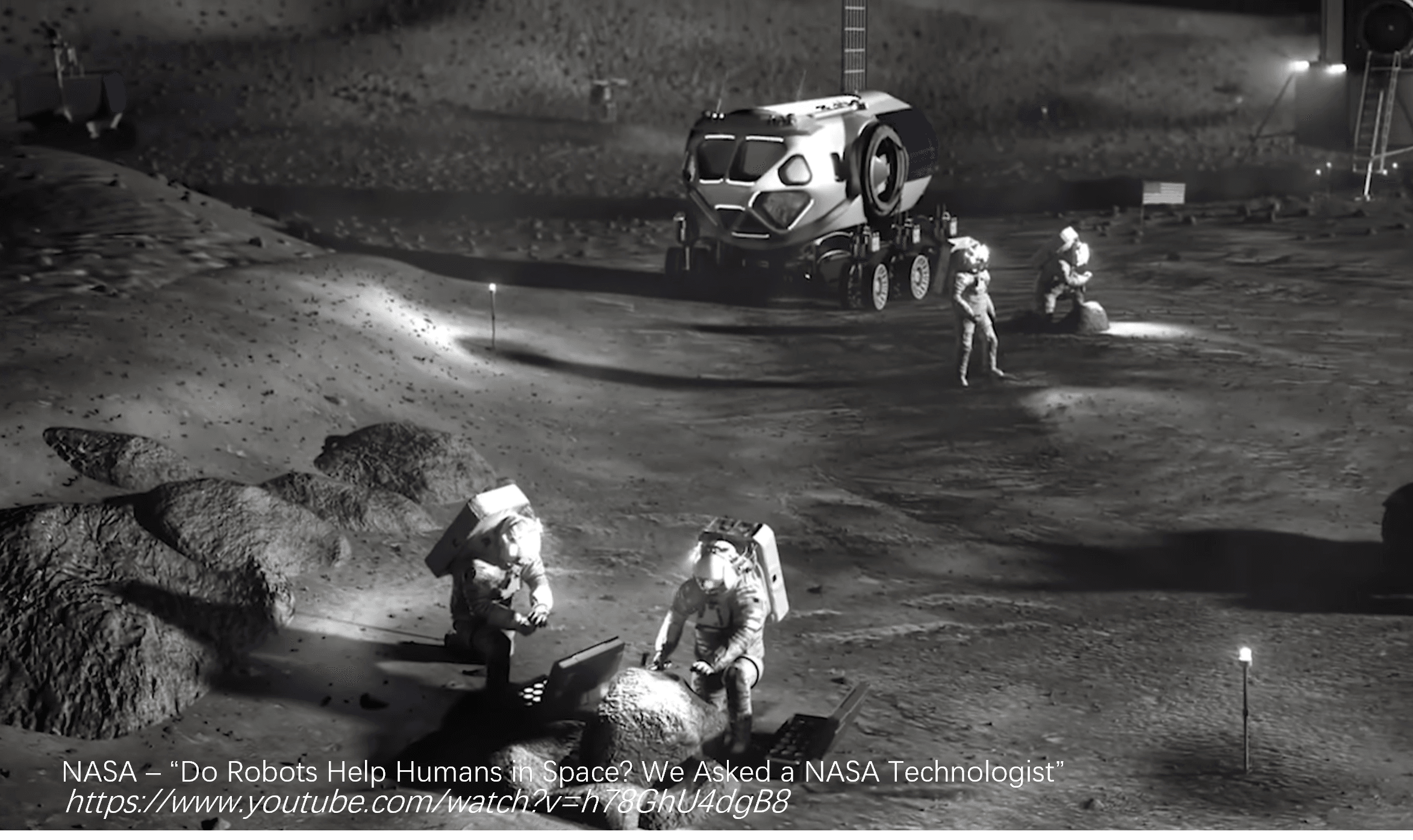
Space Robot- Building Skyscrapers in Space: ISMA's Industrial Revolution
ISAM technology breaks rocket fairing limits through robotic space manufacturing. Market grows from $3.5B to $14.5B by 2032. See how 3D printing, autonomous assembly, and orbital fabrication are creating off-Earth factories.
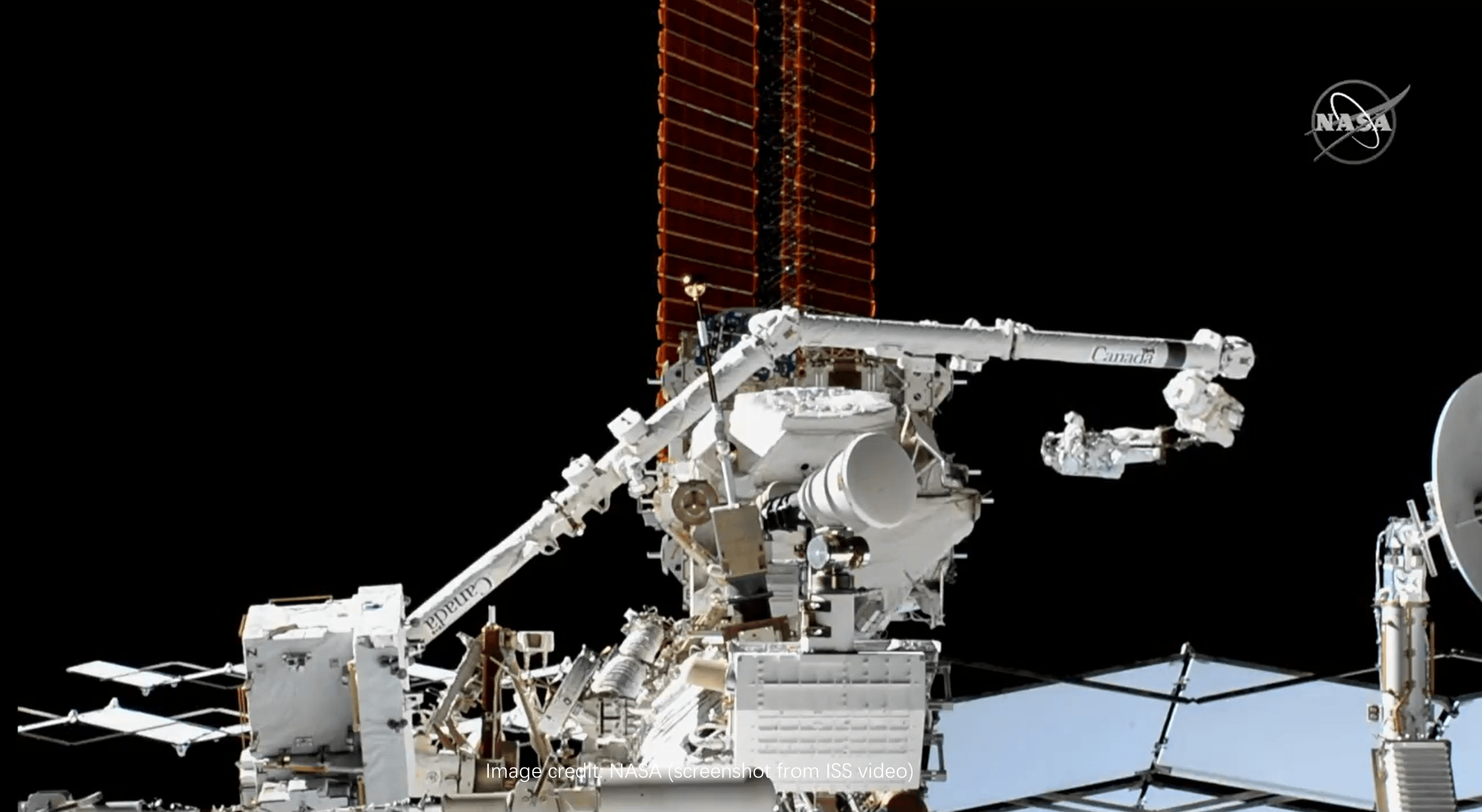
Space Robot - Space Station's AI Assistants: From Robotic Arms to Autonomous Partners
Space station robots evolve from remote tools to autonomous AI partners. How embodied intelligence reshapes human-robot collaboration in orbit.
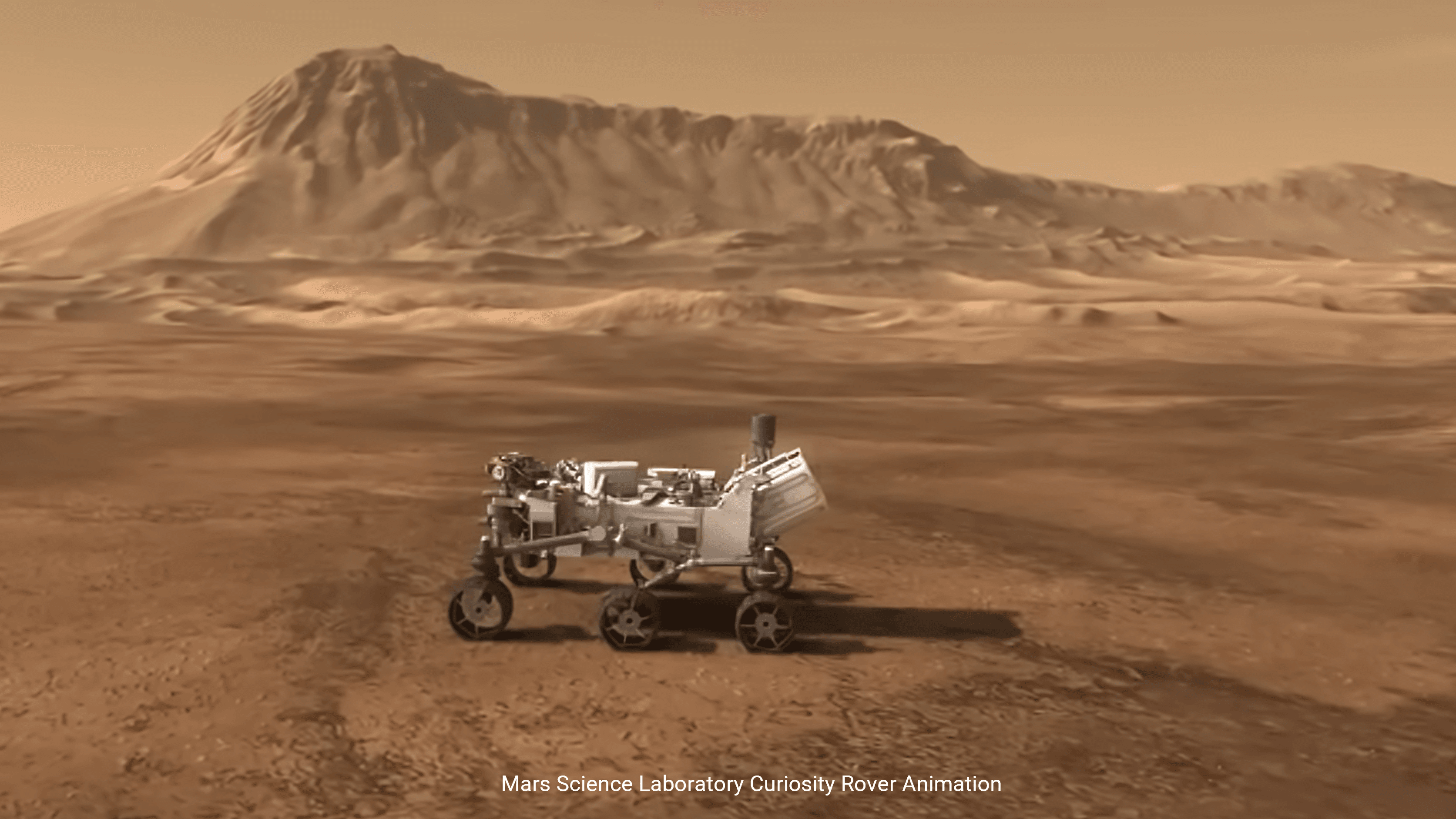
Space Robot- Lunar Rovers: Building Infrastructure on the Moon
Lunar rovers face -180°C nights and glass-sharp dust while building moon infrastructure. Inside the engineering challenges, commercial strategies, and international competition shaping planetary robotics.

Global Robotics Market 2026: Forecast Analysis & Key Trends
Comprehensive 2026 global robotics market forecast compilation from IFR, Markets and Markets & more. Market size, growth rates & regional analysis by segment.

RobotToday Weekly Industry Briefing: Feb 2 – 6, 2026
Robotics shifted from demos to deployment post-CES 2026, led by China’s humanoid scale, AI robot brains, and accelerating industrial adoption.
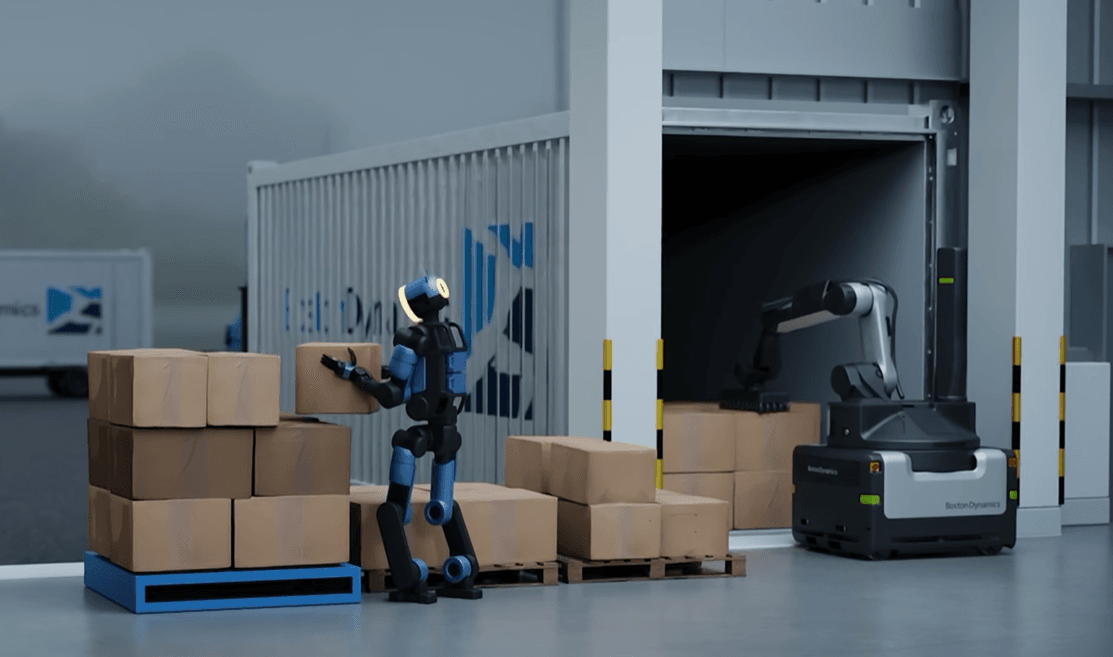
When the Machine Knows Better: The Quiet Revolution Inside Manufacturing
The machine can already see what human inspectors miss. But inside manufacturing, the real fight isn't about technology — it's about who gets to decide. The union battle over Manufacturing Intelligence begins here.
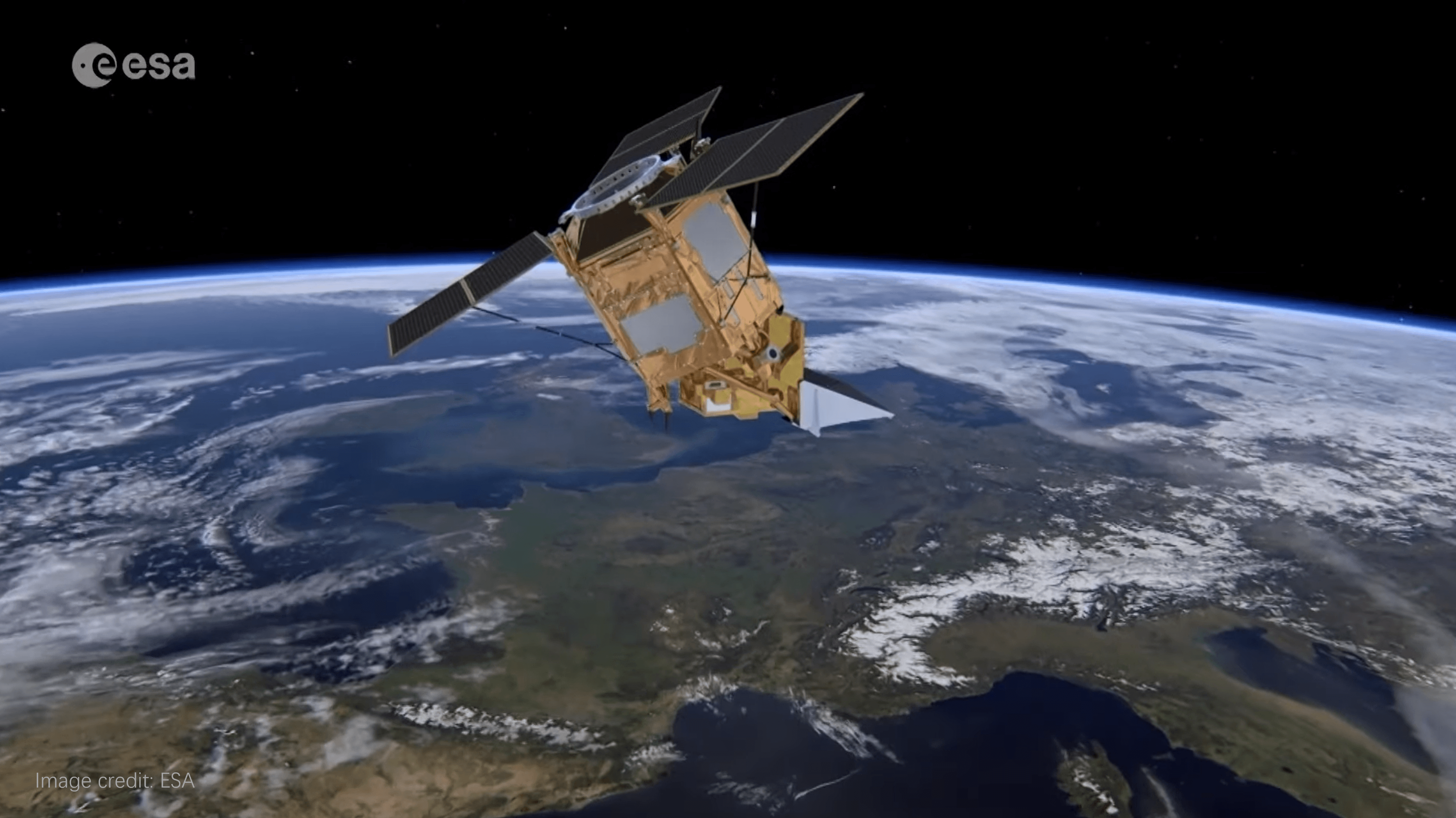
Space Robot - Killer App: The $30B Satellite Servicing Market
Orbital servicing is transforming space economics: $2B wasted annually on premature satellite deaths. Market growing from $500M to $20-30B by 2040. Deep dive into Astroscale, Northrop Grumman MEV, and the business of satellite refueling and debris removal.
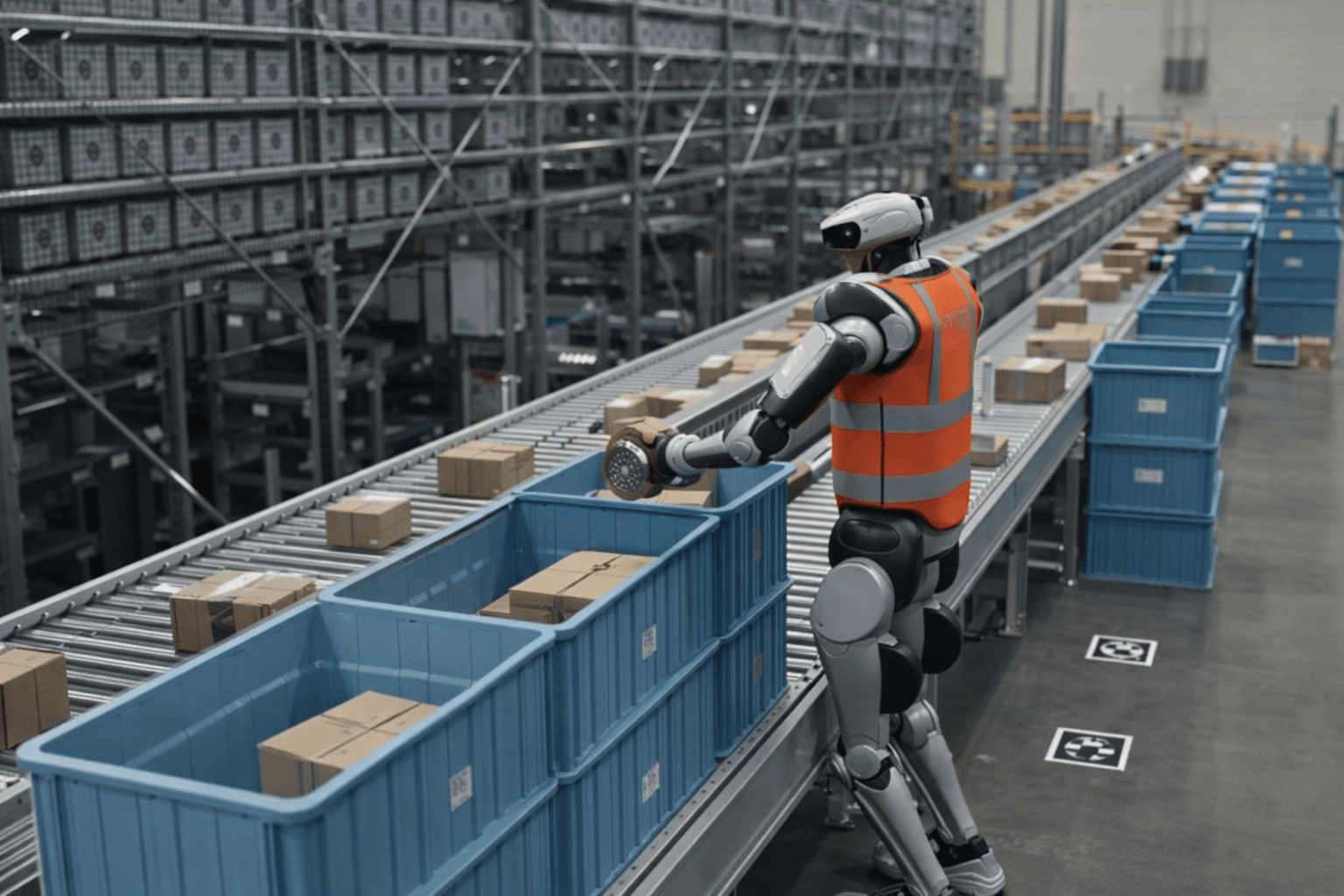
Humanoid Robots Are Entering Warehouses — and Unions Are Pushing Back
Humanoid robots are entering warehouses now — and unions like the Teamsters and UAW are drawing battle lines. Inside the 2026 labor showdown that could reshape logistics forever.

RobotToday Weekly Industry Briefing: January 26 – 30, 2026
Robotics industry briefing Jan 26-30, 2026: Serve-Diligent $29M acquisition, Richtech-Microsoft controversy, Waabi $1B funding, cloud robotics market to $43B by 2031, Fauna Robotics Sprout, Gartner humanoid forecast, NY Robotics launch.
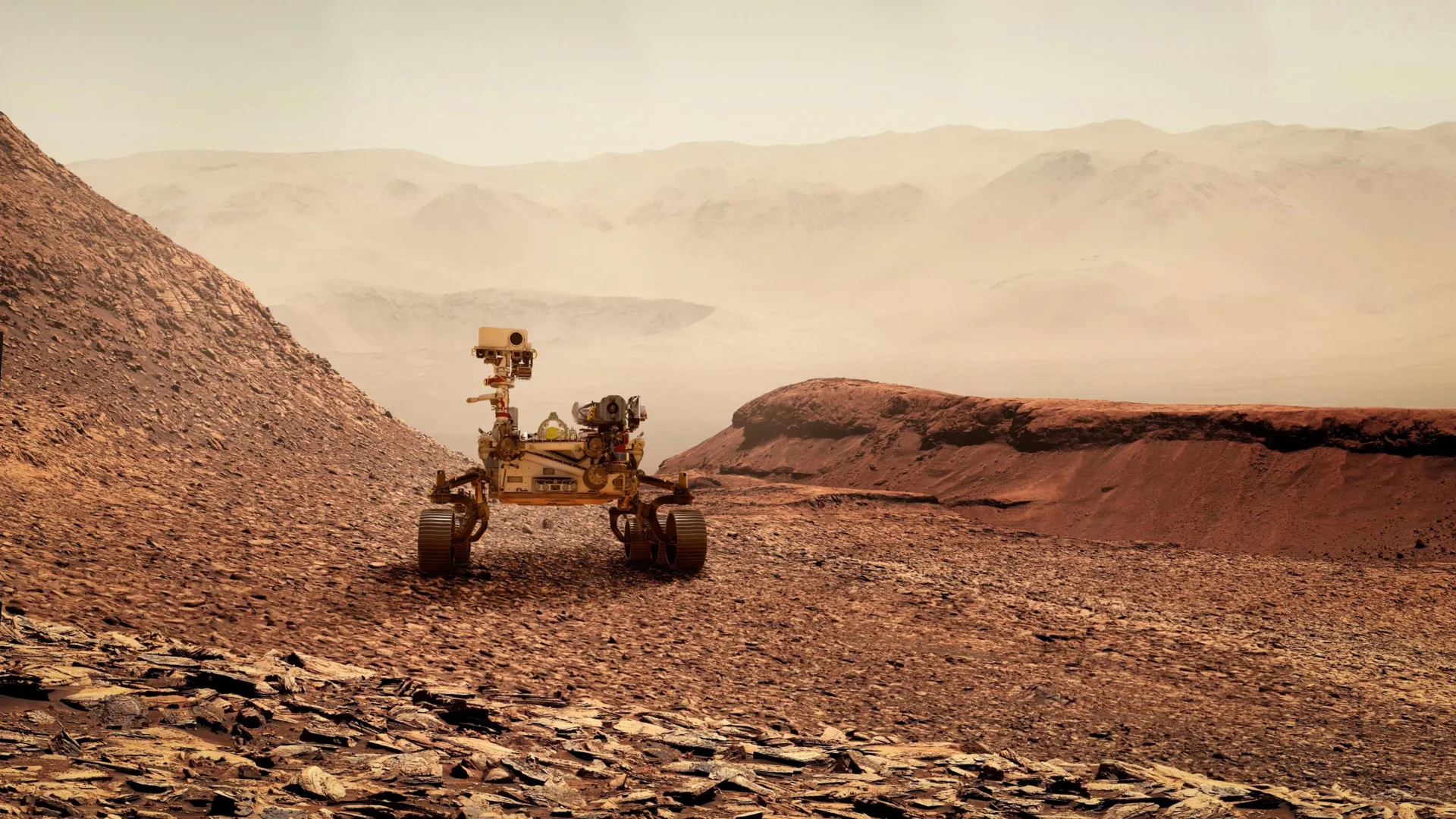
NASA’s Perseverance rover completes the first AI-planned drive on Mars
NASA's Perseverance rover has achieved a significant milestone by autonomously navigating the Martian landscape using routes determined by artificial intelligence. This groundbreaking event took place recently as the rover traversed the surface of Mars, employing an AI system that analyzed terrain images and data typically assessed by human operators. The AI was able to identify potential hazards, such as rocks and sand ripples, and create a safe path for the rover to follow. Following extensive simulations in a virtual environment, Perseverance successfully executed the AI-generated navigation, covering hundreds of feet without human intervention. This advancement marks a pivotal step in the use of AI for space exploration, enhancing the rover's ability to operate independently in challenging environments.

Oracle AI world
Oracle AI World: premier enterprise AI conference with expert keynotes, hands-on sessions, and networking in Las Vegas, Oct 26-29, 2026.

Microsoft Ignite 2026
Microsoft Ignite: premier tech conference on cloud, AI, security, and Microsoft innovation. Join developers, IT pros, leaders; San Francisco & online.
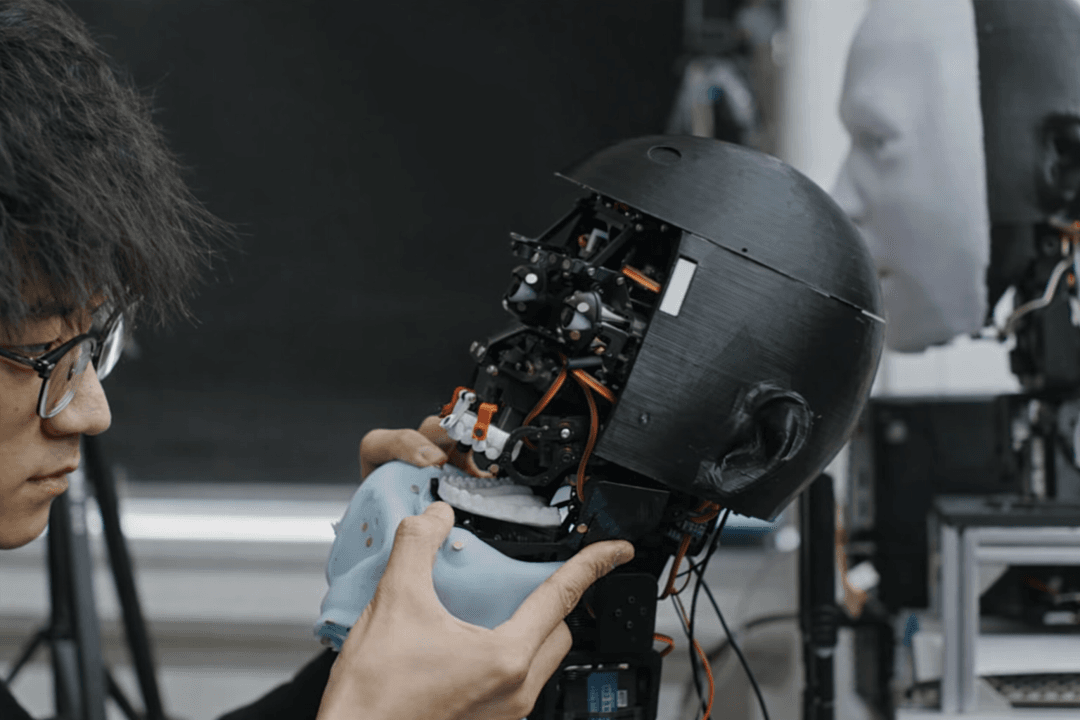
Columbia's Emo: Solving Robot Face Problem
Columbia's Emo robot breakthrough reveals why facial biomimicry is robotics' second hardest challenge. Analysis of tech barriers and 2028-2030 timeline.

RobotToday Weekly Industry Briefing: January 19 – January 23, 2026
iRobot emerges from Chapter 11, Tesla sets a 2027 Optimus release, and Hyundai faces labor pushback. Explore the top robotics industry news for Jan 18-23, 2026.

The 3rd International Conference on AI Sensors and Transducers (AIS 2026)
The 3rd International Conference on AI Sensors and Transducers (AIS 2026), 2–7 Aug 2026 in Jeju, South Korea — a global forum for researchers and industry experts on AI-enhanced sensing systems, transducers, and cutting-edge sensor technologies.
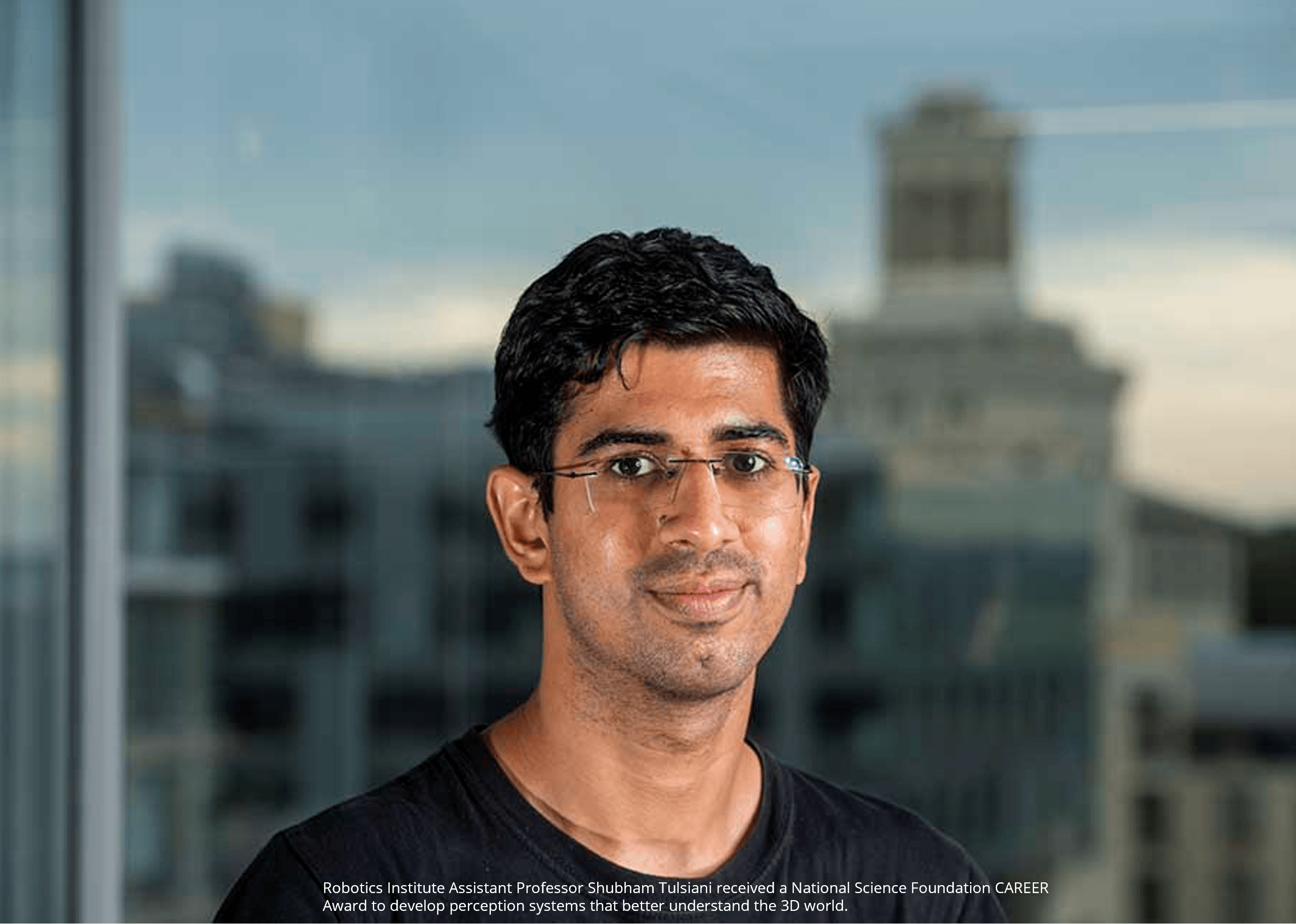
Shubham Tulsiani Receives NSF CAREER Award: Teaching Robots to Learn from Videos
CMU's Shubham Tulsiani receives NSF CAREER Award for pioneering work teaching robots to learn manipulation skills from internet videos. Zero-shot learning breakthrough.

ICRA 2026
IEEE ICRA 2026, the flagship robotics and automation conference, brings top researchers and industry leaders to Vienna, Austria, 1–5 June 2026 to advance robotics research.

IFA 2026
IFA Berlin 2026 — the world’s largest consumer electronics and home technology trade show held in Berlin from September 4–8, showcasing cutting-edge innovations, global brand launches, startups, and future tech trends.
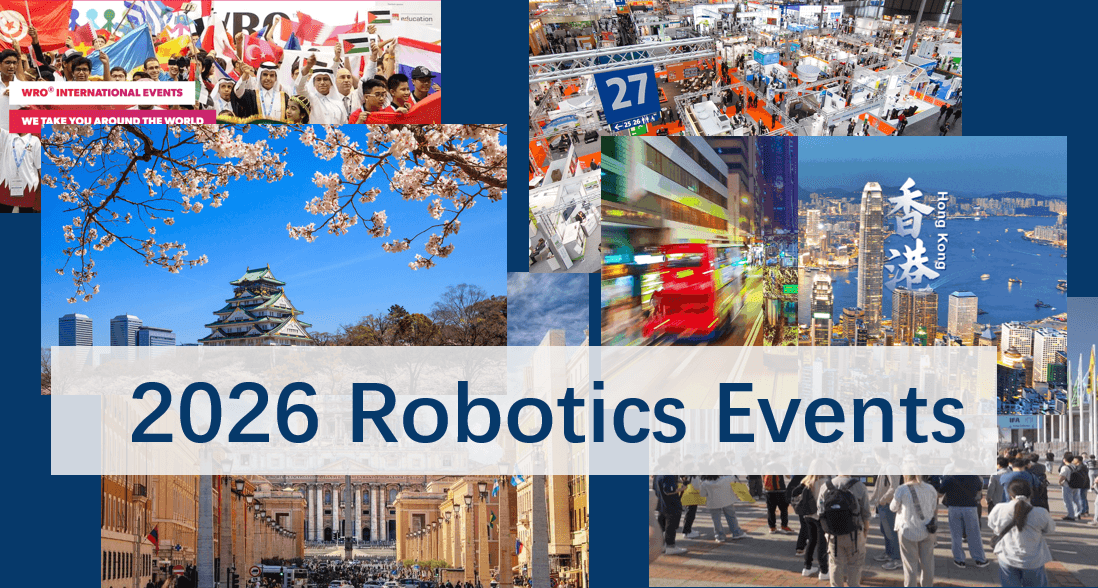
2026 Robotics Events Briefing: Tailored Recommendations for Robotics Readers
A curated briefing of major global robotics events in 2026, offering tailored recommendations for researchers, industry professionals, startups, and the broader robotics ecosystem.

RobotToday Weekly Industry Briefing: January 12 – January 16, 2026
NVIDIA advances physical AI with Cosmos and GR00T, humanoid robots move into real factories, China leads global deployments, and robotics stocks gain momentum.

GEIA Europe 2026
Discover GEIA Europe 2026 — the premier summit on embodied intelligence and humanoid robotics in Europe, bringing together top experts, live tech showcases, and strategic discussions on AI and robotics innovation.

ACIRS 2026
ACIRS 2026 is an international robotics conference in Hong Kong, bringing together research on intelligent robotic systems, AI, control, and real-world applications.
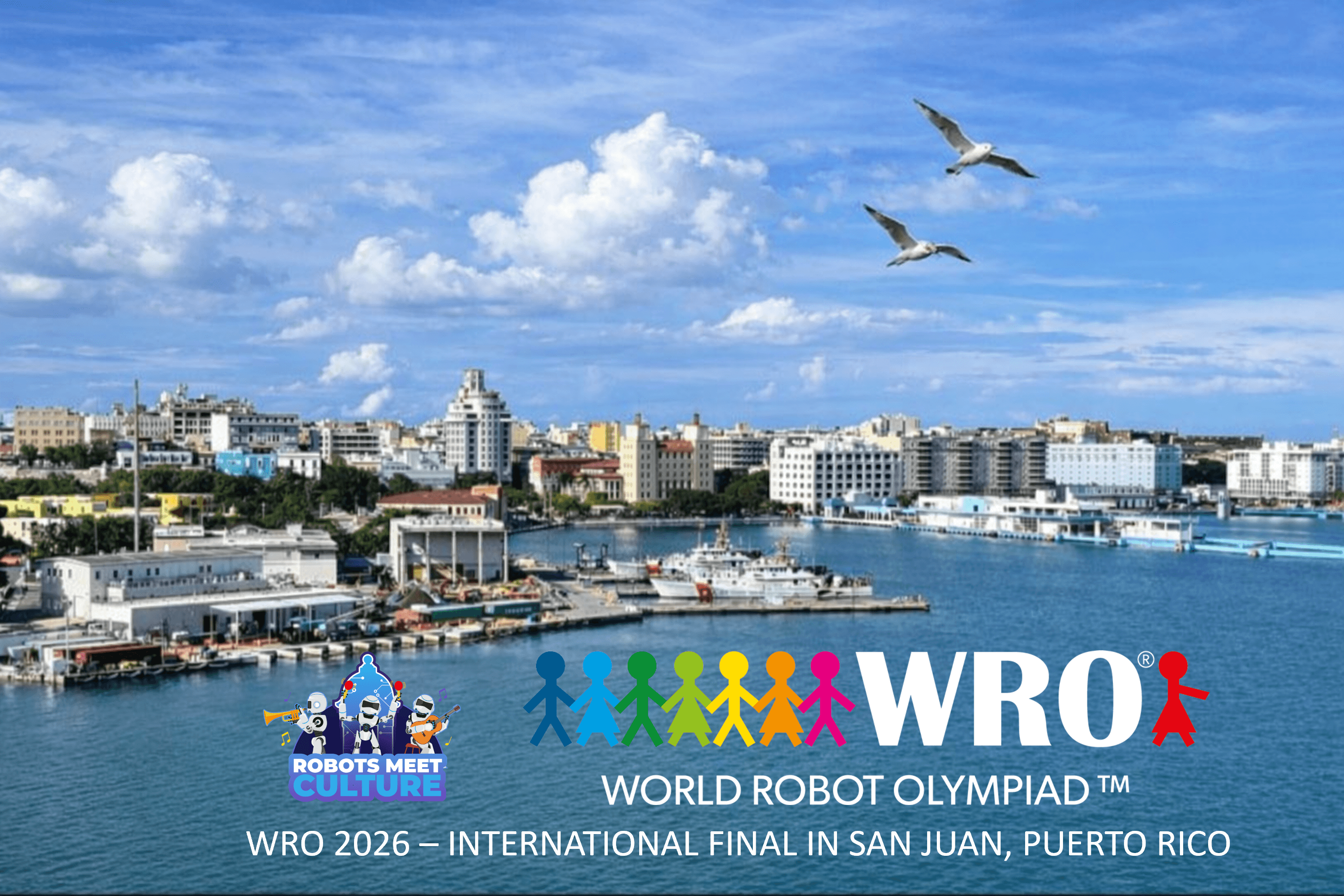
World Robot Olympiad (WRO) 2026
World Robot Olympiad (WRO) 2026 Season: Global student robotics competition exploring “Robots Meet Culture,” culminating in the International Final, Dec 8–10 2026 in San Juan, Puerto Rico. Develop creativity, design, engineering and problem-solving skills through hands-on robotics

Hannover Messe 2026
HANNOVER MESSE 2026 brings global industry leaders together for automation, industrial AI, robotics and energy innovation, 20–24 April in Hannover, Germany.

The A3 Business Forum
Annual networking forum for robotics, AI, vision & imaging, motion control professionals in automation. Join expert keynotes, panels, and industry insights in Orlando, Florida, Jan 19-21, 2026. Register now for the A3 Business Forum.
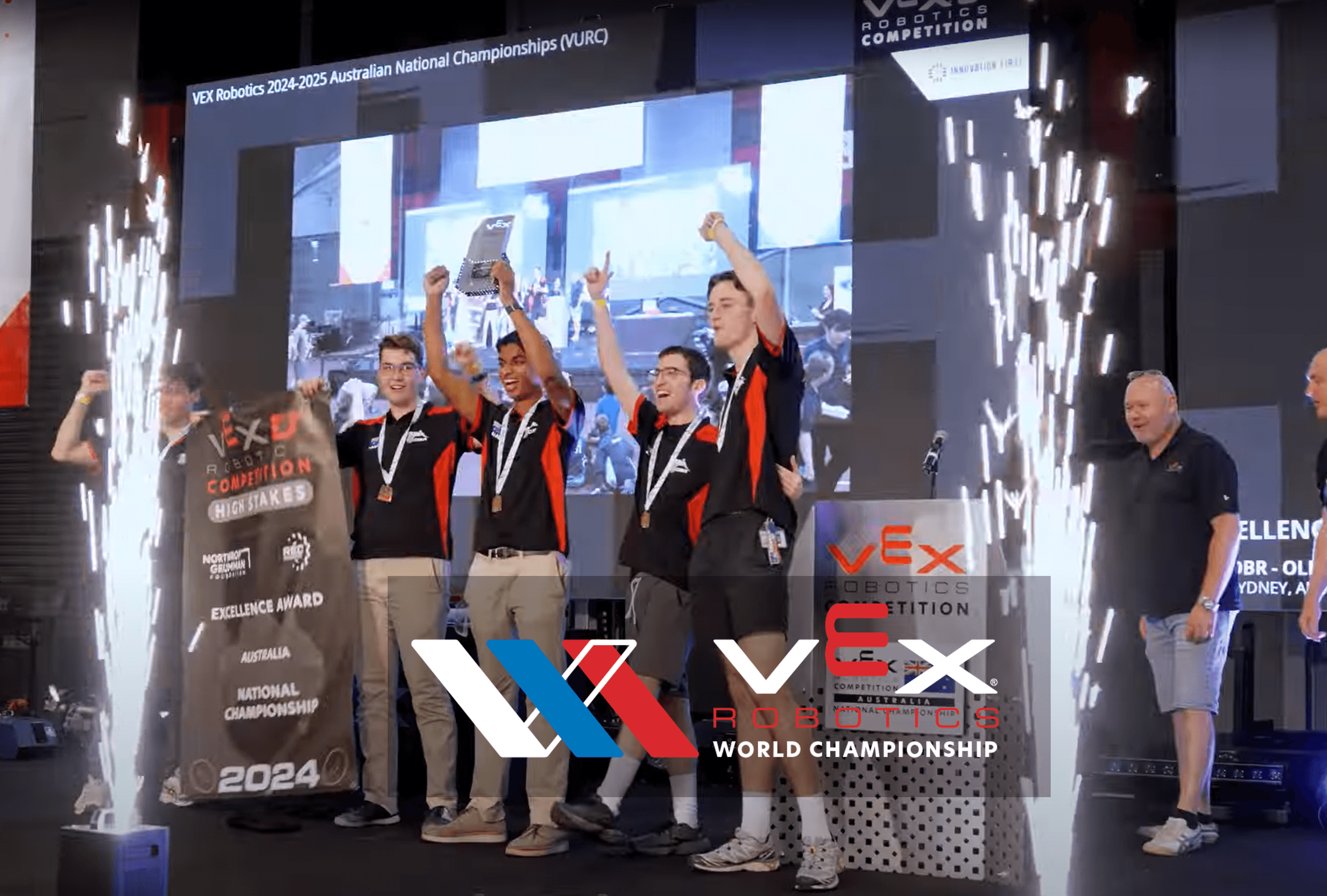
VEX 2026
VEX Worlds is the culminating global robotics championship that unites student teams from around the world in high-level competition, collaboration, and STEM inspiration.

IROS 2026
IEEE/RSJ flagship conference on intelligent robots, AI, autonomy, perception and systems, uniting global research and industry
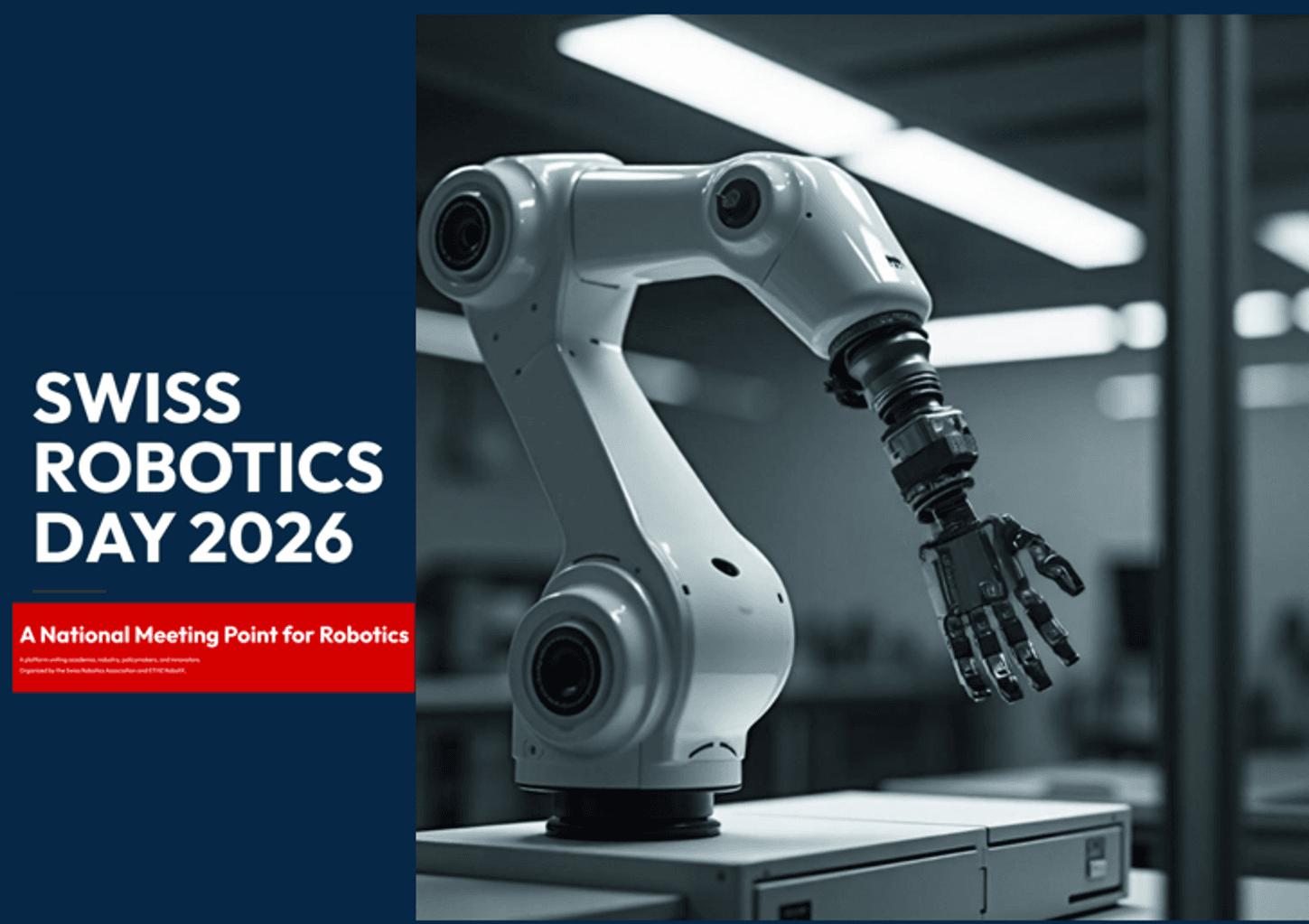
Swiss Robotics Day 2026
Swiss Robotics Day: Switzerland’s flagship robotics expo & symposium on Nov 14, 2025 in Lausanne. Innovation, talks, demos, networking.